We’ve all heard bike mechanics moan about things you should ‘always’ or ‘never’ do when working on your bike. But sometimes their advice can be conflicting, which leads to heated debate.
Topics such as pressure washing and clamping dropper posts in the workstand still cause contention in bike workshops and have experienced mechanics seething over their tea and biscuits.
Here are five examples of contentious topics that even professional bike mechanics just can’t agree on.
1. How to cut aluminium bars, seatposts and steerer tubes

Companies like Park Tool make excellent carbon hacksaw blades, which are the best way to trim carbon products down to size. But for aluminium handlebars, seatposts, and steerer tubes, mechanics will argue at great length about how to cut things down to size.
Some mechanics swear by rotating pipe cutters. They’re fast, create zero mess, and result in a straight line around the tube. But they leave an uneven and abrasive end to the tube and some create wear in a ring below the cut mark. The cut should be finished with either a deburring tool or a fine file. This creates swarf and mess which proponents of hacksaws say negates the mess-free operation of the original tool.
Other mechanics say that using a hacksaw is the best way to cut down aluminum bars, seatposts, and steerer tubes. Some mechanics swear by using a saw-guide, others are confident enough to perform the operation by eye. Cutting with a hacksaw creates messy swarf but can be done quickly, form a clean cut, and not wear the finish below the cut line. The cut should be finished with a file but usually a deburring tool is not required.
Both methods have their advantages and disadvantages, but if you've got time to kill, ask a bike mechanic for a conversation about which is best.
2. Pressure washing your bike
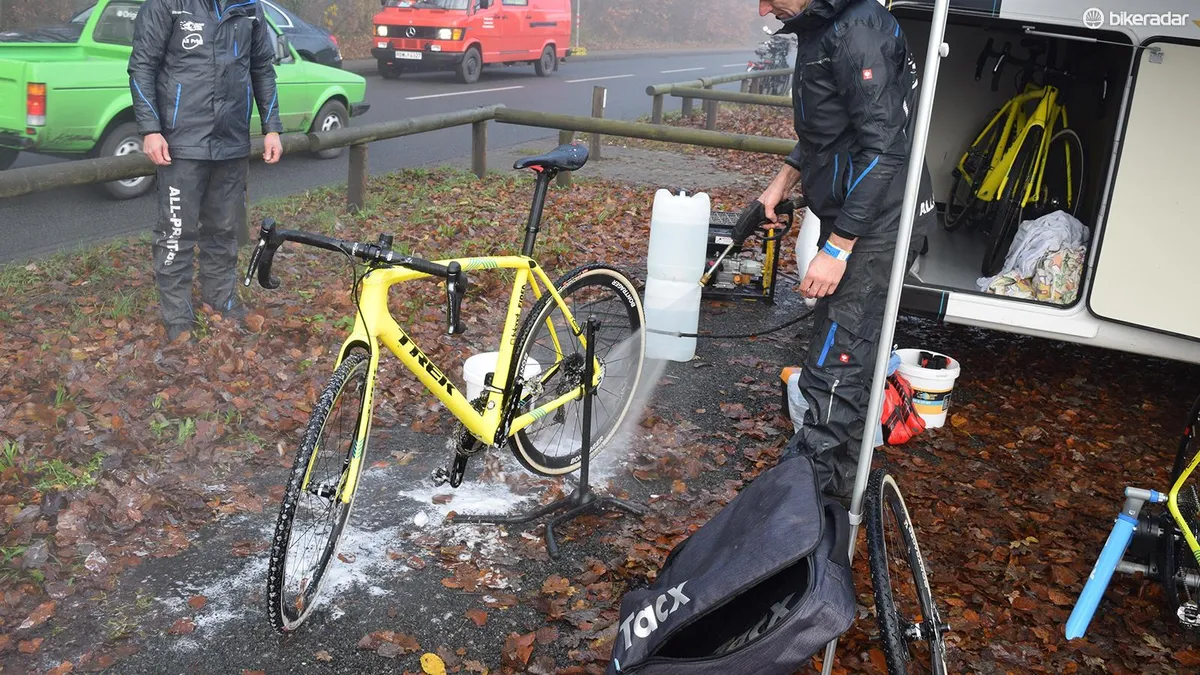
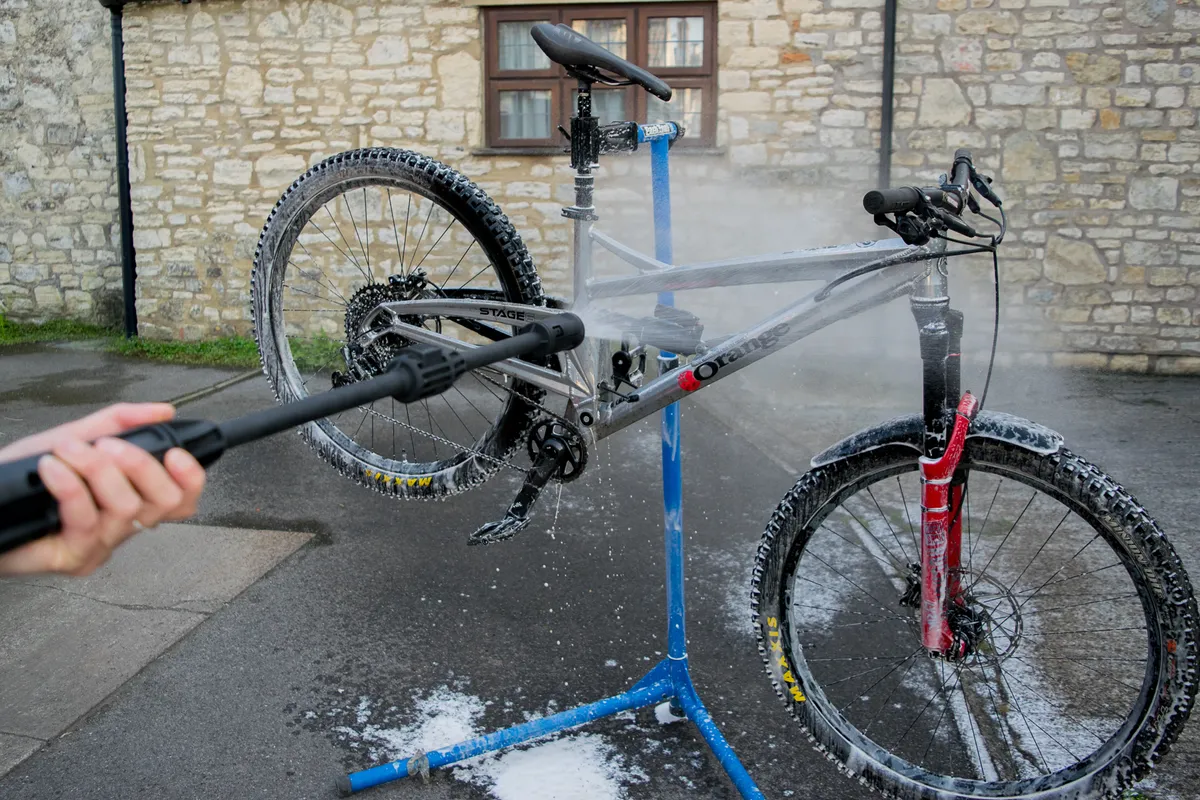
Pressure washers create powerful jets of water and are a useful tool for outdoor cleaning, but should you be using high-pressure water to wash your bike? The cleanliness post-jet-washing is undeniable, yet some mechanics argue that it causes issues for your bike's bearings.
In some circumstances, such as incredibly muddy mountain bike races, a pressure washer is by far the fastest, most thorough, and most efficient way to get large amounts of sticky mud off your bike. But crucially, if you’re racing, then your bike is probably receiving regular maintenance and strip-downs. This should mean that any water ingress into bearings will be spotted quickly, and will be less likely to have time to affect the bearing’s innards, as bearings will be replaced frequently anyway.
For routine washing, many mechanics feel it’s best to use a low-pressure hose and a brush instead of a pressure washer.
3. Getting bike wash detergent on your brakes
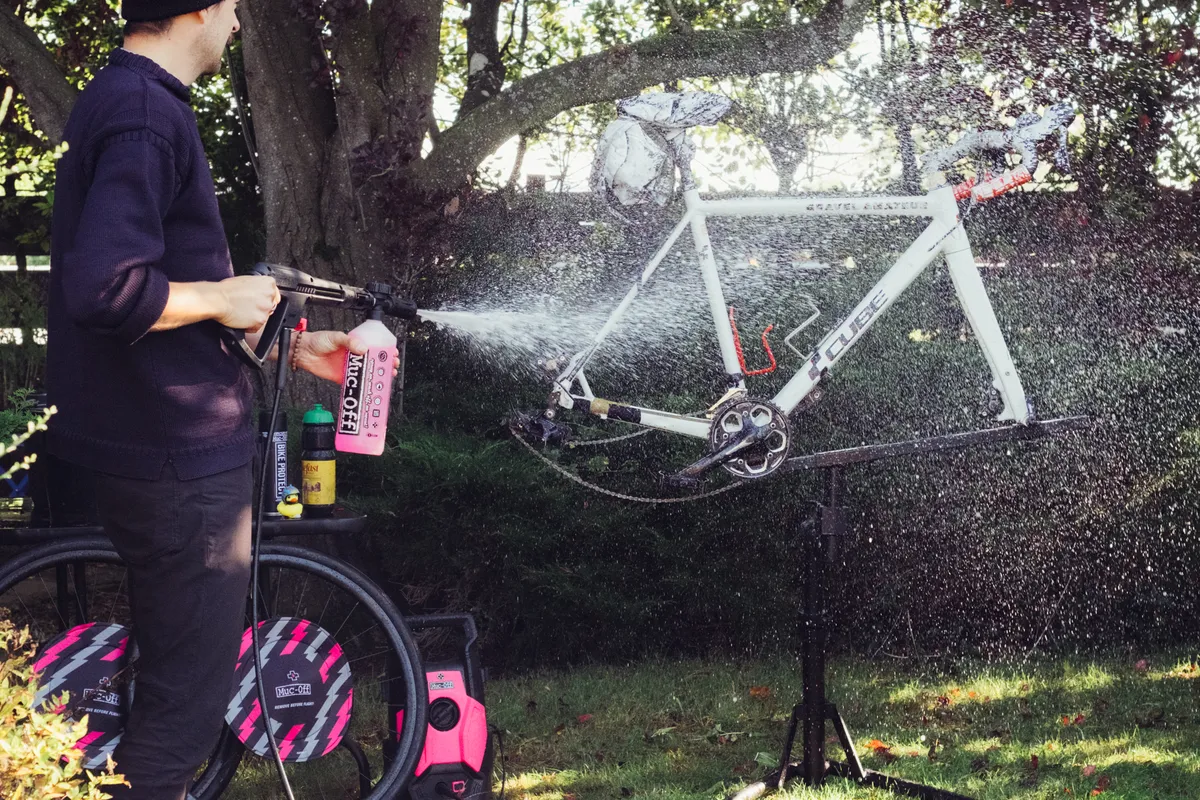
Disc rotors and pads can get up to high temperatures and are sensitive to any contamination between the disc and pad interface where the all important friction (and therefore heat) are generated.
Some mechanics argue that the bike wash can wash away the layer of friction material (from the brake pads) which is ingrained in the disc rotor during the brake bedding-in process. This means you may have to bed in your brakes again after washing the bike, which can feel like an unnecessary step.
Other mechanics are comfortable spraying bike wash detergent around with reckless abandon, not worrying about where it ends up.
One thing all mechanics agree on is that if you do get bike wash on your rotors (whether intentionally or not) as part of your washing routine, a thorough rinse cycle is imperative for proper performance.
4. Clamping your dropper post in the bike stand
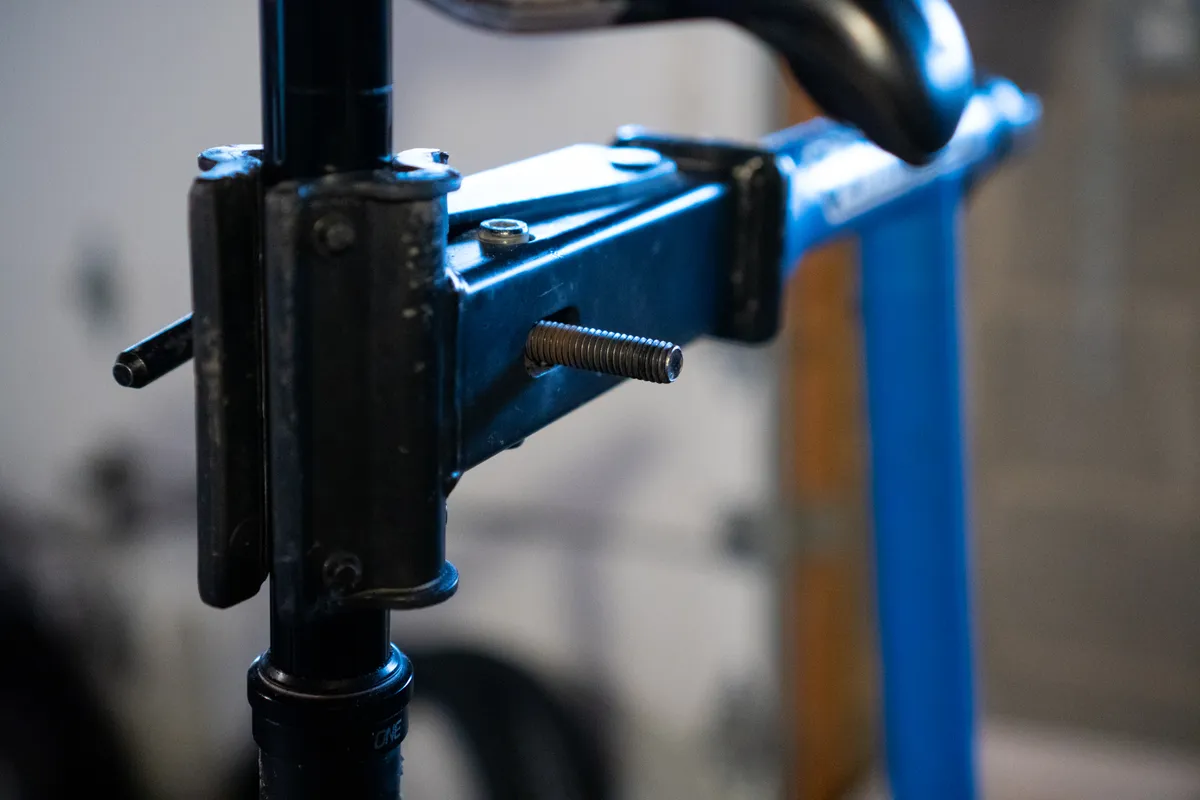
Some mechanics swear that clamping a component which can cost over £1,000 in some jaws and swinging your bike off it is madness. I’ve been employed by workshops in which clamping the bike by the dropper post would get you an ear-bashing.
But other mechanics clamp the bike in the stand by the dropper post as a matter of course. They say that as long as clean, undamaged soft-jaw grips are installed in the workstand, then the dropper post’s bushes and internal mechanisms can suspend the bike.
In a perfect world, the dropper would be raised in the frame and the body of the post itself clamped. This is especially true when you're doing something like loosening a stuck SRAM crank bolt, which can have a recommended torque setting of 54Nm.
Swinging your weight off the bottom-bracket of a bike when it’s suspended by a dropper stanchion is unlikely to do anything favourable.
5. Centre Lock or six-bolt disc rotors
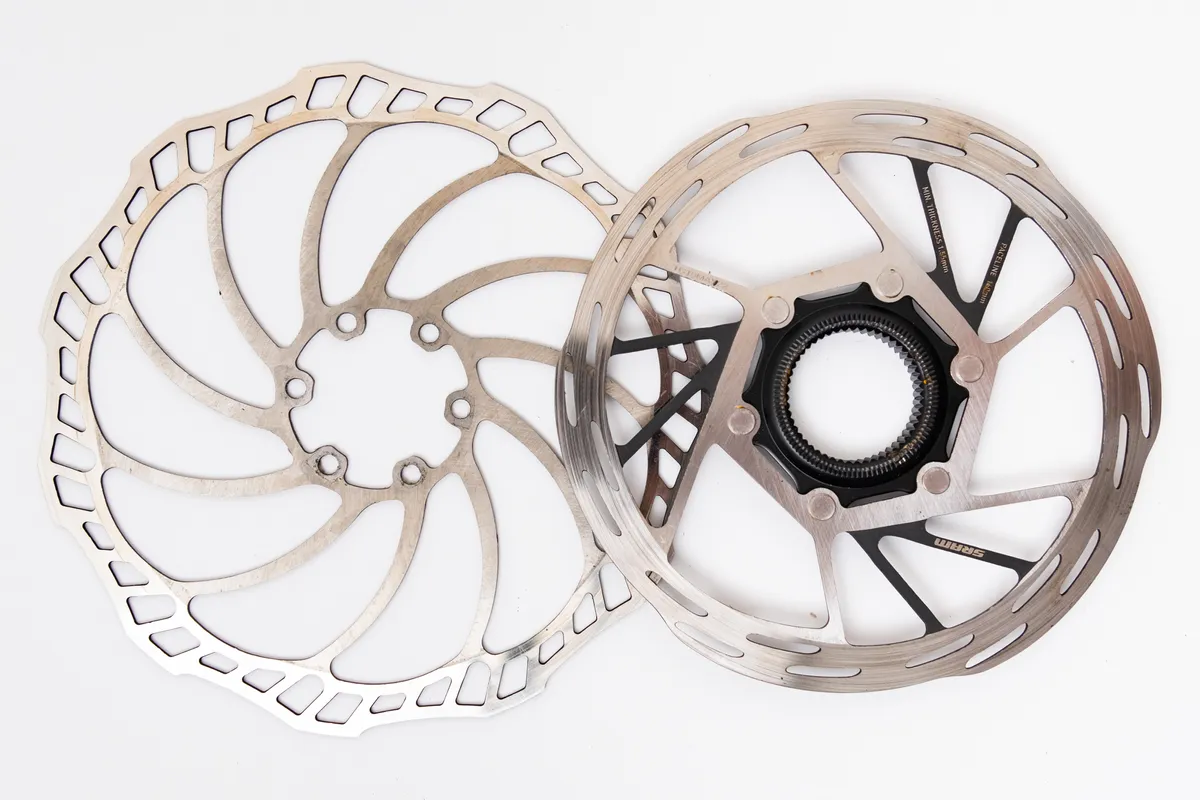
Usually, new standards are scoffed at by bike mechanics. There are new parts to stock, new techniques to learn, and something that has worked perfectly fine is being made obsolete.
But with the invention of Centre Lock disc bike rotors, it seemed that the bike mechanic community was split. Sceptics preferred to stick with six-bolt rotors, but Center Lock rotors had plenty of proponents.
Those in favour of six-bolt rotors argue that the standard was safer. Afterall, it has six rather than just one bolt. They also argue that a 4mm hex, or T25 Torx key is easier to come by than a Shimano HG cassette or Hollowtech II bottom bracket tool (the two tools used to tighten Centre Lock rotors).
Advocates for Centre Lock argue that there is even pressure on the rotor, and that there is only a single bolt to tighten, which is larger and therefore more resilient to cross-threading.