With the gravel and mountain bike market on the verge of fully embracing 32in wheels, we now have brands such as Cube bringing another wheel size into play: 30.5in.
Cube has 30.5in bikes on the way, and the German wheel and component brand Newmen has announced new wheels for gravel in 32in and 30.5in sizes to complement its existing 700c gravel options.
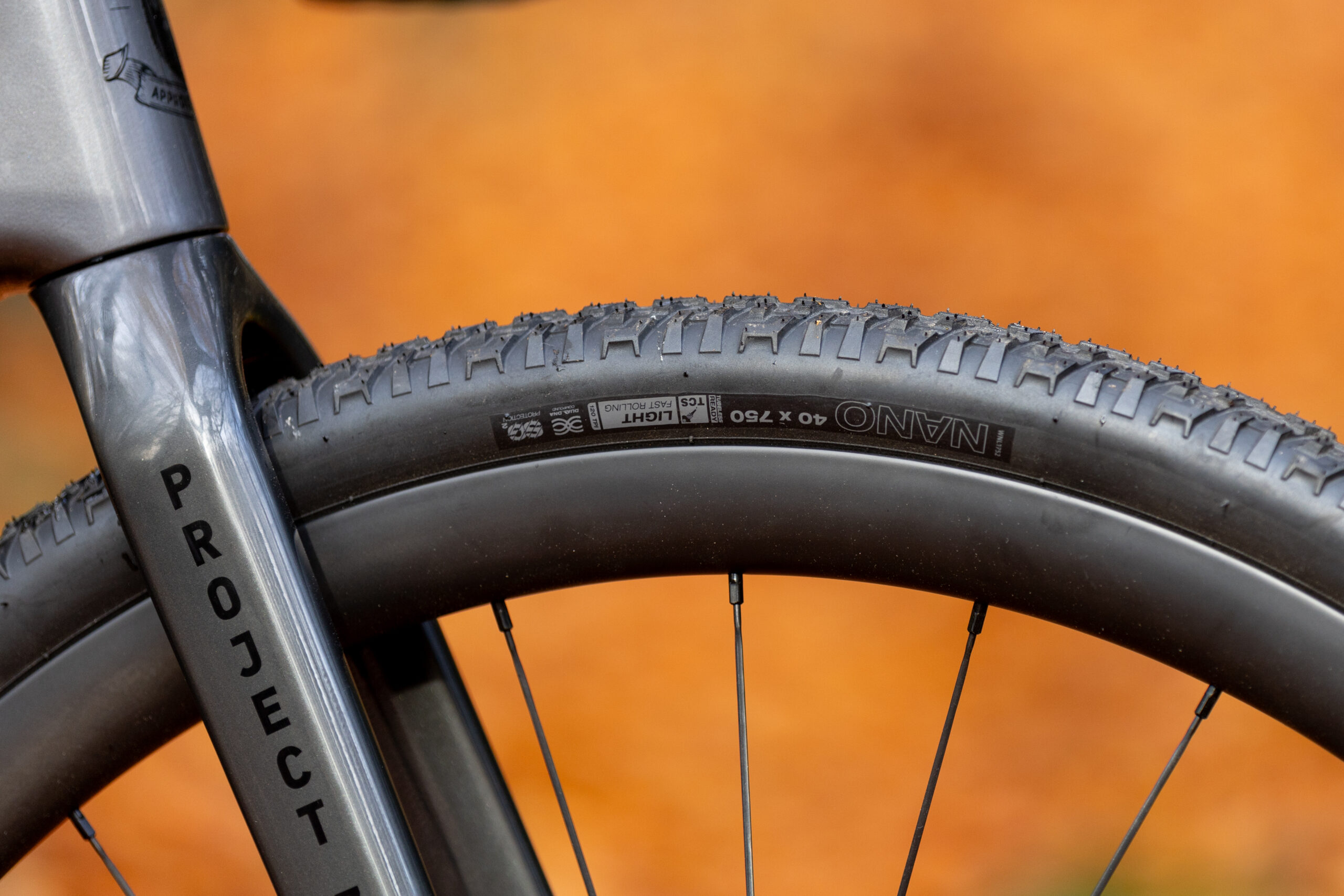
The 30.5in wheel size reared its head back in 2023 with WTB, but back then it was aimed solely at gravel and called 750d.
Having two names for the same thing is a bit confusing, but 750d is just one version of the nominal rim seat diameter (BSD) of 660mm. Not all 30.5in wheels will share the exact same 660mm BSD, especially when it comes to mountain bikes. It's confusing, I know.
As you can probably imagine, the online backlash against these new larger wheel sizes has been somewhat vitriolic. Some are calling on the UCI to ban 32in wheels in gravel competition. Others say the industry is forcing another standard upon us, we didn’t ask for it and it could lead to ‘market complications’.
I don’t think any competitive ban should come into the equation around 32in and 30.5in developments. I just think the UCI should stay out of gravel wholesale. I honestly don’t care about racing legalities when I’m riding my favourite gravel trails, and neither should you – it’s irrelevant.
Comparisons can (and should) be made with mountain bikes moving from the 26in wheel to the 29er. The same criticisms of 32in wheels were levelled at 29in wheels when they first came onto the scene. However, mountain biking has settled broadly on 29in as the default, with 650b/27.5in playing a part on smaller bikes and mullet setups.
The questions remain: what happens with effectively off-road options extending to 27.5, 29, 30.5 and 32in (and of course their metric nomenclatures)? Will all brands adopt a wider range? Will some ‘choose’ a wheel size and stick with it? Which one(s) will be consigned to history as a ‘failed’ standard or become vintage like 26in?
Benefits or bluster?

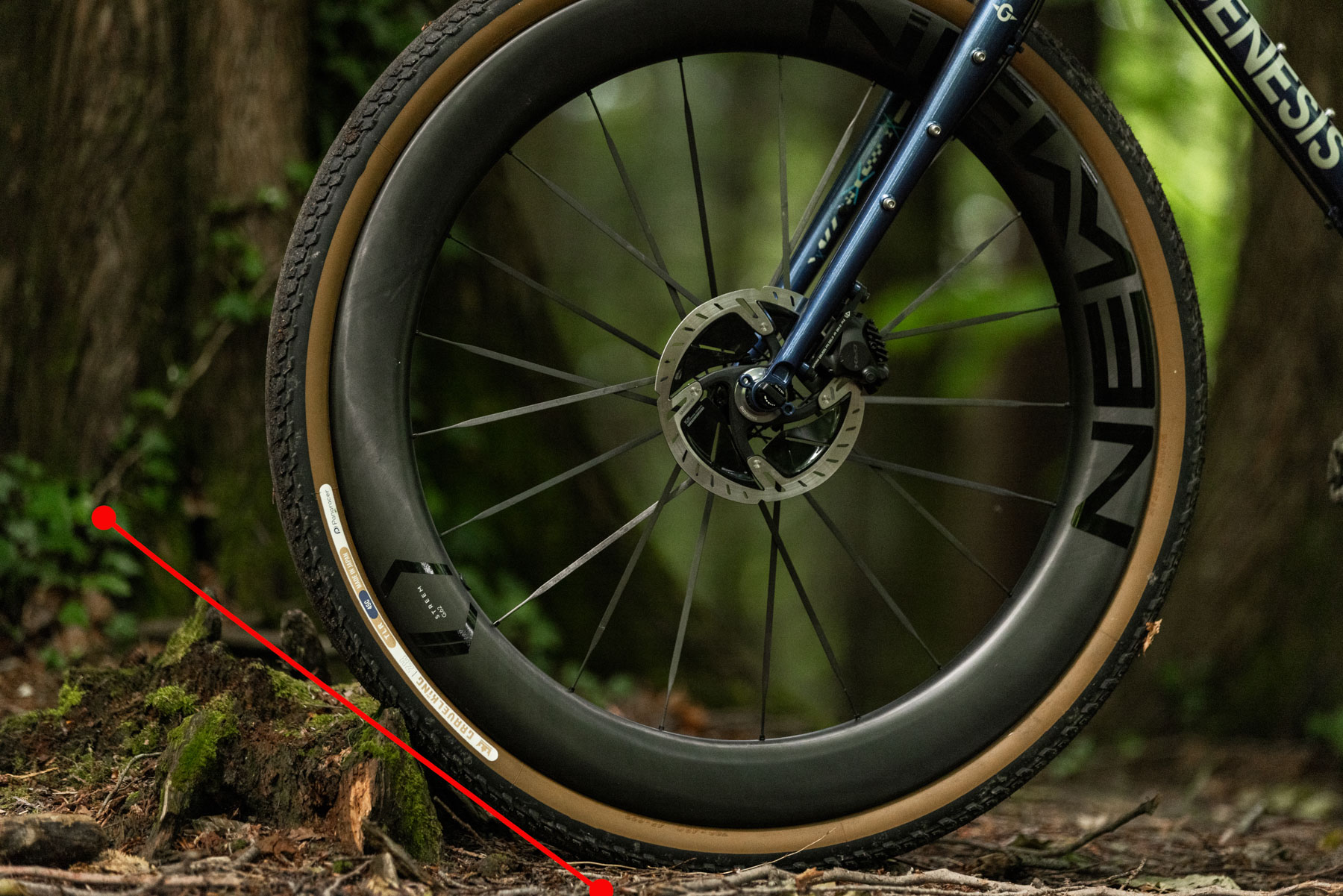
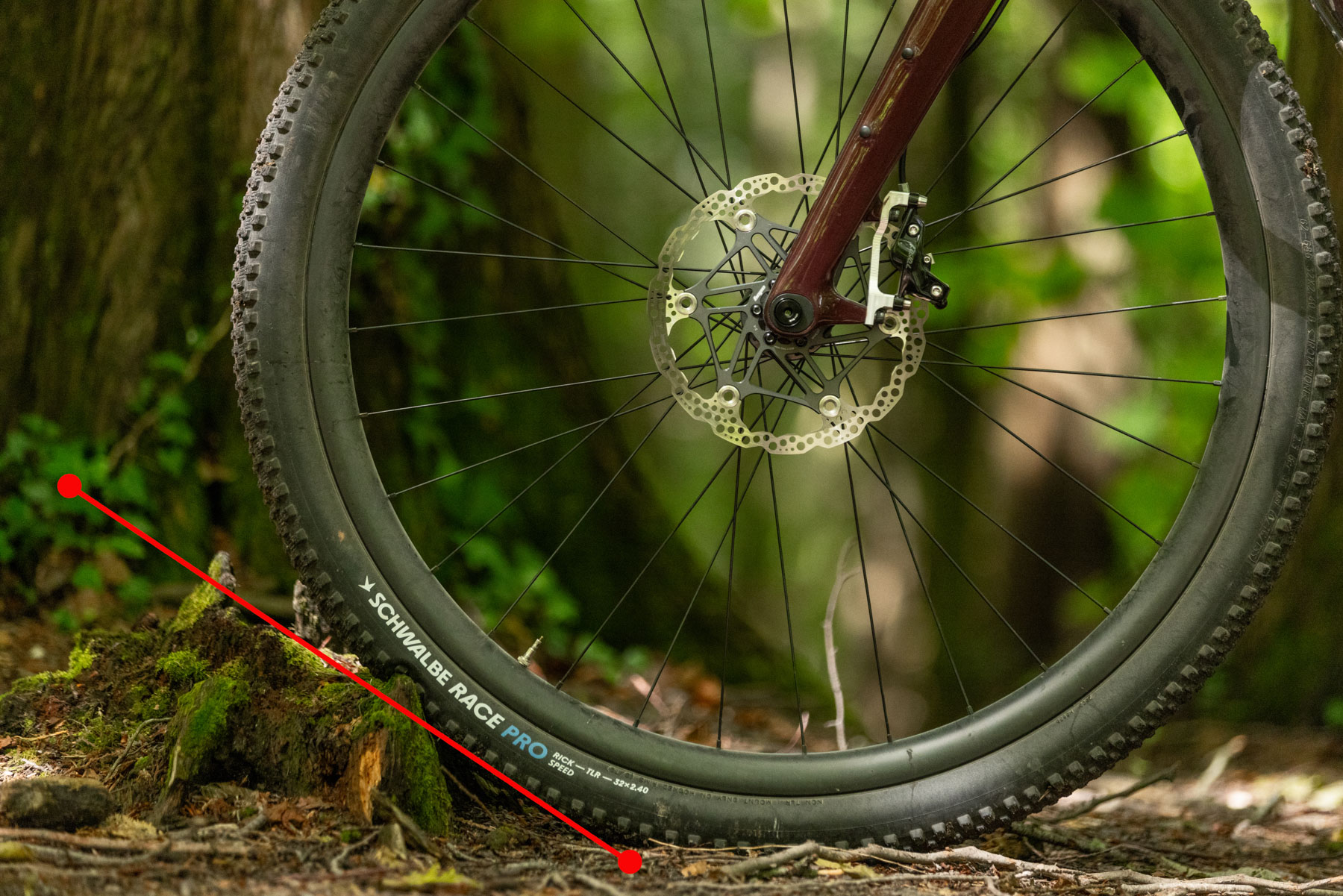
The brands backing 32 and now 30.5in are talking about the efficiencies of a larger wheel over rougher surfaces. It’s all down to the angle of impact. On a smaller wheel, with a smaller tyre, roots and rocks provide a steeper impact angle.
These impacts eat away at your momentum, requiring more effort to maintain your speed. With a bigger wheel and tyre, the angle is much shallower, so the wheels roll over uneven surfaces of all kinds much more smoothly.
The same goes for potholes and divots – the larger circumference bridges hollows rather than the wheel dropping into them.
Detractors will say the trade-offs – increased weight, both in tyres and frames and forks, perceptions of slower handling, and compromises in geometry – aren’t worth the gains.
From my experience with larger diameters, I beg to differ. I like the improved roll and the efficiency over rough surfaces. I’m prepared to live with the extra weight too, because lighter doesn’t always mean better. The momentum that 32in carries over tough surfaces is worth a few extra grams to me.
Tall tales
I’ve already experienced the benefits of 32in wheels for gravel while testing the brilliant Singular Pterodactyl. I’m currently reacquainting myself with 32in gravel wheels on a bike set to launch just before Christmas, which is aimed at the more affordable end of the market than the few high-end and custom titanium offerings so far.
I think the way in which 32in wheels roll over obstacles and dips makes for a more efficient ride, but I don’t think they are for everyone. The compromises to make big wheels fit small bikes aren't insurmountable, but it does beg the question with so much size choice, why bother?
I would take an approach based around fit. The smallest riders could use 650b/27.5in wheels, as Canyon does on its hardtail mountain bikes such as the Grand Canyon, then shift to 700c/29in for medium/median-sized bikes, shift up to 30.5in for large bikes, and 32in for XL+ sizes.
I accept that means more work for the brands and more of a headache for retailers. But, ultimately, this is about rider benefit. Compromise is a factor for any rider who doesn’t fit the median size bikes are designed around (usually a medium/54cm).
For competition and racing, the argument is that larger wheels are faster. But I’d like to see the data to prove that. A smaller rider will be riding a significantly lighter bike and have a lower aerodynamic drag. Does that offset the benefits of a bigger wheel rolling over obstacles? This is especially pertinent because taller riders on bigger bikes with bigger wheels will have more weight and be less aero.
I can’t predict how the wheel-size question will pan out, but hopefully it’ll mean more choice and improved designs for those of us who sit outside the definition of the average rider.