At the turn of the new millennium, the UCI introduced perhaps the most talked about rule governing race bikes competing in its sanctioned events: the 6.8kg weight limit.
In the year 2000, the rule made a good deal of sense. Carbon manufacture, applied to bicycles at least, was still a young technology, and there were question marks over the material’s safety in a sport obsessed with weight.
The rule formed part of the wider-reaching Lugano Charter, which was established in 1996 as an effort to curb increasingly outlandish bike designs and broadly govern racing bike technology.
That charter, while it has been poked and prodded numerous times since, is set for its most serious overhaul since its inception 30 years ago, if the UCI’s statement yesterday is anything to go on.
I invite you to share what you’d like to see from this update in the comments section below, but here are the things I want to see changed with a new charter – and why.
Removal of the 6.8kg weight limit
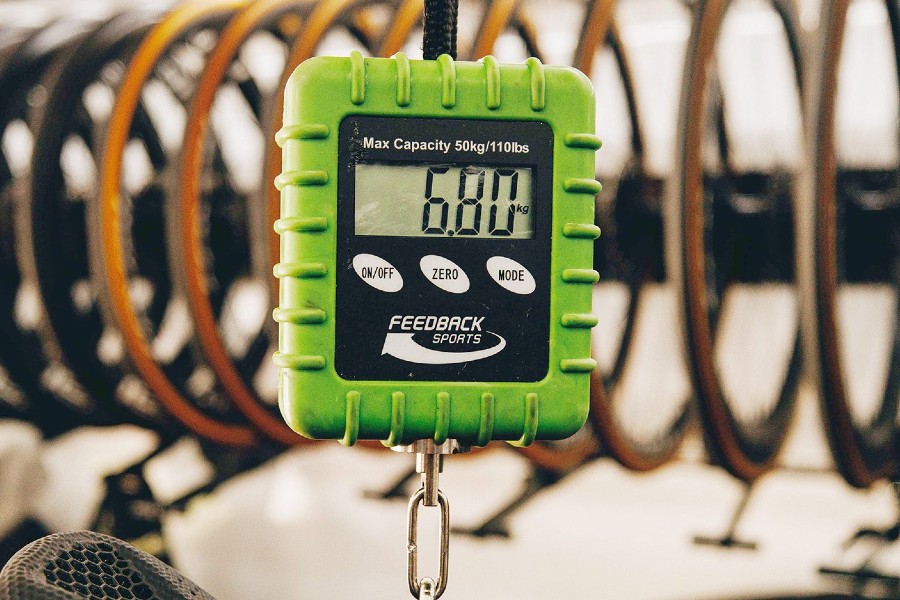
This one’s easy, because we (and just about everyone else) have been going on about it for 10 years or so.
In 2014, Canyon demonstrated what was possible by revealing it had built a 5.6kg Ultimate CF SLX road bike. Granted, that bike had rim brakes, but the frame weighed 790g, upon which fancy kit such a Meilenstein Obermayer wheels was draped.
The latest Canyon Ultimate CFR launched eight years later. It’s still the current model today, and has a claimed frame weight of 641g in a size medium. Of course, this bike features heavier disc brakes, and in theory could also be built using ultra-light components.
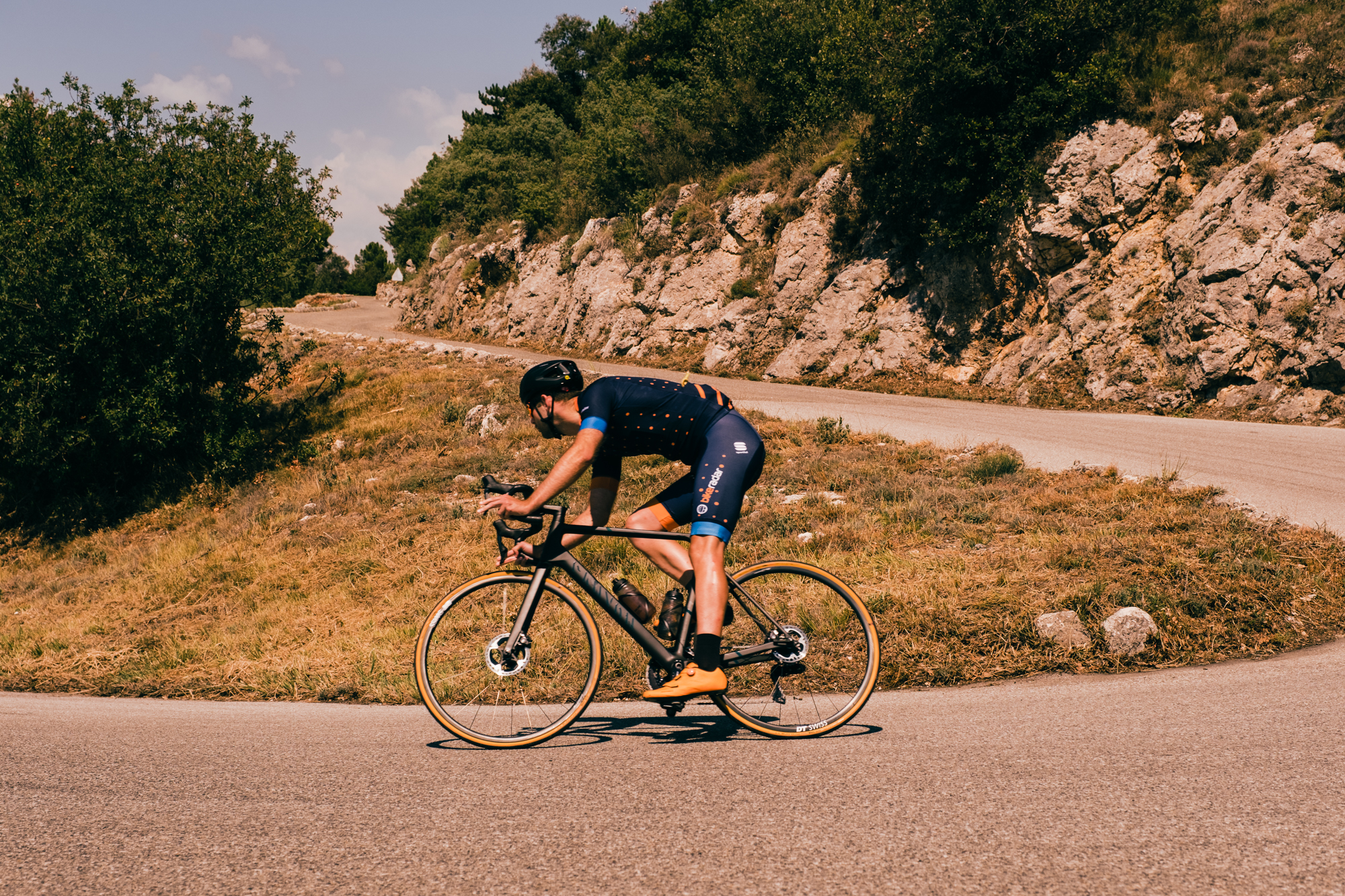
It isn’t unreasonable to think you could get even lighter today. Importantly, this bike and those components are safe – they pass all the mandatory tests for them to be put on sale, and I’ll bet you’ll find most listed as approved in the UCI’s rulebook.
Scott has also said a 5.9kg ‘normal’ build was a target for its latest Addict RC, while Dangerholm has had a custom bike built up weighing under the 5kg barrier.
There are other examples, but the point is this: with such a light weight possible in 2026 with approved parts, there’s no logical reason why the 6.8kg limit should apply today.
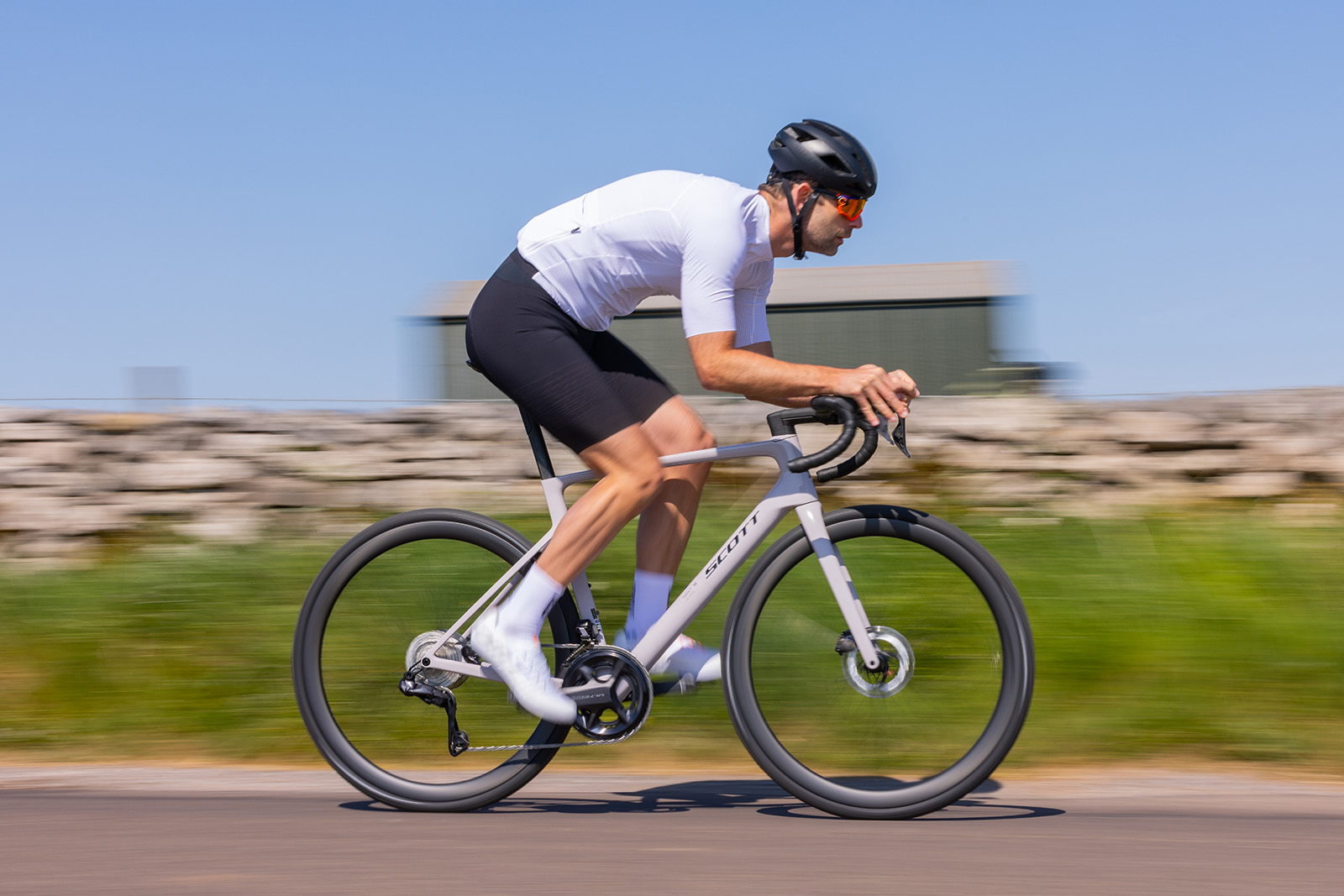
Here, the UCI has two choices: offer a nominal drop in maximum weight to, for example, 6kg – which would remain challenging for a full aero bike to hit – or go even further to effectively challenge bike and component brands to push right up to their technical capabilities.
The latter is what I want to happen, but I suspect the former is more likely, because pushing limits requires investment. Although I suspect pros and paying customers alike will see great appeal in new ultra-light road (and, yes, gravel) bikes, brands may be reluctant to invest as heavily as needed to establish themselves as market leaders – not when sales appear challenging for many of them.
Race bikes fit for the 21st century
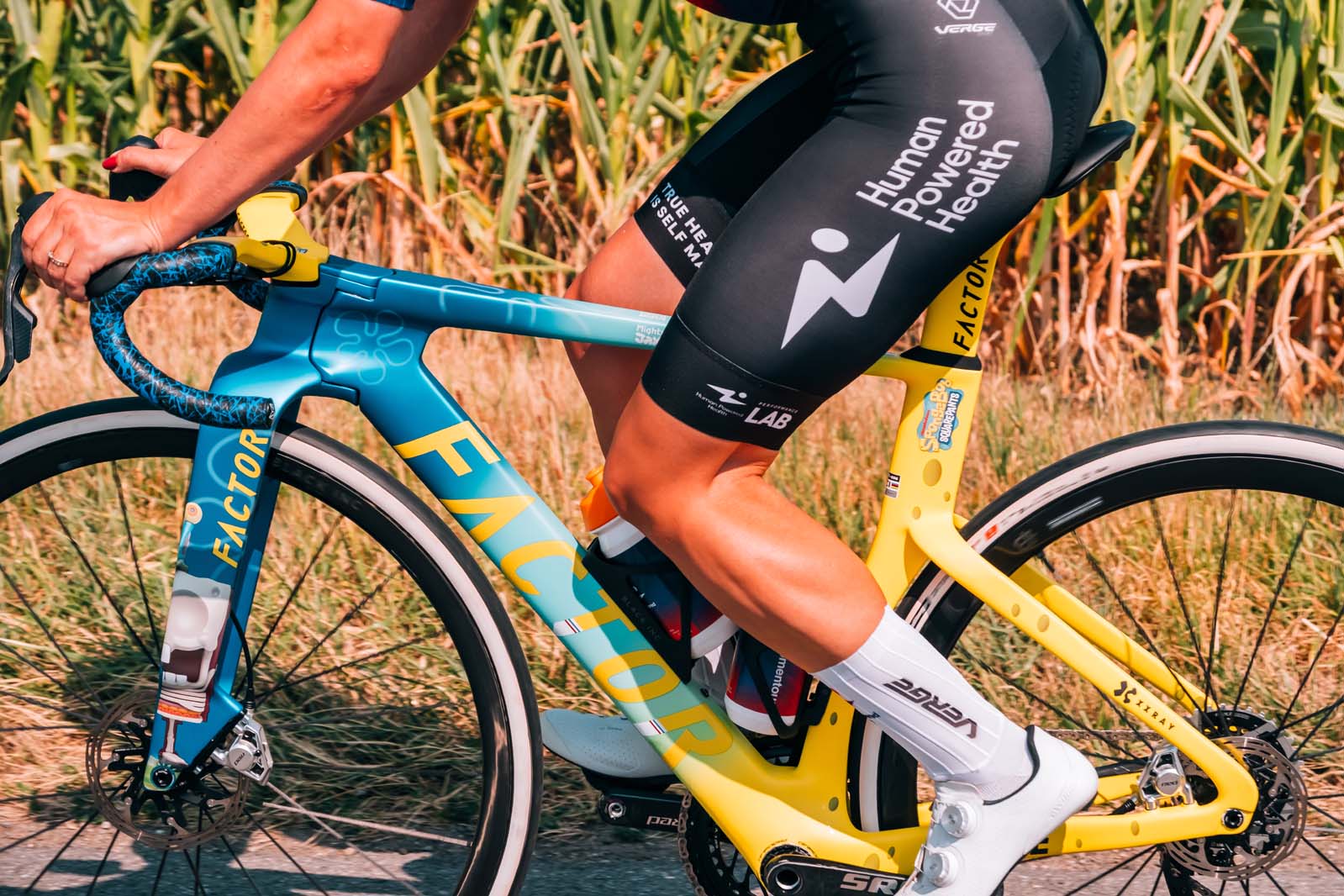
Sadly, the same economic pressures apply to any substantial changes, but the next big alteration I’d like to see is a complete relaxation to tube profile limits and the double-triangle design.
We have already seen bikes with deeper tube profiles appear in recent times because they make the most of the recent 8:1 ratio limit to maximise aero performance.
While some brands have had dalliances with seat-tube-less bike designs, these have never been approved by the UCI – and have never truly taken off outside of triathlon.

One of the UCI’s principles around the double-triangle design, especially, concerns preserving the classic aesthetic of the bicycle. This is in addition to avoiding a technological arms race not all brands (read: racing teams) could participate in, and that technology from detracting from the physical skill and performance of the riders.
I venture that all three of these premises are flawed in 2026 for the growth of the sport.
Firstly, in an ever more technologically advanced world, for cycling to remain attractive to younger and new audiences, modern aesthetics are needed. Image is so important to attracting new fans of the sport; tradition can only take it so far (as much as I personally appreciate it).
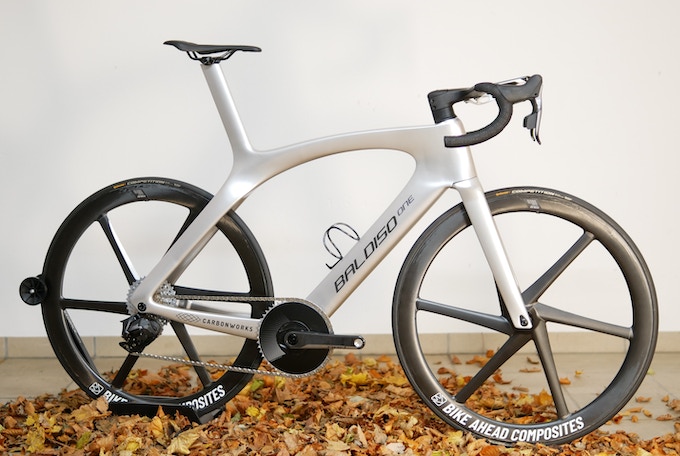
Secondly, the technology needed to develop new bikes has become far more democratised in recent years.
A glance at all the relatively new Eastern brands on the block developing road bikes comparable with their established Western counterparts shows this, while the traditional brand powerhouses such as Giant, Merida, Specialized, Trek, Pinarello and Colnago (I could go on) aren’t actively demonstrating new wonder materials or even techniques that are markedly different to anyone else.
Finally, it’s nonsensical that technological enhancements – short of introducing outside physical thrust to a bike-rider system from a moving part – are in any way detracting from the skill, fitness and capability of the person riding the bike. The rider is still in total control and providing all of the driving force for motion.
Bike and wheel brands, for example, have spent hours in expensive wind tunnels optimising tube shapes not only for low aero drag, but also to help make their products easier to ride in crosswinds (and therefore, likely, faster overall). I don’t recall that being an issue in the past.
Fix handlebar sizes on a sliding scale
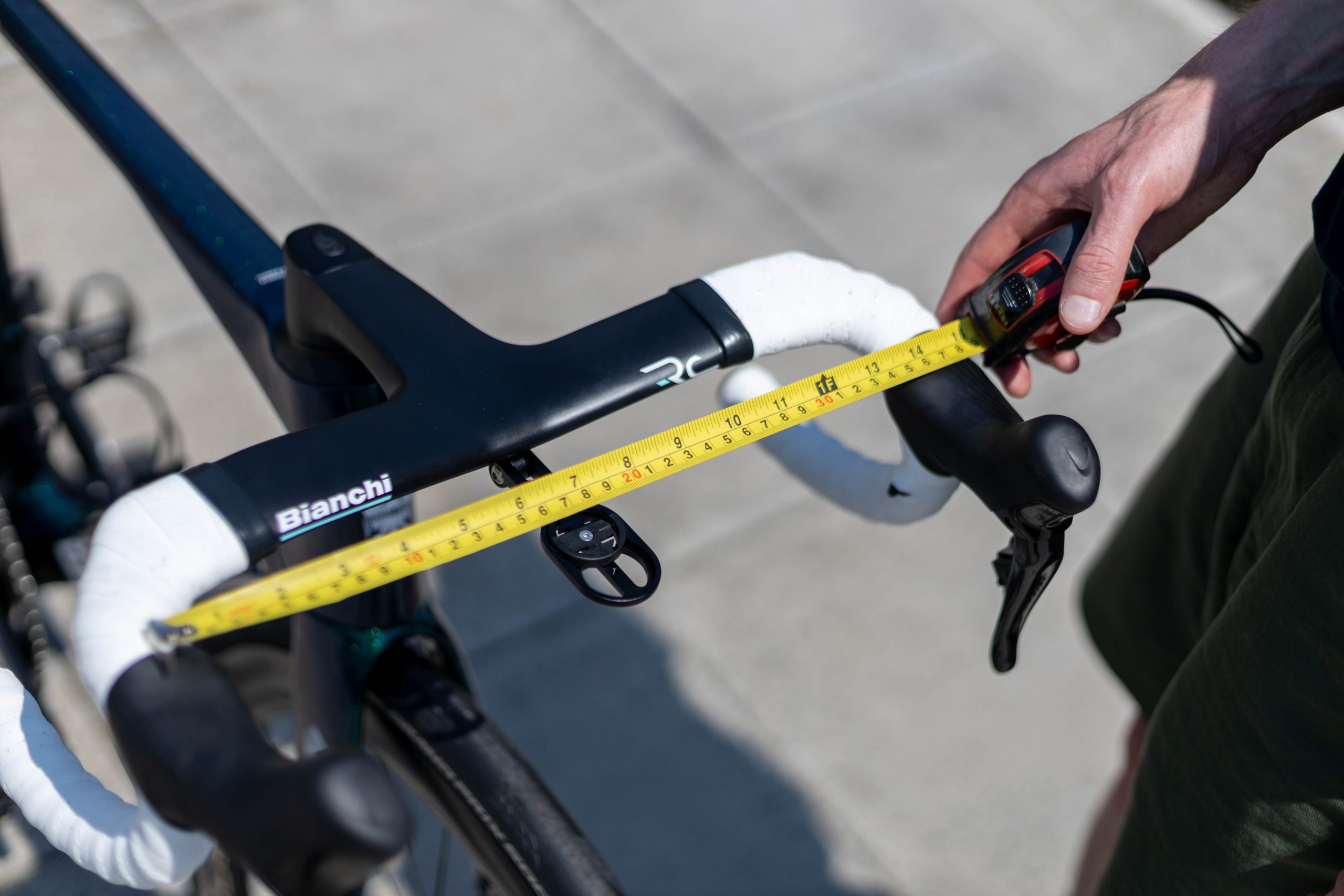
The UCI should designate minimum and maximum handlebar widths according to the size of the rider.
Currently, for road races, handlebars must measure at least 280mm between the inner edges of the hoods, and 400mm from the outside of the drops.
No arbitrary figure is appropriate in a sport where riders range so wildly in size. From personal experience, the minimum-size handlebar allowed by the UCI is the one I’d likely get on best with when riding a race bike. I am 188cm tall with particularly broad shoulders.

So I can hardly imagine how alien this minimum handlebar size must still feel to riders such as Pauline Ferrand-Prévot (Visma-Lease a Bike, 165cm) and Harold Martín López (XDS Astana, 160cm).
While the regulations are now less stringent than they were set to be, more can be done to improve fairness for riders for whom the current minimum size is potentially a significant compromise.
A ban on 32in / 750d wheels

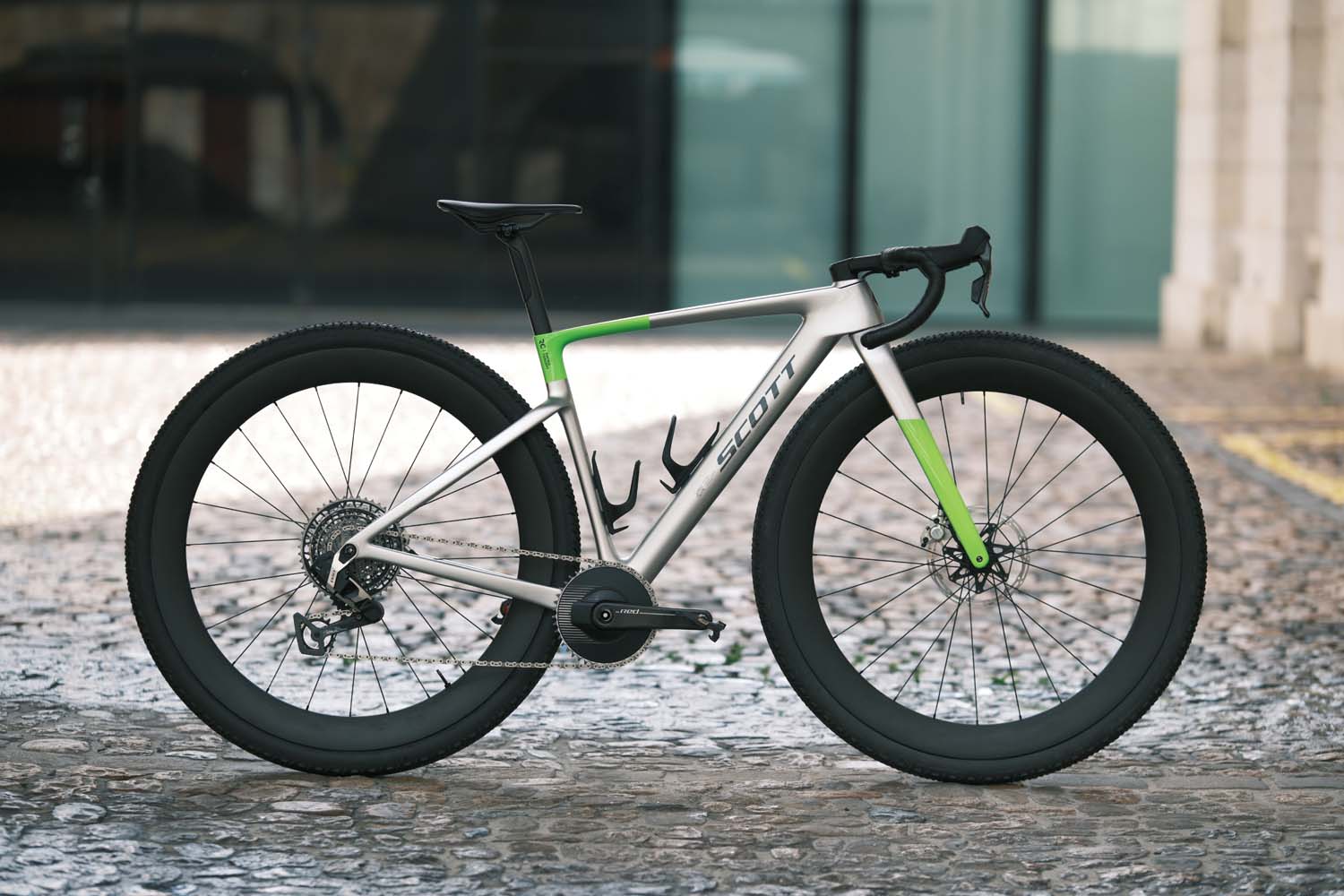
Not everything should be allowed, though. 32-inch wheels should be banned before money is wasted developing them and the frames that will take them for racing.
This might seem a strong take, and it’s not one shared by everyone, but we already know through Warren’s testing of the Singular Pterodactyl that 32in wheels can’t be made to fit bikes less than a nominal size large without significant compromises.
In short (pun intended), it’s a size that can’t be made to suit smaller riders, thereby excluding them from the benefits – which I recognise to be potentially great for taller riders, such as Warren and me.
I’m not convinced the sliding-scale approach I’d apply to handlebars works either – brands would have to effectively develop two bike layouts, with costs inevitably being passed on to customers.
And while larger riders may benefit from bikes designed with larger wheels, those wheels are more likely to influence the mechanical behaviour of the bike in performance terms – effectively giving those who can ride one an advantage others can’t utilise.
Allow deeper wheels in road racing
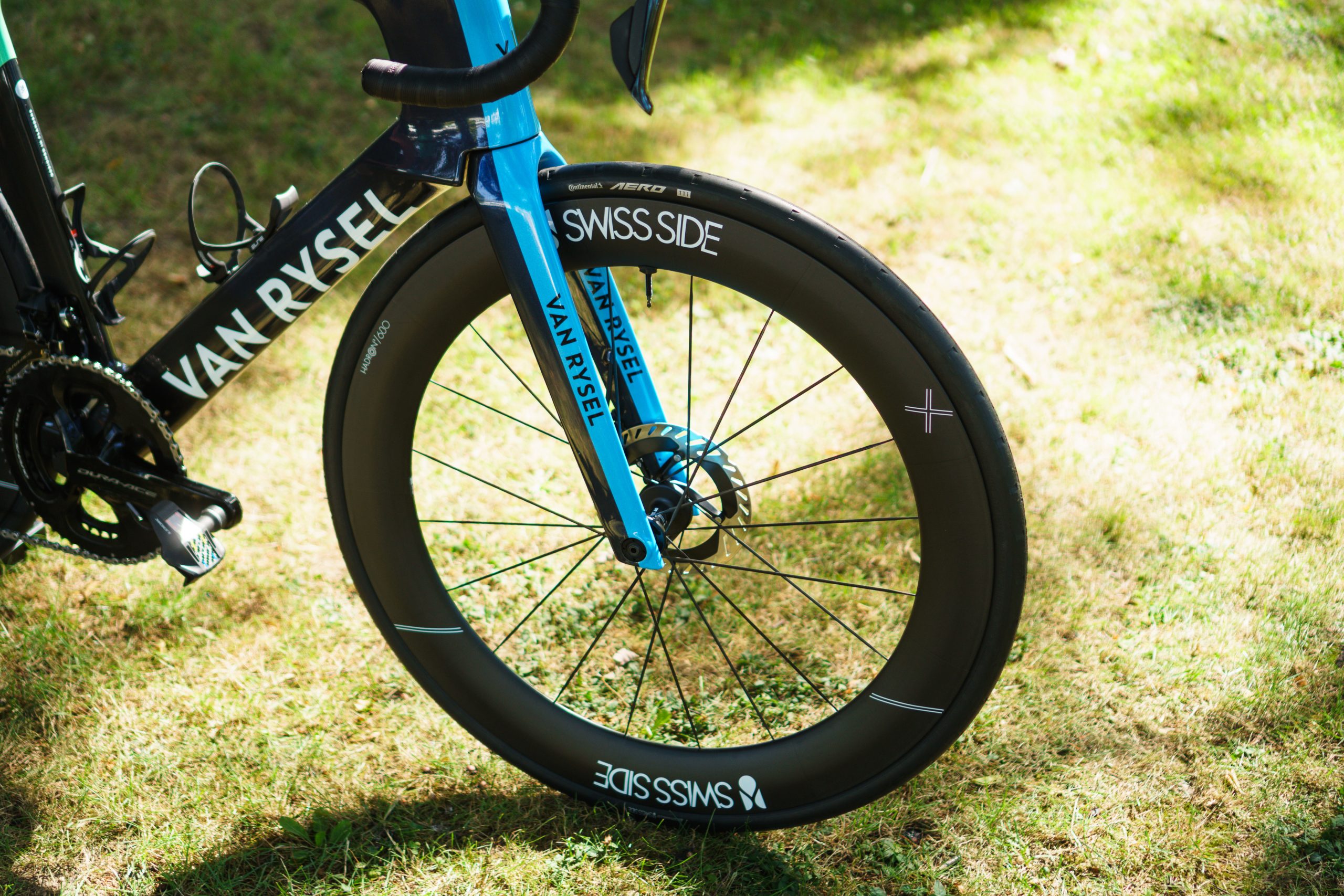
The UCI limits rim depth to 65mm in road races. I think this should be expanded to 80mm.
That said, the UCI could introduce a parcours- and conditions-driven framework, which would limit their use to races and courses deemed suitable for their use.
For flat sprint stages, the 80mm limit could apply. Then, for designated hilly or rolling stages, and those with significant crosswinds, the current 65mm depth may be more suitable. For mountain stages, a shallower maximum depth of around 50mm could be mandated.
In doing this, the equipment choice is wider over the course of a stage race, offering more variety and marketing opportunities for brands, but also scope for more specialism in sensible circumstances should riders choose to set their bikes up accordingly.