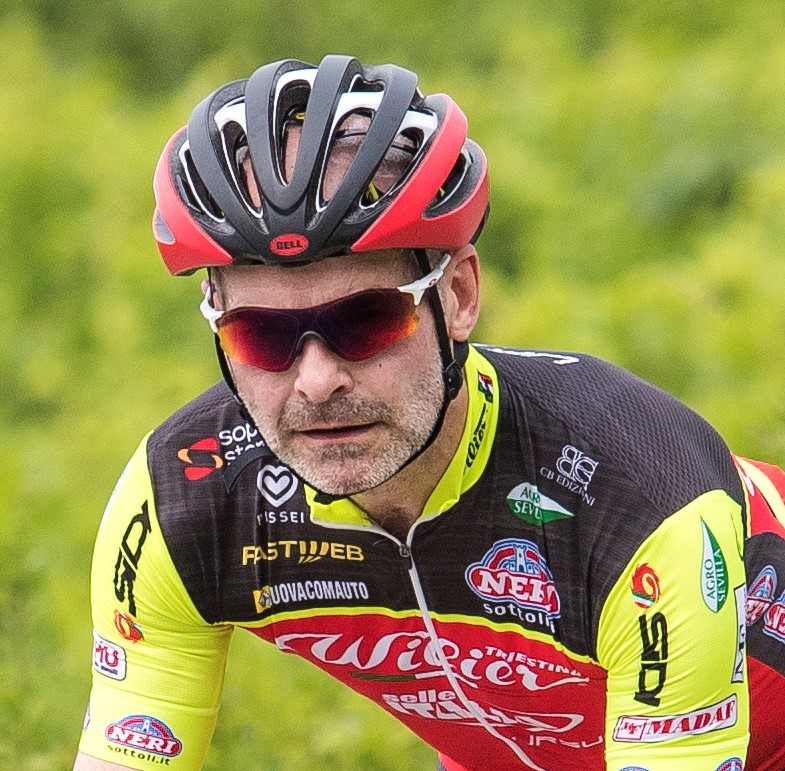
The bike industry loves a new standard. Whether it’s bottom brackets, handlebar diameters, or cable routing and pull ratios, there’s always someone who thinks they can do it better.
Nowhere is that more true than wheels and tyres, where the latest hot product is 32in wheels, along with the bikes, tyres, forks and everything else to go with them.
So why are people getting excited about 32in wheels, who’s on board, what’s available and what are the barriers to 32in going mainstream? In this guide, we answer all your questions about the latest and greatest new wheel size.
- Read more: ‘We hoped they wouldn’t be as good’: what the bike industry really thinks about 32in wheels
What’s the point of 32in wheels?
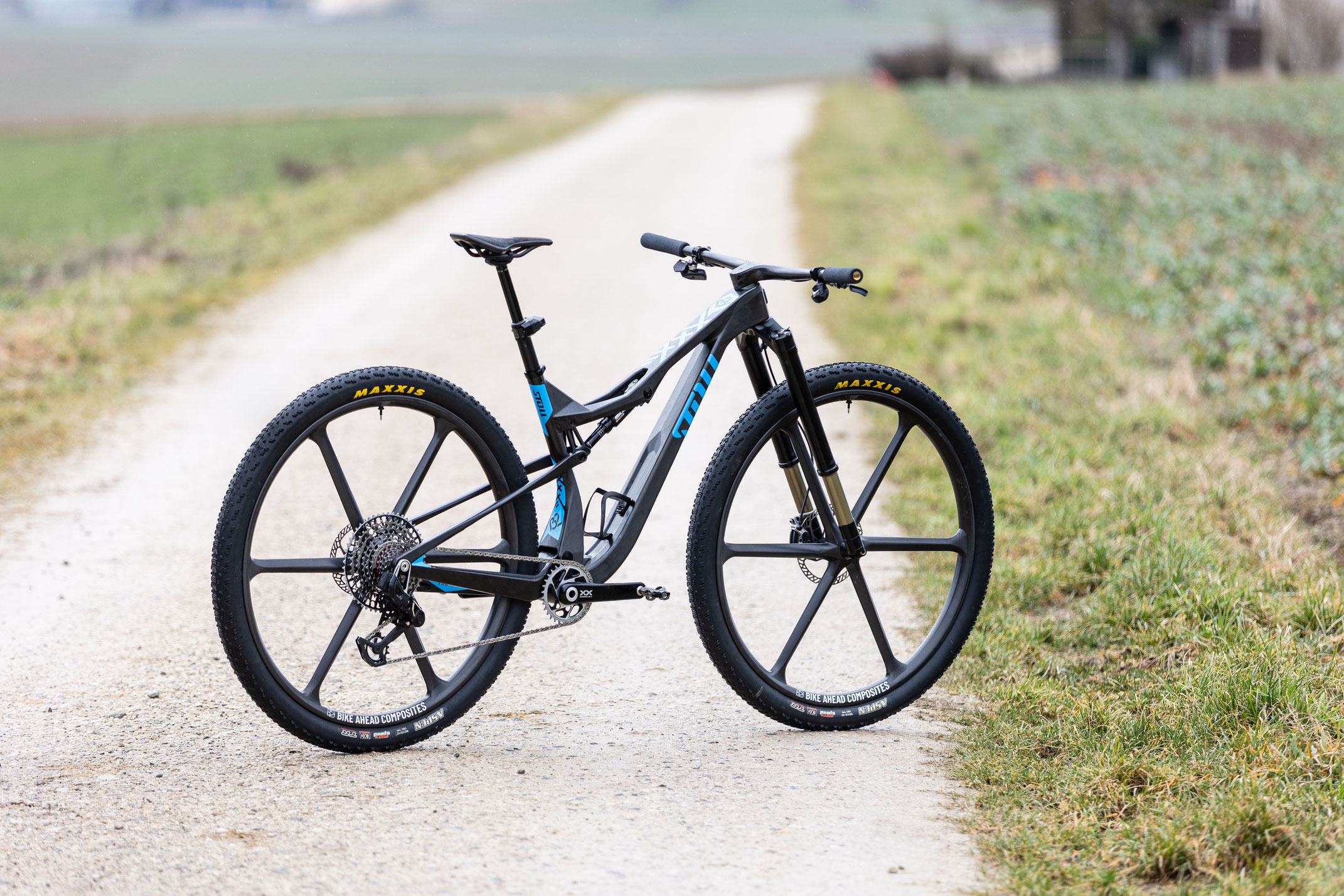
A cynic would say it's simply to sell more stuff. You don’t see many people riding 26in mountain bikes any more, so a lot of people have paid a lot of money for replacement 29er and 27.5in MTBs. 32in wheels could be a way to tempt those riders into another purchase.
However, there are good reasons why a larger wheel and tyre might help off-road, even if not on smooth surfaces.
32in wheels provide even greater roll-over than 29ers, so you’re less likely to get stuck in a rut. The larger wheel and tyre will, in general, be heavier too, so will carry more momentum.
There’s also a larger contact patch with the ground, which could increase grip, traction and cornering speed. The larger wheels and longer wheelbase should, in general, increase stability too.
Who are 32in wheels for?
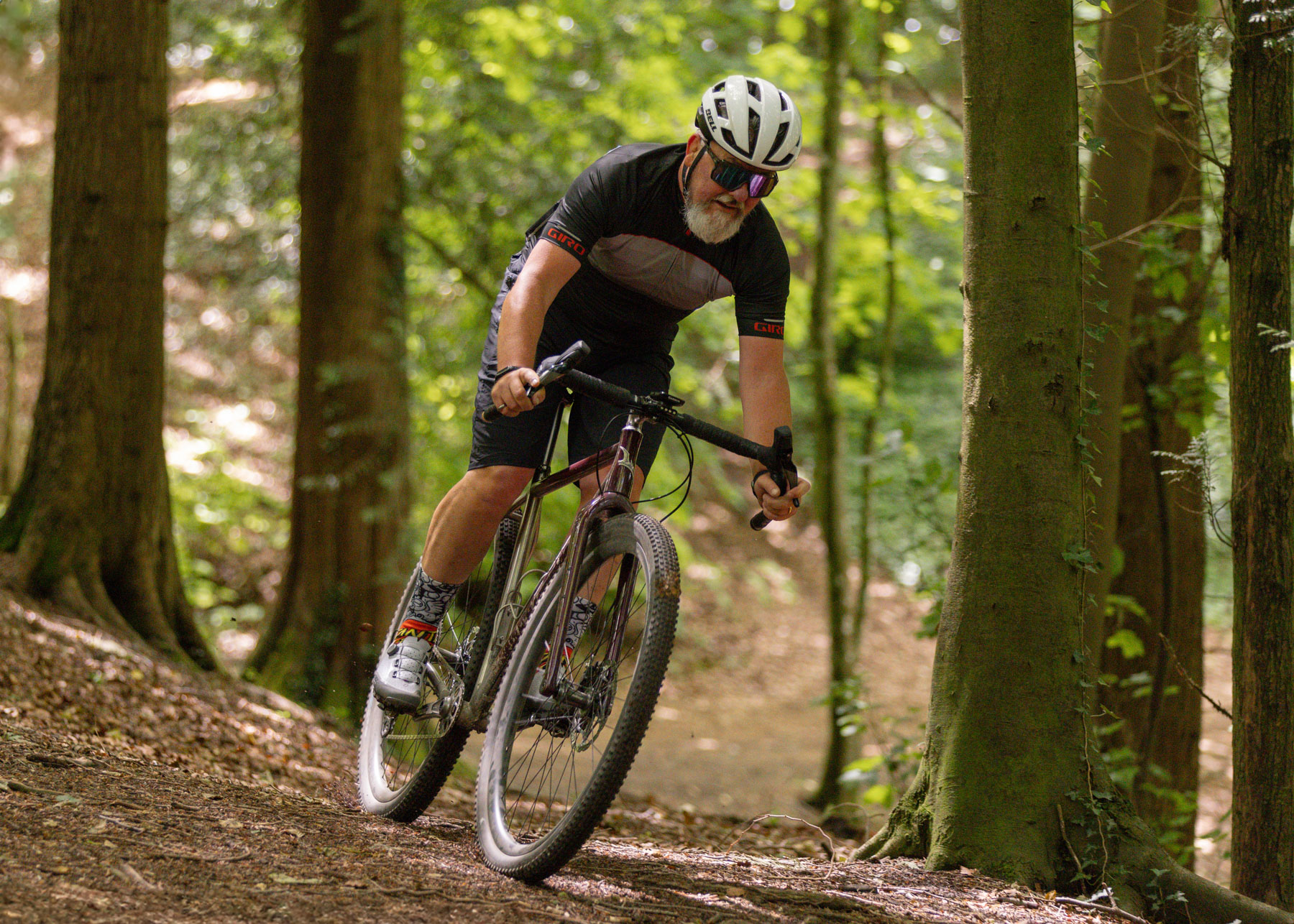
Larger wheels may work better for taller riders. At both the large and small extremes, bike geometry tends to become a compromise, with tweaks made to fit the rider that may not result in optimum handling.
It’s a little odd that a 1.5m-tall rider has the same wheel size and almost the same crank length as a 1.8m rider. Some brands, notably Canyon, have fitted smaller 650b wheels to smaller frame sizes, but there’s never been a corresponding sizing up for taller riders.
It’s difficult to see 32in wheels catching on for riders of less than average height. Even for mid-height riders, the same frame geometry compromises as made for smaller-framed 700c bikes are likely to be needed.
Singular Cycles’ Sam Alison highlights this ability to build bikes with 32in wheels for taller people that feel proportionate. The brand only offers its 32in Albatross titanium hardtail and Pterodactyl titanium gravel bike in sizes L, XL and XXL.
Other low-volume and bespoke bike builders and industry insiders we’ve spoken to also suggest 32in wheels only work for riders over 178cm (5ft 10in). Zinn designed its 32in full-sus MTB for riders of 193cm (6ft 3in) and taller.
On the other hand, Merida MTB product manager Stephan Seitz, who is 170cm tall, didn’t find riding a 32in hardtail strange and reckons a size medium would work. It’s more difficult to engineer a full-suspension 32in bike in medium and smaller sizes though, to avoid the wheel impacting the seat tube/seatpost.
Road, gravel or MTB?
32in wheels first made an appearance on mountain bikes, but were quickly ported over to gravel bikes, where their properties can also be beneficial.
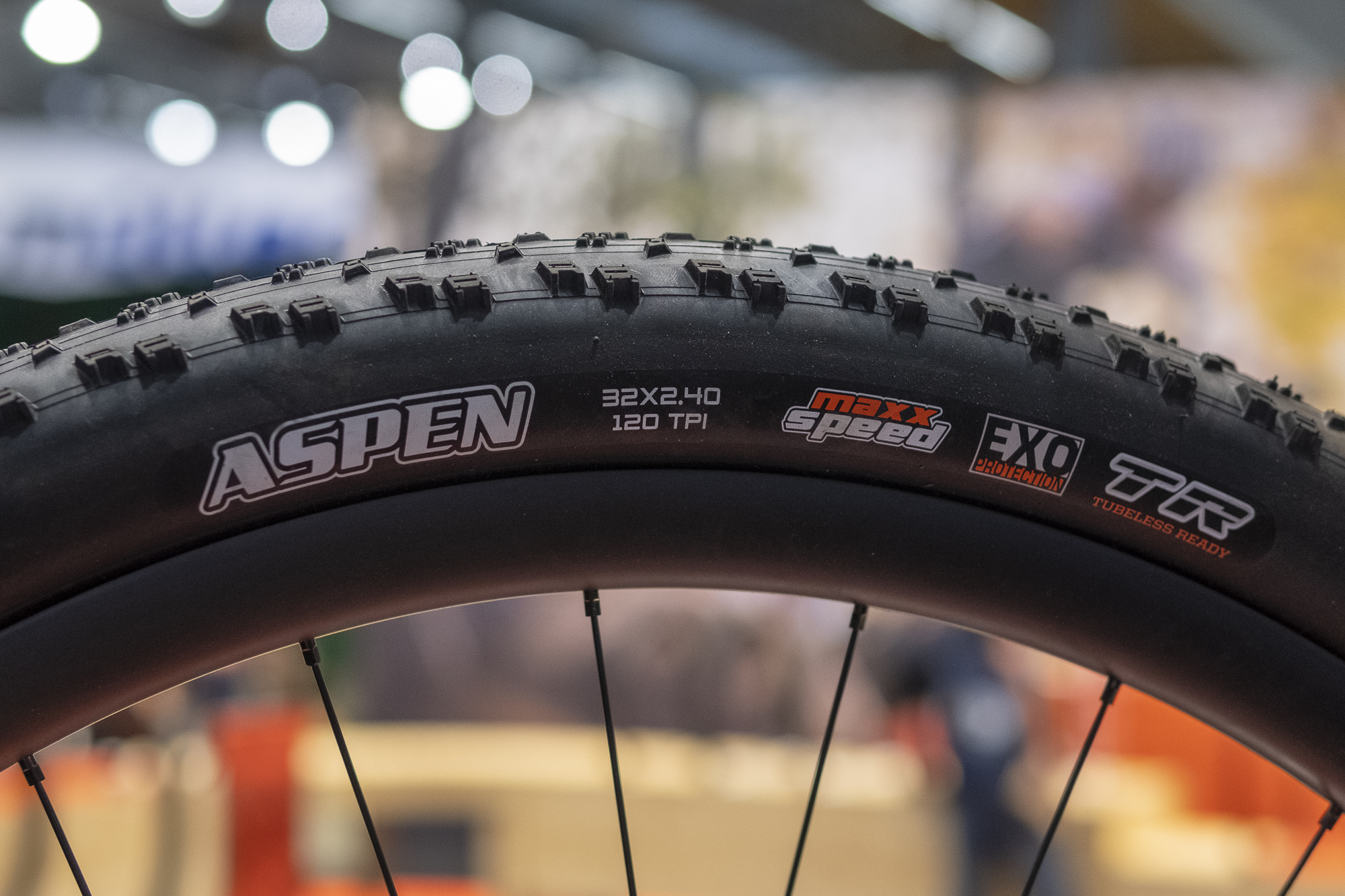
It was Maxxis’ decision to launch the 32in Aspen MTB tyre at Eurobike in mid-2025 that saw the wheel size become more mainstream. Maxxis told BikeRadar it had developed the tyre for the 2024 Paris Olympics, but the other parts weren’t production-ready for a 32in MTB for competition use.
DirtySixer leaked the new tyre on Instagram in February 2025 and we spotted several brands testing 32in MTBs at the Lenzerheide round of the XC World Cup in September 2025. In November 2025, the UCI confirmed the wheel size would be permitted in XC competition.
32in wheels have taken off with smaller gravel brands, too, and larger brands have dipped their toes in the 32in water.
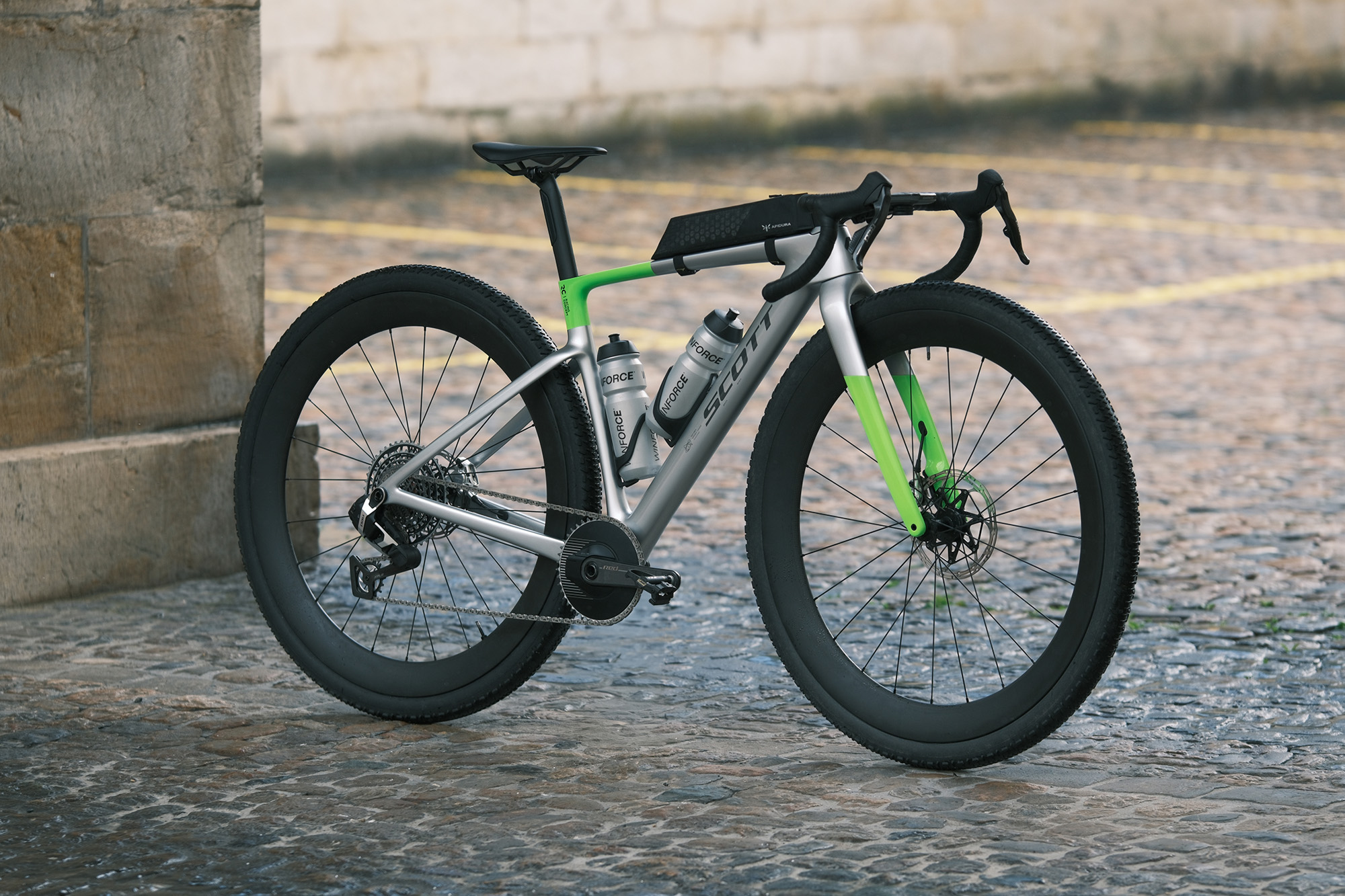
We saw two examples of a prototype Scott 32-inch gravel race bike take to the start line of Unbound in 2026. Cameron Jones, the 2025 winner, rode Unbound 200 on the bike and placed 10th.
According to Jones: “The driving traction and cornering grip is revolutionary. I'm genuinely scared how fast I'll be able to corner once on a course with proper descents.”
Meanwhile Robin Gemperle won the 350-mile Unbound XL on the bike, despite having to walk around 13 miles due to the mud. Scott says the bike is a pure prototype, though, and that it will never be released to market.
So, why not road (yet)?
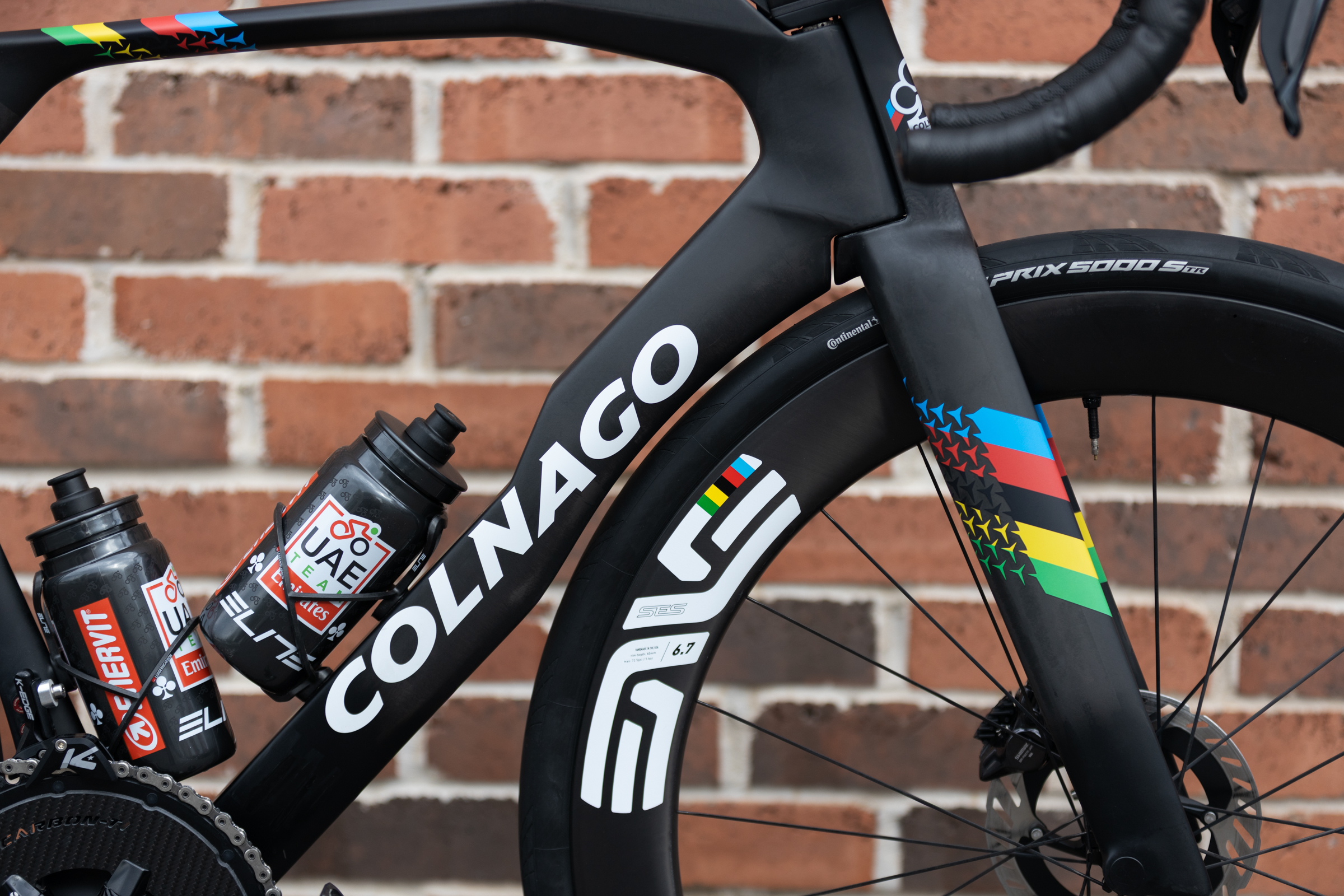
32in wheels seem least likely to catch on for road riding. With the emphasis on speed, the extra mass of the wheels and tyres, and the larger frame needed for the wheels to fit seem likely to make the wheel size unattractive for all but niche bikes for very tall riders.
Plus there’s the little matter of the UCI rules. Article 1.3.018 of the Clarification Guide of the UCI Technical Regulation states “Wheels of the bicycle may vary in diameter between 700mm maximum and 550mm minimum, including the tyre”.
Even a 35mm tyre on a modern-width 700c rim comes perilously close to the 700mm maximum diameter. A 32in rim has a 686mm diameter, leaving only 7mm height for the tyre – an impossible setup.
So, bar a Damascene conversion for the UCI, it’s not going to happen for road racing.
Which brands are making 32in bikes?
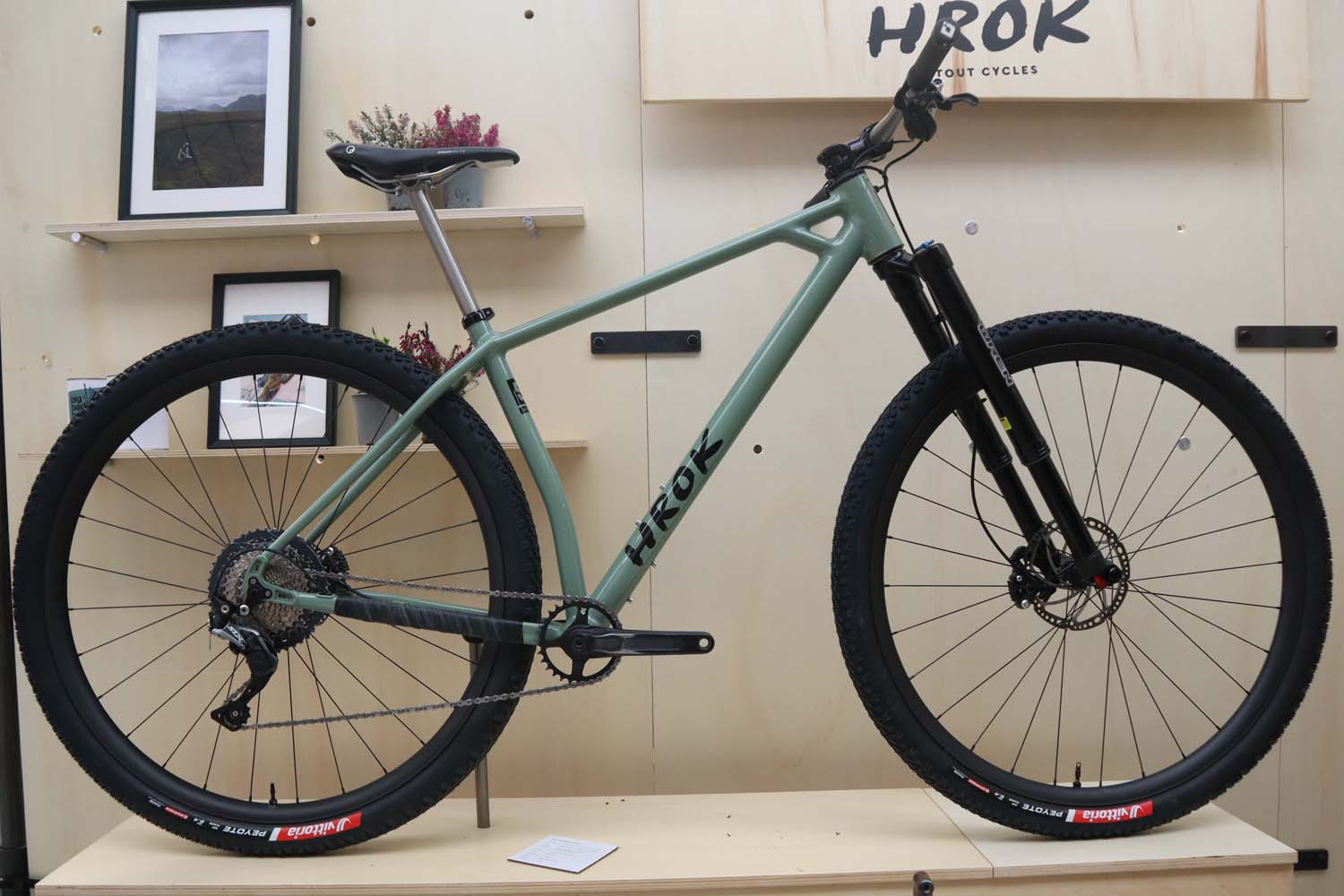
There’s a crop of smaller brands that have got into 32in bikes. Their smaller production runs and ability to customise mean they can adopt new standards quickly.
The novelty factor is attractive, with Russell Stout of Stout Cycles telling us: “If you do custom stuff, you have to do something that’s not on the high street.”
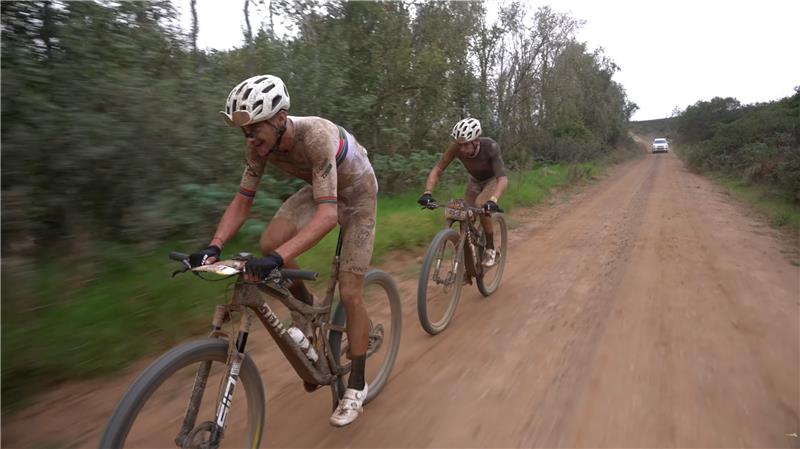
Larger brands are experimenting with prototypes, before committing to large-scale production. We’ve seen the prototype Scott gravel bike mentioned above, as well as an XC MTB prototype from BMC trialled ahead of MTB World Cup races and KTM teasing a 32in bike. Felix Stehli won stage 3 of the 2026 Cape Epic using a 32in wheel Stoll bike.
We've ridden a prototype 32in steel Eddy Merckx gravel bike over Belgian cobbles, where it was in its element, while DirtySixer has launched the 32in MonsterEnduro bike with 140mm front and rear travel and a modified Manitou Dorado fork.
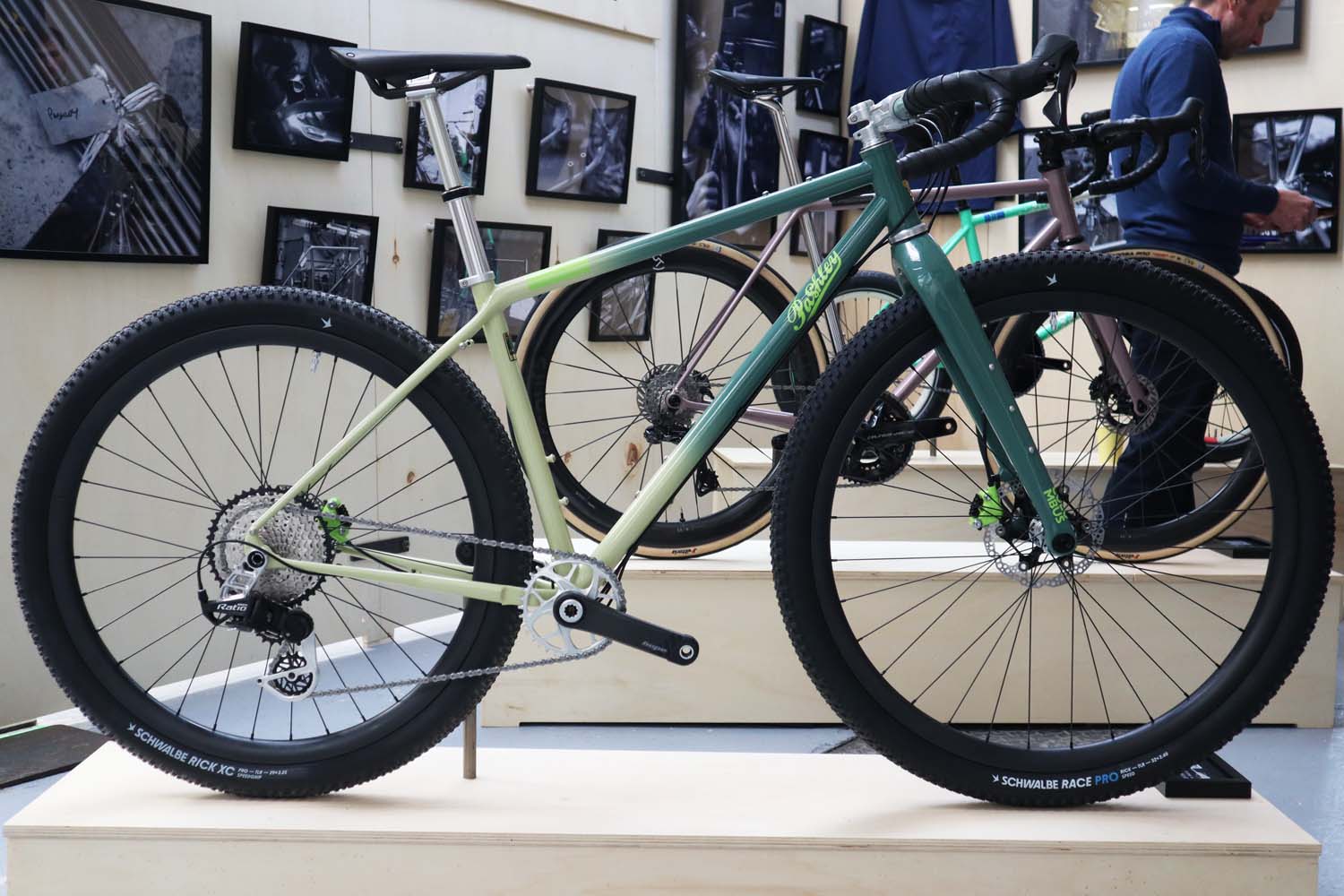
The 2026 Bespoked cycle show in London had a fair share of 32in bikes on display. That included full-32in bikes from Stout Cycles and Singular, as well as a mullet 32/29in Pathfinder bike from Pashley.
Anyone not on board?
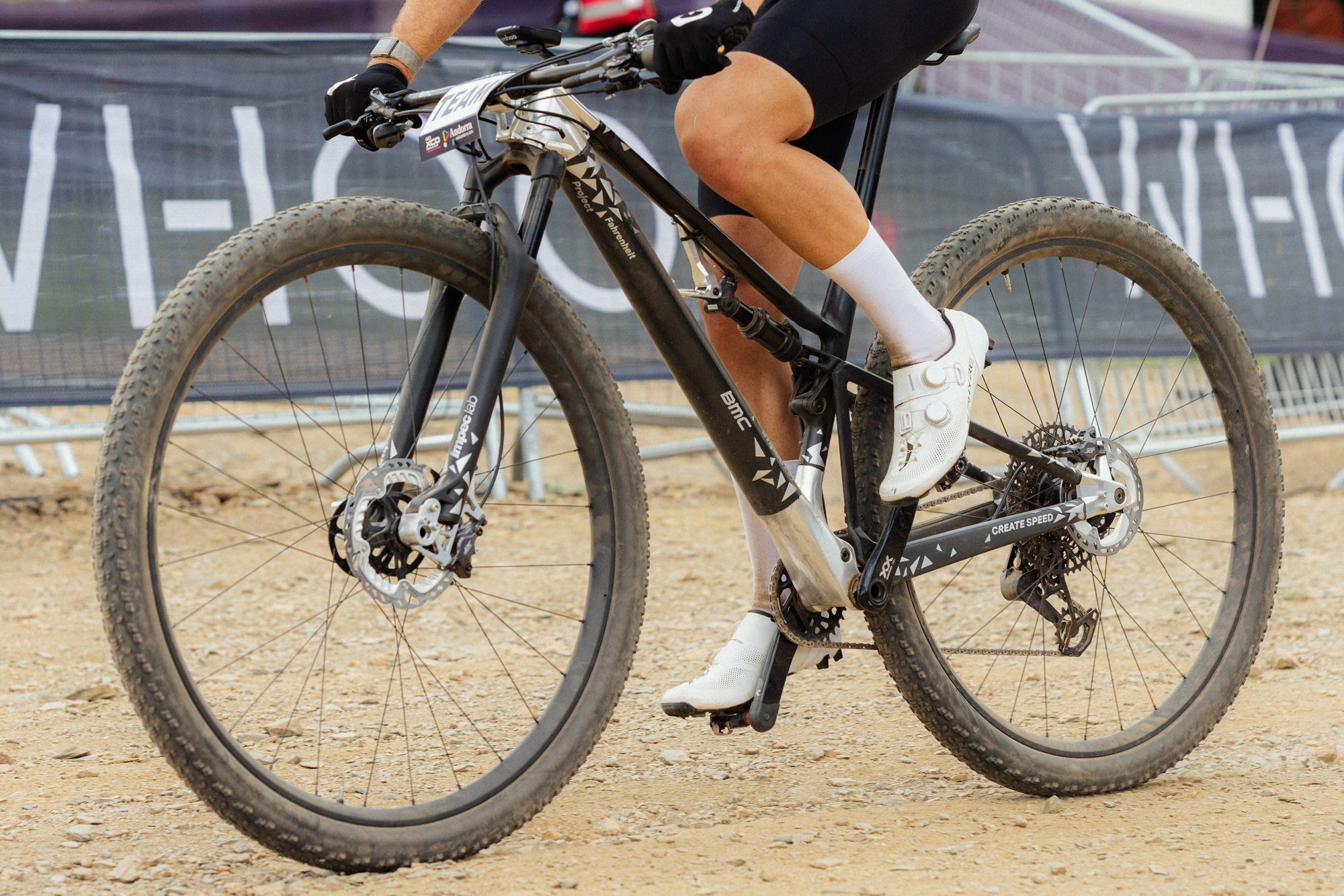
Although more mainstream bike brands are experimenting with 32in prototypes, many are not committing to the new wheel size yet.
For manufacturers, distributors and retailers, it’s yet another line of products to make, stock and sell. This at a time when the bike industry already has issues with overstocking and sluggish demand.
Merida’s Stephan Seitz stressed that the brand prioritised the ability to exchange components. This made it reluctant to adopt yet another standard, although its experience with prototypes has convinced it that it will become a new standard for performance mountain and gravel bikes.
Derren Baum, of Baum Cycles, expressed concerns to BikeRadar that 32in bikes won’t make the cycling market bigger, they will just cut another slice in the pie.
Newmen says 32in wheels will require 157mm Super Boost axles to restore bracing angles and ensure wheel rigidity with the longer spokes they need. DirtySixer goes even further, using the 197mm fat bike rear hub width on its 32in bikes.
What tyres and forks are available?
At the moment, Maxxis is pretty much the only brand with a range of 32in tyre options out there, but we expect more tyres to appear fairly quickly. Schwalbe told us it was fully convinced by the new wheel size and would be releasing production versions in 2027, although the UCI rules currently exclude it for road use.
Vittoria has displayed prototypes at shows and we spotted an unreleased 32in tyre at the 2026 Bespoked Show in April.
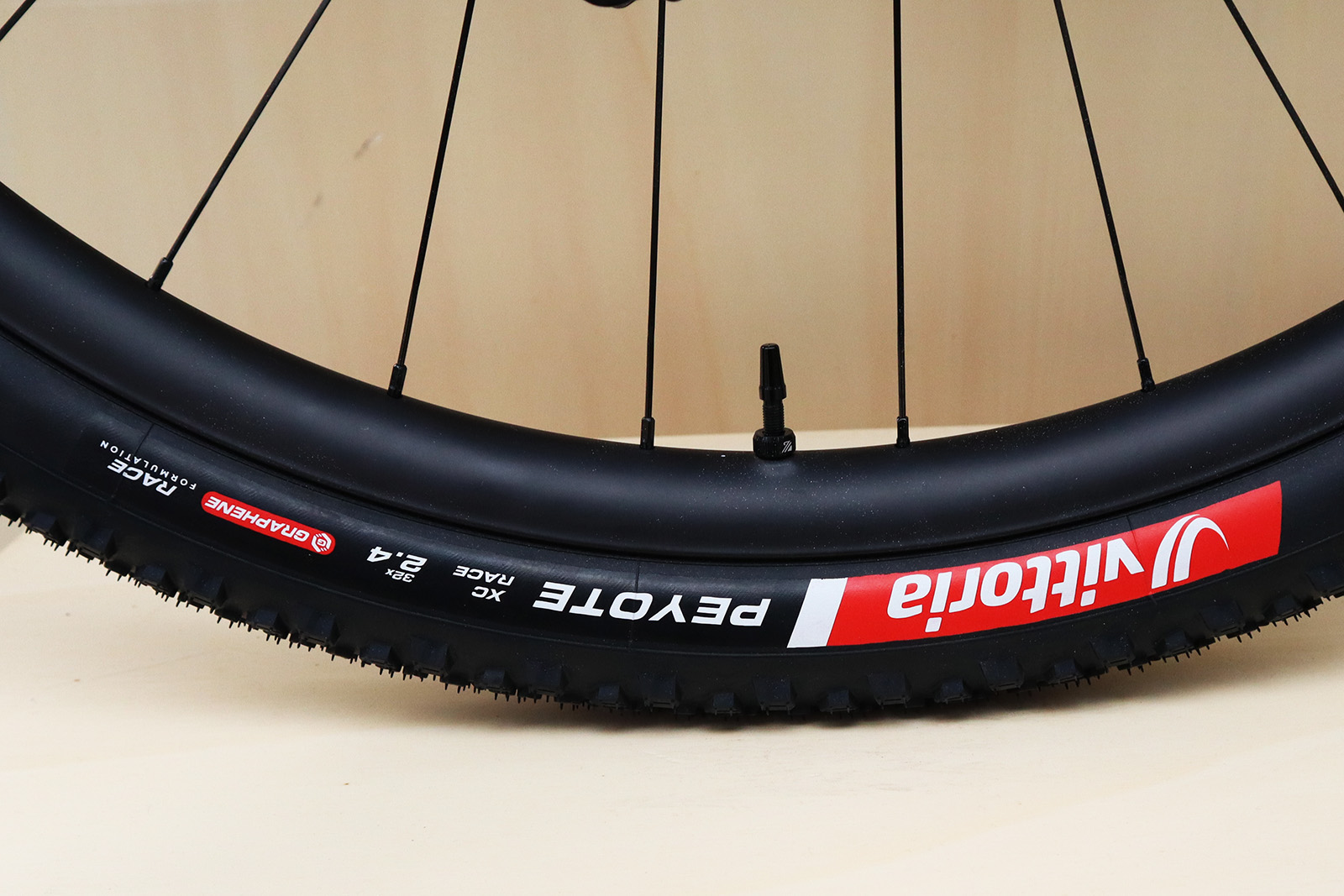
Other brands with 32in tyres in the pipeline include Kenda, Teravail and Vee, while Maxxis is adding other tread patterns to its 32-in tyre range. Most are MTB tyres and come in 2.4in width, but Schwalbe has a 50mm G-One gravel tyre in the works. The main issue with all 32in tyres is balancing weight and durability.
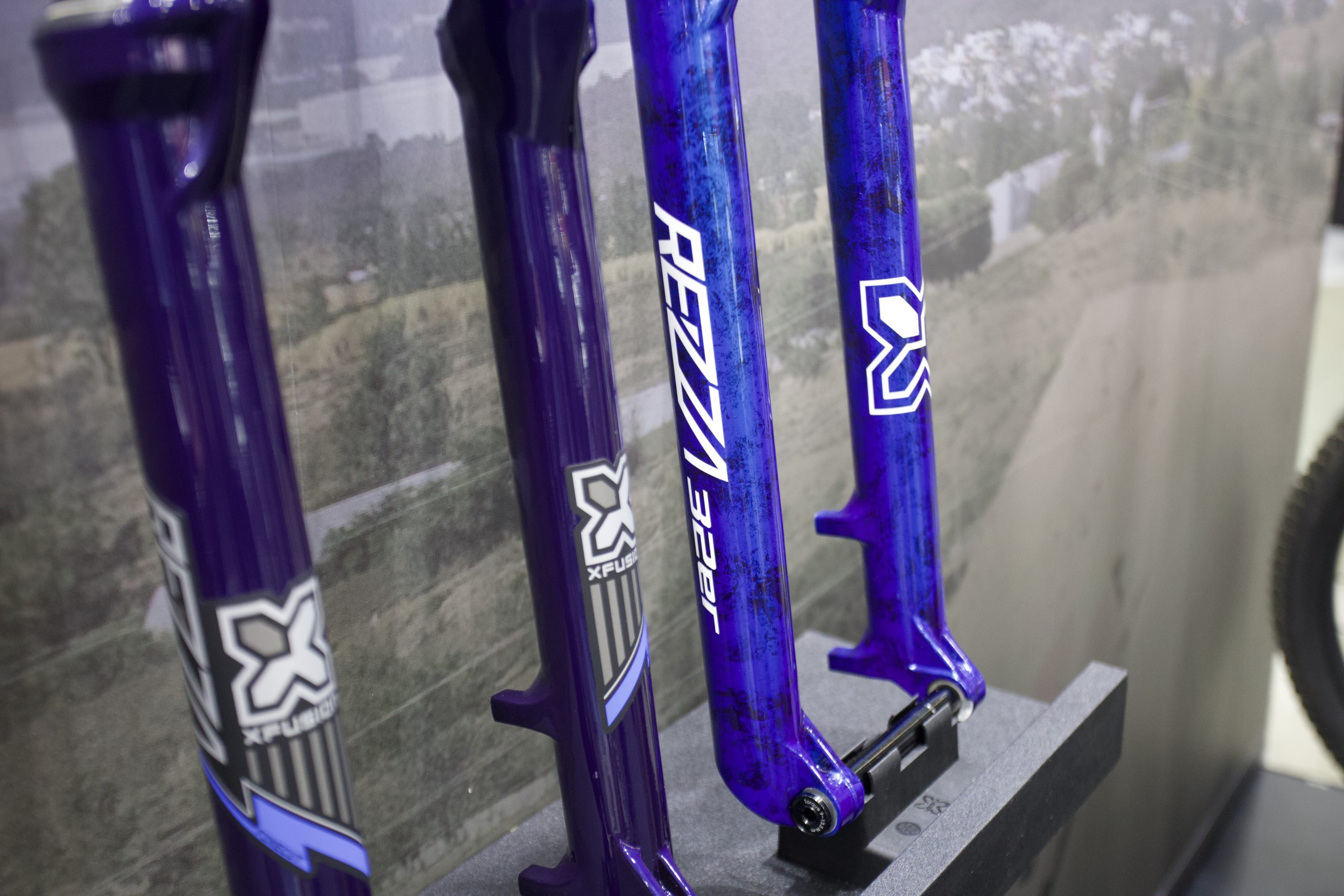
We saw lots of 32in forks at the Taipei International Cycle Show in April 2026. Although most were pre-production, many were slated for release before the end of 2026.
That includes mid-market options from the likes of RST and SR Suntour, as well as a high-end fork from Manitou and one from Intend that you can already buy. Most offer 120mm or 130mm travel, but the EXA Form E36 has 150mm.
Hold on, what about 750d?
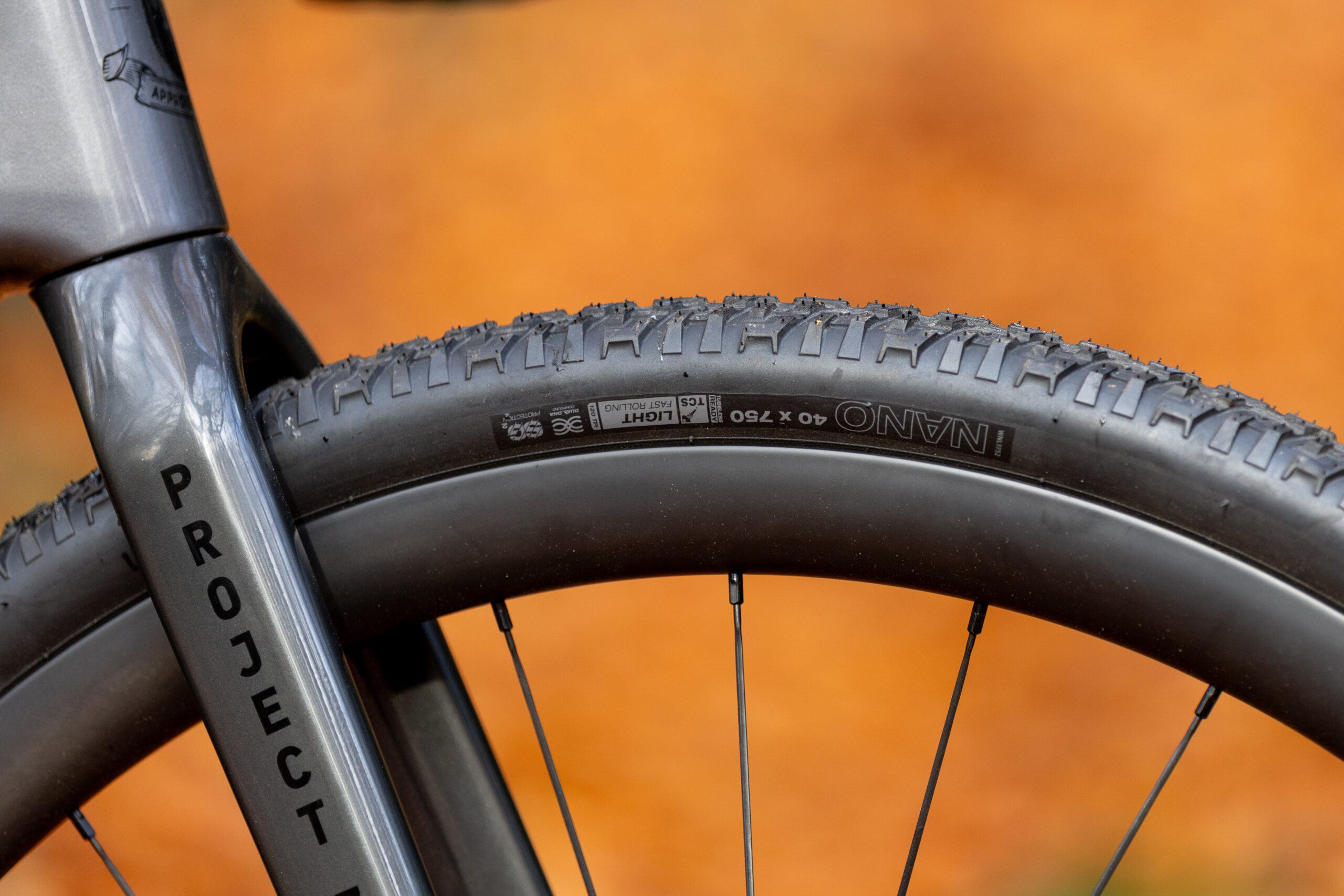
Despite all the chatter around 32in wheels, we’ve been here before with larger wheels for gravel bikes.
750d wheels were touted as the next big thing for very much the same reasons as 32in.
750d wheels have a rim diameter of 660mm, versus 622mm for a 700c or 29in wheel and 686mm for a 32in wheel. Pair the larger-diameter rim with a roughly 40mm gravel bike tyre and the outside circumference of the wheel-plus-tyre is comparable to an MTB tyre on a 29er rim.
We rode a 750d Merit gravel bike at a trail centre near Bristol and found the tyres offered good traction, although not a night-and-day difference from 700c. The bike also felt taller, slower to accelerate and less agile, at least with a 173cm (5ft 8in) tall rider.
We concluded the larger wheels might be handy for riders over 180cm/6ft tall, but bar a few niche bikes it’s hard to see momentum building for 750d gravel bikes. It is a halfway house between 700c/29in and 32in, though, and so might be attractive for similar reasons to 650b/27.5in wheels.
Why stop at 32in?
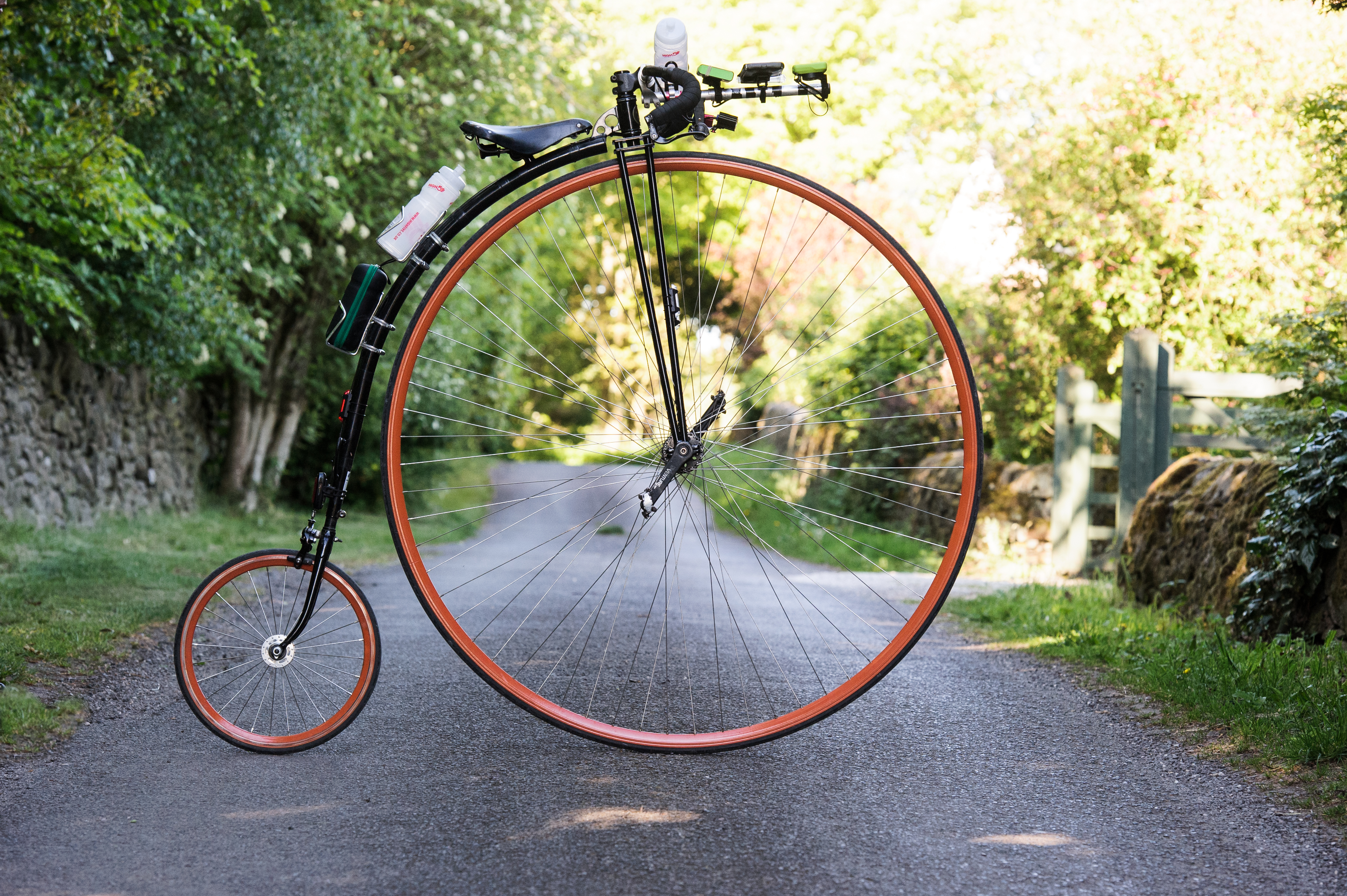
So have we reached peak wheel? Well, never say never, but even with 32in wheels, geometry is an issue for all but the larger frame sizes. Go any larger and the population of bike riders who are tall enough to fit on the bike will become even smaller.
An even larger wheel size might have a life as the front wheel in a mullet setup, but even then the need for a tiny head tube and the height of the handlebar might cause problems. Plus, there’s the weight of the wheel and tyre that is already a potential issue with 32in wheels.
So we reckon 32in is as large as wheels are likely to go – unless the penny-farthing returns to the mainstream.
What do we expect to happen next?
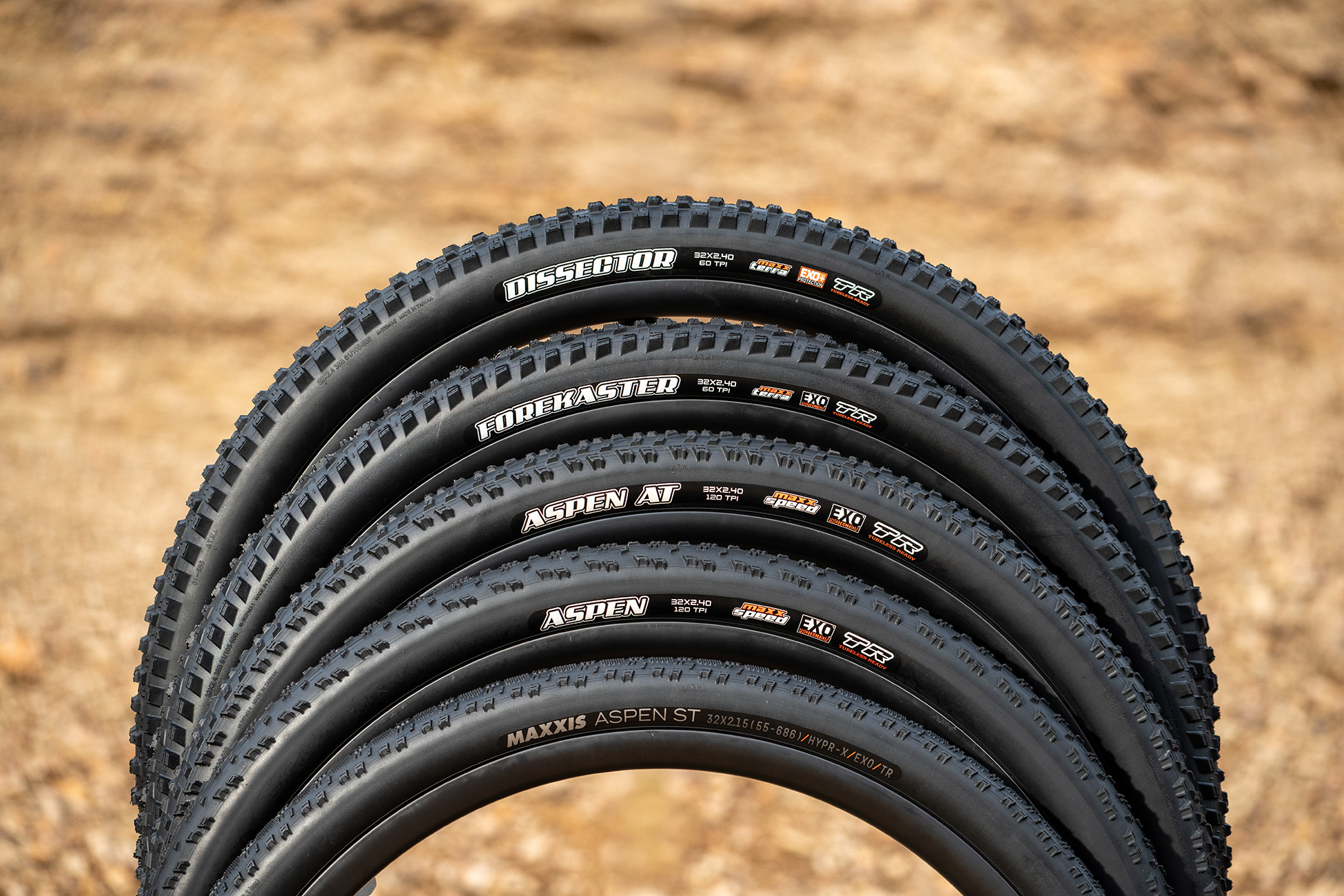
When gravel bikes first started to appear in the mid-2010s, there were limited wheel, tyre and groupset options available and bikes were often fitted with road-going components. It took a few years for a wide range of gravel-specific parts to come to market.
The same looks likely to occur for 32in bikes, where greater availability of wheels and tyres could kick-start an increase in commercial availability of bikes from larger brands. We reckon the wheel size could fairly quickly become an alternative to 29ers for XC mountain bikes and probably spread to gravel, too.
Frame size will always be an issue, though. We see 32in bikes as an alternative to 29er and 27.5in-wheeled bikes for larger sizes, rather than replacing the smaller wheels completely.
32in/29er mullets may take off, offering similar advantages to 29er/27.5in mullets: better roll-over and stability at the front with more reactivity and more stand-over at the rear.
Is this the next big thing?
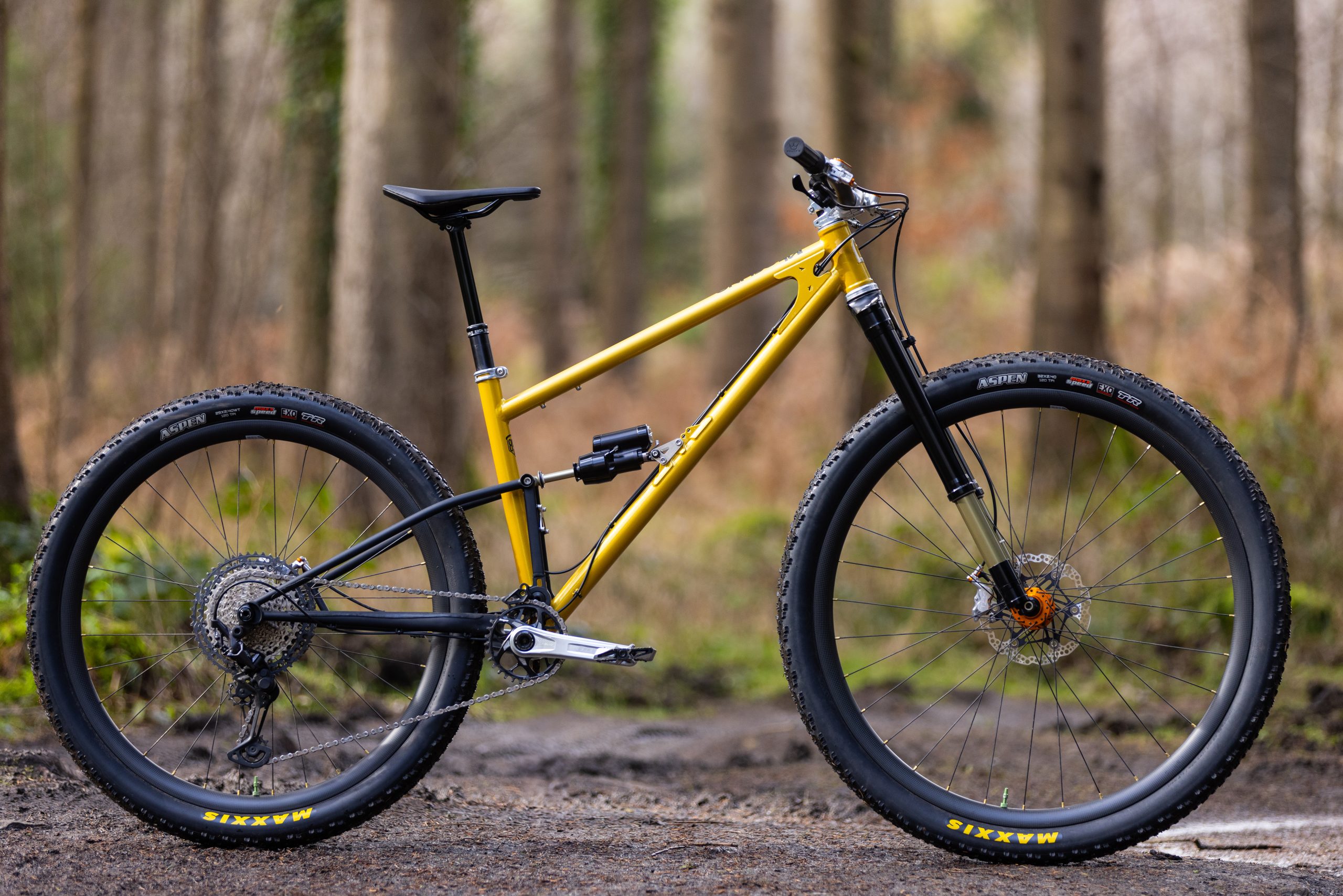
We reckon the geometry and rider-height constraints the wheel size imposes will probably mean 32in bikes won’t take over from 29ers in the way these bikes crushed the 26in wheel size.
But there’s clearly a niche for the larger wheels, particularly for taller riders, so we reckon they’re here to stay. They may never offer the breadth of wheel, tyre, fork and bike choices that’s available for 29er/700c and 27.5in/650b, if the market turns out not to be there to justify the R&D and tooling needed.
32in mullets may have legs though, so we reckon we’ll see more options here than in straight-through 32in-wheeled bikes.