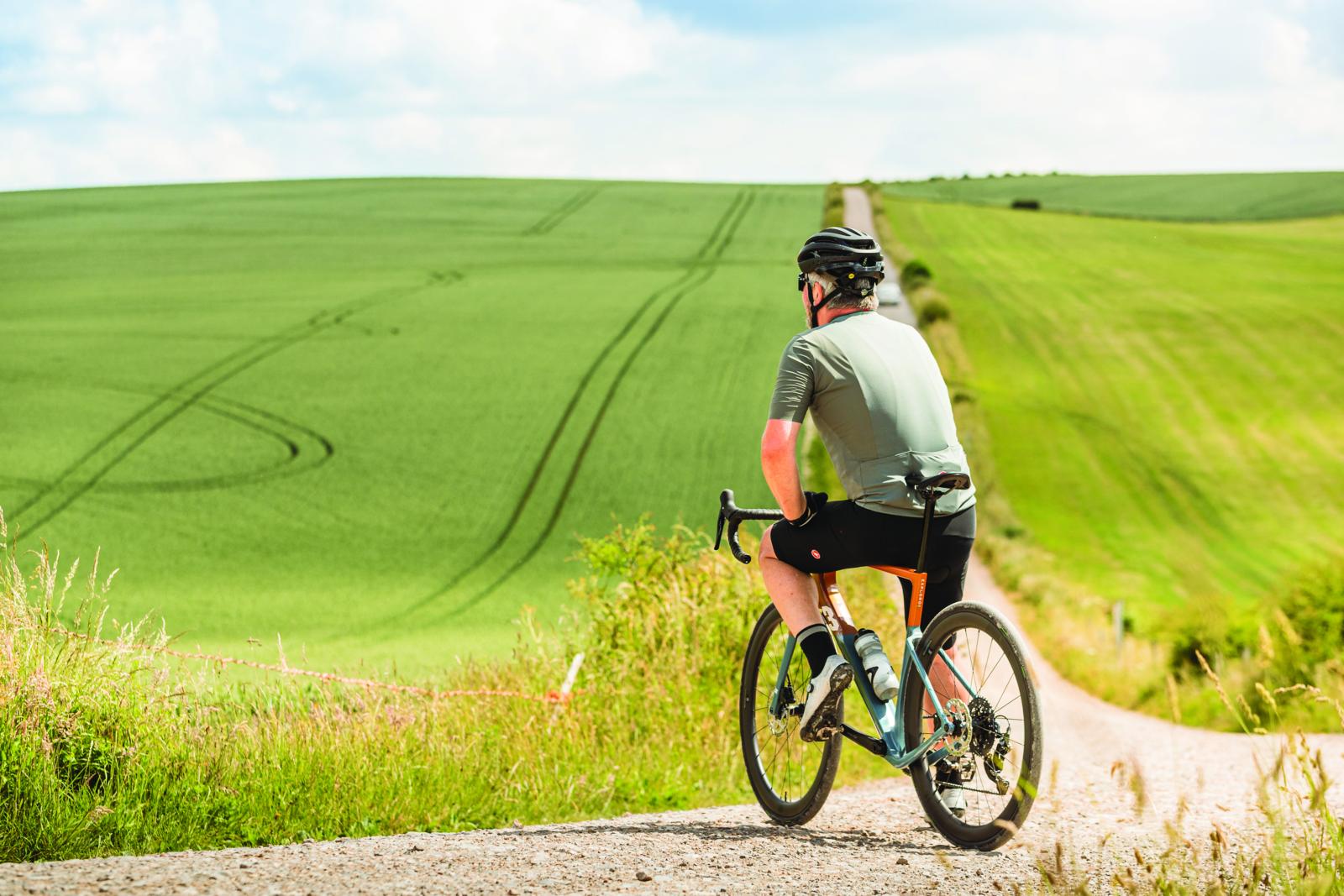
On numerous occasions I've argued that if you don't race then you shouldn't ride a race bike. But I’ve spent the last few weeks testing the Merckx 525R and it's made me rethink my position.
Although it's an aero bike, the 525R's ride position is remarkably usable. It puts you in an aggressive attack-ready shape, but it doesn’t force you to adopt a long, laid out position that works only for a precious few.
As a result, I found myself happy to undertake longer rides on the bike. I spent plenty of time in the drops without feeling my back over extended, or generally overreached. The speed and handling of the bike are exhilarating, and yet I didn’t feel compromised by fatigue from holding an unnatural position on a stiff race bike. In fact, it's the best aero road bike I've ever ridden.
While I still believe that bikes like the new Canyon Endurace SLX, Ribble Ultra Road, and Cannondale Synapse are the optimal all-day options for most riders, the gap between endurance and race bikes is clearly closing.
- Read my Merckx 525R review
Changing geometry
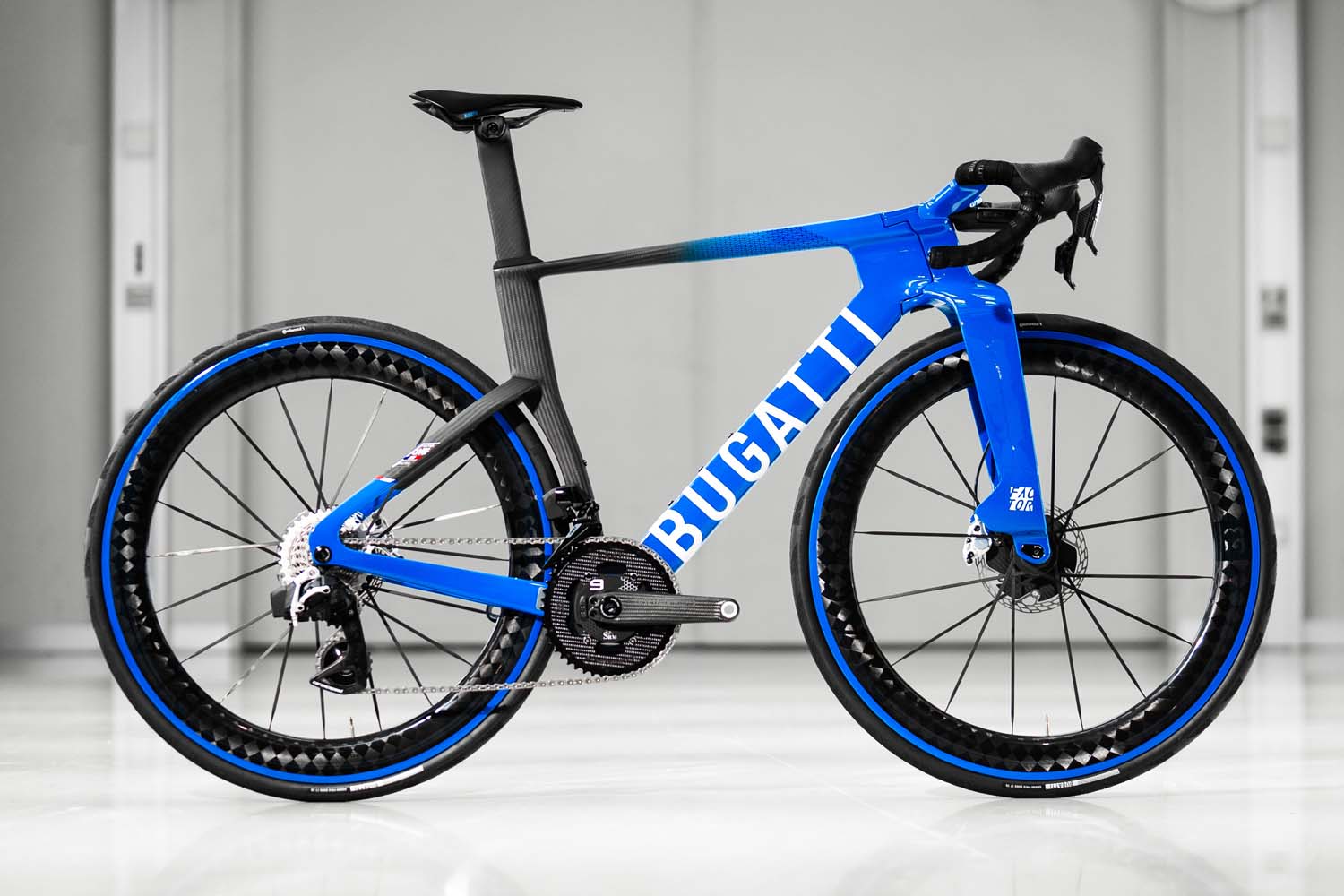
Bikes like the 525R and the Factor One show that road bike geometry doesn’t have to stick to the accepted formula of parallel 73-degree angles, for the seat tube and head tube, and a low front end.
Let’s for a moment forget about the aerodynamic performance which, naturally, is fundamental to the Factor and Merckx designs. Instead, it’s the fit that should be praised, the way in which the rider is positioned on the bike.
Both aero bikes have taken advantage of the UCI’s relaxation of the saddle-to-bottom bracket setback rule. The rule previously said that the saddle tip had to be 5cm behind the bottom bracket centre. It's now allowed to be at 0cm.
That’s allowed designers to reimagine seat angles, and take inspiration from time trial, track, and triathlon bikes by making them steeper. This allows a more ‘over’ the cranks position, which in turn is good for shorter cranks.
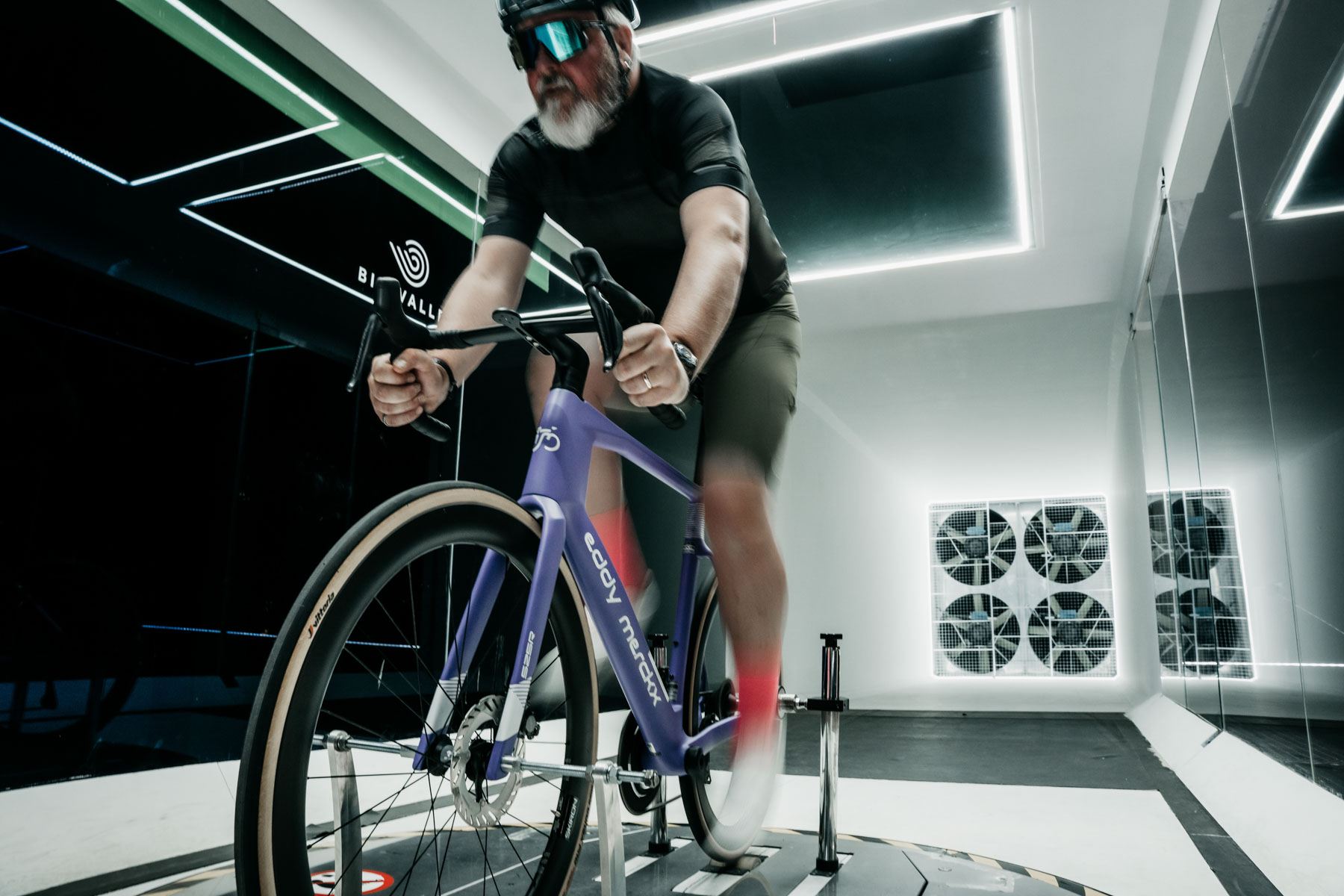
It's claimed that shorter cranks mean your knees don't come up as high at the top of the pedal stroke. This in turn open up your hip angle, which makes it significantly more comfortable to hold a lower, more aerodynamic position. Combine that with the progressive geometry and you have a better range of optimal fit.
The top tubes on these bikes are effectively extended forward, so there is the same room in the reach but with a more-forward oriented position. This should mean taller riders don’t need to resort to excessively long stems, which could compromise handling and steering responses.
The longer reach has also seen adjustments made to the stack height. Race bikes aren't suddenly as tall as endurance bikes, but they are getting a small increase over old-school super-slammed front ends, which puts you in a more comfortable position.
More race bike choices too…
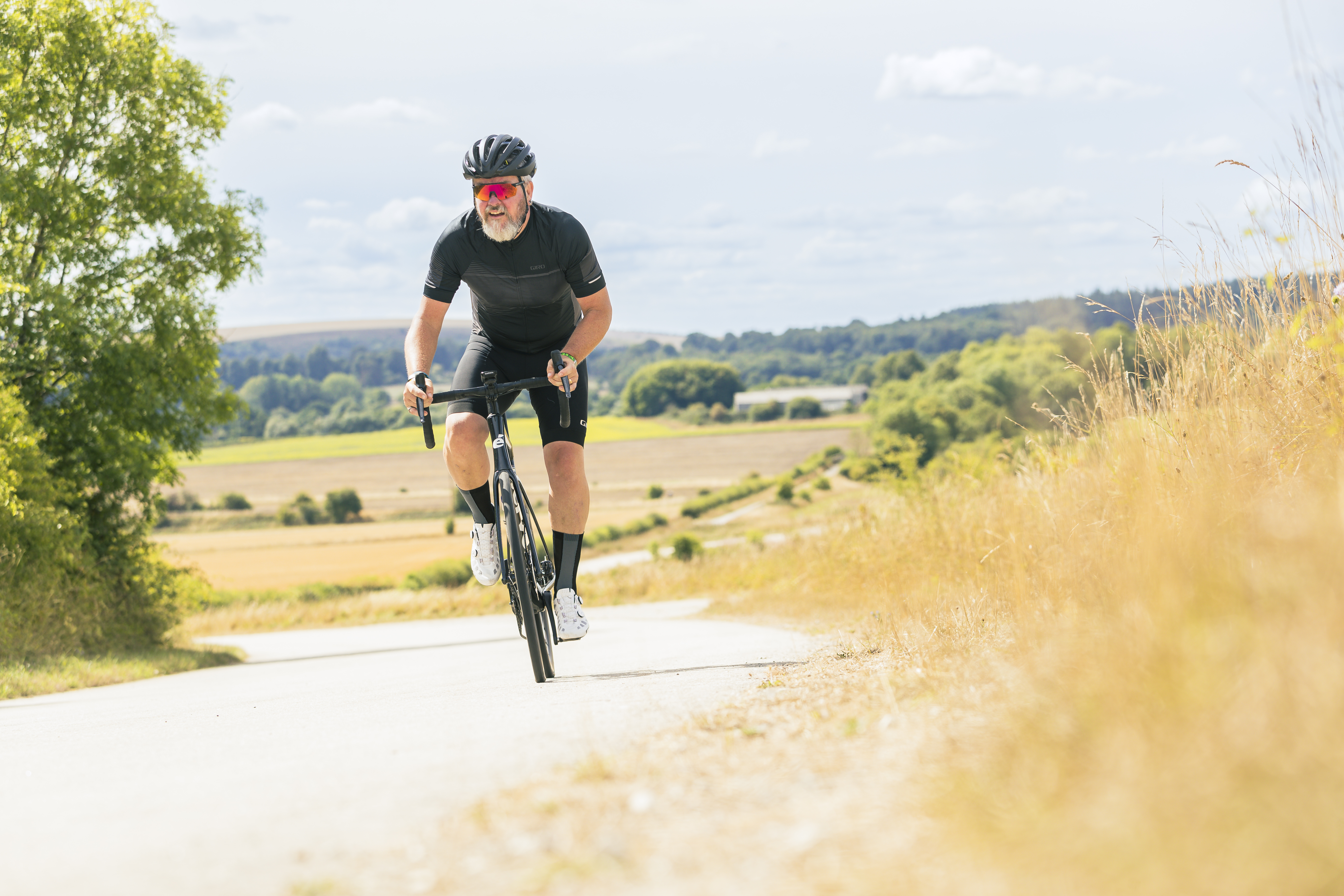
Aside from the Merckx and Factor having a more progressive geometry, we’re also seeing more choices in this endurance-cum-race bike category.
It was a trend started by Cérvelo’s reimagining of the Soloist. Then we had Canyon’s Endurace, where the CFR model is a race bike with endurance sensibilities (read: tyre clearance). The Canyon Endurance SLX is more of a pure endurance bike, but with race bike aero.
Rose's Shave is an aero race bike that’s available in an endurance bike geometry too, while Ribble has taken its Ultra race bike aerodynamics and infused it into endurance geometry for the Ultra Road.
Race bikes should be more accommodating
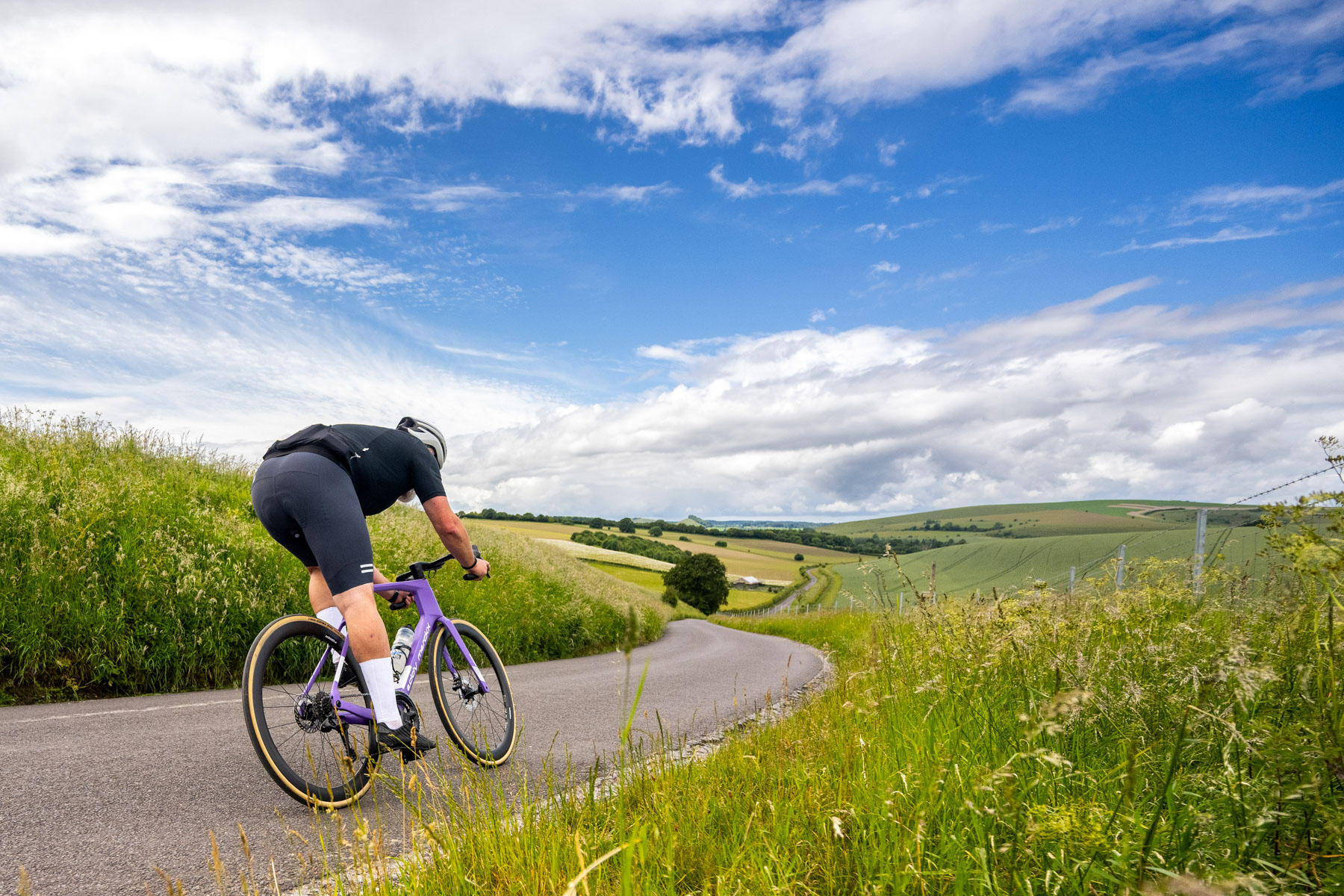
Factor and Merckx, by pushing boundaries in fit alongside aerodynamics, demonstrate a more holistic approach to bike design.
Previously the Venn diagram was far more biased towards aerodynamics, stiffness and weight. But now those elements are being balanced with the most important part of the package – the rider – and it's showing dividends when it comes to the ride experience.
For its part, Merckx wanted a harmony between aerodynamics which, according to the brand, is
“20% bike and 80% rider” in terms of drag. By adjusting the rider position to a more efficient pedal position and shifting the geometry, it’s saying it created a more efficient bike – and I know it’s created a more sustainable ride position.
This is where bike design should now head. I don’t care about a bike's performance when it's presented in wind tunnel data alone – that's not how bikes are used. When we as riders account for so much, we must be a key component to a complete bike design. Happily, we look to be moving in that direction.