Long before this year’s Tour de France got underway in Barcelona, I wrote a glass half full preview of the race that listed all the reasons we had to be cheerful about it, even when runaway favourite Tadej Pogačar was likely to bulldoze it.
This showman of a champion is different from other dominant winners, I said. I’ll be left with a Tour-shaped hole in my life when it’s over, I said. We’ll get a first glimpse of a future champion, I said. Anything can happen at any point in this race, so never write the race off as a done deal, I said.
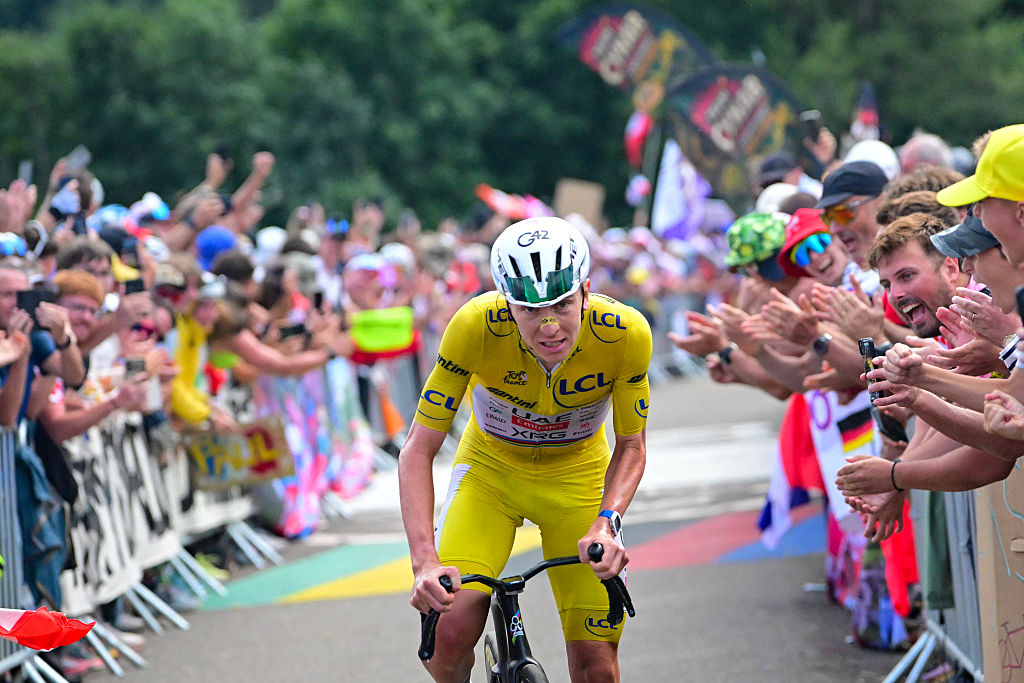
Maintaining that optimism for a moment, you could say all these things have come to pass. Pogačar has four wins – more than a quarter of the stages so far – including a devastating 40km solo raid over the Tourmalet.
A Tour-shaped hole
I will be left with a Tour-shaped hole, one that the Tour de Pologne will emphatically not fill.
I’ve also seen Paul Seixas, the 19-year-old homegrown prodigy, in action – a rider who has a decent shot of being the youngest ever rider to finish on the podium.
And I also write this hours after second-place Jonas Vingegaard crashed out with a broken collar bone on a relatively benign right-hand-bend on stage 15, having been woken up in the middle of the night to pee into a cup for anti-doping testers.
Why, then, do I have an overwhelming feeling of apathy towards this year’s race? My glass isn’t so much half empty – it's in pieces on the floor.
This race wasn’t the start of me feeling like that about Pogačar. It goes back a little longer, perhaps as far back as last year’s Tour, when his race results started to read like binary code. If he entered, he won.
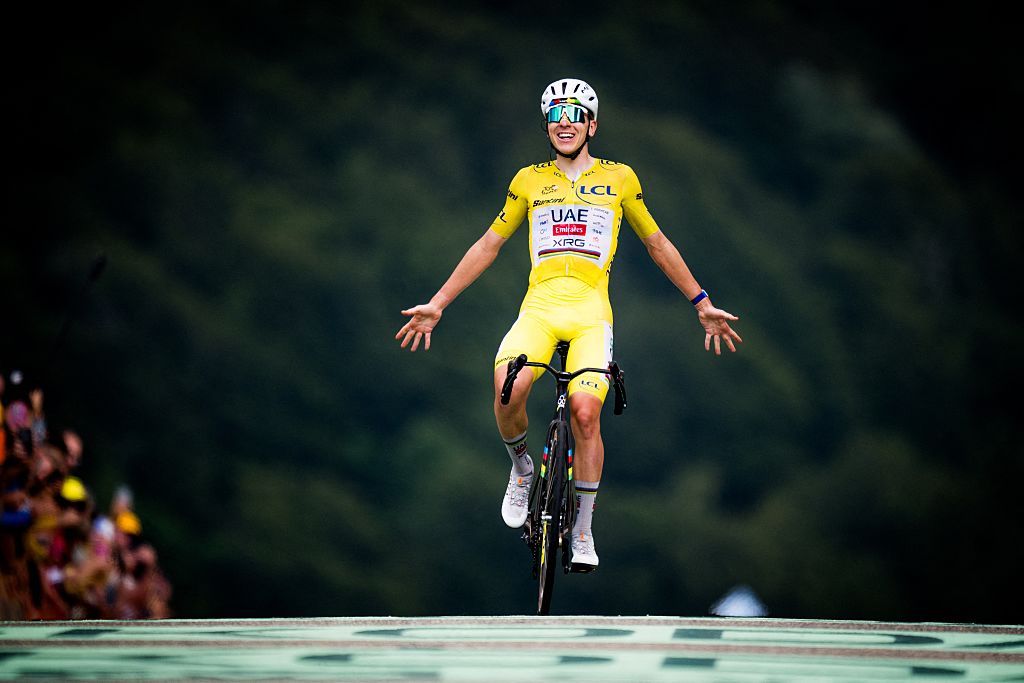
Plenty of others have started to feel the same way, too. That said, I would certainly never boo Pogačar, as he has suffered at points of this year’s race – it's of course a frankly bonkers gesture for any grown-up to lob at a sportsman.
I certainly reserve my right to be unmoved, though.
Like many, I fully expected Pogačar to win this year’s Tour, but it’s the one-way traffic of it all that kills the spectacle – an unrelenting tide of fortune and momentum in the Slovene’s favour.
You used to have to wait years – decades – for winning 40km solo raids through the high mountains of the race. The rarity is what made them special.
Pogačar’s made them routine. In wrestling terms, they’re his finishing move, his very own tombstone piledriver. The question in the office now isn't even 'did Pogačar win the stage?' but more 'how many kilometres were left when he went solo?'.
The battle for second place
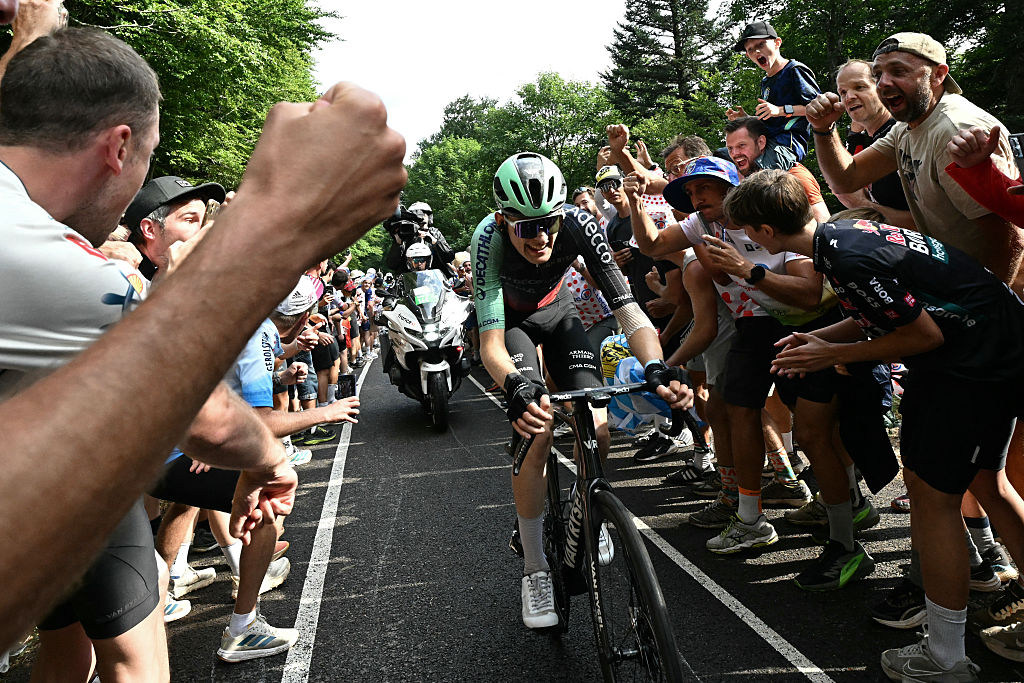
Behind Pogačar is one of the most closely fought, high-calibre contests in years, with less than a minute-and-a-half separating Remco Evenepoel, Isaac del Toro and Seixas. That’s a yellow jersey battle that would have me gripped.
But that’s not this race, and I always find it difficult to be invested in the battle for top-10 placings, especially when the leader is so far ahead.
Pogačar’s annihilation of his rivals pushes a lot of them into anonymity. Seixas and Florian Lipowitz, who’s had another great ride this year, are made to look as if they’ve ghosted into the top 10, like Haimar Zubeldia. Everyone is reduced to a walk-on part in the Tadej Pogačar show.
Boos, or simply a collective shoulder shrug, have long been the reaction of fans of this race to prolific winners. Chris Froome, Lance Armstrong, Eddy Merckx – and even French riders Bernard Hinault and Jacques Anquetil – have suffered backlashes to their dominance (some deserved more than others).
Five-time winner Hinault was never more popular at this race than when he was fighting a rearguard against eventual winner, the American Greg LeMond, in 1986.
Sport loves an underdog
Ultimately, fans crave spectacle, and with it uncertainty – a sense that all eventualities are on the table. The result is of little consequence if the journey to it hasn’t been worth the time.
Because of that, the underdog will almost always be backed, even when it comes to champions such as Pogačar, who so far has been carried along by his likeability and charisma.
The only time I’ve truly rooted for him this season was at Paris-Roubaix, when he faced off against cobbled classics phenom Mathieu van der Poel – the winner of the past three editions.
Professional cycling is one of the least partisan sports going – the show matters far more than the colours on a jersey or flag.
I'm aware this has been a highly negative take on proceedings so far and there remains much to embrace about Pogačar.
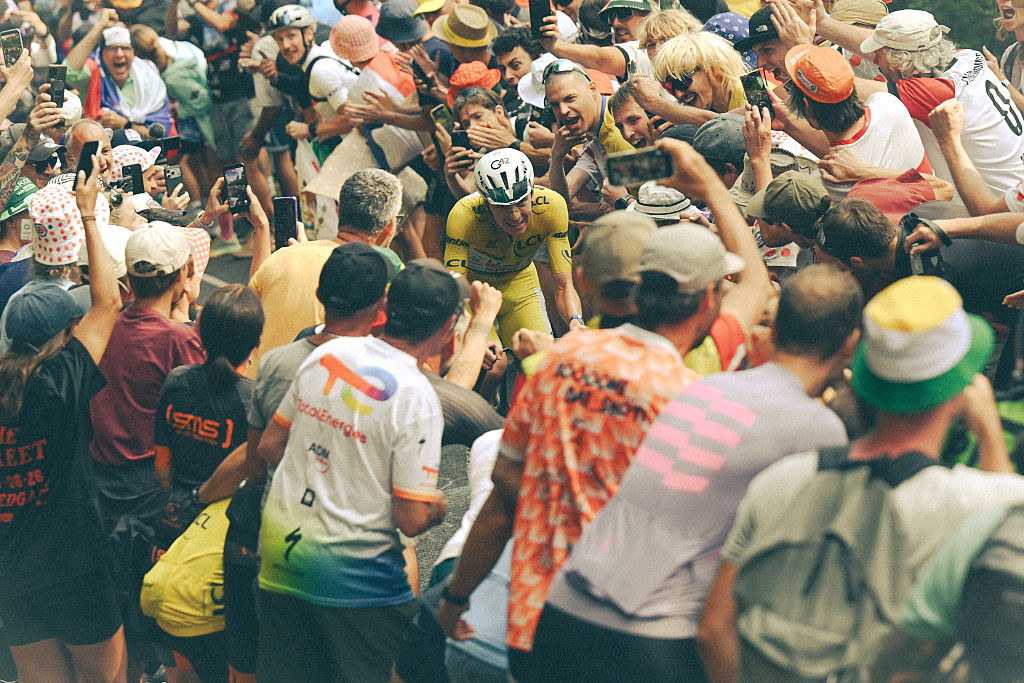
The reaction to the minority of boos aimed at him is drowned out by the adoration he retains, evidenced by the unprecedented crowds that lined the roads in the Vosges this past weekend.
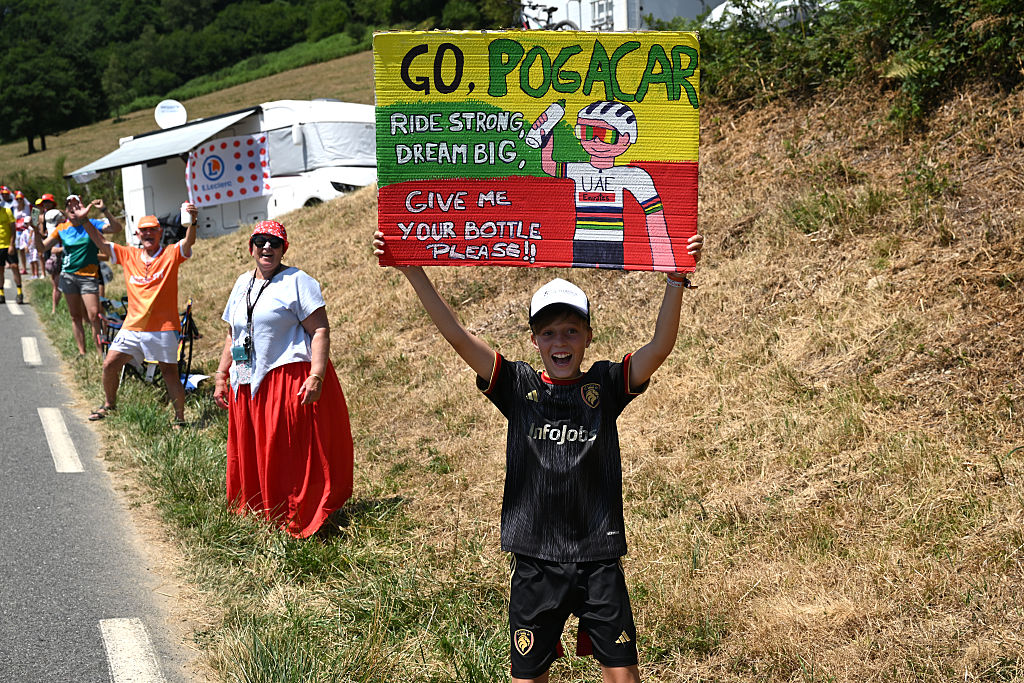
He remains one of the most popular riders cycling has seen, let alone champions. Yet even popularity has its limits when you win this much.