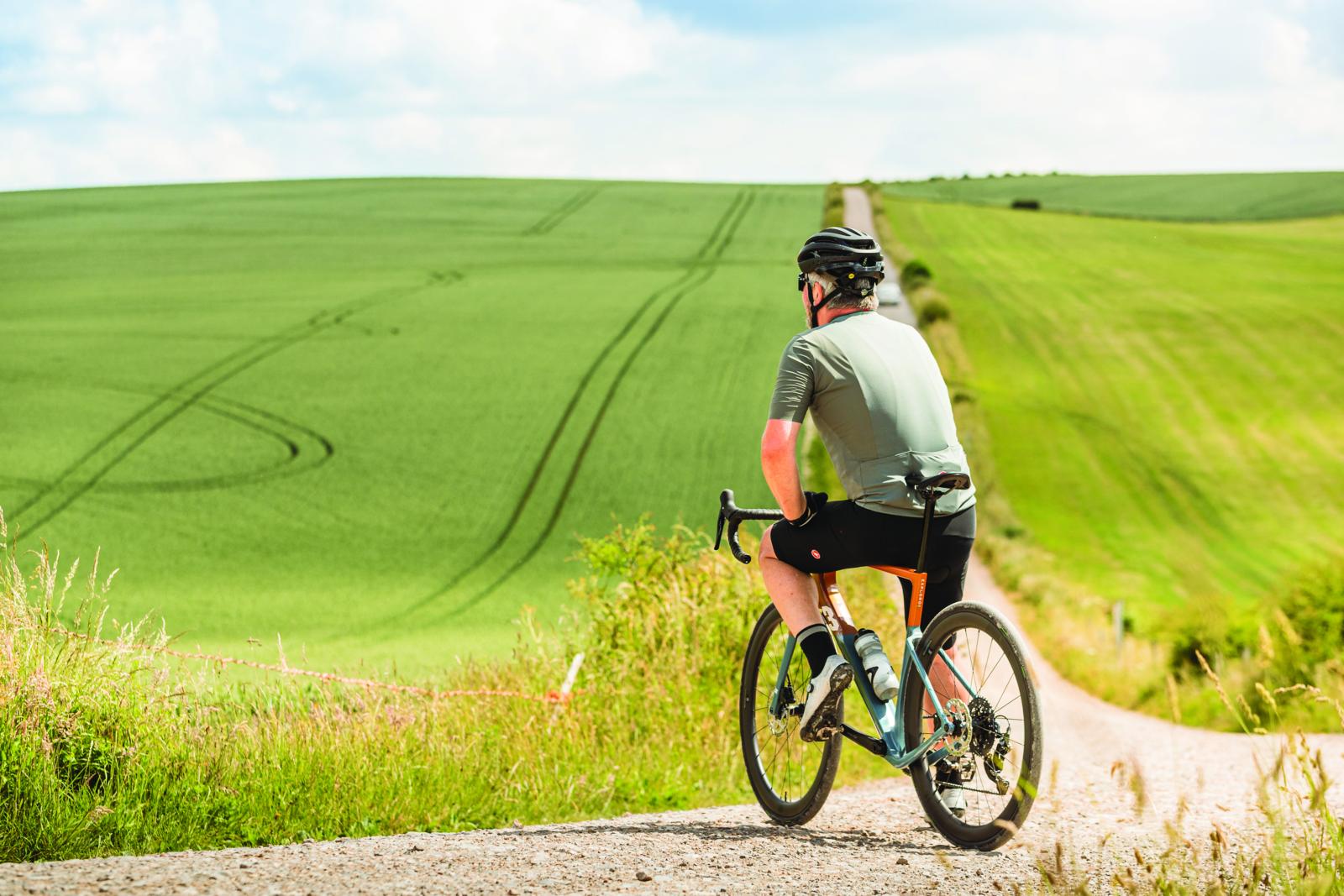
I was recently on a press trip in Tuscany to test an unreleased gravel bike. Although I can’t tell you about the bike just yet, I can confirm the Italian region’s landscape provided the perfect topography to show how diverse gravel riding can be. It highlighted for me how difficult choosing a gravel bike can be.
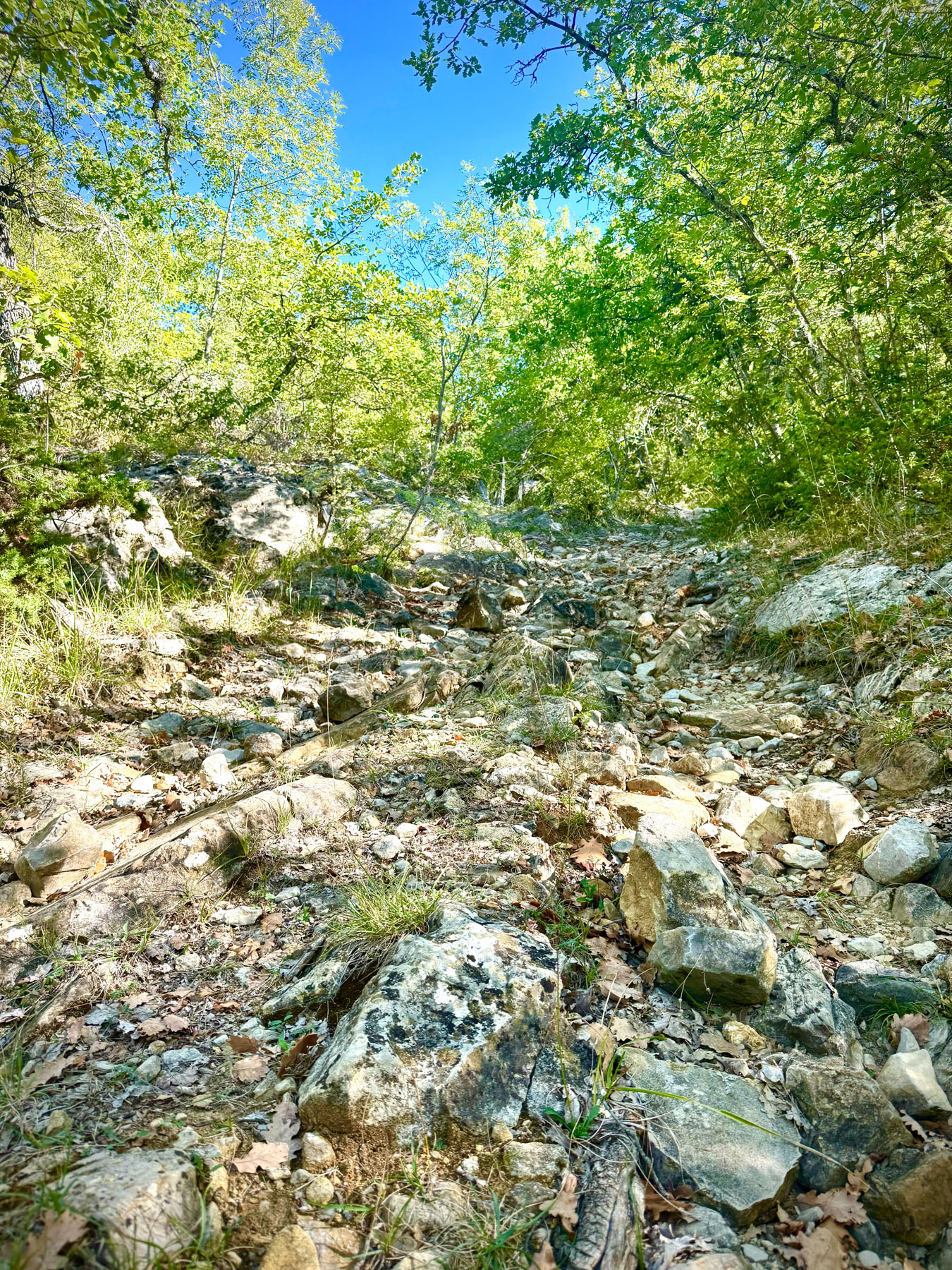
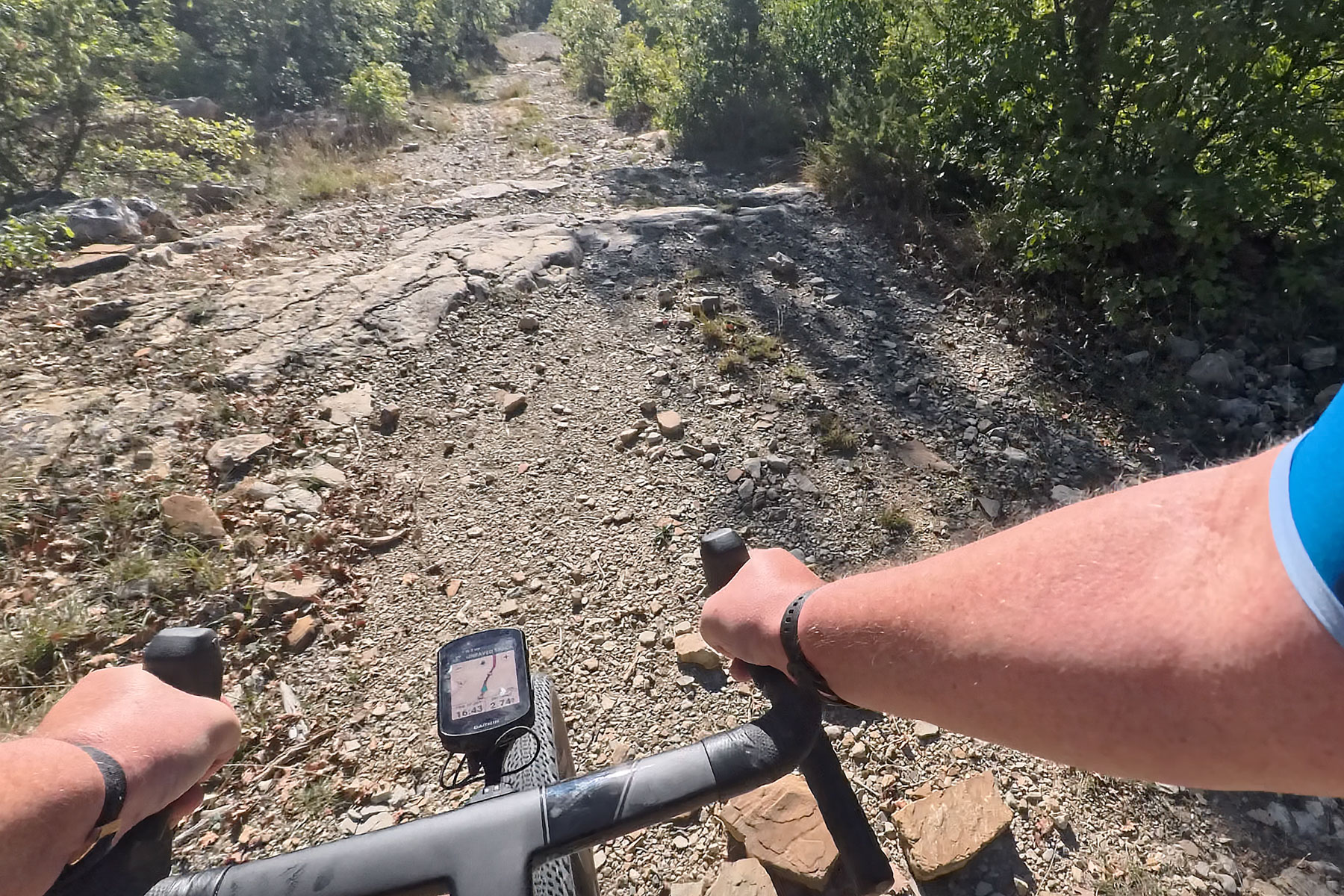
The terrain on my test rides went from the smoothest tarmac ascents and descents to the champagne gravel of the legendary chalk of the Strade Bianche roads. For good measure, there were also narrow singletracks, tracks covered in rocks and roots through olive groves, and even sections that felt like rock gardens with football-sized stones and steep drop-offs, etched in the landscape from centuries of water erosion.
Riding across this stunning, exciting and technical terrain, I couldn’t help but think the very best gravel bikes I’ve tested over the last few years have been more Swiss army knife than scalpel – they need to be able to do everything.
Out of their comfort zone
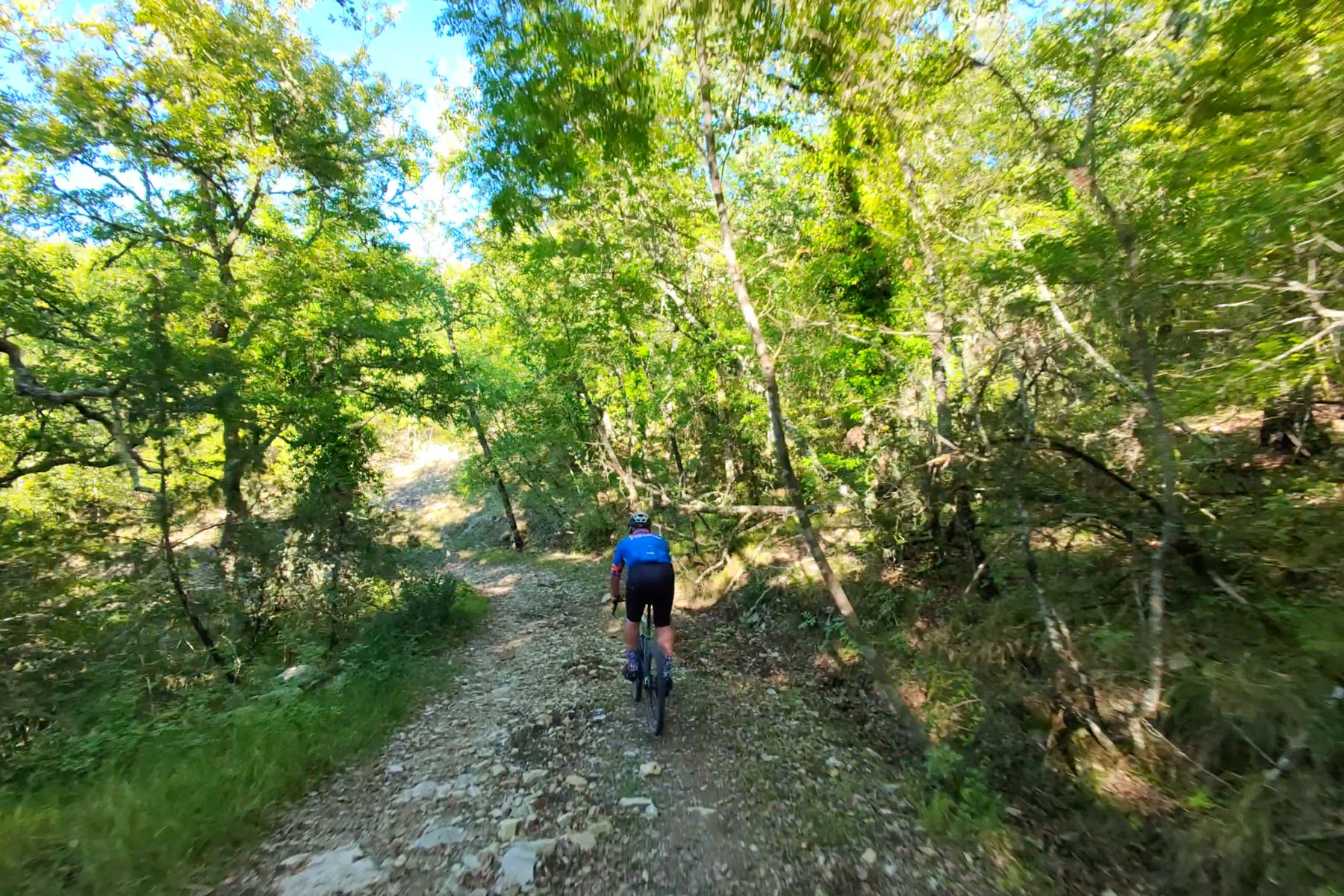
As good as ‘fast’ gravel race bikes such as Cervélo’s Áspero 5 or Factor’s original Ostro Gravel were on princess gravel, they would have been hopelessly out of their comfort zone during my Tuscan experience.
It’s the same the other way, too. Gravity-focused gravel bikes, such as the now-retired Nukeproof Digger RS, would have excelled on the rock-strewn descents but proven a chore on the double-digit percentage climbs you find on Tuscany’s tarmac and gravel roads.
Some great gravel bikes bridge the gap between the two camps. Ridley’s Kanzo Fast 2.0 manages to be both aero-fast and trail-capable, and Canyon’s latest Grail CF SLX does the same. Lee Cougan’s full-suspension Innova Super Gravel is great on rocky, gnarly surfaces, but carries a little more weight compared to racier bikes. However, its geometry isn’t extreme enough to make it a chore when climbing.
The as-yet unreleased bike I rode over those few days in Tuscany sits in the versatile but race-oriented gravel camp.
What or where to ride?
What does that mean for us gravel riders, though? Well, now more than ever, you need to be sure of what you want from your off-road riding.
If your gravel riding is mostly on smoother, unmetalled roads with only very occasional tougher surfaces, lightweight race-oriented gravel bikes such as Giant’s Revolt Advanced SL or Van Rysel’s RCR-G will excel. When it comes to more extreme, rocky terrain, let’s be honest, you’d be better off on a mountain bike, be it short-travel or hardtail XC.
Then comes luggage-carrying capability. Do you want to be equipped for long days out, spend occasional nights away or cross continents? That all has a bearing on bike choice, not only fixtures and fittings but material, too.
Carbon may be great if you’re after a lightweight or aero bike for gravel racing. However, steel, alloy or titanium gravel bikes are a better choice for rugged rambles with your home from-home belongings strapped aboard your bike.
I think perhaps my next gravel bike will be something along the lines of the Ridley, our current Gravel Bike of the Year. It has racy chops, which make it fast on the smooth stuff, while the geometry and clearance for huge 58mm tyres mean it's capable on more technical terrain, too.
However, with the prospect of 32in gravel bikes coming soon (see my Singular Pterodactyl review), and being a taller rider, I may hold off for now to see what’s on the horizon.
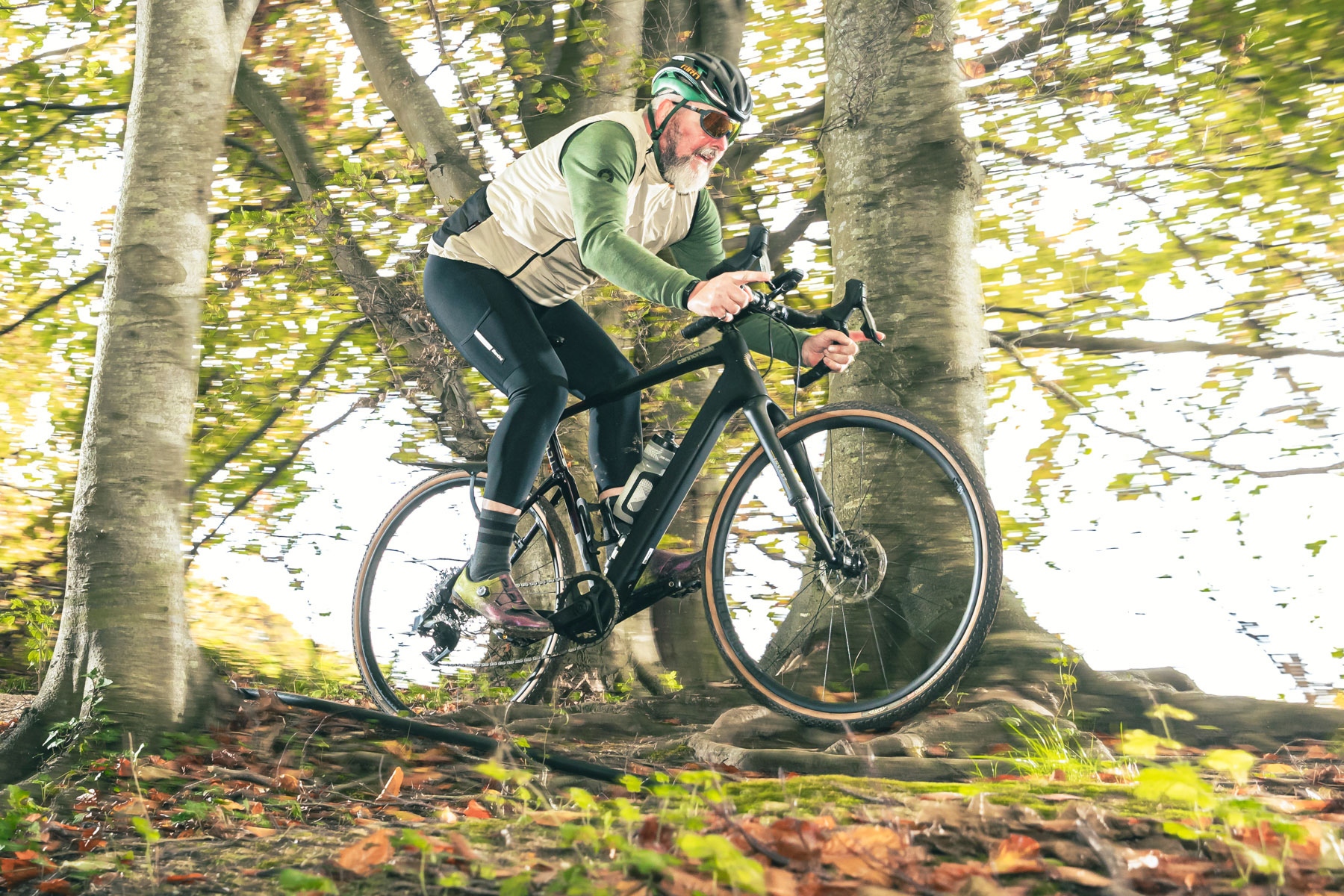
It’s not as though I’m not having fun on my current gravel bike, a Cannondale Topstone with its ‘old-school’ (it's only 18 months old!) 45mm tyre clearances.
The Topstone is as capable as I am when it comes to technical terrain, so perhaps we should all stop worrying so much about being ‘current’ and just enjoy getting out into the great outdoors, whatever we're riding.