The UCI is set to make an overhaul of the Lugano charter for 2027. That could be good news for bike design, given it sets the design regulations compliant bikes must adhere to. But I wish I didn’t have to think about what might come next.
In my column last week, I said the UCI should stay out of gravel, while defending the expansion of wheel sizes.
That got me thinking – when I’m testing a bike intended for the road, and potentially racing, I always look for the UCI sticker on the frame. Why? I’m not sure. It’s no guarantee of quality, it’s no guarantee of meeting safety standards, it’s no guarantee of anything really, beyond meeting the template the UCI has set out for "race eligibility and geometric compliance".
You’ll see UCI compliance roundels on aluminium and even steel bikes down towards the mid-range level. Why? Almost nobody racing in UCI-sanctioned road events is riding aluminium or steel, and for those few outliers is it worth brands paying for the graphic?
The same goes for second- or third-tier carbon frames. Not many UCI-sanctioned teams are choosing entry-level carbon, are they?
Expensive stickers

For the privilege of UCI accreditation, brands pay five thousand Swiss francs (£4,500 / $5,958) for a carbon bike, and 3,500 Swiss francs for alloy or steel (£3,156 / $4,180). When was the last time you saw alloy or steel raced in a UCI event?
That’s a small outlay for a big brand added to any development cost, but it’s more significant when it's paid for by small independent builders. For them, it might be the difference between developing a new model or not.
However, if the perception is the UCI sticker is a mark of ‘quality’, small builders wanting to make performance bikes are urged to pay the premium, even though it simply represents compliance to rules the UCI has set.
Rules and regulations for racing are good and very much necessary. But when they permeate into bikes that will never will be raced, surely that’s just the UCI wetting its beak at a brand's expense.
When Cannondale launched the first SmartSense-equipped Synapse in 2022, it was proud of it not being UCI-certified. However, shortly into the life of that bike, it rolled back and got the Synapse certified. Why? I didn’t see any EF Education-EasyPost riders competing in a UCI-sanctioned road event aboard a Synapse.
I love to see brands push the boundaries of the UCI rules; Factor has butted right up to the limit with the One, for example. But it’s made me wonder what it could have done without the rules.
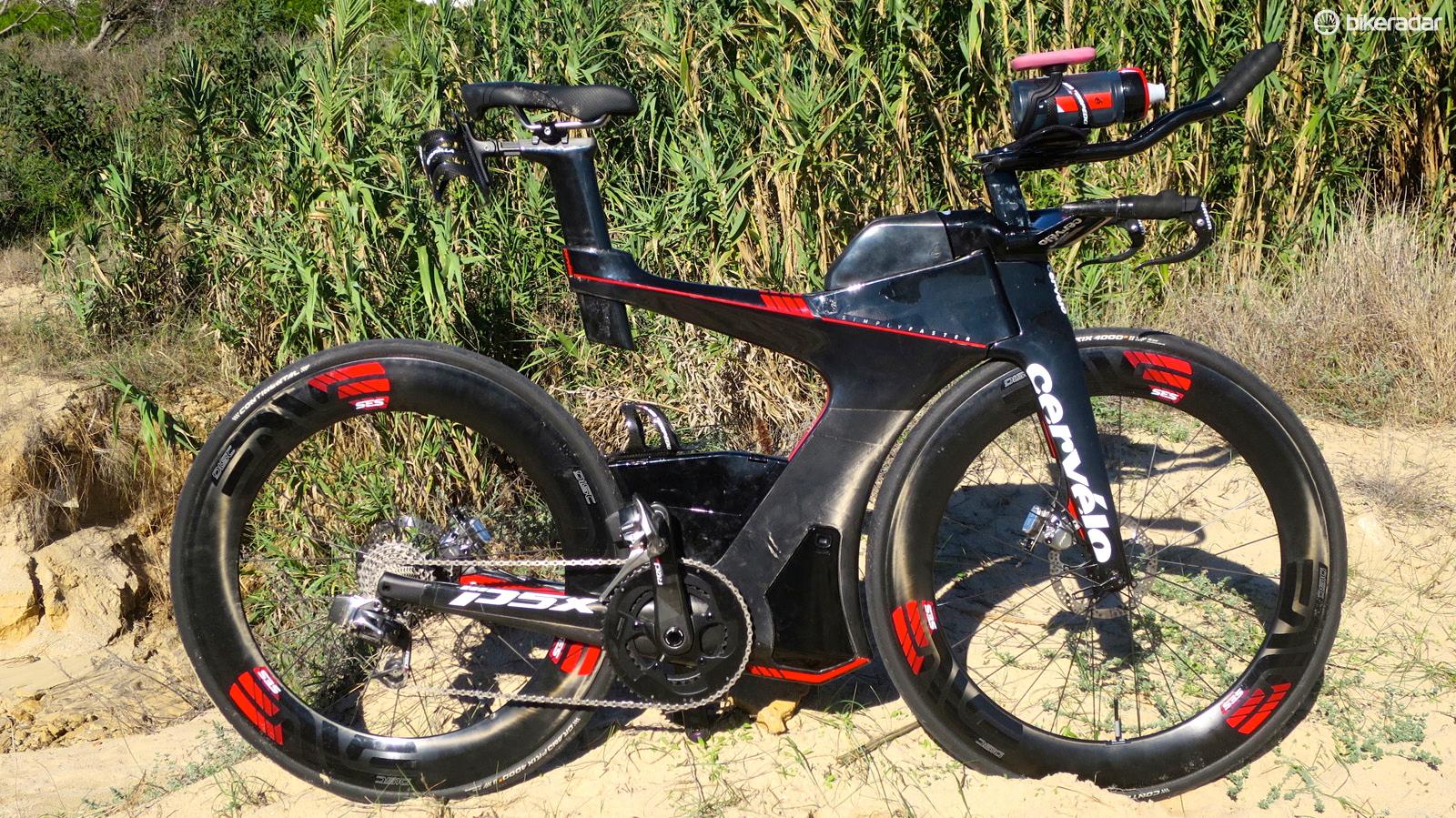
We see it a little in time-trial designs that cross over into triathlon, usually with the addition of non-compliant aero aids dressed up as storage.
Ultimately, it represents less restricted progress, and it's odd for a brand to show two versions of the same bike, with one iteration ‘faster’ but not ‘legal’, as we've seen with the likes of Canyon’s Speedmax CFR Triathlon compared to the TT. Cervélo has the same issue with the P5 in its optimal design.
Fundamentally, the rationale for bike brands to seek widespread UCI approval across their whole range makes no sense. It's akin to Formula One team owners such as Mercedes, Ferrari, Audi, Alpine, Aston Martin or Cadillac seeking FIA approval for their road coupes because they compete in F1.
In an ideal world, I want brands to celebrate, even experiment with, fast non-UCI-compliant designs. If they can prove they’re faster, safer and better, perhaps UCI approval will come.
Going back to my original statement from last week, the UCI imposing rules on gravel will shut down the rapid progression we’ve seen in bike design. The best gravel bikes today are leagues ahead of the bikes I enjoyed back in 2014, such as GT’s groundbreaking Grade. That’s without the UCI being involved.
If the UCI had got involved in gravel early on, I bet we’d still be riding bikes with sub-40mm tyres.
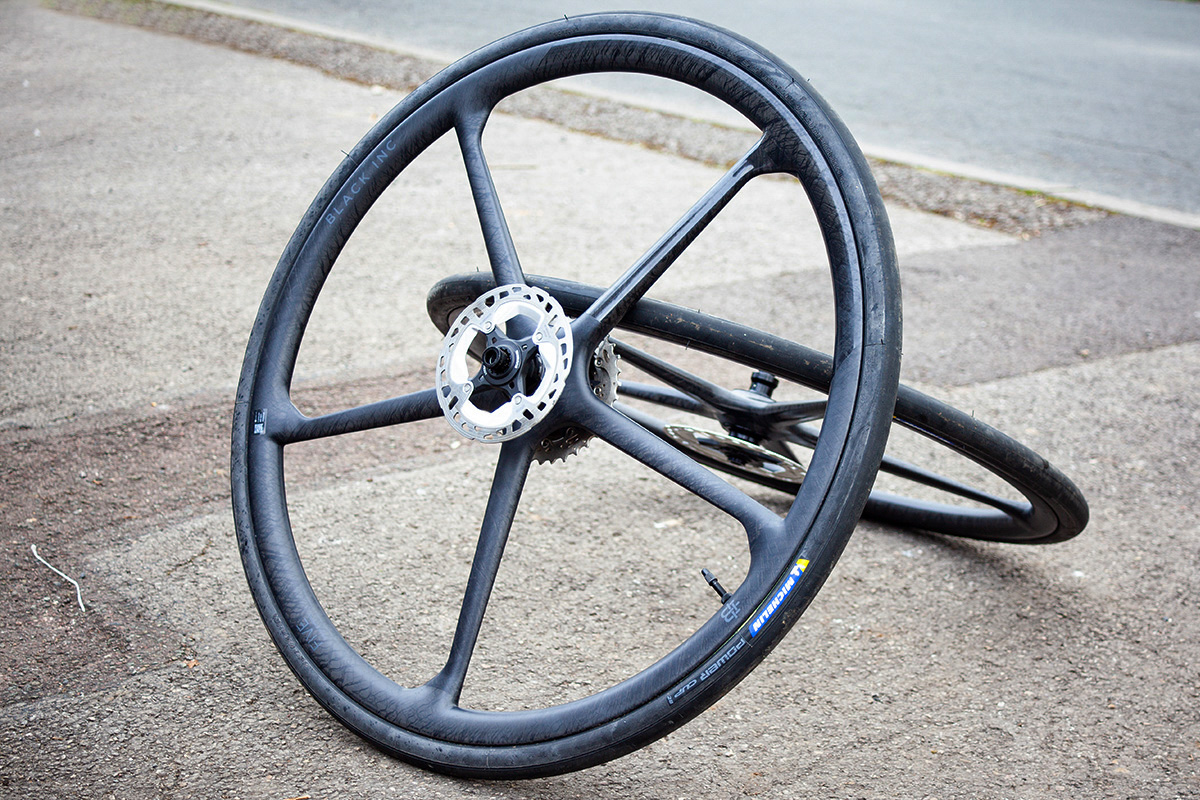
It already happens. For example, a couple of years back, I tested a set of road wheels from Black Inc that were claimed to be the fastest and most stable the brand had made. However, the ‘problem’ was they weren’t UCI legal.
They were phenomenal, super-stable in crosswinds, very fast and light. Why would they not be raceable in road events? They surpassed the ISO impact tests the UCI stipulates.
I want to see the UCI’s light-touch approach to mountain biking (a sport it doesn’t seem to understand) applied to gravel, too. It's such a diverse sport that, for instance, the rules it uses to govern cyclocross wouldn’t make sense in gravel.
UCI baiting

When I see a new race bike design of any persuasion, I would like to get out of the habit of looking for a sticker that shows compliance for races I’ll never compete in. At the moment, if I want a fast road bike, it will have a UCI sticker on it.
With the number of UCI-registered road racers estimated by the UCI at a little more than 18,000 globally while the number of road cyclists in developed cycling nations is in the millions, these paid-for roundels are for a tiny fraction of riders.
That means most brands see the UCI approval sticker as marketing, nothing more.
I still want to be able to buy, ride and even race the best current designers’ ideas, even if I won’t ever be lining up against Pogačar, Van der Poel or Evenepoel. I don't need a UCI roundel to justify the bike I pedal.
Instead, I want to be looking for the brilliance of great bike design teams unencumbered by ‘rules’ that won’t make me safer, but when released from those shackles, might make me faster.