In our Tech Q&A series, we tackle readers’ cycling questions – from component upgrades to riding after injury – with help from the BikeRadar team and trusted industry experts. This time, a reader recovering from knee-replacement surgery wonders how best to return to cycling, and whether clipless pedals could pose a risk.
I am 71 years of age and had a full right knee replacement in July last year. Until a few days before the operation, I was cycling up to about 15 miles a time, though sadly mainly on the flat to minimise pain later.
I have been using a static bike at the sports centre, building up my strength and time on a ‘bike’, before I start using one of my bikes that has flat pedals, which hopefully will build up my confidence.
I have a couple of concerns:
- In addition to the static bike, I have been using exercise machines to do upper-body work and a cross trainer. However, I have avoided machines for leg exercises. Am I correct to do so?
- Assuming things go to plan I will move onto my other bike, which requires clipping in and out. Will clipping and unclipping put any strain on the knee? The other concerns relate to those moments when you find yourself unexpectedly having to unclip very quickly, which can result in a jarring of the leg. Alternatively, you don’t unclip and find yourself hitting the deck with the bike on top of you. Could both actions result in damage to the knee?
- I am considering purchasing a bike with a battery (I’ve been looking at an Orbea). Bearing in mind the weight, I am concerned should it land on my knee.
I should add I know my left knee will require replacing, but when will depend on waiting lists.
I would appreciate your thoughts.
James Nicholson
Returning to cycling after a knee replacement is something many riders do successfully, but it’s important to take a gradual and cautious approach.
Senior technical editor Warren Rossiter says your current strategy – using a static bike to rebuild strength and confidence before returning to outdoor riding – is exactly what many physiotherapists recommend.
Cycling is often encouraged after knee-replacement surgery because it’s a low-impact activity that enables you to rebuild mobility and strength without the joint stresses associated with running or other weight-bearing exercise.
However, when it comes to gym equipment, Warren says caution is understandable.
If you’re unsure about leg-based resistance machines, it’s sensible to avoid them until you’ve had clear guidance from a physiotherapist or medical professional. Some gym machines place significant loads on the joint at fixed angles, which may not be ideal during recovery.
By contrast, the circular motion of pedalling tends to be much more forgiving, which is one reason static bikes are used so commonly in rehabilitation.
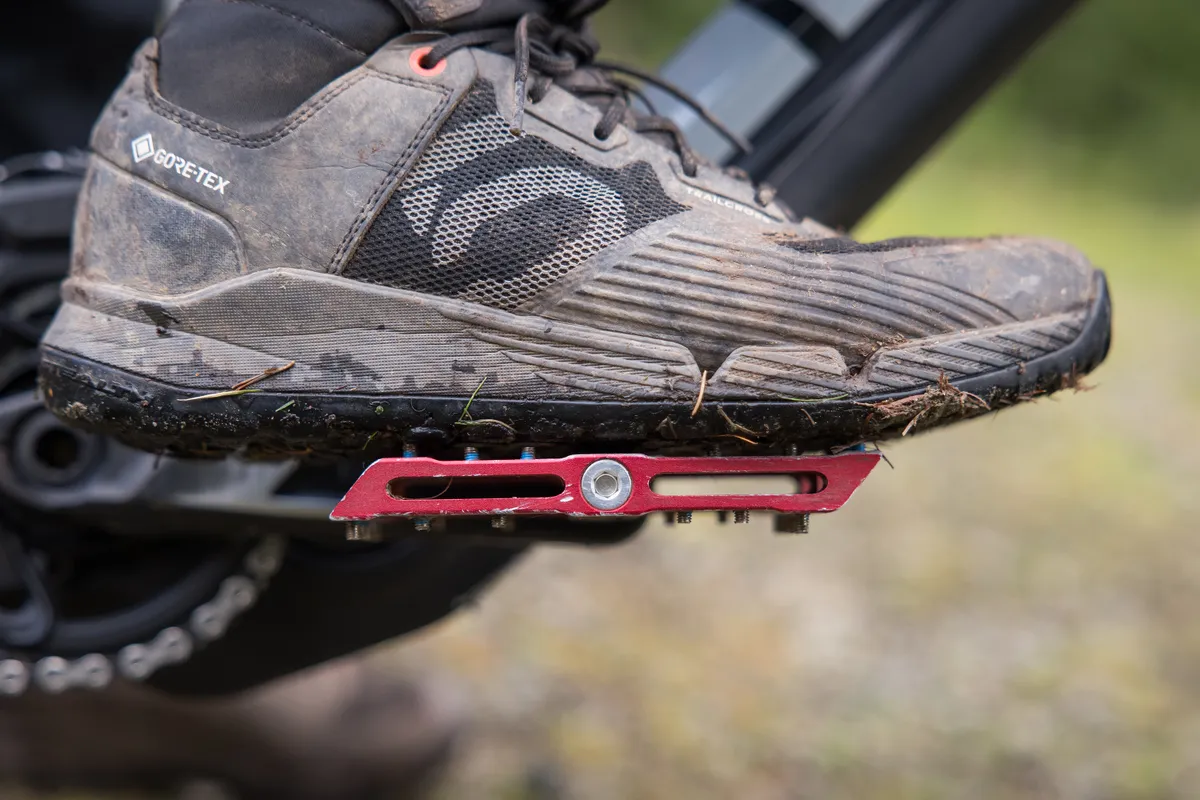
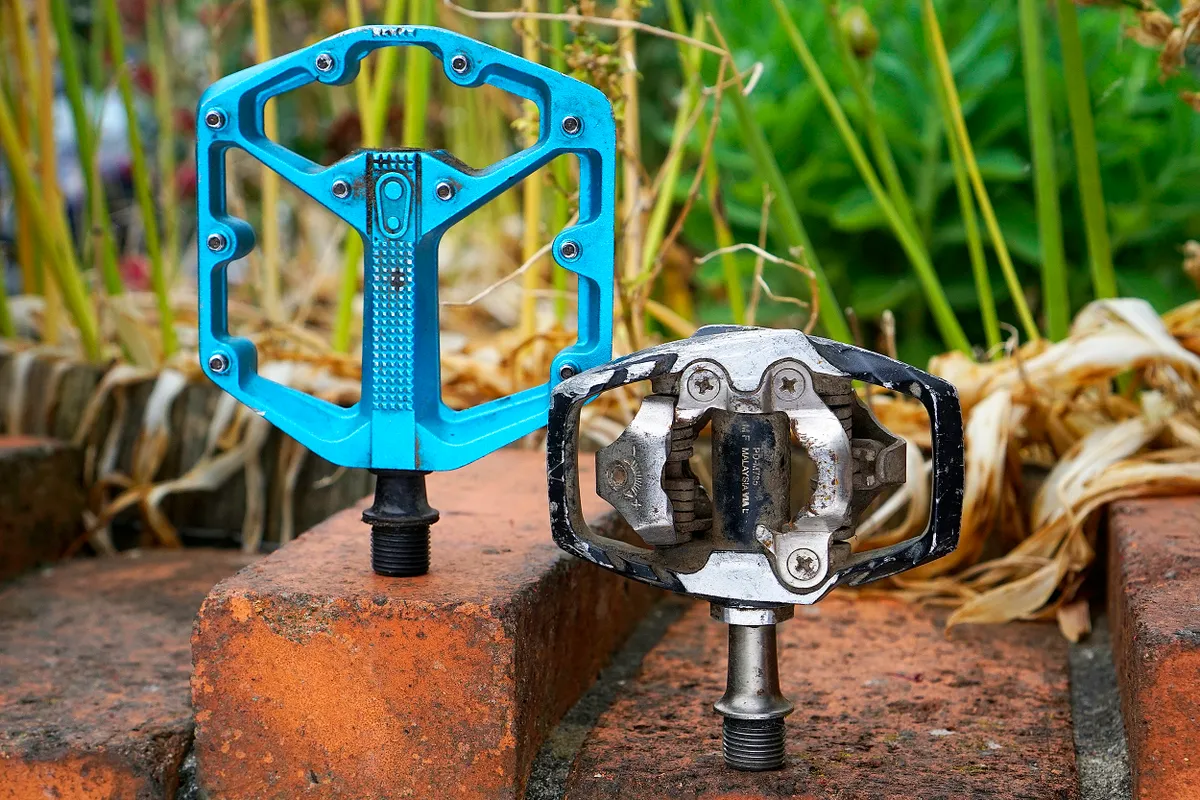
When you return to riding outdoors, starting with flat pedals is a sensible next step. They enable you to concentrate on rebuilding confidence, balance and general riding fitness without the added complication of clipping in and out.
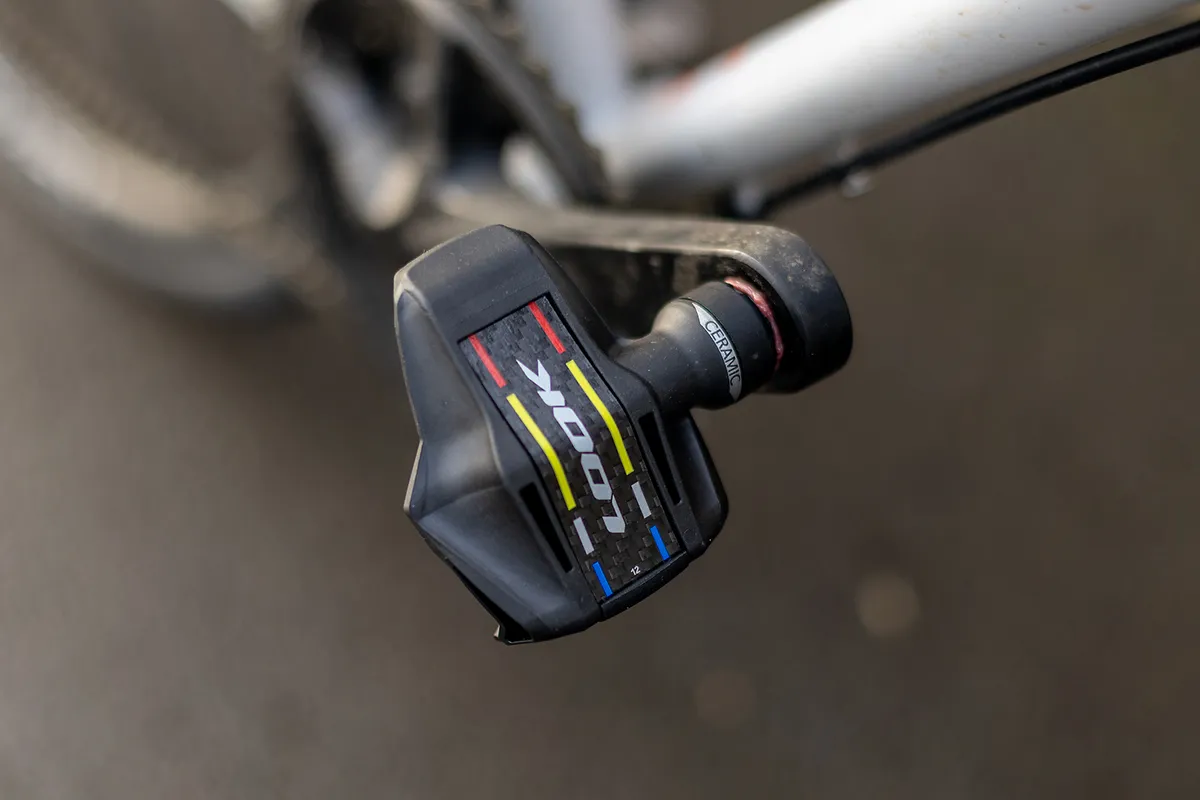
Your concerns about clipless pedals are understandable. Using them involves twisting the foot to release from the pedal, and in sudden situations – such as stopping unexpectedly – the movement can sometimes feel abrupt.
Warren says that while many riders happily use clipless pedals after knee surgery, there are a few factors worth considering.
If the release tension is set very high, twisting out of the pedal could place additional strain on the knee joint. Fortunately, most clipless systems enable you to reduce the release tension significantly, making it much easier to disengage.
Practising clipping in and out repeatedly in a safe environment – such as leaning against a wall or riding slowly in a quiet car park – can also help rebuild the muscle memory required to do it smoothly and instinctively.
The bigger risk for many riders isn’t the release motion itself, but those occasional moments when you fail to unclip in time and topple over at low speed.
That’s rarely dangerous, but after a major operation, it’s reasonable to want to avoid unnecessary knocks. As you note, heavier bikes such as ebikes can add another consideration if they land awkwardly during a fall.
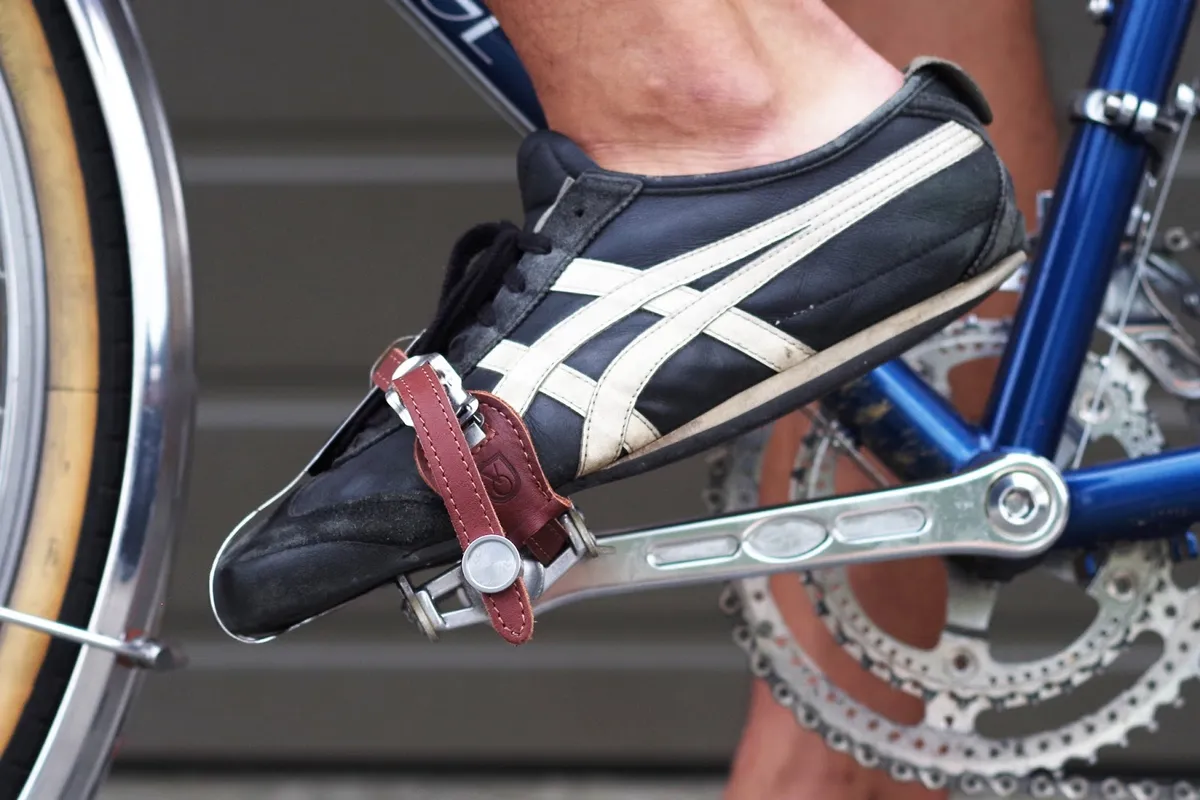
Fortunately, clipless pedals aren’t your only option if you want secure foot placement on the bike.
Warren points out that traditional toe clips and straps remain a viable alternative. While they can be slightly more fiddly than modern clipless systems, they might give you the locked-in feeling you’re after without a rigid retention mechanism.
There are also a handful of specialist shoes designed for use with traditional pedal systems, including models such as Sidi’s L’Eroica-ready Tenacia.
Another option comes from the fixed-gear world, where riders often use pedal straps such as those made by Restrap or Cinelli’s Kink straps, paired with classic flat pedals such as MKS’s BM-7 or Esprit.
These systems offer a degree of foot retention but enable you to pull your foot free more easily than a traditional clipless pedal.

If you’d prefer to continue using your existing cycling shoes, Warren highlights another interesting alternative: Magped pedals.
Rather than a mechanical retention system, these pedals use a strong magnet in the pedal body and a metal plate mounted to the shoe.
According to the brand, the design enables you to release simply by sliding your foot sideways, while a firm upward pull will also disengage the magnetic connection in an emergency.
For some riders, that combination of security and easy release can feel less intimidating than a conventional clipless system.
Ultimately, the most important thing is choosing a setup that enables you to ride comfortably and confidently as you rebuild strength in your knee.
Buying a new bike – electric or otherwise – may well make riding more enjoyable and accessible, particularly if it enables you to ride further without aggravating the joint.
But, whichever bike and pedal system you choose, Warren's advice is to take things steadily, build up gradually and prioritise confidence over performance.
After all, the most important thing is simply getting back out on the bike and enjoying the ride.