The Tour de France is synonymous with mountains, from the Pyrenees, where the Tour's first race director, Henri Desgrange, dared to send riders in 1910, to the Alps, via the Massif Central, Jura and Vosges.
The mountains have played host to the most famous battles in Tour de France history and it's on the slopes of France's great peaks that the race is ultimately won or lost.
Here are the 10 most iconic climbs in Tour de France history, ranked.
Read more on the mountains of the Tour de France
- Everything you need to know about the stunning Col de Sarenne, the 2026 Tour de France's final showdown
- How Alpe d'Huez became the Tour de France's favourite climb
- Tadej Pogačar wins on Alpe d’Huez to finally break Marco Pantani's 29-year-old record
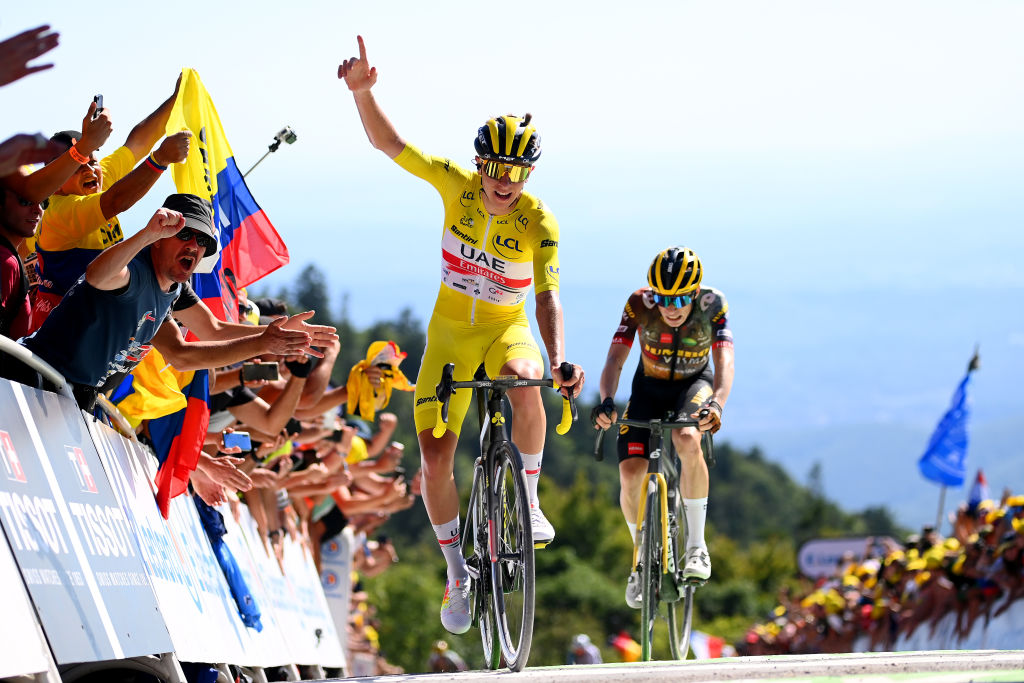
10. La Planche des Belles Filles
- Location: Vosges, north of Belfort
- Elevation: 1,035m or 1,146m (at Super Planche)
- From: Plancher-les-Mines: 7km averaging 8.8% to Super Planche
- Tour de France appearances: 6
Although the Tour tends to focus much more on tradition when it comes to mountain ascents than its sister Grand Tours, the Giro d’Italia and Vuelta a España, the contemporary search for ever more challenging and, usually, steeper climbs has led to some new favourites emerging, among them the Col de la Loze and La Planche des Belles Filles.
Just half a dozen kilometres long, but with a savagely steep final third, it appeared for the first time in 2012, the setting for Chris Froome’s first Tour stage win.
In 2019, the organisers added an extra kilometre on a gravel road above the ski station’s car park, dubbing it Super Planche ('Above Planche'), with Belgium’s Dylan Teuns the victor.
A year later, the lower finish produced the most dramatic time trial finale for years when Tadej Pogačar upset the odds to seize the yellow jersey from Slovenian compatriot Primož Roglič a day from the Paris finish. Pogačar triumphed again in 2022 when the climb returned as the summit finish to stage seven.
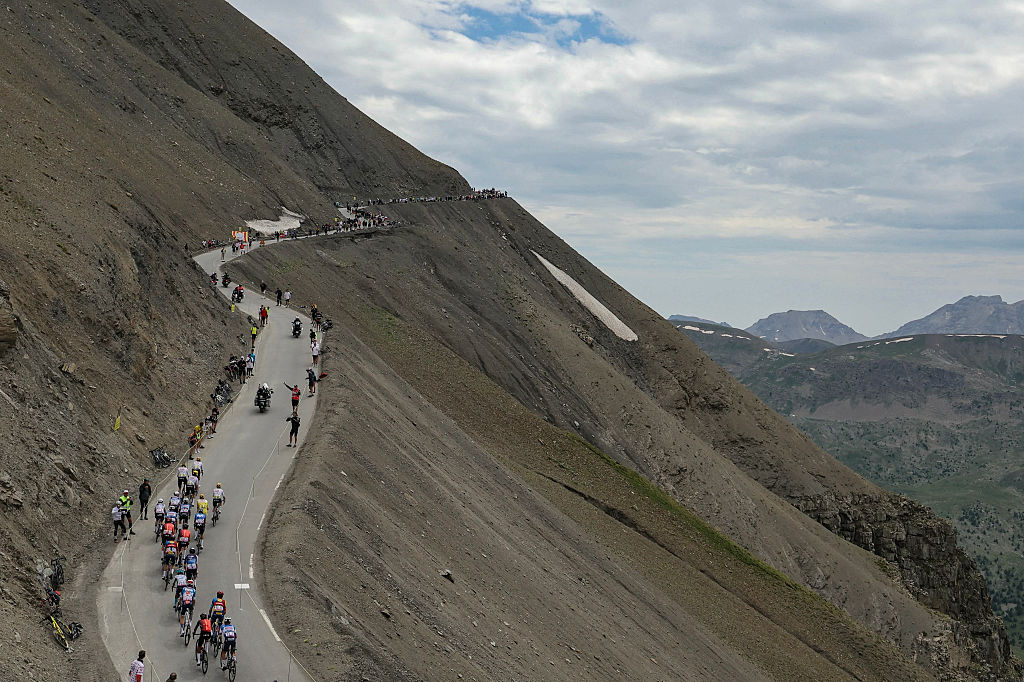
9. Col de la Bonette-Restefond
- Location: Southern French Alps
- Elevation: 2,715m
- Northern flank from Jausiers: 23.8km averaging 6.7%
- Southern flank from Saint-Étienne-de-Tinée: 26.7km averaging 6.2%
- Tour de France appearances: 5
The Bonette and its close neighbour the Restefond aren’t the highest passes to appear on the Tour, but the road adjacent to them is higher than any of the passes that have featured.
How so? The long ascents from north and south, the former arguably the more taxing, meet at the Bonette pass, the third-highest in France after the Iseran (2,770m) and Agnel (2,744m). Here, a road loops around the nearby Cime de la Bonette, reaching an altitude of 2,802m. This is acknowledged as the highest paved road in France and Europe’s highest through road, but isn’t recognised as a pass as it returns to its start point.
In 2008, South Africa’s John-Lee Augustyn was first to the summit, then suffered a horrendous crash on the descent that sent him and his bike cartwheeling down a scree field. He scrambled back up to the road, relatively unscathed but without his bike, denying him the chance of a famous victory in Jausiers.
The climb returned in 2024, with Richard Carapaz first to the summit and that man Pogačar the winner of the stage in Isola 2000.
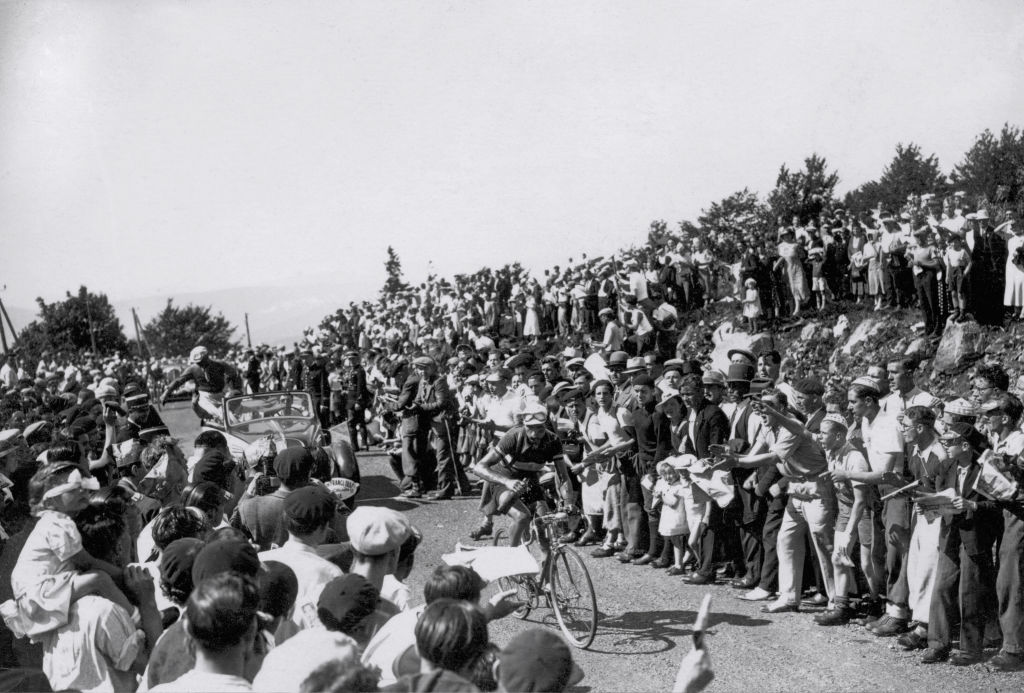
8. Ballon d’Alsace
- Location: Vosges, north of Belfort
- Elevation: 1,174m
- Northern flank from Saint-Maurice-sur-Moselle: 9km averaging 6.9%
- Southern flank from Lepuix: 12.4km averaging 5.2%
- Tour de France appearances: 30
Although the first two editions of the Tour crossed some medium-sized passes, including the Col de la République, near Saint-Étienne, the first officially recognised climb was the Col du Ballon d’Alsace in 1905.
It launched Frenchman René Pottier to star status, showcasing him as the first King of the Mountains. Although Pottier failed to win that Tour, he dominated the next edition, the Ballon d’Alsace once again his springboard to success.
The Ballon d’Alsace was the first major pass on the inaugural Tour de France Femmes in 2022. Spain’s Margarita Victoria García was first to the top, although the day ended with race leader Annemiek van Vleuten soloing to victory.
The men’s Tour returned in 2023 and crossed the Ballon d’Alsace on two consecutive stages in 2026.
The Vosges climbs aren’t long by Tour standards, but there’s little valley riding between them to allow much respite, and the constant ups and downs exact a steady toll on the legs and lungs of the peloton.
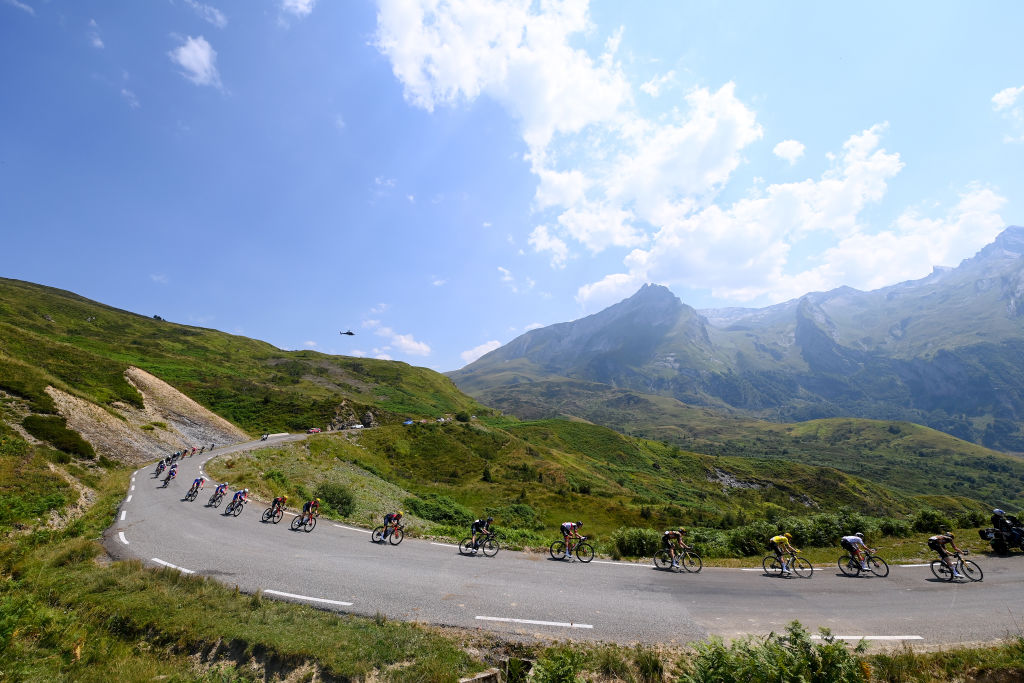
7. Col d’Aubisque
- Location: Pyrenees
- Elevation: 1,709m
- Western flank from Laruns: 17.1km averaging 7%
- Eastern flank from Argelès-Gazost: 28.9km averaging 4.3%
- Tour de France appearances: 75
Part of the so-called ‘circle of death’ that also includes the Tourmalet, Aspin and Peyresourde, the Aubisque has often featured on the same stage as this trio of classic ascents, beginning in 1910, when race leader and eventual winner Octave Lapize paused at the top and famously shouted across to the race officials at the summit, “You’re assassins!”
The two flanks are quite different. The western side, which passes through the ski station of Gourette, is by far the harder and is one of the most stunning passes in the Pyrenean chain.
There are two routes up from the east, which meet at the Col du Soulor, from where there’s a 2.5km descent before the road climbs again to the Aubisque.
This first section has been hacked from the cliff-face in the jaw-dropping Cirque du Litor, where the balcony road is perched over a long drop. The 1951 Tour leader Wim van Est fell into the ravine after puncturing on the descent from the Aubisque. He not only survived his 70-metre plummet, but emerged relatively unscathed, although too shaken to continue racing.
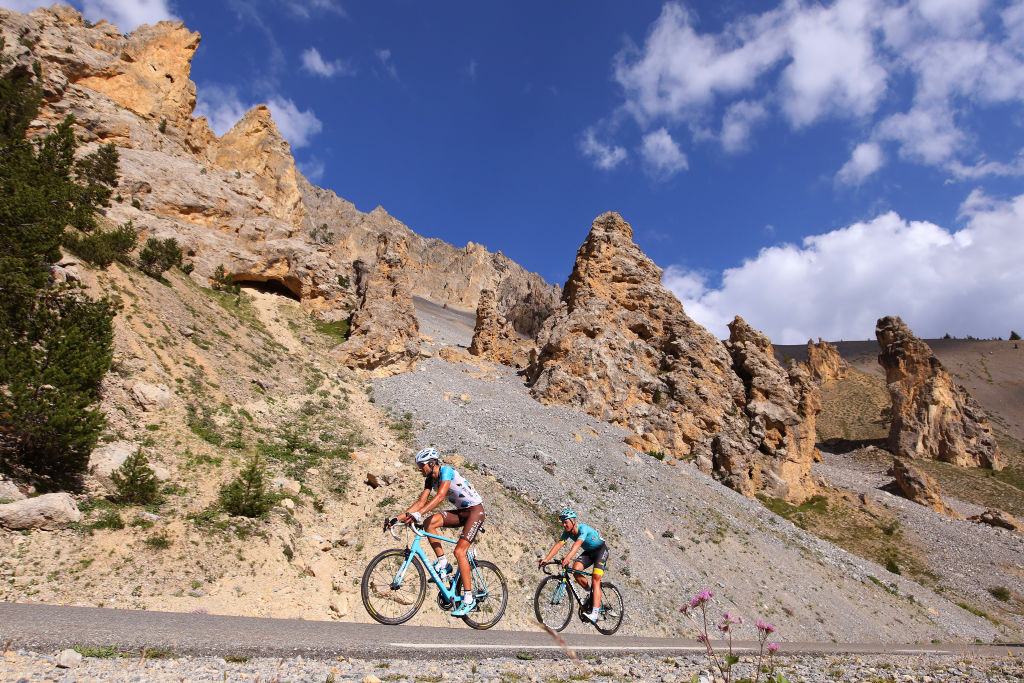
6. Col d'Izoard
- Location: French Alps
- Elevation: 2,362m
- Northern flank from Briançon: 19.1km averaging 6%
- Southern flank from Château-Ville-Vieille: 15.9km averaging 6.9%
- Tour de France appearances: 36
First tackled by the Tour in 1922, the Izoard quickly gained renown as a climb where the race’s greatest champions were expected to shine. Between 1927, when Nicolas Frantz led over the summit, and 1976, when Belgium’s Lucien Van Impe emulated the Luxembourg rider, the rider in the yellow jersey was usually the first to the top.
While the increasing number of summit finishes since the 1970s has reduced its importance, nothing could diminish the sheer majesty of the climb, notably the Casse Déserte, a lunar-like garden of rocks and weathered stone that sits high on the southern flank, the side that the Tour has always preferred.
The question of which flank is the toughest is unresolved, largely because both are relentlessly steep as they climb well above the 2,000-metre barrier where so many racers struggle as oxygen levels drop.
In the 2017 race, home favourite Warren Barguil won the stage that finished at the summit of the Izoard, which was a first for the Tour.
5. Col du Galibier
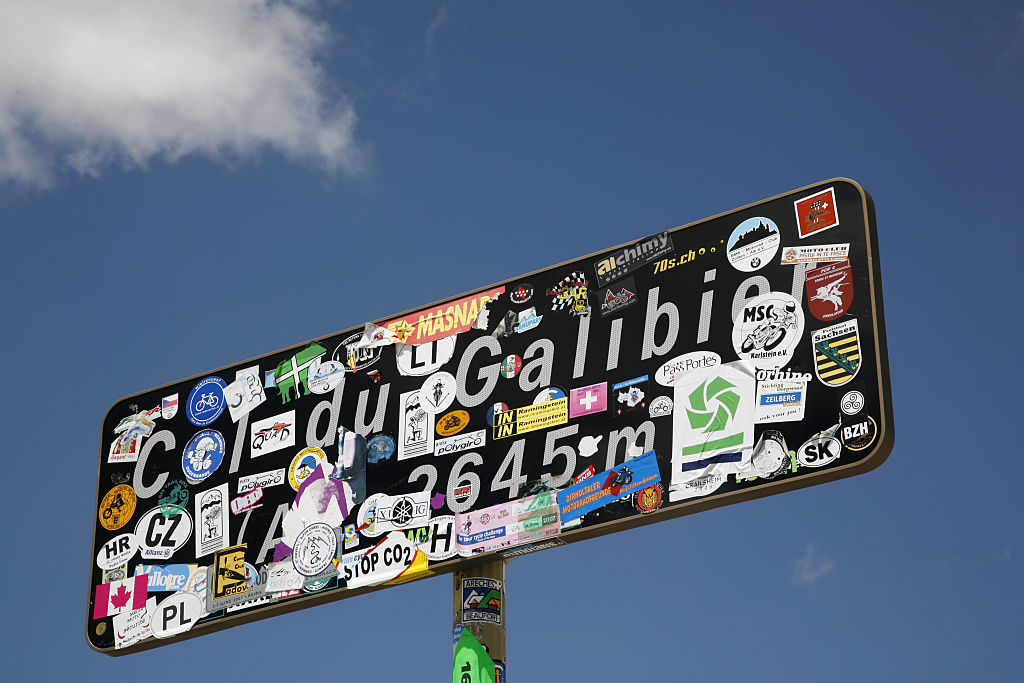
- Location: French Alps
- Elevation: 2,645m
- Northern flank from Valloire: 18.1km averaging 6.8%
- Southern flank from Col du Lauteret: 8.5km averaging 7.4%
- Tour de France appearances: 65
A year on from the Tour’s discovery of the Col du Tourmalet, the 1911 race tackled what has become the signature pass in the Alps. The riders approached it via what has become the classic ascent, which requires two climbs, the first from the Maurienne valley to the Col du Télégraphe, from which the road drops into the resort of Valloire, then climbs again to the Galibier. The toughest section begins at the 2,000m mark when the road switches hard right at Plan Lachat over a rocky stream.
The Galibier has been the setting for numerous duels, one of the best occurring in 1973 between Spanish rivals Luis Ocaña and José Manuel Fuente. The pair were said to have attacked each other more than 20 times, neither of them able to break the other, but their contest decimated their rivals.
In 2026, the Col du Galibier forms part of today's Queen Stage (Saturday 25 July), en route to the Col de Sarenne and Alpe d'Huez.
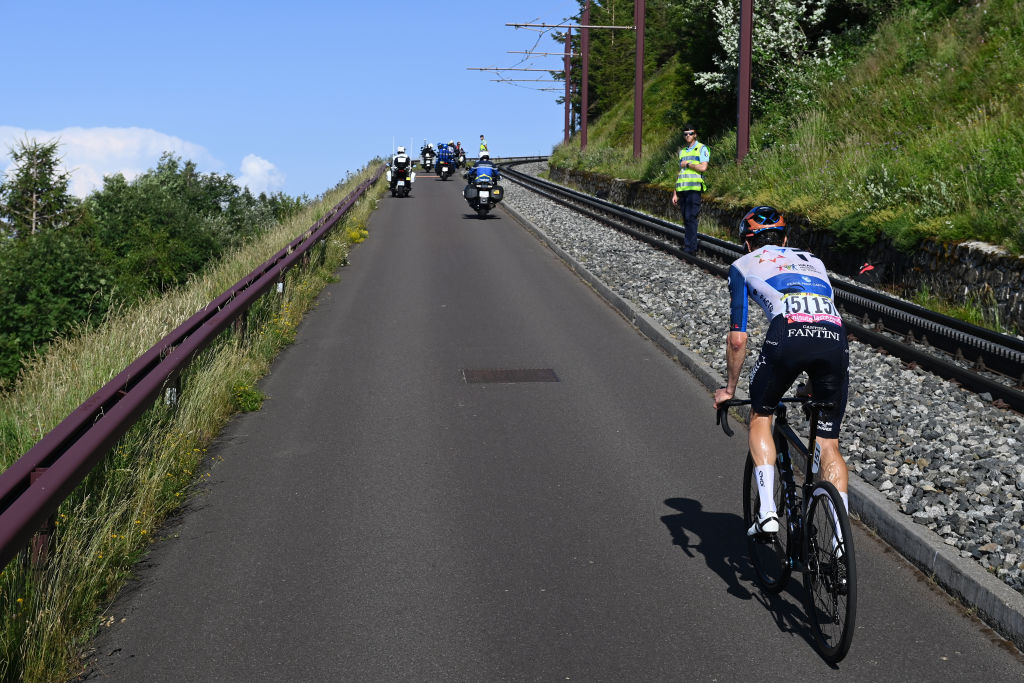
4. Puy de Dôme
- Location: West of Clermont-Ferrand
- Elevation: 1,415m
- From Clermont-Ferrand: 13.3km averaging 7.7%
- Tour de France appearances: 14
Christian Prudhomme committed to taking the race back to this imposing dormant volcano when he became Tour director in 2007, and he finally achieved that goal in 2023. Puy de Dôme first featured in 1952 when, after winning at the summits of Alpe d’Huez and Sestriere, Fausto Coppi triumphed again. Before the 2023 return, it last appeared in 1988.
Environmental concerns and the construction in 2012 of a rack railway to the summit had prevented the Tour’s return. This was finally made possible by a ban on spectators from the final 4km, when the road corkscrews steeply and spectacularly around the peak to the summit.
The climb was the setting for the fiercest duel in Tour history – for French fans at least. In 1964, rivals Jacques Anquetil and Raymond Poulidor went elbow-to-elbow on the steep final section, the latter edging that contest. Crucially, though, Anquetil retained the yellow jersey by 14 seconds and went on to win the Tour for the fifth time.
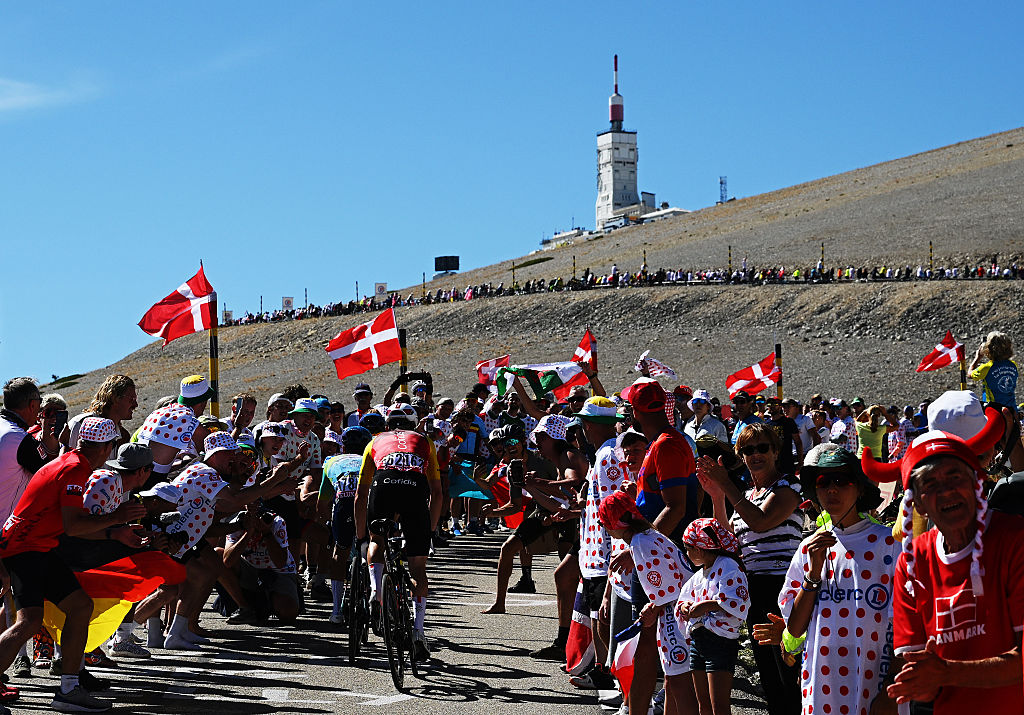
3. Mont Ventoux
- Location: Provence
- Elevation: 1,909m
- Eastern flank from Sault: 25.6km averaging 4.5%
- Western flank from Malaucène: 21.1km averaging 7.5%
- Southern flank from Bédoin: 21.1km averaging 7.5%
- Tour de France appearances: 19
A huge sentinel on the eastern side of the Rhône valley, the ‘Giant of Provence’ evokes a strong sense of trepidation among racers when it features in the Tour.
This stems from the sombre side of Ventoux’s history, notably the death of Britain’s Tom Simpson, who collapsed and died little more than a kilometre from the top during the 1967 race.
Standing proud from the surrounding terrain, it’s affected by extremes of weather, notably by the vicious blast of the Mistral wind, while it also looks unlike most other mountains, denuded of trees on its upper slopes, where the bleached rock reflects the unrelenting sun in summer.
Ventoux has witnessed duels aplenty, a bitter one between Lance Armstrong and Marco Pantani in 2000, when the American made a show of gifting the stage to the Italian climber, who resented what he regarded as a lack of respect. Of the three flanks, the route from Bédoin is the most frequently used and arguably the toughest.
2. Alpe d'Huez
- Location: French Alps, above Bourg d’Oisans
- Elevation: 1,860m
- From Bourg d’Oisans: 13.8km averaging 8.1%
- Tour de France appearances: 32
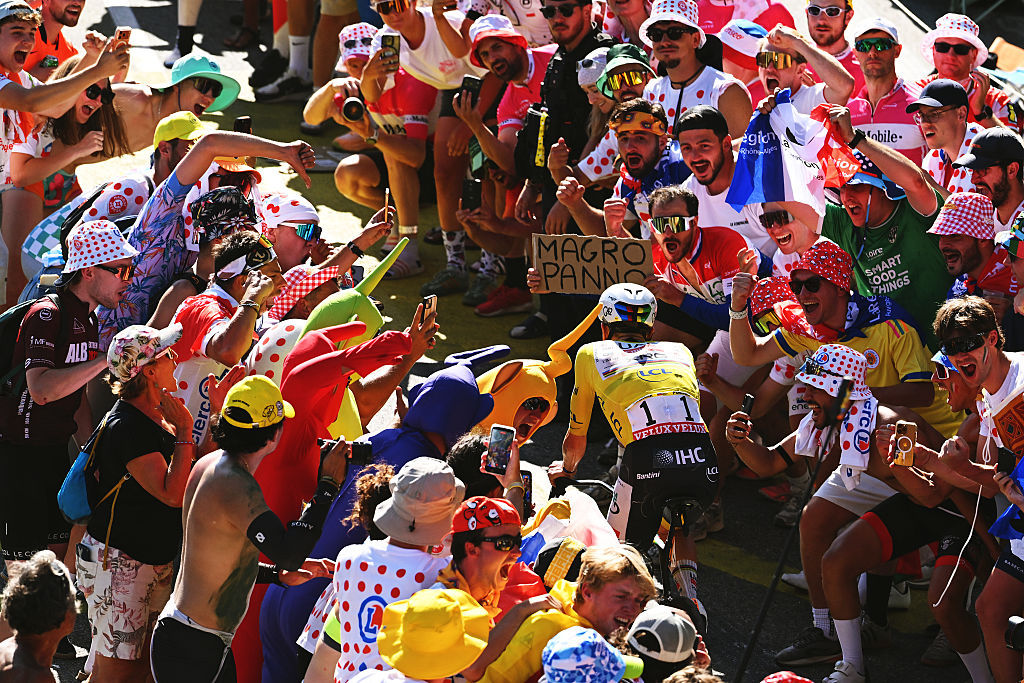
Cycling’s ‘Hollywood’ climb, it was the Tour’s first-ever summit finish back in 1952, when Fausto Coppi breezed up the 21 bends to the resort, taking the yellow jersey and putting himself out of sight of his rivals.
It’s often said the Tour is won on the Alpe, and the stats back this up. On 25 of the 32 visits, the rider who’s been in yellow at the ski resort has gone on to celebrate victory in Paris. Among the most notable was 2008 victor Carlos Sastre, whose overall victory was largely down to his breakaway success on the Alpe d’Huez climb.
Each of the 21 bends, which are numbered in descending order as the climb ascends, bears the name of a stage victor, the lower ones now displaying two names. The most renowned is bend seven, just below the village of Huez, known as ‘Dutch corner’ thanks to the hordes of orange-clad Dutch fans who have turned it into a little piece of their homeland when the Tour visits, complete with an apparently limitless supply of Amstel beer. This was originally supplied by the parish’s Dutch priest, who built a modernist church in Alpe d’Huez with the proceeds.
Tadej Pogačar made Alpe d'Huez his own during the 2026 Tour de France, storming up the 21 hairpins to finally break Marco Pantani's 29-year-old record on the iconic ascent.
1. Col du Tourmalet
- Location: Central Pyrenees
- Elevation: 2,115m
- Eastern flank from Sainte-Marie-de-Campan: 17.1km averaging 7.4%
- Western flank from Luz-Saint-Sauveur: 18.3km averaging 7.7%
- Tour de France appearances: 89
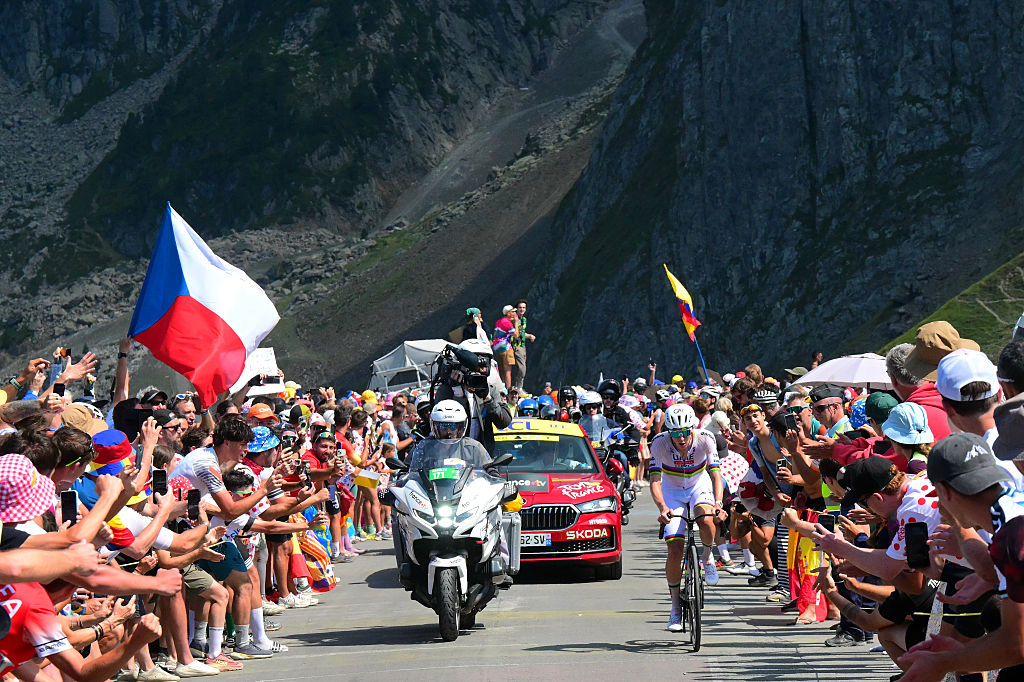
Since its first appearance on the Tour route in 1910, when the race ventured into the high mountains for the first time, the Col du Tourmalet has become the Tour’s favourite climb, to the point where it’s a surprise when it’s not on the route.
Overlooked by the Pic du Midi, a 2,877m peak topped by an eyrie-like weather station that’s accessible via a cable car from the ski station of La Mongie, the Tourmalet incites lots of debate about which of its two flanks is the tougher.
While the gradient is slightly more acute on the western side, which is undoubtedly the more spectacular, the eastern side is generally regarded as being more testing. Easier to begin with, it kicks up steeply approaching La Mongie, the gradient barely relenting at all in the final 5km.
The Tourmalet has been the setting for a host of legendary escapades, starting from 1910 when Octave Lapize was the first to the summit, while the next rider, Gustave Garrigou, was the first to complete the climb without getting off his bike to push.