As one last shot for a contender to dislodge the yellow jersey, the final mountain pass of any Tour de France gets its name in lights.
2026 is no exception and the honour goes to a new climb in the race, the Col de Sarenne, which will appear in the finale of the penultimate stage 20.
It’s one of three road routes to the ski resort of Alpe d’Huez, which includes the northern road from the Lac du Verney reservoir and the classic route from Le Bourg-d’Oisans to the south. Many would argue that, pound for pound, the eastern Sarenne route is the finest.
Of course, the classic route, with its 21 switchbacks and decades-long association with the race, is the stuff of legend.
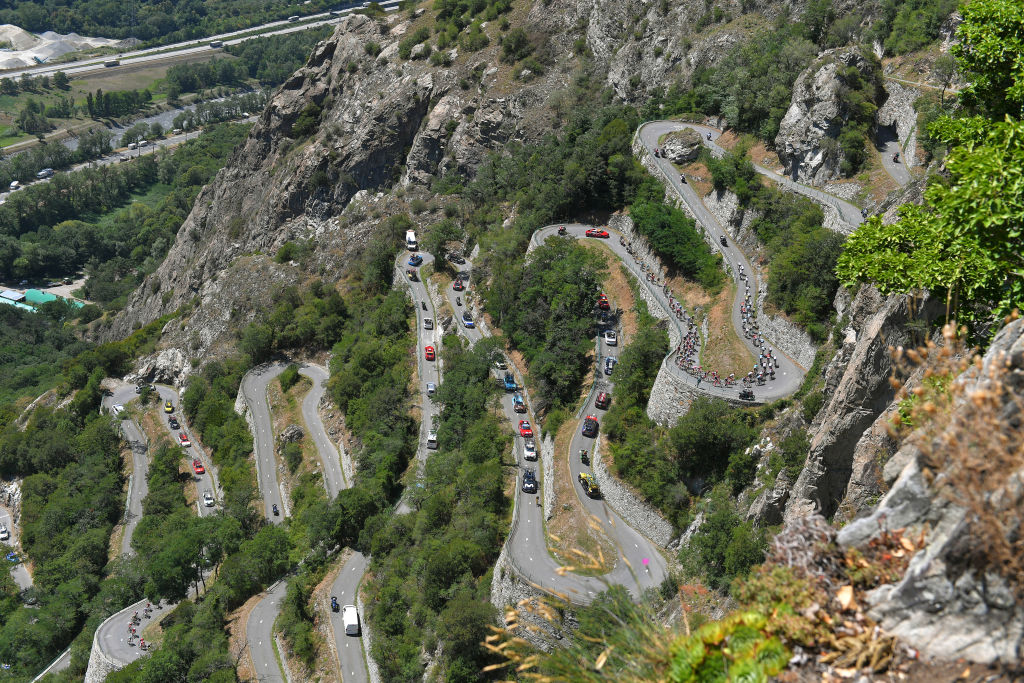
It’s the Tour de France at its cacophonous, luminescent best, where fans turn out in their droves to grab a slice of history.
However, on every other day of the year, it’s the main road to the resort and such is the continuous construction work going on there, cyclists have to share the road with truckers.
The northern passage has its finer moments, too, particularly beyond Villard-Reculas along the Pas de la Confession balcony road, where the road hugs the side of the mountain.
The early slopes are a fairly dull drag, though, and you join the road from Le Bourg-d’Oisans late on, having missed the bulk of the switchbacks.
The climb of the Sarenne is a much wilder affair, a secret door to the bustling Alpe d’Huez and a climber’s climb of mixed gradients, scarred road surfaces and often blissful isolation. If you’re lucky, you might even spot an alpine marmot.
What are the numbers of the climb – and how hard is it in reality?
The bare numbers of a cycling climb can mask its difficulty. The opening climb of stage 20, Col de la Croix de Fer, is a typical example. If you remove its 5km of flat/descents, it’s a much more oppressive climb than its 24km at 5.2% suggests.
The Sarenne’s 12.8km at 7.3% statistically makes it easier than the Bourg-d’Oisans side, but again, remove a couple of descents and you’re staring down the barrel of sustained sections at 10%.
Here, the toughest bits come at the summit, rather than the foot, and like all the climbs to Alpe d’Huez, it's fully exposed to the mid-afternoon sun towards the summit.
It also tops out at 1,999 metres of altitude – agonisingly short for fans of round numbers. If you have the energy, a bunny hop over the summit might fix it for you.
Why has it taken 123 years for the race to come here?
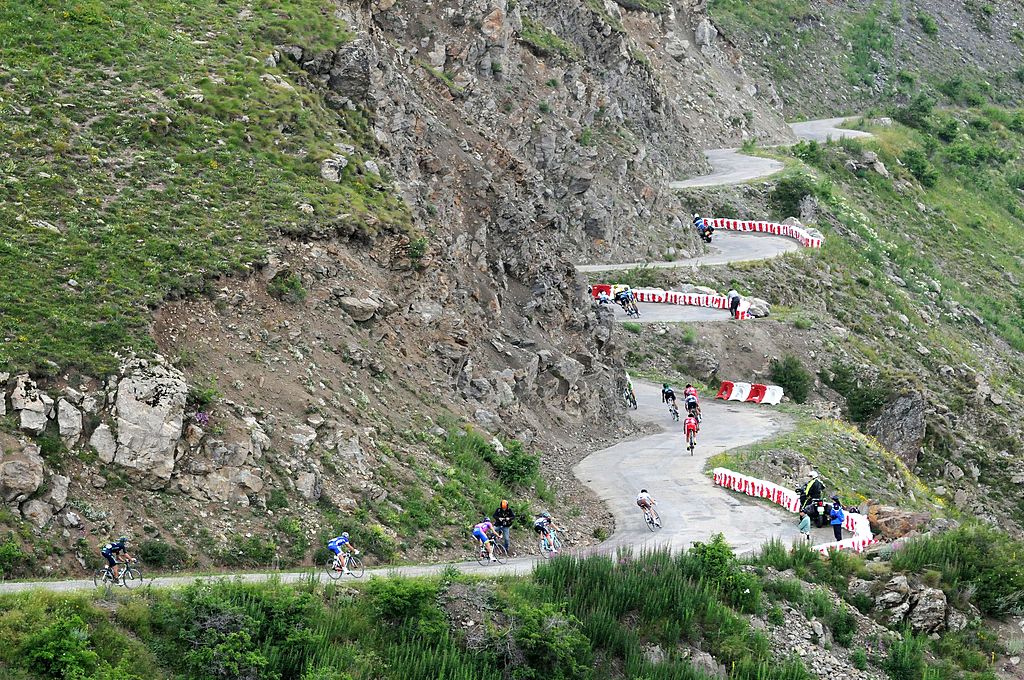
While it’s the first time the race will climb the Sarenne, it first appeared – controversially – as a descent in 2013.
Stage 18 that year, the centenary edition of the Tour, saw a double loop of the classic Alpe d’Huez ascent and, to make it happen, the race needed to head down the Col de Sarenne.
From the moment it was officially revealed, there was much consternation from riders and directors on the safety ramifications of being sent down what they considered a goat track unsuitable for the highest echelons of the sport.
There are plenty of mountains in France that are brilliant climbs but not fit for Tour de France purpose, but the Sarenne's proximity to Alpe d'Huez ultimately sealed the deal.
Barriers were installed, potholes filled and gravel swept, and the stage passed without major incident, even if eventual winner Christophe Riblon, in the breakaway, almost came a cropper.
There was also pushback from locals and environmental groups, who felt the world’s largest bike race would unsettle the delicate local flora and fauna – including the marmots.
That opposition re-emerged for 2026. In a sign of who holds the cards, the mountain may not have returned yet as a descent but it is back, this time as a climb.
Concessions have been made. The approach to the Sarenne will be heavily restricted before and during the stage, with motor vehicles banned from two days out and cyclists shut out from 6pm the night before. Expect a much-reduced fan presence on the climb this weekend.
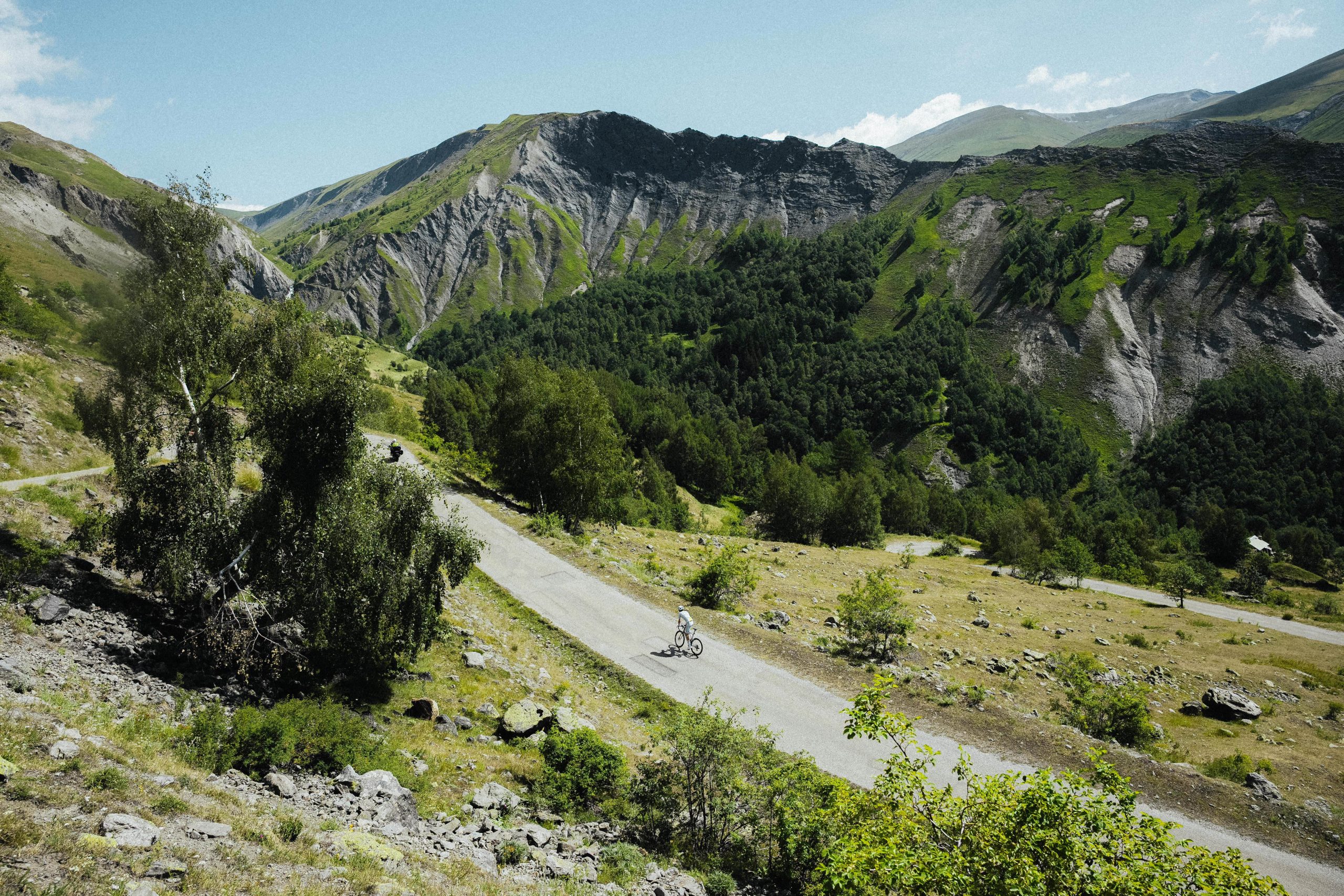
Last weekend saw this stage play host to L'Etape du Tour, with around 16,000 riders climbing the Sarenne.
Spectators were banned for the climb and only a small number of essential event vehicles were permitted onto its slopes.
Has it appeared in the Tour Auvergne-Rhône-Alpes?
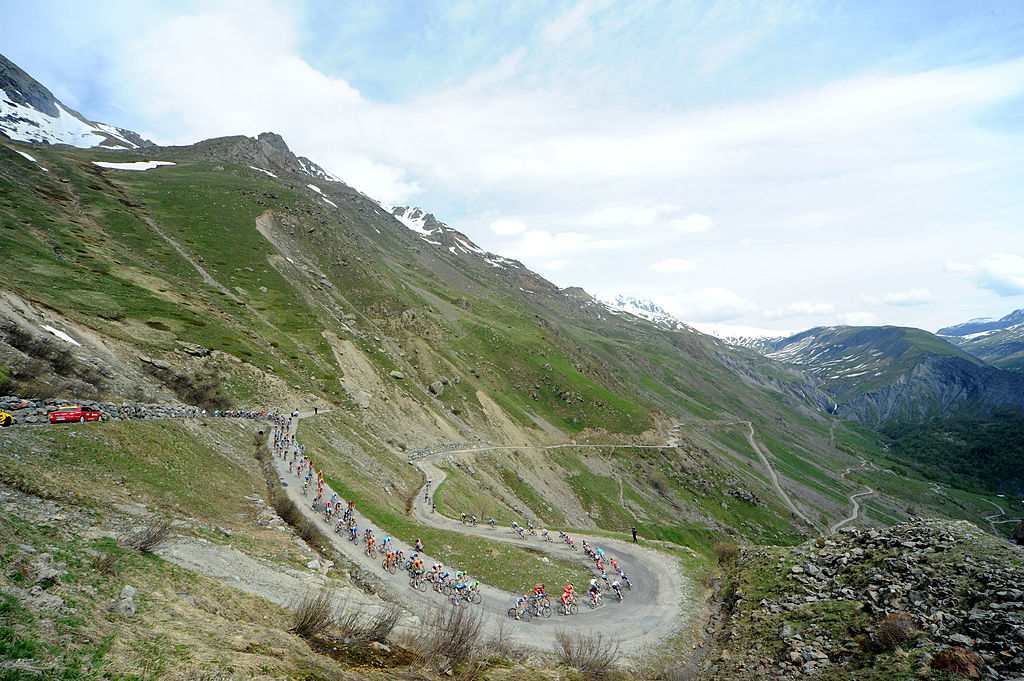
Yes, it has, like many new Tour de France rendezvous. That stage race, whose most recent name until this year was the Criterium du Dauphine, is run by Tour organisers ASO and often trails new climbs as a dress rehearsal before inclusion in the big show.
That’s happened with the Sarenne, which first appeared here in 2013 as a descent, weeks before its Tour de France debut.
For its debut ascent, you have to go back nine years to 2017 – its first and last appearance. That day saw Team Sky’s Peter Kennaugh (now a director with Astana) prevail.
Does stage 20 finish at the summit of the Sarenne?

No. It would be impossible for a race with the huge footprint of the Tour de France to finish a stage somewhere as small as the Sarenne summit.
Like that Dauphine stage in 2017, the race continues for another 14.5km, descending into Alpe d’Huez, down further on the main road towards Huez in a clockwise direction, then up again through the final five switchbacks and 4km of the classic ascent.
It’s a somewhat confected finish – but just try arguing that with the winner today.
More from the Tour de France
- Why is there so much fuss about Alpe d’Huez at the Tour de France?
- The 10-year-old bike still being used at the Tour de France
- An incredibly low heart rate and an unbelievable engine: the physiology of a Tour de France cyclist in numbers
- Tadej Pogačar's new lactate super fuel is a "breakthrough" in sports nutrition, but should you believe the hype?