No climb of the Tour de France generates the same anticipation and excitement Alpe d’Huez does. Yet it wasn’t love at first sight – far from it.
Local businesspeople first brought the race to the Alpe in 1952 (using their own money, because the town hall had none), but despite the stage finish at the summit being won by the legendary Fausto Coppi, slim crowds and an underwhelming day of racing meant it was 1976 before another stage finished there.
After this, you’d struggle to separate the Tour de France and the mountain, because it has returned with unfailing regularity over the years. A big reason for this delayed love affair was the introduction of live television coverage in the intervening years between 1952 and 1976, which helped to amplify the unique traits of the climb.
Why is Alpe d’Huez popular?
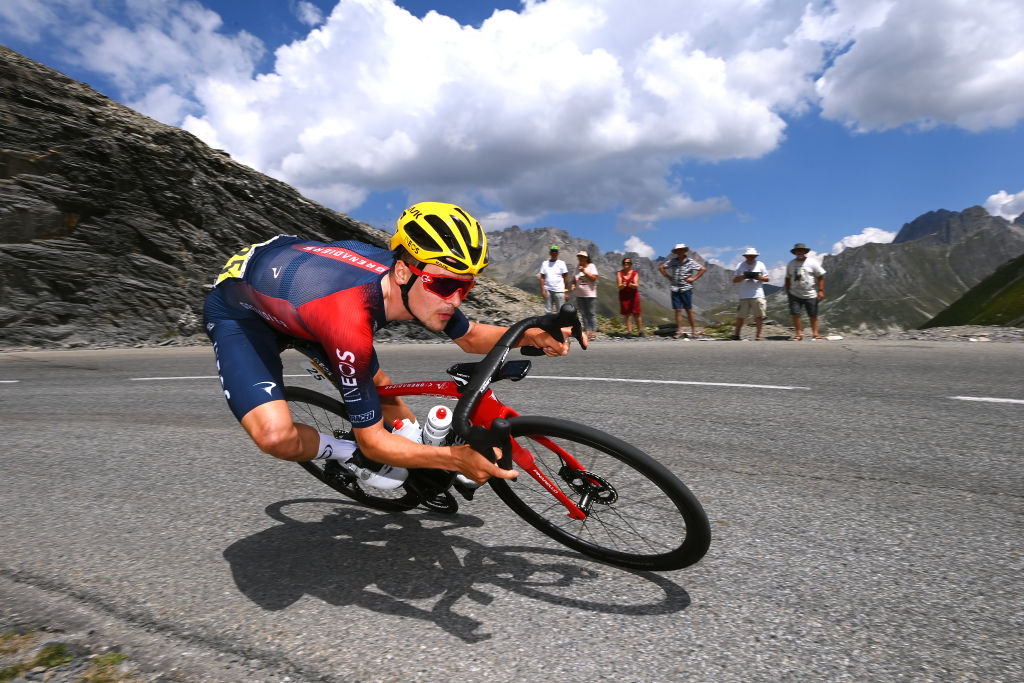
To explain its popularity, you certainly wouldn’t begin with its aesthetics or difficulty. It’s not a classically attractive climb.
Strip away the vast crowds and drama of a Tour stage and it’s tough to take a good photo of it. Although it's a stiff incline – 13.8km at 8.1% – it’s far from the toughest of the Tour, and its 1,850m altitude means it’s not as breathless as the highest summits – Col du Galibier tops out at 2,642m, for instance.
What it does have in its favour, however, is the closest thing professional road cycling has to a stadium. Its 21 switchbacks – which in 1999, on the Tour’s 21st visit, were adorned with the 21 winners here – are packed tightly on top of each other.
The mountain frequently attracts the biggest crowds of the season, especially on the seventh switchback – AKA Dutch Corner, a nickname that was popularised between 1976 and 1989, when Dutch riders won eight times.
The Tour de France Femmes and its 32nd appearance
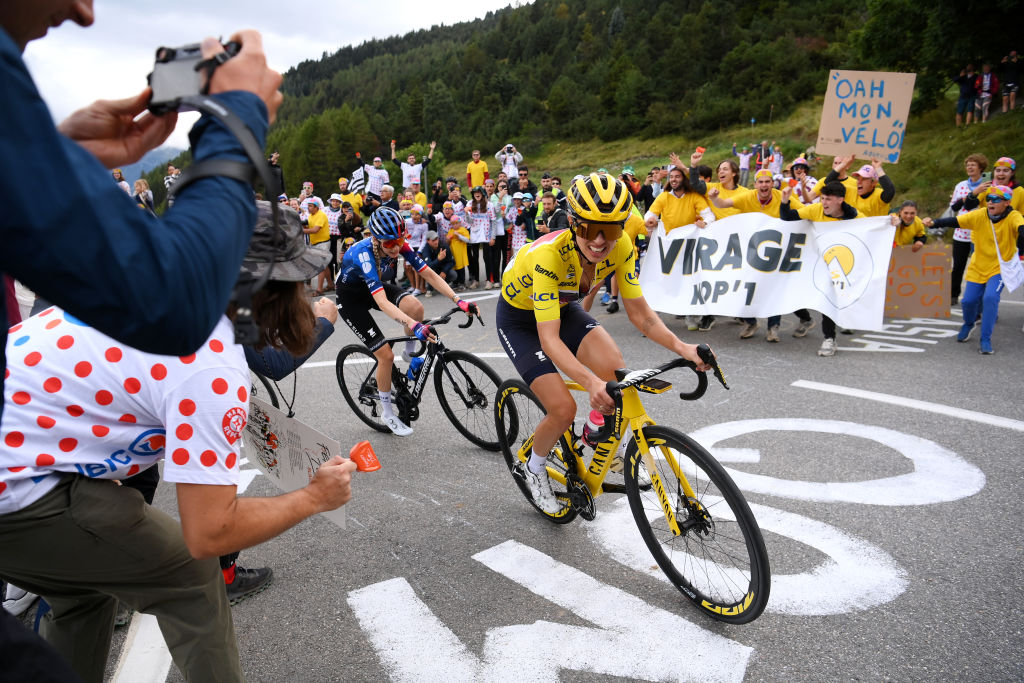
Its debut appearance in the Tour de France Femmes in 2024 saw Kasia Niewiadoma edge a thrilling overall victory over Demi Vollering, and it surely won’t be long until we see a sequel.
This year is the 32nd time Alpe d’Huez has featured in the men’s race, and for the second time there’ll be a double helping on stages 19 and 20 – although riders will only once head up the fabled 21 switchbacks.
More Tour de France questions answered
- Why is Eddy Merckx cycling's GOAT? And why is he the rider that Tadej Pogačar is always compared to?
- How much money does Pogačar earn, and how does that compare to other sports’ top stars?
- What does a Tour de France rider do if they need to poo?
- How dangerous is the Tour de France?
- Why is the Tour de France not on ITV?
- 3,302km in 76 hours: how fast is the Tour de France?
- What is the Tour de France caravan, and why does everyone love it so much?
- Tour de France jargon buster: all the cycling terms you need to know to understand the race