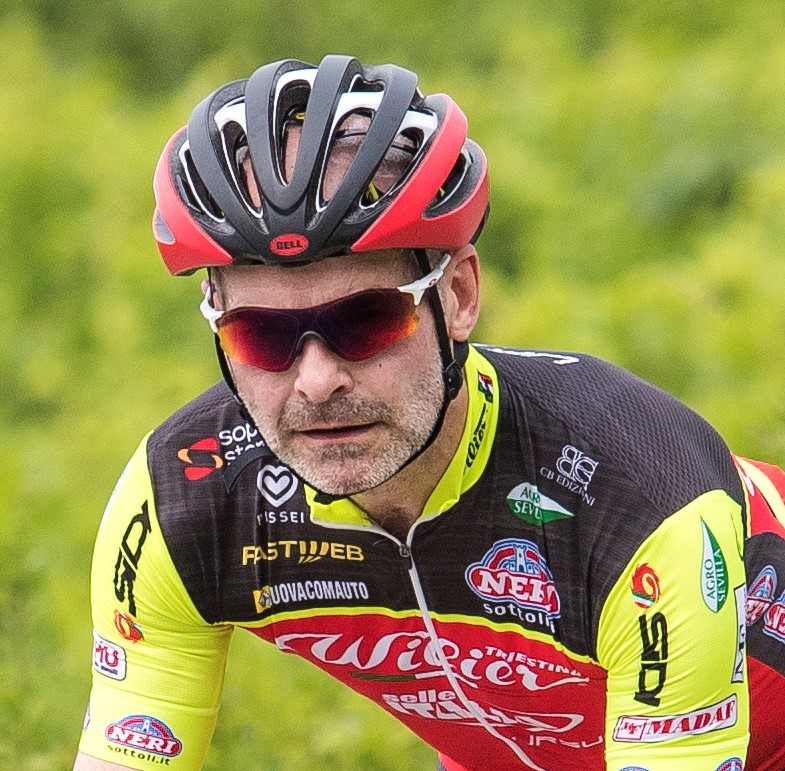
Pro cyclists ride fast and for long periods, often in a tight-knit bunch, over tricky roads and regardless of whether it’s wet or dry.
Crashes are common, with riders clothed in a thin layer of Lycra, which is easily shredded by a fall. Bikes have sharp edges and if you’re hit at speed by a rider, the impact can have considerable force. Of 184 riders who started the 2025 Tour, 24 abandoned, principally as a result of injury or sickness.
Riders can fall hard on their heads, so a helmet is now mandatory, but concussion is still a problem, with cyclists sometimes forced to retire from the race if they’re judged to be concussed after a fall.
Across a season’s racing, it’s estimated that around 20% of pro cyclists experience a bone fracture as a result of a crash, with broken collarbones making up a significant proportion of injuries, due to the force of a fall.
Danger in the bunch
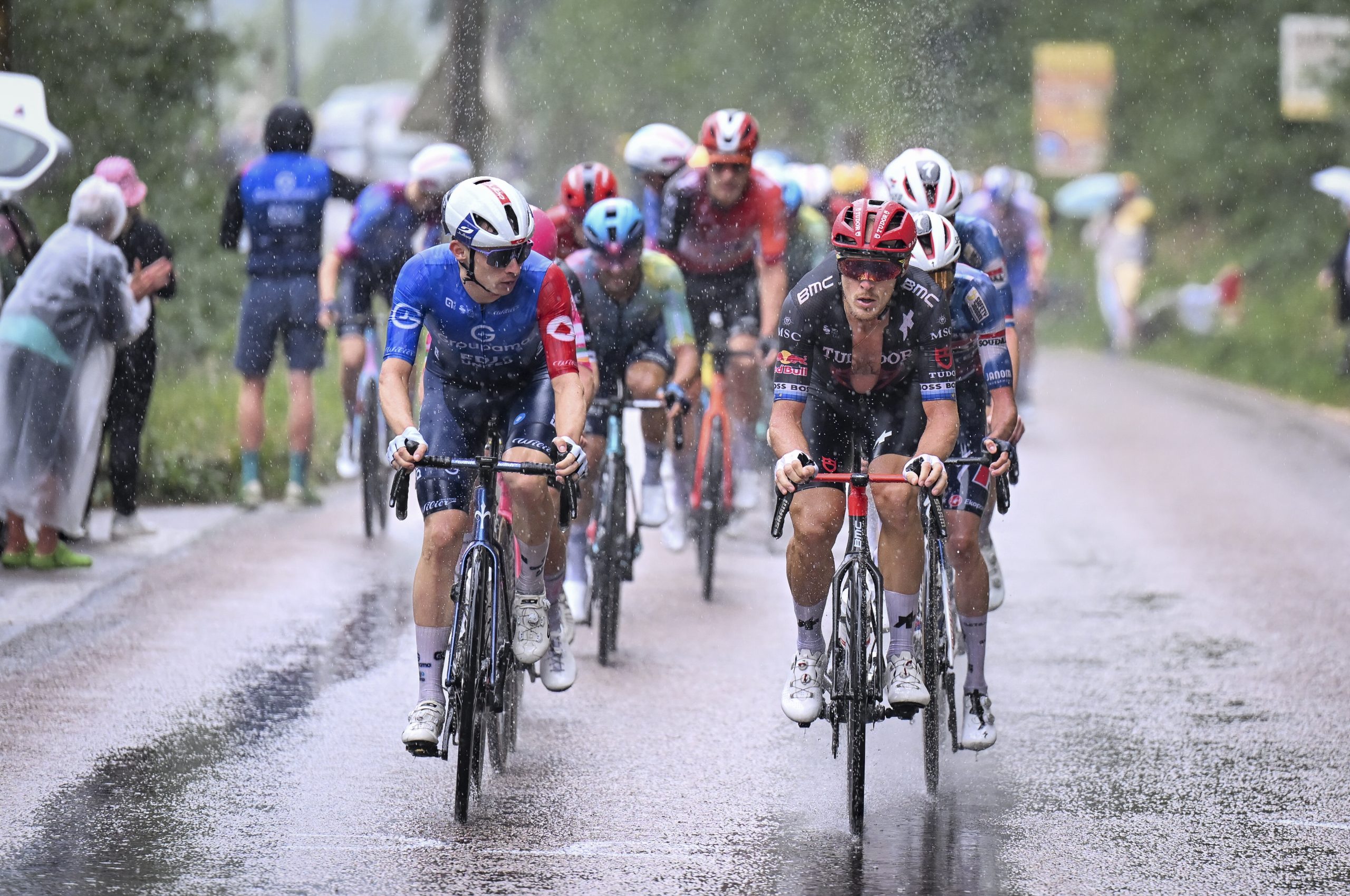
Crashes are most common in a bunch, where a touch of wheels can cause a rider to lose control and bring down multiple others, with following riders often hitting those ahead of them at speed. Fatigue often plays a part, too.
Wet roads increase the risk, because a tyre can lose grip and skid out. White lines, manhole covers and other metal street furniture are also slippery when wet.
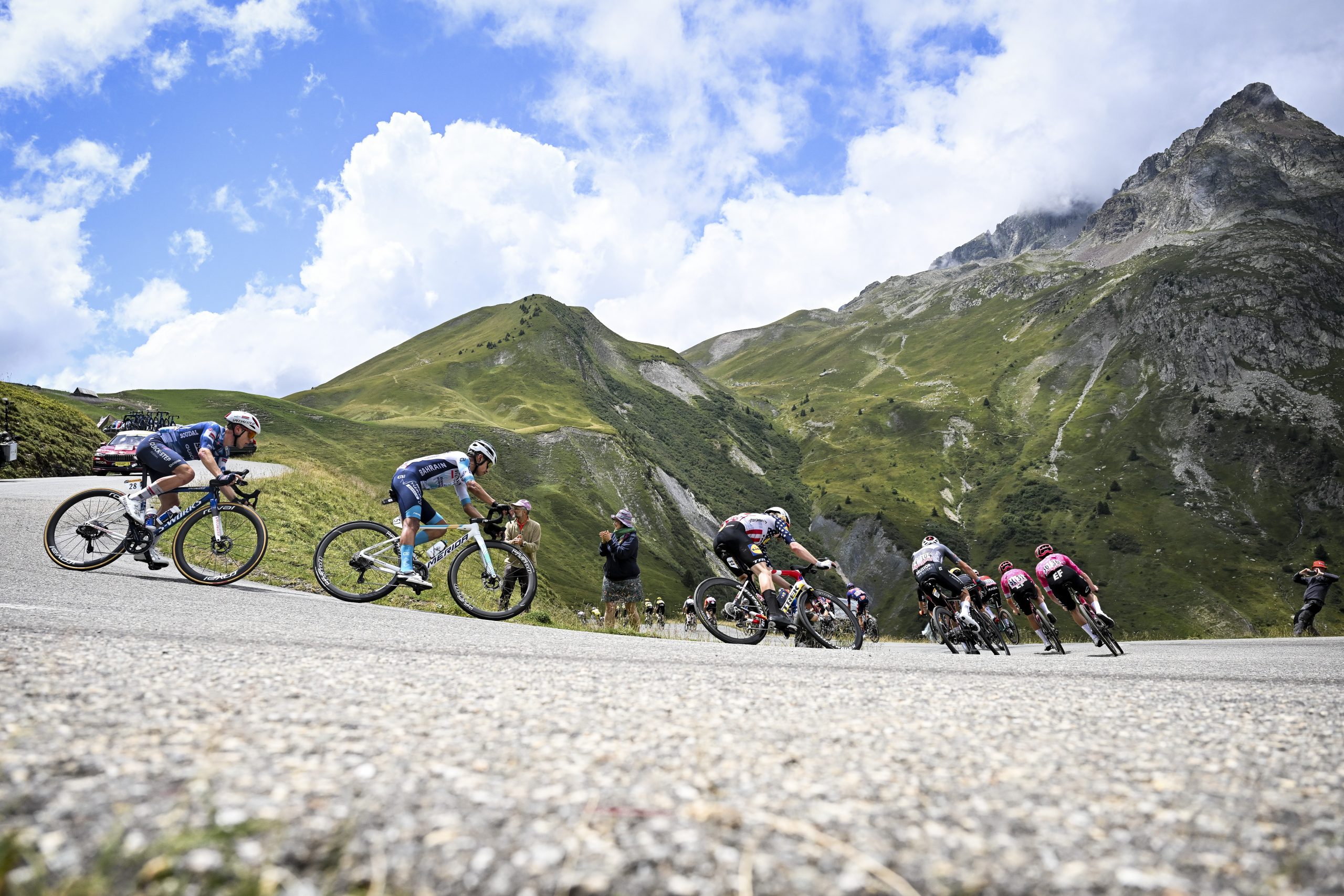
Tour de France cyclists reach their highest speeds when descending, often exceeding 80km/h and in some cases 100km/h. Crashes here are less frequent though, as riders are more spread out and are skilled at choosing a line and judging their speed through bends.
The high speed means the effect of a miscalculation is likely to be greater. Deaths are mercifully rare, but a bad fall can put a cyclist out of competition for months or finish their career.
Prominent cyclists who have in the recent past been injured significantly in a fall, although not at the Tour, include Jonas Vingegaard, Remco Evenepoel, Tom Pidcock and Wout van Aert.
Average speeds in races have increased and cycling's governing body, the UCI, is now planning measures it hopes will reduce the risk, such as limits on maximum gear ratios, although these are contentious.
There are also experiments with lightweight airbags that are built into riders’ clothing and deploy in a crash to help protect the upper body.