In short, it’s hard to say for certain how much Tadej Pogačar earns – contracts and bonus arrangements are private, and sponsorship deal structures vary widely across riders. This means quoted figures are informed estimates rather than confirmed earnings.
Still, there's a consensus among multiple sources that he’s the highest-paid rider in the sport.
According to La Gazzetta dello Sport, Pogačar earned an estimated €12 million in 2025.
That figure includes everything – his UAE Team Emirates-XRG salary, race bonuses, personal sponsorship, and merchandising income.
The report suggests his base contract is worth around €8 million per year, with significant bonuses layered on top. These include:
- €500,000 for winning the Tour de France, plus other bonuses
- €500,000 for the Giro d’Italia and Vuelta a España
- €250,000 for the World Championships
After a dominant 2025 season, those bonuses helped push his total earnings well beyond his base salary.
His deal with UAE Team Emirates-XRG runs until 2030 and includes a €200 million buyout clause, effectively tying him to the team for the foreseeable future.
Within cycling, that puts Pogačar in a league of his own.
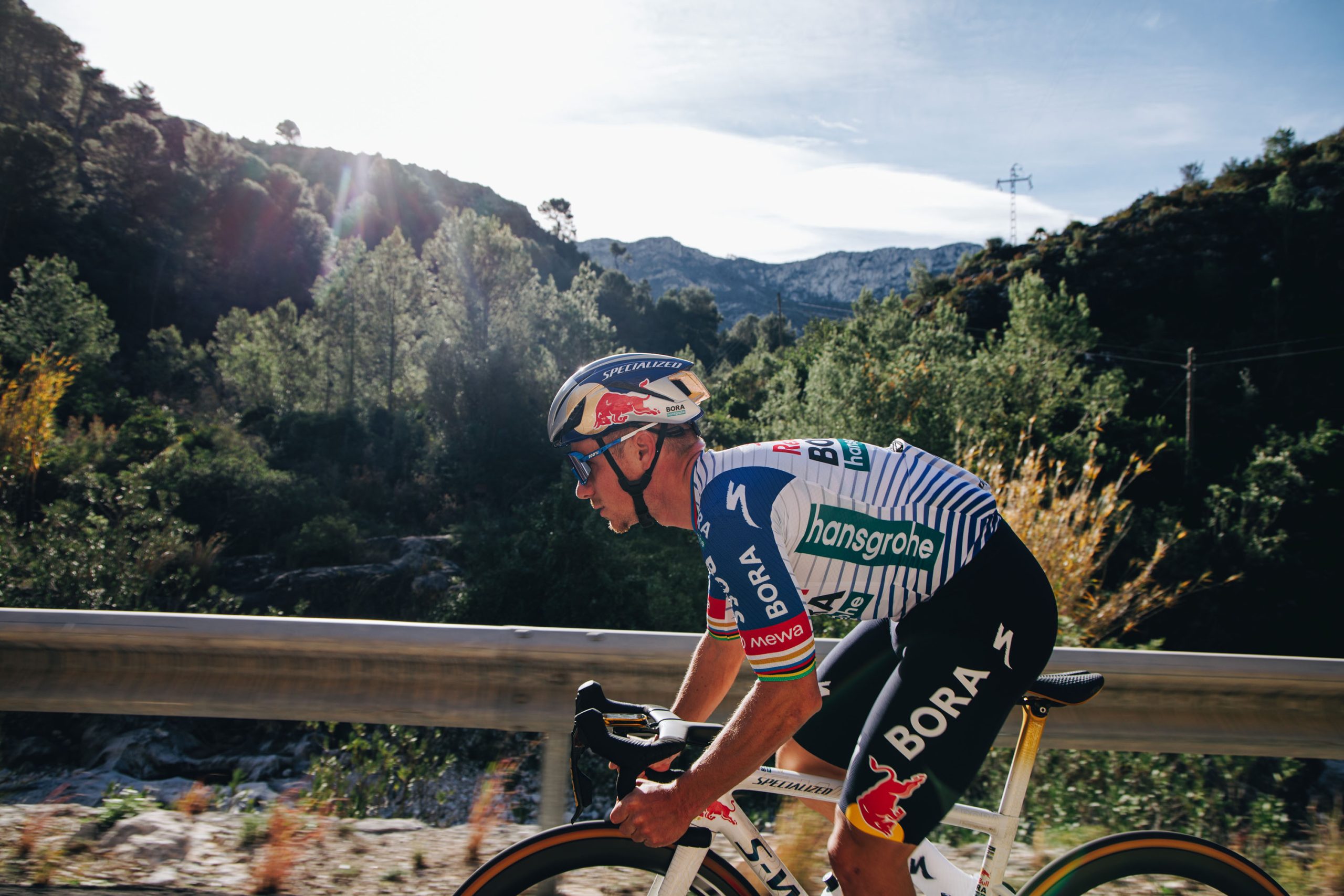
The same report lists Remco Evenepoel on €6.6 million and Jonas Vingegaard on €5 million, while stars such as Mathieu van der Poel, Wout van Aert and Primož Roglič earn around €4 million.
Further down the ladder, the average WorldTour salary is listed at roughly €538,000 – not bad, but not €10 million.
Domestiques – the riders who support their team leaders – are estimated to earn, on average, less than €150,000 per year.
Again, that’s a decent wedge compared to the average wage of even the wealthiest EU nations – Euronews reports the median income for residents of Luxembourg in 2025 as €50,799 – but, naturally, the biggest stars attract the chunkiest pay packets.
What about other sports?
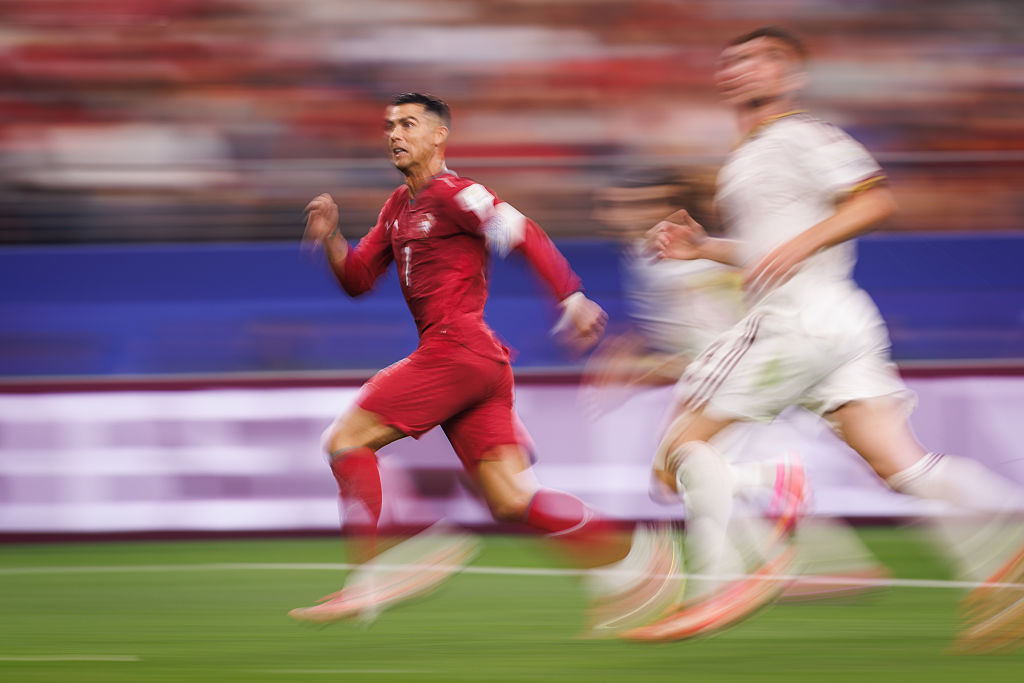
While Pogačar’s earnings are exceptional within cycling, they're dwarfed by the fearsome amounts paid to the biggest stars in other sports.
Cristiano Ronaldo topped the 2025 Forbes list for the highest-paid athletes, earning “an estimated $275 million before taxes and agent fees”.
Tennis tells a similar story. Novak Djokovic is listed in the same report as netting total earnings comfortably surpassing $30 million in 2025.
So why does the biggest star in cycling earn so much less than other sports?
The key difference is scale. Cycling’s financial ecosystem is far smaller than football or tennis, with less broadcast revenue and fewer global sponsorship deals feeding into team budgets.
Prize money underlines the same point.
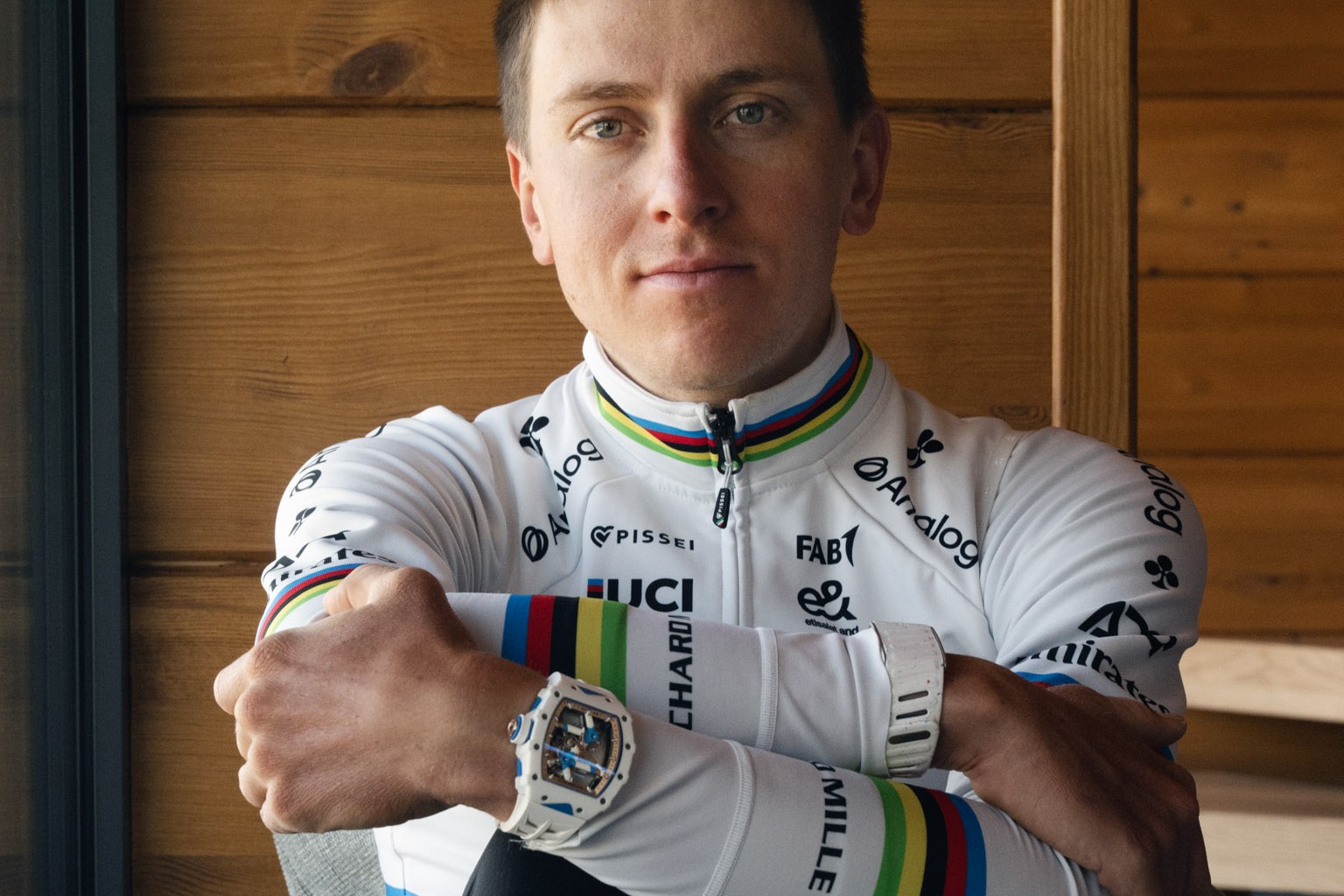
Winning the Tour de France earns a rider €500,000 – enough for a 'cheap' $350,000 watch from Pogačar’s sponsor, Richard Mille, but not the brand's latest chronograph – with a total prize pot of around €2.57 million spread across the race. That’s a lot of cash, but modest by global sporting standards.
The Wimbledon champions earned £3 million in 2025, while golf’s US Open paid $4.3 million to its winner. At sea angling's 2022 White Marlin Open, Jeremy Duffie netted a world-record-setting $4,536,000 for landing a 77.5lb white marlin.
More Tour de France questions answered
- What does a Tour de France rider do if they need to poo?
- How dangerous is the Tour de France?
- Why is the Tour de France not on ITV?
- 3,302km in 76 hours: how fast is the Tour de France?
- What is the Tour de France caravan, and why does everyone love it so much?
- Tour de France jargon buster: all the cycling terms you need to know to understand the race