Sports doping is as old as sport itself. Ancient Romans used hallucinogens to dampen pain and herbal potions to invigorate, and by the early 20th century, caffeine and alcohol were being used to similar effect.
Amphetamines upped the ante in the post-WW2 period, and ‘progressed’ into ever more nefarious areas, such as muscle-building steroids, macabre blood transfusions and perhaps the biggest game changer of them all, EPO.
A blood booster that stimulates the production of oxygen-carrying red blood cells, EPO, or erythropoietin, is produced naturally in the kidneys and a synthetic form was developed for people with kidney disease to treat anaemia. But once athletes, particularly those of an endurance bent, got wind of it, an arms race began.
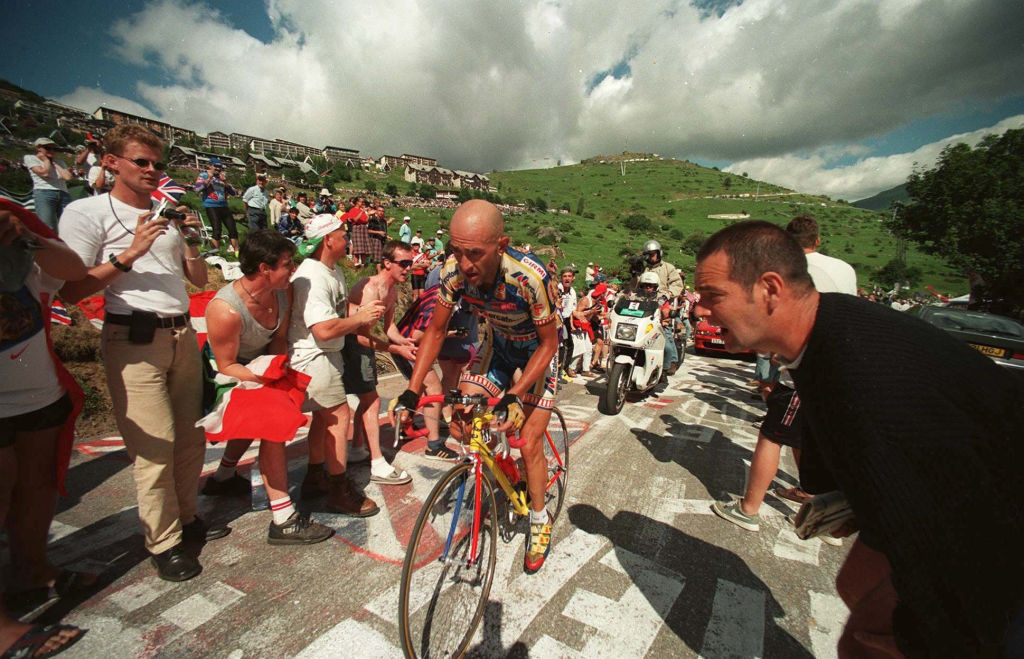
It was EPO’s rise, and the subsequent near collapse of professional cycling via this pharmaceutical drug malaise, that got the anti-doping fight organised and a rearguard action sprung into action.
In his new book Dope: How Drugs Changed Sport, sports writer (and BikeRadar contributor) James Witts looks at that fightback, “uncovering the battles between the authorities and the cheats, and the inventive ways in which both sides are trying to stay one step ahead of each other”.
We spoke to James as the book was being readied for publication and asked him about the seismic moments that shook up the anti-doping fight forever, and shaped how it operates to this day.
Such moments include the founding of WADA, the World Anti-Doping Agency, as a direct result of widespread EPO use in cycling, and the Whereabouts system that forces athletes to be available for drug testing for much of each day.
The creation of synthetic EPO (1987)
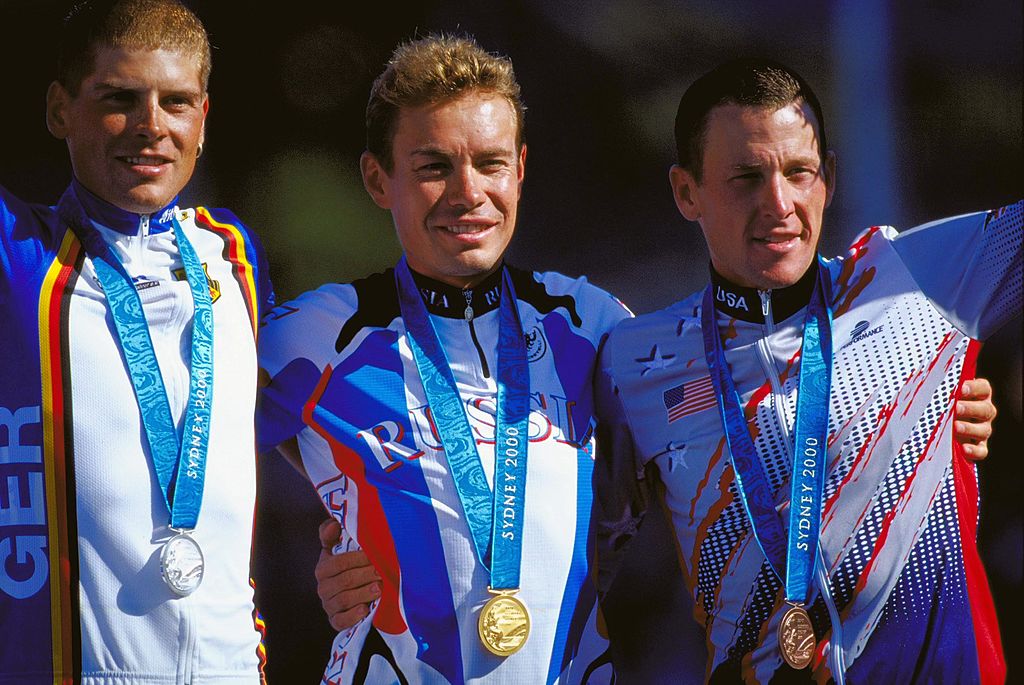
No drug, before or since, has had such a rotten, destabilising and widespread effect on endurance sports as EPO.
It didn’t take long after the blood booster’s approval, first in Europe in 1987, then in the USA in 1989 by the FDA (the Food and Drug Administration), for it to get into the hands of pro cyclists and their team doctors. By the mid-1990s, it had spread through the peloton like a virus.
In pro cycling, its ability to ramp up red blood cell production powered cyclists to ride harder for longer.
Witts quotes Joe Papp, an American former pro cyclist turned doping drug trafficker turned anti-doping advocate as saying although he tried many drugs, “EPO was the one that gave me wings”, boosting his aerobic capacity by 12%.
Those wings, however, came at a price and cyclists experienced dramatic health consequences, as thickened blood became a ticking time bomb for riders: during sleep, with a slowed heart rate, the syrupy consistency had the potential to kill them. And it did.
No test for it existed until the Sydney Olympics in 2000, but even then, with the potential for microdosing and the ability to go off-grid and use it during training blocks, it meant a strategic shift in its use, rather than a complete halt.
It remained irresistible to many cyclists throughout the noughties and somehow became embedded within the very fabric of the sport.
The Tour of California – the USA’s biggest bike race of the time – was title sponsored by Amgen, the maker of Epogen, the most popular EPO medicine, throughout its 2006-2019 history.
Even today, riders are still, albeit sporadically, getting snared for EPO use, with micro dosing considered a method that could shield an athlete from testing positive.
Festina affair (1998)
Doping had existed in cycling for decades, but the advent of EPO and the massive boost it offered riders had taken this excess to unprecedented depths.
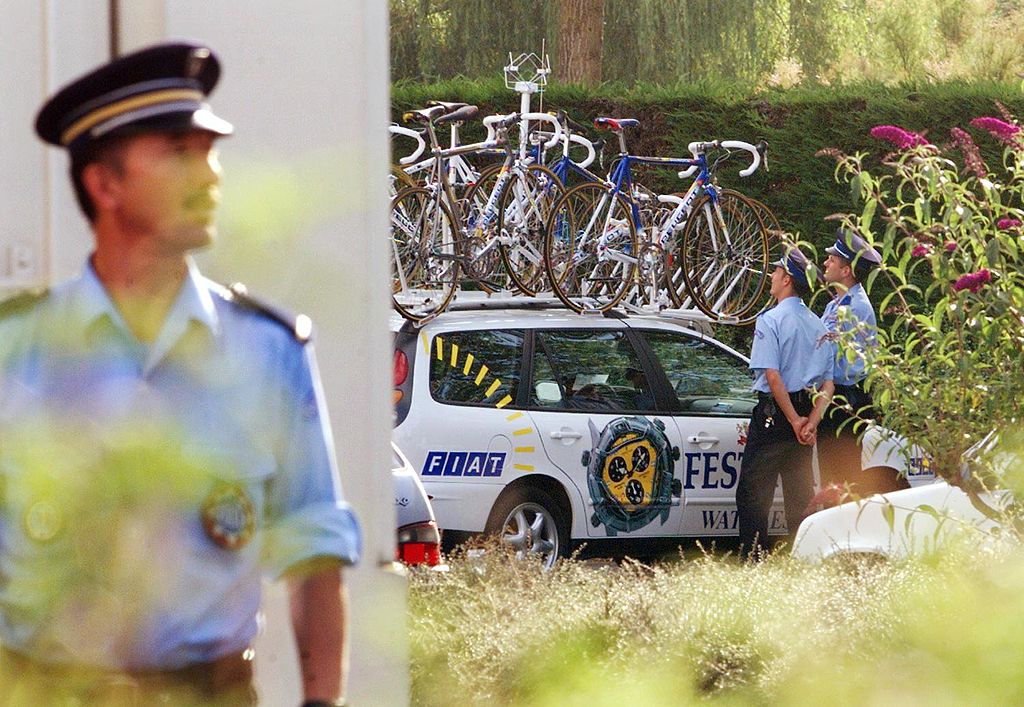
The 1990s were to be viewed in a whole new light by the summer of 1998 when, on the eve of the Tour de France, a staff member of the Festina team, Willy Voet, was stopped at the France–Belgium border with a boot full of EPO, among other drugs and paraphernalia. It was the spark that ignited an inferno.
The team were booted out of the Tour, arrests were made and the whole race almost ground to a halt after other teams and riders protested against the treatment of their peloton colleagues.
While most doping tests at the time were negative, subsequent tests years later employing new detection methods showed how widespread EPO use was.
The scandal didn’t kill the Tour – the big lie of Lance Armstrong a year later would ironically keep it alive – but it did help to accelerate the birth of WADA in November 1999, a singular entity that sought to unify and standardise drug testing globally in what was previously an atomised system.
By 2003, it had established its own ‘Code’, which co-ordinated the anti-doping fight across governing bodies.
Whereabouts system (2004)
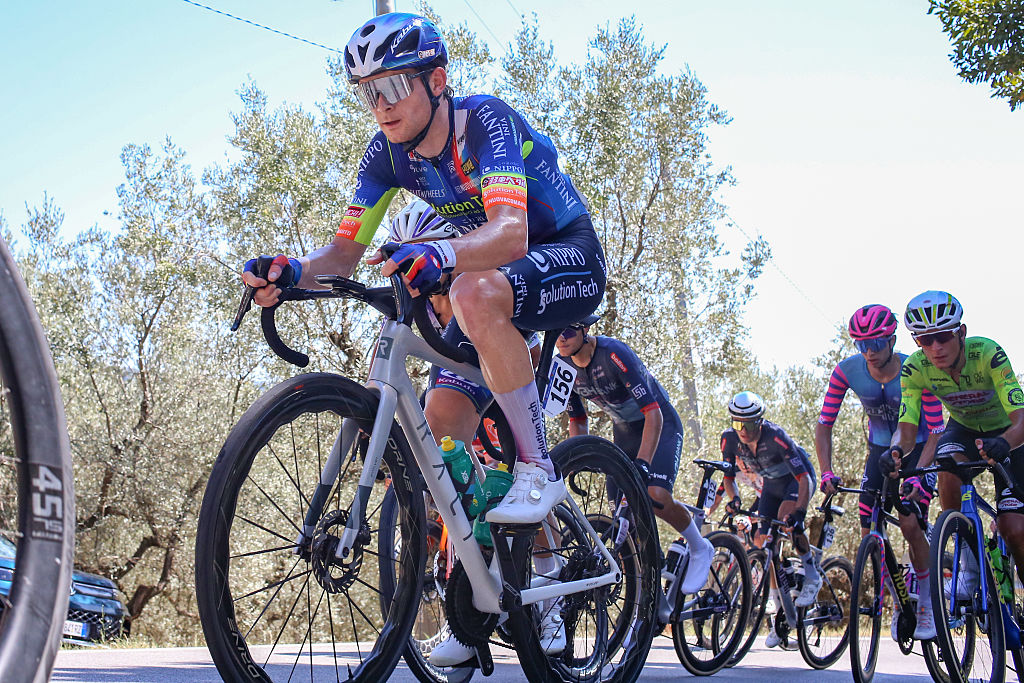
Even with tests that can detect specific drugs, the anti-doping effort is fighting with one arm tied behind its back, not knowing where athletes are outside of competition.
Some athletes compete sporadically. There was a time when a Tour de France contender might only show up for those three weeks, essentially drug-free, having had free rein to dope during the other 49 weeks of the year and build up their body.
Out-of-competition testing began in the late 1980s and accelerated through the 90s, but only became truly effective in 2004 with the advent of the Whereabouts system.
Here, athletes had to specify where they’d be for one hour each day, between the hours of 5am and 11pm, to enable testers to carry out a drugs test without any advanced warning.
Three missed tests within a 12-month period would result in significant sanctions comparable with failed tests.
The practice of nighttime testing – rare testing between the hours of 11pm and 5am – was controversially carried out during the 2026 Tour de France, with the race's top two riders, Tadej Pogacar and Jonas Vingegaard, being woken up to provide samples.
This testing had to be sanctioned by a Paris judge and caused an almighty furore. The CPA, the riders' union, said "nighttime testing raises questions about its relevance: Interrupting their rest in the middle of the night for testing now warrants serious consideration.
“Our goal is not to call into question the fight against doping – quite the contrary. We want it to be increasingly effective, targeted and efficient in identifying cheaters, but always while respecting fundamental rights, health, and recovery conditions.”
Others were more pragmatic, however; EF Education-EasyPost manager Jonathan Vaughters said night testing was a way to discourage micro-dosing.
“If the UCI had tested us in 2001 at 2am? We’d all have been suspended and saved the sport 25 years of drama,” Vaughters wrote on X.
Athlete Biological Passport (2008)
Even with the creation of a test for EPO in 2000, the expiry of the patent on EPO as a pharmaceutical meant generic versions that could fly under the testing radar flooded the market, and saw testers fall behind in their chase.
Step forward the Athlete Biological Passport in 2008, which rather than testing for a substance itself, monitors specific biological markers of blood and urine over time to identify those that are above an athlete’s established baseline and detect whether they are manipulating with doping.
In cycling, Jonathan Tiernan-Locke is the most high-profile British rider sanctioned on the basis of an abnormal passport. Suspicious results also enable authorities to target and test athletes.
“It has been deemed a success,” says Witts. “I’m not naïve enough to believe that sport is now free from doping, but one of the key ideas behind the anti-doping movement is to make sport healthier.
“There have been studies showing that athletes may have still been doping with EPO after the ABP came in to being, but at lower levels.
"It’s still cheating, but [not to the excesses of before]. I think it’s been one of WADA’s most successful tools in keeping sport clean.”