The Union Cycliste Internationale (UCI) has defended the anti-doping control tests carried out by the International Testing Agency at night during this year's Tour de France.
It emerged on Sunday that Jonas Vingegaard and Tadej Pogačar were awoken at 2am and 5am respectively by doping control agents, and it was later revealed that other riders have been subject to nighttime tests during the Tour de France.
The tests have prompted fierce debate over the legitimacy of nighttime testing, rider welfare and the necessary measures to ensure cycling is free from doping.
The UCI released a statement yesterday, in which it wished to respond to statements made about the nighttime tests and “to reaffirm that the fight against doping is an absolute priority”.
Cycling’s international governing body specifically highlighted the statement made by the Cyclistes Professionnels Associés (CPA) riders' union.
“Professional riders are the first to want a clean sport,” the CPA said. “To preserve the integrity of their discipline, they contribute directly to funding the fight against doping (they are the only athletes who contribute financially to testing).
“However, nighttime testing raises questions about its relevance: Interrupting their rest in the middle of the night for testing now warrants serious consideration.
“Our goal is not to call into question the fight against doping – quite the contrary. We want it to be increasingly effective, targeted and efficient in identifying cheaters, but always while respecting fundamental rights, health, and recovery conditions.”
In response, the UCI wrote in its statement that it was aware that nighttime tests could be disruptive to cyclists' rest and recovery, and that conducting tests outside the usual 6am-11pm window for doping controls “remains an exceptional measure”.
“While fully aware of how onerous such a measure is for riders, the UCI nevertheless underscores that these controls serve an overriding interest: the fight against doping,” the UCI said.
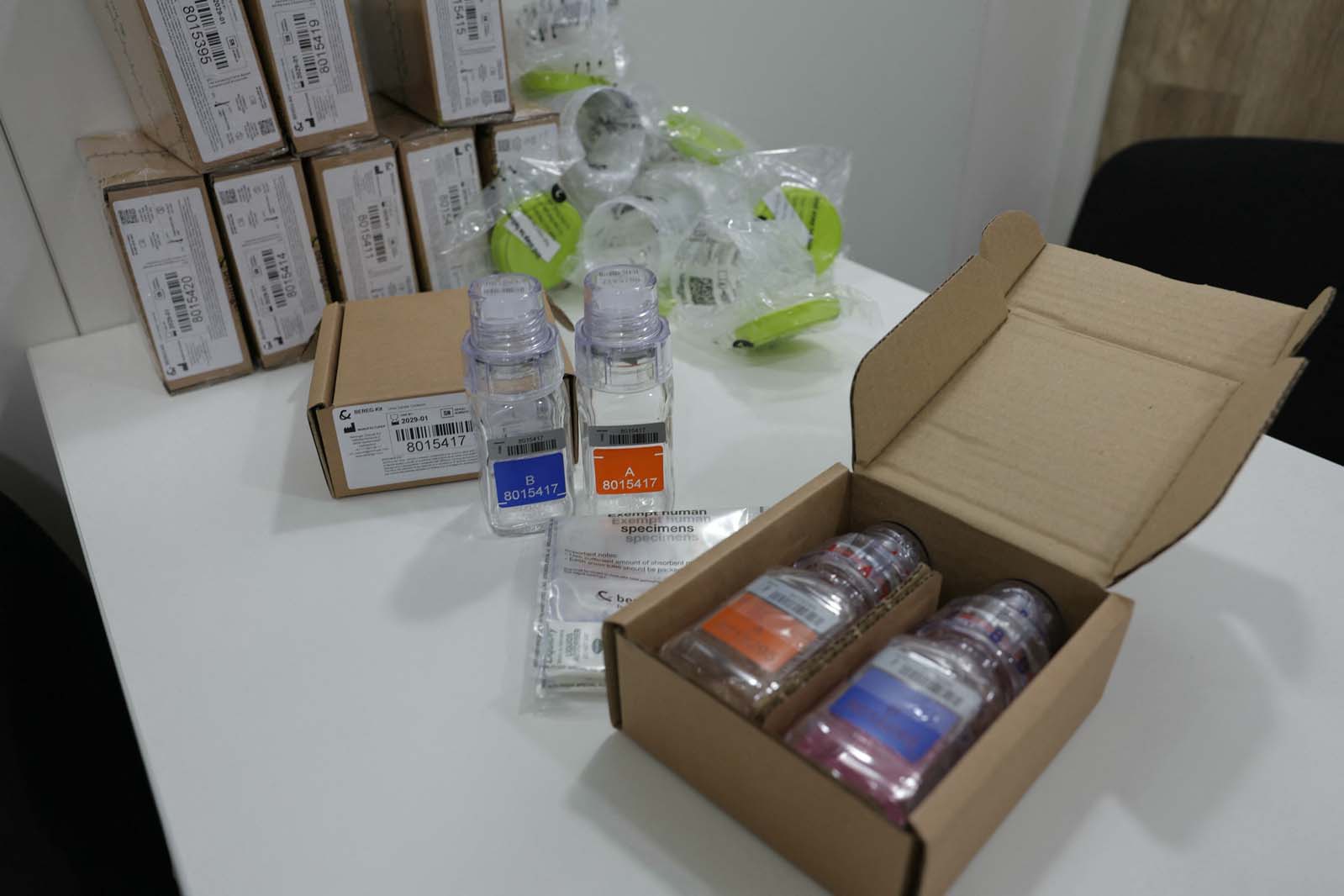
The UCI has entrusted the ITA to manage its anti-doping programme independently since 2021.
“With this in mind, the UCI fully supports the ITA's use of every means at its disposal to carry out its mission as effectively as possible, in compliance, naturally, with the World Anti-Doping Code of the World Anti-Doping Agency (WADA), UCI Regulations,” the UCI said.
The nighttime tests were carried out after being authorised by a judge in Paris before the Tour de France started. This legal procedure is similar to that of a search warrant in criminal law, and there must be "serious and consistent suspicions” for authorisation.
“The UCI will continue to support the ITA in carrying out its mission, in full and complete respect for its independence, in the service of a cleaner and more credible sport of cycling,” the statement said.
Although the CPA raised concerns about nighttime testing, EF Education-EasyPost manager Jonathan Vaughters said testing at night is an effective way to prevent riders from microdosing prohibited substances.
“If the UCI had tested us in 2001 at 2am? We’d all have been suspended and saved the sport 25 years of drama,” Vaughters wrote on X.
More on the 2026 Tour de France
- Is doping a problem at the Tour de France?
- "We should be testing at all times" – Tour de France's nighttime doping tests reveal a tension at the heart of professional sport
- Pogacar's dominance at the Tour de France reveals cycling's two true loves: uncertainty and the underdog
- An incredibly low heart rate and an unbelievable engine: the physiology of a Tour de France cyclist in numbers
- Every team bike at the 2026 Tour de France