It’s the bike that every competitor at the Tour de France hopes they won’t have to ride.
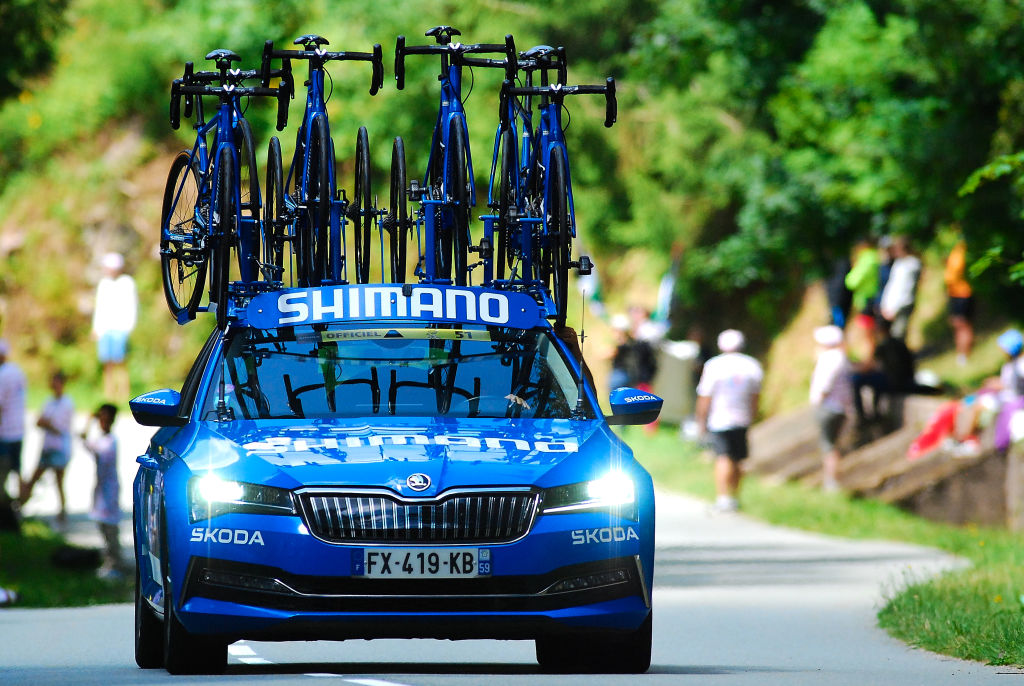
But Shimano's neutral service bikes are ready for action when a rider has a mechanical problem that makes their own bike unrideable and their team car is too far away for a quick bike swap. It's an essential service that keeps the race moving, even if riders will avoid jumping aboard one of the iconic blue bikes at all costs.
In the event of an emergency situation, however, taking a neutral service bike from the Shimano car keeps a stricken rider pedalling towards the finish line until their team car can make contact and give them one of their own spare bikes.
Even Tadej Pogačar rode a blue Shimano neutral service bike for around 5km at Paris-Roubaix this year before a swap to his spare Colnago Y1Rs carried by his UAE Team Emirates XRG team car.
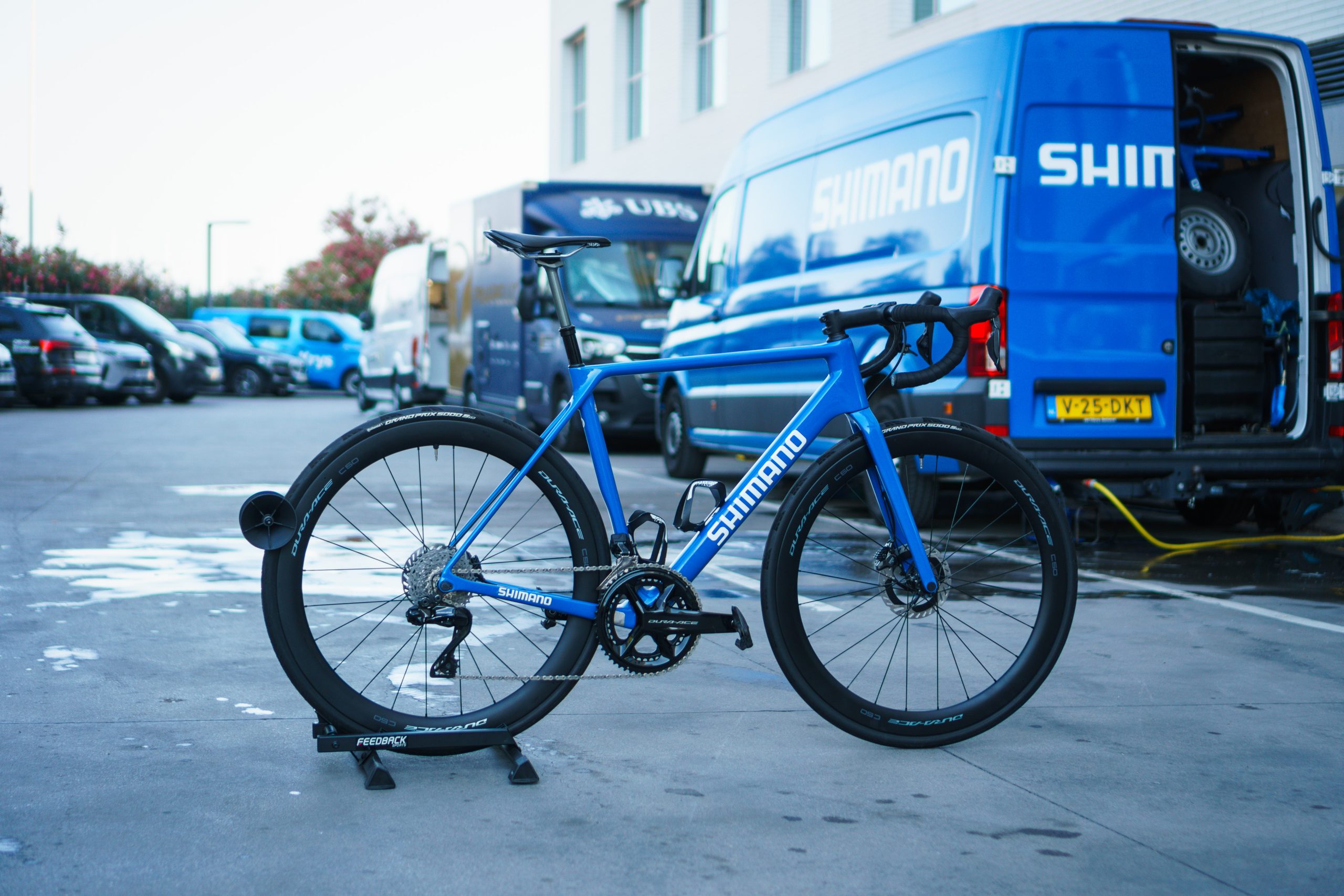
We spotted a fleet of Shimano neutral service bikes at the Grand Départ of this year's race in Barcelona and took the opportunity to get a closer look. And to put it on the scales.
- Read more: 24 remarkable images from the Tour de France
- Read more: How much does Tadej Pogačar's Tour de France bike really cost? I added up the total – and it's staggering
Hidden in plain sight
As we reported at Paris-Roubaix, Canyon's previous-generation Ultimate CF SLX is used as Shimano's neutral service bike, painted in the Japanese brand's blue livery.
How do we know? Well, there are plenty of giveaways.
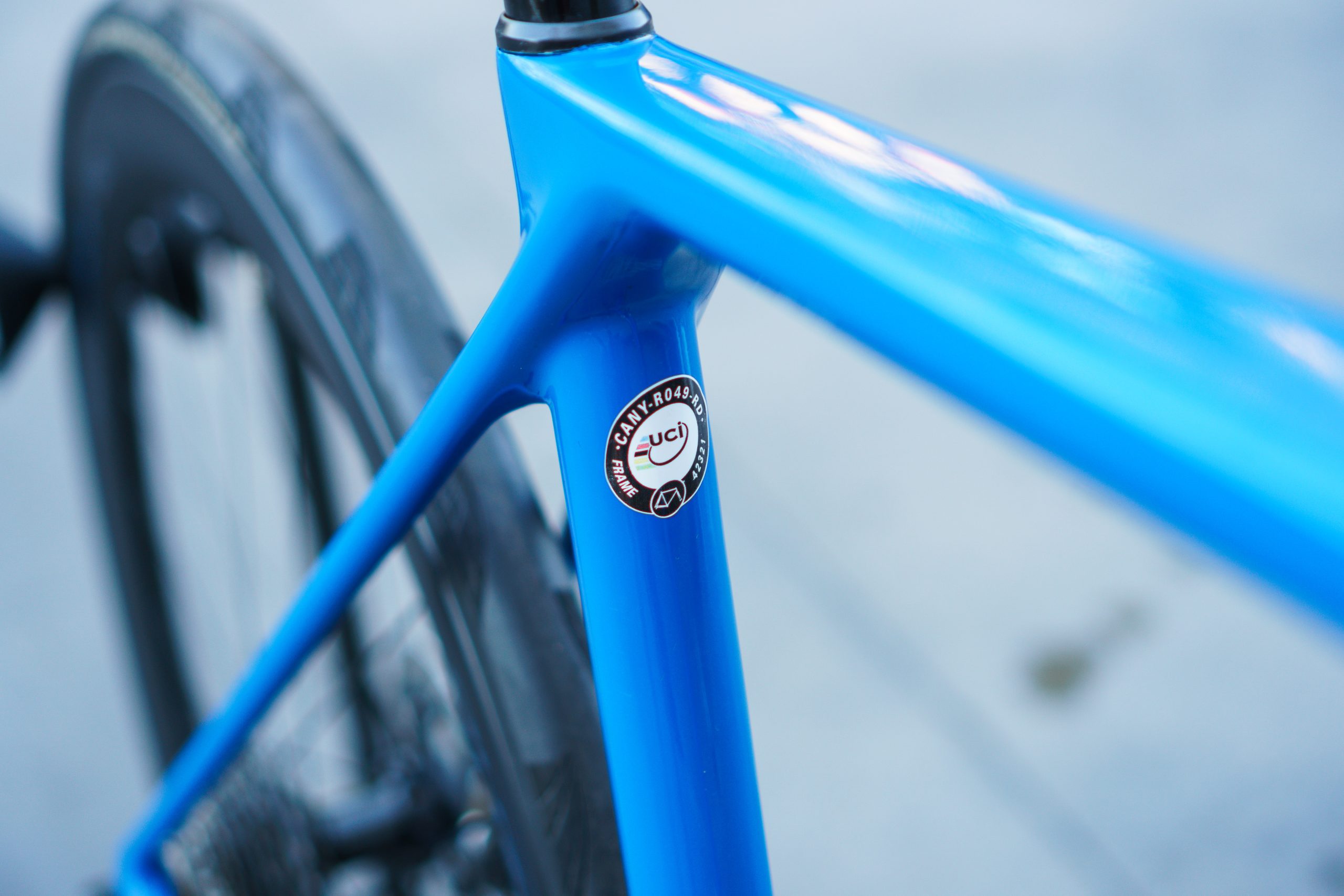
Firstly, it has a UCI homologation sticker, with the frame logged as CANY.RO49.RD. Plus, the stem is a Canyon V13 alloy number.
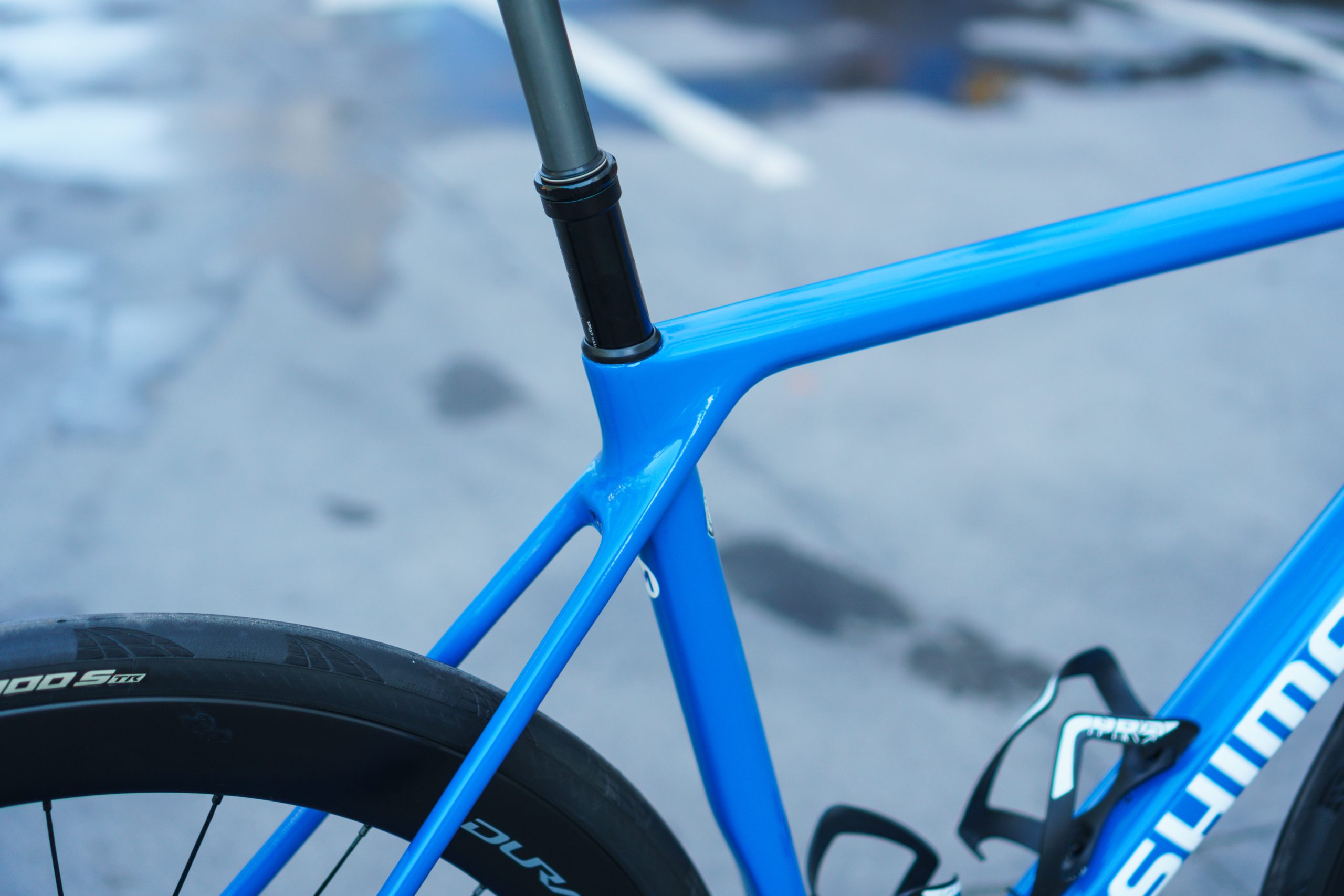
And that's before taking a look at the frame shape, which sports the Ultimate's relatively simple tube profiles and flowing seatstays.
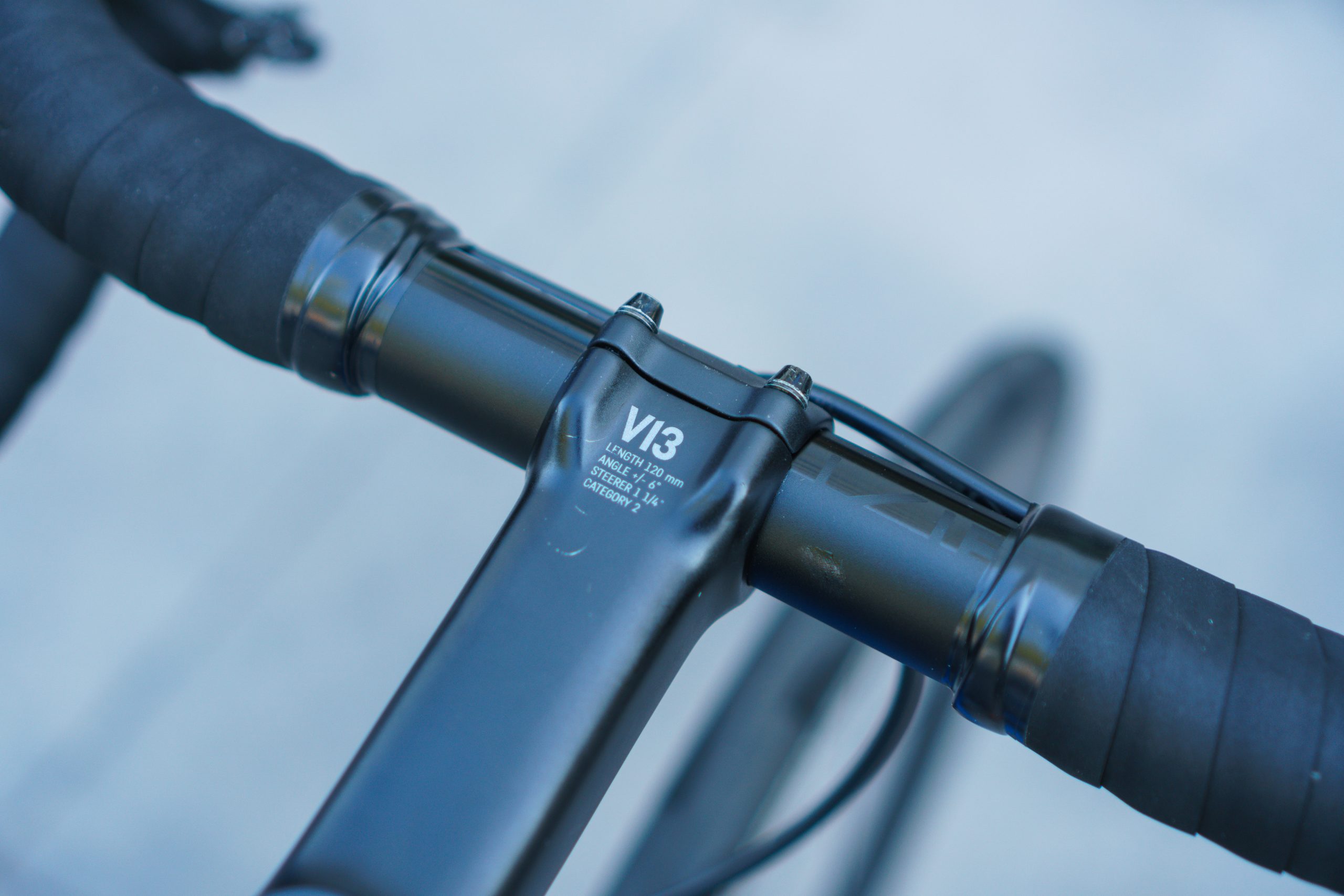
The Canyon Ultimate frameset was approved by the UCI in February 2016, so it’s now over ten years old, and was one of the first road bikes commercially available with disc brakes.
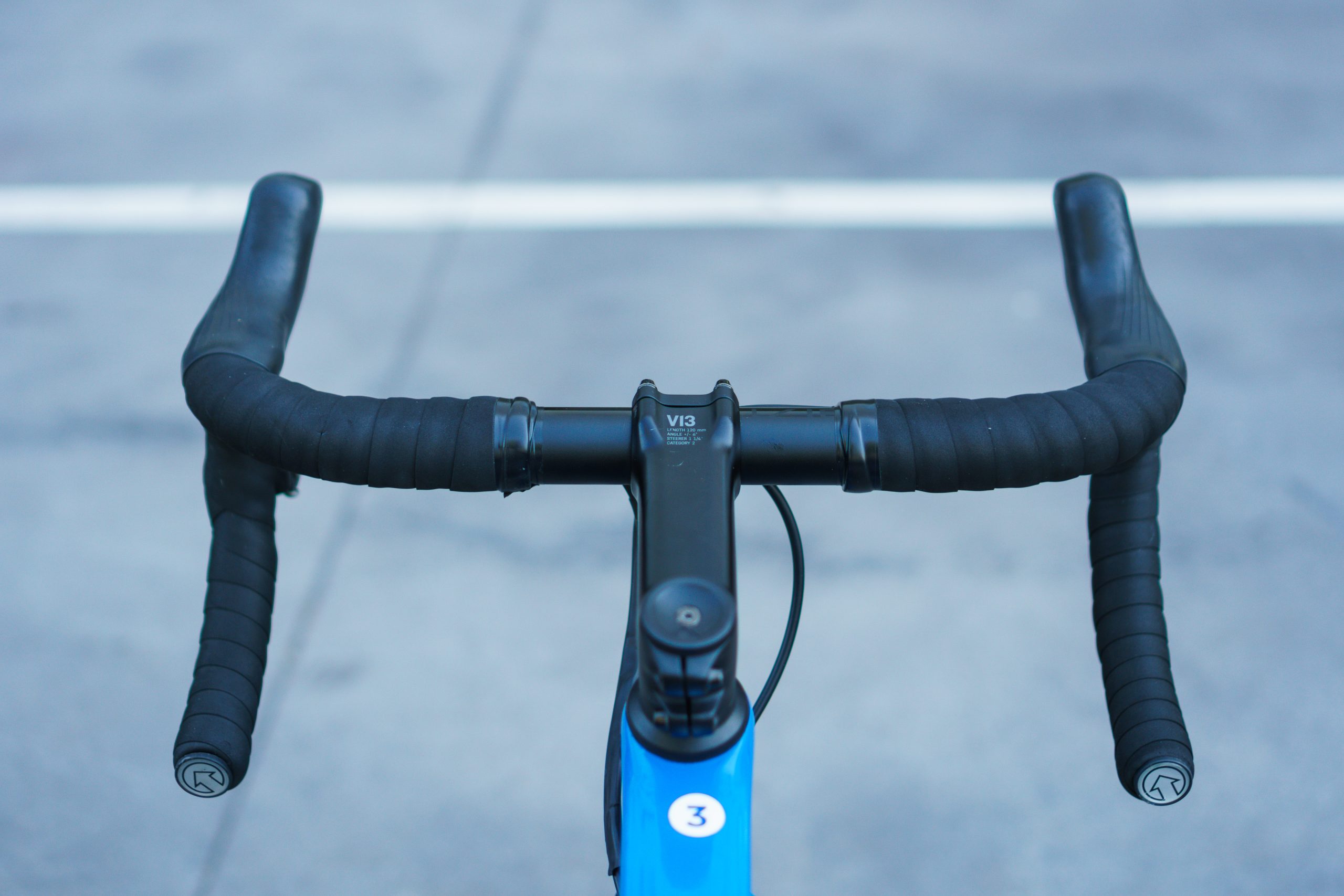
Ready for rapid adjustment
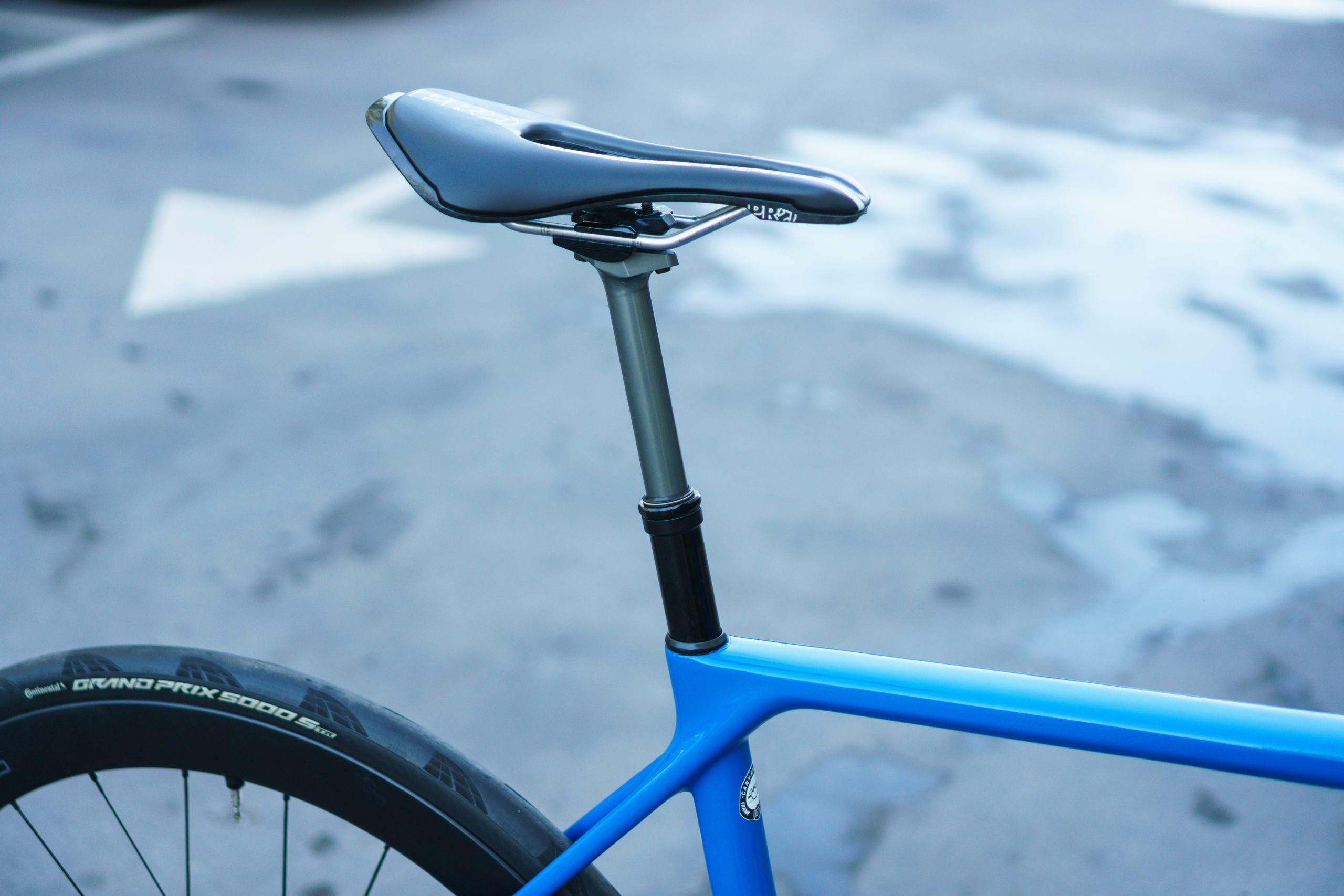
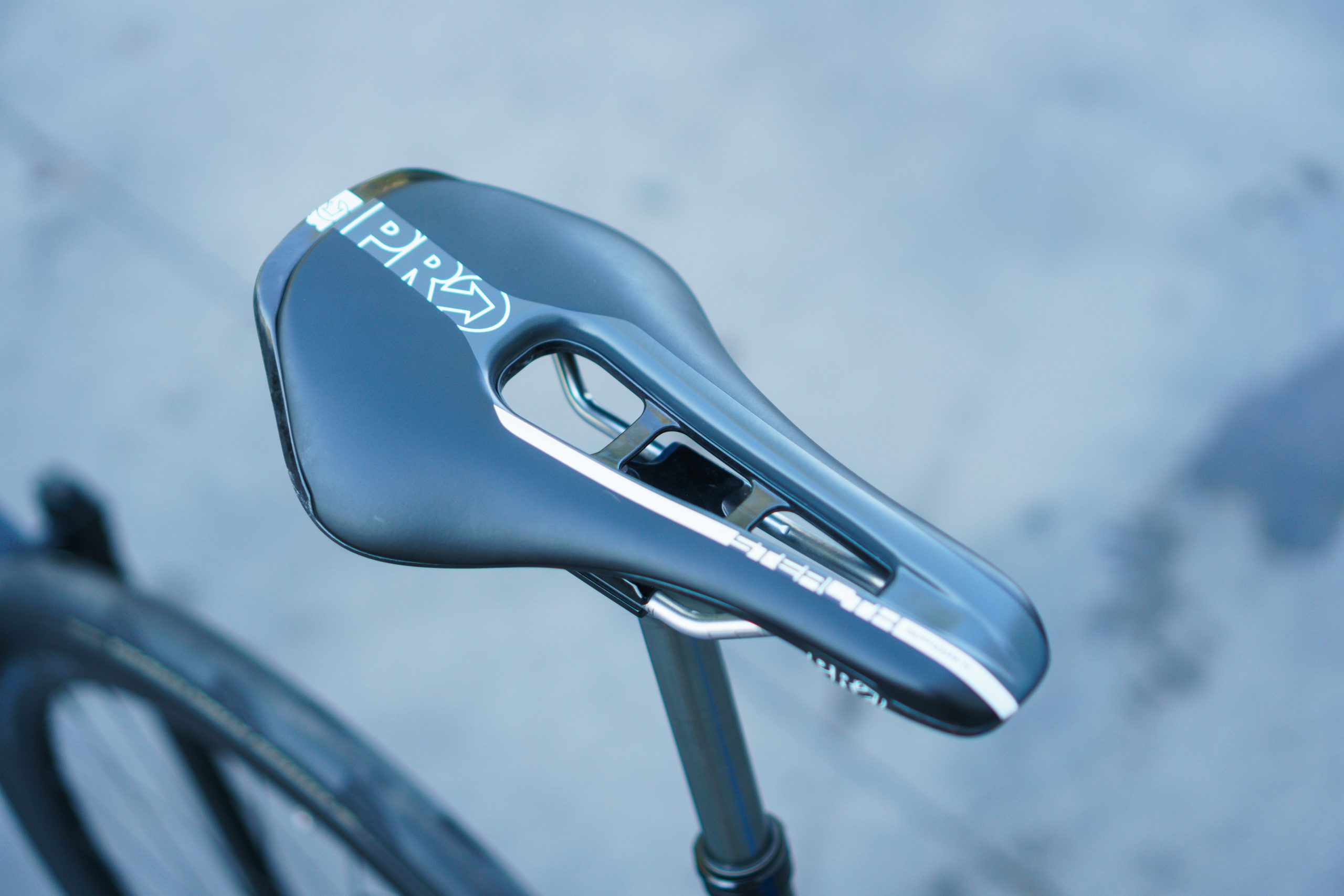
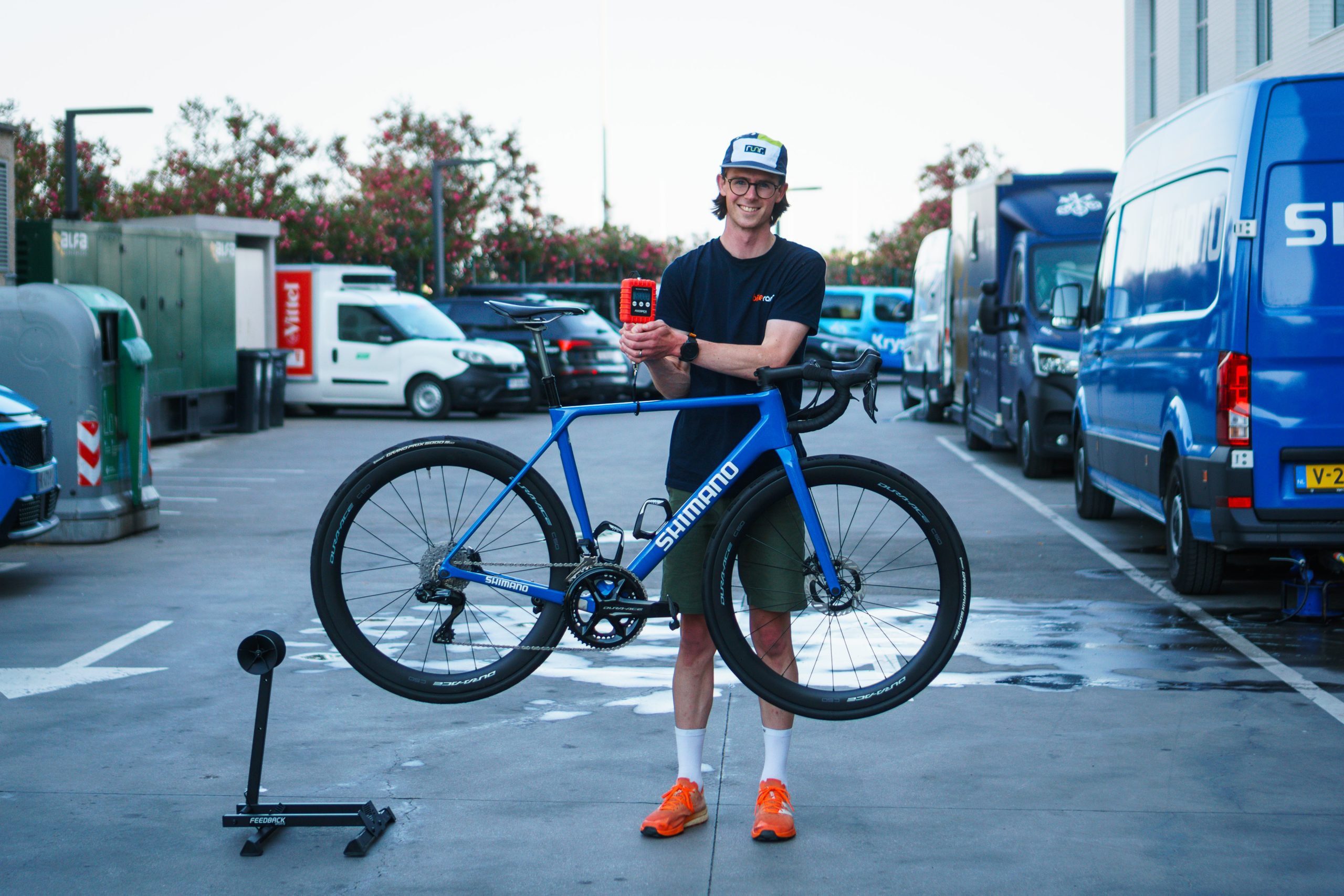
Quick saddle-height adjustment is key, so the neutral service bikes are fitted with a Pro dropper post, with the height adjustment lever mounted on the left drop of the Pro handlebars.
The dropper cable feeds into the frame’s down tube, along with the rear brake hose.
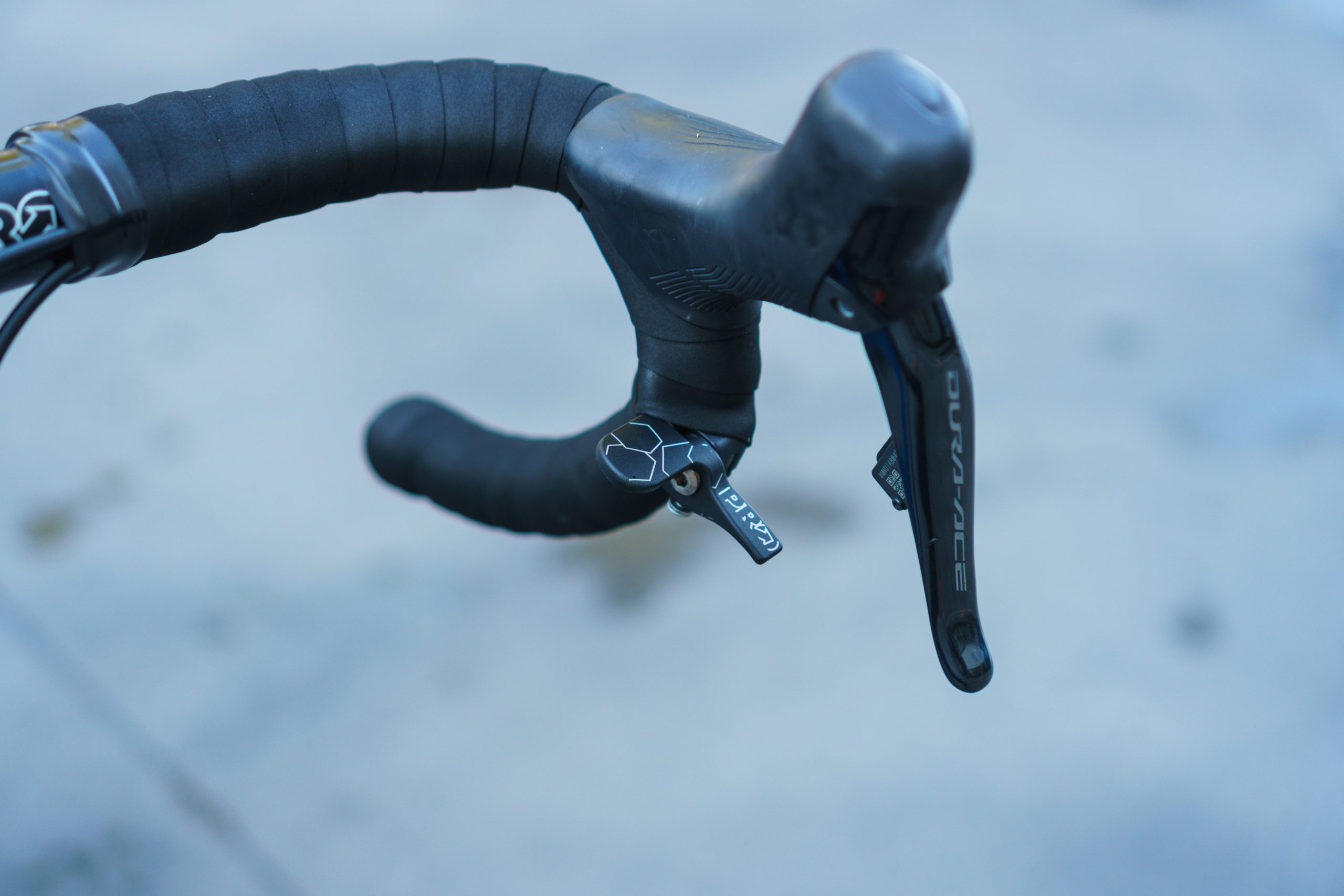
Even with the dropper post to alter saddle height, Shimano's neutral service cars carry a range of frame sizes to fit the variety of rider heights.
While the dropper post may help a desperate Tour rider into a rideable position, there's no doubt that hopping on a neutral service bike will feel very alien indeed. Professional cyclists spend hundreds of hours in the saddle every year, in a finely-tuned position, and anything other than their own bike will feel like going from a Formula One car to a Fiat Panda.
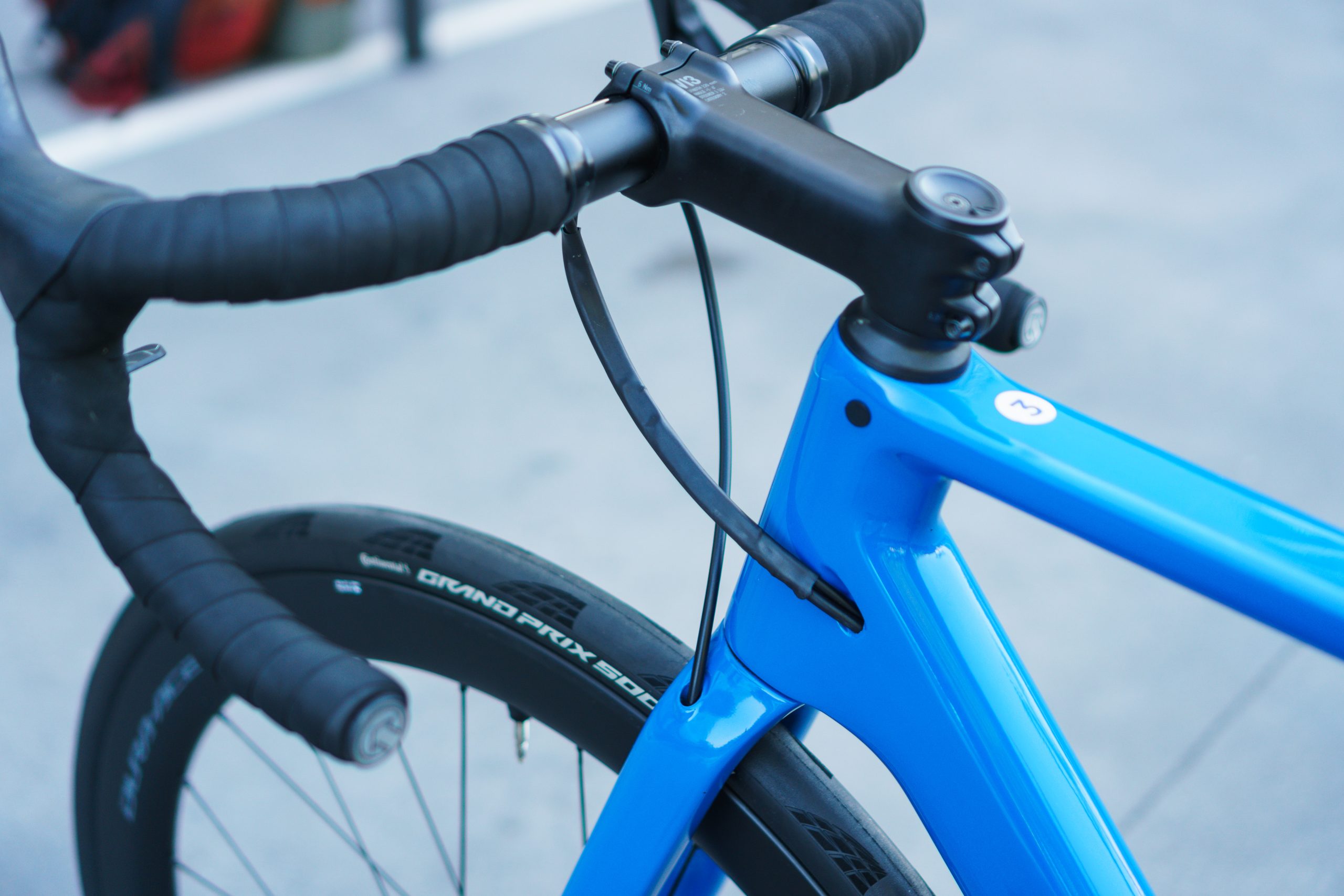
Shimano Dura-Ace components and Continental tyres
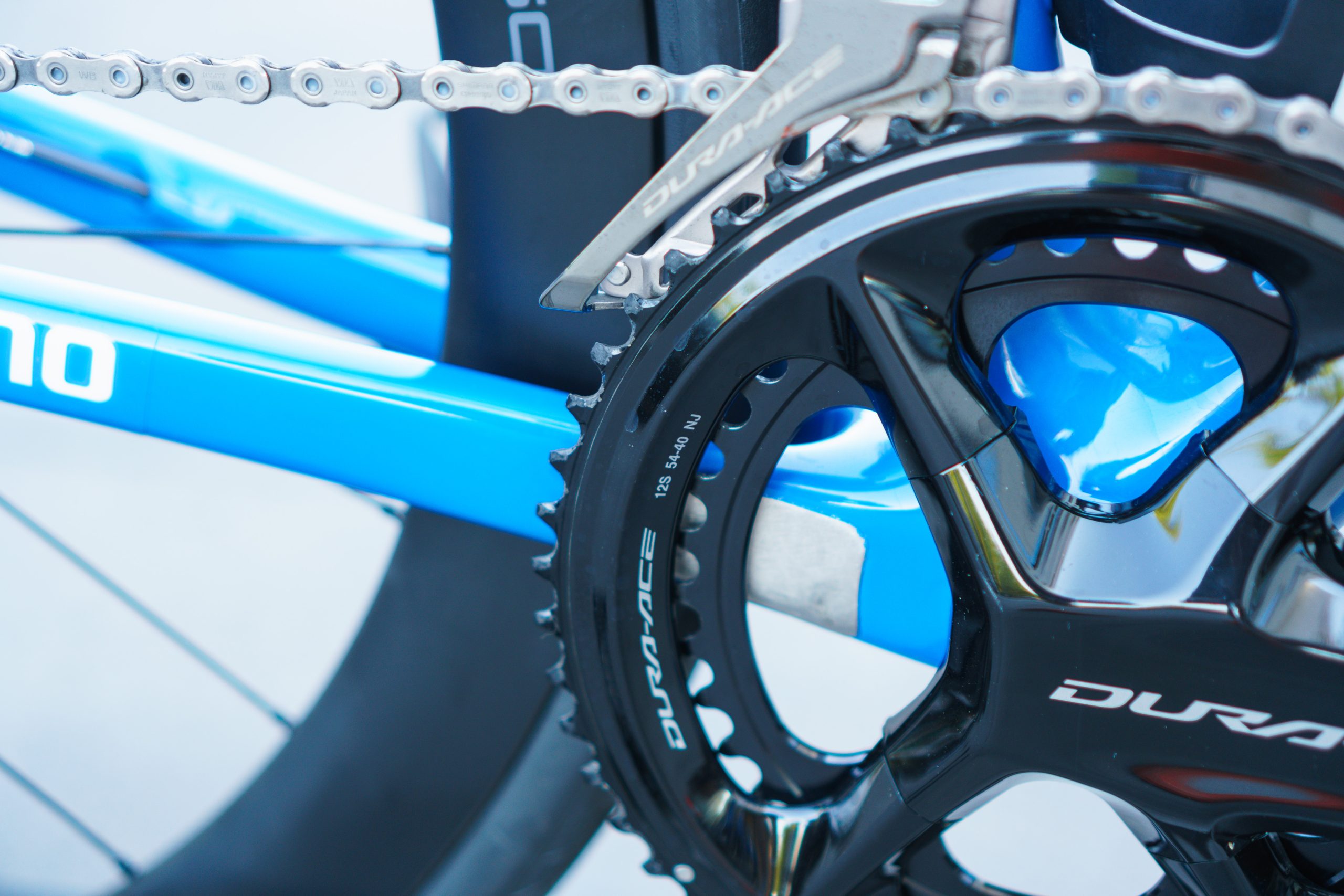
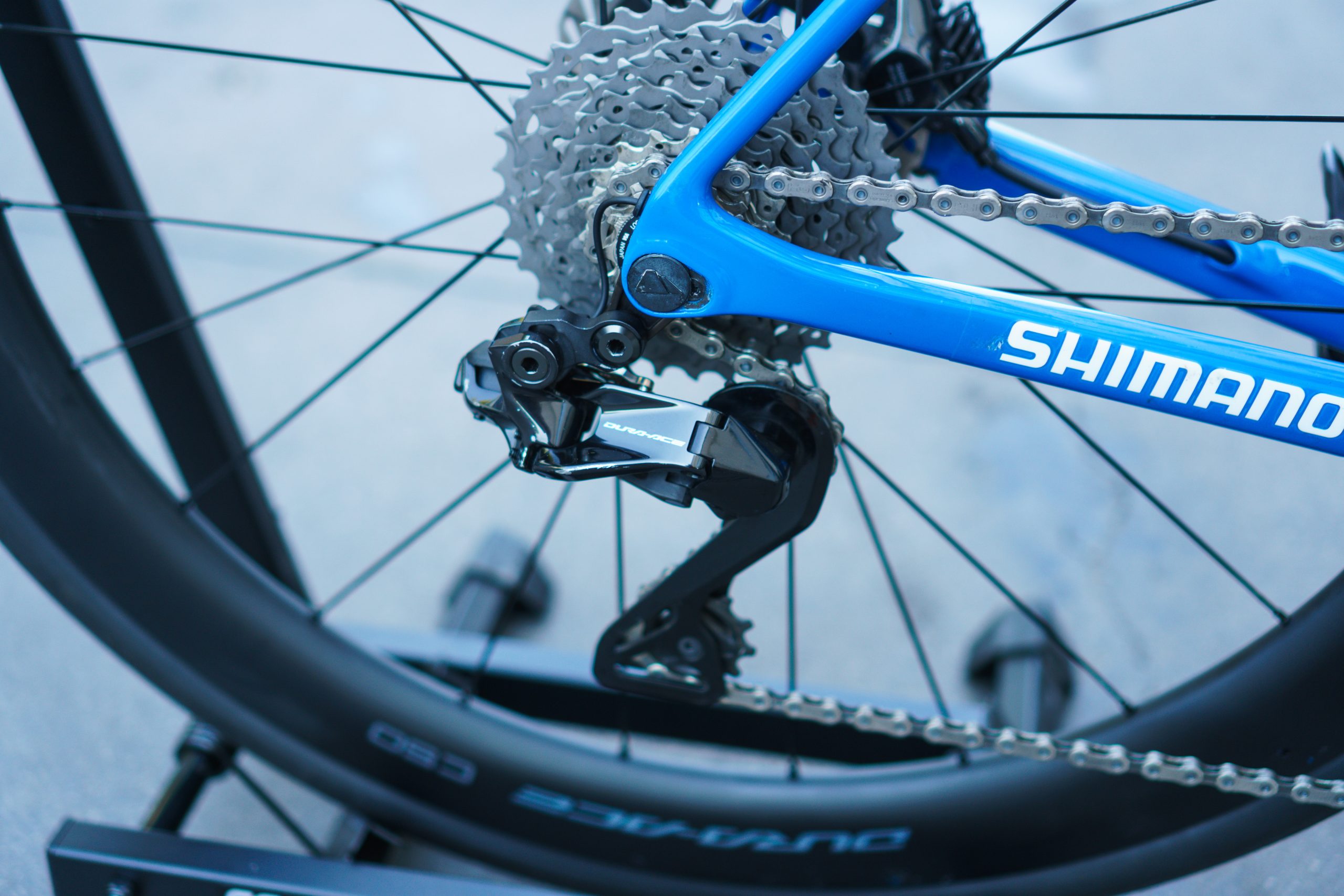
As you’d expect, the bike is kitted out with componentry from Shimano and its Pro brand. That includes a Dura-Ace groupset with a 54/40t crankset and 11-34t cassette.
The Dura-Ace C50 wheels are fitted with 28c Continental Grand Prix 5000 S TR tyres.
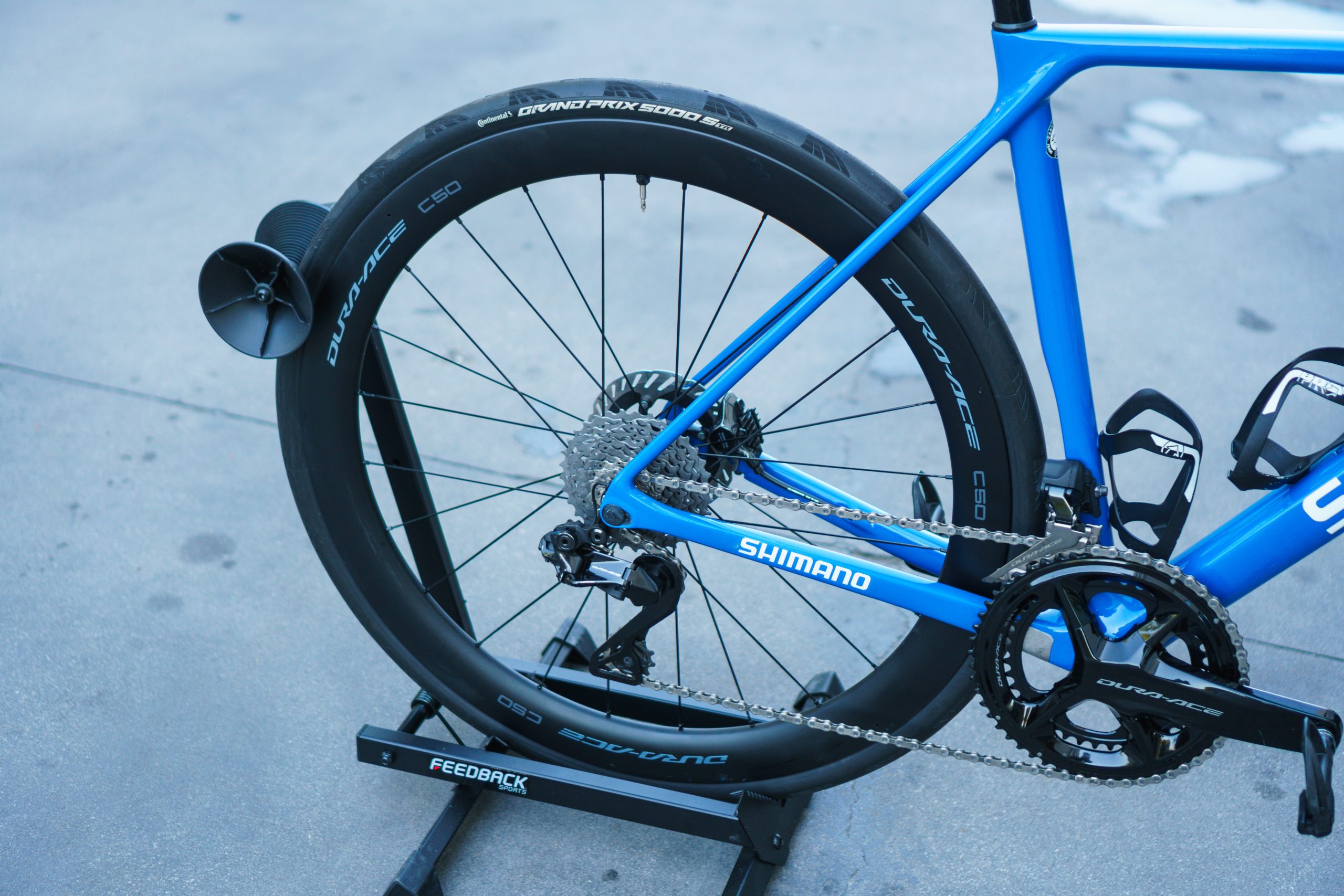
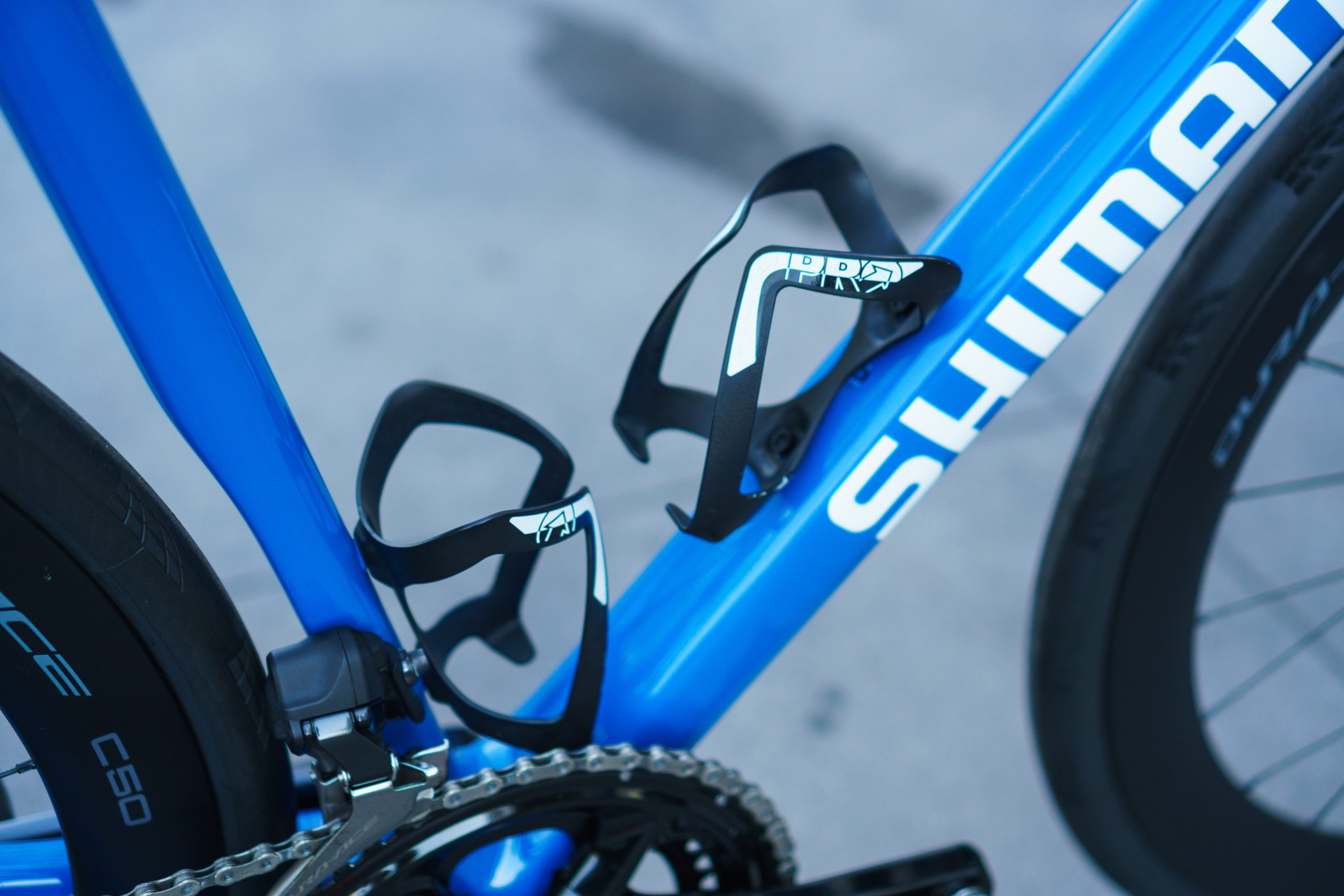
As well as the bars and dropper post, Pro supplies the alloy-railed Stealth saddle and composite bottle cages.
Run, Froomey, run...
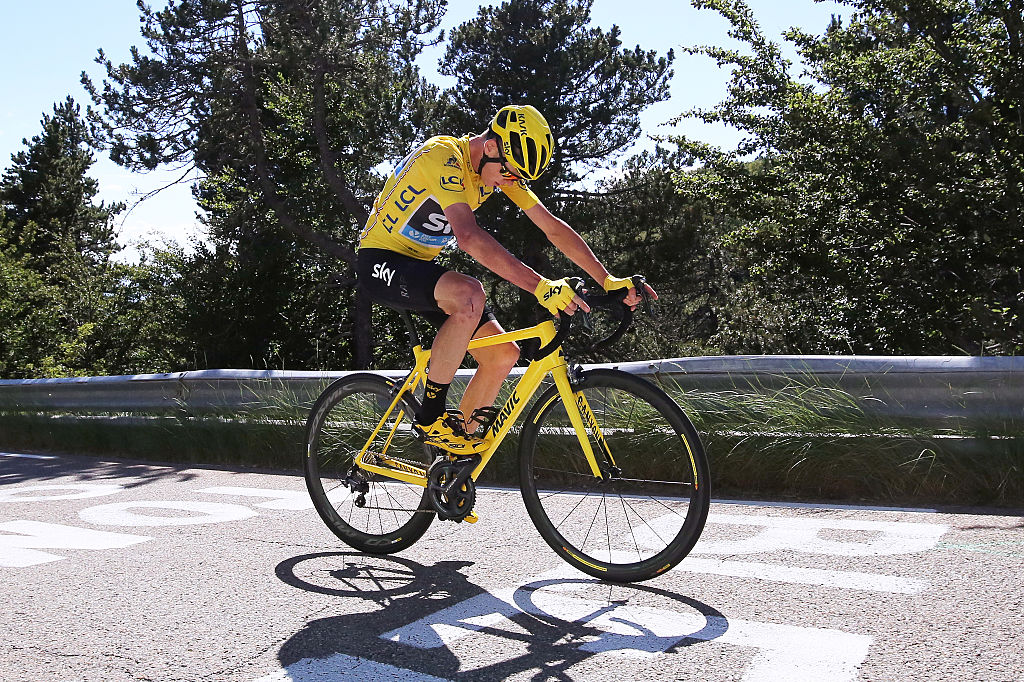
Back in 2016, Chris Froome tried but failed to ride a neutral service bike on Mont Ventoux, before resorting to running up that mountain.
Mavic was in charge of neutral service at the Tour at the time, and the bike Froome tried to use was fitted with the wrong pedal system for Froome, highlighting one of the issues with providing one bike for all riders.
Incompatible pedals can be an issue even within teams, as Mathieu van der Poel found when he tried to ride Jasper Philipsen’s bike at Paris-Roubaix this year.
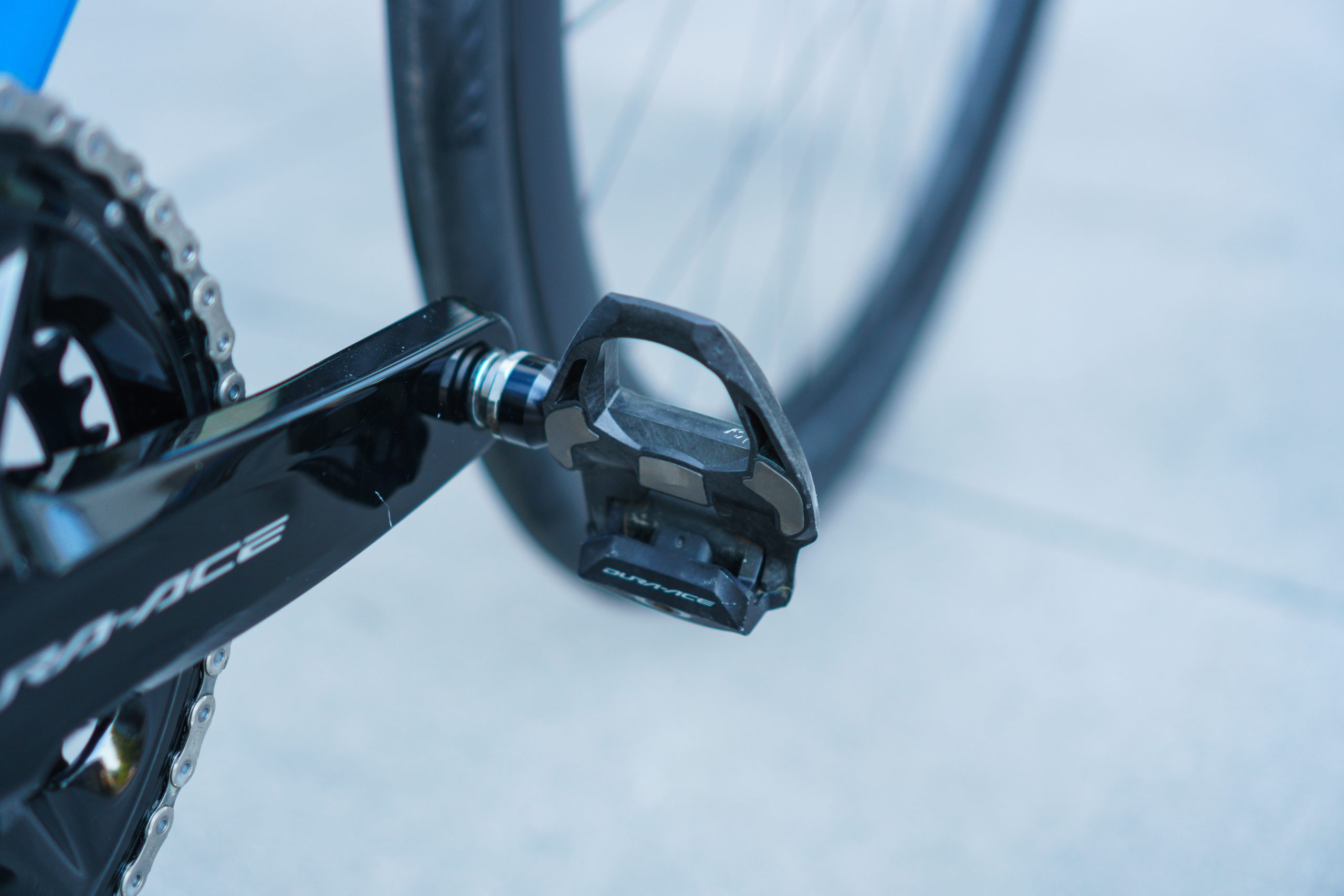
The Shimano bike we checked had Shimano Dura-Ace pedals fitted, but neutral service will have other bikes on their cars’ roofs fitted with Look, Speedplay and Time pedals, to avoid the problem.
How much does a neutral service bike weigh?
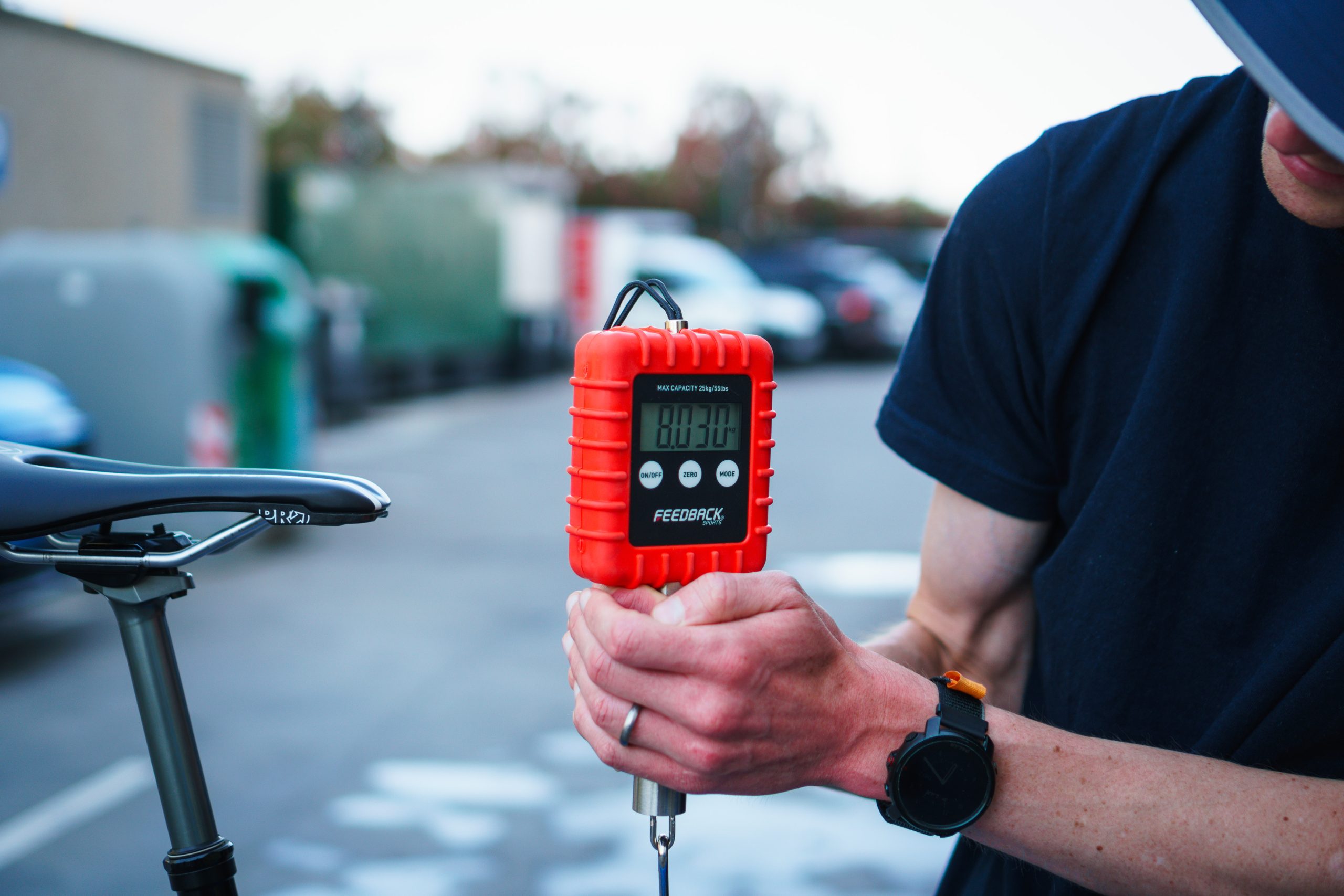
The size M bike we checked was 8.03kg – not bad for a bike with a two-piece alloy stem and bar, and a dropper post fitted.
How does that compare to the current crop of Tour de France bikes?
We weighed seven bikes, from seven different riders, at the Grand Départ, and the average weight came out at 7.063kg.
Jumping aboard a neutral service bike may not carry much of a weight penalty, but we can guarantee one thing – any rider who does need to take a blue bike will be frantically looking for their team car, ready to be reunited with their own steed at the earliest opportunity.
- Read more: How much does a Tour de France bike weigh in 2026? We put 7 pro bikes on the scales to find out
What else do you need to know?
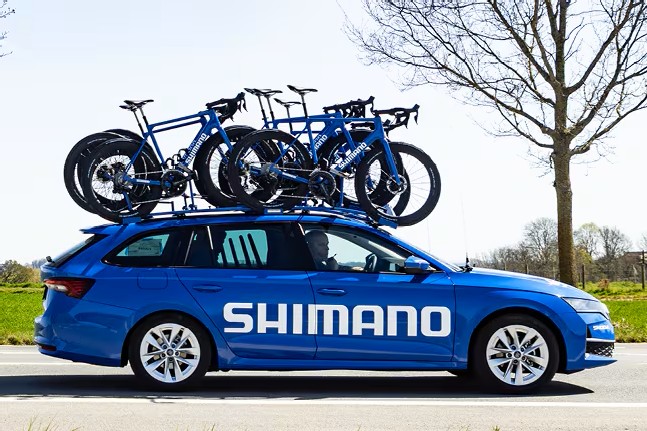
With a forest of bikes on the cars, neutral service racks the bikes with consideration for the stage and race favourites.
They'll place a bike in that rider’s size nearest to the side of the car so it’s easy to get to and with the dropper set to the rider’s preferred saddle height.
However, the neutral service car will stop for any rider, of course – regardless of their status in the race.
Neutral service will also choose a tyre pressure that’s an average of that preferred by riders, as this varies significantly between individuals.
Alongside their blue cars, Shimano also runs neutral service motorbikes, with a driver and a mechanic aboard, who can try to sort more minor problems and get riders going again.
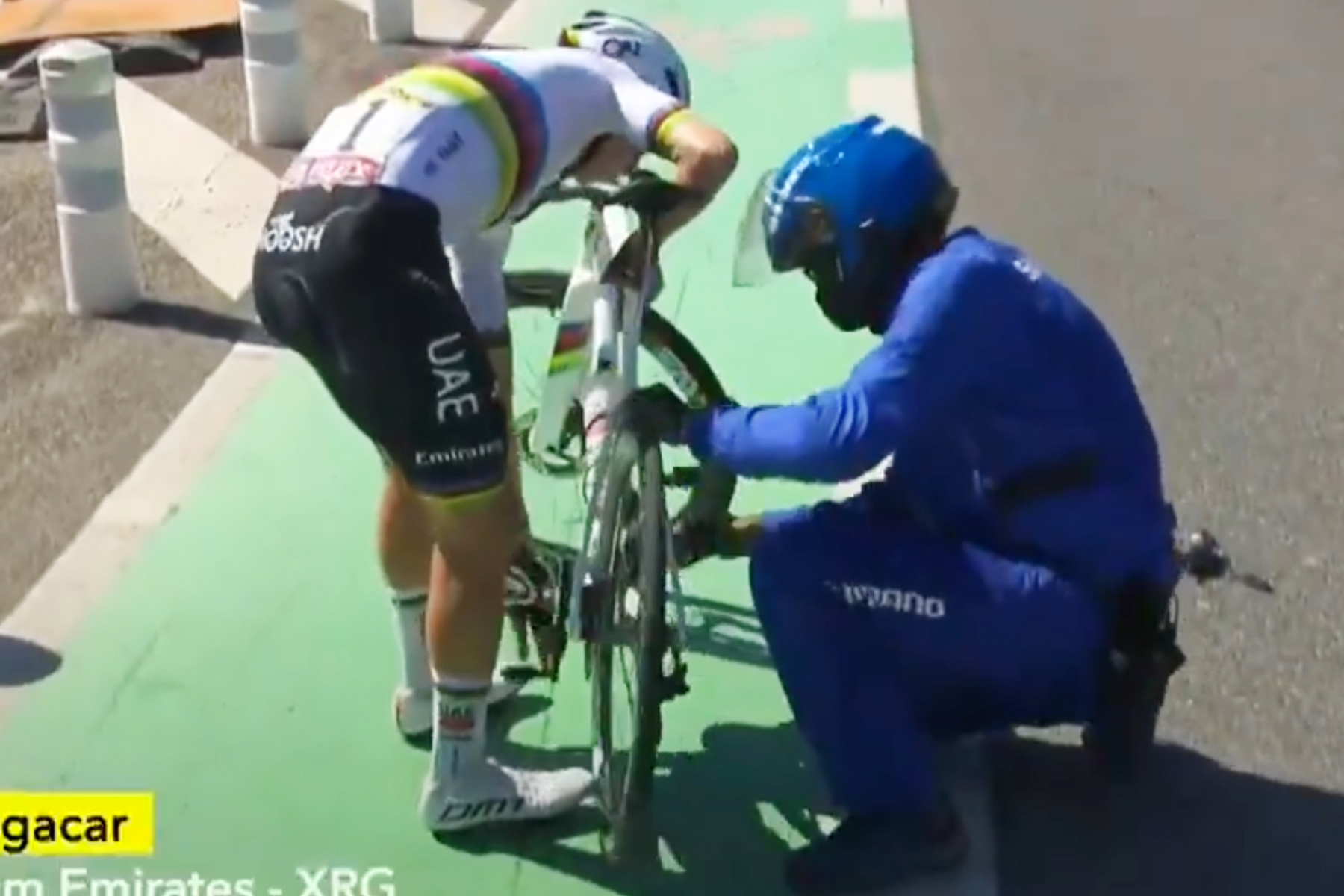
A neutral service official assisted Pogačar when he crashed on stage 11 at the 2025 Tour de France, giving him a hefty push to help him rejoin the race.
On some mountain stages, the neutral service motorbikes will carry spare wheels, if four-wheeled access to the course is difficult.