If, like Shimano, you’ve been around for over 100 years, you’ve had chance to produce plenty of stuff. But along the path to groupset nirvana, there have been plenty of missteps for the bike-parts giant.
Shimano has dabbled in other leisure activities, too, and still makes fishing gear alongside its cycling products.
So, which are Shimano’s strangest products and attempts at diversification that didn’t make the cut? We’ve scoured the archives to compile our own pick of Shimano’s greatest misses.
1. Shimano Airlines
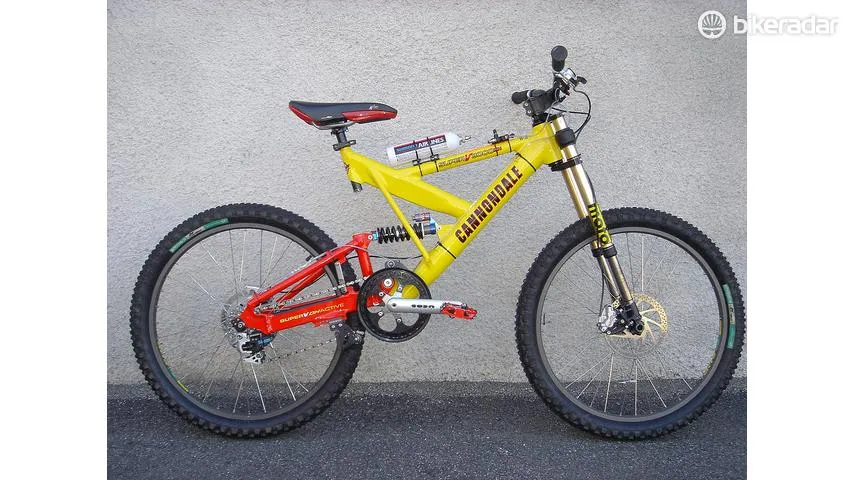
No, Shimano didn’t plan to fly you to Japan. Airlines was an air-powered derailleur system launched in the 1990s. The seven-speed short-cage rear derailleur was designed for downhill mountain bikes, where the extra weight from the compressed gas canister strapped to your down tube probably wouldn’t be a problem.
The system was powered by a 300ml gas tank that was claimed to power up to 400 shifts, with downshift and upshift levers controlling the flow.
So why compressed air? It’s said that Shimano went for the system to avoid issues with cables on long-travel suspension bikes. It carried a $1,600 price tag, which equates to around $3,000 now and may be why not many sold.
2. Shimano Dura-Ace AX (AX 7300)

Launched in 1980, Dura-Ace AX looked to smooth the derailleur’s lines in an early burst of aero-awareness. It was also indexed through six positions.

The groupset was ahead of its time by routing the brake cables through the handlebar (gear shifters still lived on the down tube). It featured neat-looking centre-pull brake calipers, again with aero leanings.
Shimano went through six versions of the AX rear mechanism over three years, before retiring the groupset, which pros apparently considered fragile and unreliable.
3. Shimano Dyna-Drive cranks and pedals

Another product of Shimano’s late-1970s and early-1980s drive for aero efficiency, the Dura-Ace EX Dyna-Drive crankset and pedals had an oversized pedal spindle, which was carried over into the AX groupset, above.
This meshed with the Dyna-Drive pedals that, rather than sitting on a conventional spindle, had a single bearing housed within the crank arm. The pedals incorporated a conventional toe clip and strap to secure the rider’s foot.
The Dyna-Drive pedals chopped around a third from the weight of a standard quill pedal, were potentially stiffer and more aero, and lowered the pedal’s stack height. Dyna-Drive spread from Dura-Ace to other Shimano road and off-road groupsets, but was never popular, disappearing as the Look clipless pedal system took off.
4. Shimano Dual Control shifters
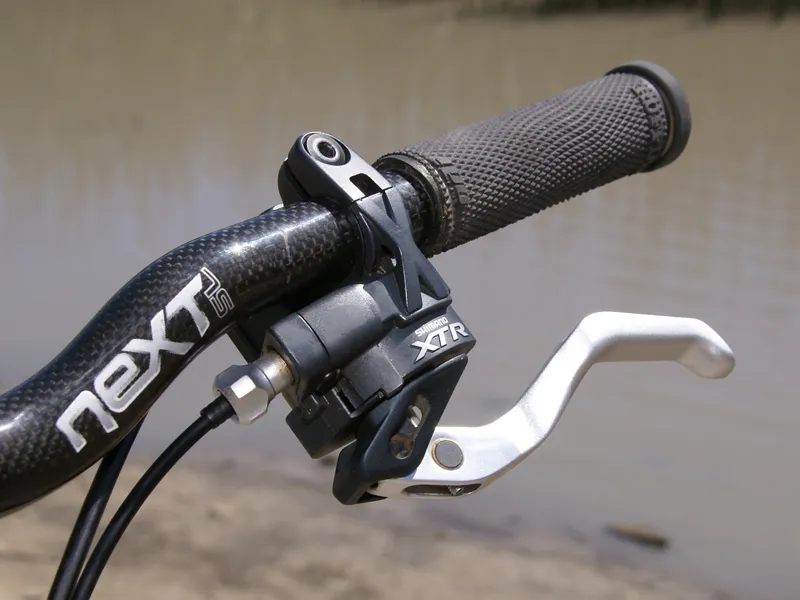
Why confine STI shifters to drop bars?
The Shimano Dual Control shifters brought single-lever brakes and shifters to flat-bar bikes, enabling you to use your brake levers to shift up and down the cassette one sprocket at a time. Shimano cheated a bit by adding a thumb lever if you couldn’t get your head round the shift logic, although that was removable.
They’re massive and not very pretty and, although some riders loved them, most didn’t.
5. Shimano Front Freewheel System
Have you ever wished you could change gear while not pedalling? Yes, you could just get a hub gear, but Shimano’s Front Freewheel System enabled you to do so with a derailleur setup.
Rather than having the freewheel mechanism between the cassette and rear hub, the Front Freewheel System moved this to between the crank arms and the chainrings.
The result was the chainrings and chain continued to rotate when freewheeling, so the derailleur could be operated. There was no need to pedal when shifting gears – unless you’d stopped, that is.
6. Ultegra golf clubs

If you’re into cycle polo, these could be for you. Launched in 2001, the Ultegra clubs featured the obligatory Shimano acronym, not in this case STI, but STMI, which signified Shimano Total Moment of Inertia.
Alongside an aluminium head, the carbon shaft borrowed from Shimano’s fishing rods. Shimano’s venture onto the golf course ended in 2004, when competition and a lack of amateur golfers caused it to head to the 19th hole.
7. Shimano rowing equipment

Shimano mugged its mountain bike designers for its rowing kit. While blades might have been a natural successor to its golf clubs, instead it concentrated on the bits that hold rowers in place, namely clip-in foot stretchers and shoes, which are still available for purchase.
Not SPD, but SRD for Shimano Rowing Dynamics, the mechanism to clip the shoes to the boat bears a striking resemblance to a repurposed set of SPD pedals, sliced in half. It enables you to bring your own shoes with you, rather than having to use shoes bolted to the boat and avoids the need to wade around barefoot on slippery slipways when you get out.
8. Shimano snowboard bindings

If Shimano had had its way, those huddles of snowboarders fiddling with their bindings at the top of every run would be a thing of the past. Its Clicker system, launched in 1995, transferred the SPD system to snowboards and boots.
The brand went through a range of snowboard binding systems and boots over the next few years, winning an award for its Accublade step-in design in 2007, before quitting the piste in 2009.
This one may not be as weird as it seems, though. After all, Look was making ski bindings until it hit on the idea of transferring its expertise to cycling and launched the first clipless pedal system.
So that’s our pick of the Shimano flops, but let us know in the comments if you have any personal favourites that we’ve missed.