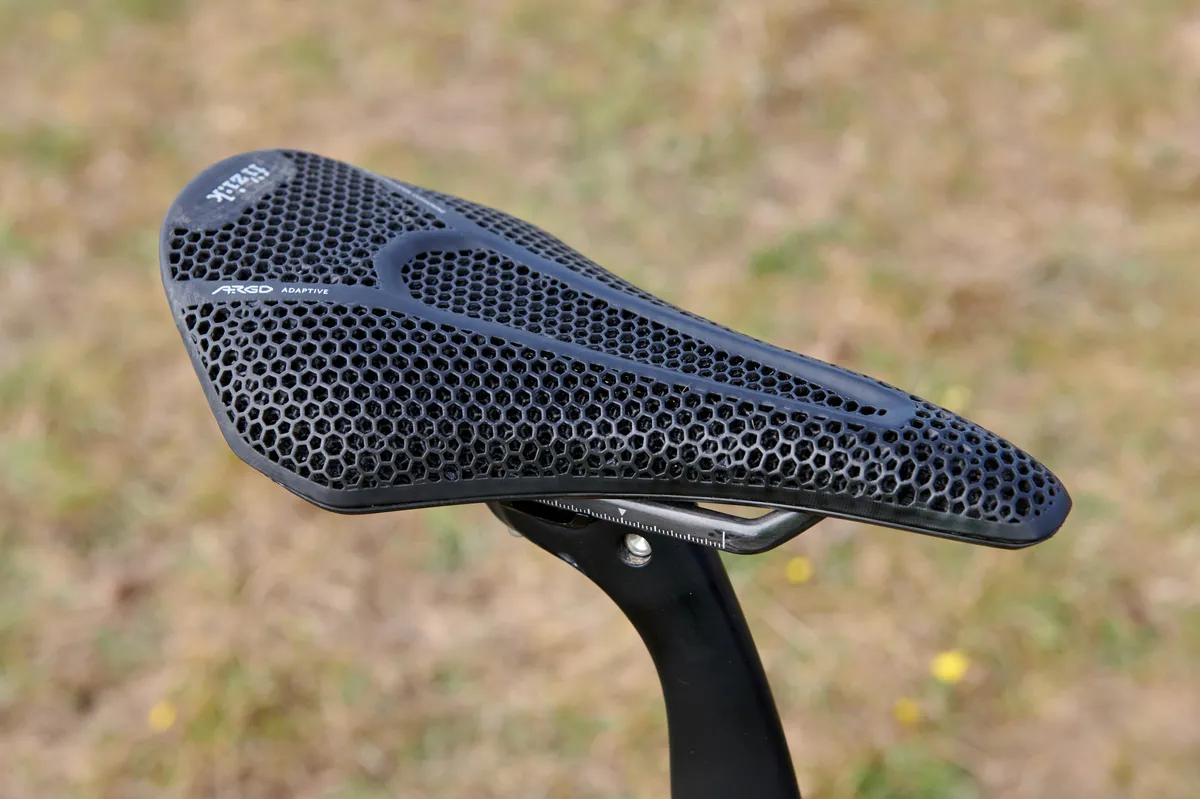
3D-printed saddles are one of the hottest trends in cycling right now, but as is often the case with new technologies, prices from major brands are typically steeper than K2.
It’s perhaps no surprise, then, that a large quantity of surprisingly cheap alternative options have popped up on websites such as AliExpress.
Many have received rave reviews on online forums and platforms such as YouTube, but is the hype justified – and are expensive 3D-printed saddles simply a rip-off? Or is there more to this technology than meets the eye?
To find out, I purchased a 3D-printed saddle made by RYET – a popular and well-reviewed AliExpress saddle brand – for only £32.06 (roughly $43 / €38) and pitted it against Trek’s £329.99 / $424.99 / €349.99 Aeolus RSL AirLoom saddle.
Can the Trek saddle possibly be worth 10 times as much of your hard-earned money? Let’s find out.
RYET X6P 3D-printed saddle first impressions
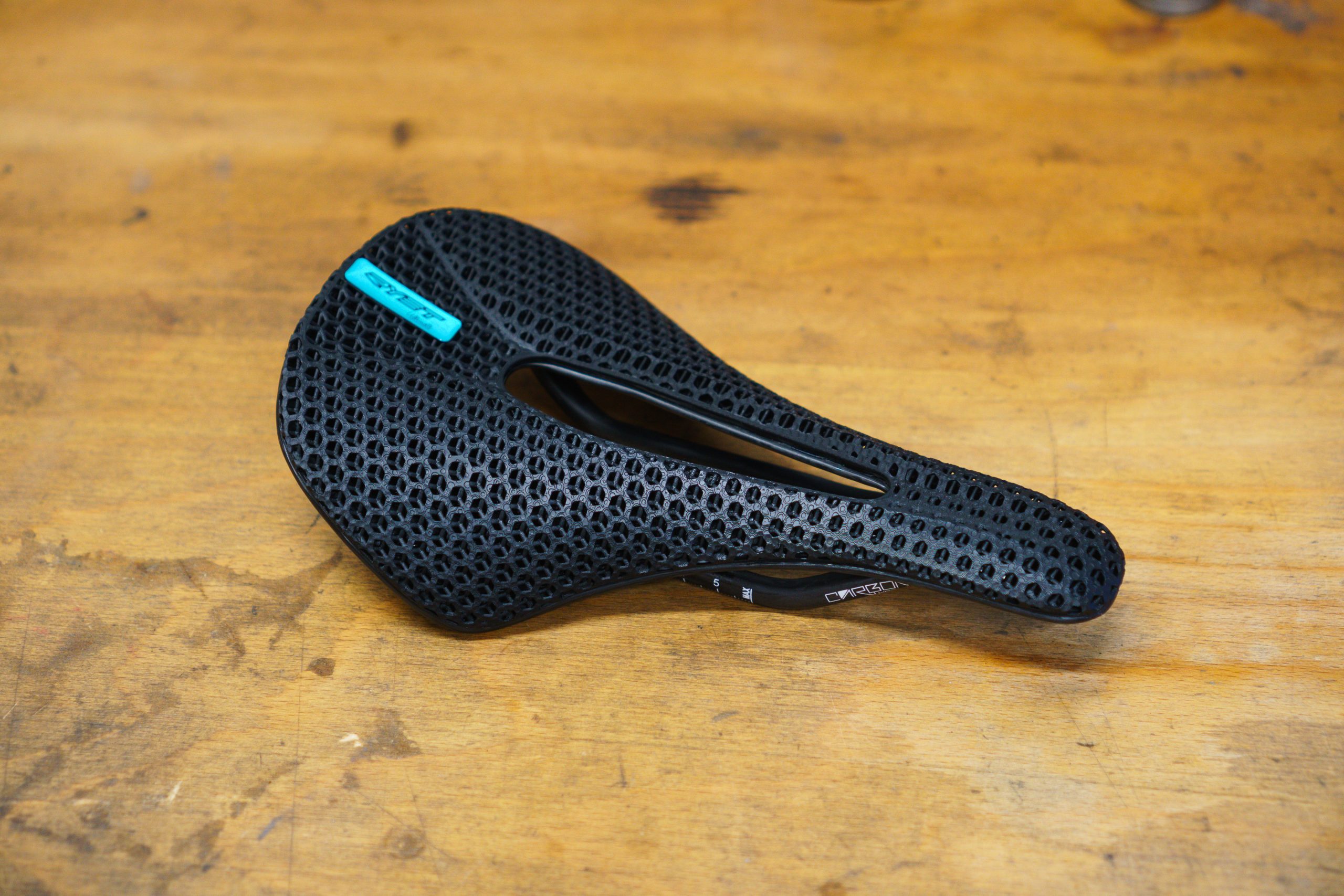
Out of the box, RYET’s X6P looks and feels far more premium than its low price would suggest it has any right to.
The construction is impressively neat, with no visible glue or rough edges.
Nitpicking, the carbon rails are a little bumpy and misshaped, and they aren’t perfectly parallel. According to my vernier calipers, they start a little wider towards the front of the adjustment range, at around 36.3mm wide (inside edge-to-edge), and converge slightly to 35.7mm at the rear.
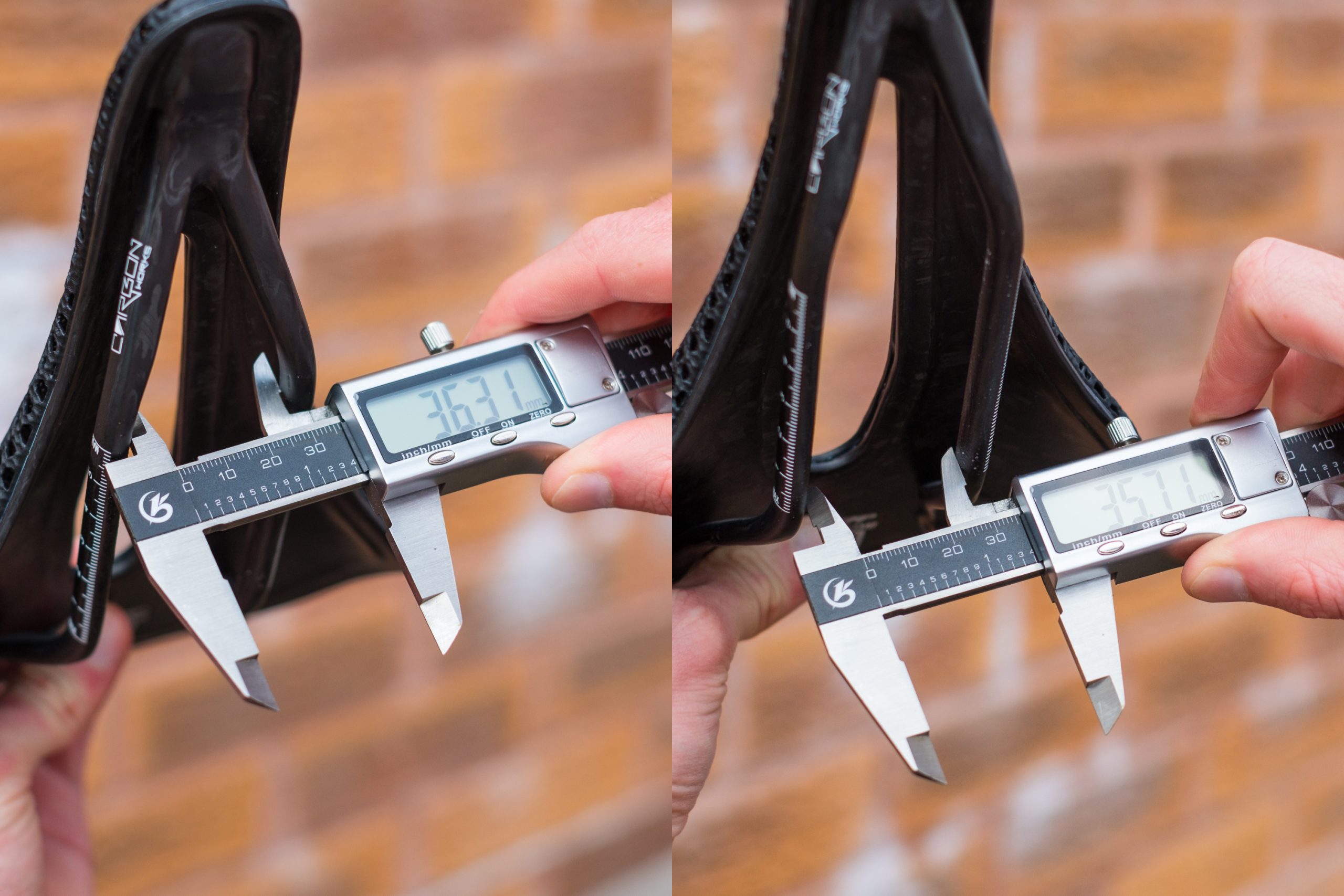
There is a little grippy coating applied, though – presumably to prevent them from slipping at lower torques – and there’s 6cm of adjustment range, which is fairly standard for a road bike saddle.
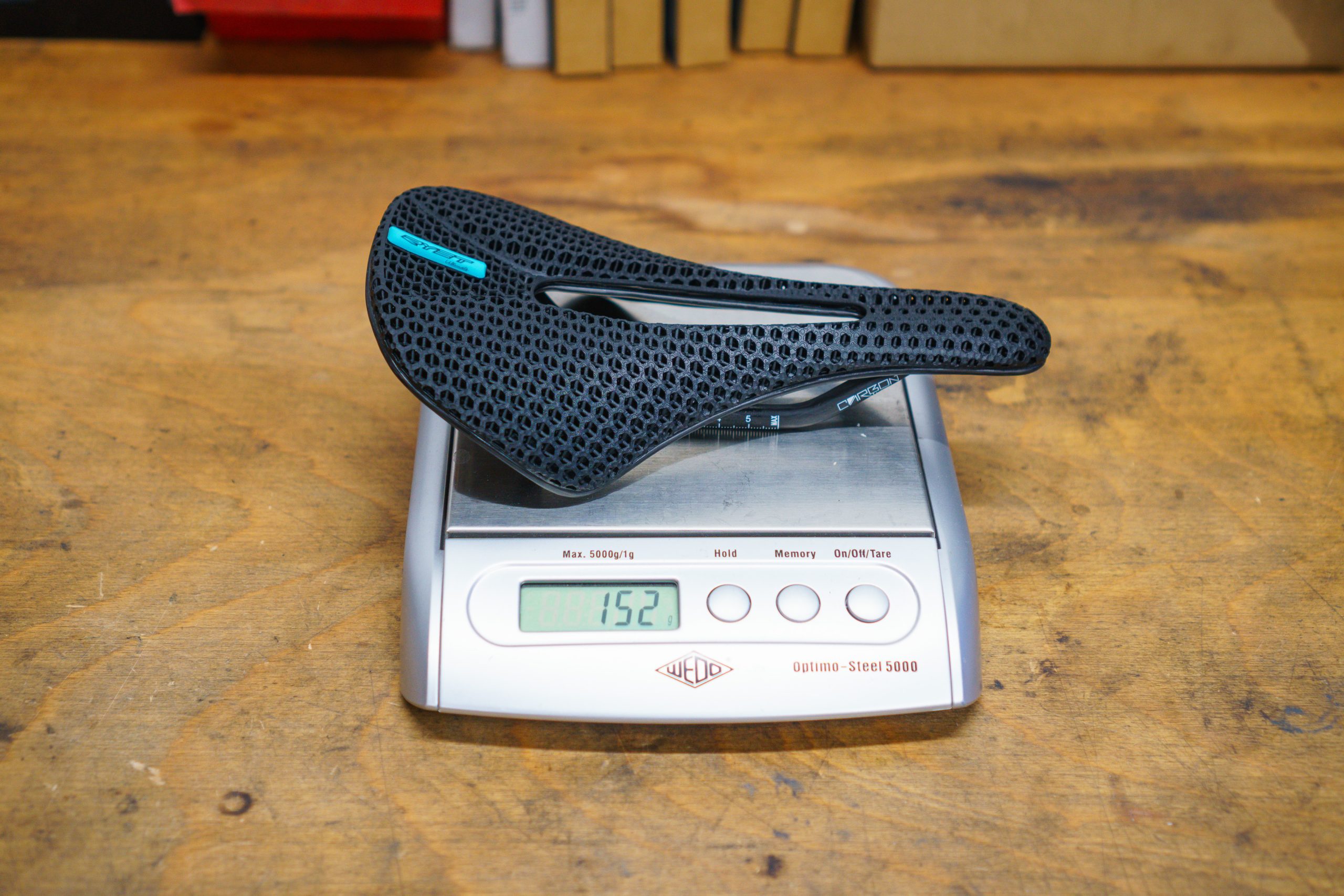
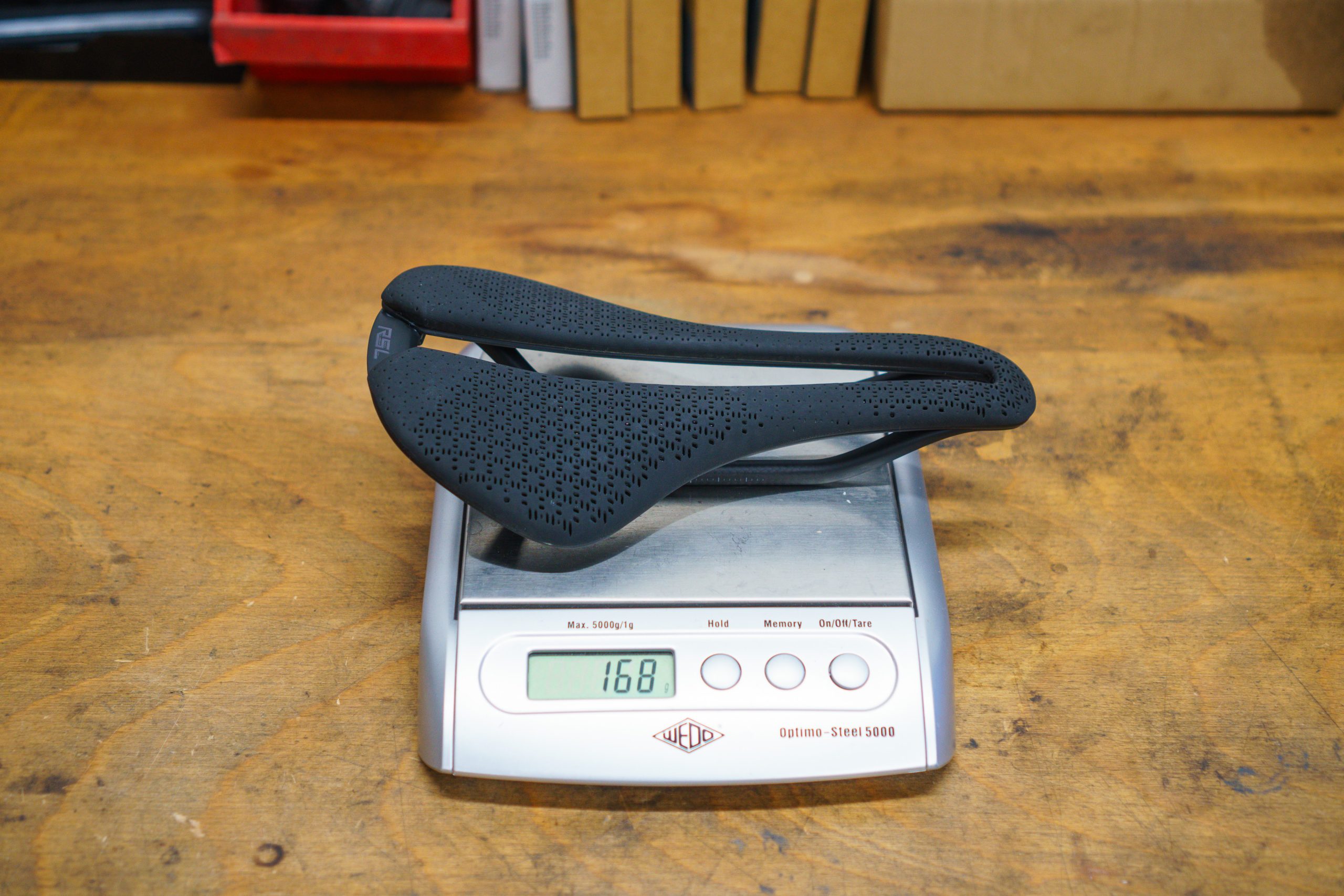
The glossy, forged carbon base also looks attractive, and there’s no denying this is a very lightweight saddle – tipping the scales at only 152g.
Amazingly, that’s lighter than the Trek saddle, which comes in around 16g heavier. That won’t make any difference to performance, of course, but it’s fair to say a 152g, full-carbon saddle that costs £32 is extraordinary value on paper.
The only thing that feels in line with its price is the aquamarine RYET logo, which is simply a sticker.
The 3D-printed padding uses a honeycomb design, with open cells reminiscent of Fizik’s Adaptive saddles – as used by Tadej Pogačar.
At the wide, rear end of the saddle, the padding is relatively thick and soft to the touch, but it thins out and gets firmer towards the nose. Keep this in mind because it’ll be important later on when we discuss ride comfort.
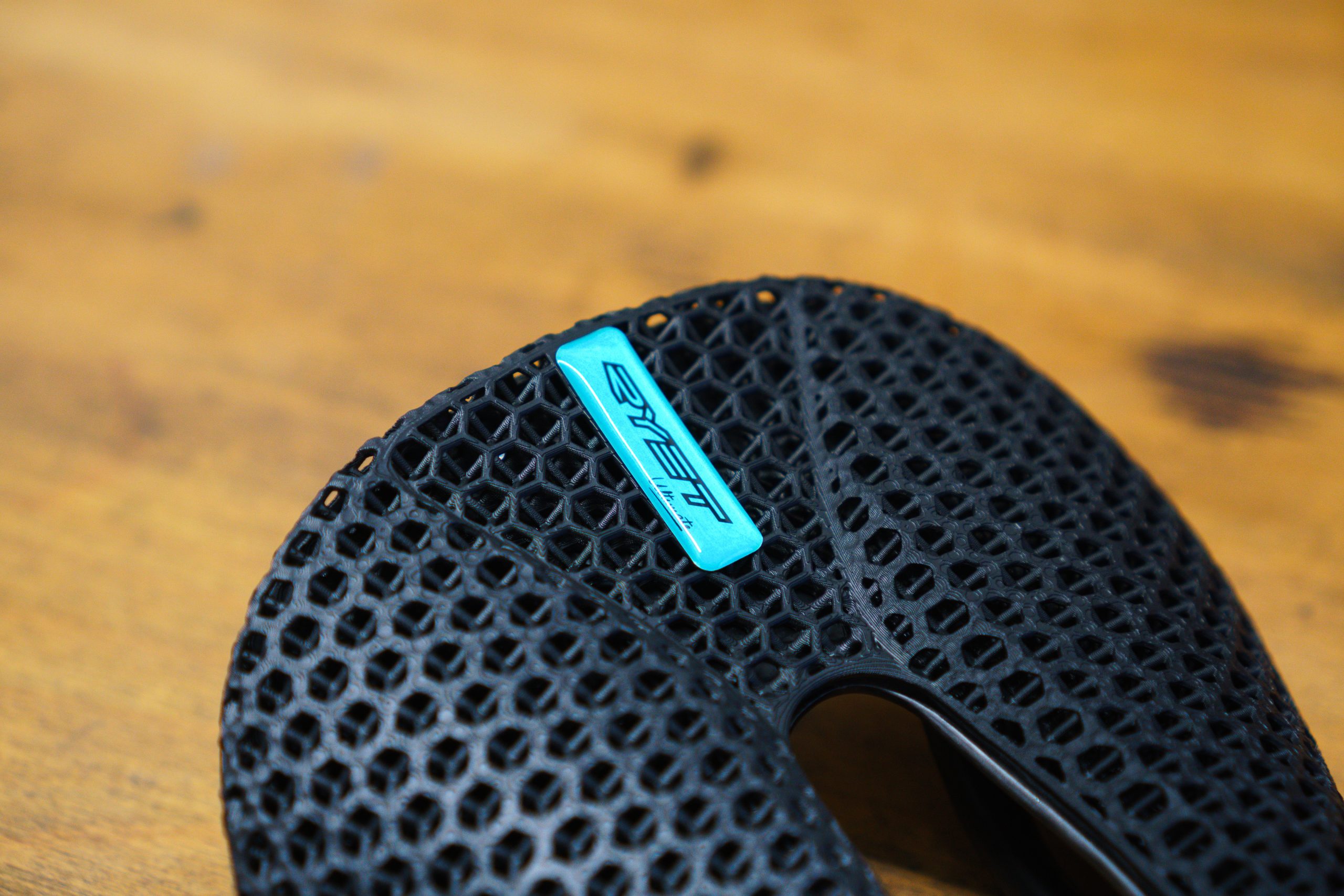
The shape features a slight rise at the rear, and there’s also a generously sized pressure-relief cut-out. It comes in a single size of 235x140mm. Like the Trek Aeolus, that puts it squarely in the modern, short-nosed saddle category.
That’s intentional, of course – I selected a model and shape that was as similar as possible to the Trek saddle in order to make for a fairer comparison, and not have my findings simply come down to which shape I preferred.
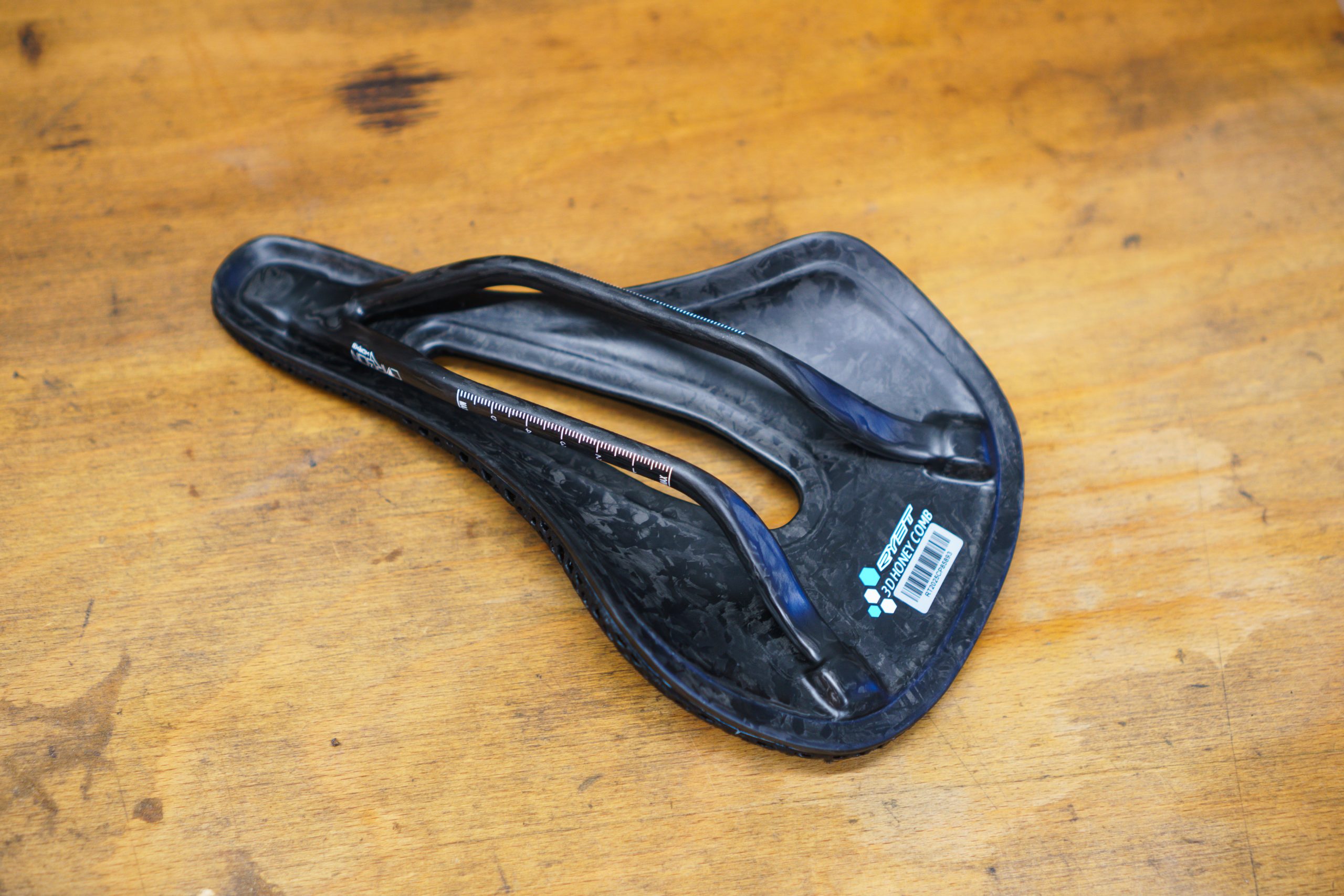
If you prefer a different shape, RYET offers a number of options, many of which appear to be ‘inspired’ by existing models from big brands.
The listing on AliExpress says the saddle comes with a one-year warranty against defects. This doesn’t cover accidental damage, but it says RYET has a ‘lifetime crash replacement’ policy.
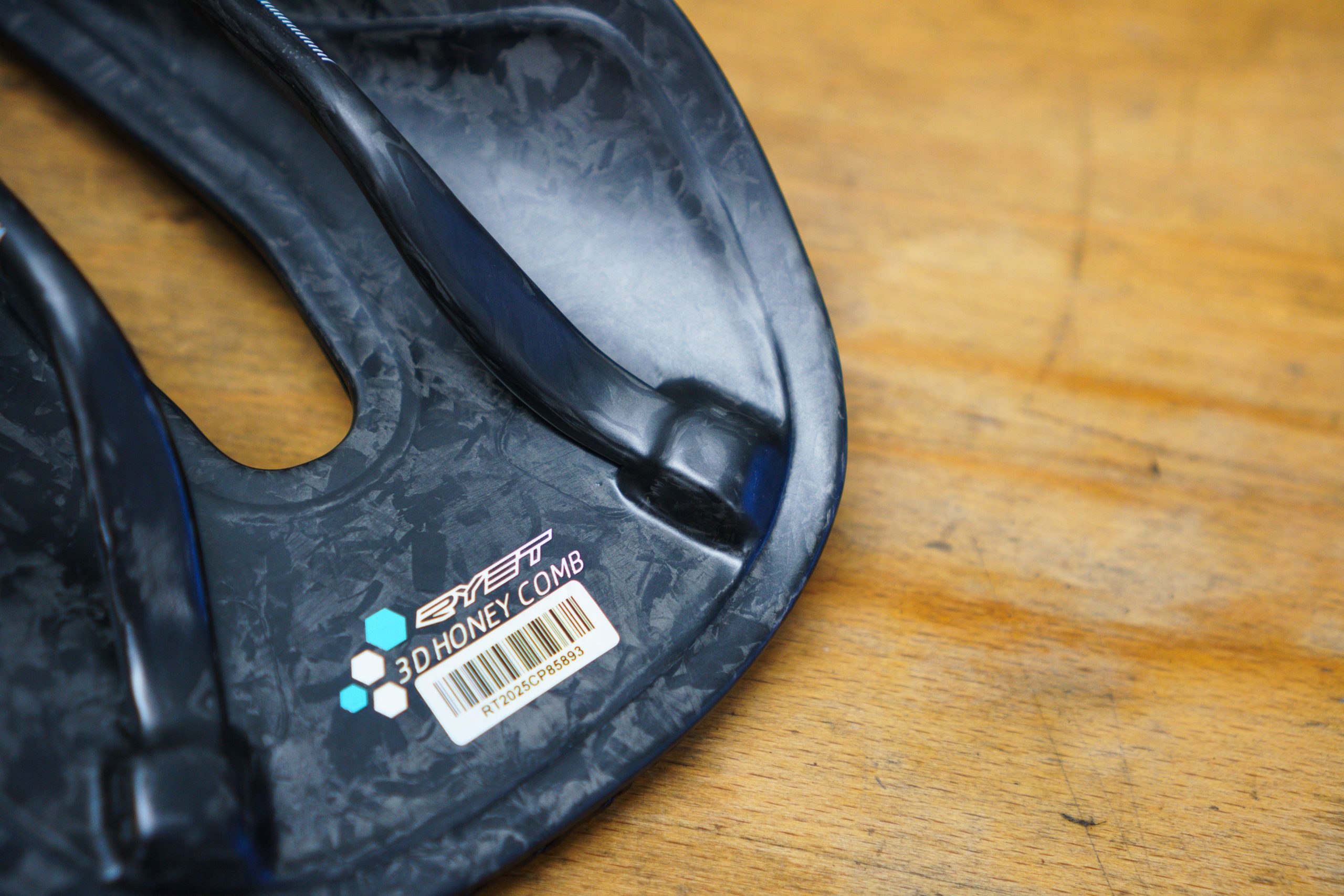
Of course, I’d take this guarantee with a pinch of salt. There’s no RYET retail outlet to walk into for support – the brand doesn’t even have a website, as far as I can tell – so you’ll be left trying to sort things out via AliExpress if you have any issues.
That’s par for the course for AliExpress cycling products, though, and is part of the reason much of the stuff on that platform is so cheap.
Trek Aeolus RSL AirLoom saddle first impressions
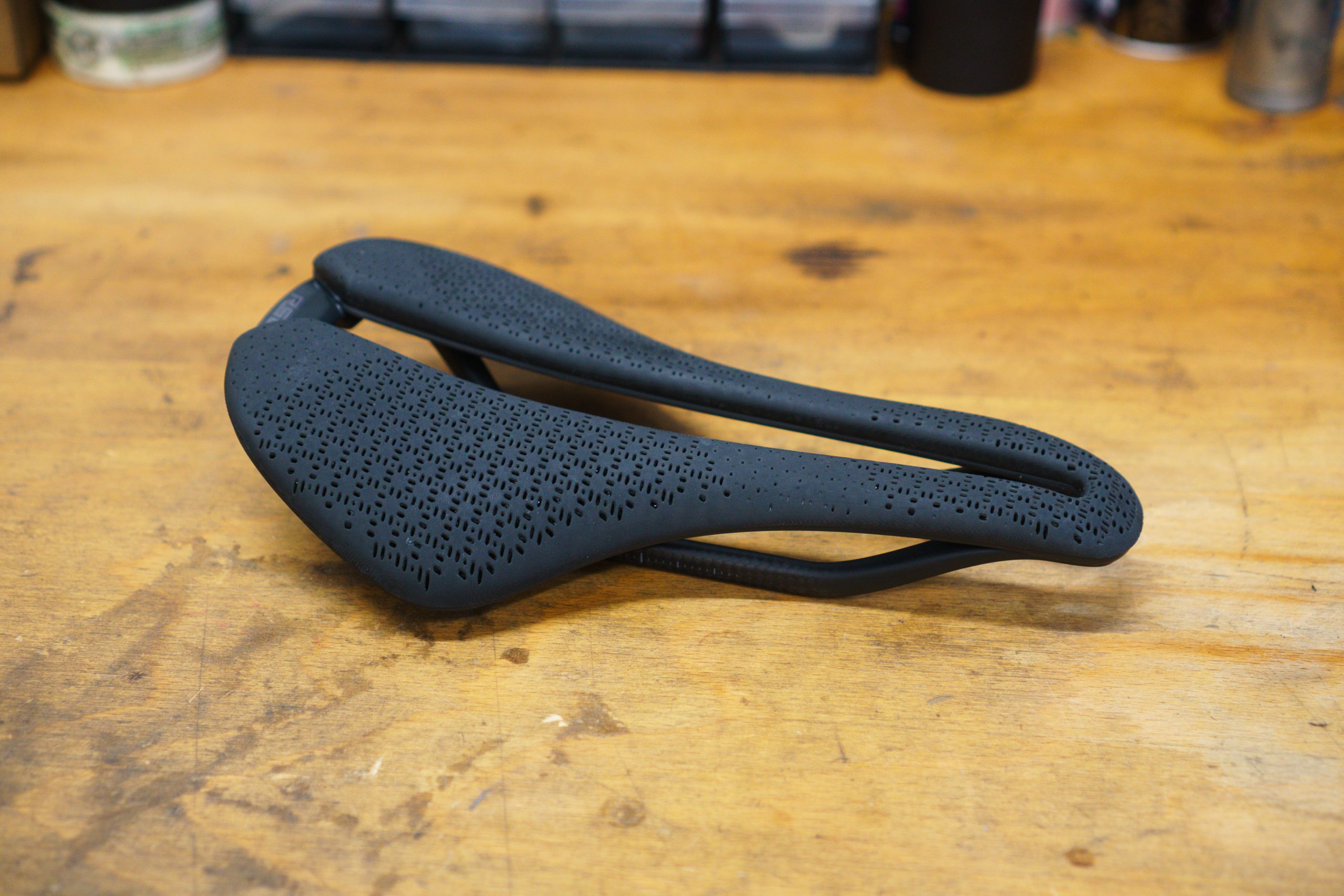
The Trek 3D-printed saddle is altogether more restrained in its appearance.
That’s not necessarily a bad thing – subtle branding and a matt finish mean it ought to blend in well with almost any bike build, rather than standing out.
The shell is constructed using 3k carbon fibre, again with a matt finish, with the one-piece rails glued on.
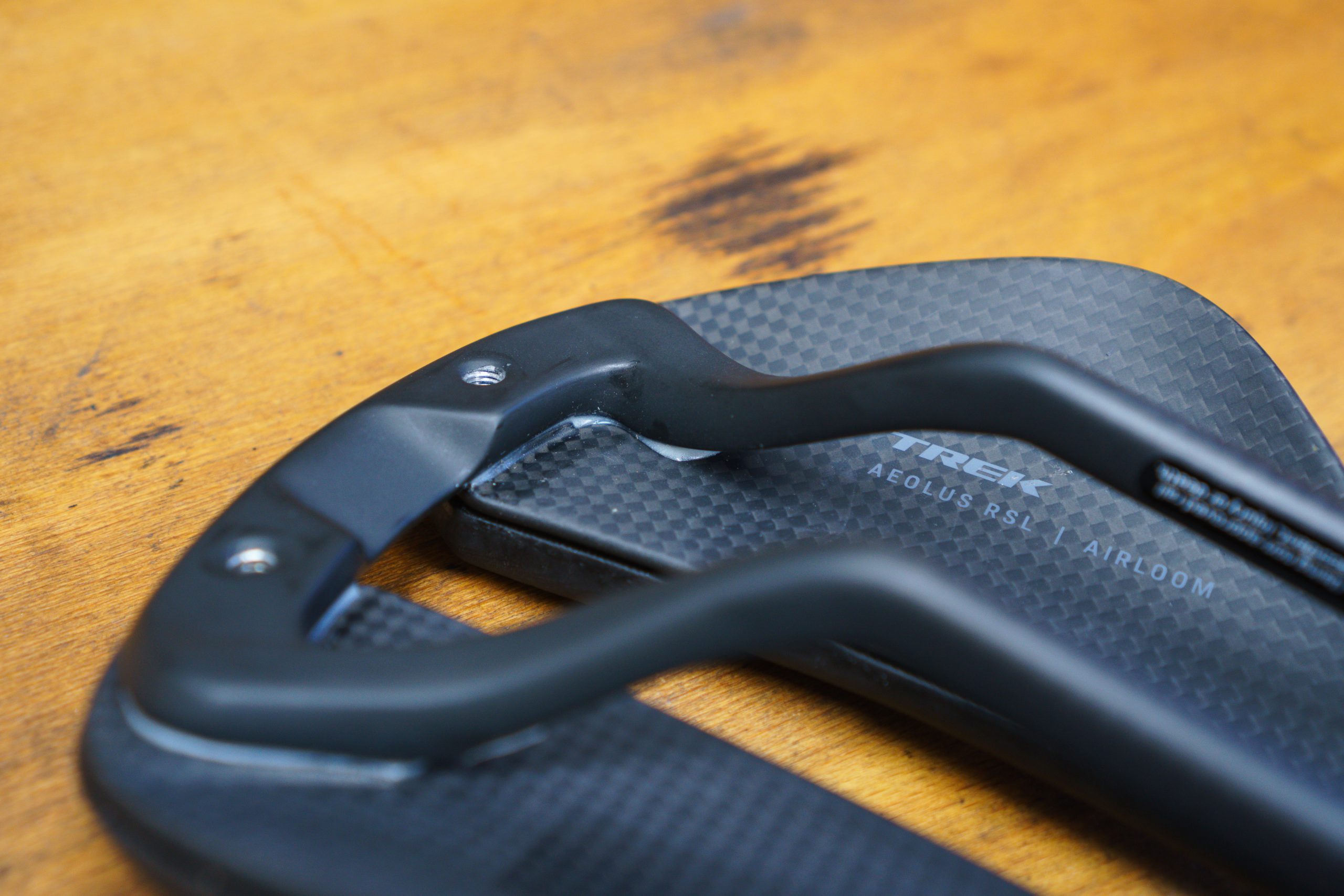
Unlike on the RYET saddle, the glue attaching the rails to the saddle base on the Trek saddle is clearly visible. It’s not messy by any means, but the Trek saddle looks more ‘handmade’ – which is remarkable considering the cost difference.
Of course, looks can be deceiving and this isn’t necessarily any indication of relative quality or durability.
The carbon rails on the Trek saddle are much more uniformly shaped, however, and they’re more parallel – with only 0.2mm of deviation from front to rear.
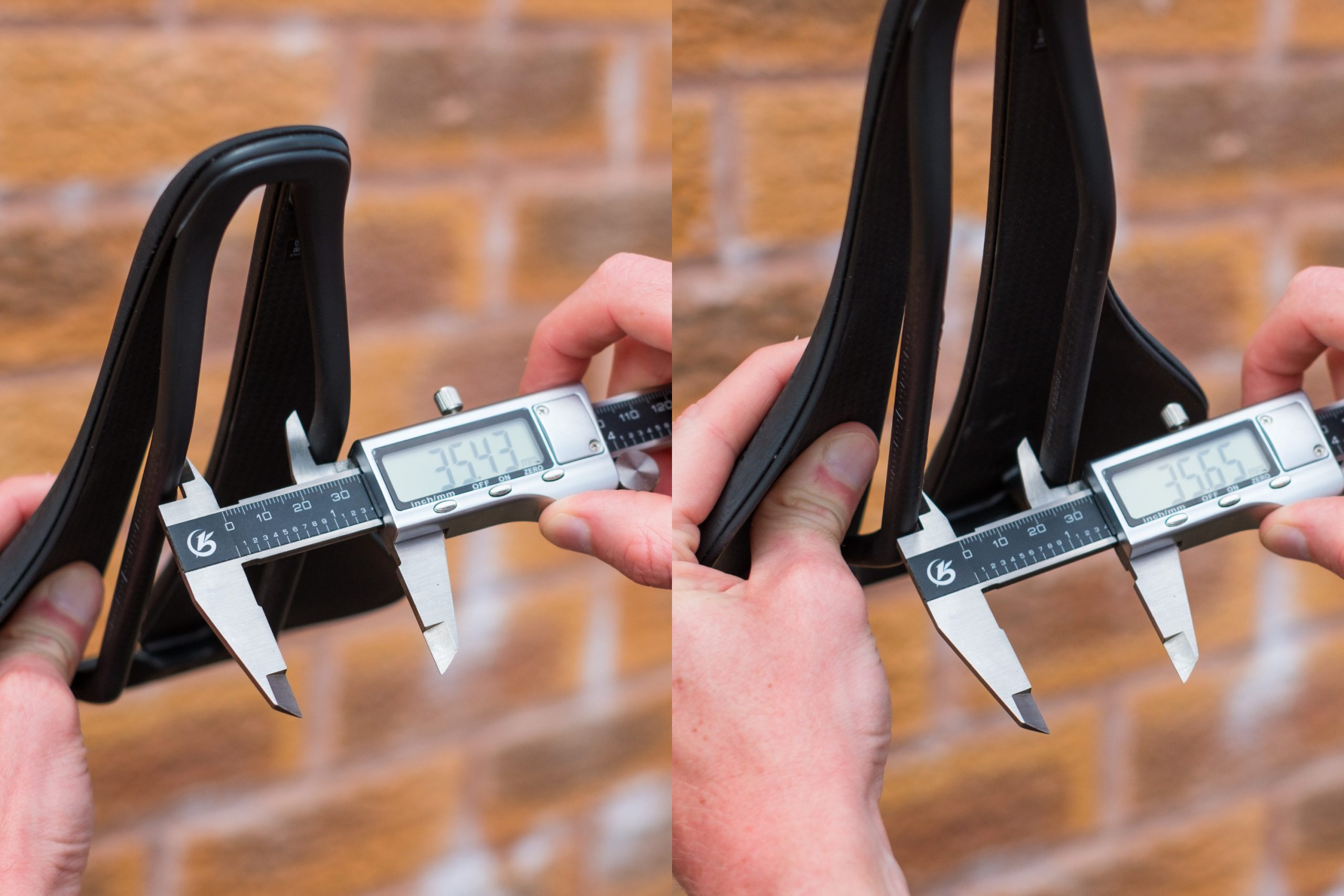
They also have around 9cm of adjustment range, which gives you an enormous amount of scope to optimise your saddle setback.
There is, though, a sticker on the rails saying the saddle can only be used on “Bontrager seatposts with 7 x 10 rail clamps”, and that “non-approved rail clamps can cause saddle rails to break, resulting in an accident, injury or death”.
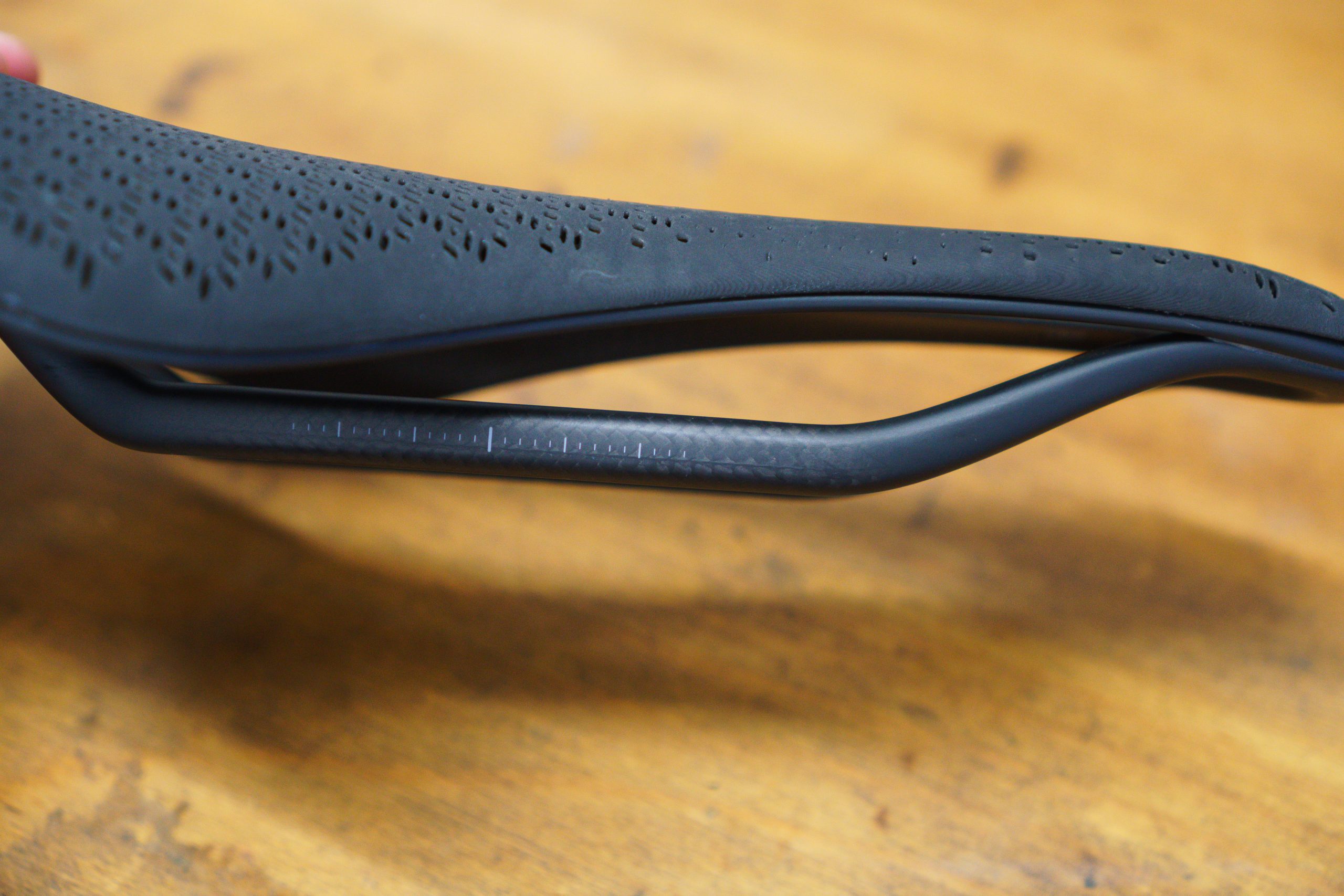
Although it’s not unusual to see clamp dimensions specified for carbon rails, a requirement to use a specific seatpost is less typical.
The 3D-printed padding uses a more closed lattice, with more variation in appearance and distinct firmness ‘zones’.
In contrast to the RYET saddle, Trek’s AirLoom 3D-printed padding is firmer at the rear and tangibly softer at the nose.
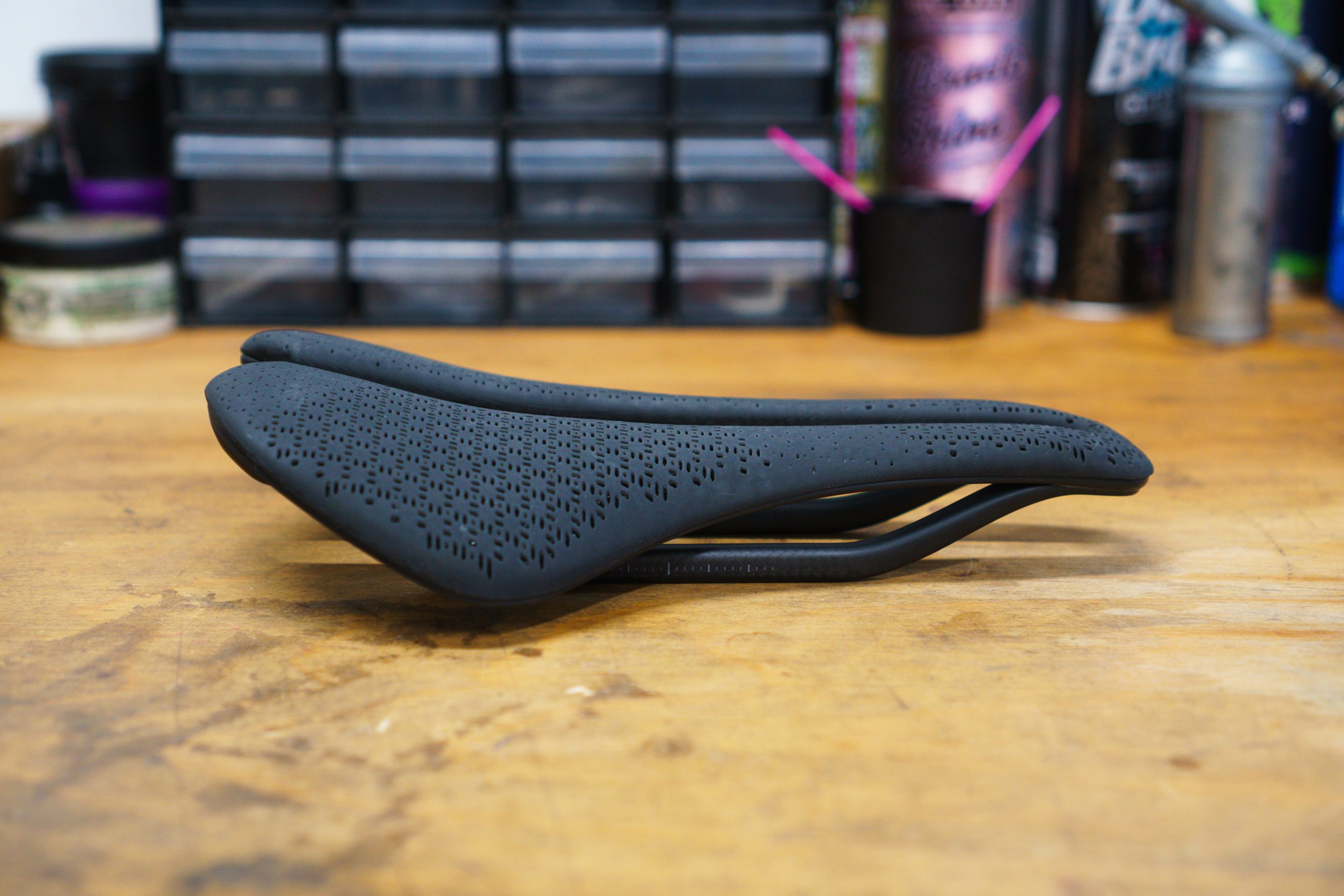
The cut-out extends almost the full length of the saddle, closing only right at the tip of the nose.
Lastly, the Trek saddle also includes two threaded holes for use with Trek’s range of Blendr accessories (such as lights, saddle bags and so on), which perhaps contributes to its slightly heavier weight of 168g.
Although the Aeolus is the only model Trek offers with its 3D-printed AirLoom padding, cheaper models are available, starting with the £169.99 / $174.99 / €189.99 Aeolus Elite AirLoom saddle (which features a plastic base paired with ‘austenite’ steel rails).
There are three sizes available, though – 250x 135, 145 and 155mm. I tested the 145mm-wide version (the same width as my existing Trek Aeolus saddles).
Trek also offers a '30-Day Unconditional Guarantee', meaning you can return or exchange it within 30 days, if you ride it and decide it’s 'not quite right'.
Of course, if you prefer a different shape or model of saddle, most other major brands – such as Specialized, Fizik, Selle Italia and so on – offer 3D-printed saddles in a range of shapes, sizes and materials.
Ride impressions
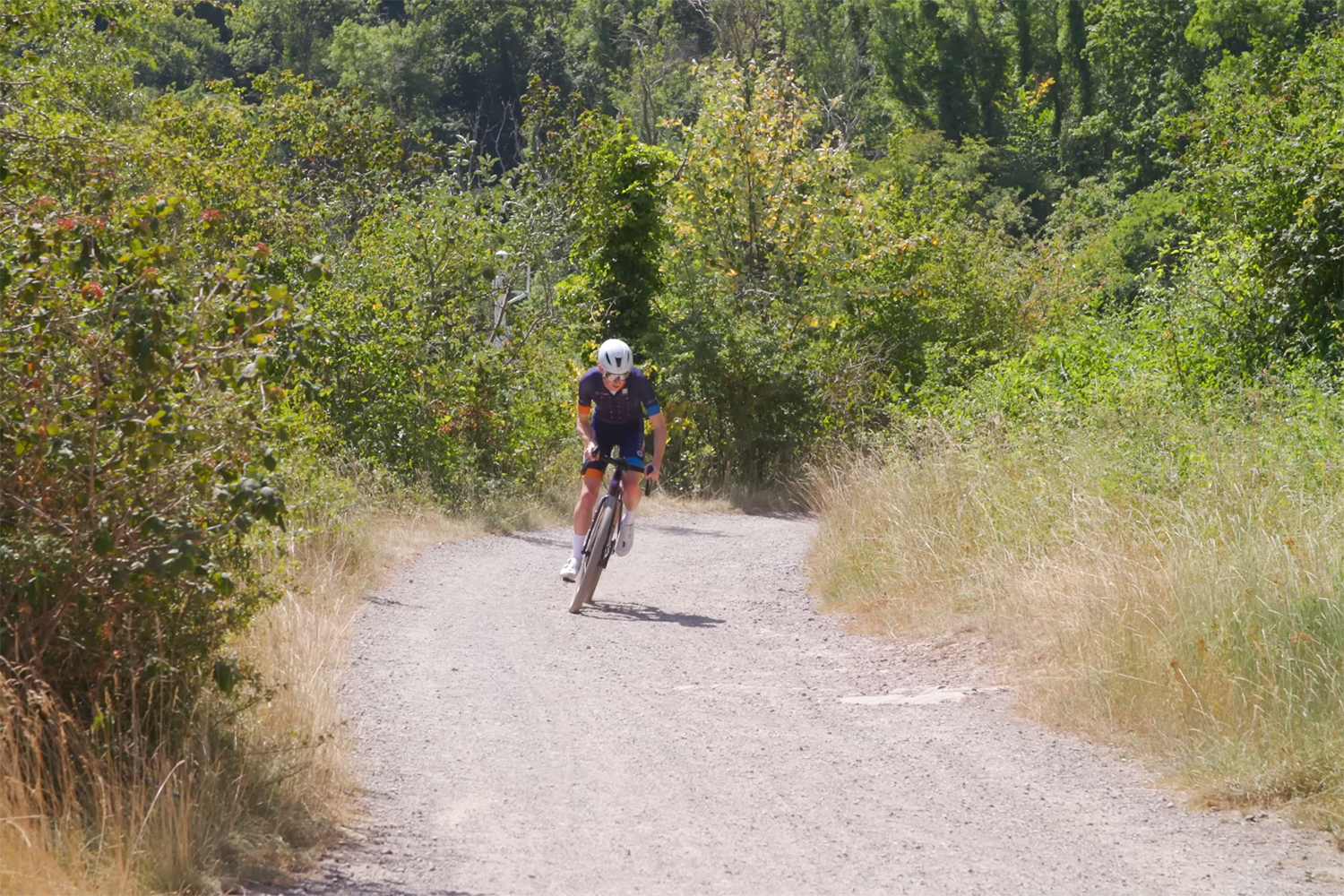
What matters most with any saddle is, of course, how comfortable it is while riding.
Saddle choice and setup are personal, to a degree – James Thomas, also known as BikeFit James, has previously argued that saddle choice isn’t as subjective as many riders believe.
I chose these two 3D-printed saddles to compare, however, because the Trek / Bontrager Aelous shape is a personal favourite and the RYET X6P was the option that most closely matched that.
I tested the saddles back-to-back on my Kinesis GX Race gravel bike, on a local trail.
Trek Aeolus RSL AirLoom
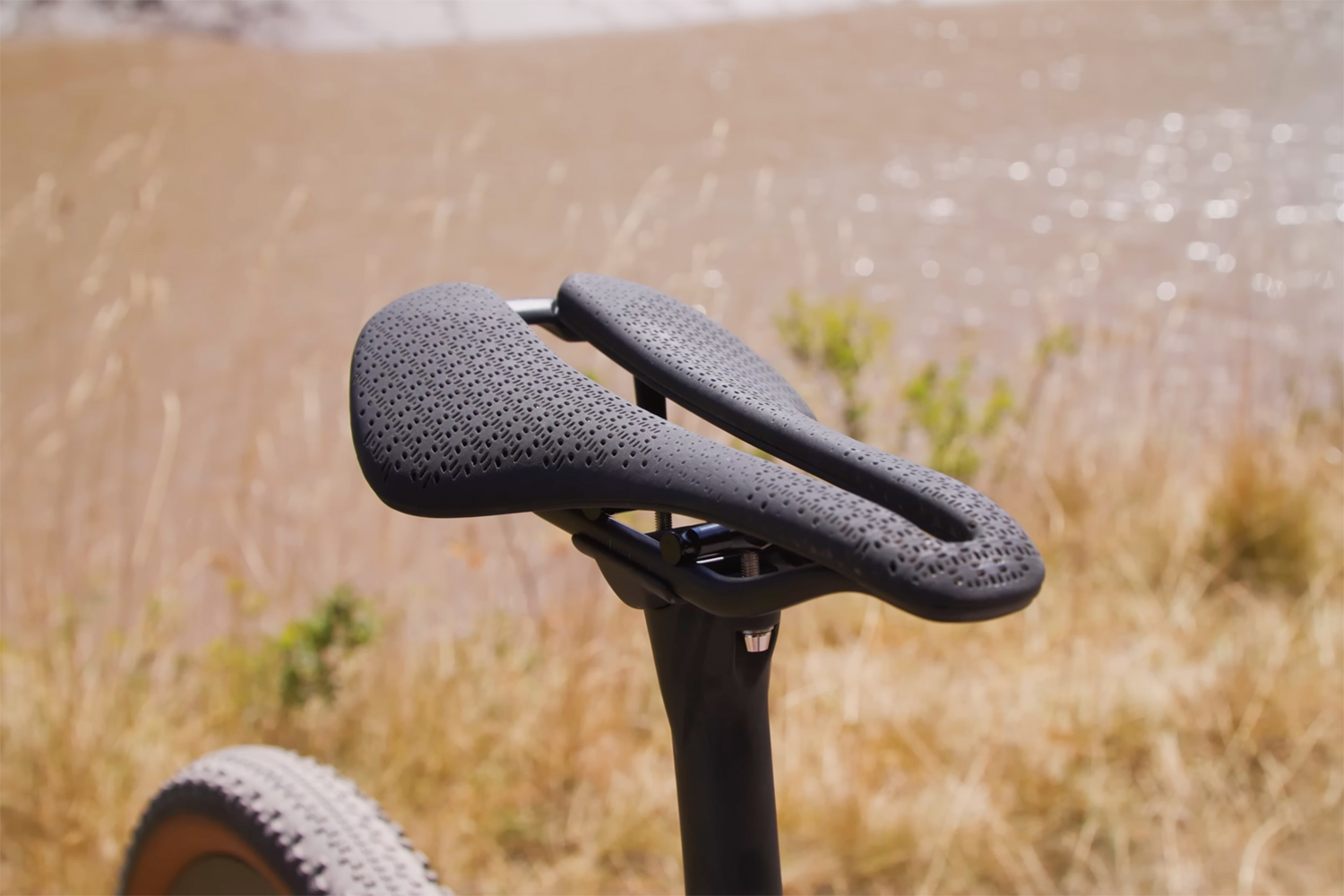
I tested the Trek saddle first, replacing the standard, foam-padded Trek Aeolus Elite saddle my Kinesis was equipped with.
Given the shape is identical, it’s perhaps no surprise that the general comfort of the Aeolus RSL AirLoom saddle was practically identical to what it replaced.
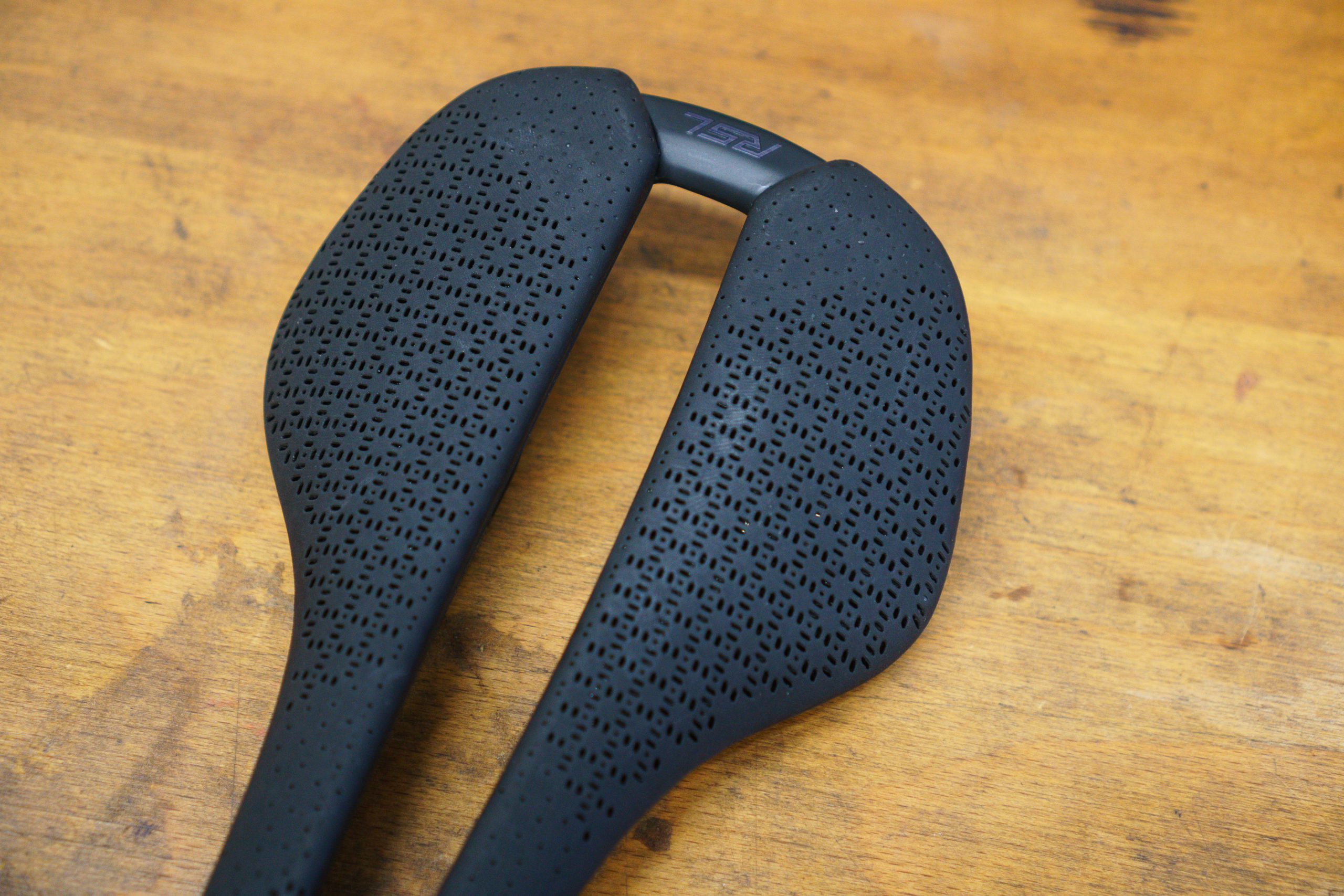
It’s a little firmer at the rear than the standard padding, but this means it offers plenty of sit bone support, and I didn’t experience any additional soft-tissue pressure when tucking down into the drops of the handlebars.
Overall, it was excellent – although I’d question whether it represents much of an upgrade over the relatively cheap (£79.99 / $99.99 / €89.99) foam-padded version it replaced.
RYET X6P
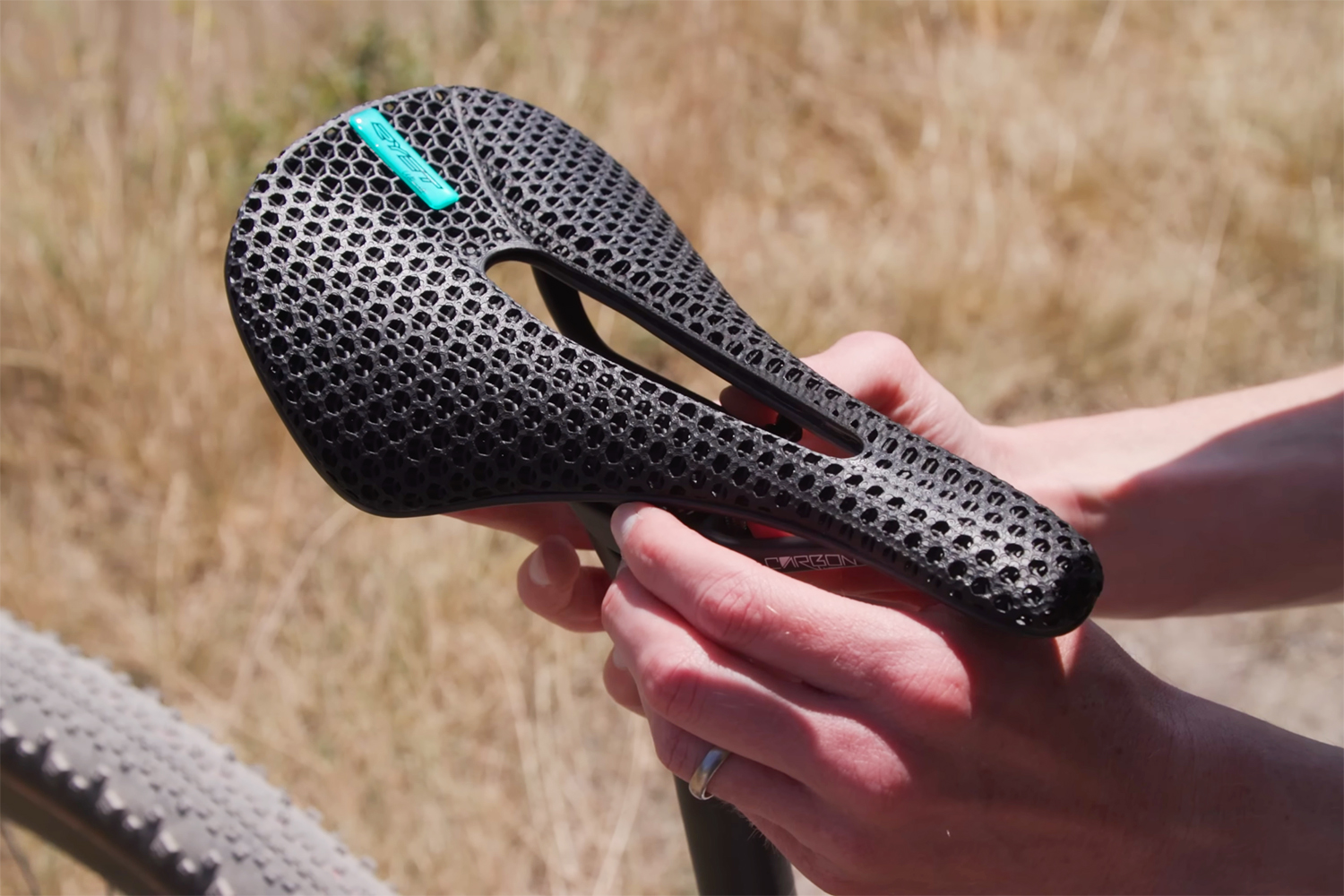
In contrast, it was obvious immediately that the RYET saddle trips up at this final and most important hurdle.
Despite the irregularly shaped rails, the RYET saddle didn’t pose any setup issues on an Elita One carbon seatpost (another AliExpress purchase), but that’s where the positives unfortunately end.
As noted earlier, the RYET padding is softer at the rear and harder at the front – which is the opposite of what you want from a saddle.
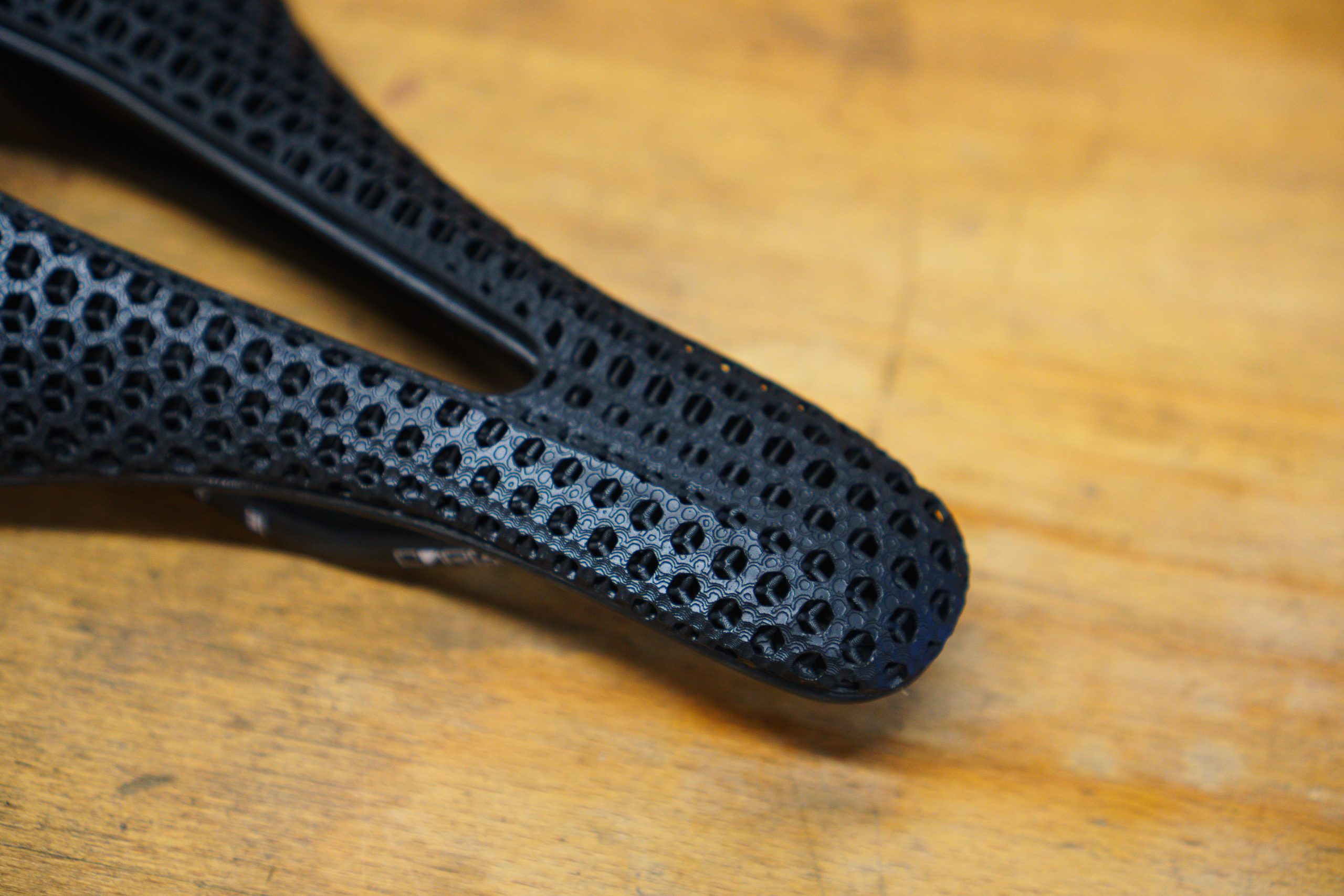
Even for someone as light as myself (I weigh around 66kg), I found the soft rear lacked sufficient sit-bone support, leaving me feeling pressure points on the solid carbon base almost immediately – even with padded cycling shorts.
Tucking down into a more aggressive riding position also led quickly to an uncomfortable amount of soft-tissue pressure from the relatively firm nose.
£30 versus £300 3D-printed saddles – bottom line
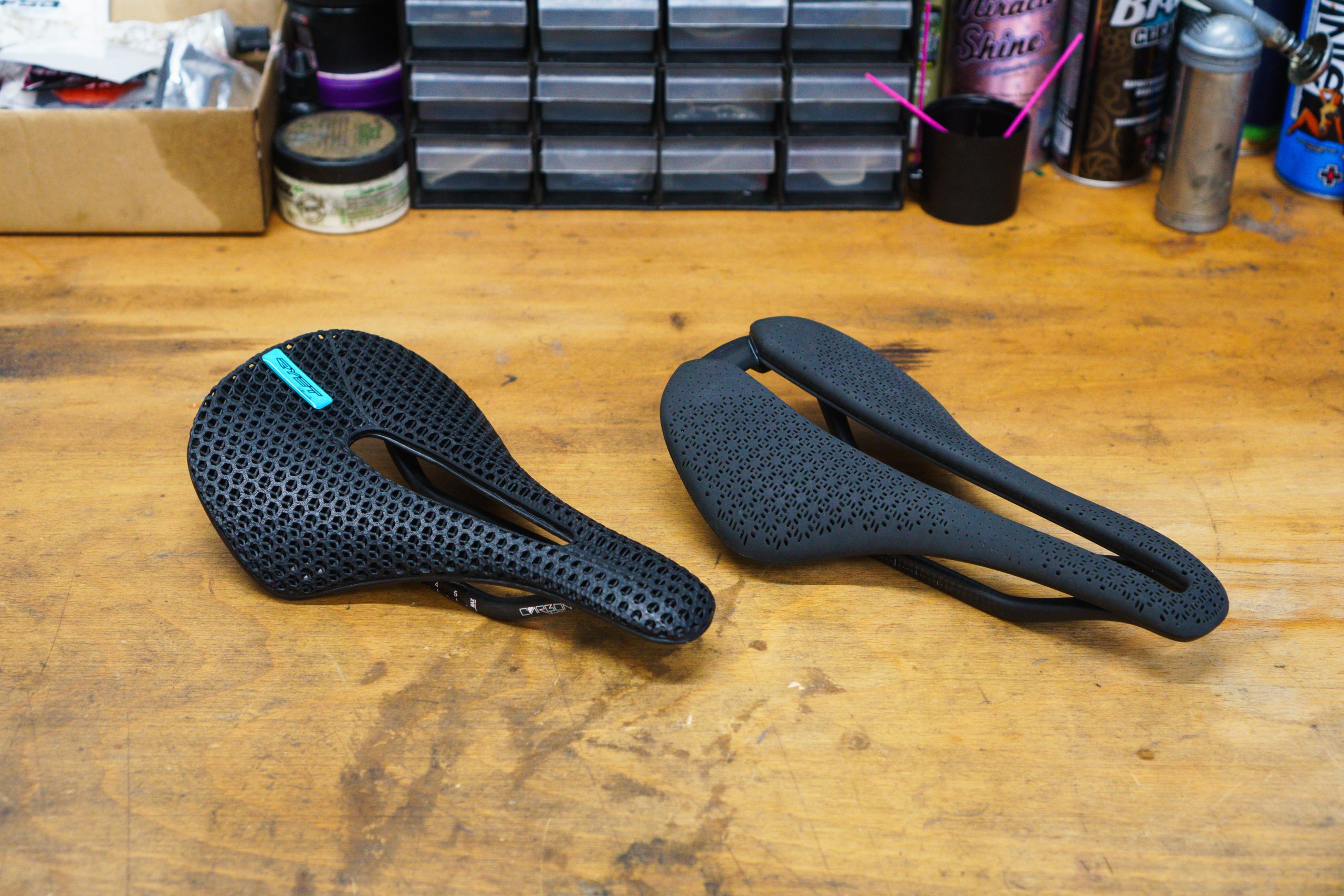
It likely comes as little surprise that a £30 saddle isn’t as comfortable as a £300 one, or even an £80 one. You get what you pay for, at the end of the day.
It’s worth keeping things in perspective, though. If you walked into your local bike shop with £30 to spend, you’d be unlikely to come out with anything as good as this (although there are a number of significant and important reasons why bike shops can’t compete with AliExpress sellers, of course).
The RYET saddle wasn’t unrideable by any means, either – it simply wasn’t as comfortable and supportive as either the super-expensive Trek 3D-printed saddle or a mid-range foam-padded saddle.
So while I don’t see it replacing my standard Trek Aeolus saddle in the long-term, it could be a good-value option for a hill climb or criterium racing bike – where races are short and low weight a priority.
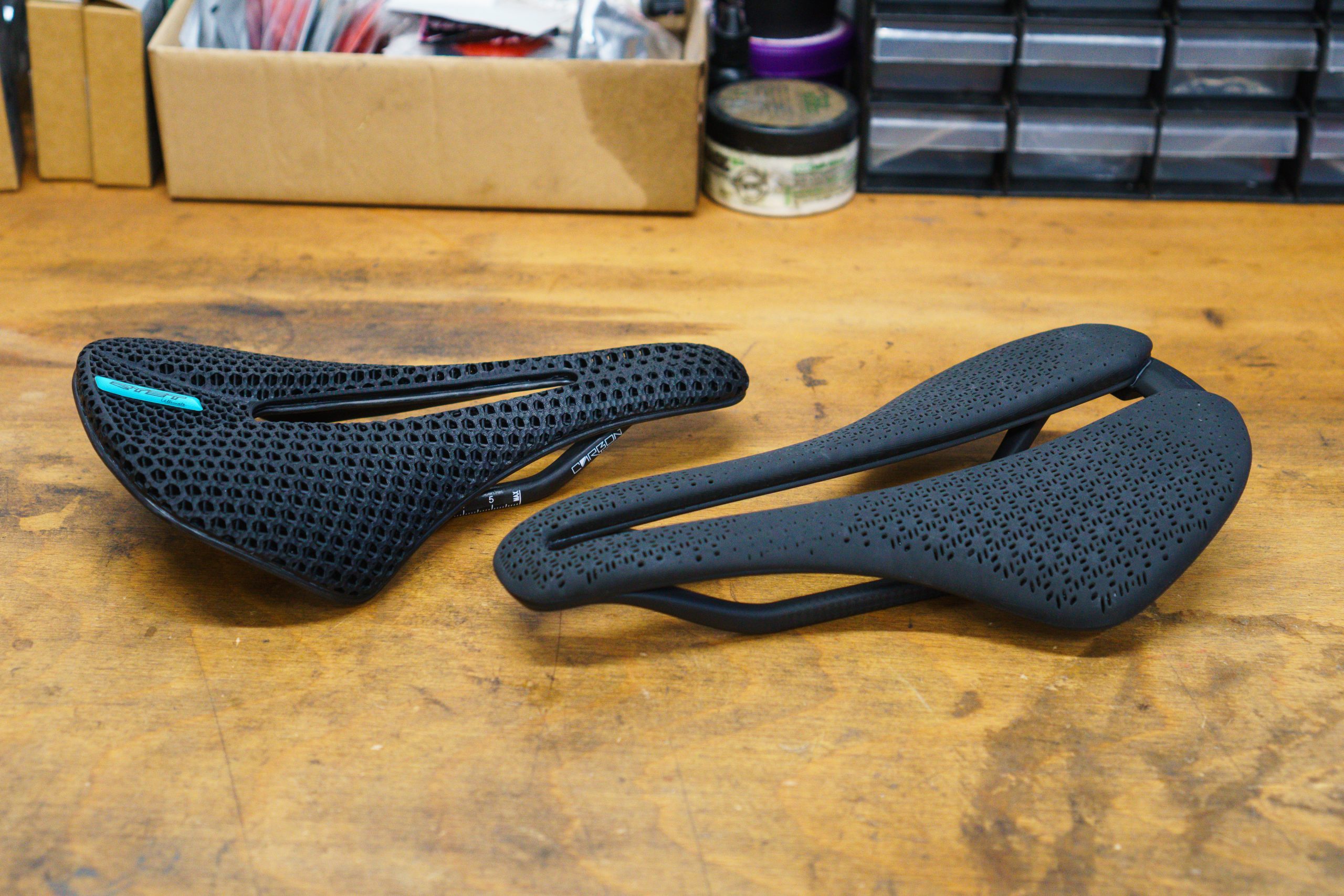
At the other end of the pricing spectrum, the case for the Trek Aeolus RSL AirLoom is also difficult to make. Although it’s excellent in isolation, the comfort isn’t a clear step up from the foam-padded version with steel rails that I already have, and the price difference is enormous.
That likely applies to every expensive 3D-printed saddle, though. Top-end bike gear is nearly always subject to diminishing returns, and if you want ‘the best’ of anything you often have to pay through the nose for it.
Trek’s unconditional 30-day money back guarantee also reduces the risk of splashing out on something that doesn’t suit you.
The big question that remains outstanding for both saddles is durability. Can these featherweight carbon saddles hold up to long-term use and abuse? I’ll keep testing both over the coming months to try to find out, so stay tuned for more.