Modern ebikes use big, powerful batteries, but sometimes even they aren’t big enough and you run out of juice mid-ride.
The assistance today's electric bike systems offer is often incredible, but if the battery dies, you’re left with a heavy bike to pedal home.
The best way to avoid a dead ebike and ameliorate range anxiety is to manage your battery capacity effectively. However, if you find yourself on the trail or far from home on a road ride with a flat battery, here are some handy tips to help you deal with the situation.
What happens when your ebike battery runs out?
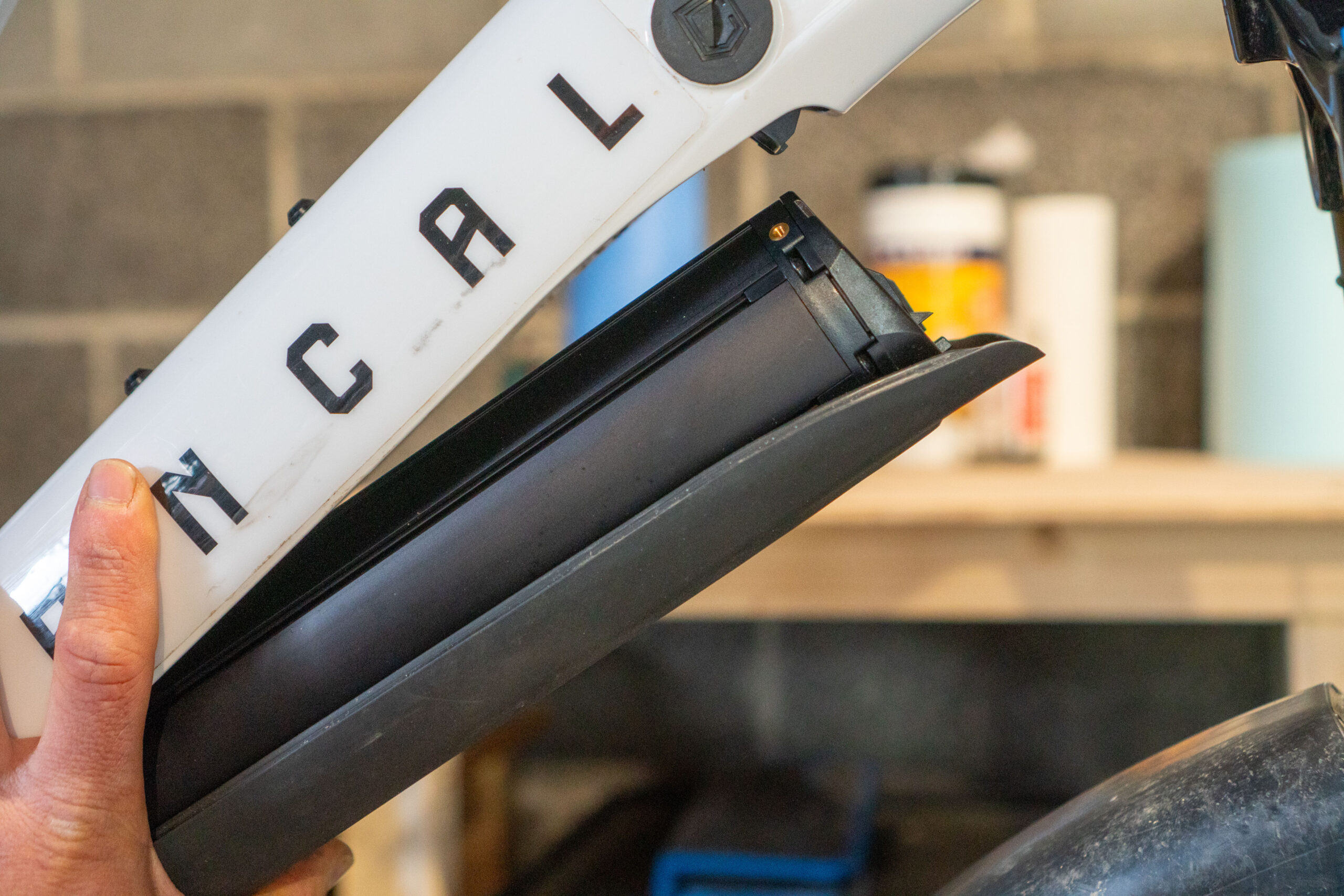
Electric bikes have many benefits, but if they’ve got no power, all that technology can suddenly become a dead weight. Even worse, some ebike motors can suffer from a lot of drag when assistance is unavailable, meaning there is more resistance than on an unassisted bike.
To compound the inconvenience even further, on many modern electric bikes, you could lose your gears or dropper post functionality when the main battery runs out.
Modern ebike batteries range from 250Wh to over 800Wh in capacity. They power the motor, which in turn provides assistance when you pedal the bike. In some instances, they also power the bike's display and even ancillary equipment such as navigation systems, derailleurs, dropper posts, electronic suspension and lights.
The integration of electronic components, using the main ebike battery to run satellite components such as the derailleur, or even the dropper post in the case of Giant’s E+ Contact dropper and Orbea’s RS system, is a boon, but leaves you hampered when the battery goes flat.
You're left with a heavy bike to pedal home, resistance from the motor adding to the fatigue, and the worry your shifting or dropper post could die at any minute. So, what can you do to avoid this nightmare?
Map the easiest route back
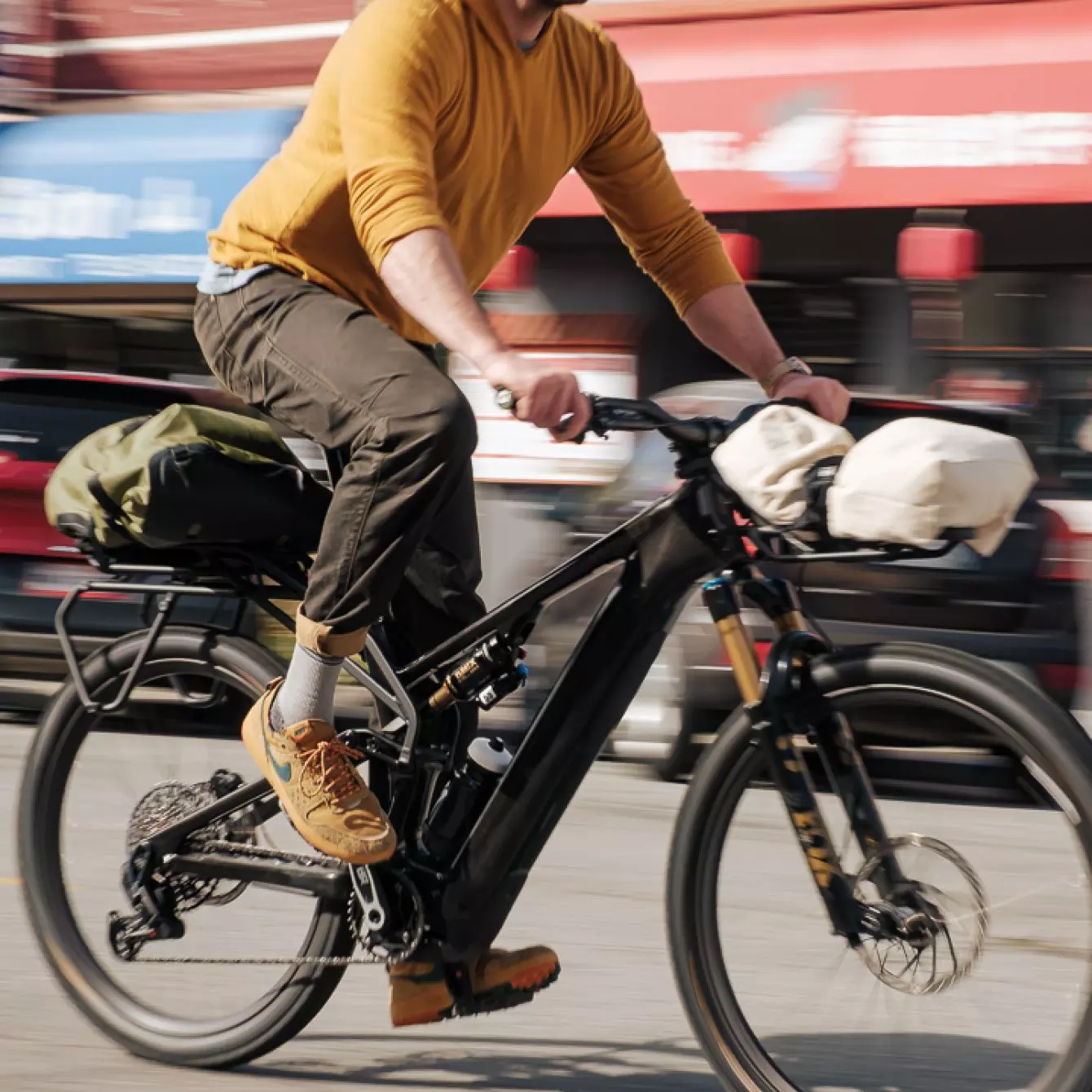
If your ebike battery goes flat while you're out riding, it’s often best to abandon your planned route and try to find the easiest route back.
If you’ve run out of juice on a ride, see if you can find a map or use a navigation app if your phone or GPS still has battery power. Come up with a plan to find the most direct, flat route back to civilisation. This will often be along a fire road, cycle path or road.
This is especially applicable if you're riding an electric mountain bike because mountain bike trails are typically rough and undulating. Some bike parks and trail centres have access routes for service vehicles, which are as smooth, flat and direct as possible. As long as there’s public access and it’s safe to use these routes, they could be your best bet.
If you’ve lost functionality from your gears or dropper post, a flatter, smoother route should reduce the number of gear or seat height changes you need to make on the rest of your ride.
Carry a spare battery for ancillary components
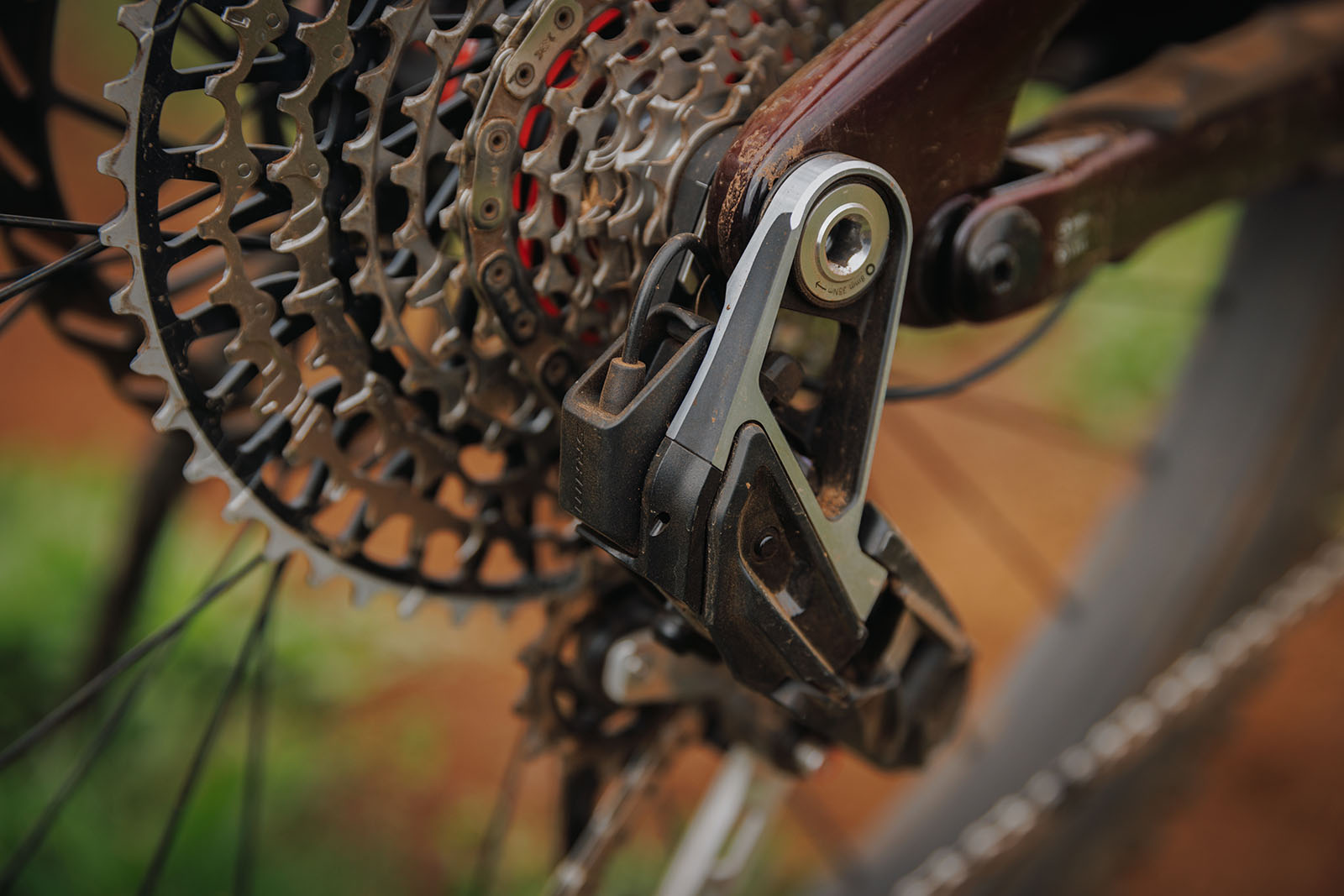
If you use mechanical gears and a mechanical dropper post, these will function fine regardless of your ebike’s battery state. However, many modern ebikes use electronic gears that are integrated into the bike and piggyback off the main battery. The latest ebikes from Orbea and Giant use the main battery to power the dropper post, too.
Thankfully, this latest generation of wired electrical droppers should be able to keep functioning, even after your ebike stops providing assistance. Giant says its latest E+ Contact dropper post can be used 20,000 times even after the main battery is dead.
If your ebike uses electronic shifting wired into the main battery, the battery management software (BMS) can be programmed so you get around 200 emergency shifts even after the battery is too flat to provide power to the motor. Even so, you could carry a spare derailleur battery so you’ll have enough power to carry on shifting until you complete your ride.
SRAM AXS and Shimano Di2 batteries are compact and light at around 3.5 cubic centimetres and circa 25g. This means it’s not a big concession to carry a fully charged spare with you when riding.
You can unplug the ebike’s connector from the component and swap in a standalone battery, regaining the use of your gears even with the bike switched off. If you do this, it’s worth securing the umbilical cable from the ebike to stop it snagging and, if possible, cover the connector to prevent it becoming dirty or damaged.
Share a range extender with a friend
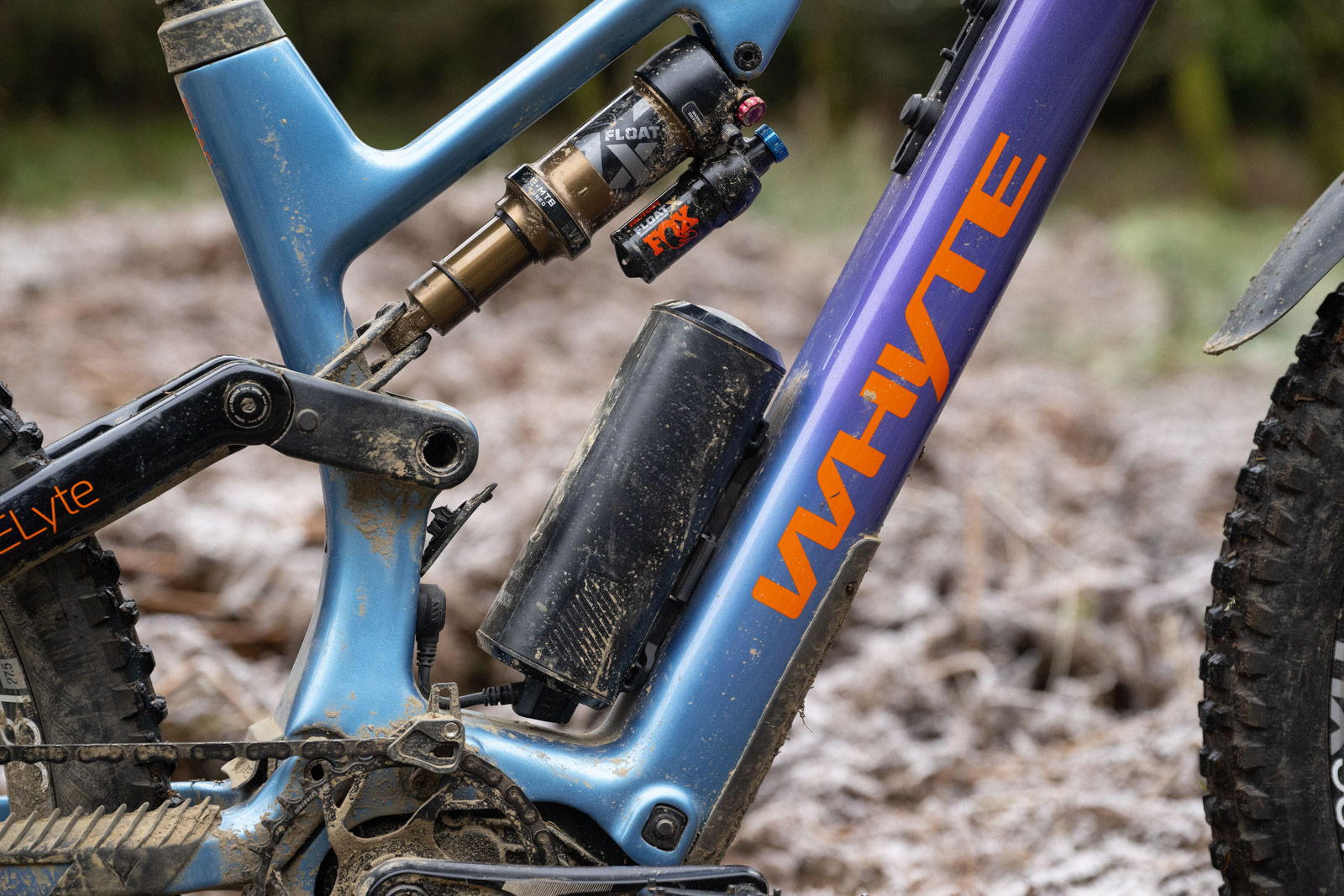
Range extenders are an external battery that plugs into the charging port, increasing your range or getting you home in an emergency. Most have a capactity of 160Wh to 280Wh, which is roughly a quarter of the capacity of an average ebike battery.
If you’re out riding with a friend who has an ebike with the same drive unit/battery brand as you and has a range extender, you could plug this into your bike to regain some power.
Range extenders can be used up in series, draining the range extender first, before your ebike’s battery. Others operate in parallel, using charge from the range extender and bike’s primary battery simultaneously. Some range extenders' battery management systems give you the choice between series and parallel.
If you want to save some battery power you can share with another rider in case of emergency, you need it programmed to drain in parallel. If you’re riding solo, programme it to drain in series, giving you the option to drop it off on the next lap, lightening your bike and eking out some extra miles in the process.