The best electric bike conversion kits will enable you to add a motor to your existing bike simply and relatively cheaply – at least compared to the price of buying a new electric bike.
There are an increasing number of ebike conversion kits out there, and they're getting more sophisticated and easier to install on your bike, making for a practical alternative to a new purpose-built electric bike.
You may still be weighing up whether to convert your existing bike or buy something new. Our guides to the best electric road bikes, the best electric mountain bikes and best electric hybrid bikes will help you decide.
An ebike conversion kit will include the motor to drive you along and the battery to power it. It also needs to provide the apparatus to control the power output level. This usually takes the form of a bar-mounted display.
In addition, a kit will include sensors to detect how fast you're travelling and your level of pedal input to ensure the power supplied matches your needs.
We've tested many electric bike conversion kits since their conception, so we know a good deal about what separates the good from the bad.
If you want a more detailed explanation of the different types of kit available and things to consider when purchasing an electric bike conversion kit, head to our explainer further down the page.
This buyer's guide was written by our staff writer, Nick Clark, who has brought together expertise from across the team while adding his personal experience in the saddle.
The reviews in this buyer's guide were written by Warren Rossiter.
Editor's note: this list was updated on 3 September 2026, transforming it into a best list with our high-scoring electric bike conversion kit reviews.
Best electric bike conversion kits
Boost ebike conversion kit
- £522 as tested by Warren Rossiter
- Pros: Easy setup; simple operation; minimalist looks; battery can be used as a power bank
- Cons: Limited availability; getting the right variation requires technical knowledge
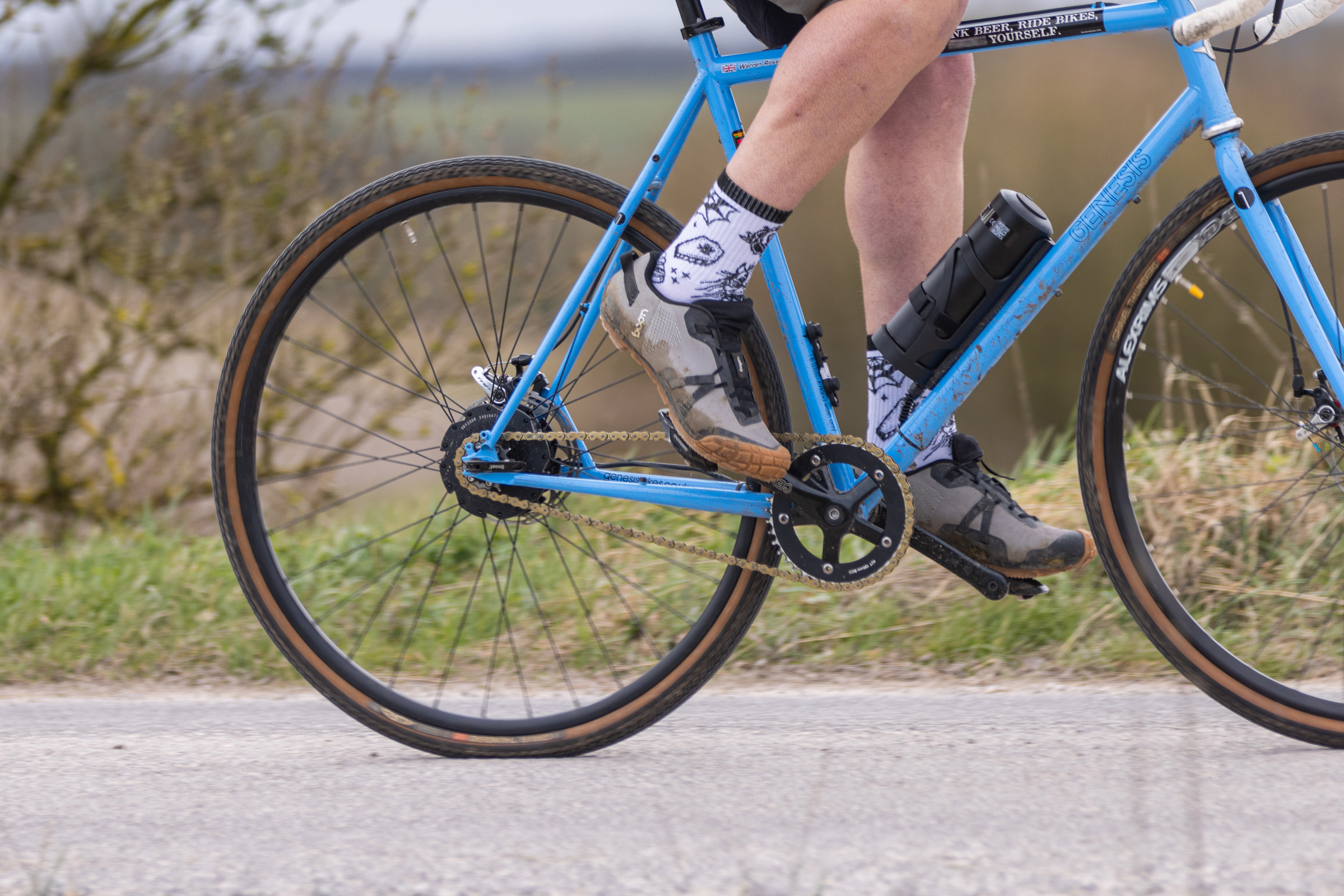
The Boost ebike conversion kit is a simple way to give an old bike a new lease of life. Its rear-hub motor delivers smooth, natural assistance and works particularly well on flat and rolling roads.
The system is relatively easy to fit, with plenty of wheel and axle options available.
Our tester was impressed by the range, managing 40.5 miles from the 216Wh battery on a mixed-surface ride. The battery can double as a power bank, too.
It can feel underpowered on steep climbs, while choosing the right specification requires some technical knowledge.
- Read more: Boost ebike conversion kit review
Skarper DiskDrive Ebike Drive System
- £1,495 as tested by Warren Rossiter
- Pros: Simple to fit; easy to remove; clever assistance; fast charging; good range; fits your existing bike
- Cons: No remote control or monitoring; battery-level light is hard to see when riding; pricey
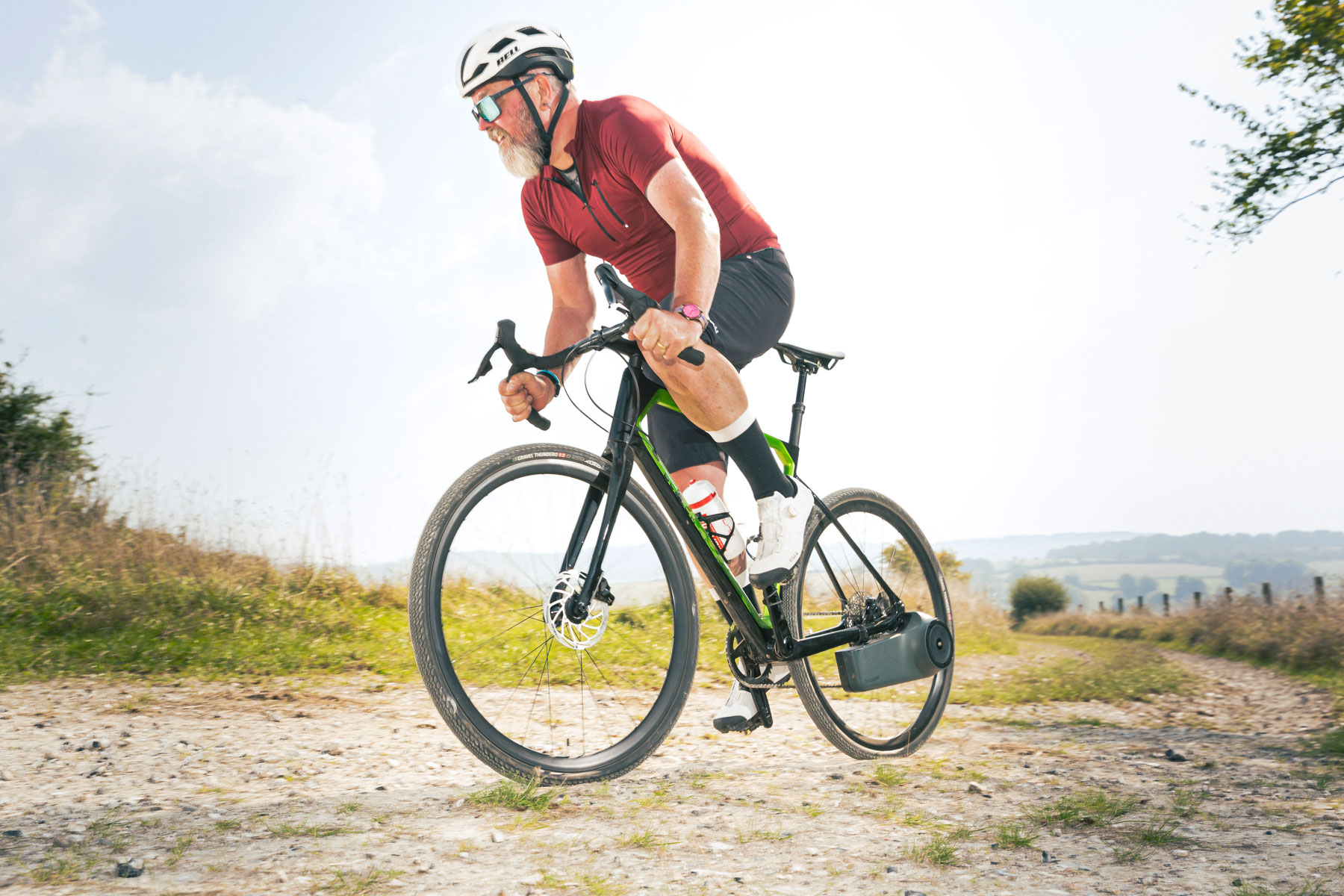
The Skarper DiskDrive is a clever ebike conversion system that can turn a regular bike into an ebike in seconds.
Its compact 3.9kg drive unit clips onto a special rear disc rotor, while a cadence sensor controls the assistance.
The system impressed in testing, with smooth power delivery and its Dynamic Climb system automatically increasing assistance on steeper climbs.
Range was also better than expected, with 71.5km achieved on a gravel ride and 90km on the road.
The biggest drawbacks are the £1,495 price and lack of a handlebar remote or useful battery display.
- Read more: Skarper DiskDrive Ebike Drive System review
Swytch Max+
- £999 as tested by Warren Rossiter
- Pros: Easy installation; clear instructions; simple to use; great value
- Cons: Front-wheel power takes a little getting used to; conversion is one-way
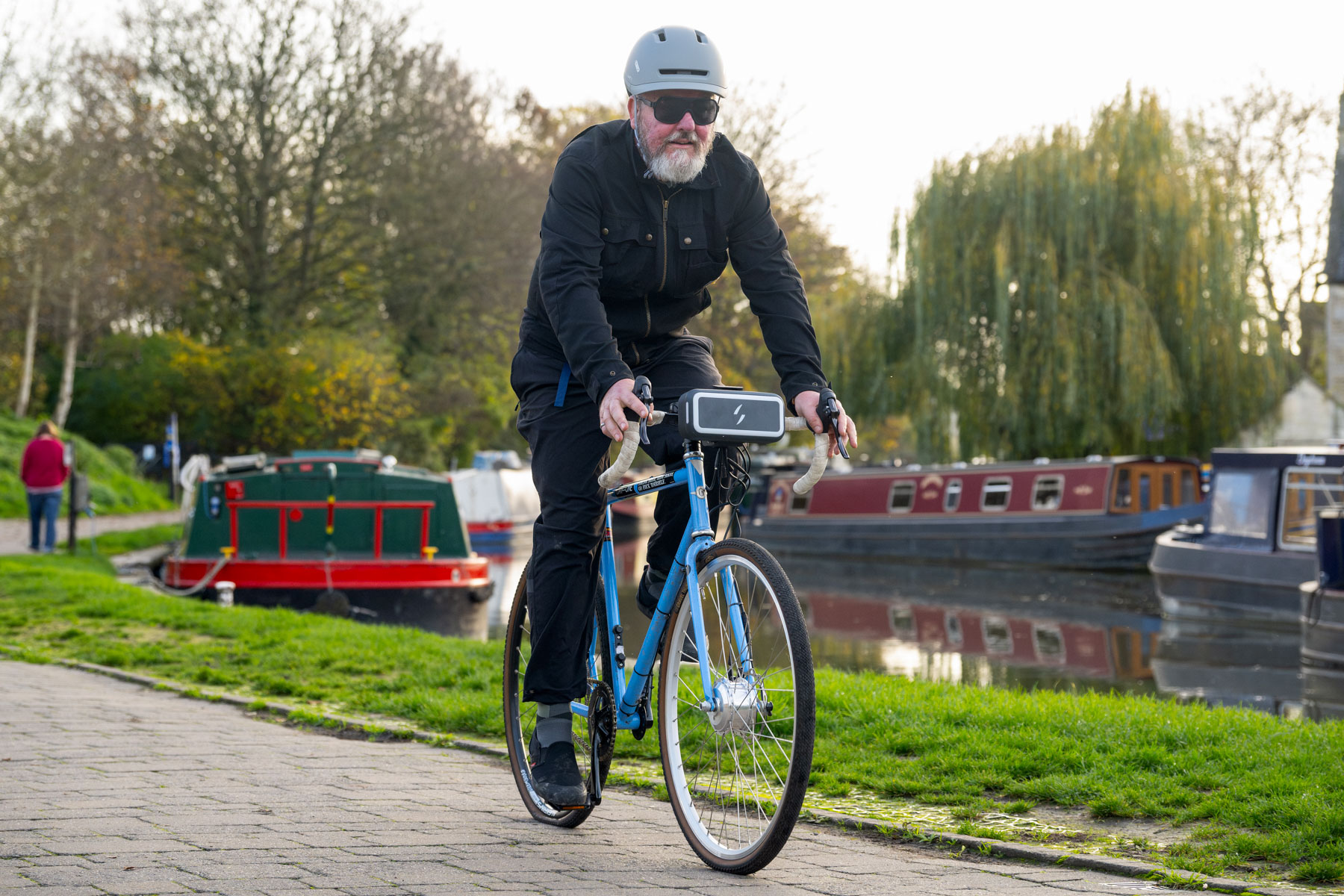
The Swytch Max+ is a smart, easy-to-fit way to turn an existing bike into an ebike. Its 250W front hub motor delivers up to 40Nm of torque, while the 272Wh removable battery offers a claimed 40-mile range.
Our tester found installing the Max+ straightforward, with the kit adding around 3.6kg to the overall weight of the bike.
The front-wheel drive takes some getting used to, particularly in wet conditions, but the Max+ offers five assist levels and useful USB-C charging.
- Read more: Swytch’s Max+ review
How we test electric bike conversion kits
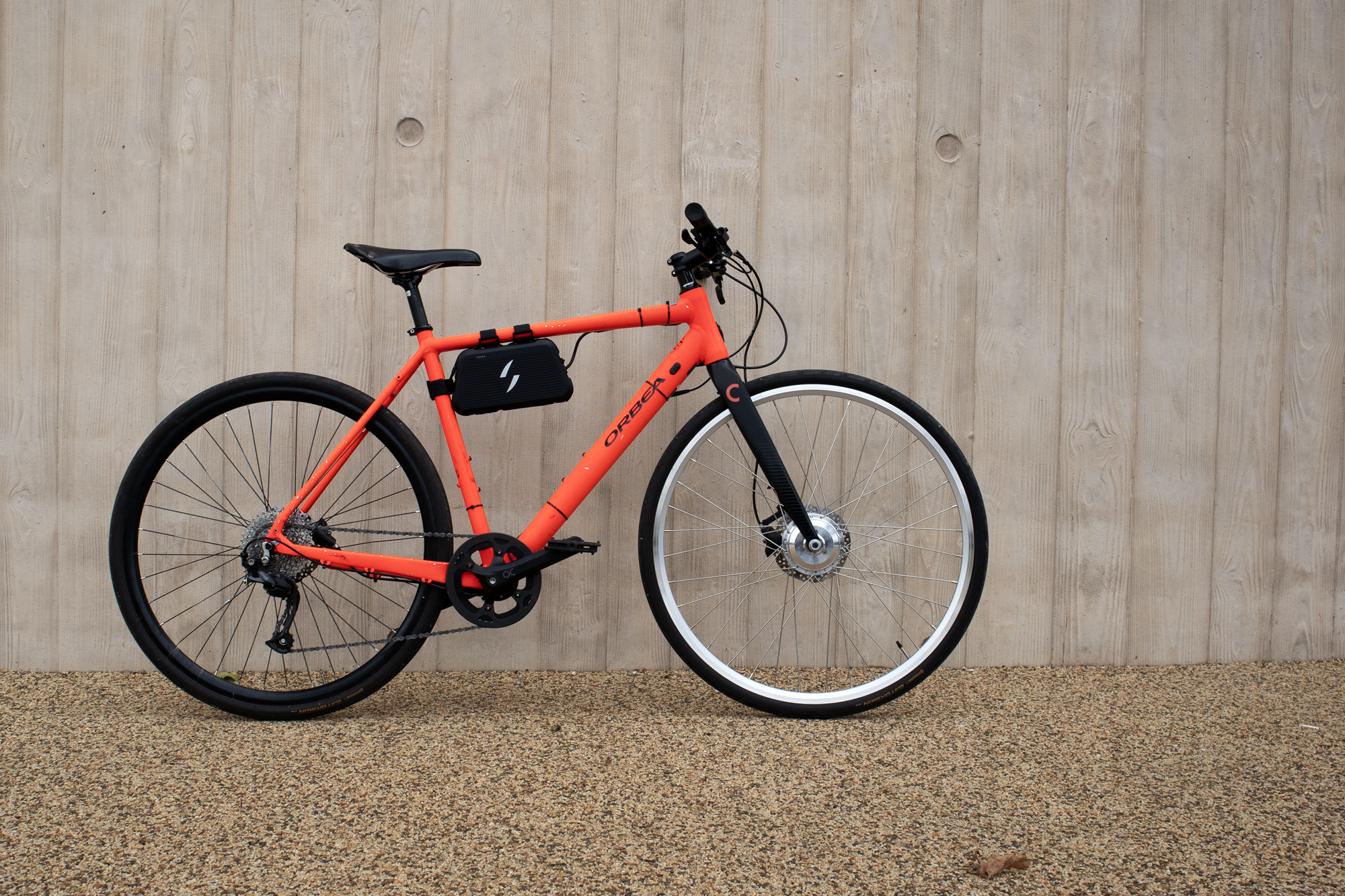
We test electric bike conversion kits in their natural habitats, swerving through city streets and along countryside paths.
Our team have tested hundreds of electric bikes, so have a good understanding of what these conversion kits have to compete with.
Ultimately, our electric bike conversion kits are based on the following criteria:
- Setup – how easy is the conversion kit to install on the bike?
- Power – does the kit provide enough power to tackle hills?
- Range – how far can you go under electric power?
- Price – how does the kit compare to the competition? Are you getting a good deal?
Why you can trust BikeRadar
BikeRadar has been an authority on bikes and cycling tech since its inception in 2007, delivering the world’s best riding advice.
We have experts testing all types of bikes, parts, clothing and accessories, from road, mountain and gravel bikes to commuting, bikepacking and electric bikes.
Our reviews are always editorially independent – with no exceptions. Our reviewers comprehensively test all products in the real world, always reflecting on performance, value and the wider market when delivering their verdicts and review ratings.
We have more than 15,000 product reviews available at your fingertips, as well as expert buying, maintenance, training, skills, health and fitness advice.
Our annual Bike of the Year test is an industry benchmark and the BikeRadar team consists of some of the most experienced riders and testers in the business.
Electric bike conversion kits: different types explained
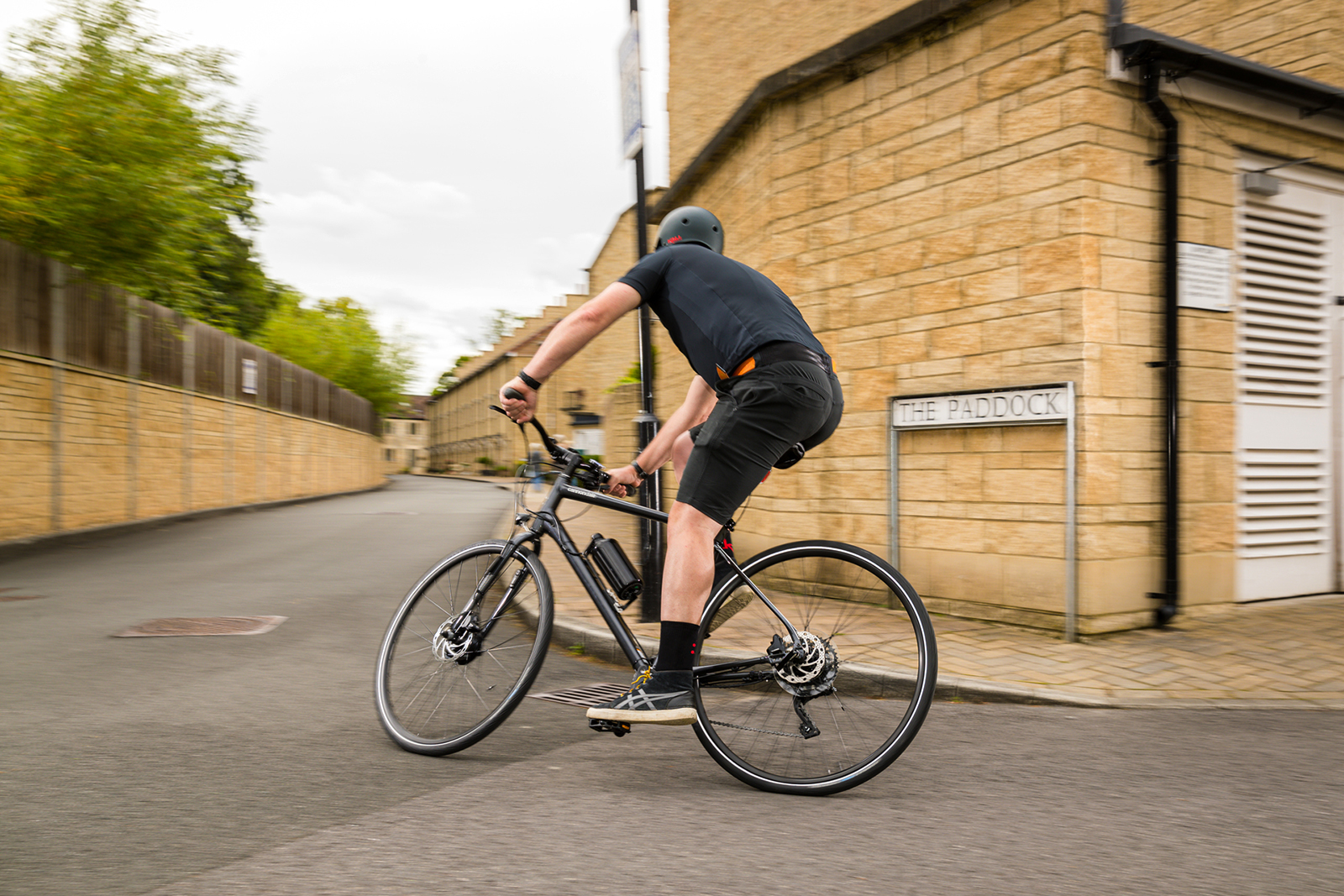
There are a number of ways to electrify your existing bike for assistance up those hills: you can fit a powered wheel, either front or rear; you can attach a drive unit to the bottom bracket; you can fit a motor above the rear wheel and drive it via friction; or, most sneakily, you can conceal a motor in the seatpost.
Whether you ride a hybrid, mountain bike, road bike or even a folder, tourer or gravel bike, it should be possible to convert your bike.
Many can even be fitted by a competent home mechanic if you’re feeling handy and have an afternoon spare.
So, what are your options? Let’s take a look at the different ways to convert your non-assisted bike into an electric bike.
Powered ebike wheels
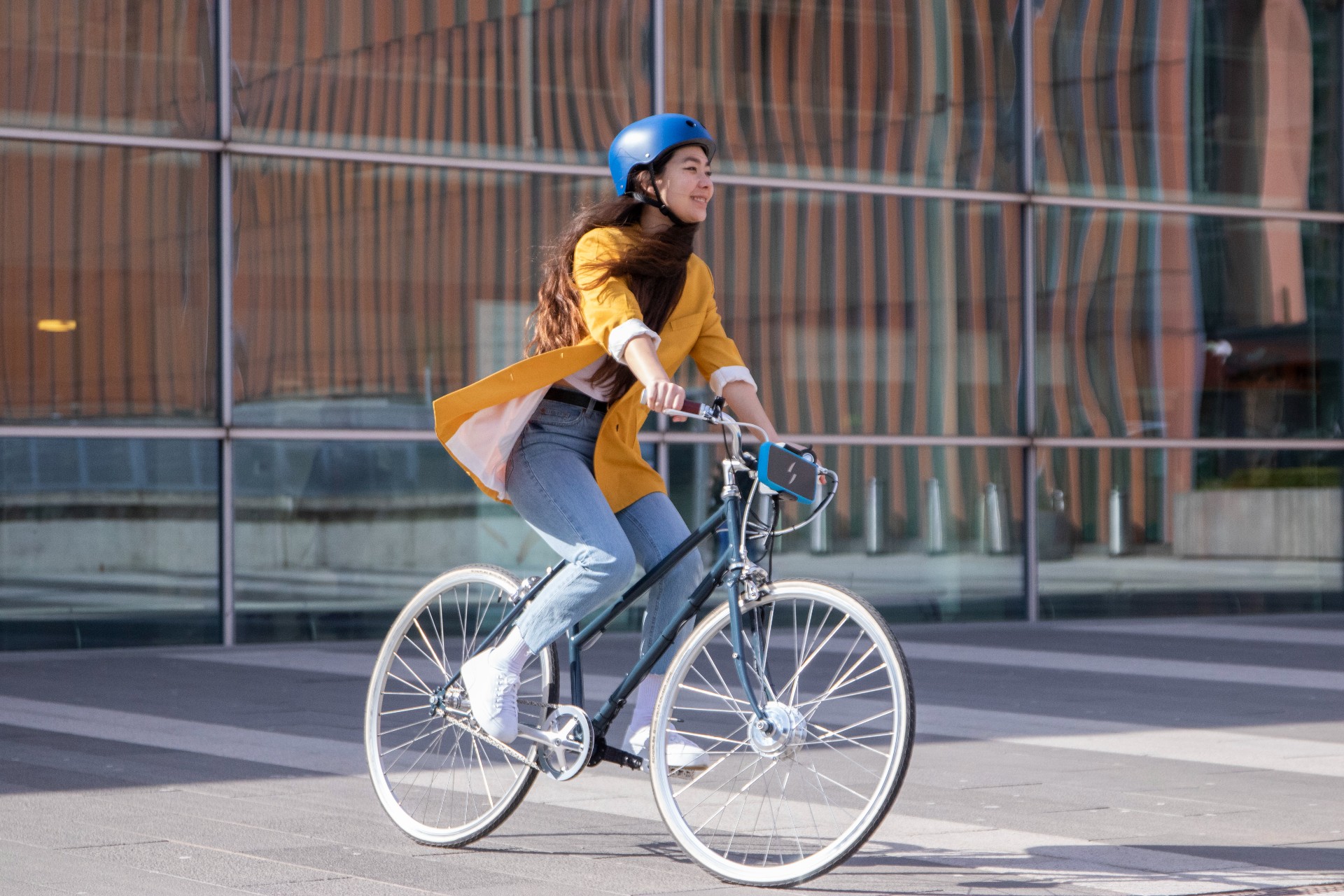
Fitting a powered ebike wheel is probably the most practical option for many people.
A powered ebike wheel is built around a special hub that contains a motor. This is usually powered by a separate battery.
This sounds simple, but the main downside is that it adds rotating mass to your bike, which feels harder to accelerate than non-rotating mass.
There’s a steady stream of front- and rear-wheel conversion kits on Amazon and eBay, all looking suspiciously similar, priced from around £150 and with names you’ve probably never heard of.
Be wary of systems controlled by a throttle (also called 'twist-and-go') though. Legally, they’re classified as electric motorcycles rather than ebikes, and need to be taxed and insured. Take a look at our guide to ebike laws for more information.
Rear-mounted friction drive ebike conversion kit
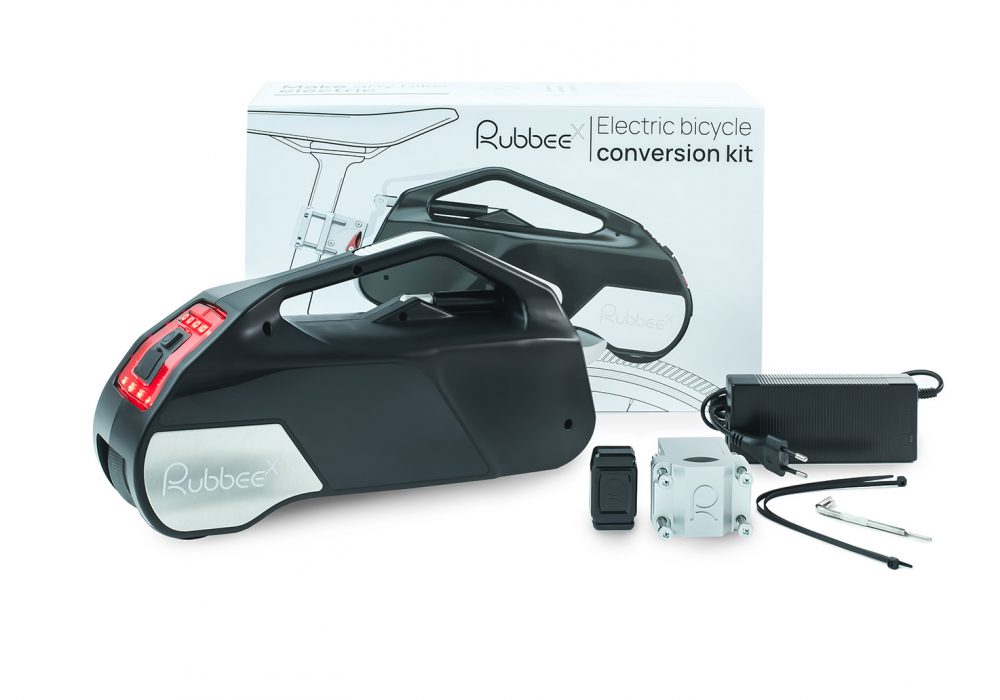
Readers of a certain age may remember earlier incarnations of these in the 1980s/90s: a box that sits on your rear wheel and powers it via friction with a rubber flywheel driven by a motor.
The idea hasn’t gone away, and lives on in devices such as the Rubbee and Asus E250G1 Intelligent Bike Booster, which promises bolt-on electric assistance for nearly any bike.
Rubbee’s base model has a claimed weight of only 2.8kg, with a 16km range that can be extended to 48km with the top-spec, 4kg version.
It works with any wheel diameter between 16in and 29in, has an integrated carrying handle, and clips on and off your seatpost. Prices start from €579.
The Asus is said to enable you to enjoy up to 51km of range thanks to a removable 159Wh battery.
It weighs in at 3.8kg, and prices are yet to be confirmed.
Concealed ebike conversion kit
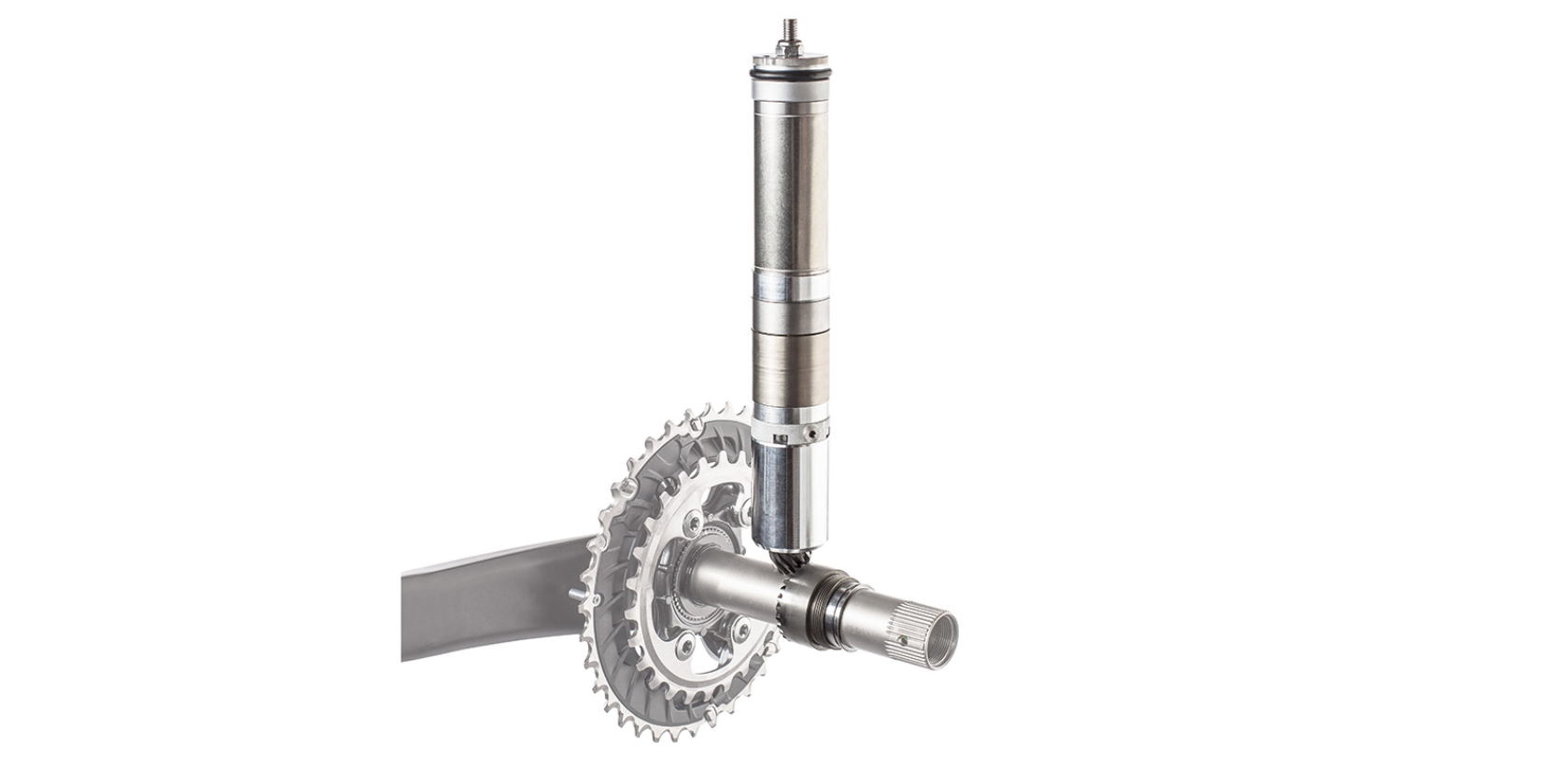
Now we come to the low-key way to do it – hiding a motor inside your bike so no one knows it’s there.
The Vivax Assist was the best-known device for doing this, although the company has now ceased trading. It’s the system that was used by Belgian cyclocross pro Femke Van den Driessche in 2016 to power her way to victory in her home championships. She was found out at a subsequent race, got a six-year ban and quit racing.
Vivax Assist may be no more, but we reckon this idea still has legs – at least for the budding cyclocross cheat.
Mid-drive ebike conversion kit
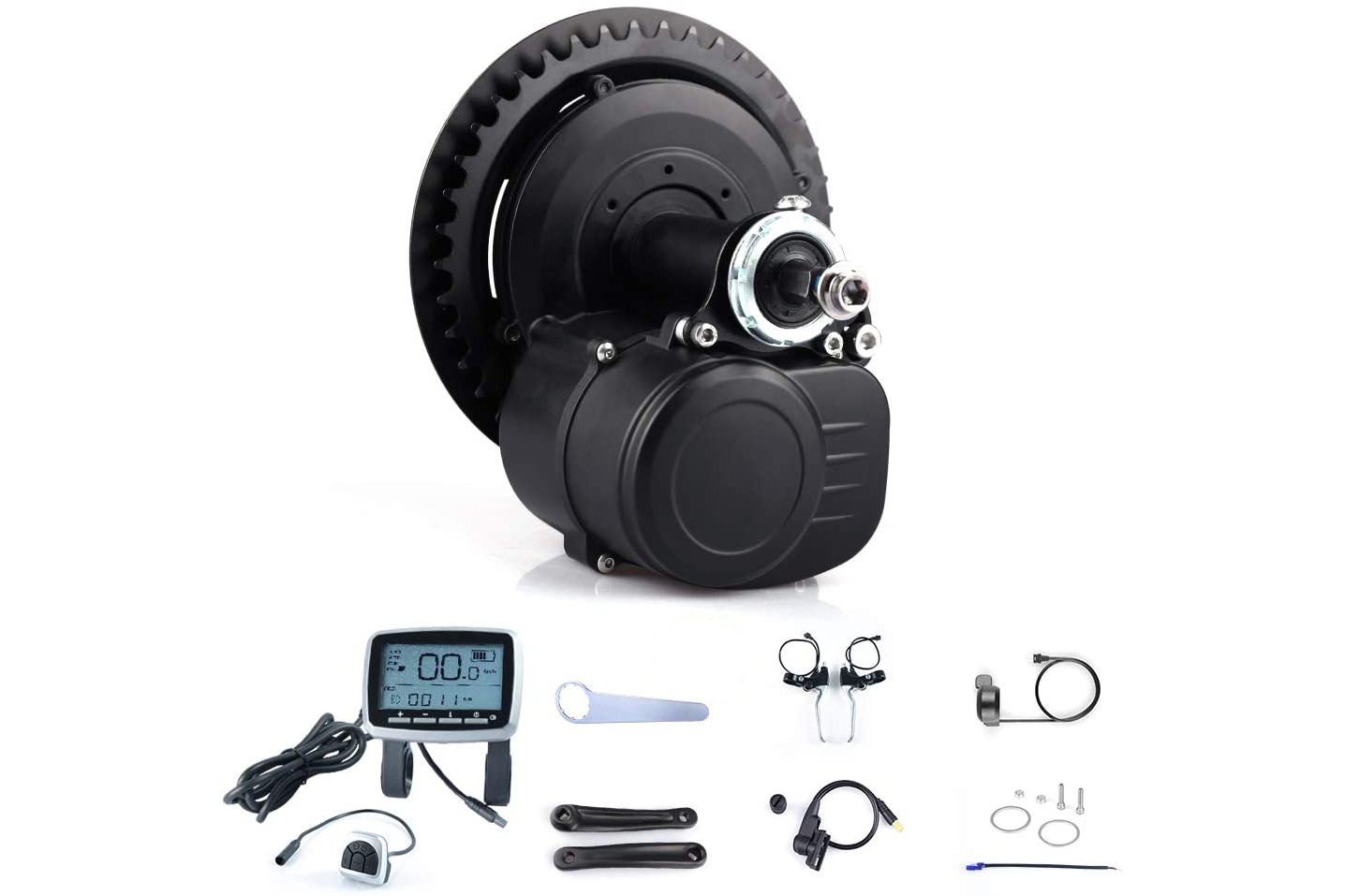
Many commercially available ebikes are powered with motors mounted around the bottom bracket, near the pedals.
These have the advantage of placing the weight low down on the bike, making it more stable.
This isn’t just a ready-made option though – you can also buy aftermarket conversion kits with mid-drive units.
Bafang is a brand that is increasingly focusing on complete ebikes, but it also offers a mid-drive conversion kit on Amazon, as well as wheel hub motors.
Priced from £360, Bafang says the conversion is easy to install using only a few tools to remove the bottom bracket and fit the drive on the front of the down tube.
As above, be careful of throttle-controlled kits that won’t pass the UK ebike regulations and will legally be considered a moped.
You’ll find other mid-motor systems on Amazon too, such as that from TongSheng, which is claimed to fit 95 per cent of standard bike frames and be 30 per cent lighter than a Bafang unit.
It uses a torque sensor, so should fall within the ebike regulations, and is priced from around £350 – although that doesn’t include a battery.
German brand Pendix has a mid-drive system priced from €999 to €2,190 that weighs from 5.4kg for a 28km range. It replaces a BSA bottom bracket and can be fitted to folding bikes as well as a wide range of regular machines.
Folding ebike conversion kit
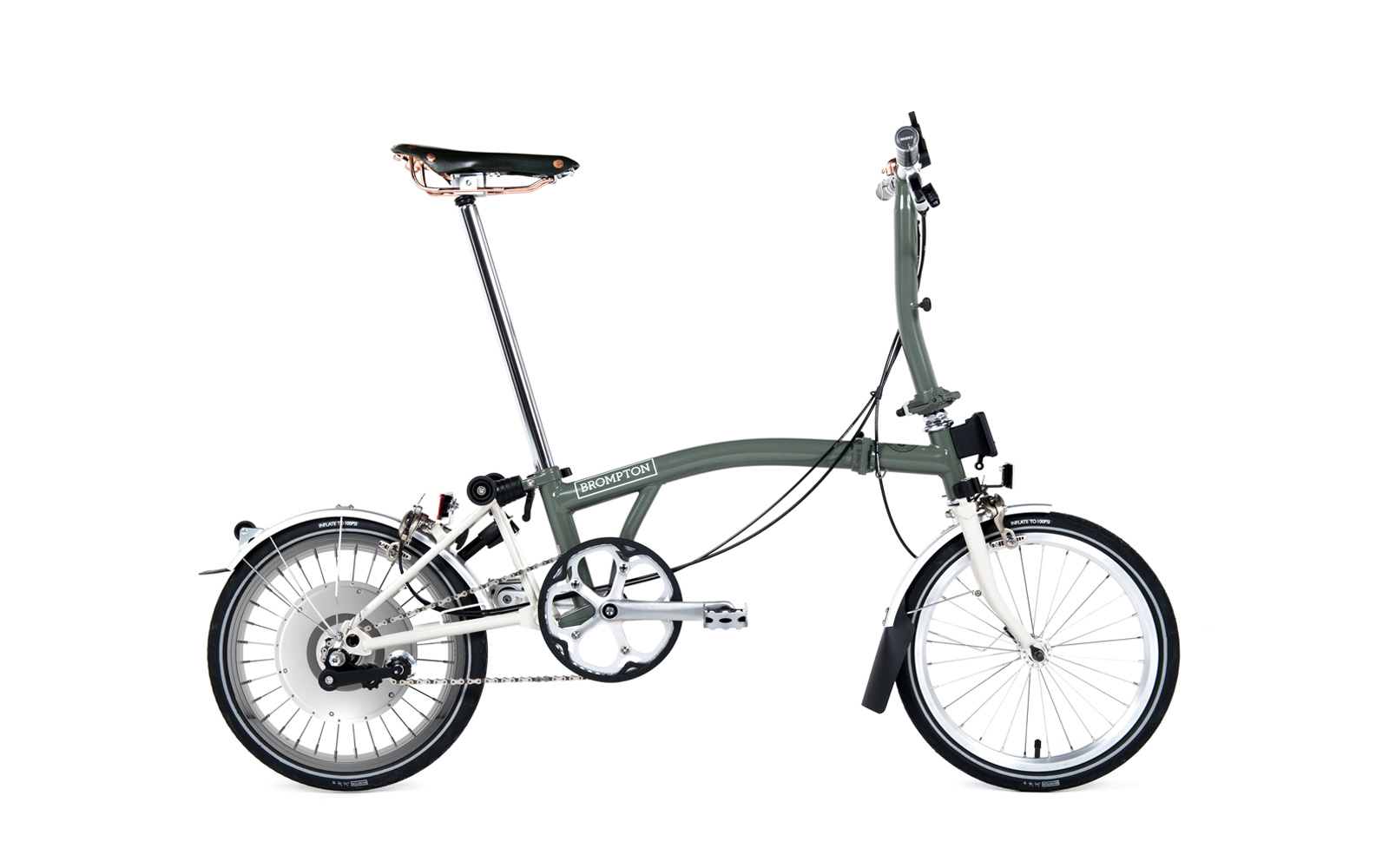
What can you do if you’ve got a folding bike and want to join the electric revolution?
Well there’s good news if you’ve got a Brompton – a number of ebike conversion kits are available. They generally work with a powered hub in the front wheel and a battery carried in a bag mounted on the front.
We tested the Brompton Superlight M2L-X 2-speed x Cytronex, which uses the Cytronex system.
Both the Swytch and Cytronex can be used to convert a Brompton. Swytch's Brompton kit is priced at £999, although discounts of up to 50 per cent are sometimes available on the site.
As with its other systems, there’s a front wheel hub motor, a clip-on power pack and a bottom bracket torque sensor. Quoted range is up to 50km.
Swytch will also build wheels for folders with other wheel sizes and different fork blade widths, such as Dahon’s models.
Are electric bike conversion kits legal?
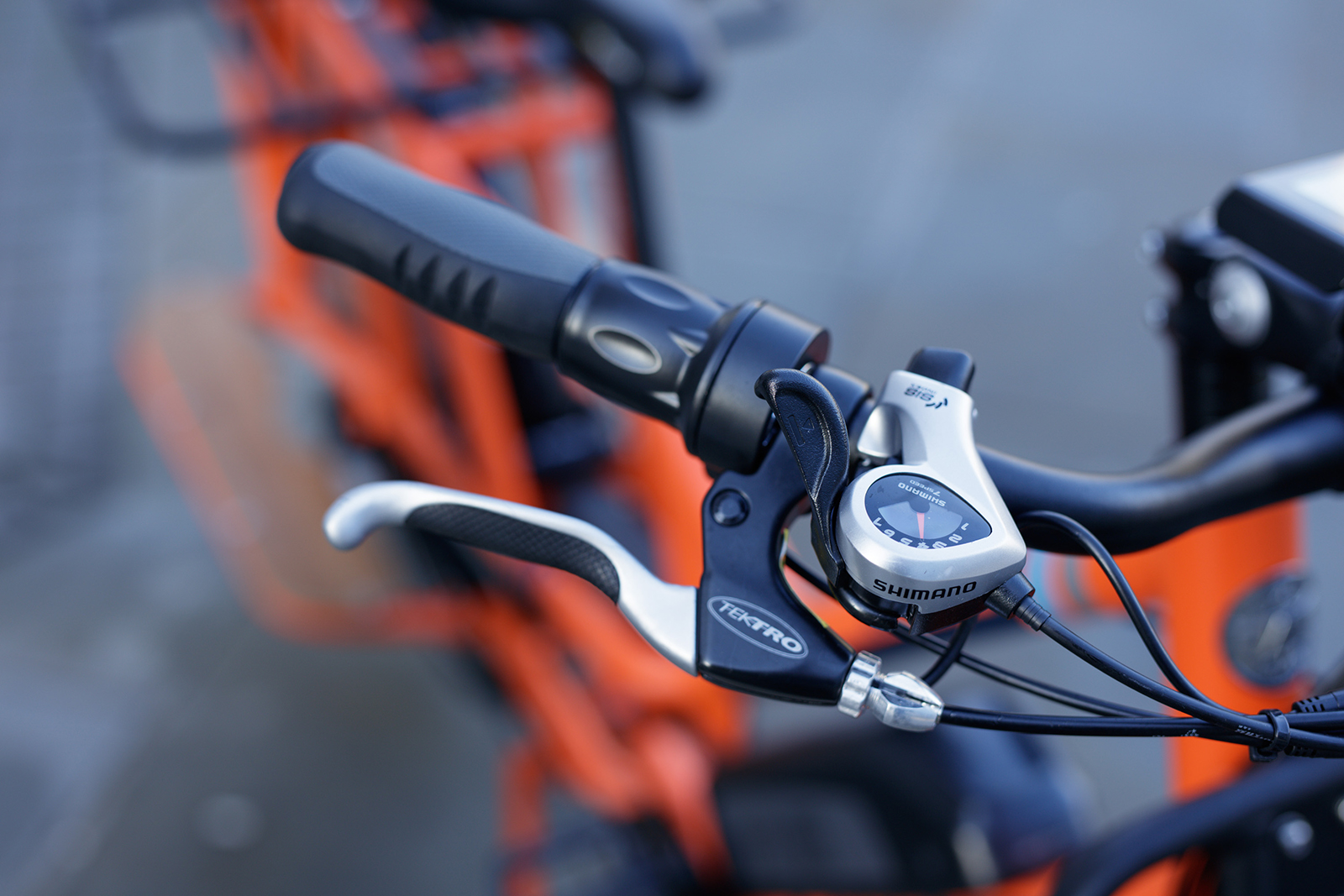
Most electric bike conversion kits are legal to fit to a bike, although the precise rules differ depending on where you live.
In most of the world, the motor needs to be limited to a maximum of 250 watts of continuous power output, unless the electric bike is only used on private land.
You also need to be pedalling for the motor to work – a throttle can only operate at low speeds and assistance needs to cut out once the speed exceeds 25kph. There may be a minimum age to ride an electric bike: in the UK it's 14.
The rules are different in the US, where higher power outputs and higher speeds are usually legal, while Australia has some variants as well, so it's worth checking that your electric bike conversion kit is legal where you live before purchasing.
Is converting an electric bike worth it?
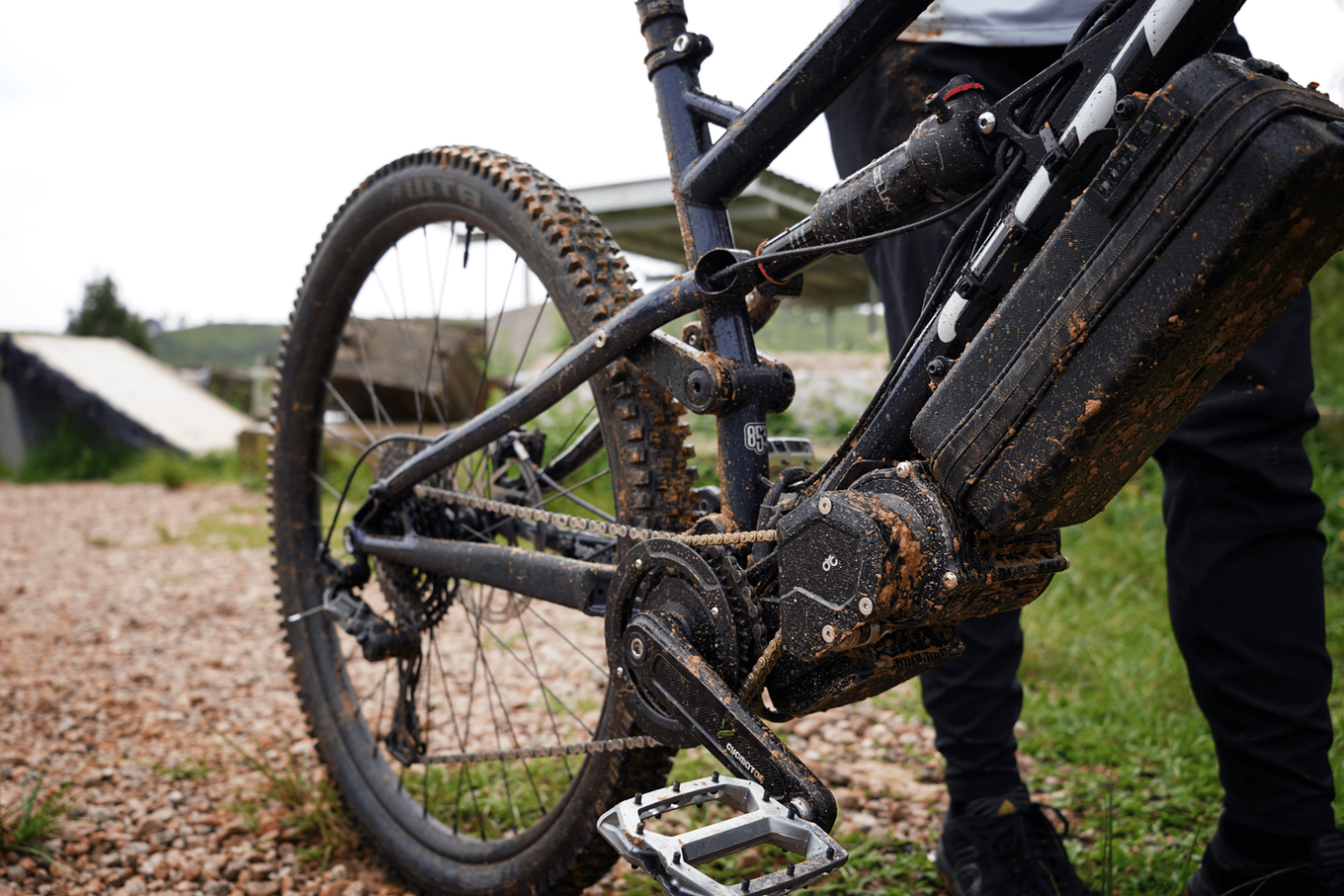
An electric bike conversion kit is not cheap, so you want to be sure it's going to work for you.
You need to have a candidate bike in decent condition to justify taking the kit route.
If you're going to have to buy a bike to fit the kit to, or going to need to make a lot of repairs to your bike to make it roadworthy, the total cost is probably going to mean it's not a lot cheaper than buying a complete electric bike.
You need to be confident you can fit the kit yourself as well. If you're going to have to pay a shop to fit the motor or sort things out if the conversion goes wrong, your savings over purchasing a new electric bike may dwindle quickly.
It's also worth noting that an electric bike conversion kit may affect your bike's handling, particularly if there's a heavy motor and battery mounted somewhere where the bike was not designed to carry it.
Drivetrain components may not be adequately beefed up for the extra power they need to transmit and may wear or break. Factors such as torque steer may be a problem, and cabling and sensors can be unsightly.
In contrast, if you buy a complete electric bike from a reputable brand, it will have been engineered around the motor and battery, and you'll know what the finished product looks like.
Can you convert any bike into an electric bike?
There are designs of electric bike conversion kit that will work with pretty much any type of bike. Kits are available that are engineered specifically for certain bikes, such as the folding bike conversion kits we've talked about above.
A design such as the Rubbee should be mountable on most bikes. However, tyre wear may be an issue with a road bike with narrower tyres, and wet-weather grip between the motor's drive wheel and the tyre may also be a problem.
But some kits, such as those that work with a specific bottom bracket configuration, may not fit on some bikes. An unusual wheel size may also limit available options, so it's worth checking the compatibility of your planned solution before buying.