As soon as October rolls around, it can feel as though the flow of big-ticket bike releases begins to taper off faster than our summer fitness. But, last month, we saw a suite of intriguing launches from a range of big – and smaller – brands.
We saw a change in discipline and wheel size from Van Rysel, and a continued drive towards lighter gravel bikes. There was also the surprise return of ‘all-road', a luxury rim-brake bike and a trail bike that’s handmade in the Alps.
So keep reading for the seven bike launches that excited us most last month.
Look G85 Cezal RS
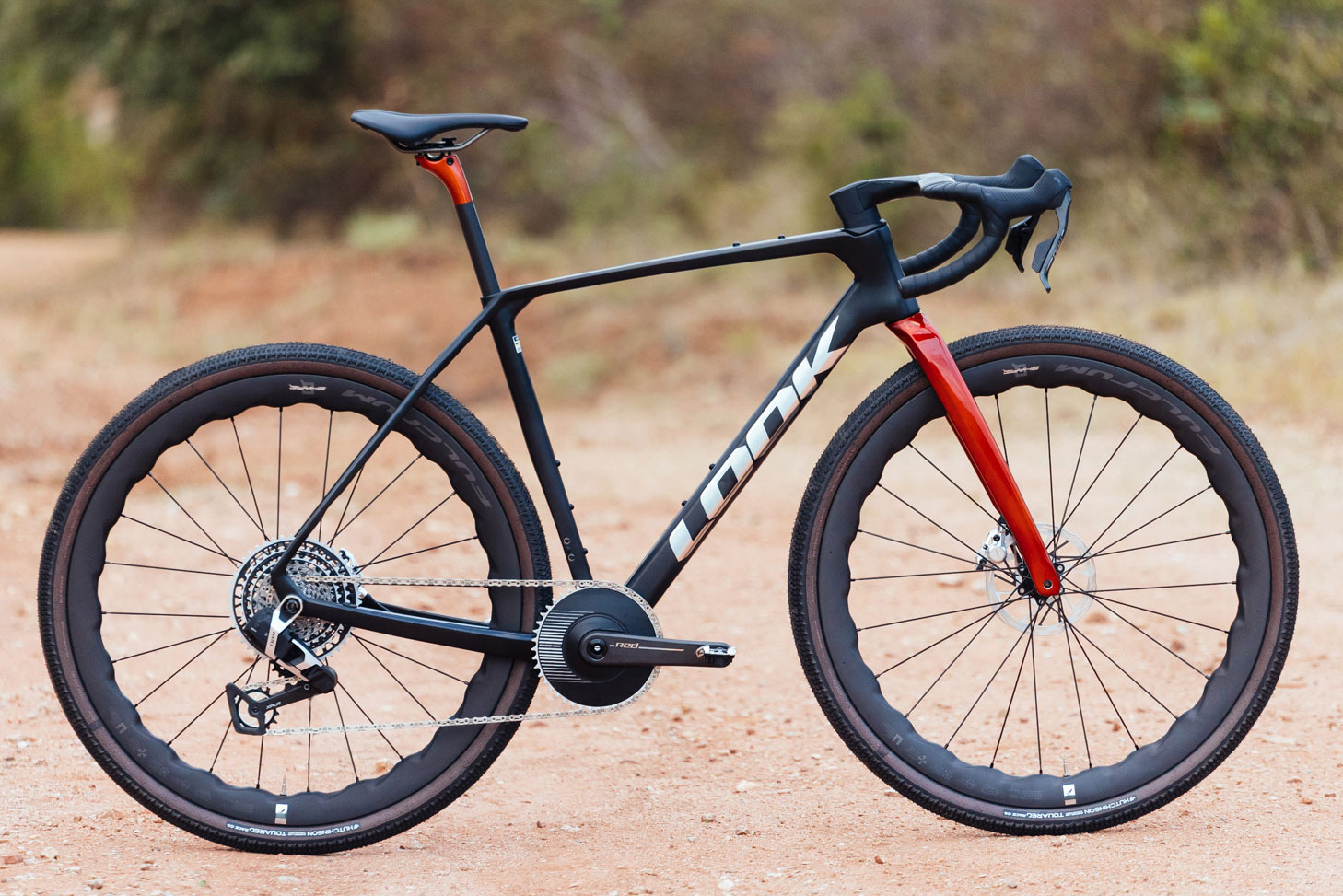
Look launched the new G85 Cezal RS early in October. It’s a gravel race bike that takes the French brand’s standard G85 Cezal and keeps its lively geometry, but lowers the weight and increases the stiffness.
Look says the high modulus carbon layup saves 200g compared to the G85 Cezal’s frame. It also increases bottom bracket stiffness by 19% and head tube stiffness by 20%.
New seatstays filter out vibrations by a claimed 15%. It also has room for a 57mm gravel tyre at the rear and a 50mm tyre up front.
Colnago G5-X
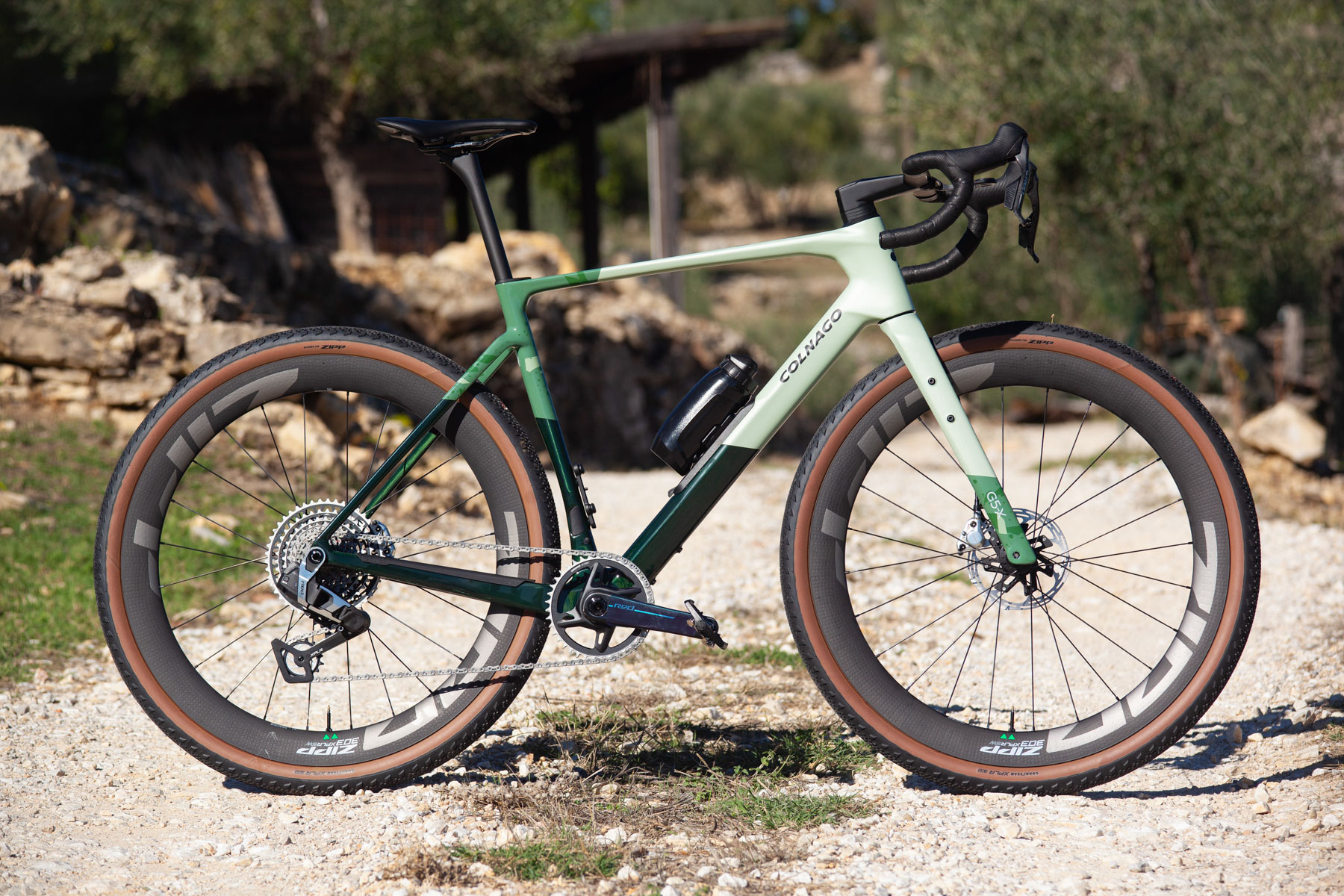
Hot on the heels of the Cezal was another race-ready gravel bike, the Colnago G5-X.
Colnago’s design team knew the G4-X needed an update, due to developments in gravel bike geometry and the trend for wider tyres.
Although the G4-X improved the ride quality over its predecessor, Colnago’s Davide Fumagalli told us the G5-X is “far superior for comfort and handling”.
The bike has a new slacker head angle, a longer wheelbase and a lower bracket. The frame is now around 100g lighter with room for 53mm tyres.
Ridley Falcn RS 2.0
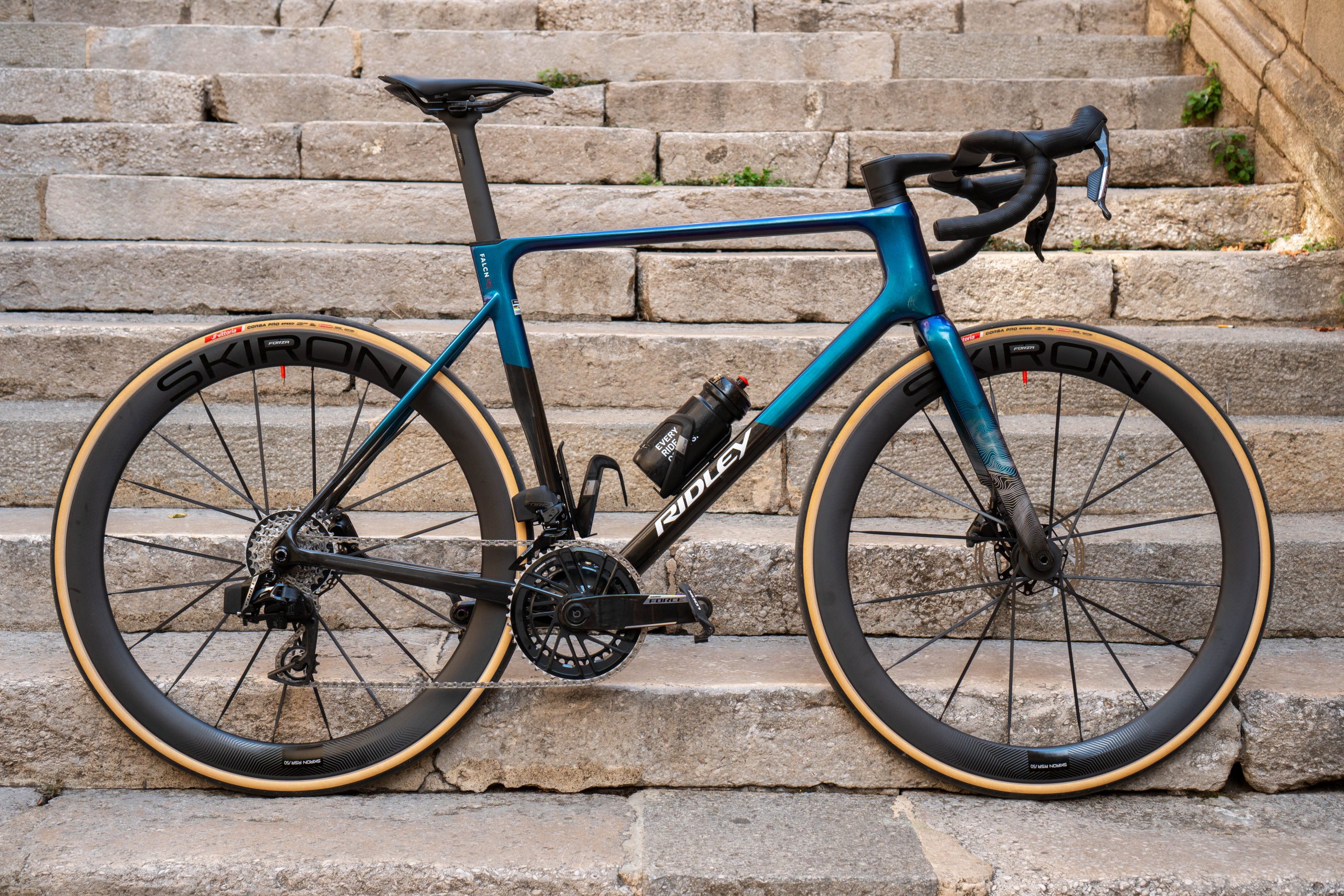
Although we first spotted the Ridley Falcn RS 2.0 at the Tour Auvergne-Rhône Alpes in June, it was only officially launched last month.
The previous Falcn embraced the aero all-rounder trend. But Ridley has turned it into an unashamed climbing bike as an alternative to the Noah Fast. As a result, the second-generation Falcn is 12% lighter than its predecessor.
Ashley Quinlan tested the RS 2.0 and said the new bike feels more rounded and accessible. However, he misses the previous model’s “point-and-shoot” character.
Moots County Line
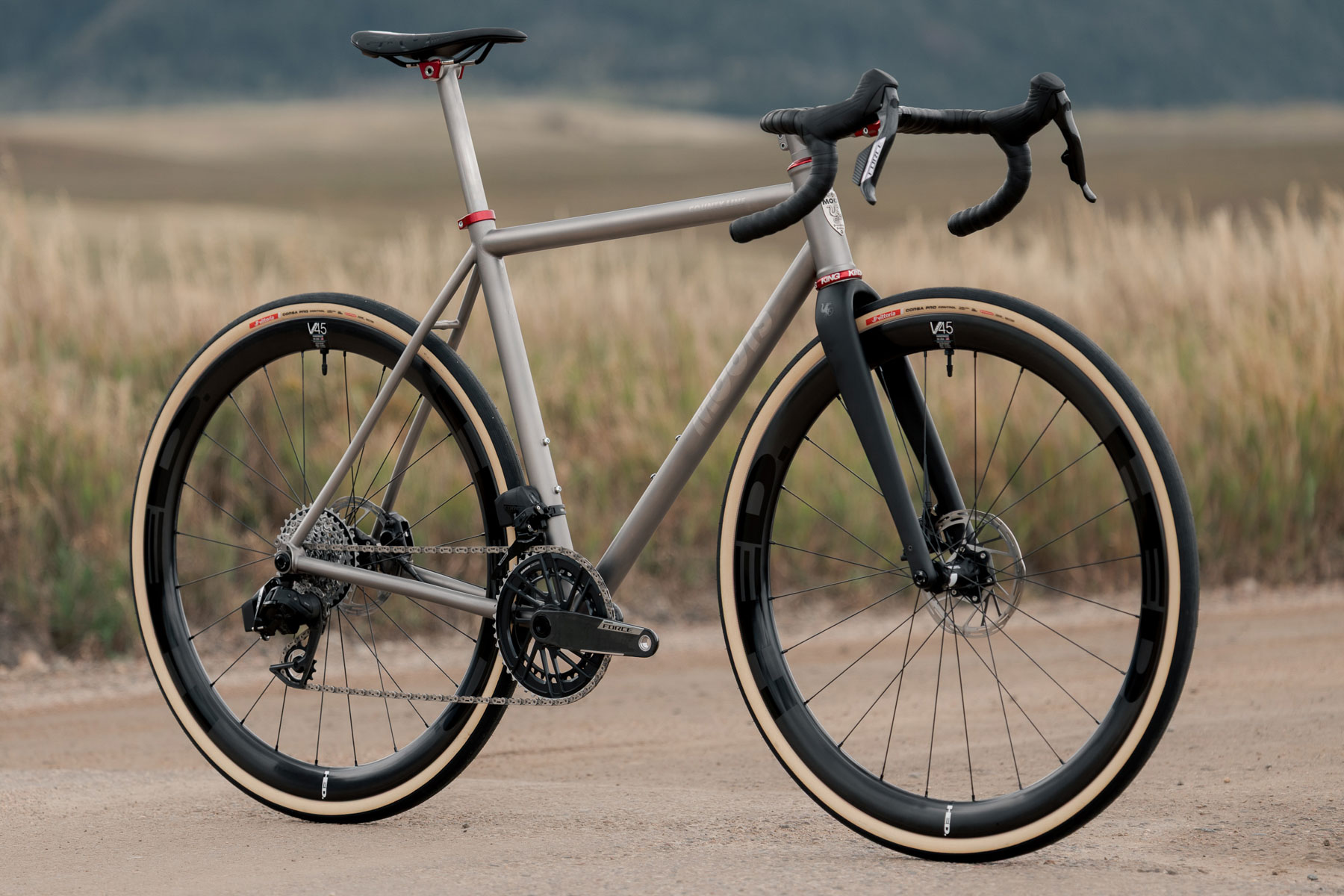
The Moots County Line breathes new life into the ‘all-road’ category. It has clearance for modest 38mm tyres and a geometry that’s more suited to switching between tarmac and smooth gravel than taking on Unbound.
On the one hand, this could seem out of step with where gravel bikes are going. But, on the other, Moots is up front that this bike is inspired by rides around its headquarters in Steamboat Springs, Colorado.
As I wrote in the BikeRadar newsletter (sign up here!), there’s something quite refreshing about a bike that has such a pure focus.
Firefly All Road
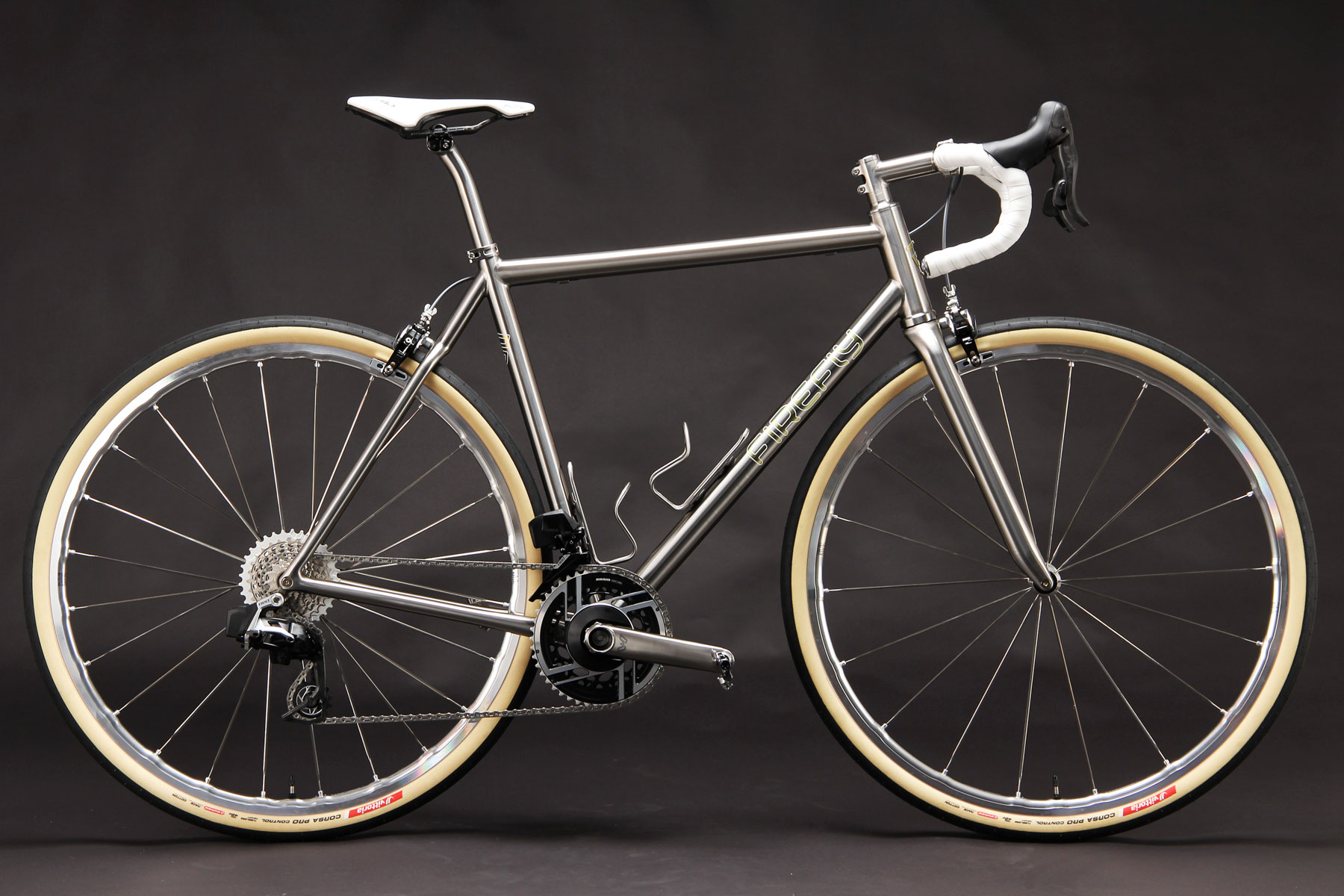
Like the Moots County Line, the Firefly All Road is helping keep all-road bikes alive – and doing the same thing for rim brakes.
Firefly says its full-custom bike has clearance for 40mm tyres and uses Cane Creek’s lightweight eeBrakes to bring you to a stop.
Although it has a retro flavour, the bike has 3D-printed dropouts and custom thru-axles rather than quick-release skewers. It is also compatible with electronic groupsets.
Selwyn Trail bike
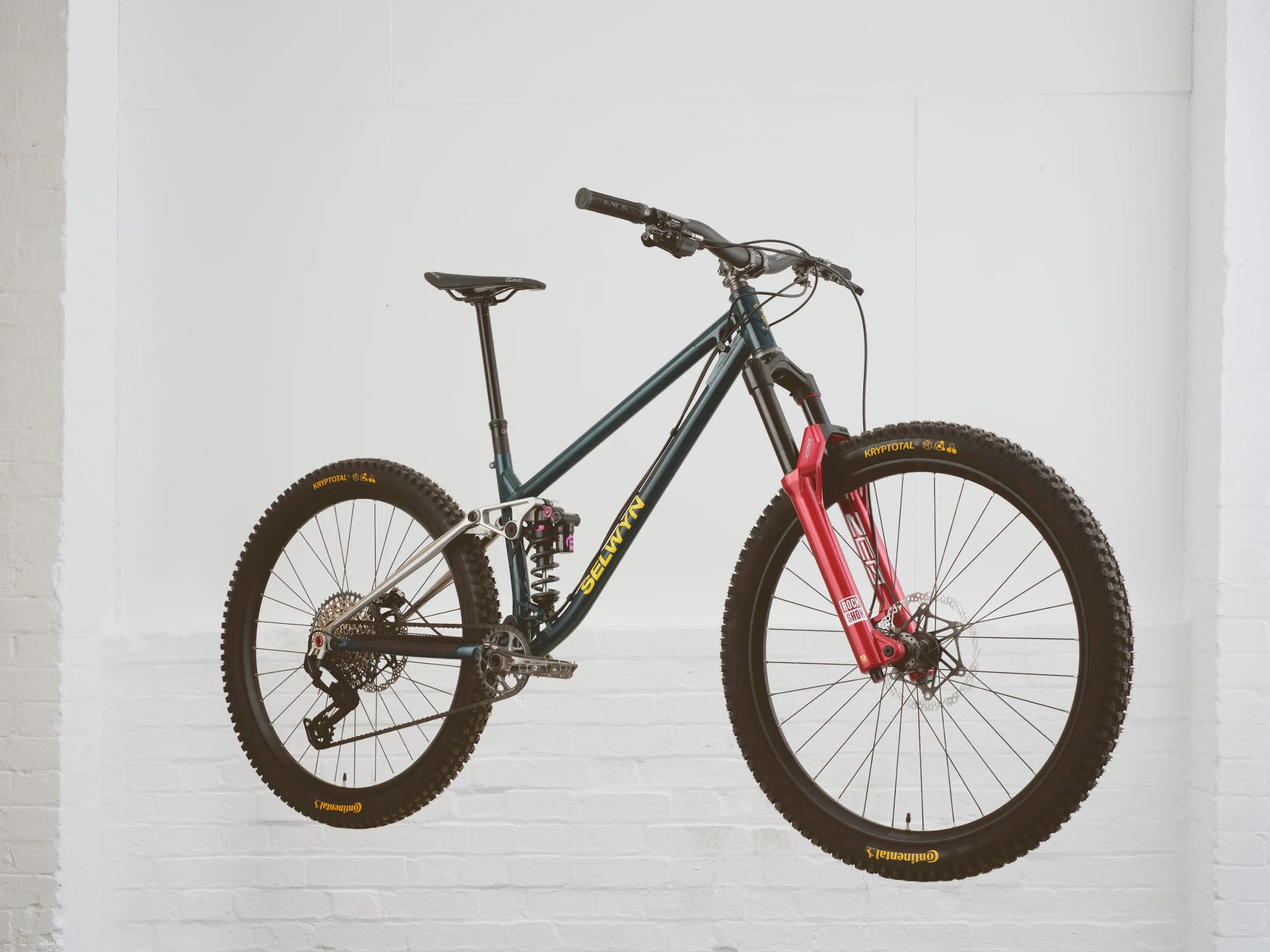
Another metal bike that caught our attention last month was the Selwyn Trail Bike.
The Trail Bike is made from a mix of Reynolds tubing, and it combines 140mm of rear travel with a 160mm suspension fork.
But it's the romantic idea of getting one that appeals. Selwyn Bicycles are handmade by one man, Alex Plaisted, and you have to collect your order in person from his workshop in the French Alps.
Van Rysel RCR-XC
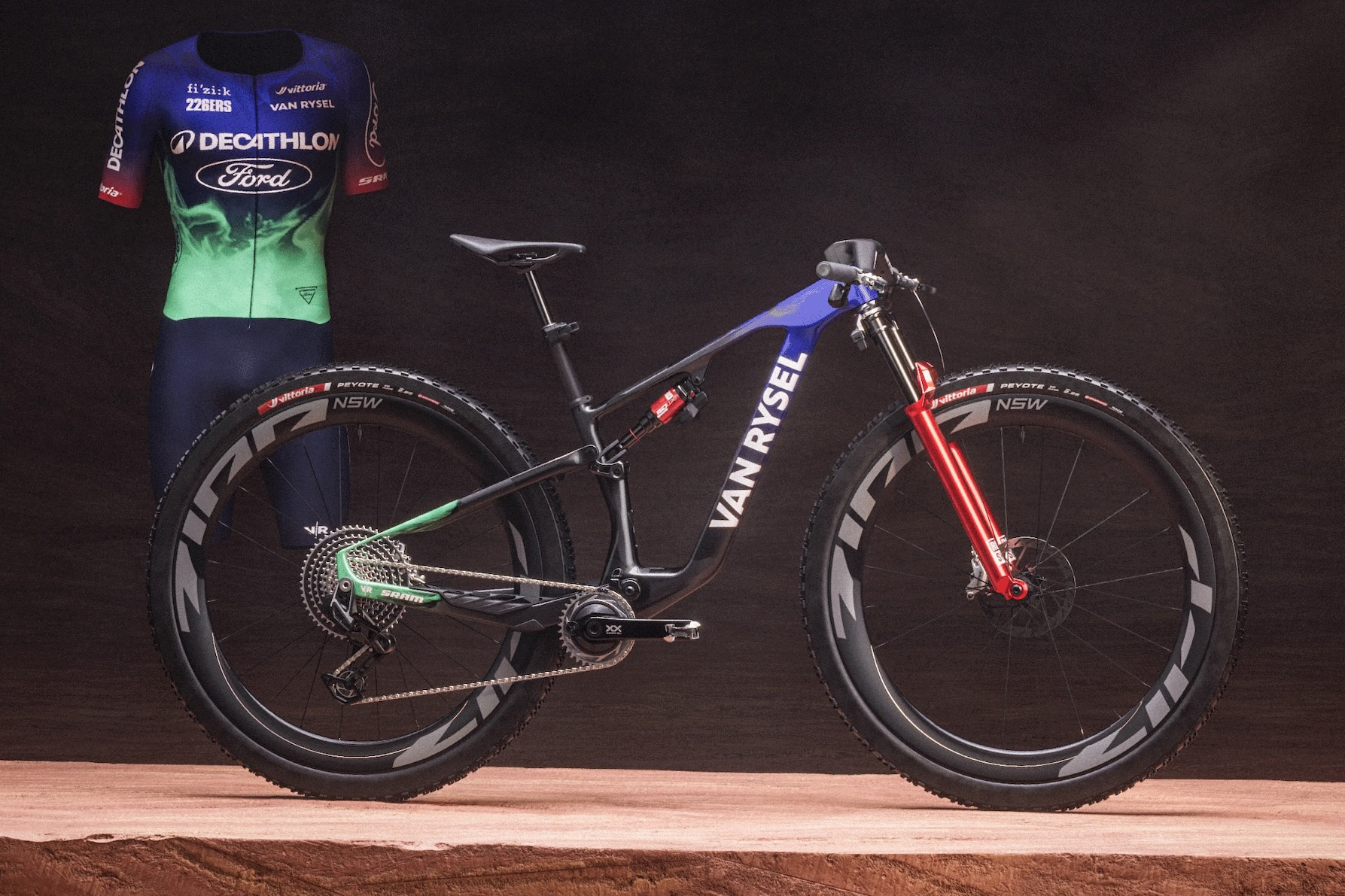
Also in the French Alps, but with different intentions, Van Rysel announced it has been building a dedicated mountain bike operation. And its first mountain bike is quite the statement.
The Van Rysel RCR-XC is a cross-country mountain bike with 32in wheels. The company skipped 29in wheels after analysing two years of race data. It concluded the new larger size could offer real-world advantages for its new Decathlon Ford race team.
Borrowing from its road bike operations, Van Rysel added that it tested the new bike in the wind tunnel and found it is 15.5 watts faster than the Decathlon Ford team’s previous bike.