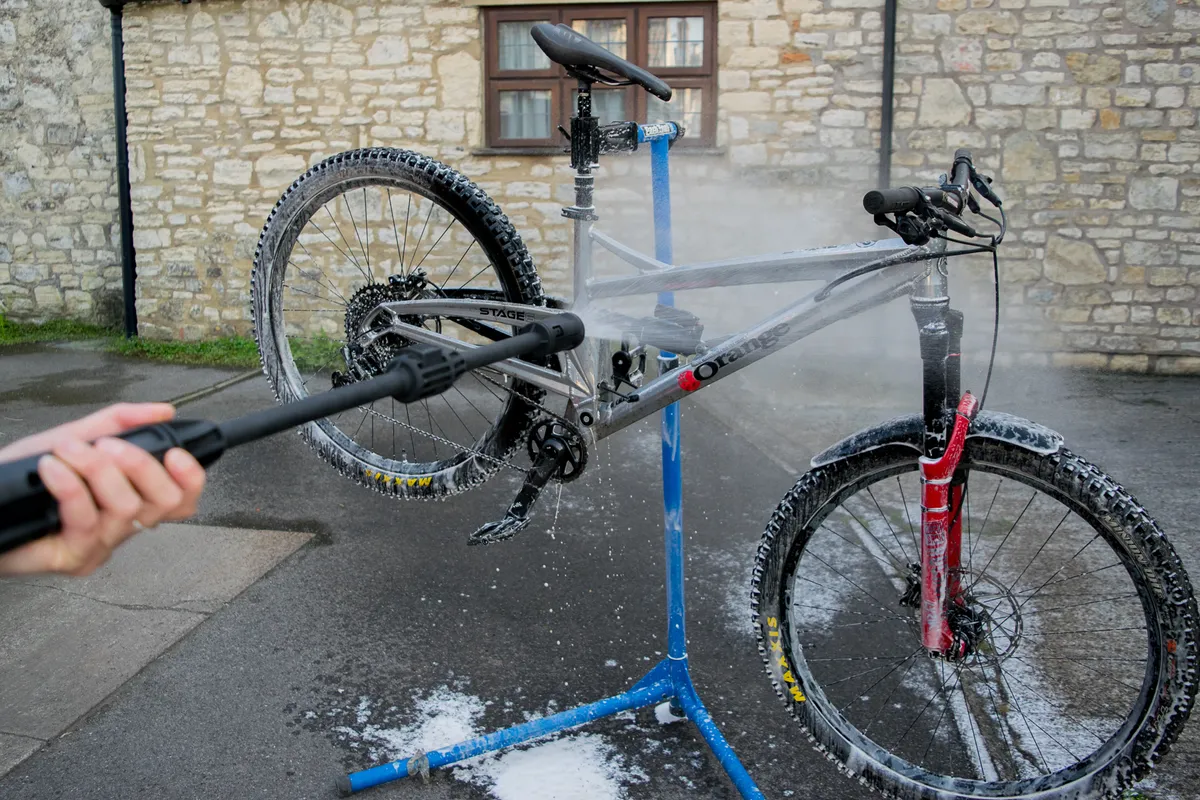
A lack of mechanics could soon be causing major issues for bike shops across Europe, but industry leaders have met to discuss plans to avert the shortages. The action points include a Europe-wide training pathway, plans to attract more women and improving retention.
The recent NextGen Mechanics (NGM) Report revealed Europe's cycling industry will need 105,000 more cycle mechanics by 2032, on top of a shortage of 45,000 today, in order to meet demand.
At a European Cycling Industries (ECI) seminar, numerous professionals from the Education and Skills Expert Group underlined the urgency of the situation and the challenges faced by the bike industry in recruiting and retaining these mechanics. They suggested the following measures, among others, to try to avert the crisis.
Make it easier for bike mechanics to get training
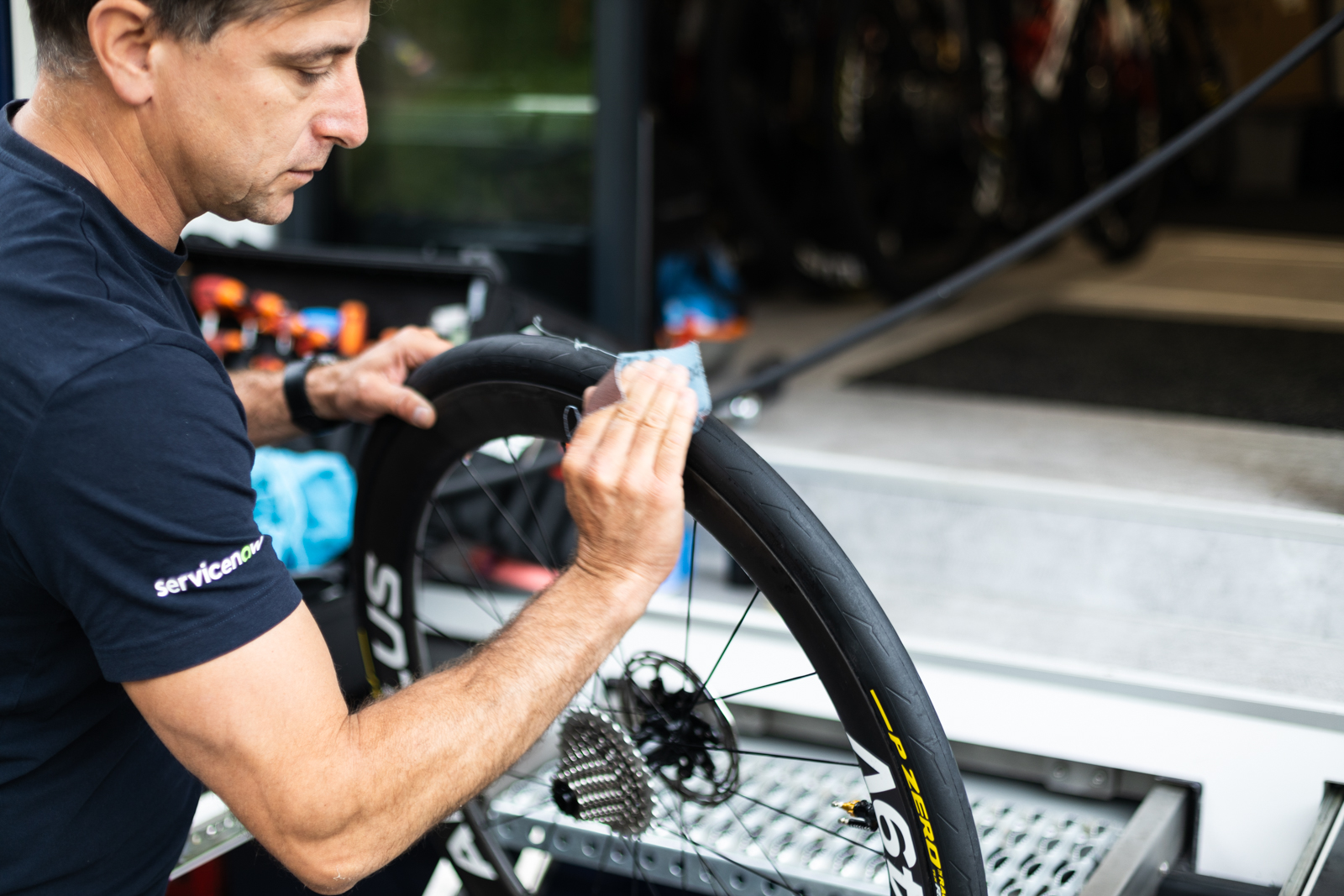
Jonathan Harrison, head of Cytech (a leading global training provider), told the seminar that clear entry routes into a career as a bike mechanic are needed in order to boost numbers.
He explained that better-defined training pathways and opportunities for progressing up the ladder could be a key factor in attracting new cycle mechanics.
Harrison also said a common pathway for mechanics across different industries (including automotive and heavy vehicles) is needed both to boost respect for cycle mechanics and create the ability for mechanics to transfer universal skills between sectors.
If a bike mechanic wants to become a car mechanic, or vice versa, the training they receive should share a common root, according to Harrison. He told the seminar the goal is not necessarily “to impose one delivery model, but to agree on what a competent mechanic should know and how they should be assessed”.
Recruit more women
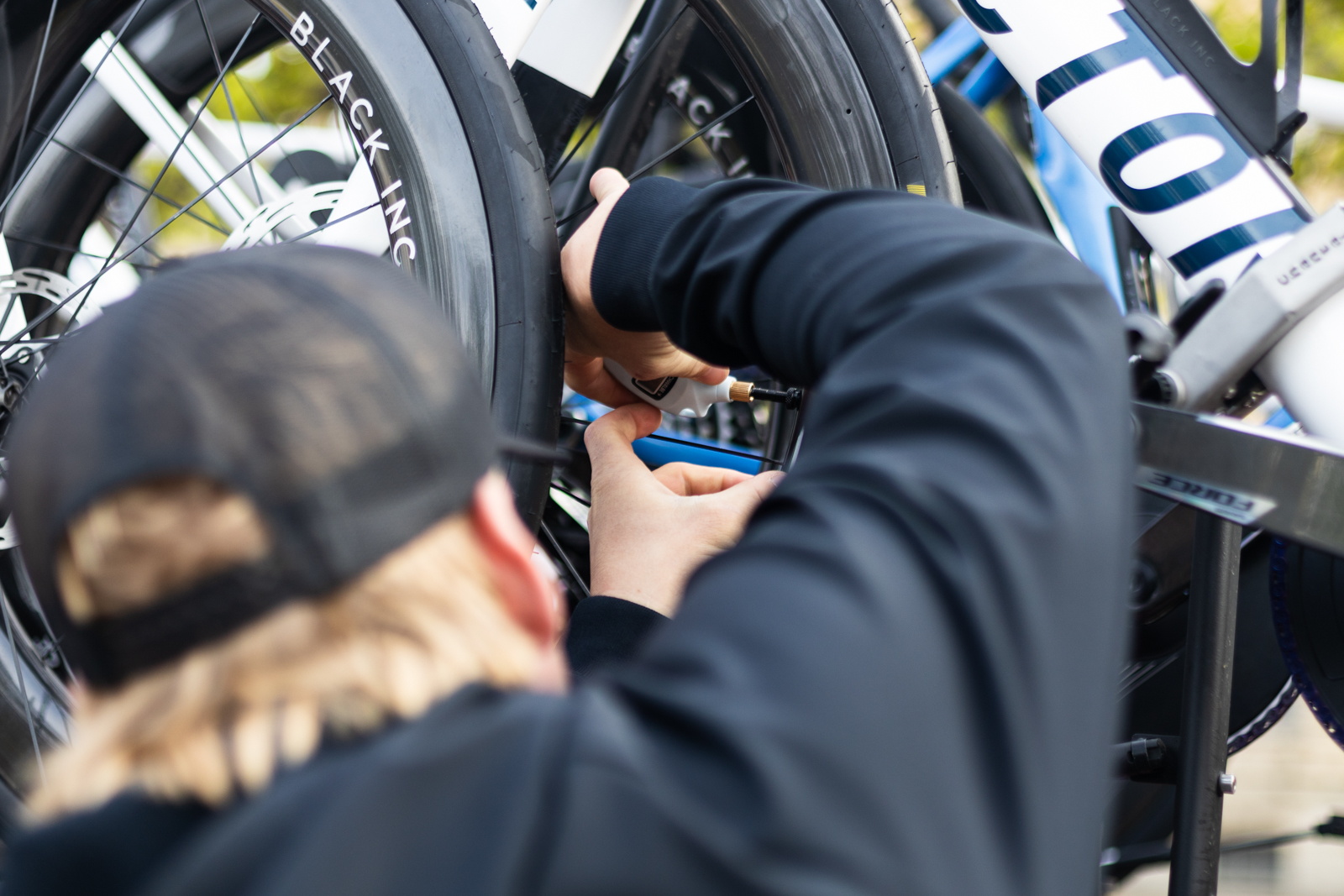
Isabell Eberlein, CEO of Velokonzept, explained that women make up a mere 16% of workers within the cycle sector, and that the mechanic shortfall could be made up in part by attracting more female mechanics into the bike industry.
Eberlein said that, with both women and men leaving the cycle industry, mechanics numbers could be boosted by making the profession more attractive to women.
“How do we make the profession more attractive as a career option? Avoiding people looking at it as a part-time job or [one that has] has no future path,” said Eberlein.
Adopt a Europe-wide training standard
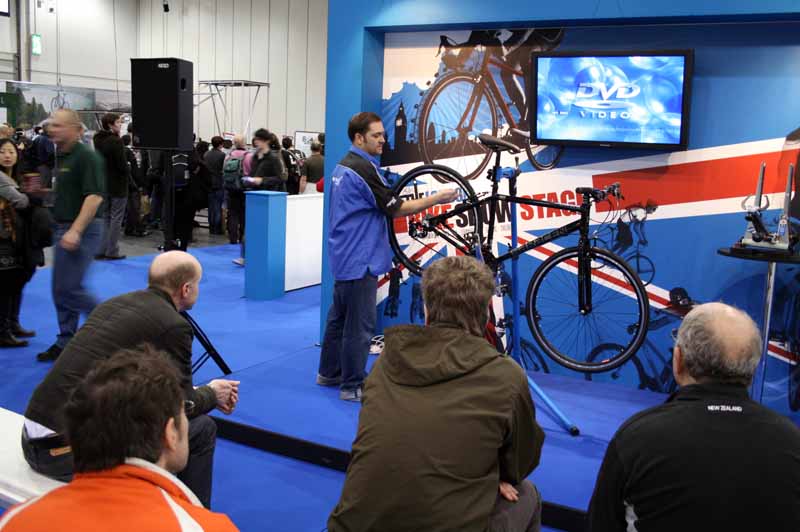
NGM says that to track a mechanic's skills, there should be a Europe-wide training standard.
Harrison explained Cytech is working with NGM to identify training needs and support creation of an overarching framework across the continent.
“We’re not asking governments to drop existing qualifications; we don’t want to undermine those pre-existing with strong recognition and funding,” Harrison said.
The vision is not to replace all existing training with a universal qualification, but to create competence criteria that can be accepted across Europe. This way, mechanics’ skill levels can be identified and they can be supported in their continuous professional development (CPD).
A universal standard could also make it easier for bike mechanics to explain their skill level to prospective employers if moving to different countries.
Cytech is renowned when it comes to bike mechanic qualifications, offering courses in the UK, Ireland, South Africa, Canada, New Zealand and Australia.
While not cheap, Cytech training to become a mechanic is less expensive than a UK university degree and there are apprenticeships available for some advanced courses.
Success in this area seems a long way off, though, with different European countries currently providing disparate cycle mechanic courses of varying complexity and quality.
Reduce the number of mechanics quitting
NGM said that, in general, small businesses lose skilled workers at an a rate of 15% per year and that rate is likely higher for cycle mechanics.
Research in Holland by Opleidings en Ontwikkelingsfonds Motorvoertuigenbedrijf en Tweewielerbedrijf (OOMT), which is the Dutch training and development fund for motor vehicle and two-wheeled industry, found just under 25% of staff left the sector in 2024.
It sounds obvious, but making working as a cycle mechanic more attractive would help reduce the expected shortage of bike mechanics, according to NGM.
Harrison explained that progression opportunities and greater recognition of mechanics’ skills in line with the previous points he highlighted would help improve retention.