Van Rysel has updated its flagship all-rounder race bike with a claimed 240g frame-kit weight saving, improved aerodynamics and increased stiffness over the outgoing RCR-R Pro.
Van Rysel says the RCR-R2 range has been developed with a particular focus on performance in the mountains, aiming to balance low weight with aerodynamic efficiency. For flatter racing, the brand continues to offer the aero-focused RCR-F.
Two versions of the RCR-R2 will be available. The RCR-R2 Pro uses the same race-spec carbon layup as the bike raced by Paul Seixas and the Decathlon CMA CGM team, while the ‘standard’ RCR-R2 uses a lower-modulus carbon layup to hit a cheaper price point.
The French brand says the new RCR-R2 Pro frame kit is 240g lighter than its predecessor, while aerodynamic drag has been reduced by a claimed 6.3 watts at 45km/h. Van Rysel also claims a 10 per cent increase in stiffness compared to the previous-generation RCR-R Pro frame.
Global prices and complete model specifications have yet to be announced, but the bikes are set to be made available in January 2027.
Read more
- Van Rysel RCR-R2 first-ride review
- No paint, 40cm handlebar and the marks of a life well-lived – this is Paul Seixas’ prototype Van Rysel RCR-R2 Pro
An all-rounder focused on mountains
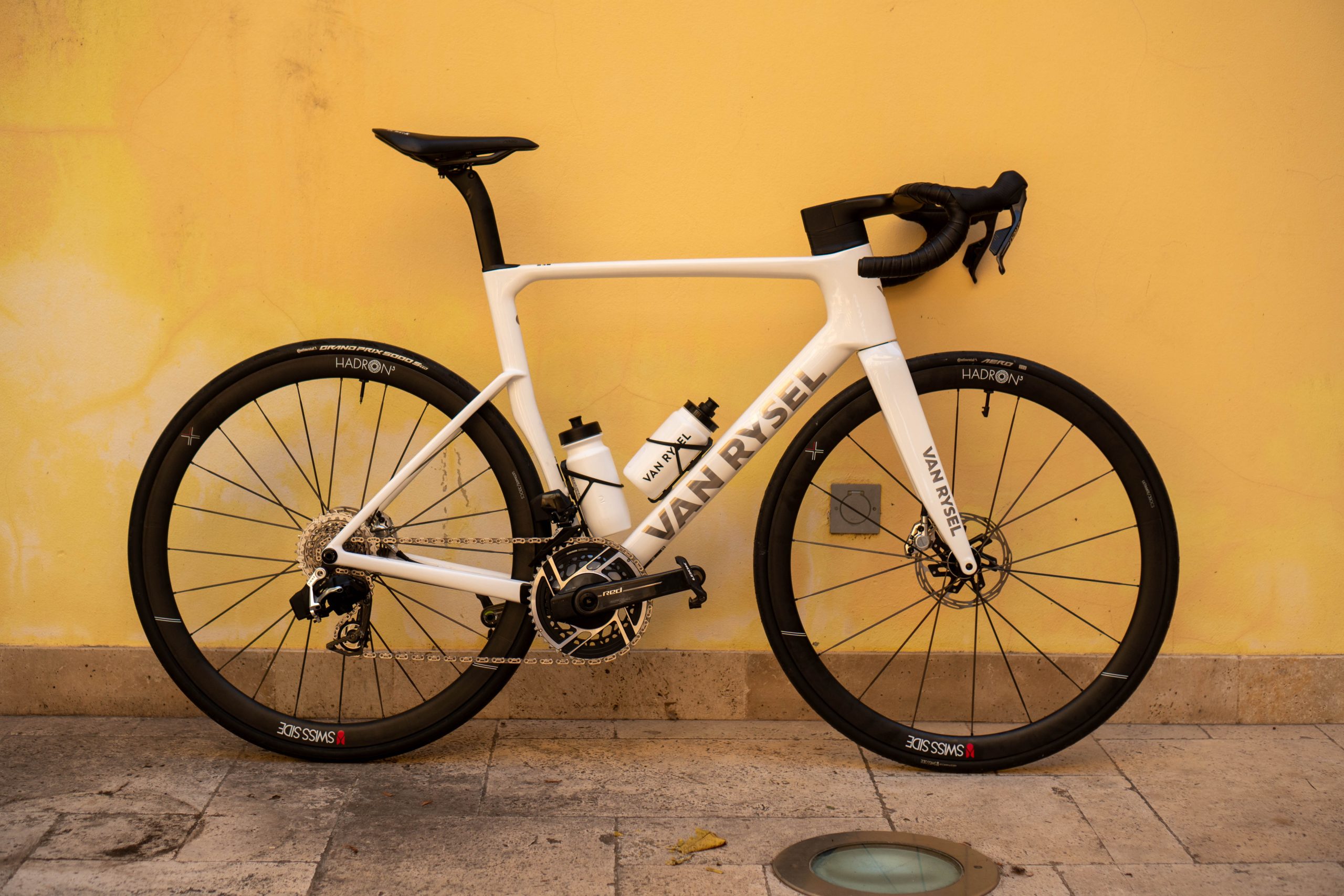
The RCR-R2 Pro has a frame constructed using “super-high-modulus” carbon fibre and a “high-modulus” carbon fork, according to the brand.
Van Rysel quotes a frame weight of 705g, in size medium. The fork is said to weigh 360g for a total 1,065g – plus or minus 5% to account for manufacturing variances.
The brand says the weight reduction has come from changes to the frame's junctions and carbon layup – where the amount of carbon used has been reduced – alongside optimisation of components including the cockpit, seatpost, axles, computer mount and saddle clamp.
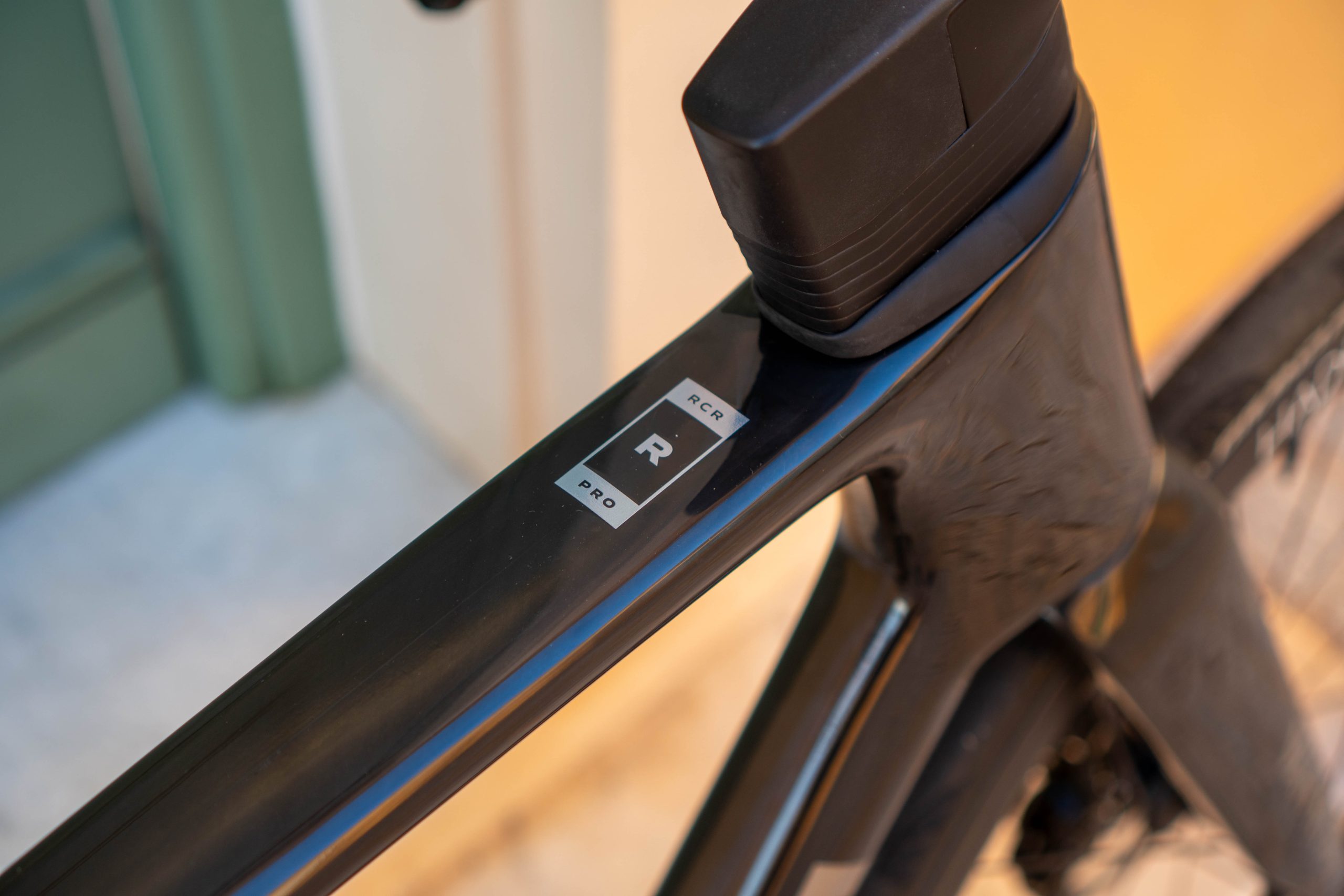
Van Rysel says the RCR-R2 Pro saves 6.3 watts at 45km/h compared to the previous-generation RCR-R Pro, with the bike's development guided by the usual combination of computational fluid dynamics (CFD) analysis and wind-tunnel testing.
Over two and half years, Van Rysel says it produced 13 CFD prototypes, five wind-tunnel prototypes and seven frame layups, with more than 48 hours spent on aerodynamic optimisation.
The frame was also tested by professional riders (including Paul Seixas) from the Decathlon CMA CGM team, both at training camps and in competition, with feedback used to refine the final design.
Designed for climbing and fast descents
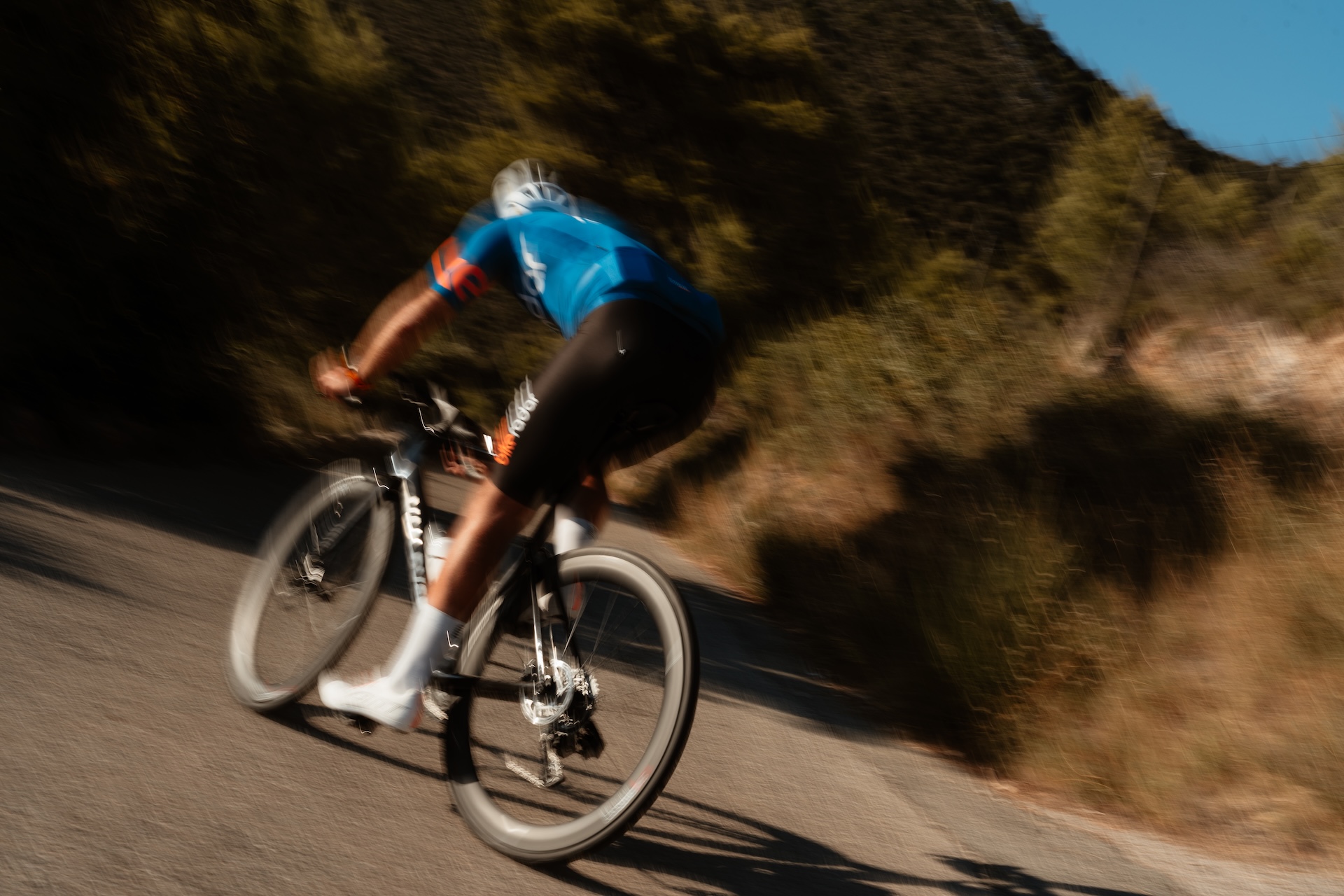
Van Rysel says the new bike has been developed to improve performance on steep gradients and during acceleration, relative to the old RCR-R and the current RCR-F aero bike.
According to Van Rysel, the frame's front-end stiffness is balanced by a degree of flex at the rear, which is intended to improve traction and confidence without compromising power transfer.
The geometry has also been adjusted to provide greater composure at speed versus the old RCR-R – something Seixas himself put to use in the Tour de France and his Il Lombardia victory.
Van Rysel says the changes improve stability on descents and help the rider hold a line more easily through corners at speed, but it purposefully feels familiar to the RCR-F given the two bikes are set to be used interchangeably by its sponsored teams.
New aero bottle system
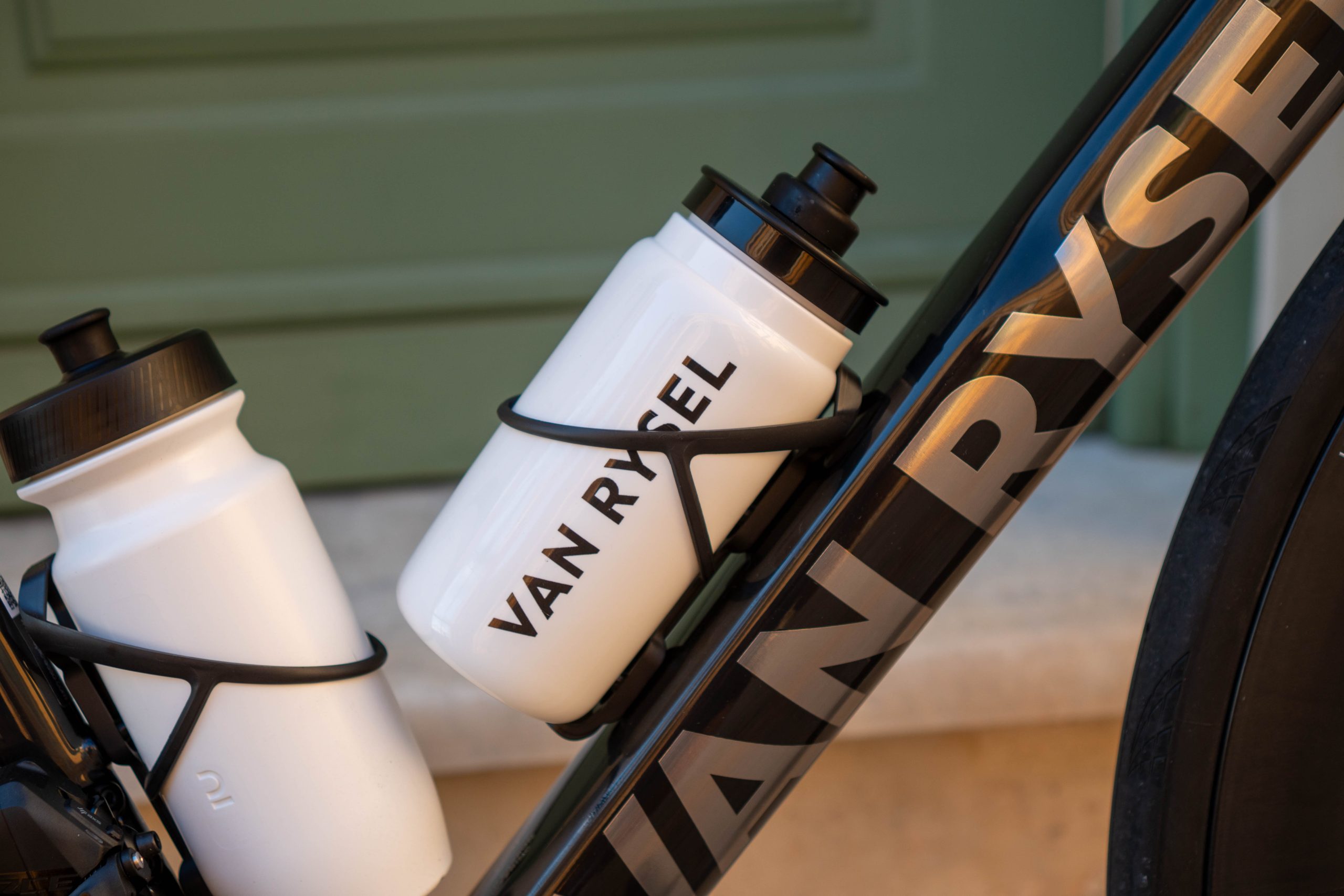
Van Rysel has also developed a custom aerodynamic bottle and cage for the RCR-R2 Pro.
The brand says the system helps the bike achieve its 6.3 watts saving compared to the previous generation – it says the figures are averaged and account for a rider's moving legs and the presence of turbulent air.
The aero bottles will not be available alongside the initial bike launch, but at a later date.
Van Rysel RCR-R2: the more affordable option
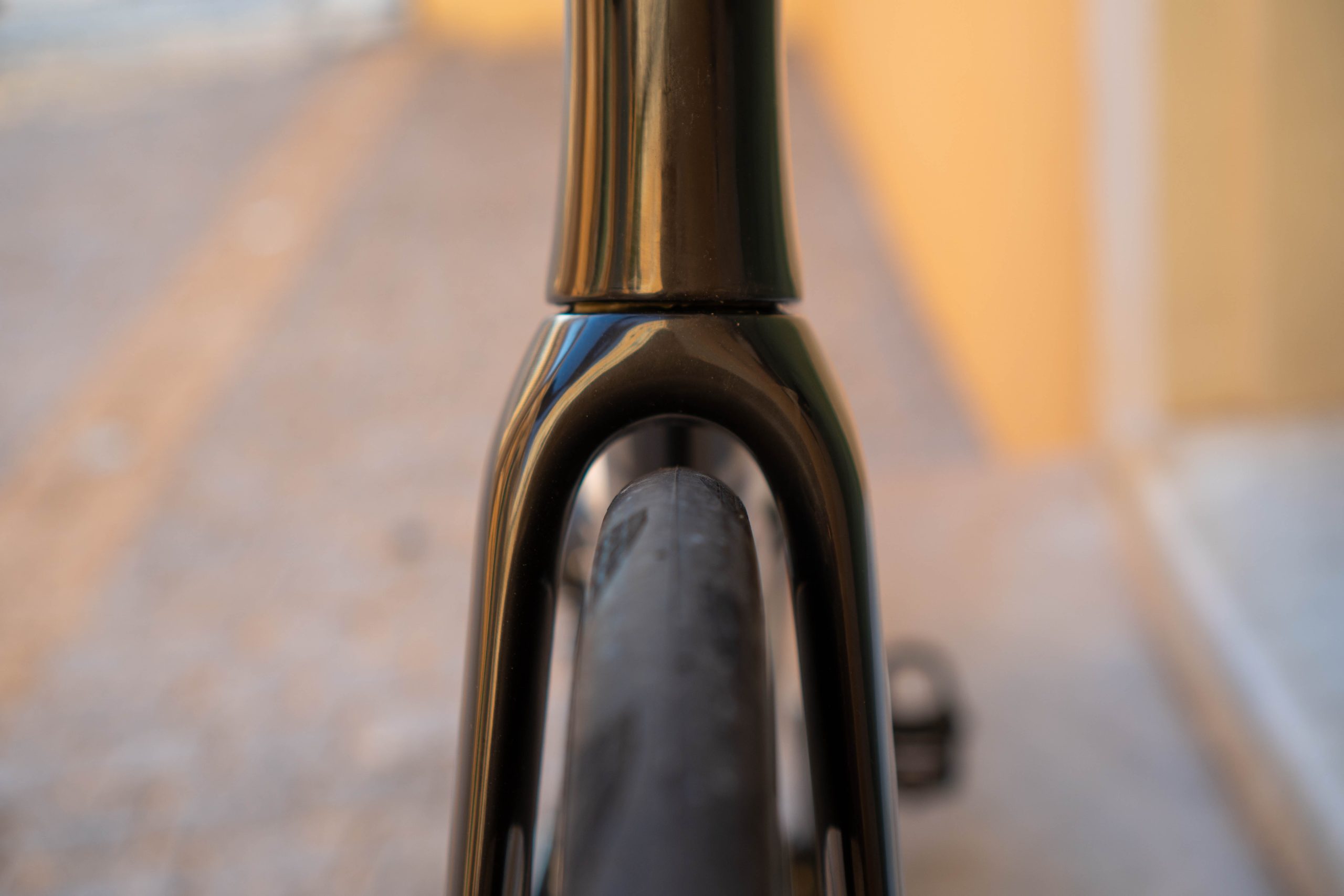
The standard RCR-R2 shares the same design as the Pro model but uses a different carbon layup.
Its frame uses what Van Rysel describes as “high-modulus” carbon fibre, rather than the “super-high-modulus” carbon used in the RCR-R2 Pro. The fork is the same between the models, with a “high-modulus” construction.
Accordingly, the RCR-R2 frame is 178g heavier (at 883g) in a size medium, says Van Rysel, while it’s also said to be marginally less stiff than the Pro version.
Van Rysel RCR-R2 Pro and RCR-R2 specifications and availability
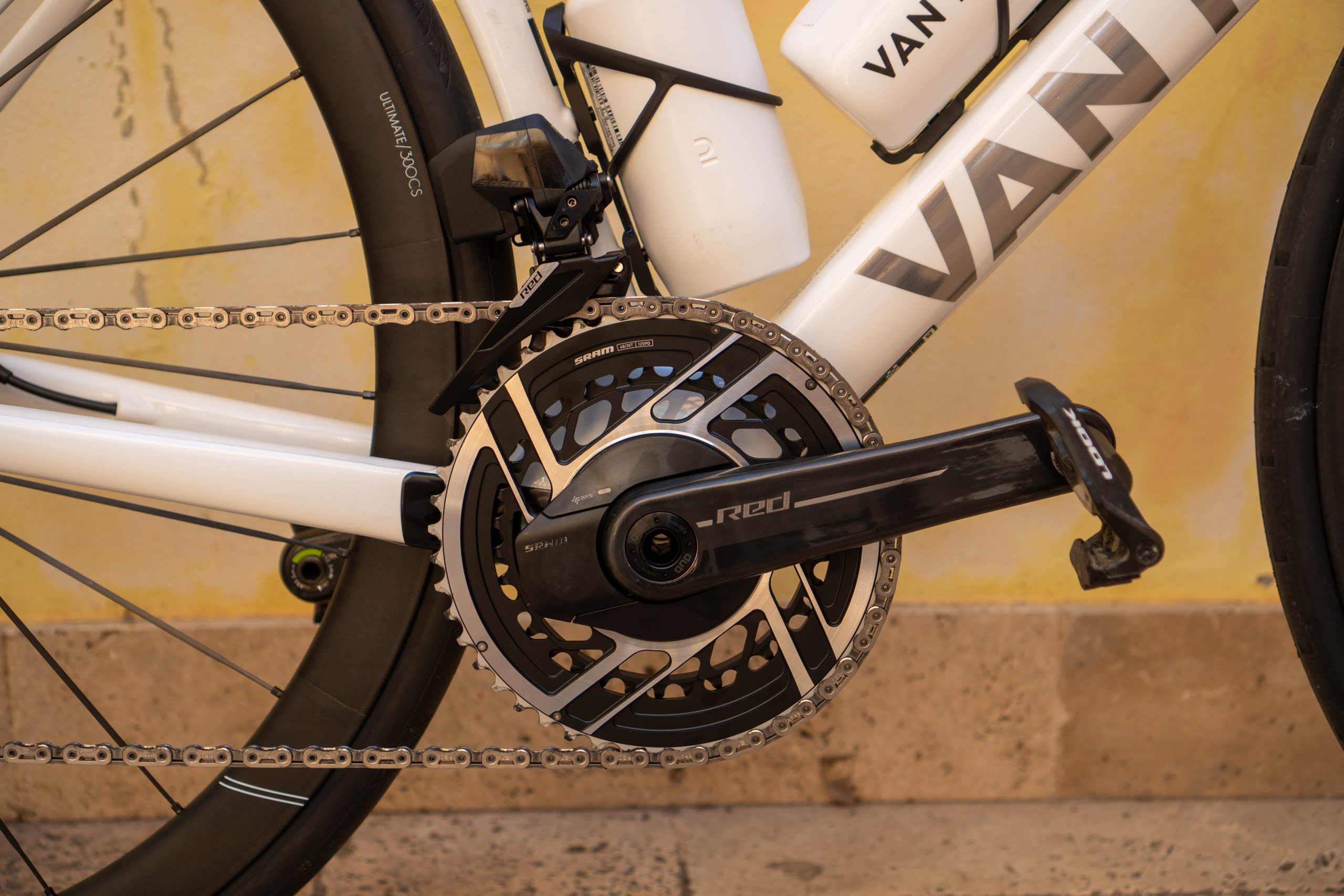
The RCR-R2 Pro will be available in complete-bike builds with Shimano Dura-Ace Di2 R9200, SRAM Red AXS, and Shimano Ultegra Di2 R8100 and SRAM Force AXS builds.
Claimed weights range from 6.6kg for the SRAM Red AXS model to 7.1kg for the Ultegra Di2 and SRAM Force AXS builds, all in size medium. The Dura-Ace Di2 version is said to weigh 6.9kg.
The standard RCR-R2 will be offered with Shimano Ultegra Di2 R8200, SRAM Force AXS, Shimano 105 Di2 R7100 and SRAM Rival AXS builds. Claimed weights range from 7.4kg for the Ultegra Di2 model to 7.9kg for the Rival AXS build.
Van Rysel says all bikes will ship with power meters. The bikes are set to be available in Europe, the UK, China and North America, from around January 2027, with prices to be set nearer that time.