Despite its low weight, the Van Rysel RCR-R2 Pro is less a climbing bike and more an all-rounder.
I've ridden two specifications of the RCR-R2 Pro: one with a SRAM Force AXS groupset and Swiss Side Hadron 3 Ultimate 550 wheels, and another with SRAM Red AXS and the lighter, 38mm-deep Hadron 2 Ultimate 380 wheels.
There's no doubt I preferred the deeper wheelset. It made more of the bike's all-round capability, with precious little downside, and helped reinforce the impression that this is a bike designed to do pretty much everything well.
The handling is very good, striking an enviable balance between agility and predictability when descending. It's undoubtedly stiff and responsive, but in an unsurprising kind of way. There are plenty of race bikes in the world that feel much like the RCR-R2 Pro.
The Specialized Tarmac SL8 (I've yet to ride the SL9), Cannondale SuperSix Evo, Cube Litening Aero C:68X and previous-generation ENVE Melee are all very similar-riding bikes, meaning the RCR-R2 Pro has work to do to stand out from the crowd.
Read more
- The new Van Rysel RCR-R2 Pro is lighter, stiffer and more aerodynamic
- No paint, 40cm handlebars and the marks of a life well-lived – this is Paul Seixas’ prototype Van Rysel RCR-R2 Pro
Van Rysel RCR-R2 Pro first-ride impressions
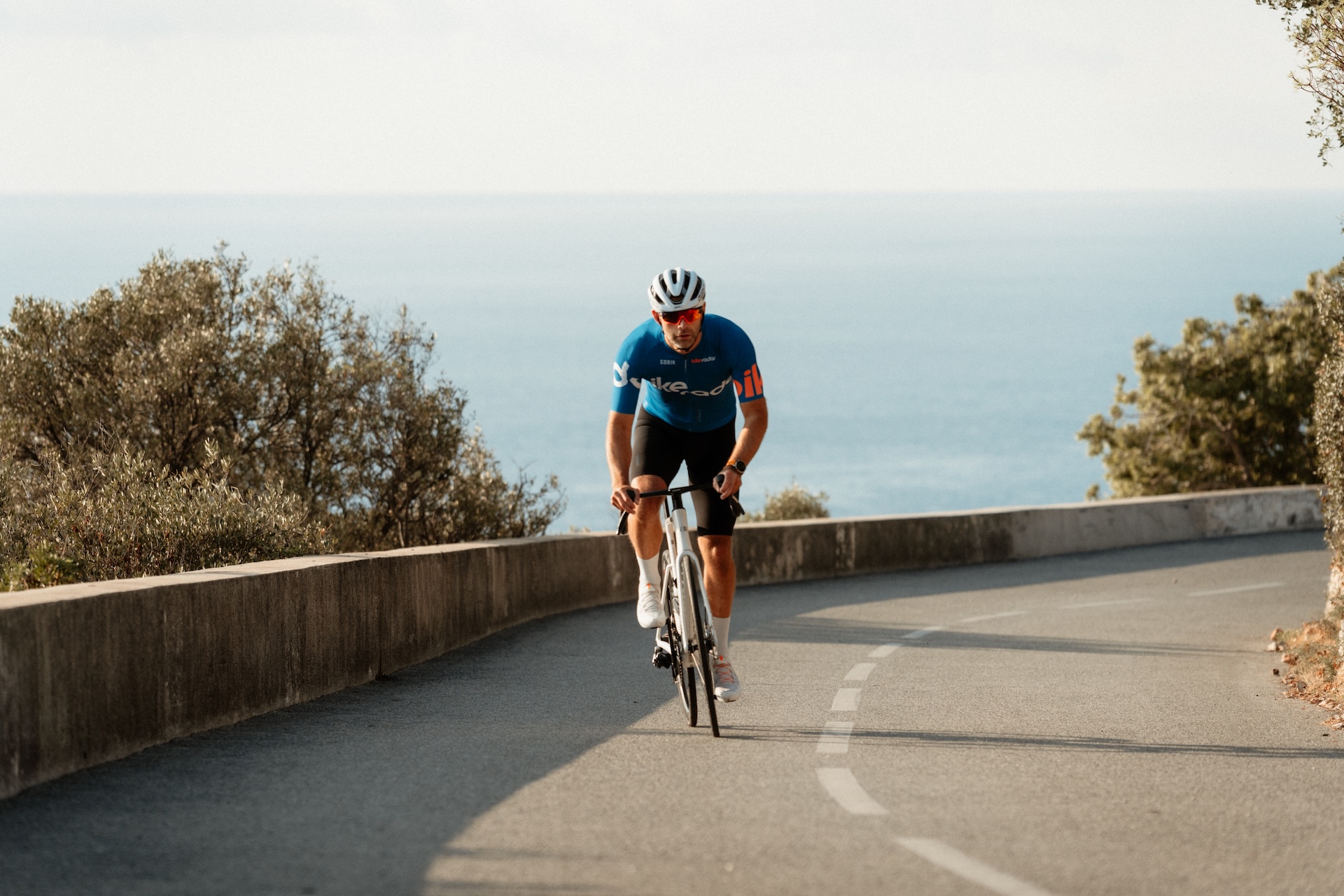
Riding around the professional playground that is Nice, France, is hardly a taxing affair. Largely well-paved roads, and consistent climbs and descents flatter my modest ability, but there's enough on show to indicate that the RCR-R2 Pro is an all-rounder of the highest class.
The handling is a particular highlight. There's a good degree of agility when tipping the bike into corners, but it remains predictable and composed when carrying speed downhill.
It's a bike that feels immediately familiar, without any obvious quirks or characteristics that require you to adapt your riding style.
The frame is undoubtedly stiff, too, with the responsive feel I'd expect from a modern performance race bike. It feels keen to accelerate and holds its line well, although I wouldn't say it offers anything particularly stand-out in this regard.
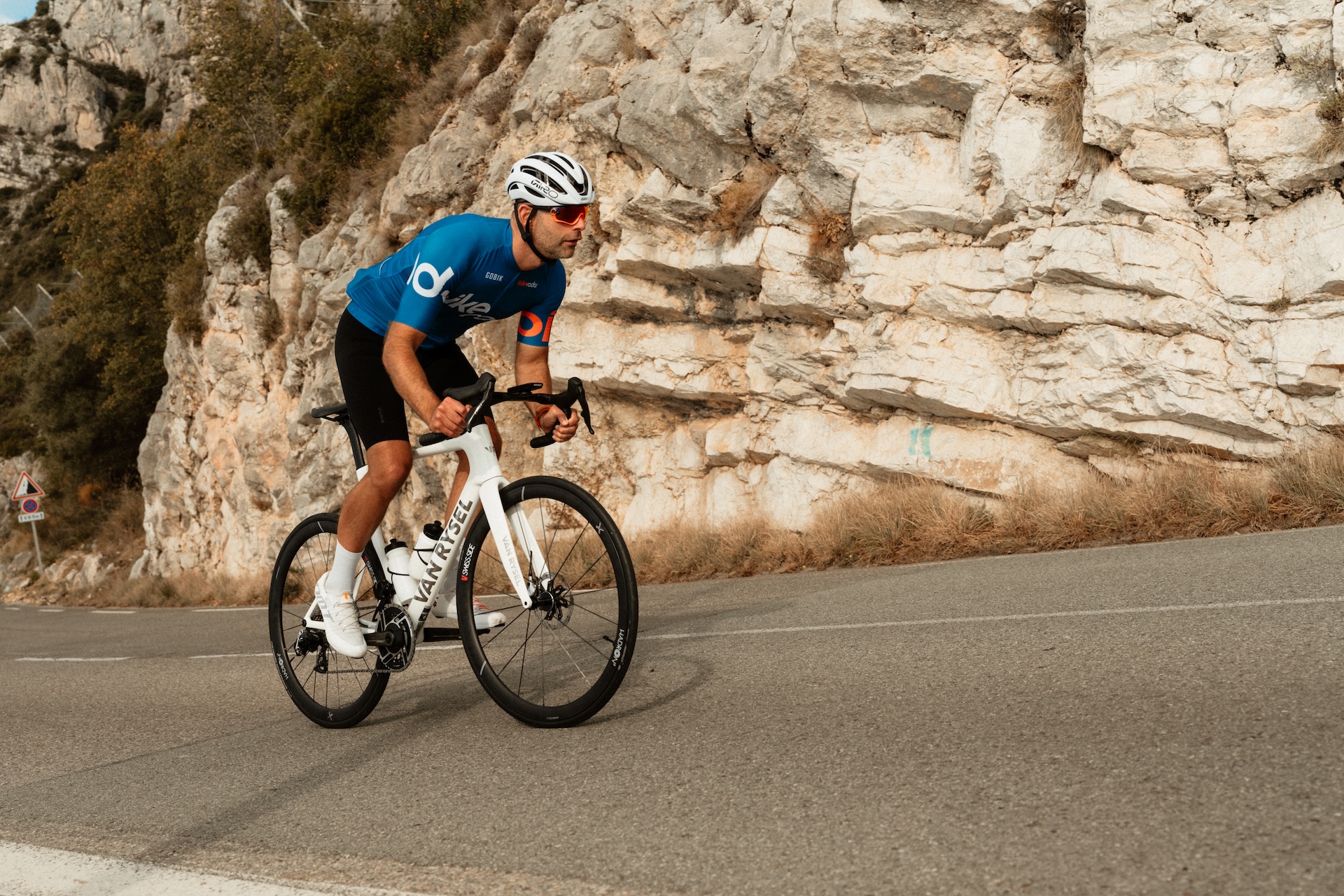
That's not necessarily a criticism. The RCR-R2 Pro feels every bit the contemporary all-round race bike and its handling is right up there with some of the best-known bikes in the category.
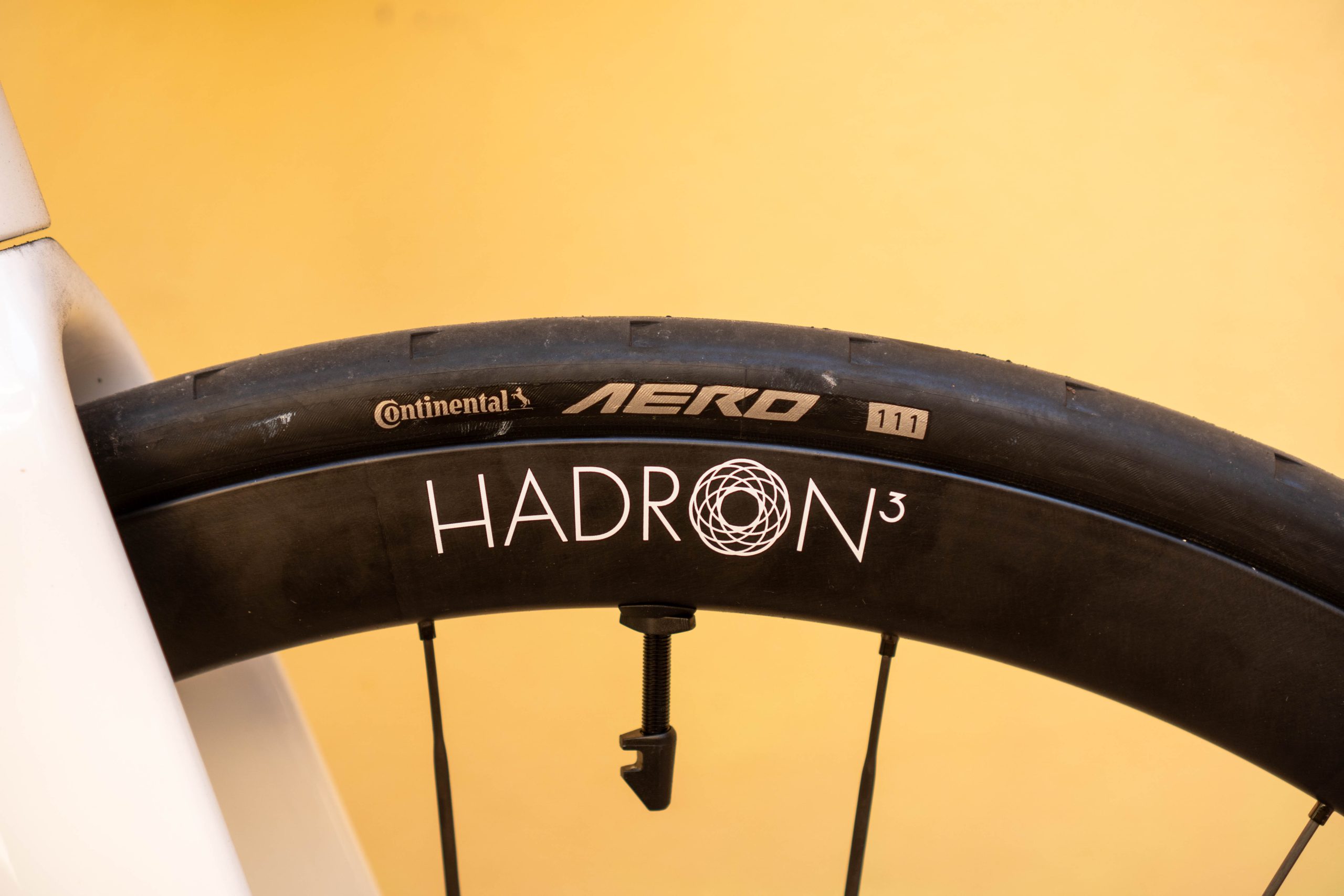
The choice of wheels does, however, have an influence on how the bike comes across. I preferred the deeper Swiss Side Hadron 3 Ultimate 550 wheels, which gave the bike a more convincing all-round character.
The lighter, 38mm-deep Hadron 3 Ultimate 380 wheels with carbon spokes undoubtedly have their place, particularly for those prioritising low weight, but I found little reason to sacrifice the deeper option's added versatility if given the choice.
Limited tyre clearance could be a sticking point
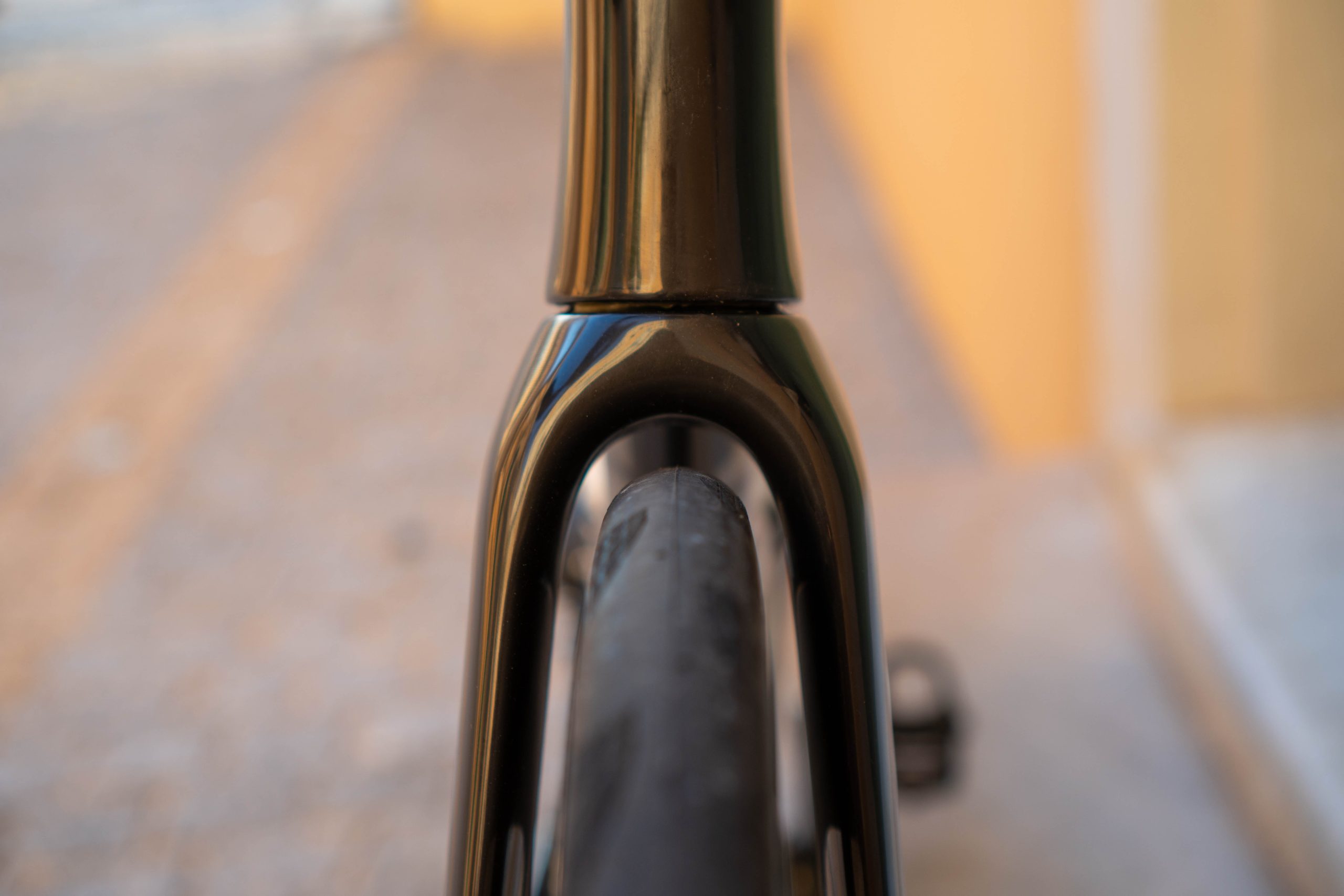
It's surprising, then, that Van Rysel has specced 28mm-wide tyres front and rear.
They're fine on the smooth roads of the Côte d'Azur, but at home on the B-roads of Somerset and Devon in the UK? Unlikely.
The seatpost does a decent job of removing some chatter from the road, but the ride remains firm – firm enough that I'm extremely confident I'd want to be running 30mm or even 32mm tyres to deliver a more rounded ride performance on less favourable, typical roads.
Fortunately, I'd be able to make that happen. Van Rysel quotes clearance for 33mm-wide tyres, measured, although there's unlikely to be much more room to play with beyond that.
It's worth noting that the Decathlon CMA CGM team will have different priorities when it comes to tyre selection – according to star rider Paul Seixas, who I spoke with at the launch, 28mm-wide tyres are generally considered the fastest by the team (unless racing on specific roads such as the cobbles of Paris-Roubaix).
Even so, the available clearance is likely to become a limitation should any rider want to try using 35mm-wide tyres, as we saw Tadej Pogačar play with this year.
Those after a really progressive setup, with an eye on where road-bike tyre widths and technology might be moving over the next few years, may want to shop elsewhere. The Orbea Orca Aero, with its clearance for 37mm-wide tyres, perhaps?
As a result, I think of the RCR-R2 Pro (and the RCR-R2) as a bike designed for the moment, rather than one with an eye on where the market might be heading.
Seatpost customisation is a welcome touch
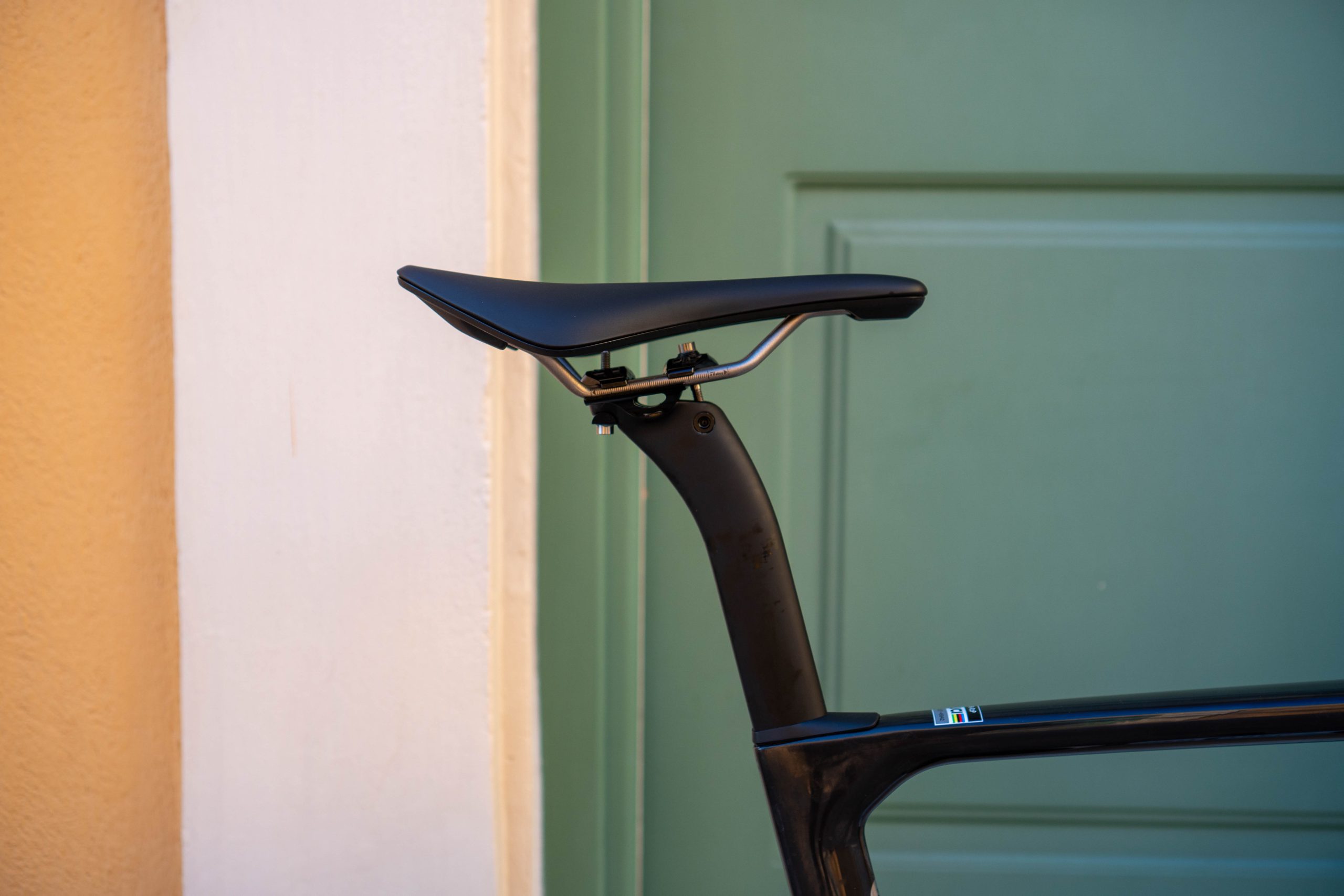
I'm glad Van Rysel has committed to offering seatpost swaps, too.
The 15mm-setback model I used will be the default, I'm told, but Van Rysel stockists – starting with Decathlon stores – will be able to swap it free of charge for a zero-setback model. This was still in development when I tried the bike in October.
It's a relatively small detail, but one that makes a difference to the bike's potential fit and setup – I, for one, would have chosen it if I’d had the option.
Van Rysel RCR-R2 Pro bottom line
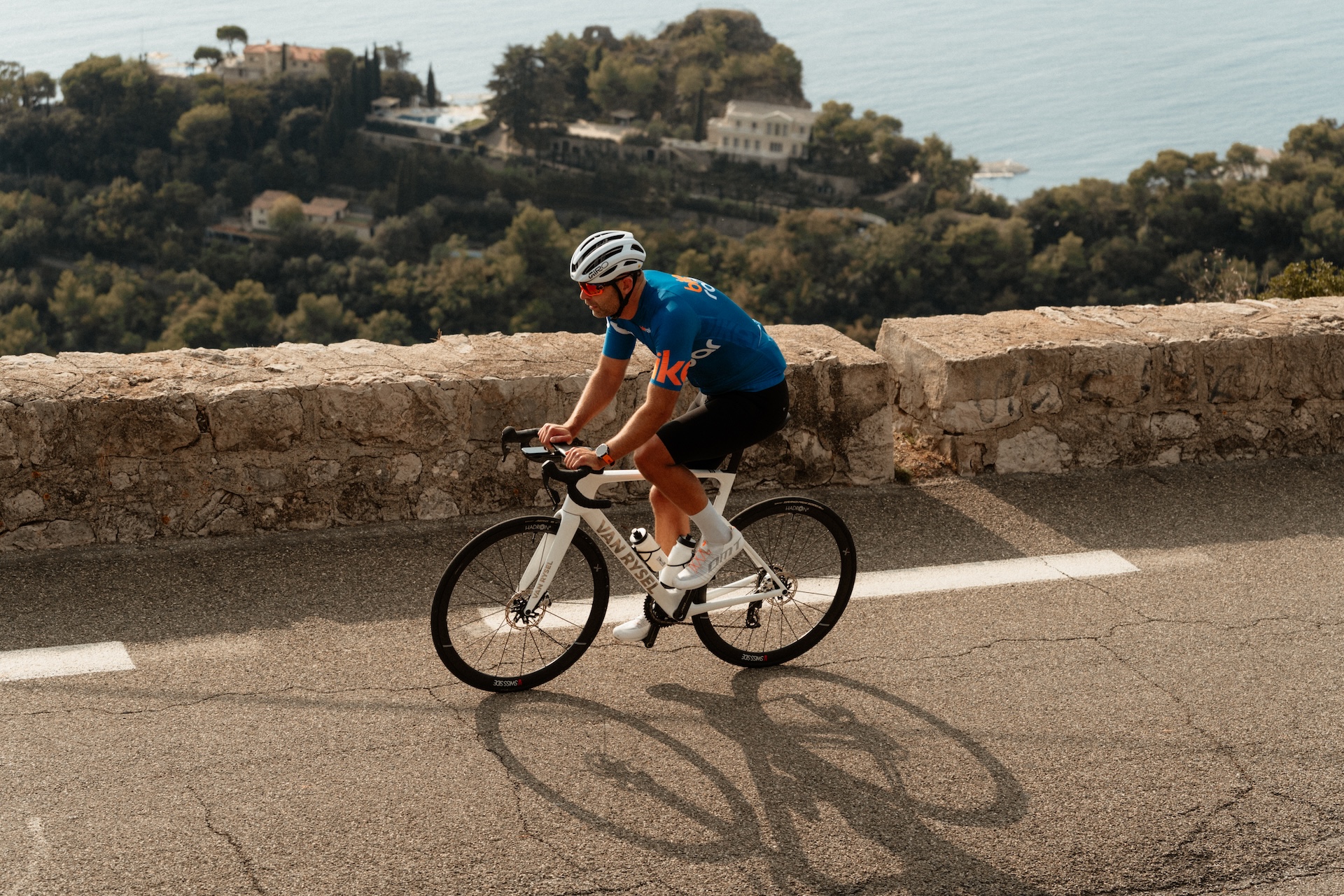
For a few years, Van Rysel has made a concerted effort to position itself as a premium performance bike brand, and with a bike as polished as the RCR-R2 Pro, that effort is starting to show.
Its handling is excellent, its ride character is reassuringly familiar, and it has the makings of a very capable all-round race bike.
The prices mooted for the range, from €3,299 to €8,999, are competitive with the likes of the Rose Shave FFX and Cube Litening Aero C:68X.
The caveat is that the RCR-R2 Pro doesn't do anything particularly differently from its established competition. Its limited tyre clearance is also a potential sticking point for those wanting to embrace wider rubber.
For now, though, it's a very promising start.