The Cube Litening Aero C:68X makes you question why other race bikes cost quite so much. At £7,499 / €7,299, this pro-spec equipped aero race bike costs substantially less than many of its direct competitors, but with none of the performance downsides.
It delivers an unerring sense of speed. A few times, I found myself cruising along at over 40km/h with low effort, which isn't something I get to report very often.
It's very stiff, yet the handling strikes a great balance between being responsive and predictable, and the low 7.41kg weight of my 58cm/XL-sized test bike made it feel particularly manoeuvrable.
It isn't perfect, though. Cube doesn't allow you to change components at the point of purchase, which is a shame. Notably, the bike comes with 28mm tyres despite having clearance for significantly wider rubber, and I suspect the less-aggressive tops of the second-tier cockpit would suit most punters better.
But that's part of the deal when the price tag wouldn’t have looked out of place on any brand’s flagship bike a decade ago.
Cube Litening Aero C:68X need to know
- A pro-spec bike for ‘only’ £7,499 / €7,299
- Weighs 7.41kg in a size 58cm/XL
- Handling is responsive without throwing up any surprises
- The IC Aero Max cockpit contributes to Cube's claimed 10.4-watt drag saving at 45km/h versus the previous generation, but its deep tops aren't especially comfortable to hold when climbing
- The frame has clearance for 34mm tyres, but the supplied 28mm rubber doesn't make the most of it
Cube Litening Aero C:68X performance
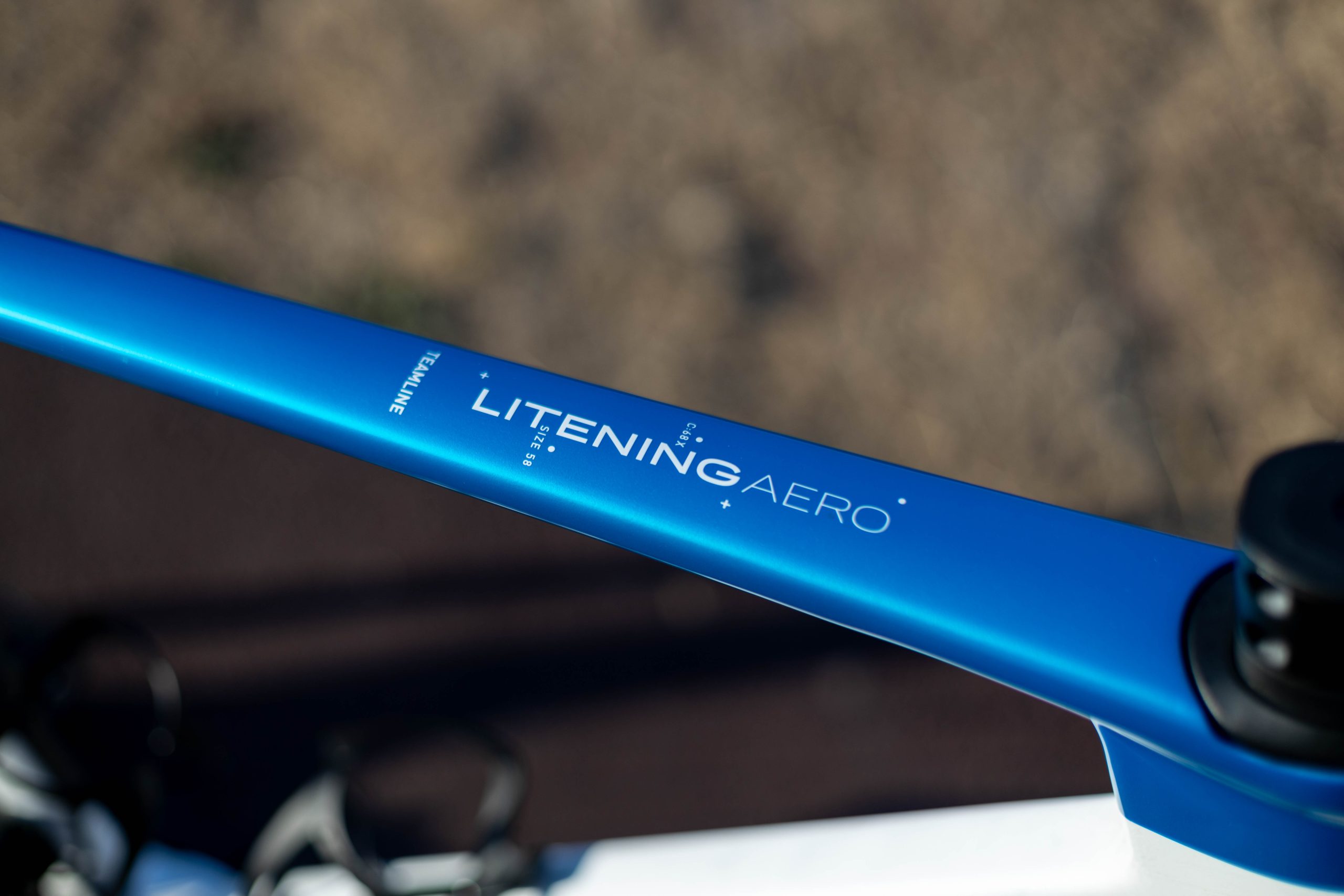
The Litening Aero C:68X gives a very tangible sense of speed. On good-quality roads, it feels among the easiest bikes I've ridden for maintaining a given speed. It costs relatively little effort to accelerate and hold the speed.
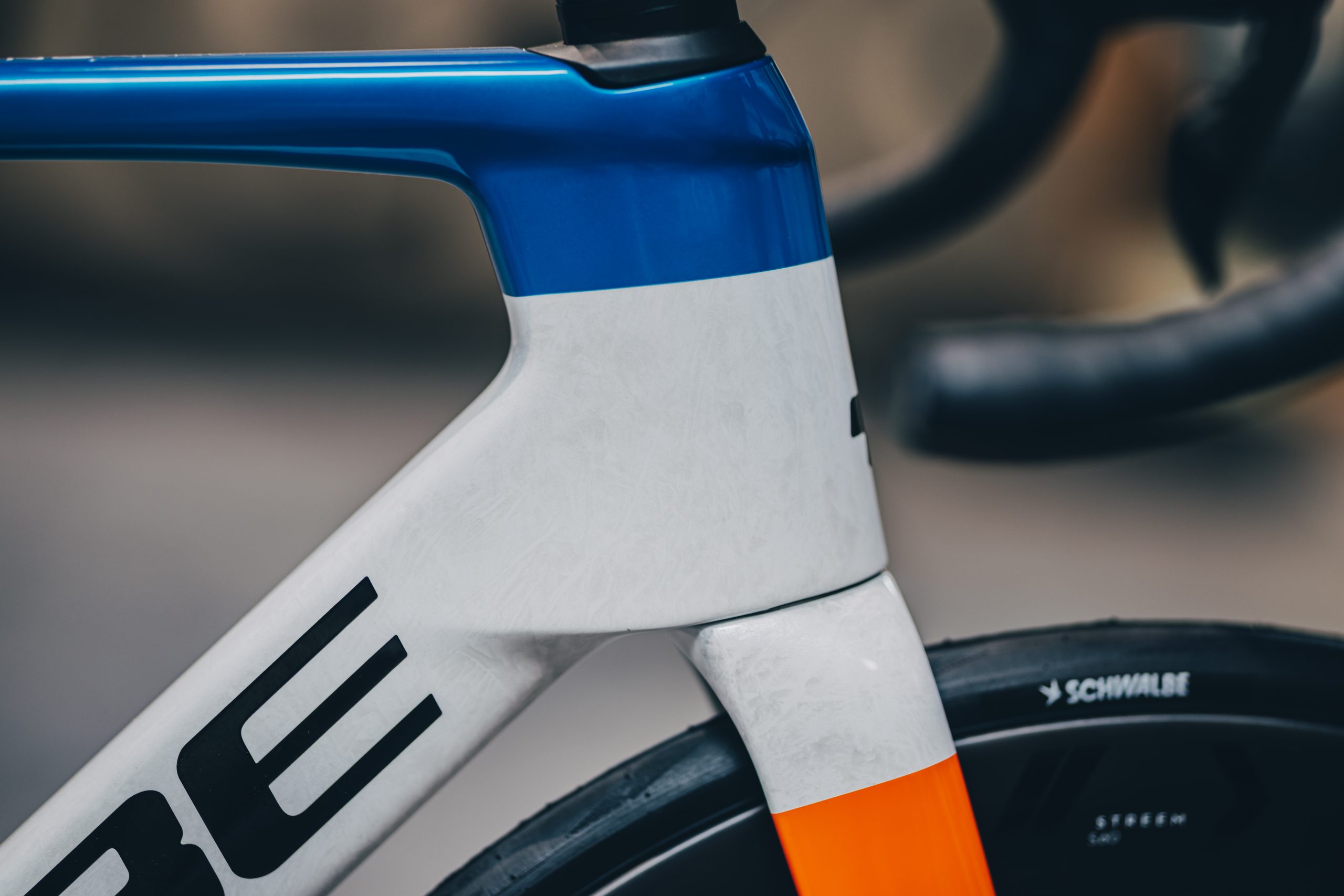
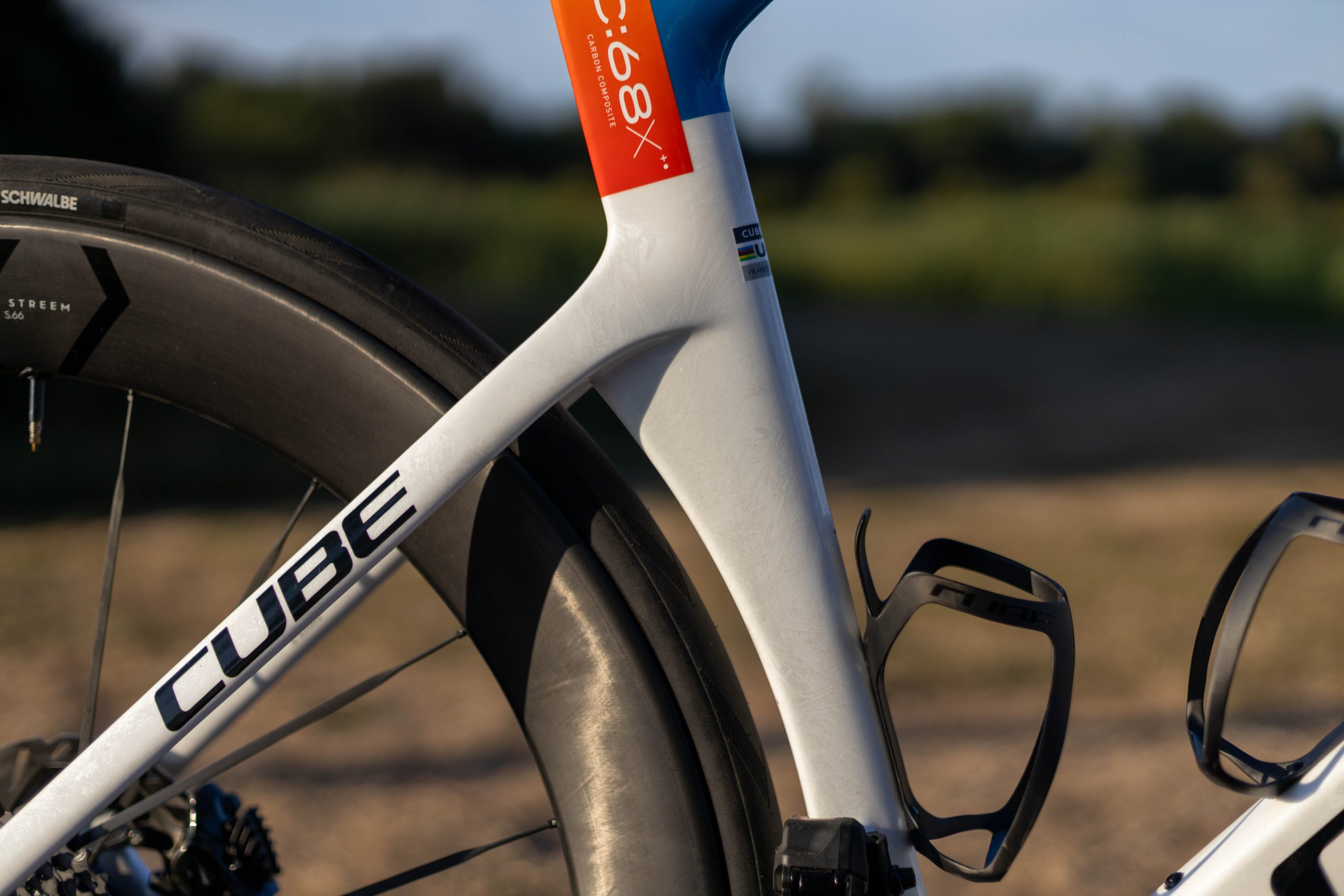
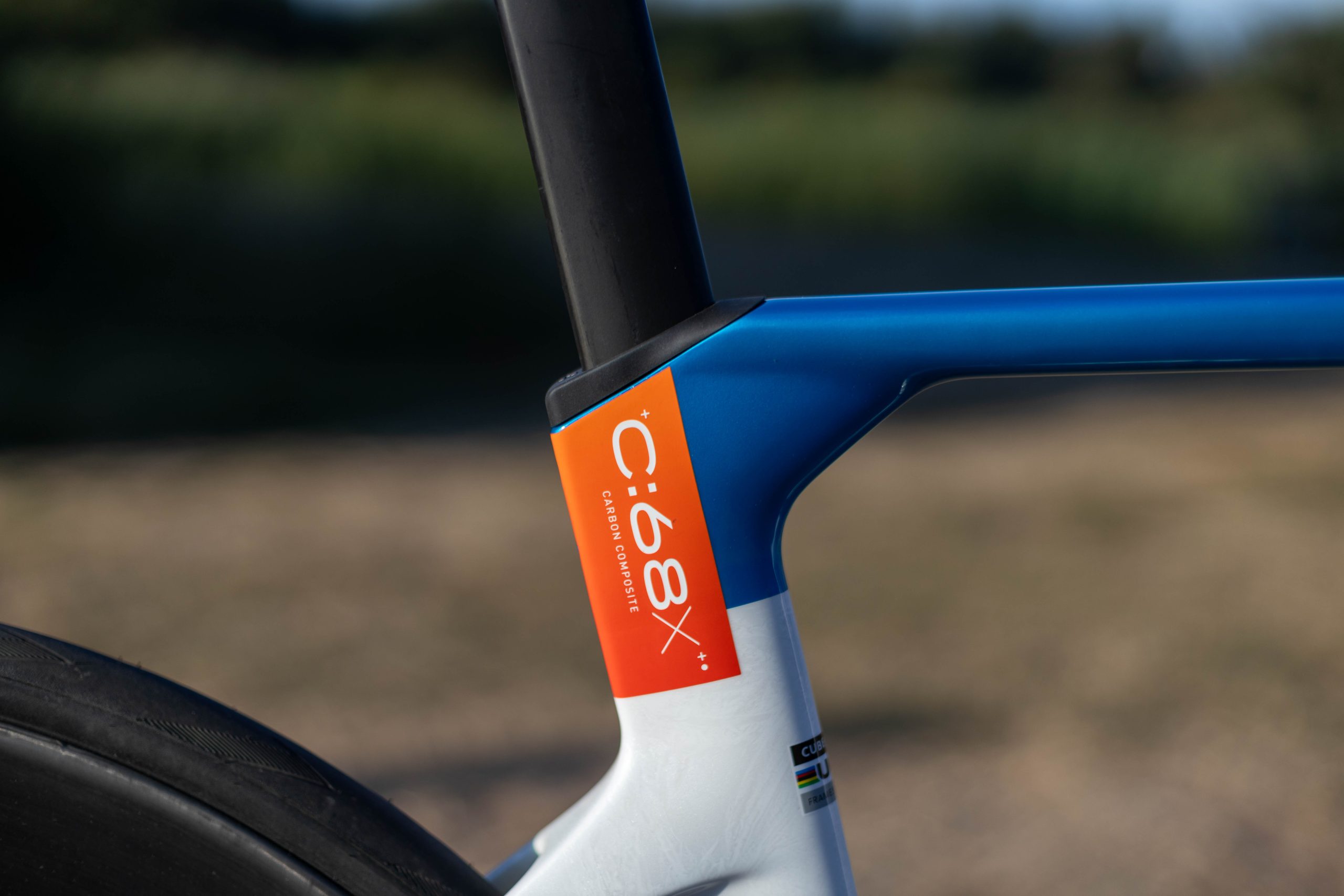
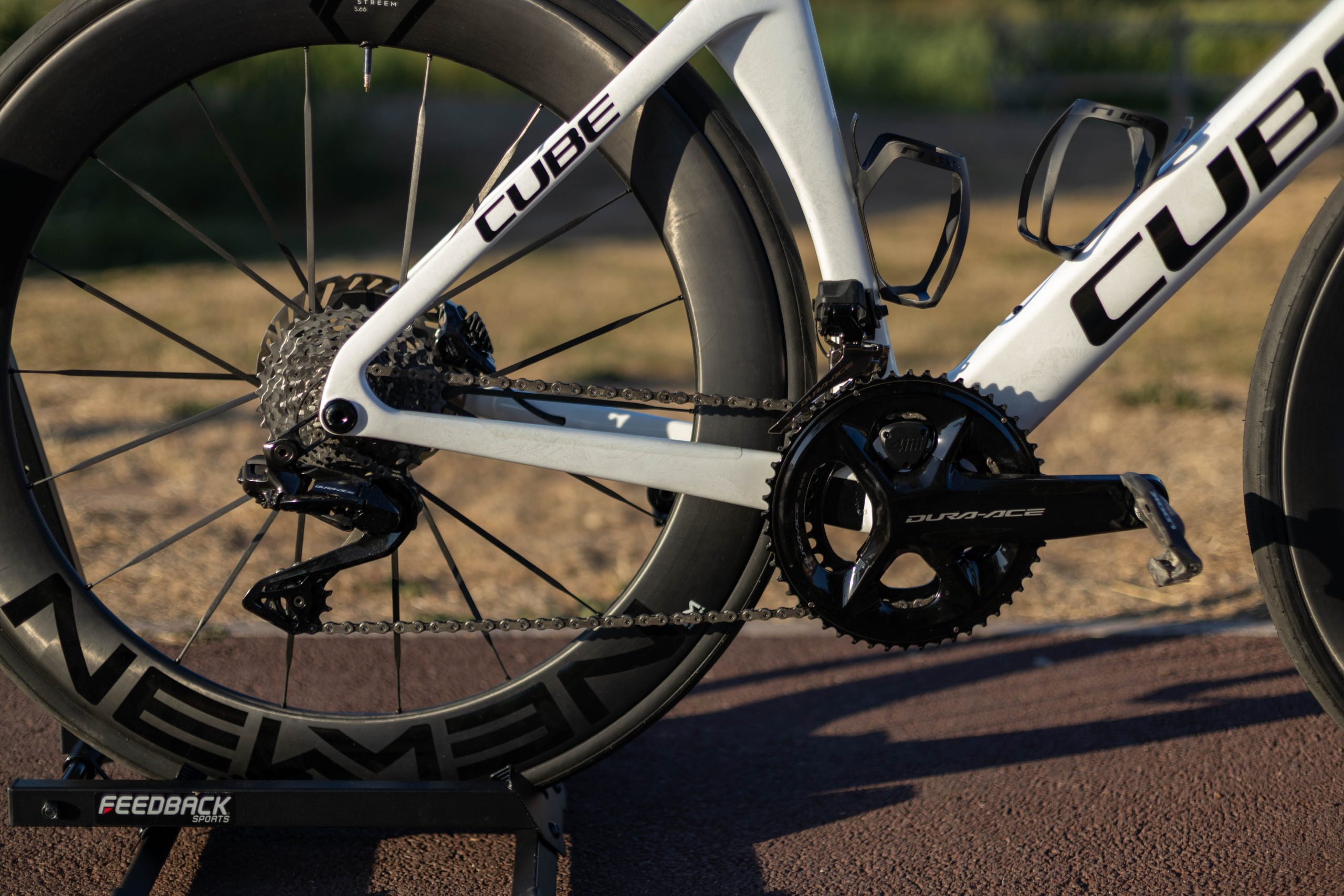
A narrow head tube, protruding fork crown shelf, deep truncated down tube, tyre-shrouding seat tube and aerofoil seatstays are all present and correct. Cube has also tidied up the seatpost-insertion zone, with a tapered design that leaves the rearside of the seatpost more exposed than the front, and the bike features a Universal Derailleur Hanger.
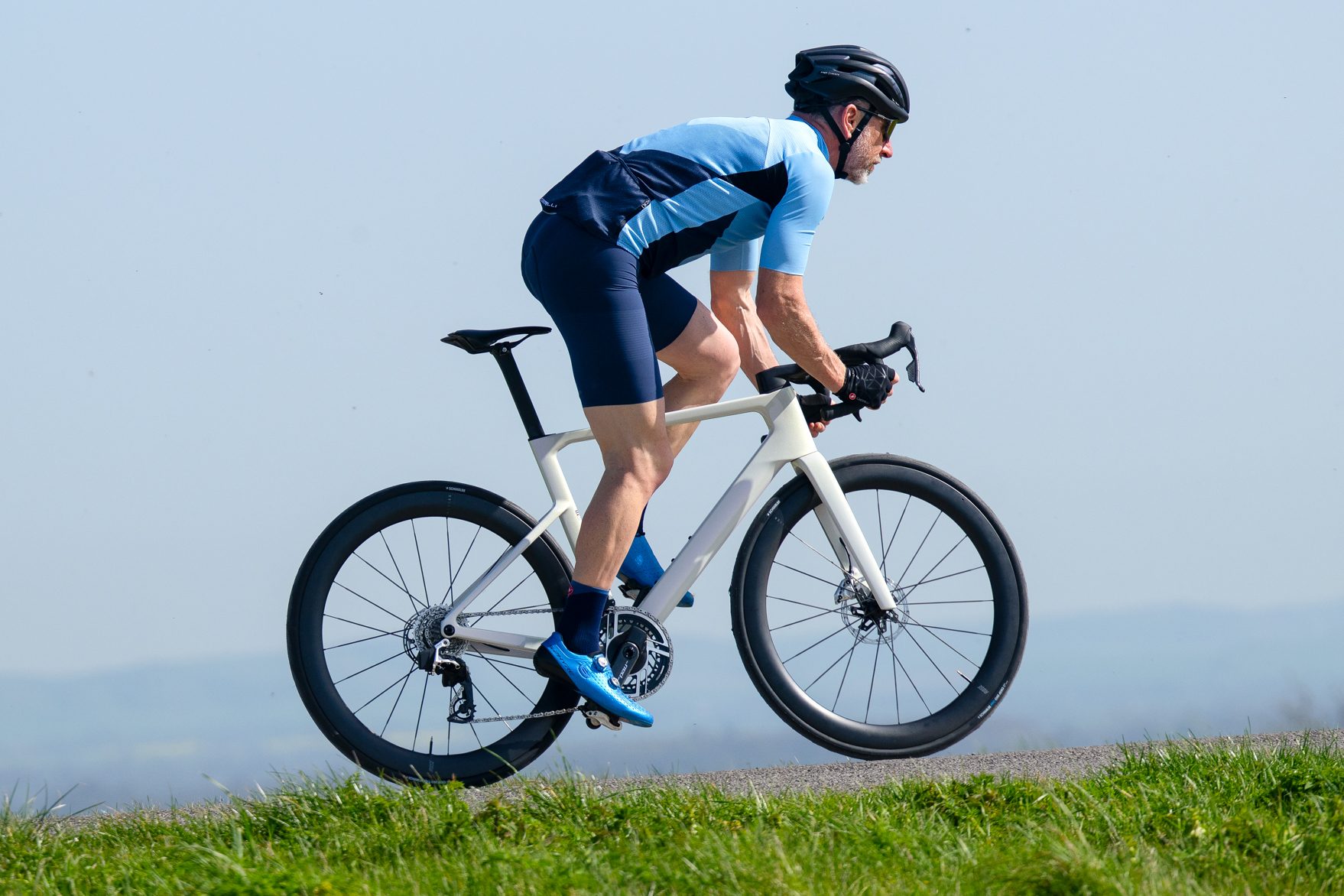
It feels very stiff and responsive, as one would expect from a race bike. There's a low-slung quality to the riding position and a pointy feel to the front end that reminded me of the Ridley Falcn RS.
It’s easy to ride though, largely because the handling strikes such a good balance between being responsive and predictable. It changes direction readily, but there's nothing nervous about it, and the low weight makes it feel especially manoeuvrable for an aero bike.
7.41kg in a size 58cm/XL, without pedals, is competitive for a modern aero race bike. I suspect smaller sizes will get very close to the UCI's 6.8kg minimum weight limit.
You could argue that the Litening Aero doesn't embrace the new breed of progressive geometries found on bikes such as the Factor One and Eddy Merckx 525R. That's fine by me, though, and I suspect a good number of other riders will feel the same: what I got here is what I'd expect from a modern, if not progressive, aero race bike.
The new IC Aero Max cockpit's ergonomics are very good, with just enough flare on the drops to make transitioning up and down feel instantly natural. Cube says the palm recesses set behind the hoods are designed to improve comfort, although I couldn't detect much of a difference from other aero cockpits I’ve used.
The cockpit is also said to account for a chunk of the overall 10.4-watt drag saving at 45km/h that Cube claims over the previous-generation Litening Aero. I suspect a good deal of that improvement comes from the deep-bladed tops, which certainly look purposeful and aggressive.
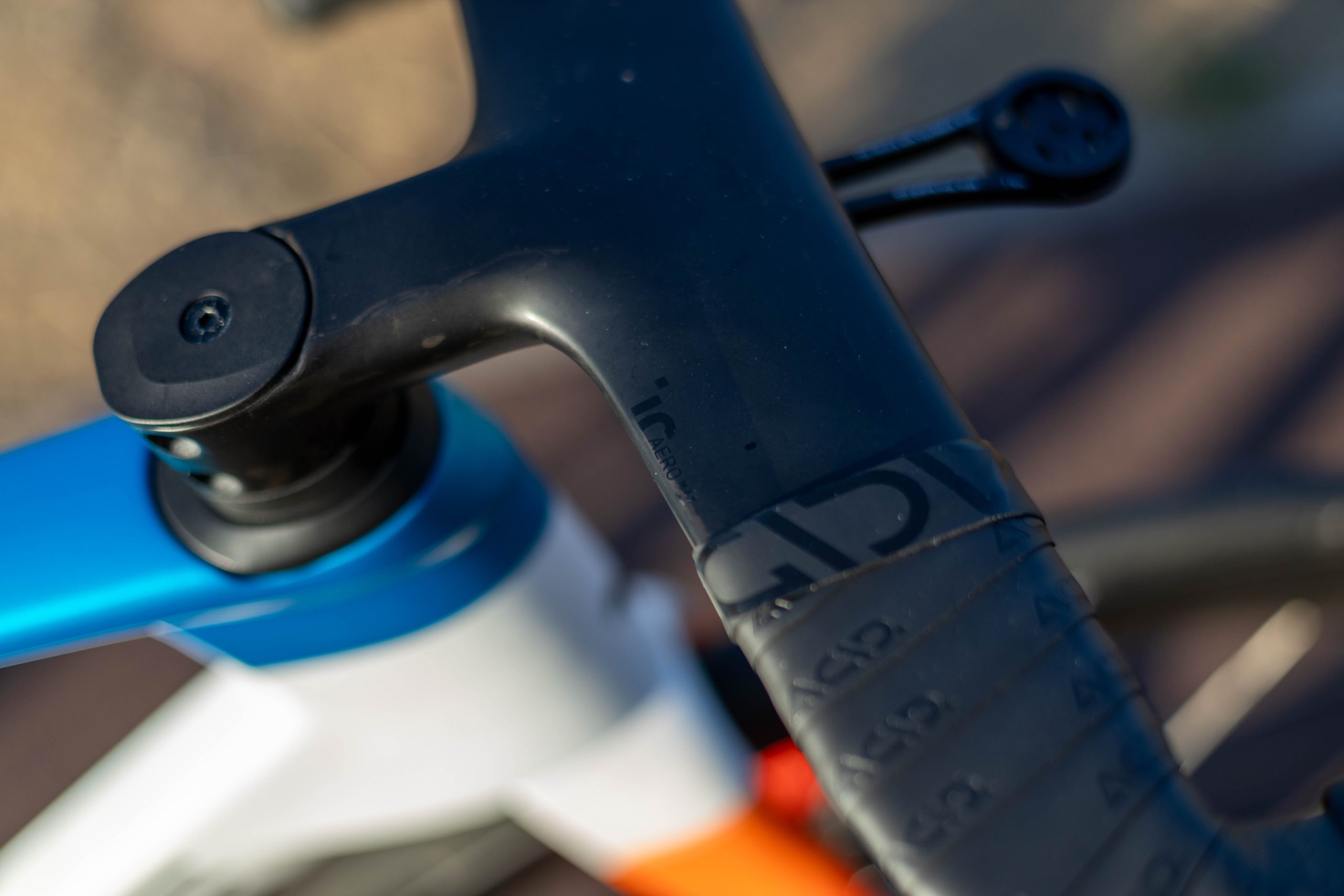
That said, while it's certainly fit for purpose on flat stages of Grand Tours and the like, even with my large hands I found it impossible to grasp the tops comfortably when climbing, unless I simply rested my hands on the surface.
Team TotalEnergies racers will be able to request a swap to Cube's less deep-topped IC Aero cockpit should they prefer, but that's a significant outlay and effort for us non-sponsored, paying customers who want a pro-spec race bike.
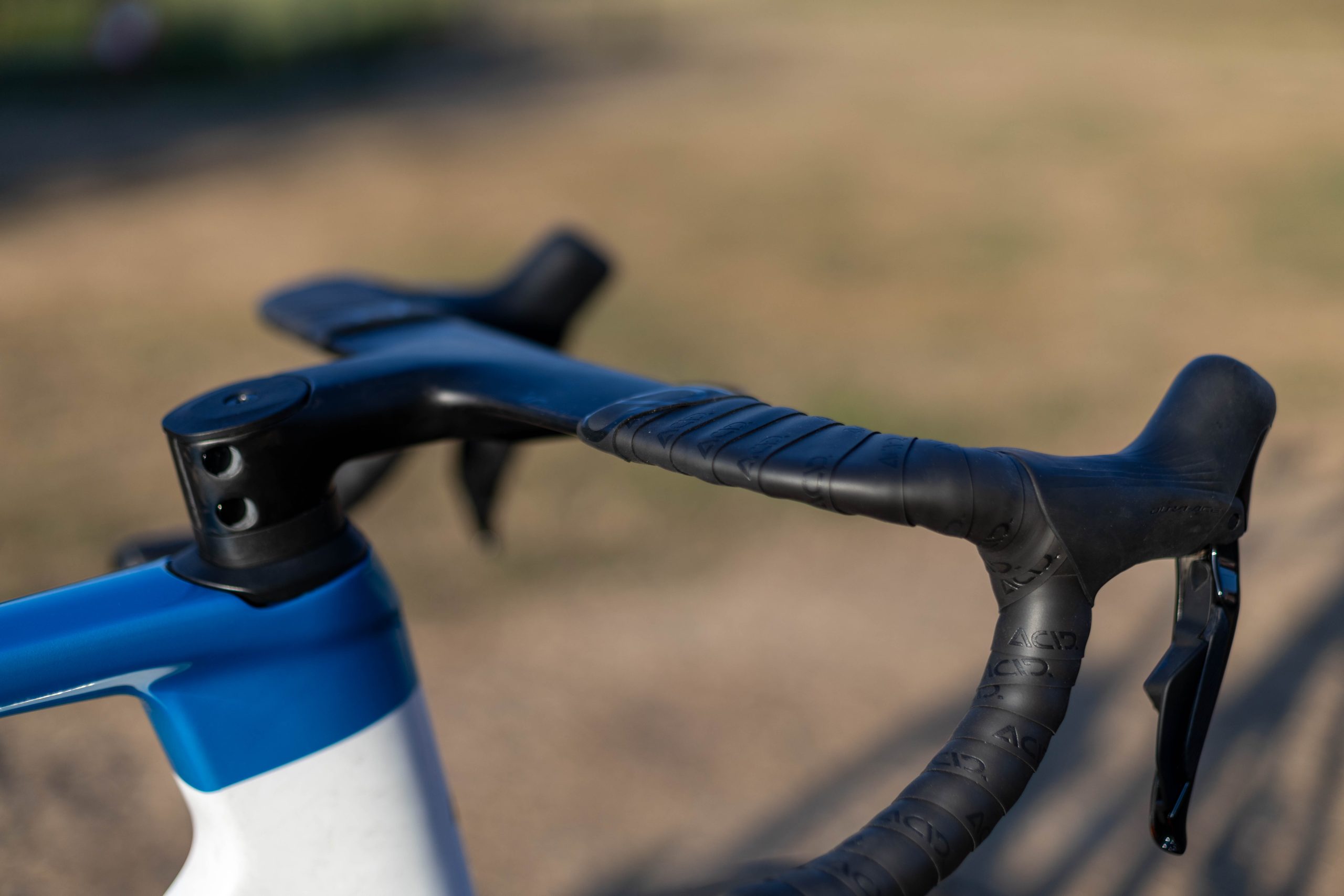
The Litening Aero feels a touch uncompromising at the front, particularly with the 28c Schwalbe Pro One Aero tyres fitted, and on corners with less-than-perfect tarmac the amount of vibration transmitted through the front end can be less than confidence-inspiring.
The tyres themselves are very good in terms of grip and suppleness, but they ‘only’ size up just above their nominal width, because the Newmen Streem S.60 and S.66 wheels have 'just' a 22mm internal rim diameter. That's contemporary, but there are wider rims and tyres being raced to great success at the highest level.
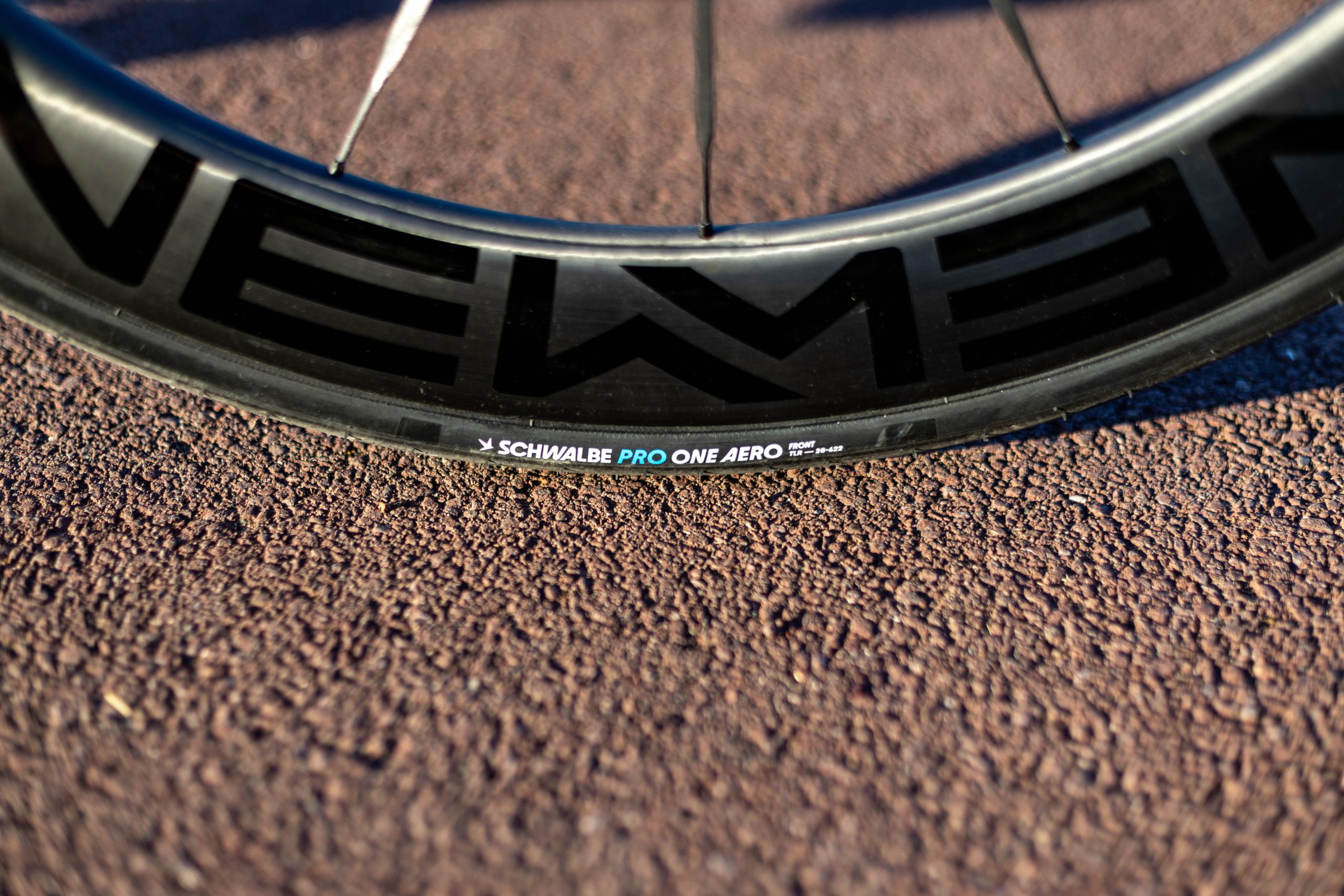
It feels a shame that Cube has provided clearance for 34mm-wide tyres but hasn't made use of it. The 28-30mm range remains the most popular among pro riders for good reason, but outside of the Spring Classics where 32mm tyres (and wider) are increasingly common, those riders will often be racing on excellent-quality roads.
For most riders buying this bike, wider tyres would help soften the experience through the front and make riding the bike a touch easier. The extra air volume should bring more compliance and grip, while on poorer surfaces it could improve rolling resistance.
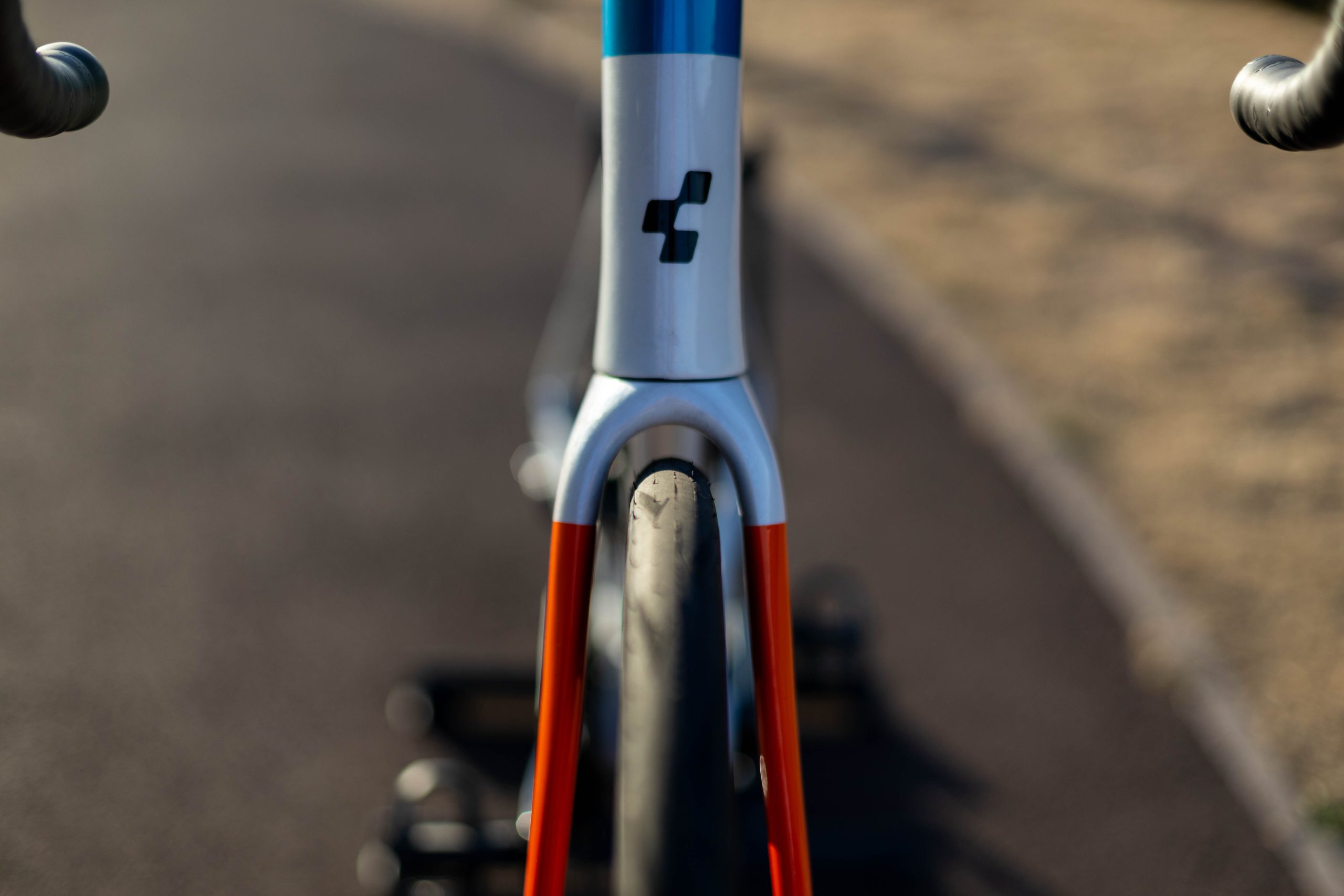
The Newmen Streem wheels have plenty going for them, though. Given the 60mm front and 66mm rear rim depths, crosswind stability is good, while it feels very sharp to accelerate on. That could be partly down to the low overall weight, but the stiffness provided by the Vonoa carbon spokes is likely playing its part, too.
At the other end of the bike, the seatpost does a reasonably good job of filtering out road buzz, although more significant holes are felt keenly. Cube has clearly, and understandably, designed the Litening Aero C:68X's frameset to sit towards the rigid end of the stiff-compliant spectrum.
However, this strengthens the argument that anyone other than a dedicated racer ought to be running wider-than-28mm tyres and gaining compliance and grip from the exchange of a few grams.
The best-value Tour de France race bike available today?
The Litening Aero C:68X's value proposition is difficult to ignore, at £7,299 / €7,499. A tyre-width upgrade is relatively easy to justify when you're starting with a bike that costs less than practically all of its rivals.
Even the Rose Shave FFX, which my colleague Simon von Bromley has championed for its value, is outdone. In Europe, this same spec-level Litening Aero C:68X is a whopping €1,201 cheaper than a Shave FFX (at €8,500), while the Cube is also more readily available in the UK at the time of writing.
A Winspace M6 Aero with a SRAM Red AXS build, top-spec wheels and a dual-sided power meter costs £6,750, but for Winspace's equivalent flagship race bike, the T1600 Ultra, you'll need to spend £7,630 – £131 more than the Cube.
Neither of those two race bikes saw action at the Tour de France, although the Shave FFX was raced by the Unibet Rose Rockets team at both the Giro d'Italia and Paris-Roubaix this year.
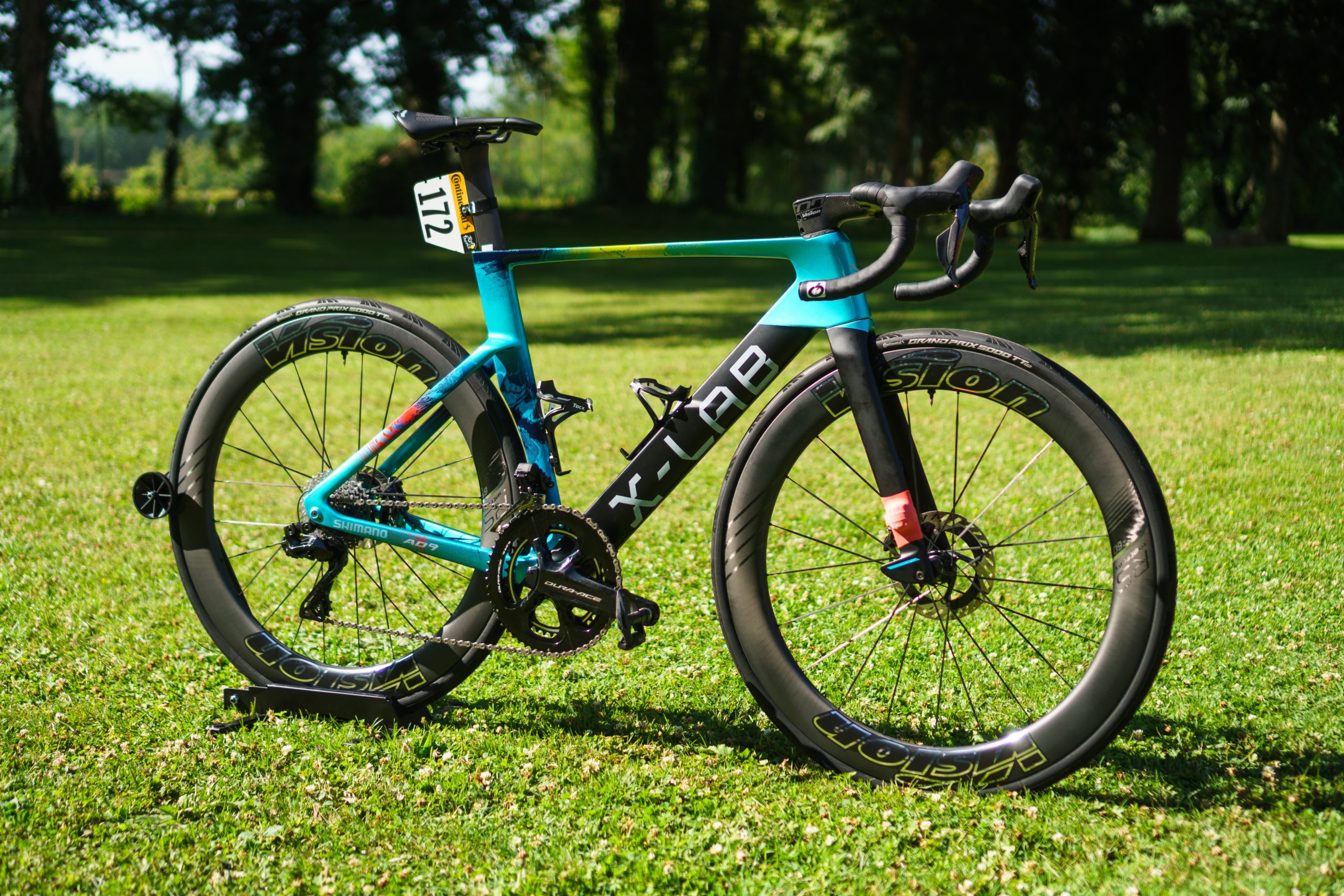
The X-Lab AD9 is another interesting comparison. It's raced at WorldTour level by Astana-XDS and therefore saw action at the Tour, but its race-drag build costs $7,999 in the US, before any additional duties and taxes for UK and EU buyers.
On the more mainstream side of things, a Canyon Aeroad CFR in an equivalent spec costs £8,500 / $10,499 / €9,000.
It's worth pointing out that the Litening Aero C:68X isn't available in the US, so American buyers would need to import one and shoulder the costs entailed.
In reality, most of us would be better served by a Shimano Ultegra Di2 or SRAM Force AXS-spec version, complete with power meters, the less aggressive cockpit and the same wheels save the carbon spokes. These are available for £4,999 / €4,999.
The price of value
The main downside to this value is Cube won't allow you to customise the fit components free of charge. That could be an issue if you have exacting requirements around cockpit dimensions or seat position.
The stock handlebar on my size-58cm test bike is 40cm wide measured centre-to-centre at the hoods, and just shy of 46cm at the outside of the drops. I'm broad, but even then it felt a little too wide for my liking on an aero bike. It slows the steering responses slightly more than I'd want when riding on the hoods or in the drops and puts me in a stance that feels a little at odds with the intentions of the bike.
You also can't switch to a setback seatpost, although given the general trend we're seeing towards steeper effective angles from the bottom bracket to the saddle, that's less of an issue than it might once have been. But it's still another aspect of the bike that you need to be happy with before buying.
Cube Litening Aero C:68X bottom line
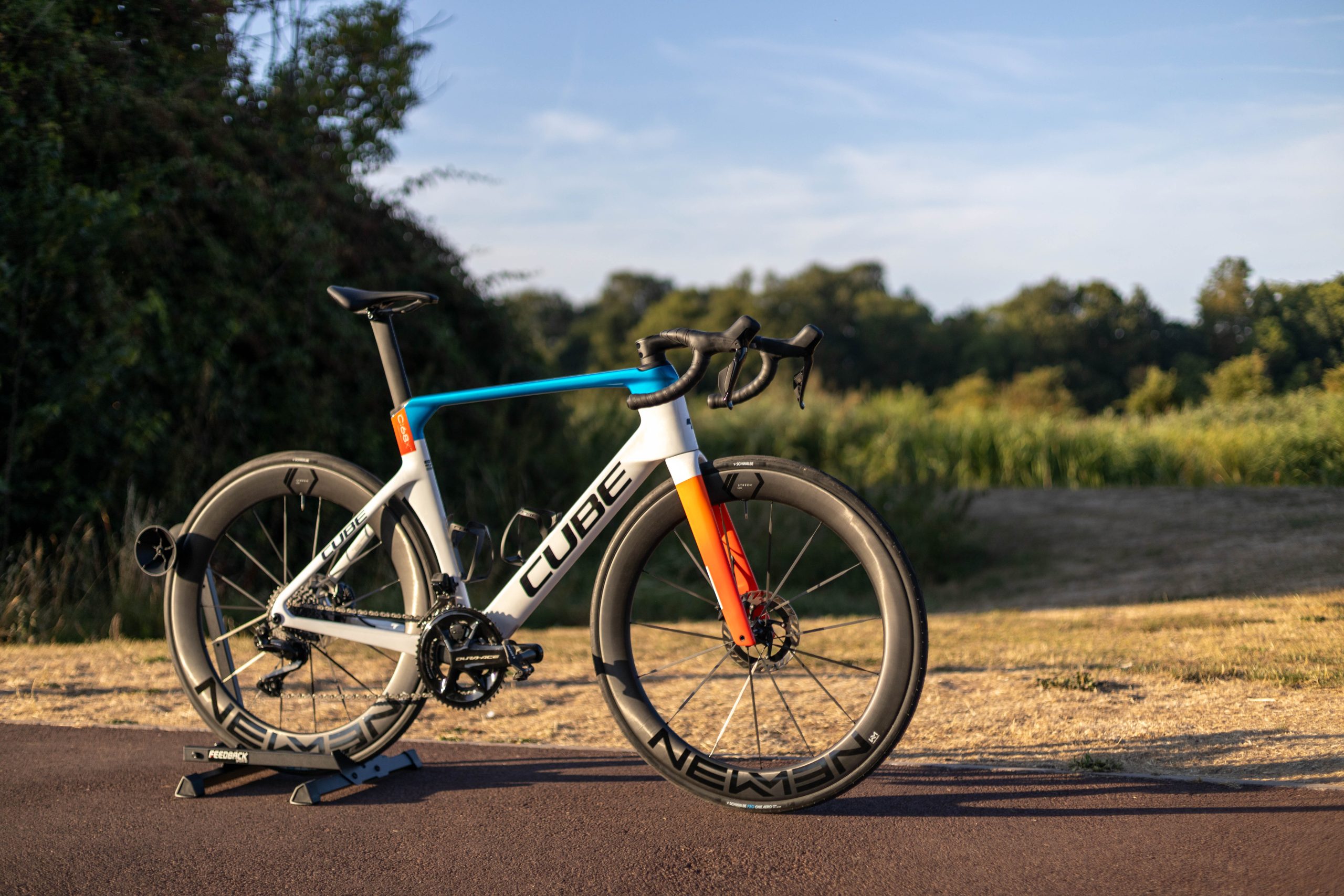
The Cube Litening Aero C:68X is an easy aero race bike to recommend if outright value is high on your list of priorities.
At £7,499 / €7,299 in this pro-spec guise, it trumps any other race bike with proven pedigree, and even beats the more prominent Chinese newcomers.
The sense of speed and racy handling is undeniable. At 7.41kg in a size 58cm/XL, it’s also compellingly light for an aero race bike. There are no shortcoming in the spec either, even if quibbles can be levelled at the tyre size choice (making the assumption that we don’t all ride on excellent road surfaces).
You can’t change the components at point of purchase, so you’ll need to buy different-size cockpits and seatpost setbacks if that’s what you require.
But those compromises have to be viewed in the context of the price. At £7,499 / €7,299, the Litening Aero C:68X sets a new standard for true pro-spec race bike value.
Product
| Brand | Cube_bikes |
| Price | €7299.00, £7499.00 |
| Weight | 7g |
Features
| Chain | Shimano M9100 |
| Frame | Cube Litening Aero C:68X |
| Tyres | Schwalbe Pro One Aero, 700x28c |
| Brakes | Shimano Dura-Ace R9200 |
| Cranks | Shimano Dura-Ace R9200 (inc. 4iiii Precision 3+ power meter) |
| Saddle | Cube Acid Nuance SLT Carbon |
| Wheels | Newmen Streem S.60/66 |
| Headset | Acros |
| Shifter | Shimano Dura-Ace Di2 R9200 |
| Cassette | Shimano Dura-Ace R9200 |
| Seatpost | Cube Litening C:68X Aero |
| Handlebar | Cube IC Aero Max |
| Bottom bracket | Press-fit |
| Available sizes | 50cm, 52cm, 54cm, 56cm, 58cm, 60cm, 62cm |
| Rear derailleur | Shimano Dura-Ace Di2 R9200 |
| Front derailleur | Shimano Dura-Ace Di2 R9200 |