The Atherton S.170E.2 is a full-power, gravity-focused eMTB developed on the steep, rough terrain of Dyfi, Wales. It's a brilliant bike that offers a truly rewarding ride at a competitive price – and it's the winner of our 2026 Mountain Bike of the Year test.
The bonded, hand-built aluminium frame dishes out 170mm of rear-wheel travel via the brand’s twin-link DW4 platform. This is paired with a 180mm-travel RockShox ZEB Ultimate fork, mixed wheels and Avinox’s powerful M2S motor.
At £7,999 / €7,599 (currently unavailable in the US), this second-tier build includes Ultimate-level RockShox suspension, a SRAM GX Eagle Transmission drivetrain, Hayes Dominion A4 brakes, Mavic E-Deemax wheels and Continental Kryptotal DH tyres. There’s no compromise on the parts that matter, and the bike comes in cheaper than many of its carbon-framed rivals.
I tested the Atherton S.170E.2 as part of our annual Bike of the Year test, which focused on the latest and greatest hard-hitting electric mountain bikes for 2026. From a shortlist of six, three bikes were selected for the final head-to-head showdown: the Atherton S.170E.2, Merida Lithos 8000 and Yeti LTe T4.
The Merida, which finished second in Bike of the Year, comes close in terms of performance with a more forgiving ride, but the Atherton combines the best motor control, the highest descending ceiling and the most convincing price. Its race-bike accuracy doesn’t make it one-dimensional either.
Three key things you need to know
- Hugely powerful Avinox M2S motor offers precise control on tap
- DW4 suspension provides exceptional grip without sacrificing support
- Delivers test-leading descending performance for less than most rivals
The full Bike of the Year 2026 shortlist
- Amflow PX Carbon Pro – £8,999 / $10,199 / €9,999
- Atherton S.170E.2 – £7,999 / $N/A / €7,599.05 (before applicable local taxes)
- Marin Alpine Trail EXR – £6,899 / $8,999 / €7,999
- Merida Lithos 8000 – £8,500 / €8,899
- Specialized Levo 4 Evo Pro – £9,699 / $10,499 / €10,999
- Yeti LTe T4 – £12,999 / $14,900 / €14,500
Power without the panic
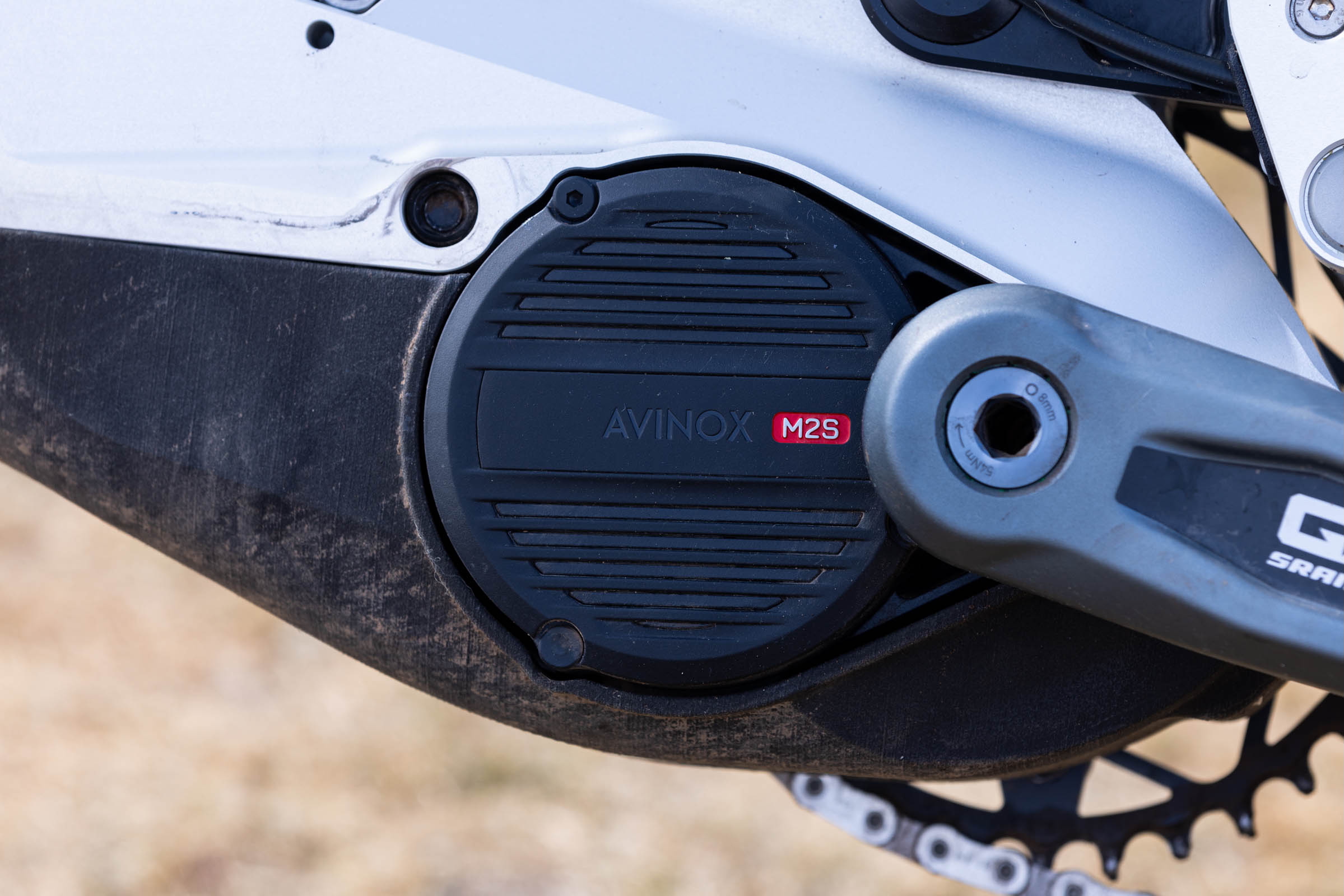
The M2S motor has a huge output – up to 150Nm of torque and 1,500W of peak power in time-limited Boost mode – yet its precision matters more than the peak figures.
Assistance rises in step with pedal pressure, so you can decide whether the bike creeps, drives or launches. A modest input produces a measured response, while a stronger pedal brings more immediate acceleration.
Unlike the bikes with Bosch motors in their higher modes, the Atherton remains settled if a foot rests on the pedal. This makes the power unusually easy to manage over roots, loose rocks and in awkward uphill turns. Traction can be adjusted through the legs instead of corrected with the brakes.
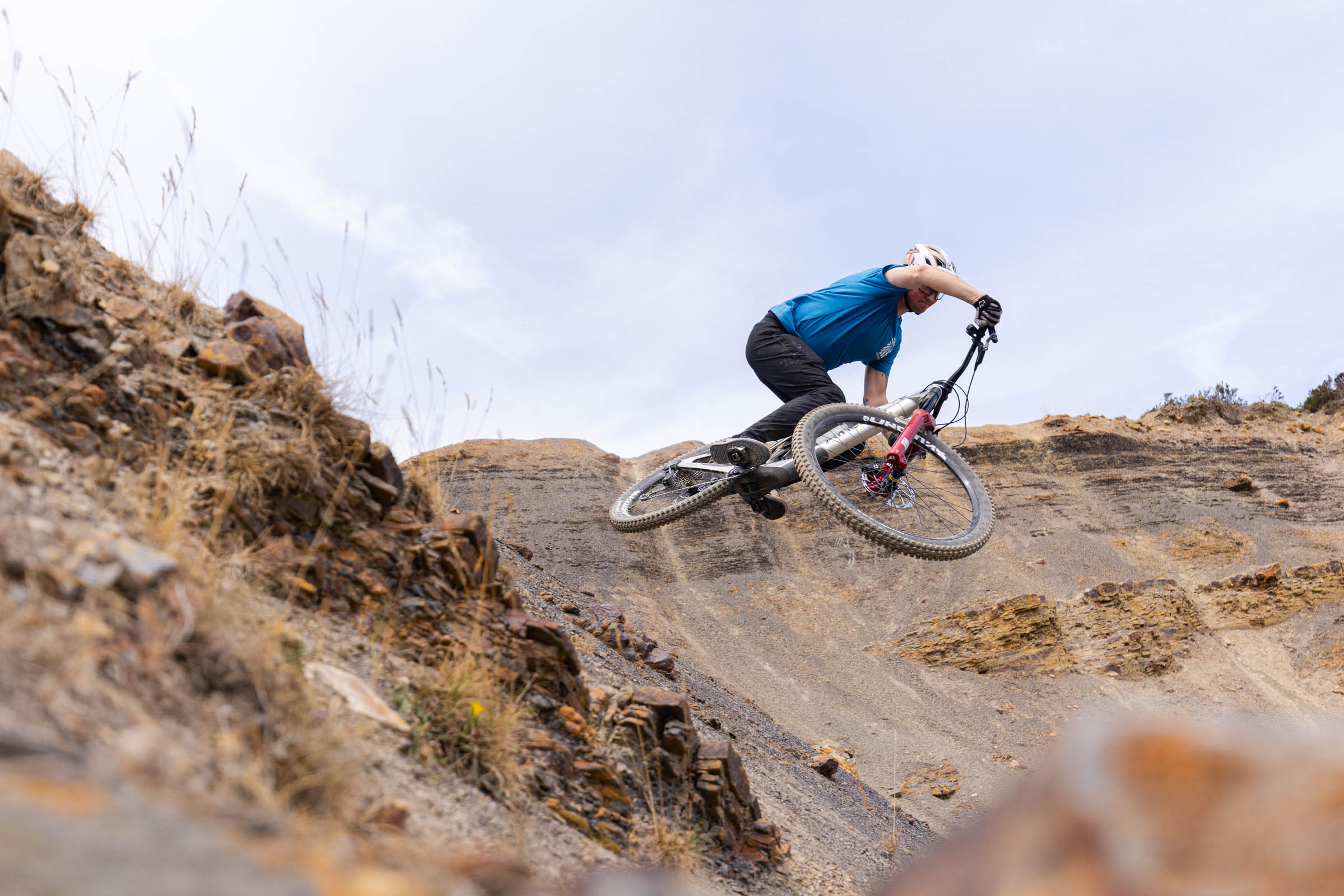
Trail mode already provides serious support, so Turbo and Boost are rarely needed – and best left for when traction is plentiful. Auto mode is a smart choice. It varies assistance relative to rider inputs, without losing the connection between your legs and the rear wheel.
The Avinox motor is paired with a 700Wh battery and 12A charger. In our full-power test, using the non-time-limited 130Nm and 1,300W settings, the S.170E covered 23km with 1,250m of climbing and descending.
Its downhill tyres, smaller battery and high power output will all have contributed to its shorter range. However, the included fast charger partly offsets that limitation, reaching 80% inside 90 minutes.
A gravity bike that climbs seriously hard
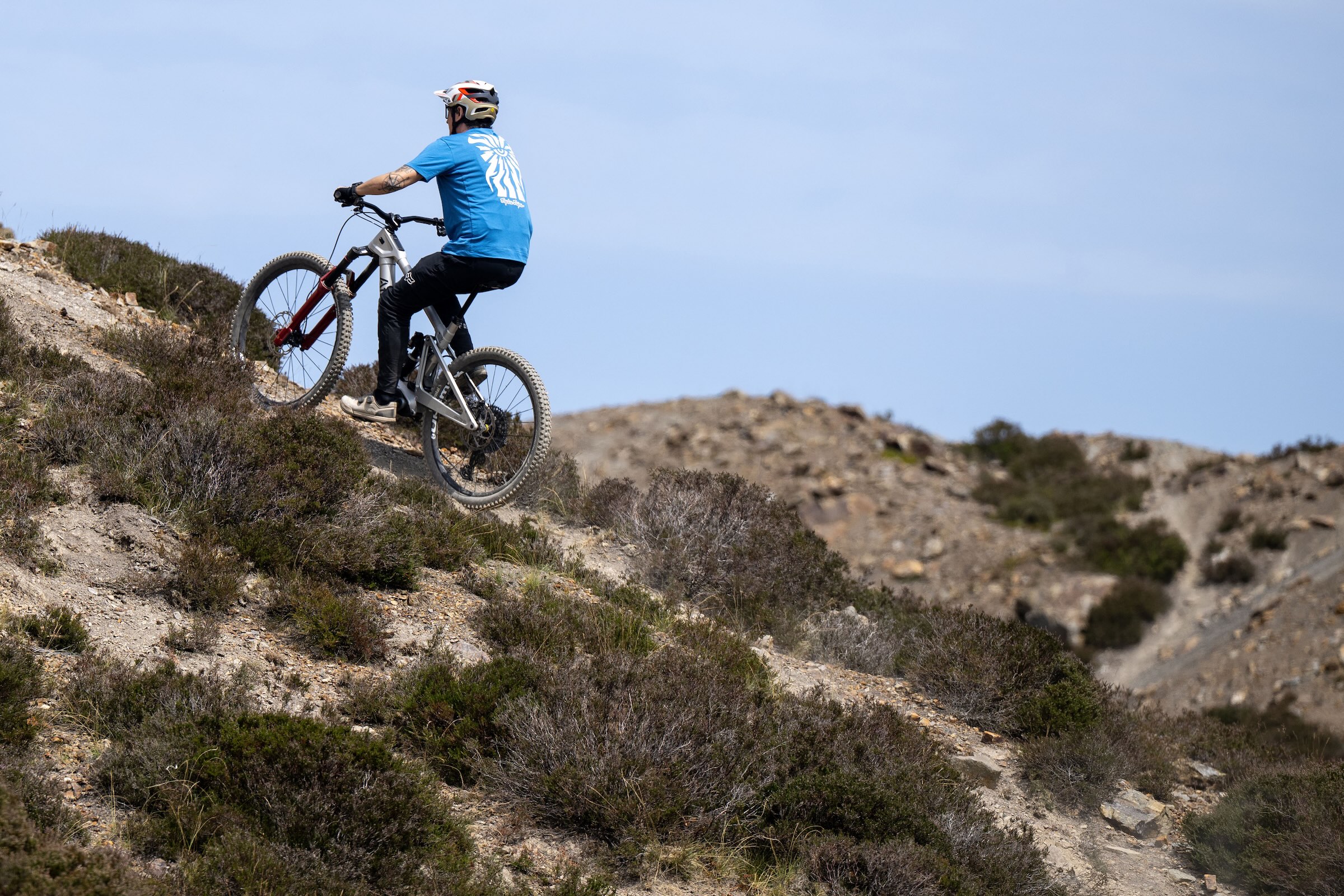
The S6 size has a tall 647mm stack and roomy 610mm effective top tube, which creates a slightly stretched cockpit. It feels more like a gravity bike that can climb than a relaxed all-day trail machine.
On steep ground, the relatively slack 76-degree effective seat tube angle and short 440mm rear centre (effective chainstay length) require an active chest-forward stance. The long front centre (measured from the centre of the bottom bracket to the centre of the front-wheel axle) provides room to shift your weight around, and the steering remains predictable once the front tyre is loaded.
While the suspension stays controlled on smooth access roads, it’s active enough to absorb roots, rocks and steps, rather than the rear wheel getting hung up.
Traction is excellent. The Avinox motor enables you to attack technical sections with speed and momentum, carrying the wheels across ledges and root webs that might otherwise demand careful balancing. Because the power is easy to meter out, that momentum rarely feels forced.
At 24.05kg, you can feel the bike’s heft when lifting the front wheel or recovering from a stall. It isn’t the lightest or most balanced climber, but its traction, power and predictable assistance make it one of the most capable bikes uphill, provided the rider remains active enough.
Taut, calm and unexpectedly snappy
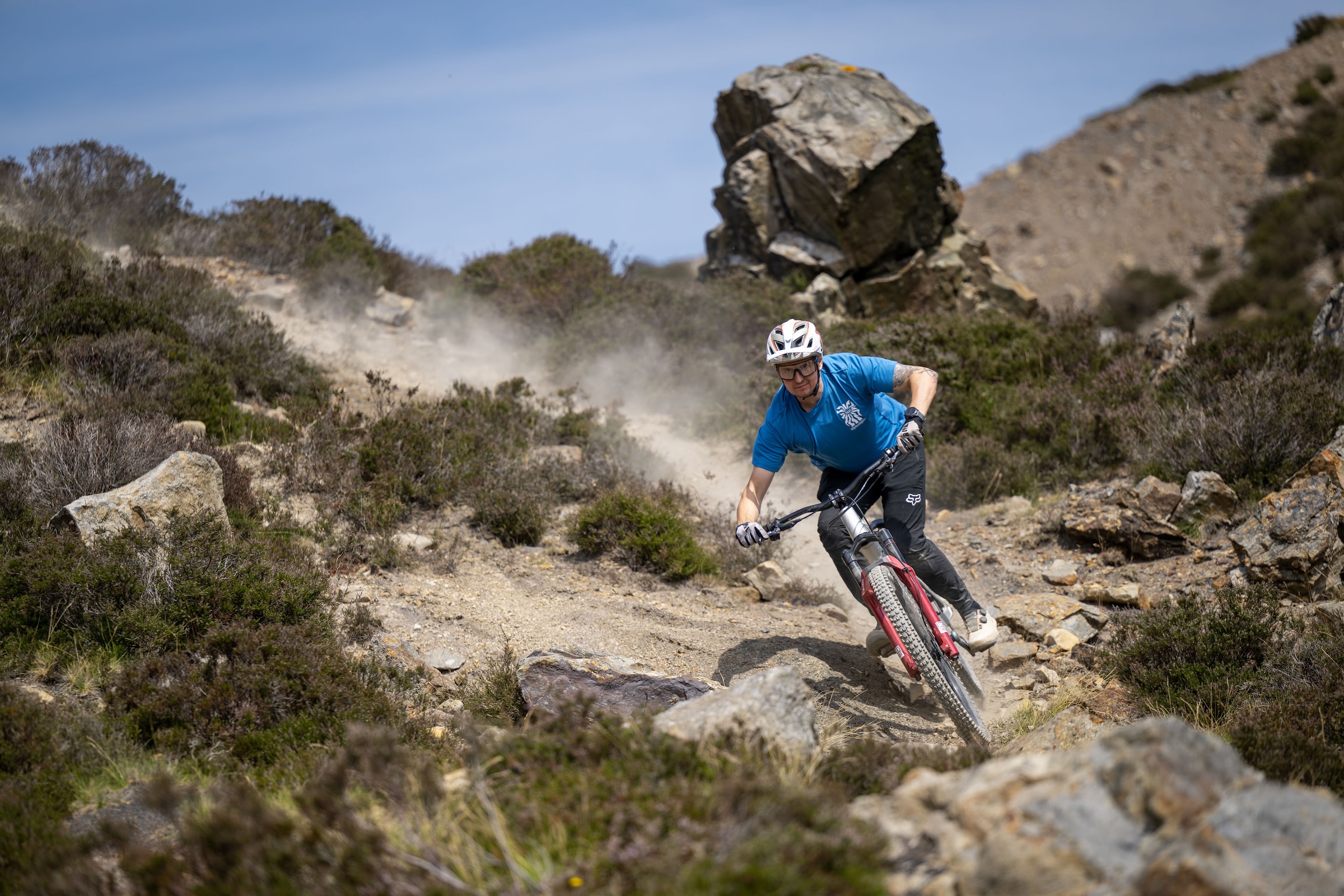
Point the Atherton downhill and it inspires confidence immediately. The tall cockpit and centred position place you securely between the wheels, while the chassis holds its line through repeated roots, rocks and braking bumps without pitching forwards or wallowing excessively.
It feels taut and accurate like a proper race bike, yet doesn’t punish poor line choices as harshly as that description suggests. The suspension and geometry give you time to recover when a wheel is deflected or a corner entry isn’t perfect. The Merida is more forgiving, but the Atherton balances precision and accessibility brilliantly.
More surprising is how snappy it feels for a bike with this much travel. It changes direction quickly, pumps compressions with urgency and is easier to snap onto a new line than its weight and gravity focus would suggest.
The mixed-wheel setup helps the rear follow naturally through tight turns, while the supportive suspension gives something firm to push against. It can carve a predictable line when the trail opens up, but responds quickly when you want to cut across a camber or tighten a line.
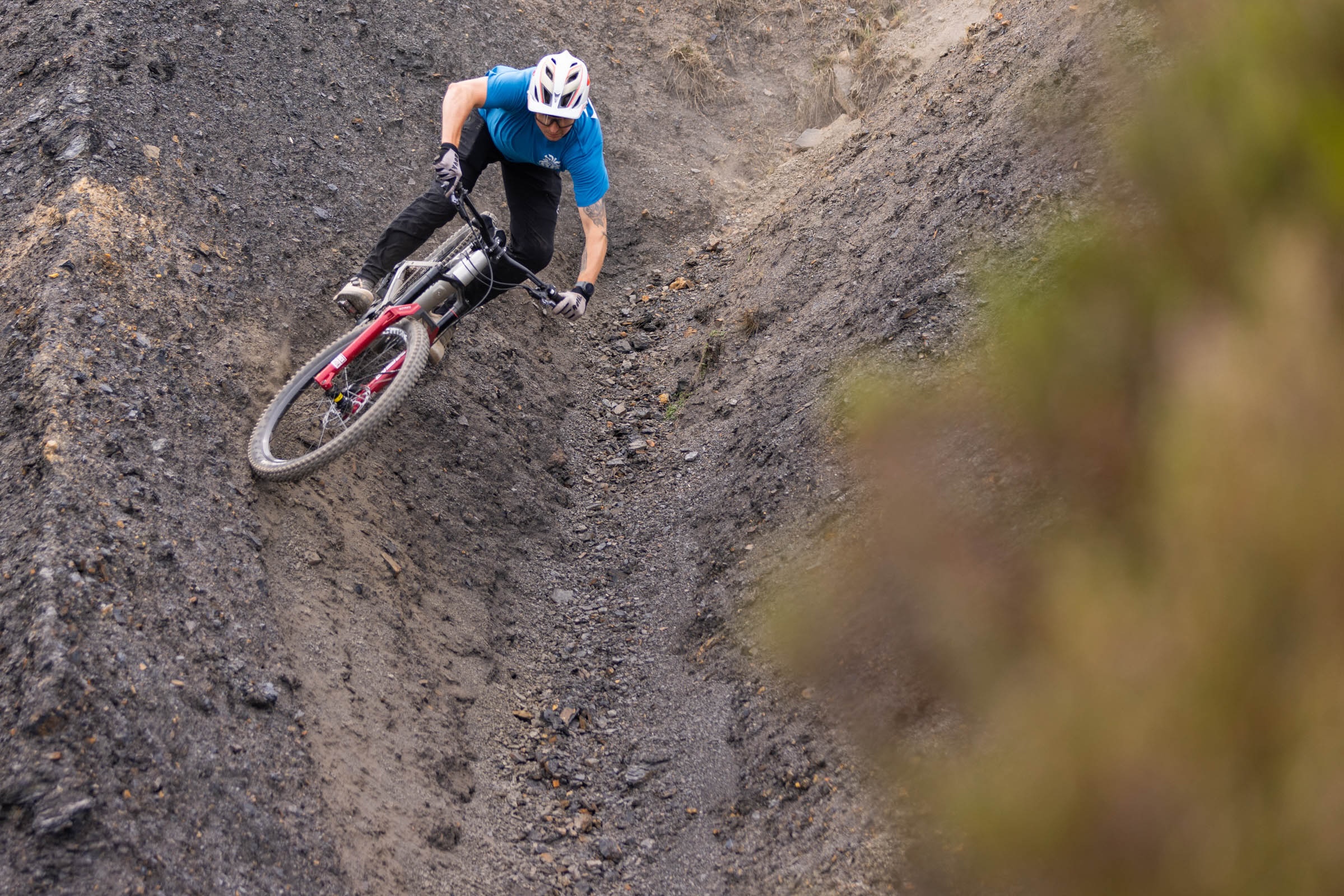
That makes it entertaining on a trail-centre loop, where it encourages you to pump rollers and accelerate between turns, rather than simply flattening the terrain.
That versatility doesn’t dilute its capability. At a bike park, it has the stability, travel and reserve for large jump lines, hard compressions and repeated rough hits. The chassis stays calm as the pace rises, but doesn’t become cumbersome when the trail tightens.
An impressive suspension package
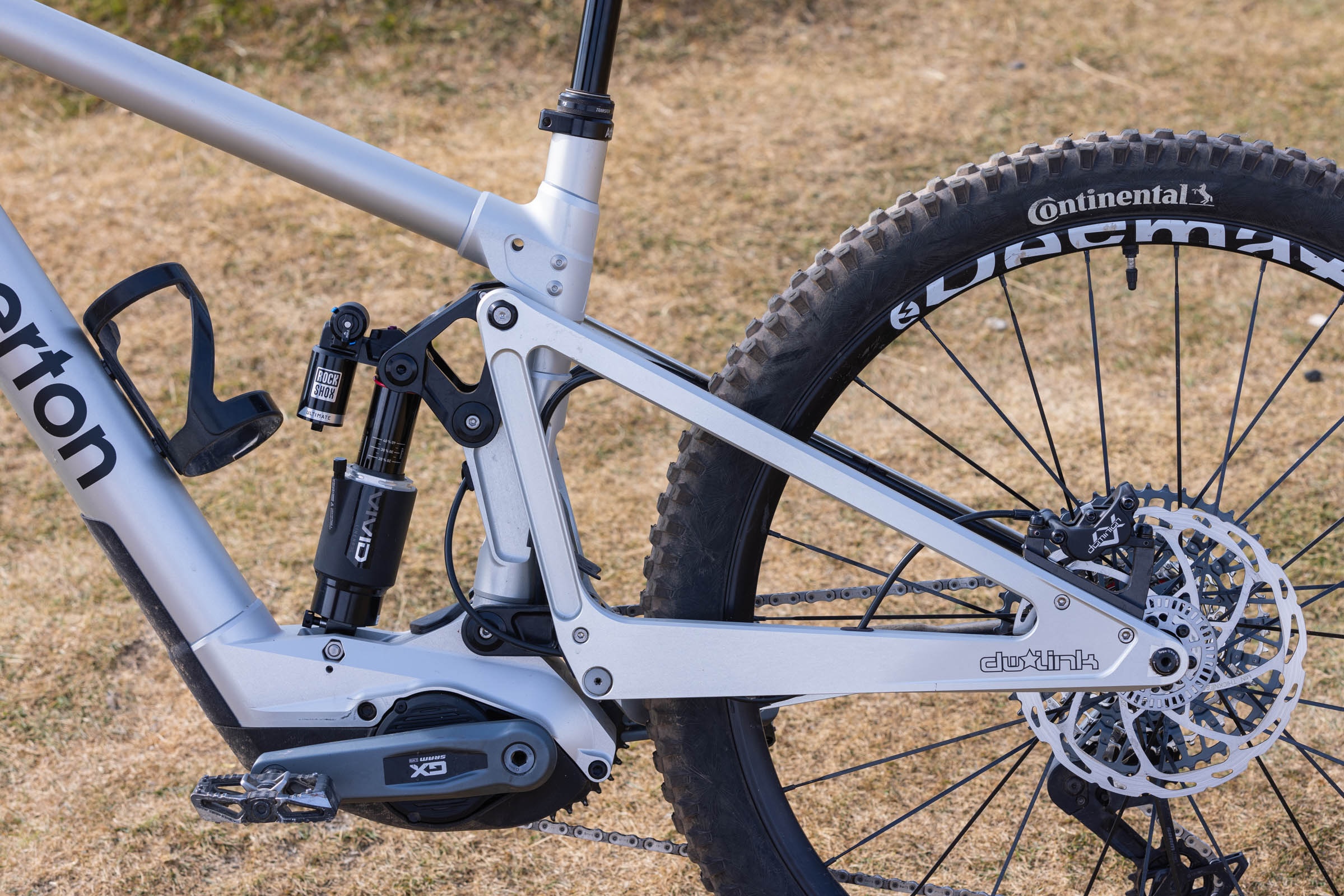
The DW4 suspension is one of the Atherton’s greatest strength. Its small-bump sensitivity removes chatter and keeps the rear tyre connected through roots, rocks and braking bumps without isolating the rider.
However, its defining trait arrives in the middle of the travel, where it holds the chassis high enough to enable you to pump, load a tyre and change direction with urgency, rather than simply soaking up your input.
Large hits use the travel without the feel of hitting a sharp ramp-up, or delivering an uncontrolled rebound. There's plenty in reserve for bigger hits and it handles them calmly.
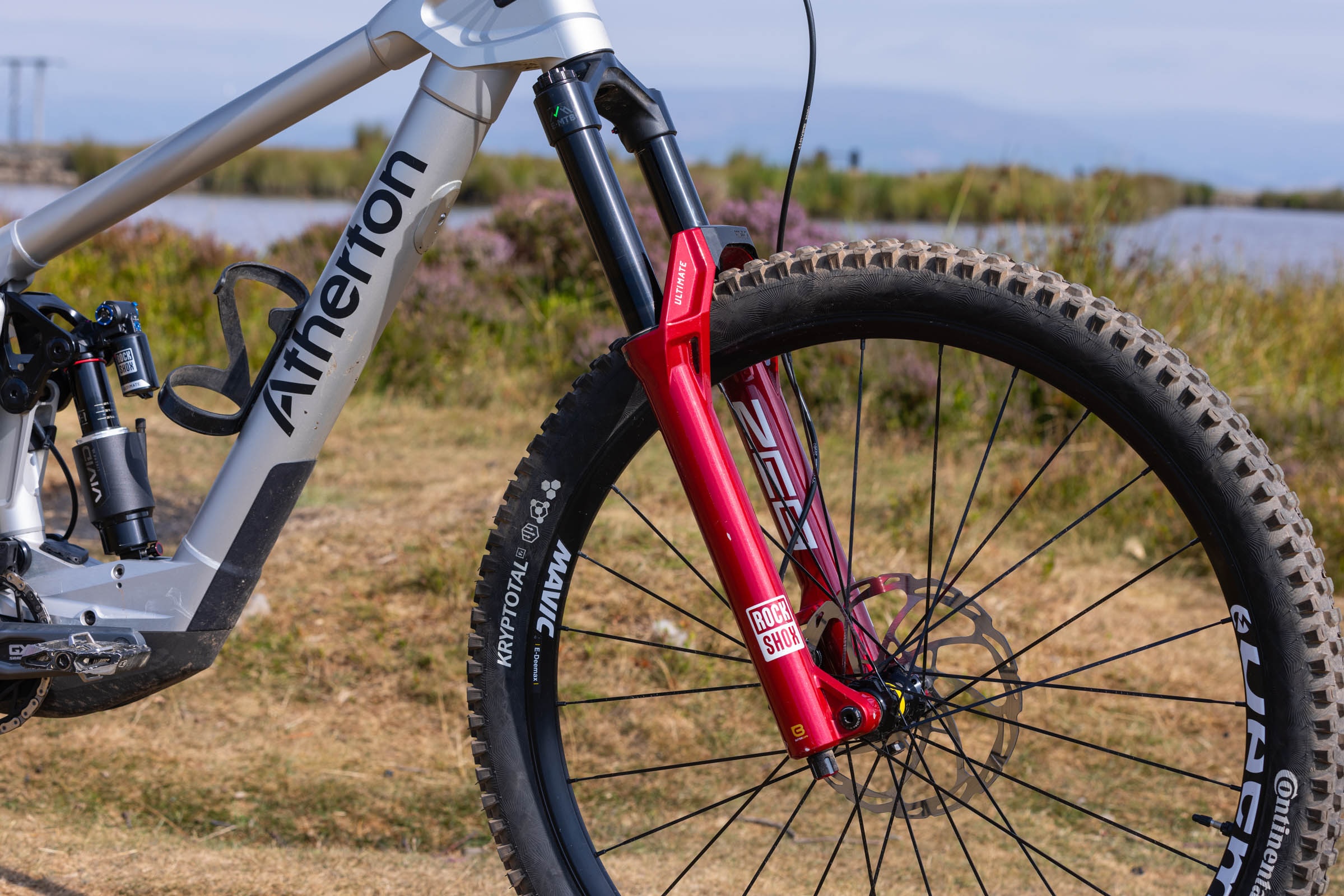
The ZEB Ultimate fork and Vivid Air Ultimate shock are exceptionally well-matched. Neither end dominates, so the chassis remains stable and predictable when braking hard, loading a turn or driving through a compression.
Also, the rear stays active under braking, maintaining grip through rough entries. This makes the S.170E calm at speed without feeling muted. It takes the sting out of rough hits, while still feeling quick and responsive.
Hard-use equipment with a compromise
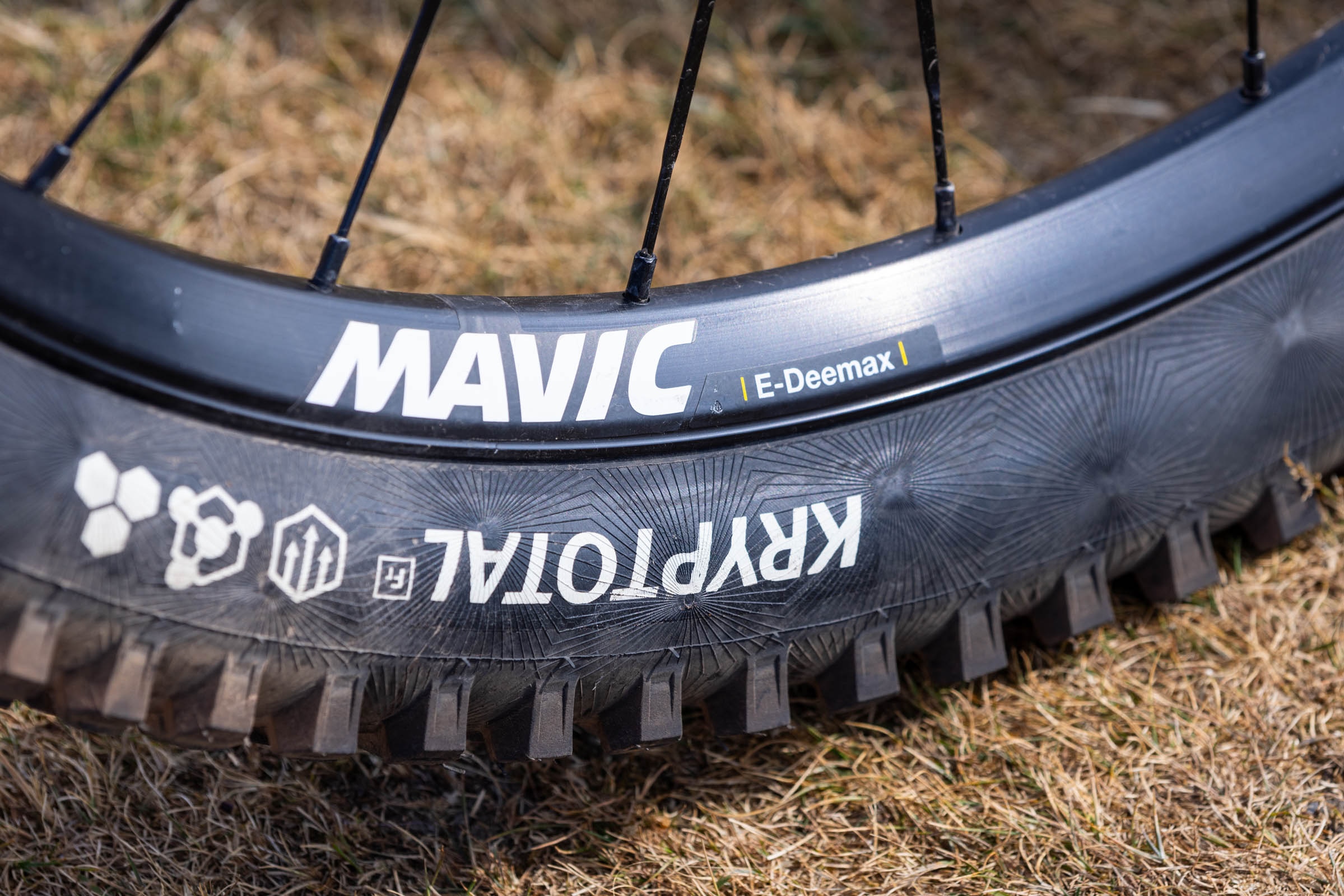
Continental’s Kryptotal tyres – in their DH casing and Supersoft compound – provide huge amounts of grip and support. That said, the soft rubber combined with the power on tap meant the rear tyre started to show signs of wear more quickly than expected. They also roll quite slowly.
Hayes’ Dominion A4 brakes offer excellent consistency and modulation. They lack some of the outright punch of SRAM’s Mavens, but their predictable lever feel makes them easy to trust.
The Mavic E-Deemax wheels are the clearest compromise here. Their compliance may contribute to comfort and grip, but it also leads to a slight twanging sensation if you load them hard through turns or rough cambers – perhaps due to the behaviour of the bladed spokes.
The rear rim was also damaged during testing. A different wheelset could make the bike calmer and more accurate under the hardest loads.
SRAM’s wireless GX Eagle Transmission shifted faultlessly throughout.
Built differently, priced properly
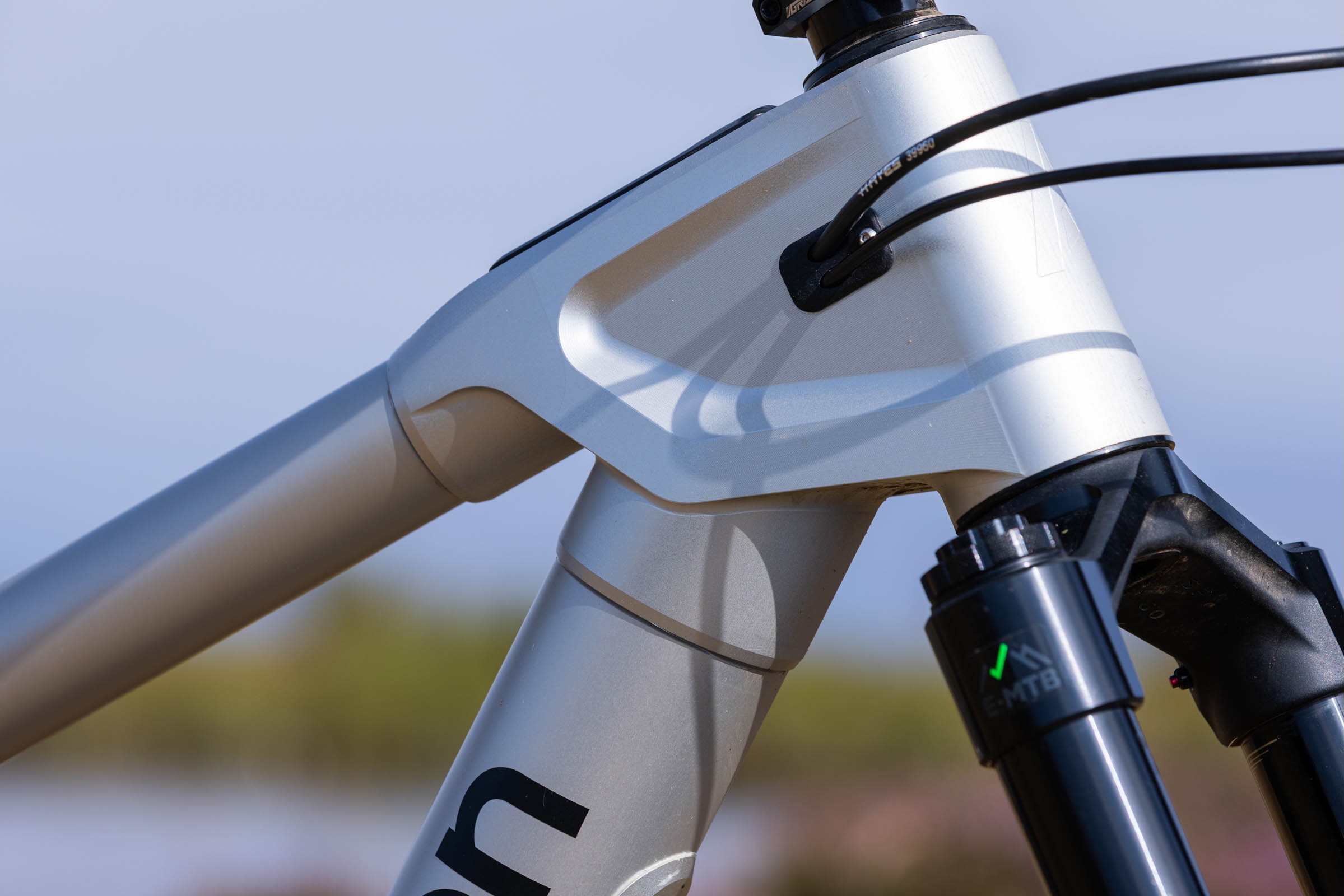
The frame is made from machined aluminium lugs bonded to round tubes and assembled in Wales. Atherton offers 12 sizes and first owners receive a lifetime frame warranty.
At £7,999, the S.170E.2 combines a distinctive Welsh-built frame with a specification that spends heavily on suspension, tyres and braking rather than decorative upgrades.
The wheels remain the clearest future upgrade, and you’d get the same set if you paid £1,000 more for the S.170E.1. At £6,999, the S.170E.3 gives up suspension quality that’s fundamental to the second-tier model’s grip, support and pace, leaving the E.2 as the build that best suits the chassis.
How I tested | Bike of the Year 2026
I rode all six bikes back to back across the same mix of technical climbs, trail-centre loops, steep natural descents, rough braking-bump sections and larger bike-park features. To compare motor response, climbing traction, geometry, suspension support, braking control and handling as fairly as possible, I repeated key trails, adjusting setup between runs where required.
Each bike also completed the same maximum-assistance range test, while the three finalists were timed on the Forest of Dean’s FOD Thursday downhill and ridden by a second tester to cross-check my conclusions.
Also tested
- Merida Lithos 8000
- Specialized Levo 4 EVO Pro
- Marin Alpine Trail E XR
- Yeti LTe T4
- Amflow PX Carbon Pro
Atherton S.170E.2 bottom line
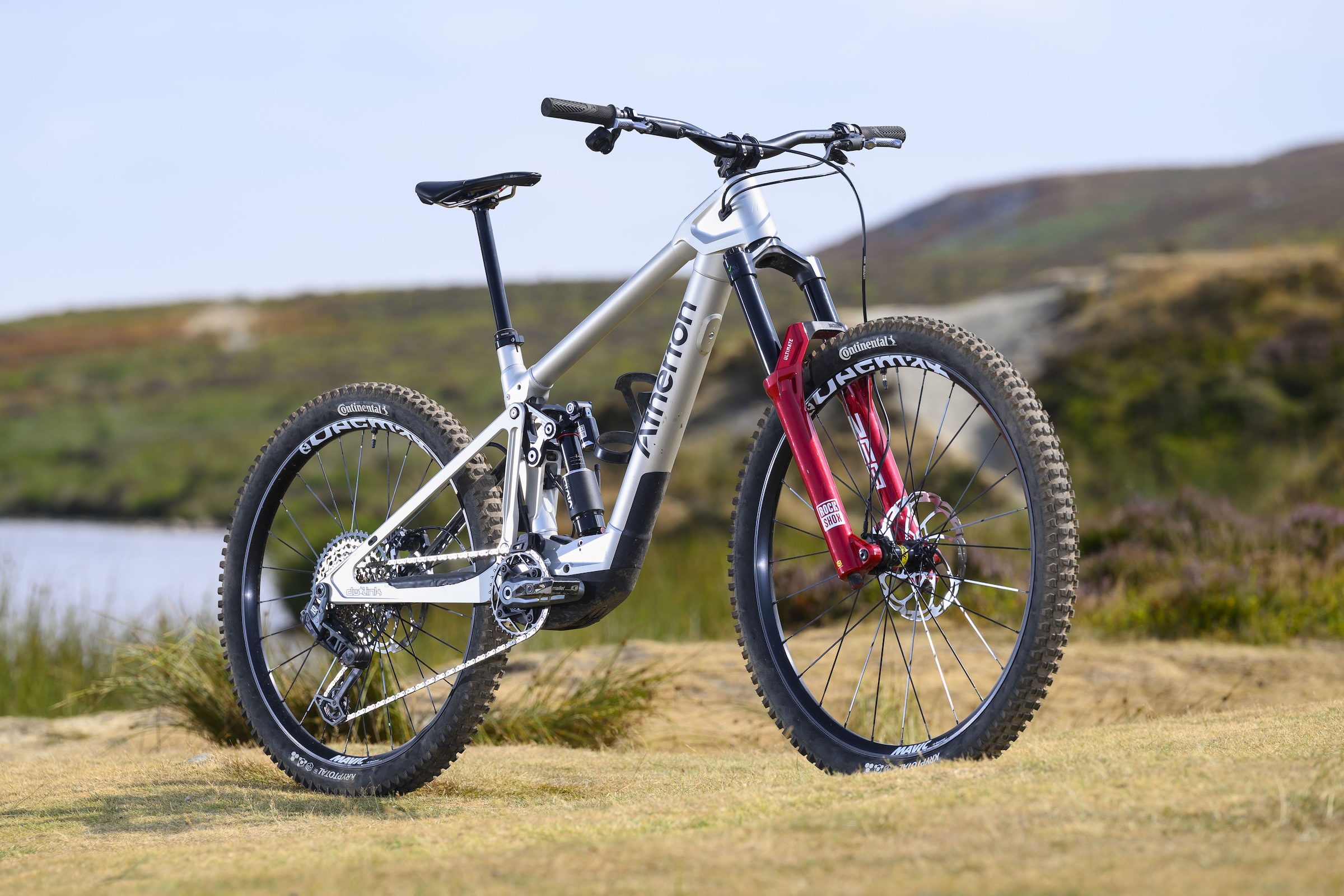
The S.170E.2 is our Mountain Bike of the Year because its major strengths reinforce one another. The motor is both immense and precise, while the chassis turns that control into test-leading descending speed.
It remains supportive and accurate, without becoming a harsh race-only tool, and its mixed-wheel handling makes ordinary trails as entertaining as serious enduro tracks.
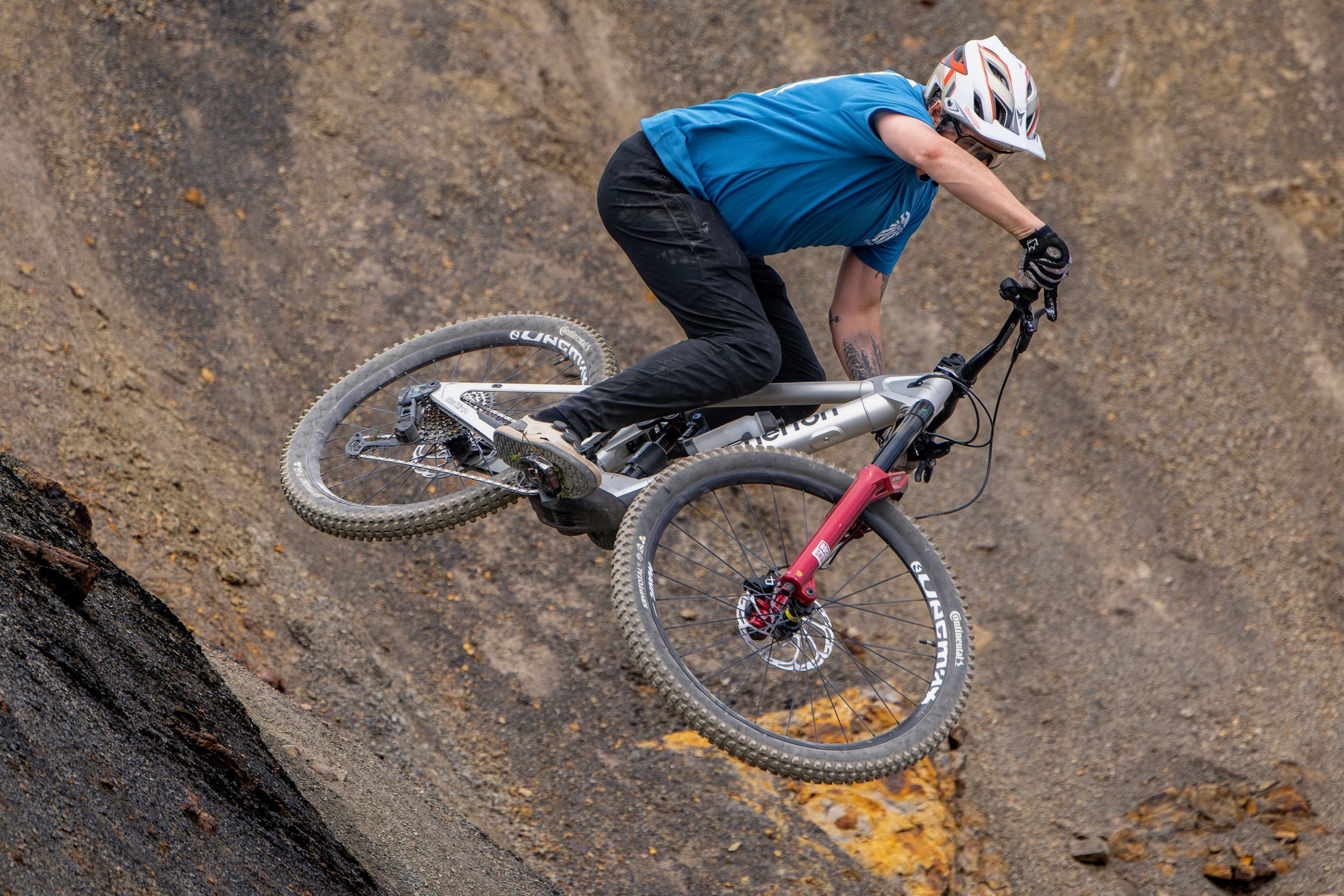
The Atherton’s smaller battery limits range, while its tyres and riding position make it less suited to relaxed touring.
But none of its rivals combines motor control, descending ability and value as convincingly. The S.170E.2 feels like a complete system rather than a collection of impressive parts.
It’s this that makes the Atherton our 2026 Mountain Bike of the Year.
Product
| Brand | Atherton |
| Price | €7599.00, £7999.00 |
| Weight | 24.05kg |
Features
| Fork | RockShox ZEB Ultimate |
| Stem | FSA Gradient, 33mm |
| Chain | SRAM GX Eagle |
| Frame | Lugged and bonded 7075 aluminium, 170mm travel |
| Motor | Avinox M2S |
| Tyres | Continental Kryptotal Dowhill SuperSoft, 29x2.4in (f), 27.5x2.4in (r) |
| Brakes | Hayes Dominion A4, 203mm rotors |
| Cranks | SRAM GX Eagle eMTB |
| Saddle | Prologo Proxim 450 |
| Wheels | Mavic E-Deemax, 29in front and 27.5in rear |
| Shifter | SRAM GX Eagle Transmission |
| Cassette | SRAM XG-1275, 10-52t |
| Seatpost | Fox Transfer Performance |
| Handlebar | FSA Gradient alloy, 25mm rise, 800mm width |
| Rear shock | RockShox Vivid Air Ultimate, 205x65mm |
| Available sizes | 1 to 12 |