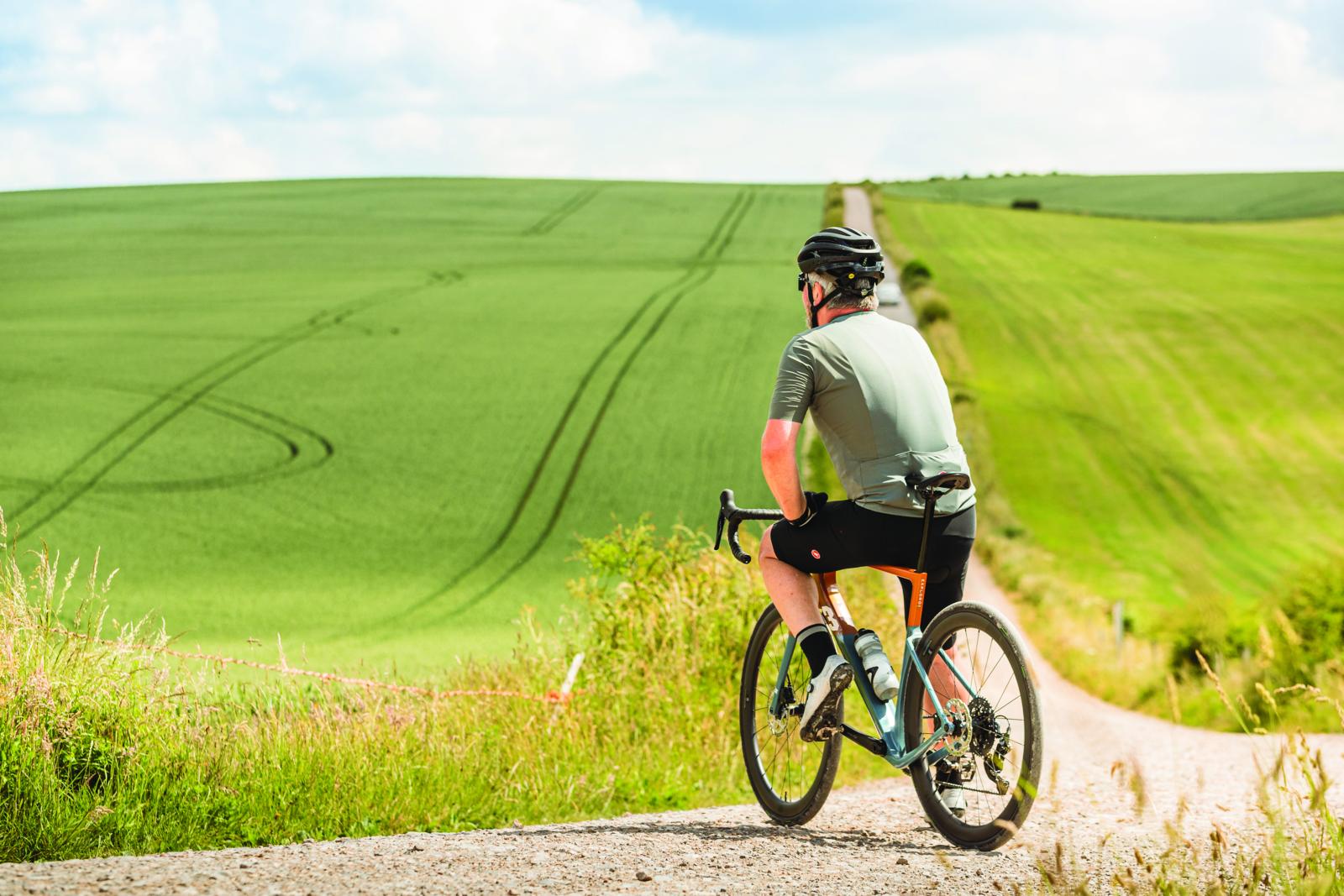
When Cervélo revived the legendary Soloist name back in 2022, it was aimed squarely at amateur racers; a better-priced true racer's bike, with low weight and sharp aerodynamics.
The new 2026 model proves the adage 'if it ain’t broke don’t fix it'. So, rather than an all-new bike, consider the latest Soloist an evolution of a great all-rounder – and one that makes the case that this is a smarter buy than either the technical S5 or the featherweight R5.
The Soloist is as fast and sharp as any of us need, yet it's priced way below equivalently equipped models from Cervélo’s pro tour stable.
- Read more: Cervélo's updated Soloist closes the aero gap on the S5 but retains its more affordable price tag
Cervélo Soloist Force AXS performance
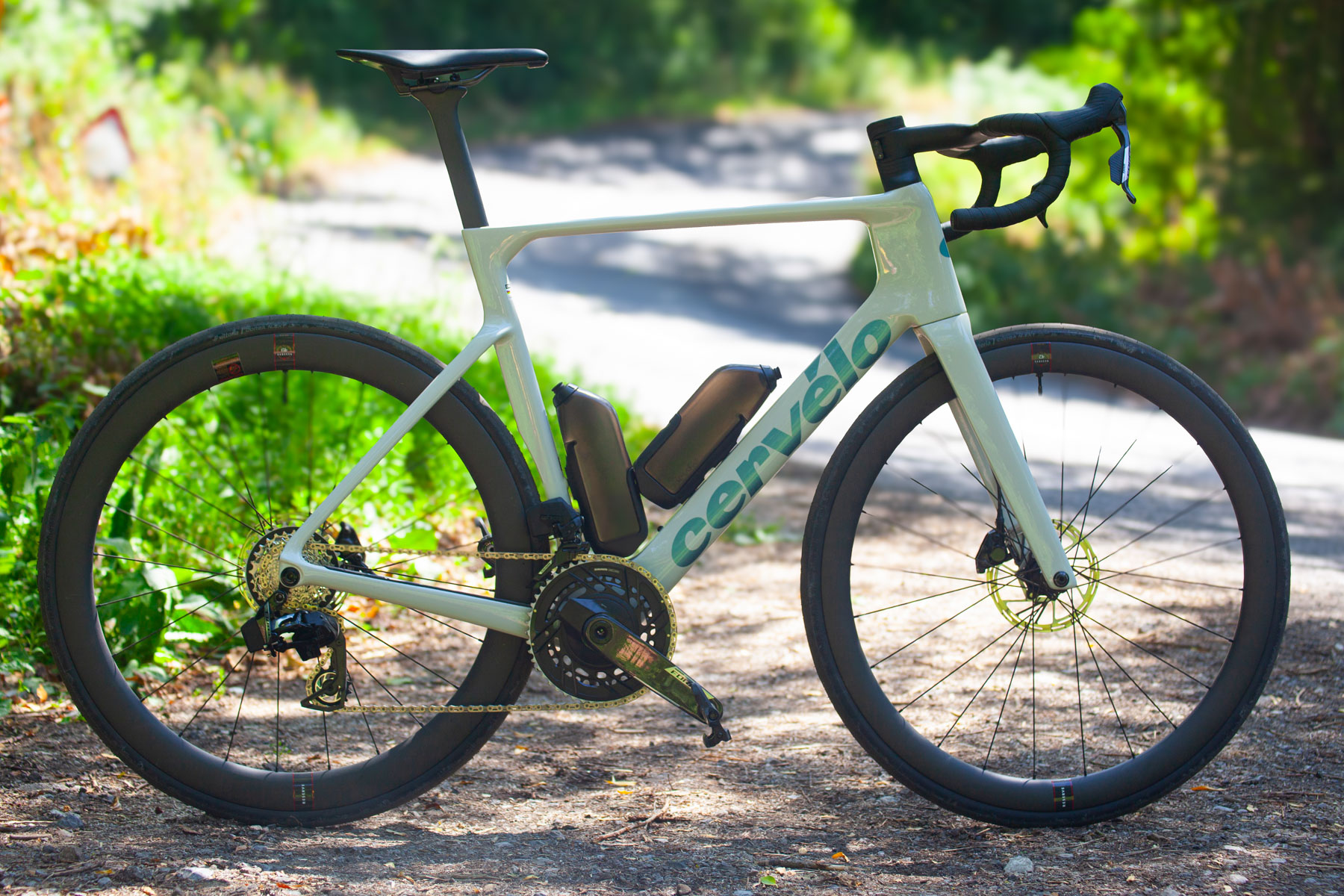
I’ve got the Force AXS equipped bike on test, and while I wouldn’t even begin to say £7,000 / $8,500 /€7,499 is ‘cheap’, it’s a significant saving compared to the equivalent Force-equipped S5 at £9,450 / $10,250 / €9,999.
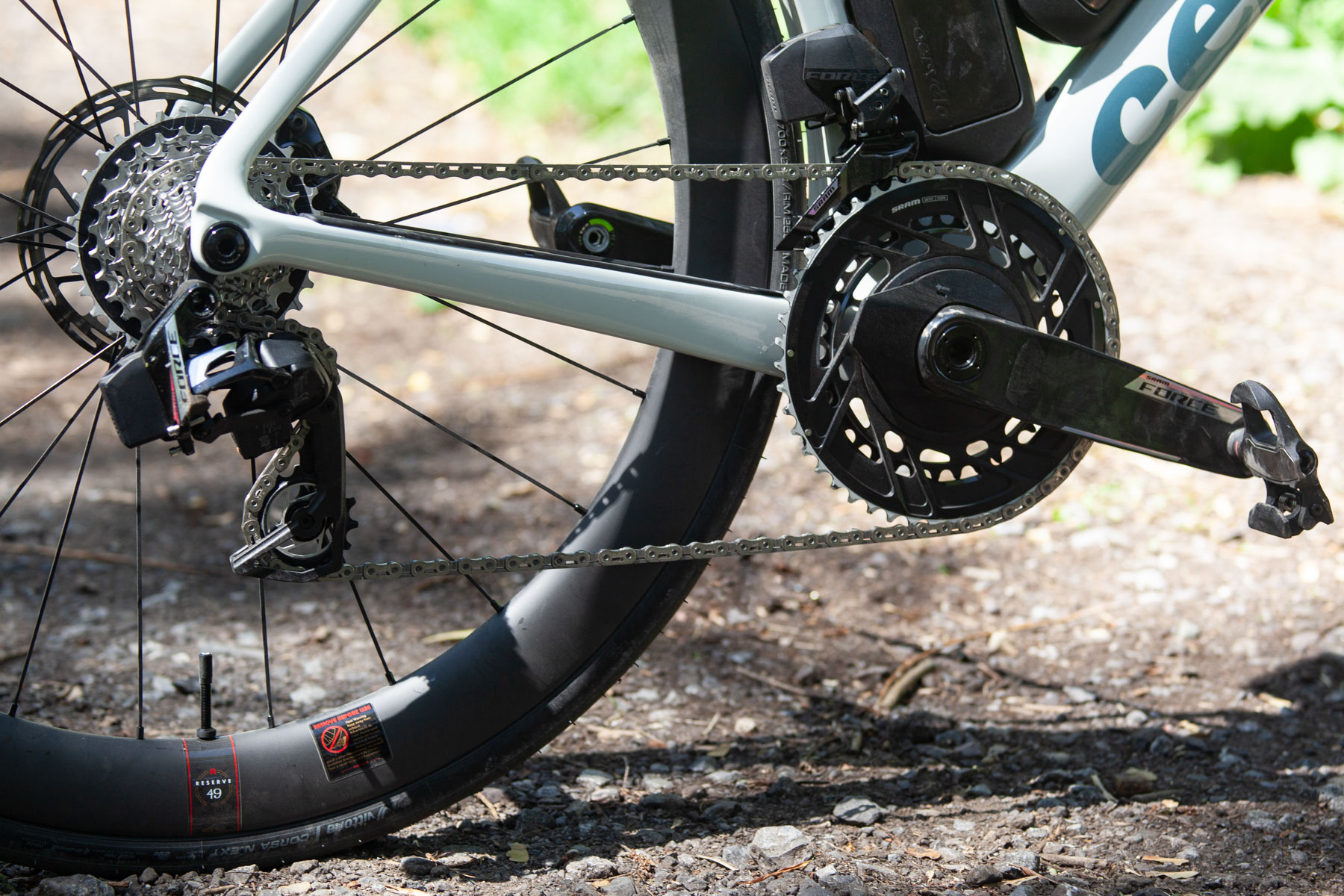
That's especially true when you consider the Soloist Force AXS, like the S5, comes equipped with a dual-sided crank-based power meter.
The ride is certainly consistent with race bikes – it's firm without feeling extremely rigid. Cervélo says it has increased the head-tube stiffness over the previous Soloist. At the same time, it has dropped the bottom bracket height and relaxed the stiffness slightly.
The geometry mirrors the R5, so it feels nimble and agile through corners, yet the aero-optimised frameset helps the bike gain pace quickly and keep hold of that speed efficiently.
Cervélo claims the new Soloist weighs in 267g lighter for the ‘system’ than the old model, with the frame losing 28g and the fork 16g.
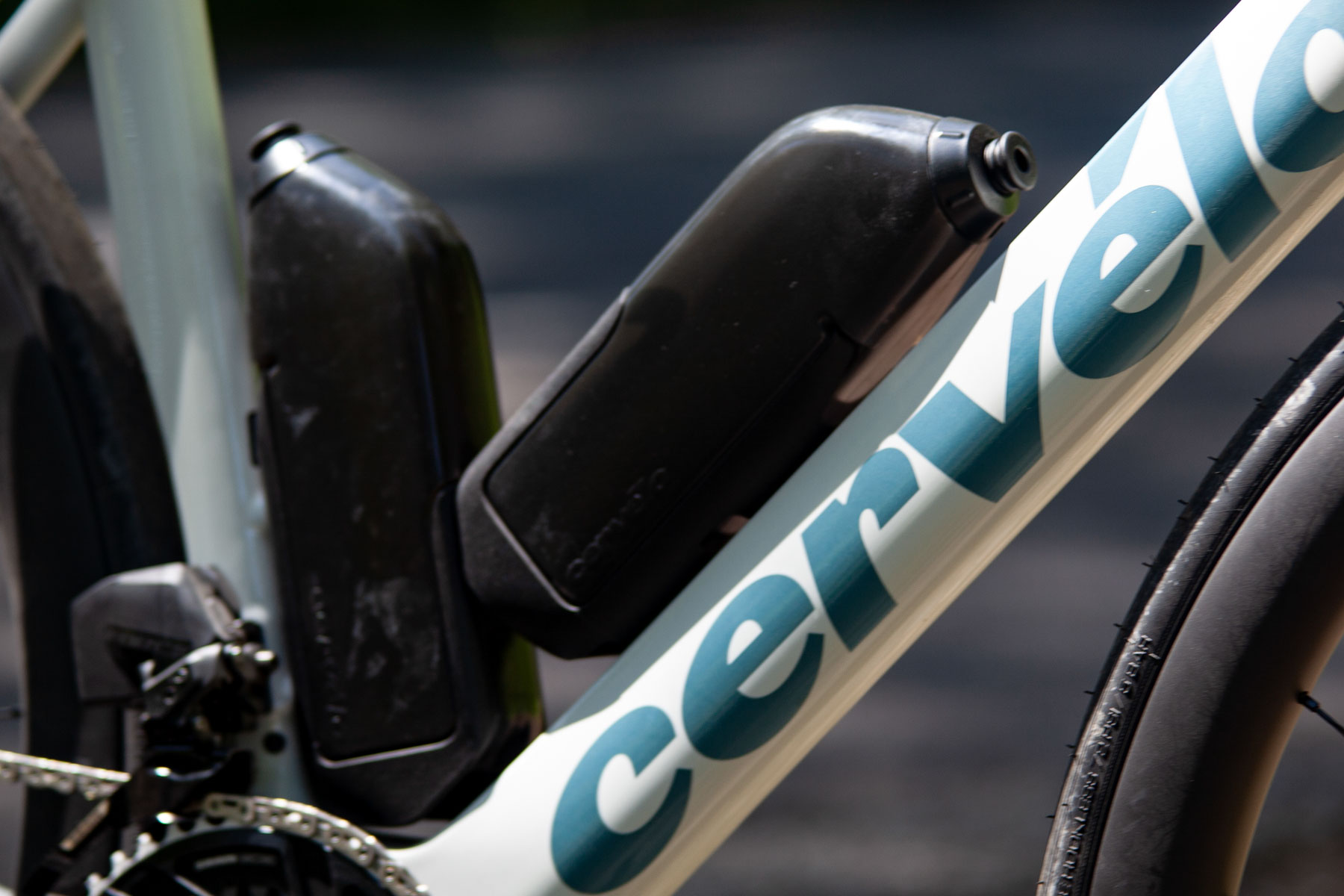
While Cervélo hasn't listed the frame and fork weights, a quick bit of subtraction from the previous stated weights suggests 891g for the frame and 358g for the fork. That's plenty light enough for me, and with my 58cm complete bike weighing in at a svelte 7.53kg – including two aero bottles and cages – the Soloist is a light bike by any standards.
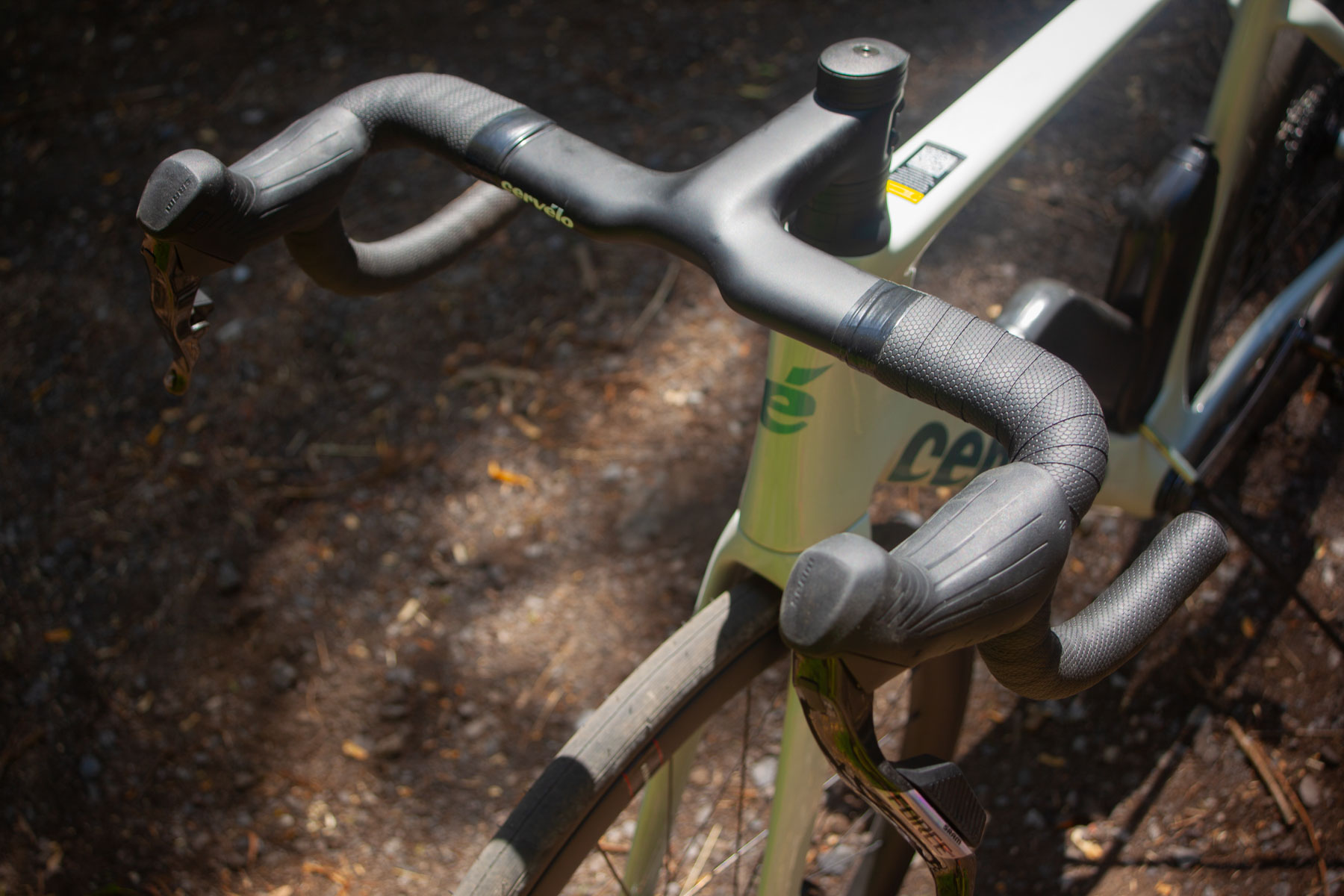
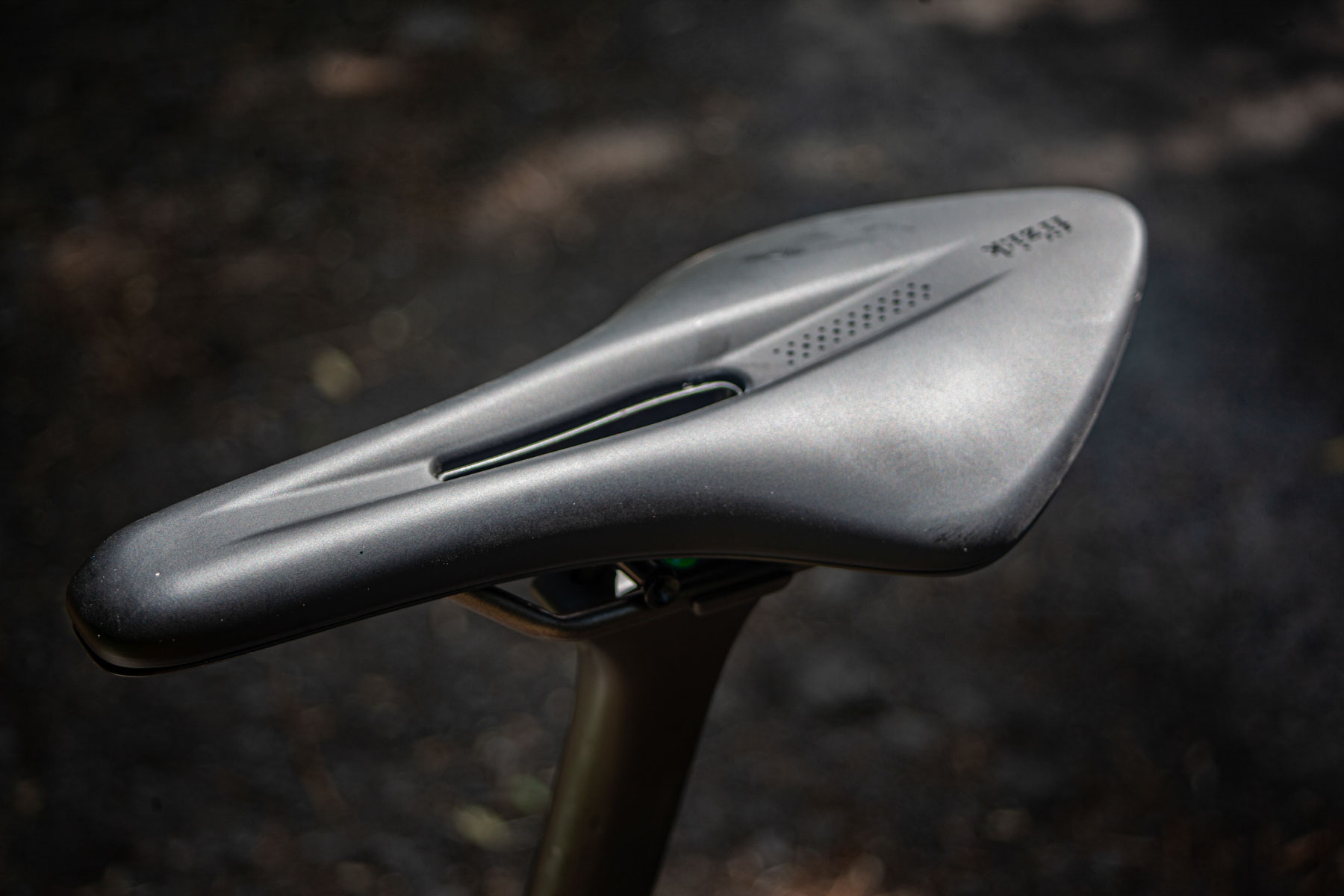
The contact points are excellent, and the details are all bang up to date. The new HB18 cockpit forgoes the fashion for narrow bars, and I really appreciated the default 40cm-wide bar and equivalent 110mm stem length.
It’s marginally narrower than I’d opt for, but with the subtle flare in the drops and generous width at the turn before the hoods, I found it easy to get comfortable both on the hoods and in the drops.
If you prefer narrower/longer/shorter, Cervélo offers a no-cost swap-out to one of the 20 options. It’s good to see so much choice, and it's something plenty of Cervélo’s competitors should take note of.
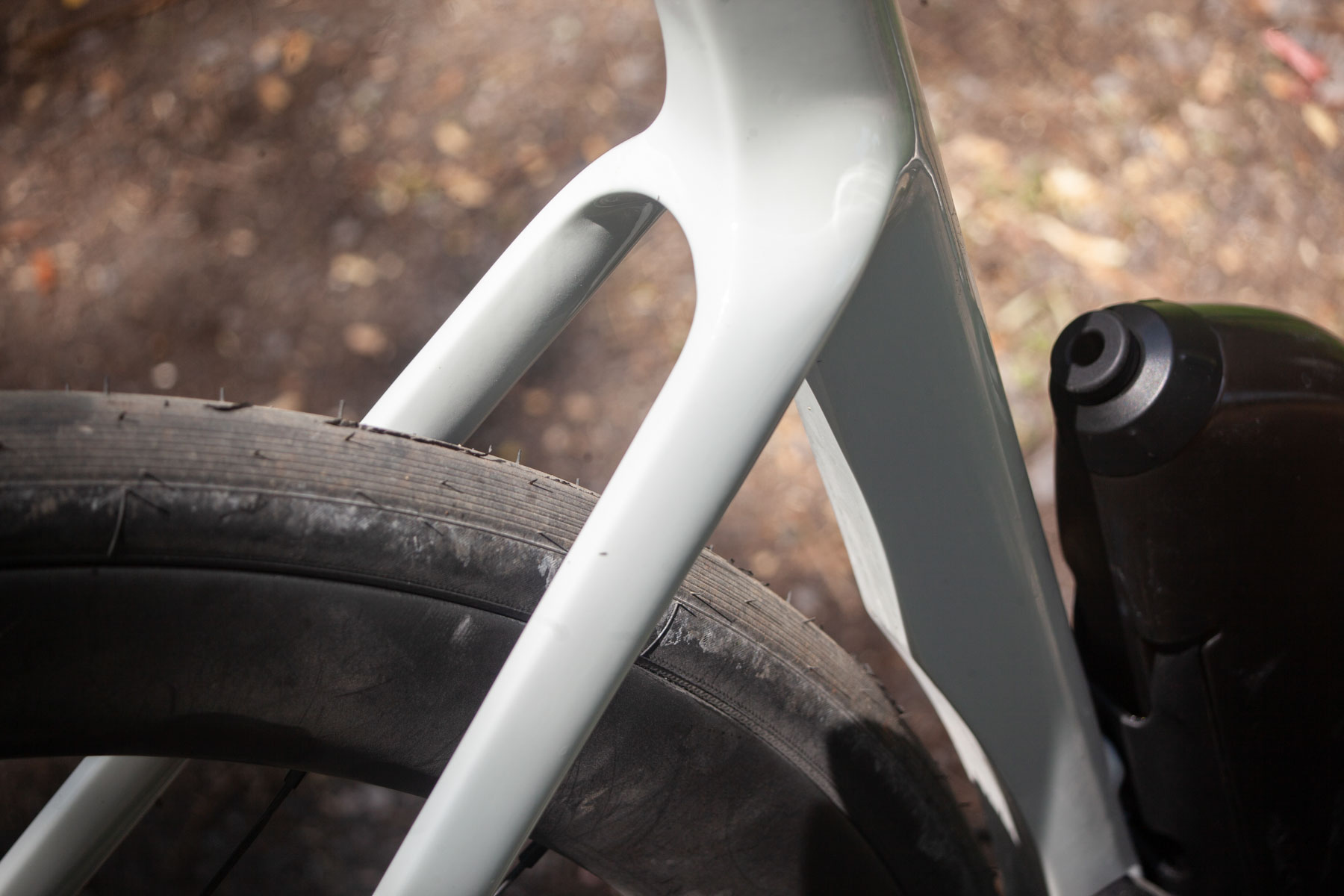
There’s a threaded T47 bottom bracket and a standard headset rather than the proprietary design on the S5.
It has a future-ready UDH dropout and the tyre clearances are generous at 36mm.
It’s a near-perfect set of details, albeit for the UK I would have liked to see mudguard mounts included, because the Soloist feels like a year-round fast bike to me.
The Soloist is a responsive bike, too. Out-of-the-saddle accelerations and sprints are met with a bike that pulses forward with every pedal stroke. The reworked front end, which has been stiffened significantly, is the key to the bike's responsive temperament.
It’s the sort of response you get from a flyweight all-rounder such as the Cannondale SuperSix EVO, or Cervélo’s own R5. Conversely, it also has the efficient feel of an aero bike. Sit in, get your elbows tucked into the tight cockpit and concentrate on keeping the pedals turning metronomically, and the Soloist gathers momentum.
It’s a very capable companion on rolling terrain, and while it doesn’t quite have the same sense of pace as the S5, it’s not far off. It's very well-equipped on climbs, rather than flighty like a true lightweight climber’s bike (such as the R5).
The Reserve 42/49 rims are paired with DT Swiss’ quality, but not lightweight 350 hubs, making for a wheelset that tips the scales at 1,429g a pair. The premium 180 Dicut version on the range-topping Soloist drop that weight to 1,365g. Anything sub-1,500g, however, rides more than light enough for me.
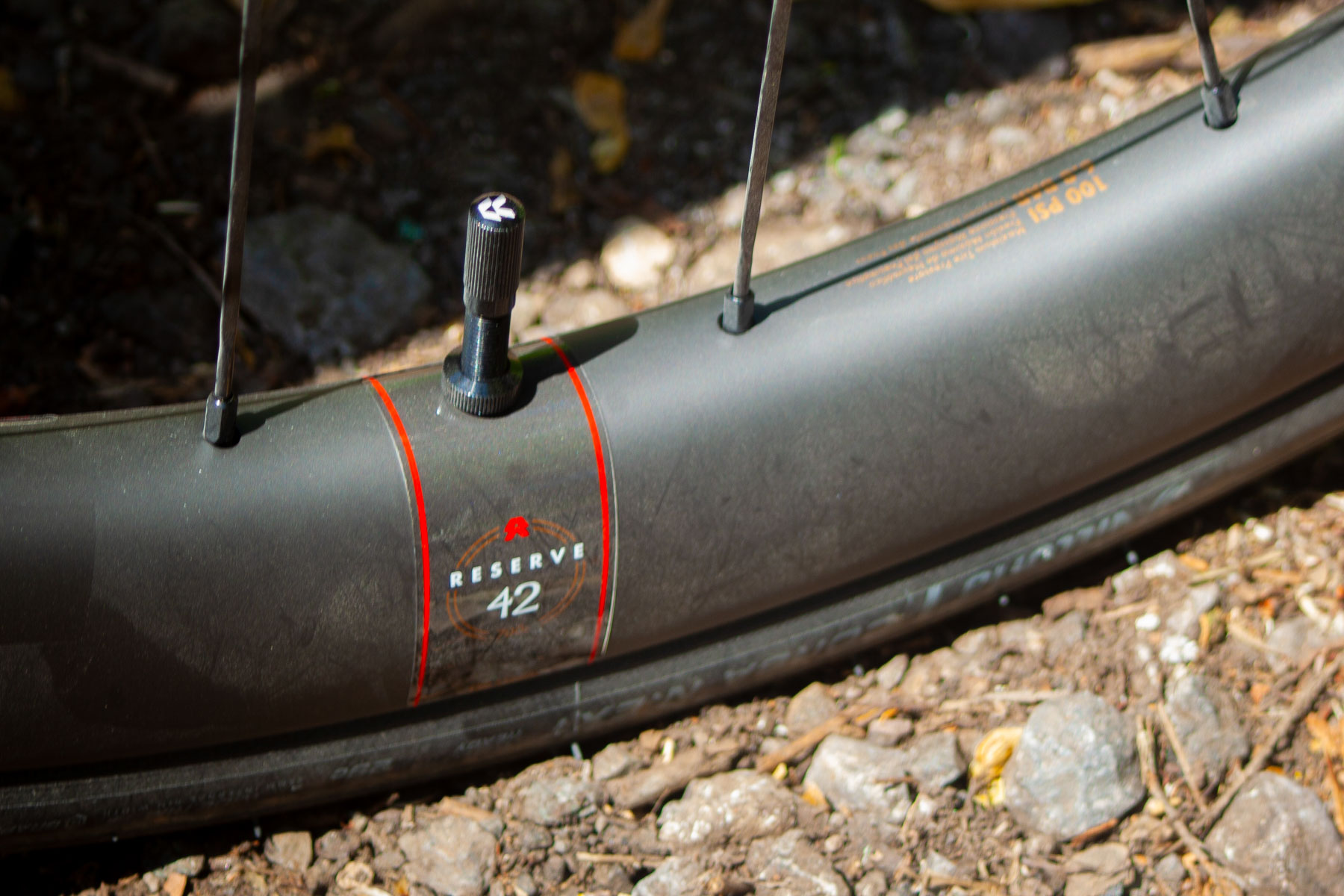
I have a lot of time for the Vittoria Corsa N.Ext 29c tyres. The grip in the dry is excellent and the linear tread zips along on smooth tarmac with a welcome buzzing sound.
However, the N.Ext sits squarely in the middle of the Vittoria range. It’s more a gateway to high-grade Corsa tyres than an out-and-out race tyre. If you were looking to race on the Soloist, a step up to more supple high-TPI cased race tyres would add even more pace.
| Size | Frame reach | Frame stack | BB drop | CS length | ST angle | HT angle | Fork length (A2C) | Trail w/ 28mm tyre | ST length |
|---|---|---|---|---|---|---|---|---|---|
| Unloaded, Rad:343mm | (BB Centre to Top of ST) | ||||||||
| - | - | - | - | - | - | - | - | 28mm | - |
| 48 | 368.7 | 496.1 | 76.5 | 410 | 74.5 | 71 | 373 | 57.5 | 432.2 |
| 51 | 376.5 | 520.2 | 76.5 | 410 | 74 | 72 | 373 | 51.5 | 481.7 |
| 54 | 383.3 | 544.6 | 74 | 410 | 73.5 | 73 | 373 | 45.5 | 507 |
| 56 | 391.1 | 567.5 | 74 | 410 | 73 | 73 | 373 | 45.5 | 530.4 |
| 58 | 400.3 | 590.7 | 71.5 | 410 | 73 | 73 | 373 | 45.5 | 553 |
| 61 | 408.3 | 610.7 | 71.5 | 410 | 73 | 73 | 373 | 45.5 | 571.6 |
On descents, the Soloist is a dream – the stiffness exuding from the front end, combined with great steering geometry, makes it feel so planted. The stiffness doesn’t translate into judders when the surface is less than optimal, albeit the ride is firm – something wider and more supple tyres may also go some way to addressing.
The Soloist make it so easy to hold a fast line through the apex of a corner – there’s no drift, understeer or vagueness about the way it responds. Plus, if you get it wrong, it's easy to correct your line without fear of speed wobbles or shakes.
The Soloist is a bike that makes every climb worth it because you can fully exploit the speed on the way back down.
How I tested the Cervélo Soloist
I rode the Soloist on my usual mix of rural roads, fast B-roads, and challenging climbs and descents throughout Wiltshire and Somerset.
Mixing up fast two-to-three-hour rides with a few longer efforts of four hours or more, I took the bike on mixed surfaces from smooth tarmac to scarred, rutted backroads.
The SRAM Force AXS drivetrain includes the crank spider power meter by Quarq. These have a great reputation for reliability and accuracy.
The 48/35 chainrings and 10-33 cassette are the equivalent of a racy pro-compact setup, roughly equivalent to a 52/36 with an 11-34 cassette in Shimano terms.
Price-wise, the Soloist compares favourably to its own stablemates and premium rivals. Specialized’s Tarmac SL8 Pro is priced at £7,249 / $8,499, with the Soloist the same price in the USA but £249 cheaper here in the UK.
Trek’s Madone SLR 7 with Force AXS is priced at £7,700 / $8,500 – again, it's the same price in the USA, but the Soloist is £700 cheaper here in the UK.
Direct-to-market brands offer better value. Ribble’s similarly racy Ultra-Race Force AXS, with carbon wheels and a power meter, is priced at £5,299. Van Rysel, Decathlon’s offshoot premium brand, offers the RCR-R Pro with Ultegra Di2 and an Inpeak power meter for £6,000 / €5,500.
Cervélo Soloist Force AXS bottom line
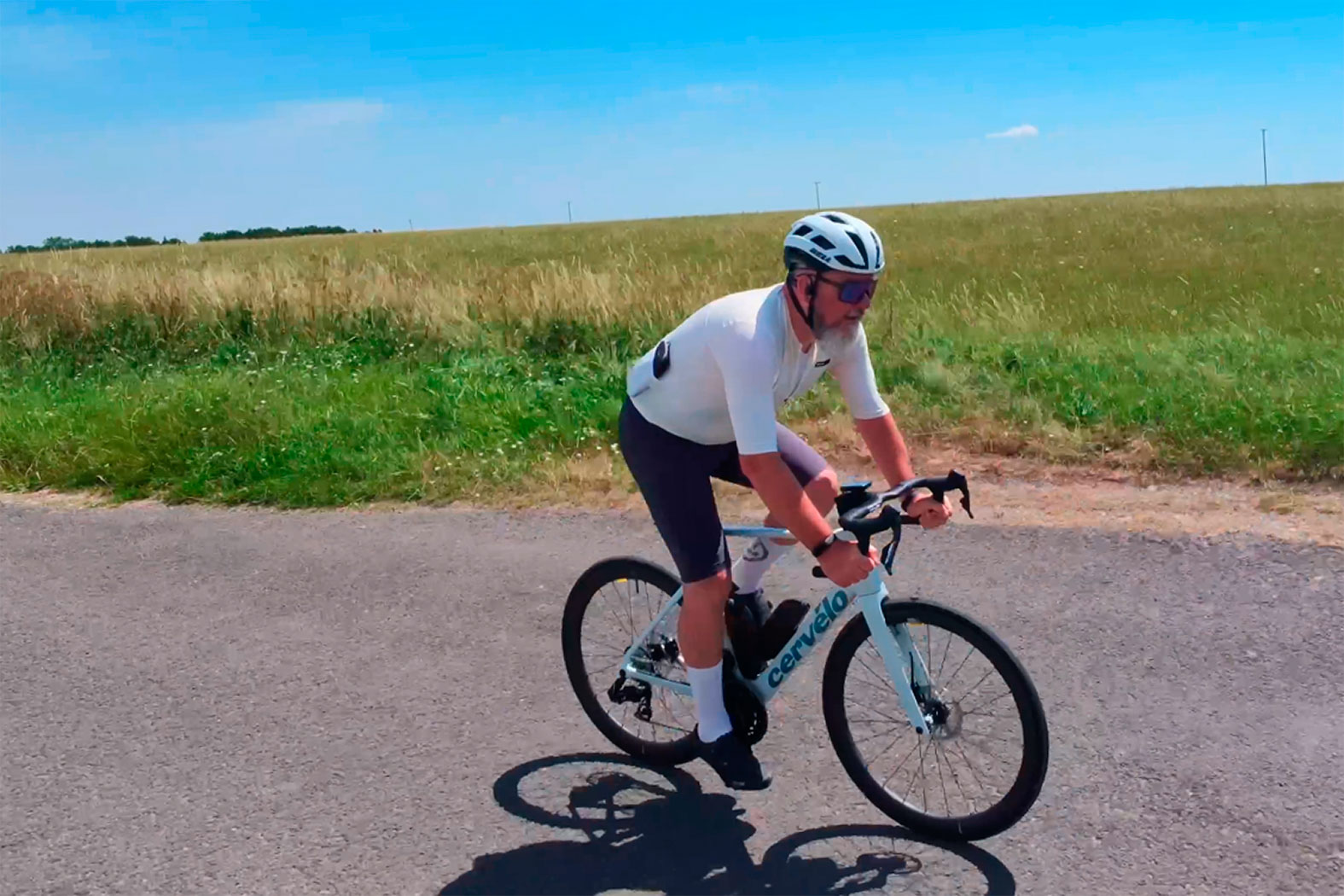
The Soloist proves without a doubt that you don’t need to spend five figures to get a bike that’s capable of being raced at the highest levels.
Cervélo has got everything right here. The handling is sharp without ever getting near being twitchy. The ride is firm, but I never found it uncomfortable. The Soloist is geared for racing.
Overall, it’s a well-priced, smartly equipped, sharp-handling, fast-riding, and overall exciting bike. For me, it’s the smart choice for a race-ready bike, and certainly the Cervélo I’d opt for if I wanted a bike that's fast everywhere and will put a little less strain on my finances.