
SQUIRREL_13883948
Editor's note: since this review was published, Garmin has reduced the prices of its Rally power meter pedals. The RK and RS210 pedals now cost £699.99 / $899.99 / €799.99, while the XC210 pedals cost £779.99 / $899.99 / €899.99.
Garmin’s latest power meter pedals are excellent performers, and a clear upgrade on their predecessors.
With a sleek form factor, accurate data, long-lasting rechargeable batteries and easily swappable pedal bodies, the Rally RK and XC210 pedals are undoubtedly Garmin’s best power meter pedals to date.
As good as the new Rally pedals are, though, they’re a tough sell compared to Favero’s Assioma PRO RS and PRO MX pedals, simply because, with prices starting at £929.99 / $1,199.99 / €1,099.99, they’re around 35 per cent more expensive at RRP.
Garmin Rally RK / XC210 specification
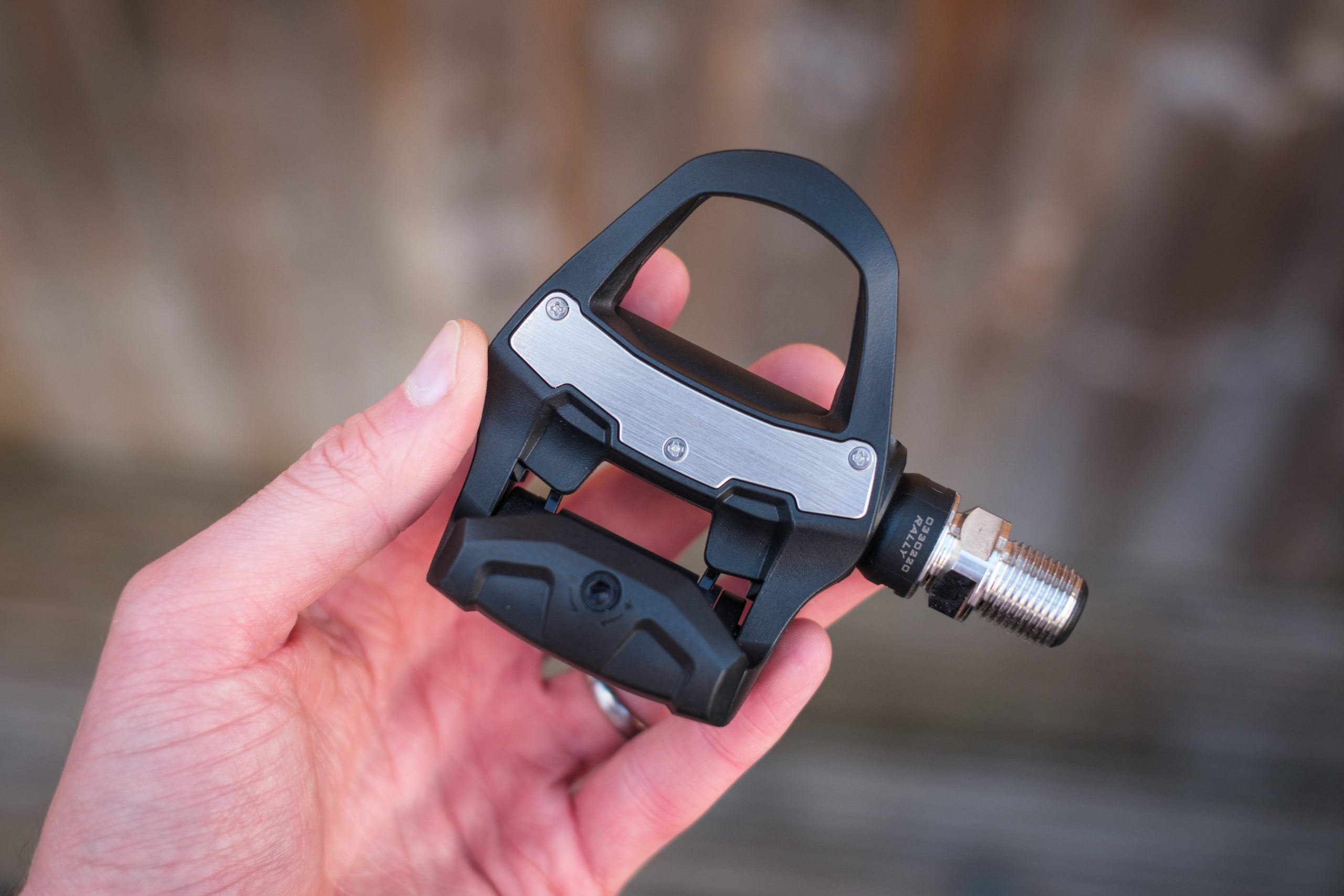
Although the new Rally 110 and 210-series pedals look almost identical to the outgoing models at a glance, Garmin has overhauled the spindle design.
While the Rally RS200 pedals used a somewhat fiddly design with replaceable coin cell batteries, the new ones employ a fully-sealed spindle with an internal rechargeable battery.
Although this means a drop in claimed battery life, from 120 to 90 hours, it removes a potential weak point for water ingress – the battery door – and means riders no longer need to pony up for spare batteries.
The move to a one-piece spindle also makes swapping pedal bodies much easier than before.
As before, Garmin offers three pedal-body options, with variants available for Shimano SPD-SL (road), Look Keo (road, tested here) and Shimano SPD (off-road) cleats.
Favero's Assioma PRO pedals (£649 / $789 / €699) now offer the same three cleat options, in an almost identical form factor to the Garmin pedals. As we'll discuss momentarily, though, Favero's pedals are generally cheaper and lighter.
In contrast, Look’s Keo Blade Power pedals (£899 / $999 / €899) only offer compatibility with Keo cleats and Wahoo’s Powrlink Zero pedals (£679.99 / $849.99 / €799.99) are built solely for use with Speedplay cleats.
As with all of these options, you can get cheaper single-sided versions, which feature a ‘smart’ left pedal paired with a dummy right one. Like other single-sided power meters, the Rally 110-series pedals (£549.99 / $749.99 / €649.99) simply measure the effort of your left leg and double it to estimate your total power output.
If you go down this route, you can buy a ‘Dual-sensing Upgrade Spindle’ (£479.99 / $549.99 / €549.99) later on, to convert your setup to a dual-sided one.
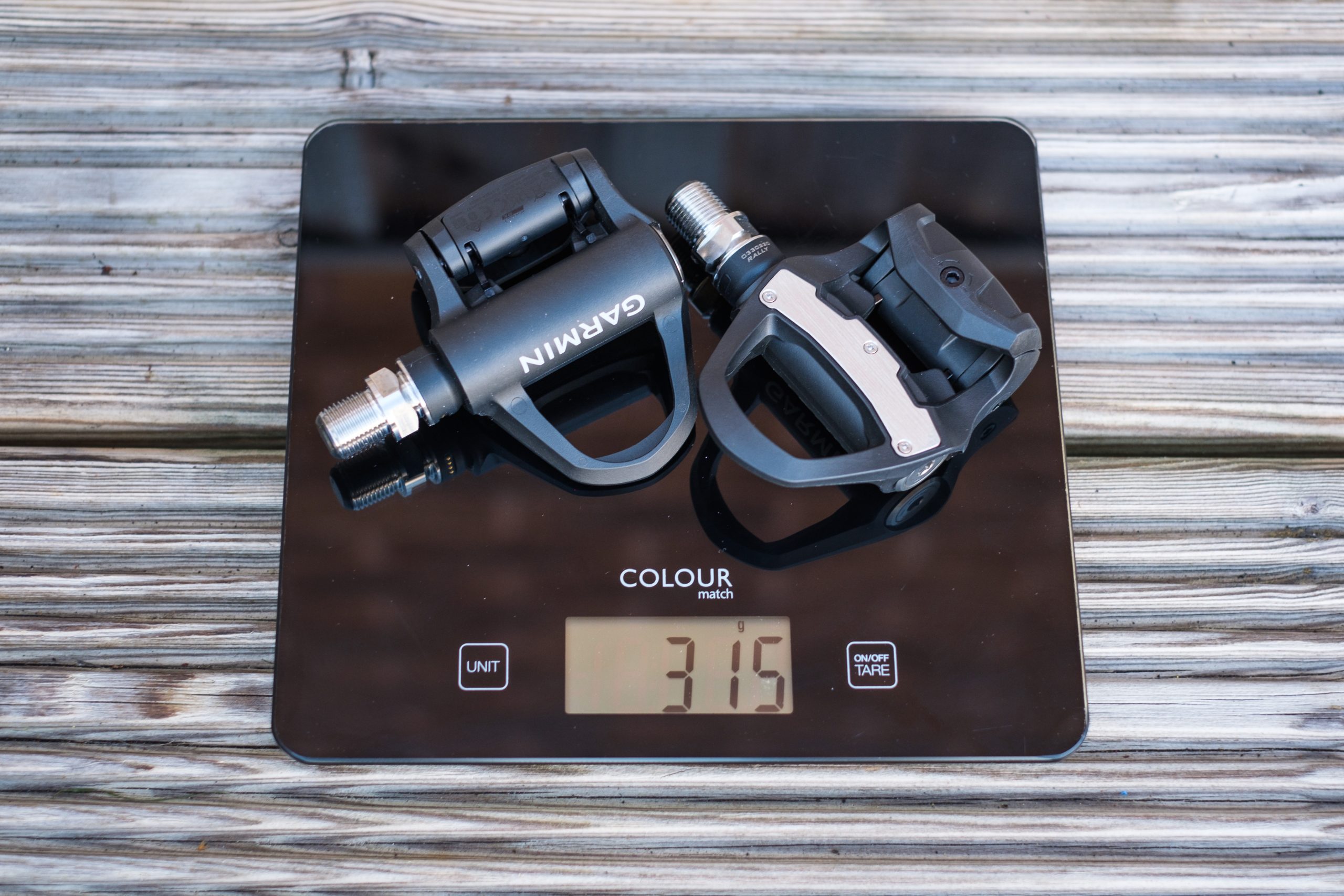
On the scales, my set of Keo-compatible Rally RK210 pedals weighed 315g, excluding cleats.
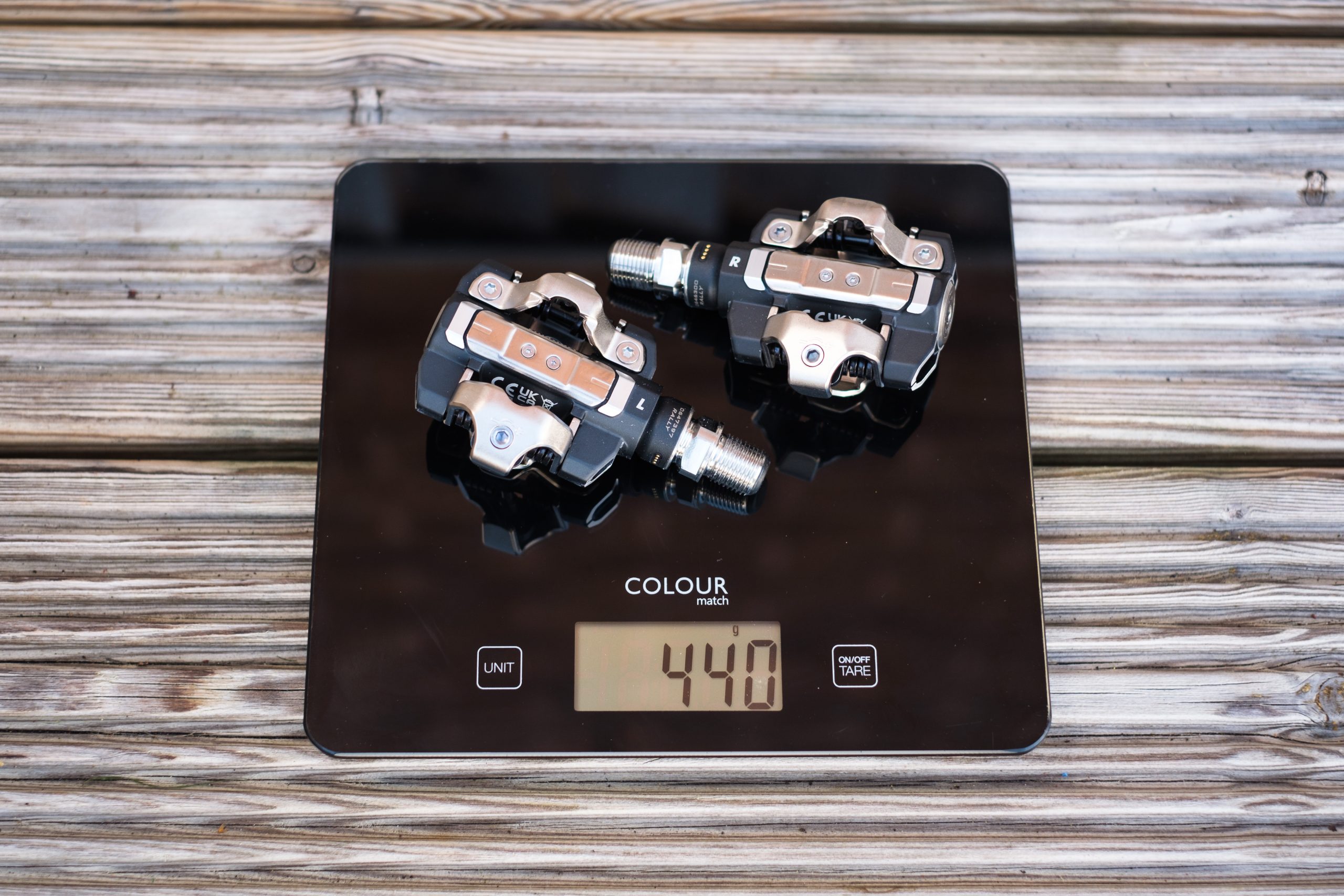
Garmin also provided a set of the SPD-compatible Rally XC210 pedals (£999.99 / $1,299.99 / €1,199.99) for testing, which weigh 440g without cleats.
In contrast, Favero’s Assioma PRO RS pedals, for example, weigh 250g, while its off-road Assioma PRO MX (£599 / $759 / €750) pedals weigh 388g, both without cleats.
Look’s and Wahoo’s offerings are lighter than Garmin’s, too.
Of course, it’s fair to say a few extra grams will make next to no difference to performance on the bike for most riders, but it might rankle with weight weenies, especially considering Garmin’s pedals are generally the most expensive in this category.
Garmin Rally RK / XC210 installation and setup
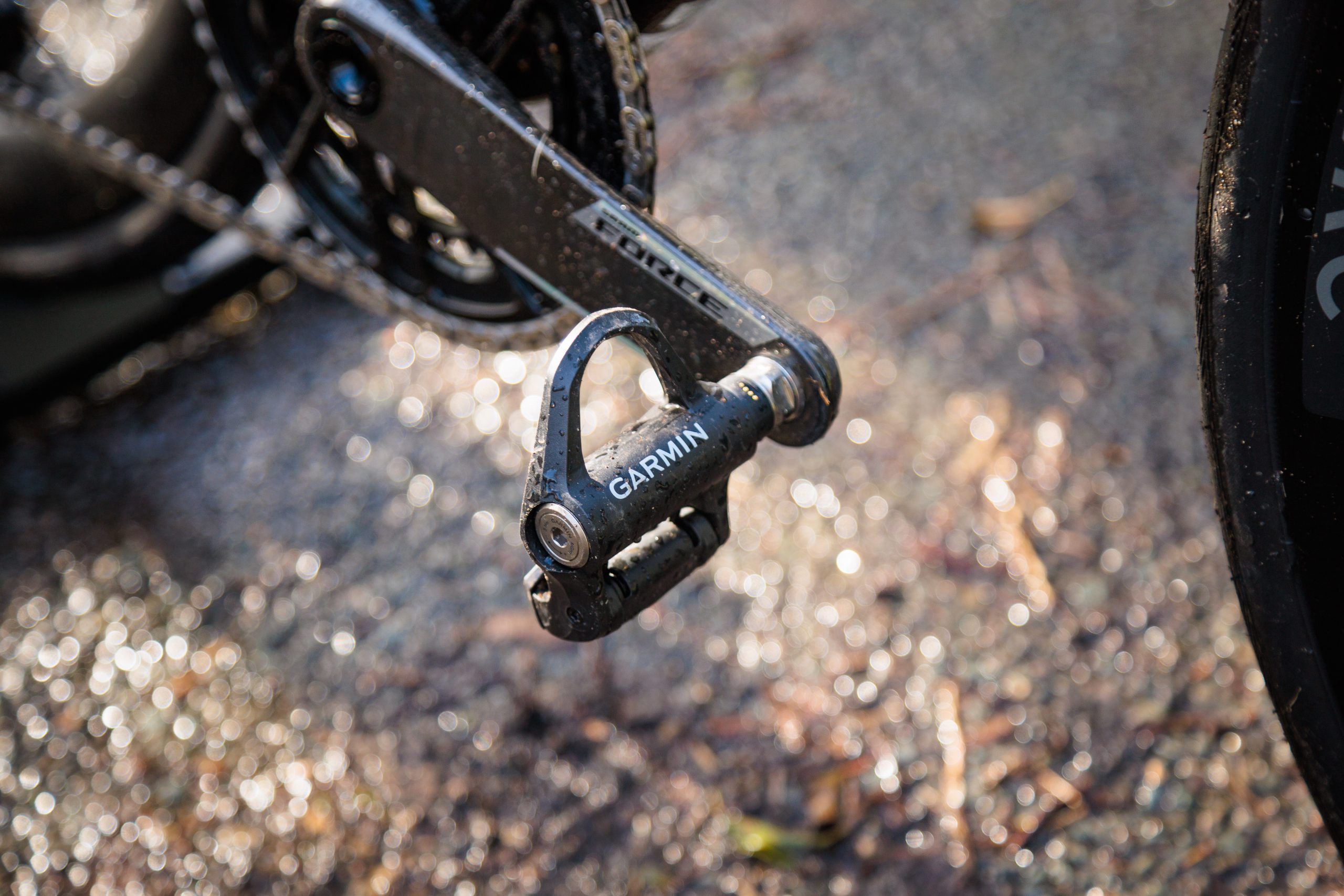
Installing Garmin’s previous Rally pedals was easy and the latest version is no different.
The only change is the need for a 15mm pedal spanner, rather than an 8mm hex key, due to the extra space in the spindle being dedicated to electronics. As with all power meters, best practice is to use a torque wrench for installation.
Although not required, I also connected the Rally RK210 pedals to Garmin’s Connect app (available for iOS and Android devices) to check for any relevant firmware updates.
In this case, there was one available and I went ahead and installed it, which took around 10 to 15 minutes.
Because the new spindles feature internal rechargeable batteries, Garmin has moved to magnetic charging via two included USB-C cables, with removable heads.
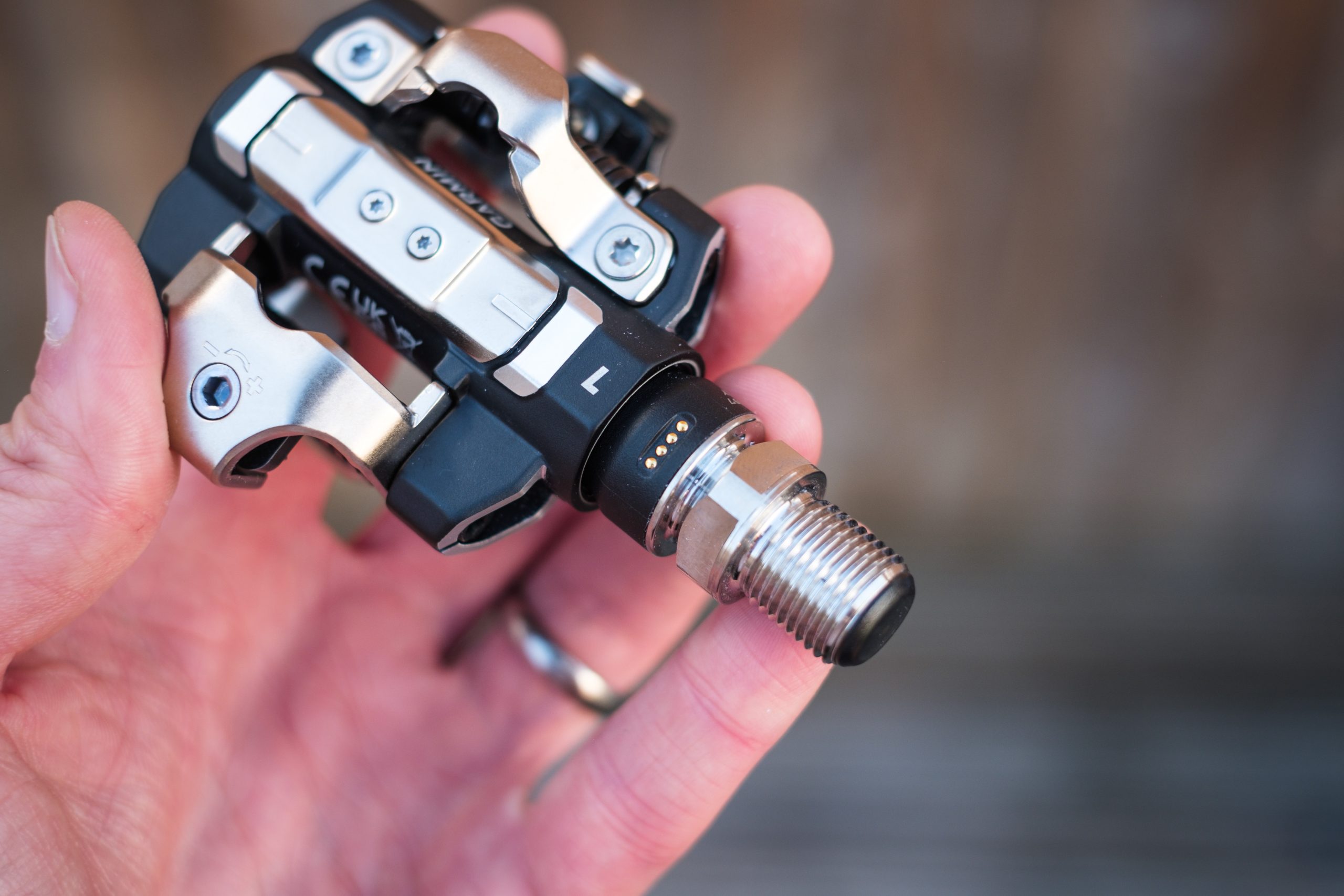
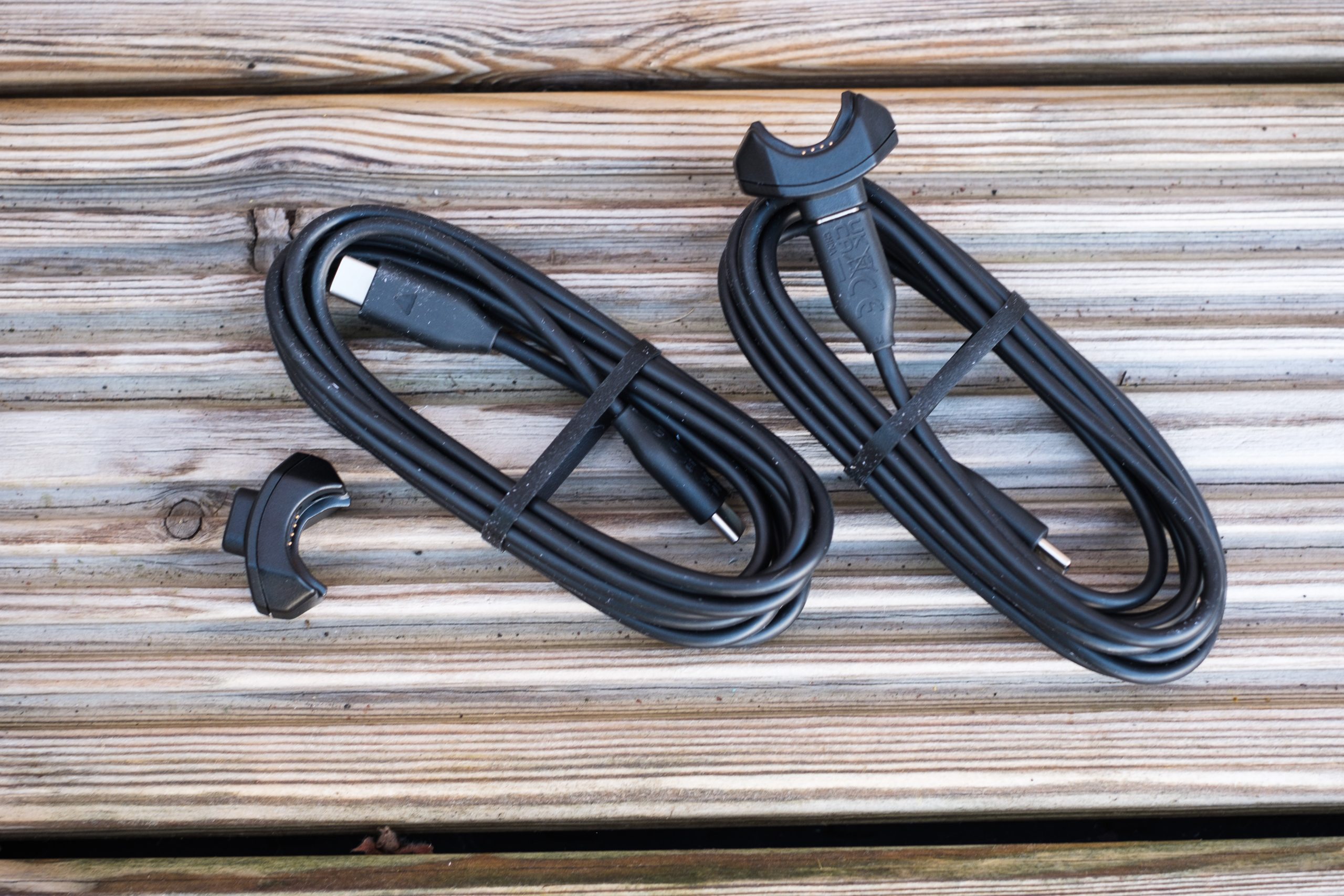
One notable feature the new Rally pedals have is a ‘quick charge’ function, which promises up to 12 hours of riding time from only 15 minutes of charging. This will be useful if you discover you’ve neglected to charge the pedals just before heading out for a ride.
The process for swapping pedal bodies has also been refined significantly.
While the previous Rally 100 and 200-series pedals (as well as the older Vector 3 pedals) were manageable but fiddly, the new Rally 110 and 210-series pedals only require a 15mm pedal spanner, a 5mm hex key and a torque wrench for reassembly.
Garmin has even been smart enough to print + / - and directional arrows on both the dust covers and spindle nuts, indicating which way to tighten and loosen them, which helps avoid any confusion.
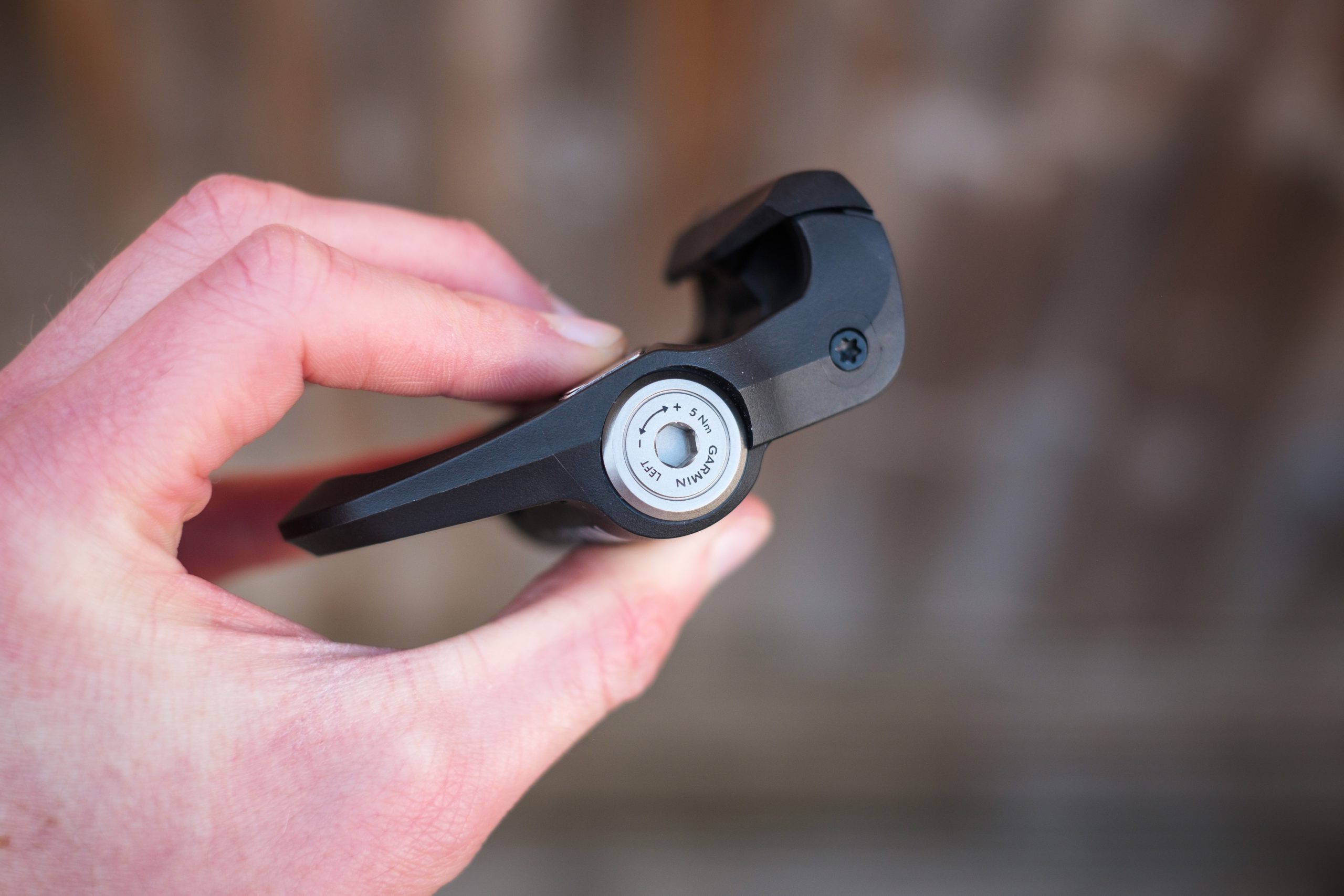
As with Favero’s Assioma Pro pedals, this makes the prospect of having one set of Garmin power-sensing spindles plus two sets of pedal bodies (for road and off-road use) much more feasible.
The ‘conversion kits’ that enable this are relatively expensive, though, at £219.99 / $249.99 / €249.99 for SPD-SL or Look Keo pedal bodies, and £349.99 / $399.99 / €399.99 for SPD ones.
In comparison, replacement Favero Assioma Pro pedal bodies cost only £50 / $69.99 / €49 each (or £100 / $139.98 / €98 for a left and right set).
Garmin Rally RK / XC210 performance
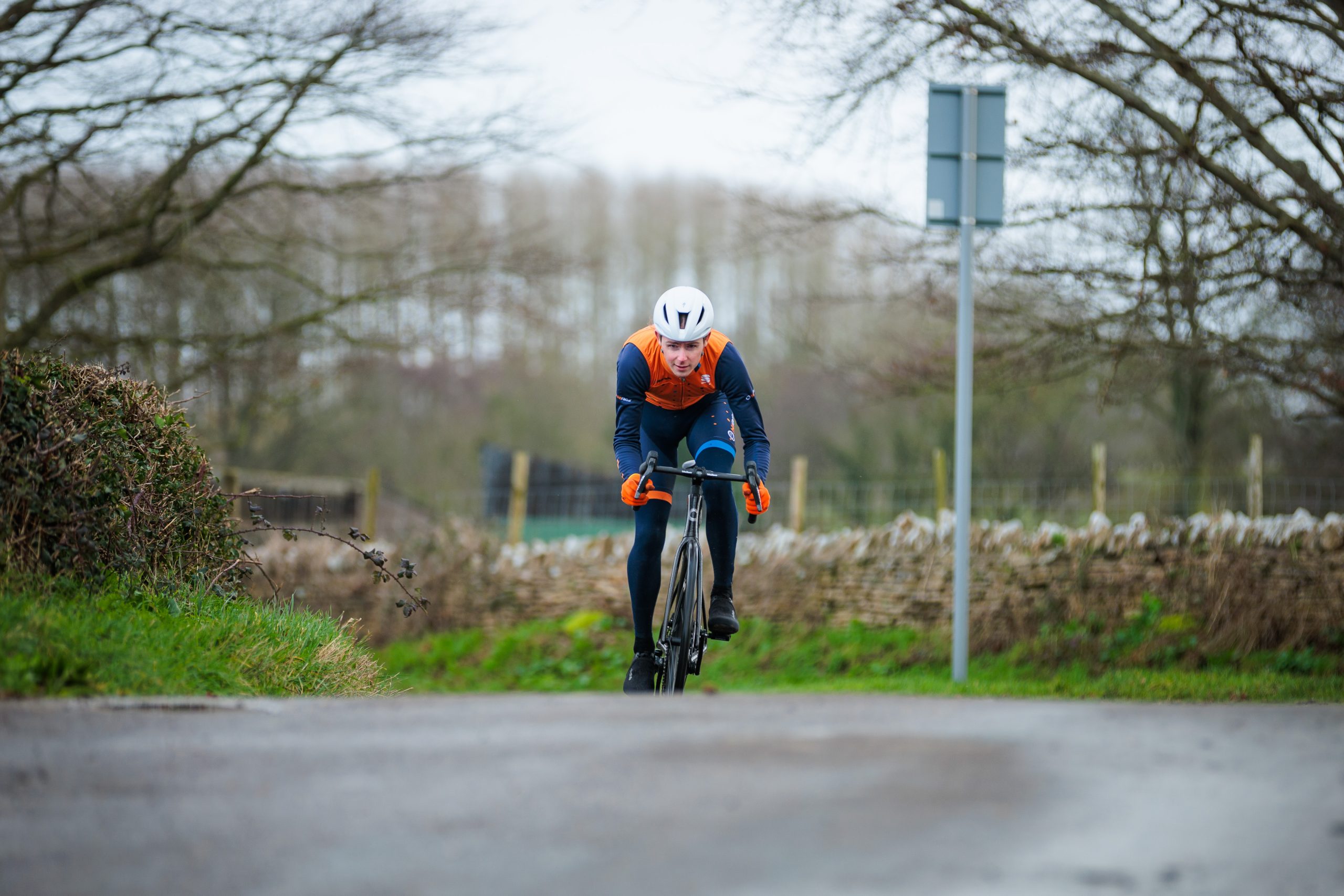
Like all the best power meters, the Garmin Rally RK210 pedals blend almost seamlessly into your ride, with next to no indication you’re not simply using standard road bike pedals – other than data appearing on your bike computer, of course.
Beyond that, cleat engagement was reassuringly snappy with both the included cleats, genuine Look Keo Grip cleats and Xpedo Keo-compatible cleats. I didn’t suffer any issues with retention either.
As on previous Rally pedals, the retention strength can be adjusted to suit using a 3mm hex key.
The build quality feels excellent, with the move to a metal body on the XC pedals being a notable upgrade compared to the previous generation.
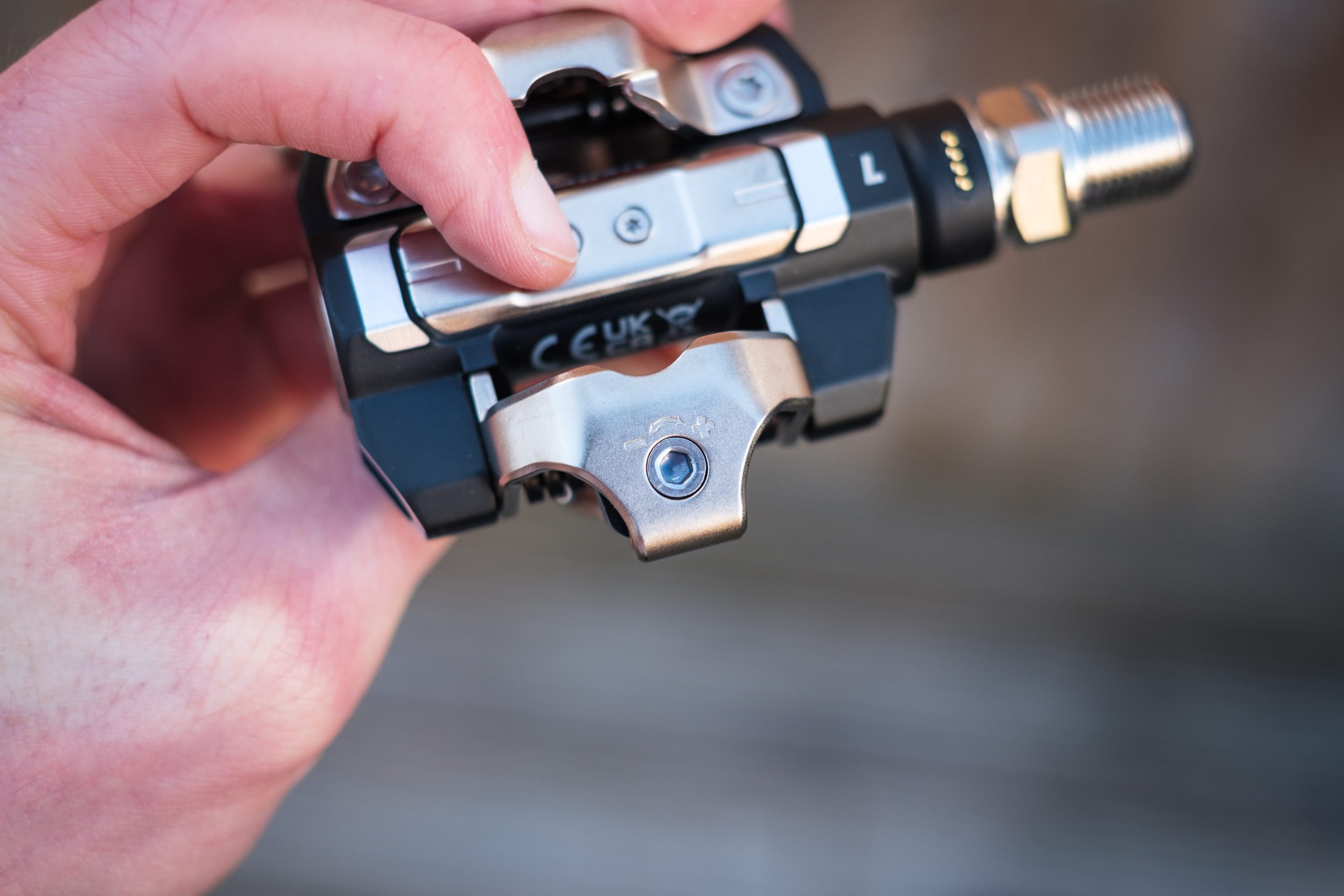
In terms of stack height, Garmin quotes a lower figure for the XC pedals (11.5mm) than the road ones (12.2mm) now, too, which is a welcome improvement.
In practice, though, the Rallys – and all other power meter pedals I’ve tested – are close enough in this regard that I can’t remember ever feeling the need to change my saddle height when swapping between sets on the same bike.
Pedals with low stack heights are definitely ‘nice to have’ (because there may be a small efficiency improvement as your feet get closer to the pedals), but such small differences haven’t caused me any trouble while out riding.
I also found the XC210 pedals worked perfectly with Shimano’s new Pontoon Cleat System (as found on the S-Phyre RX910 gravel shoes), which is fortunate because I imagine that will get rolled out to more shoes in the future.
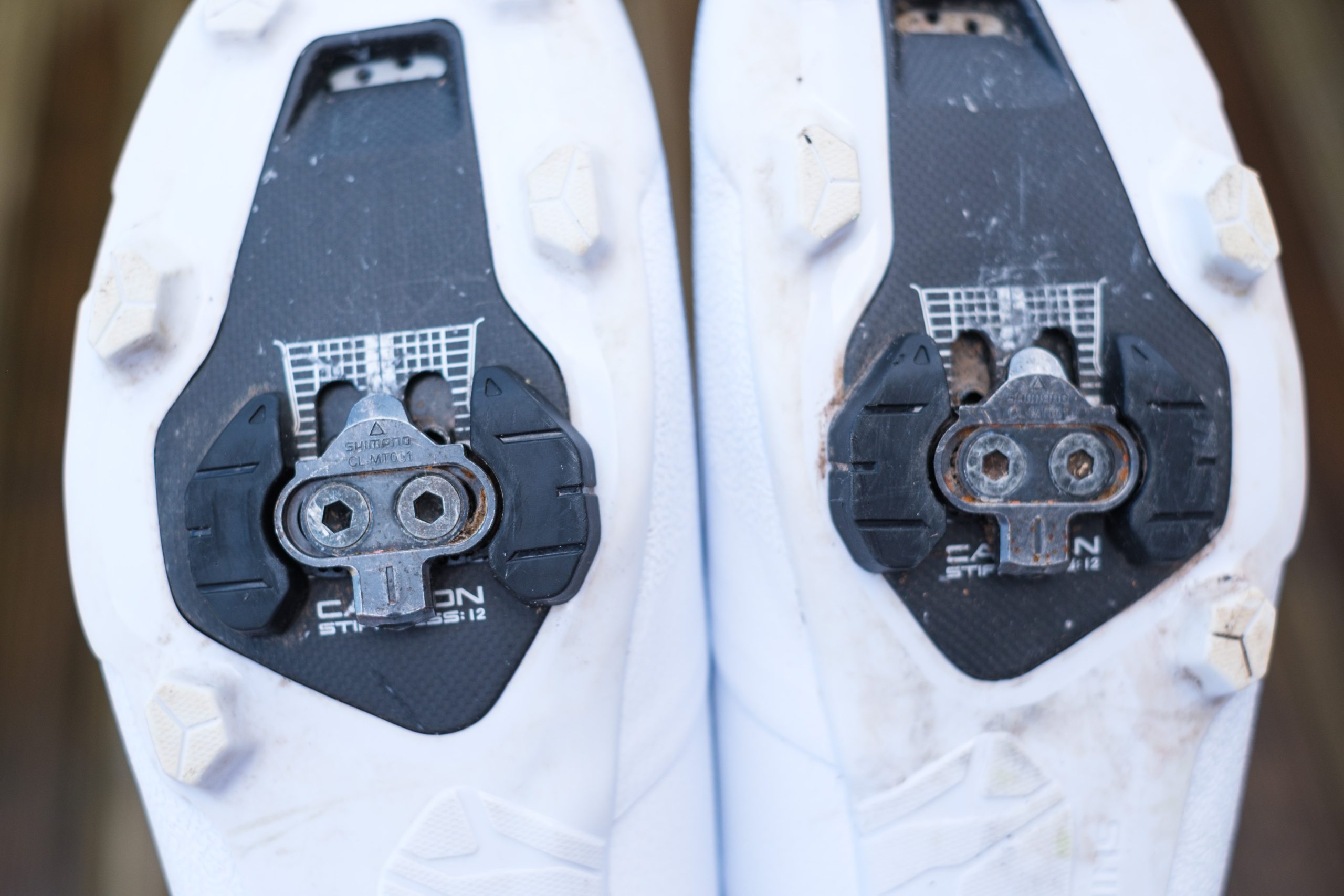
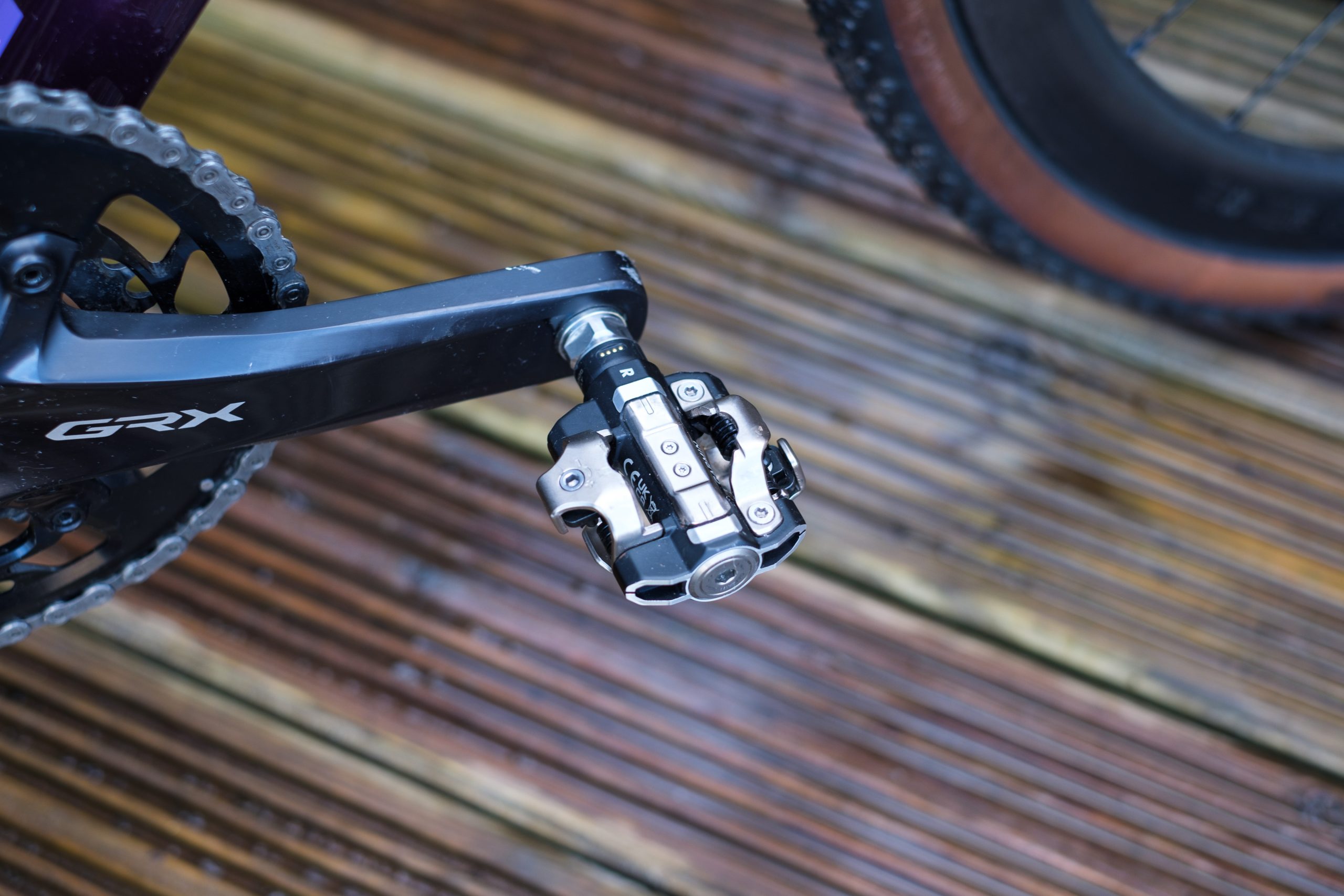
In contrast, I've found Favero's Assioma PRO MX pedals don't work seamlessly with the 'Pontoons'. Retention and unclipping is unaffected, but clipping in is tangibly harder, even with the latest Shimano CL-MT001 SPD cleats.
Water ingress is often a killer for power meters, but both sets of pedals made light work of the impossibly wet winter we’ve experienced here in the south west of England, including relentless rain, ford crossings and post-ride hose downs.
Up until a few weeks ago, battery life was one of the key areas where Garmin’s Rally pedals outperformed Favero’s offerings, with 90 hours of run time compared to 60 on the Assioma PRO RS and PRO MX.
A recent firmware update bumped the Favero pedals up to a claimed 160 hours, however. Favero didn’t go into detail as to how this was possible, but I’ve generally found its battery life claims to stand up to scrutiny, so I’m inclined to believe it.
Perhaps Garmin will be able to do something similar down the line, but either way, 90 hours of battery life feels like plenty, and I wouldn’t be swayed by either figure.
Garmin Rally RK / XC210 data accuracy
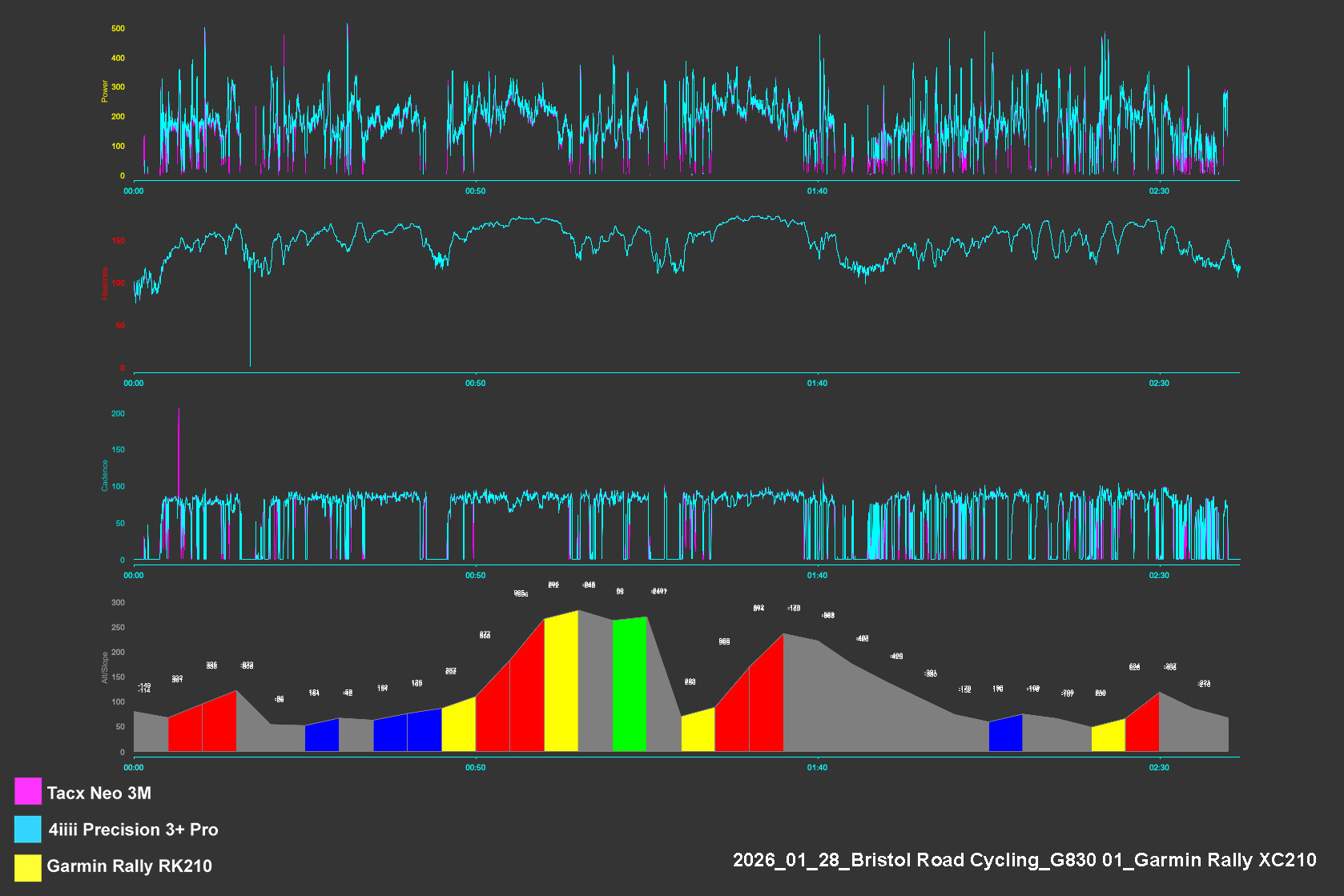
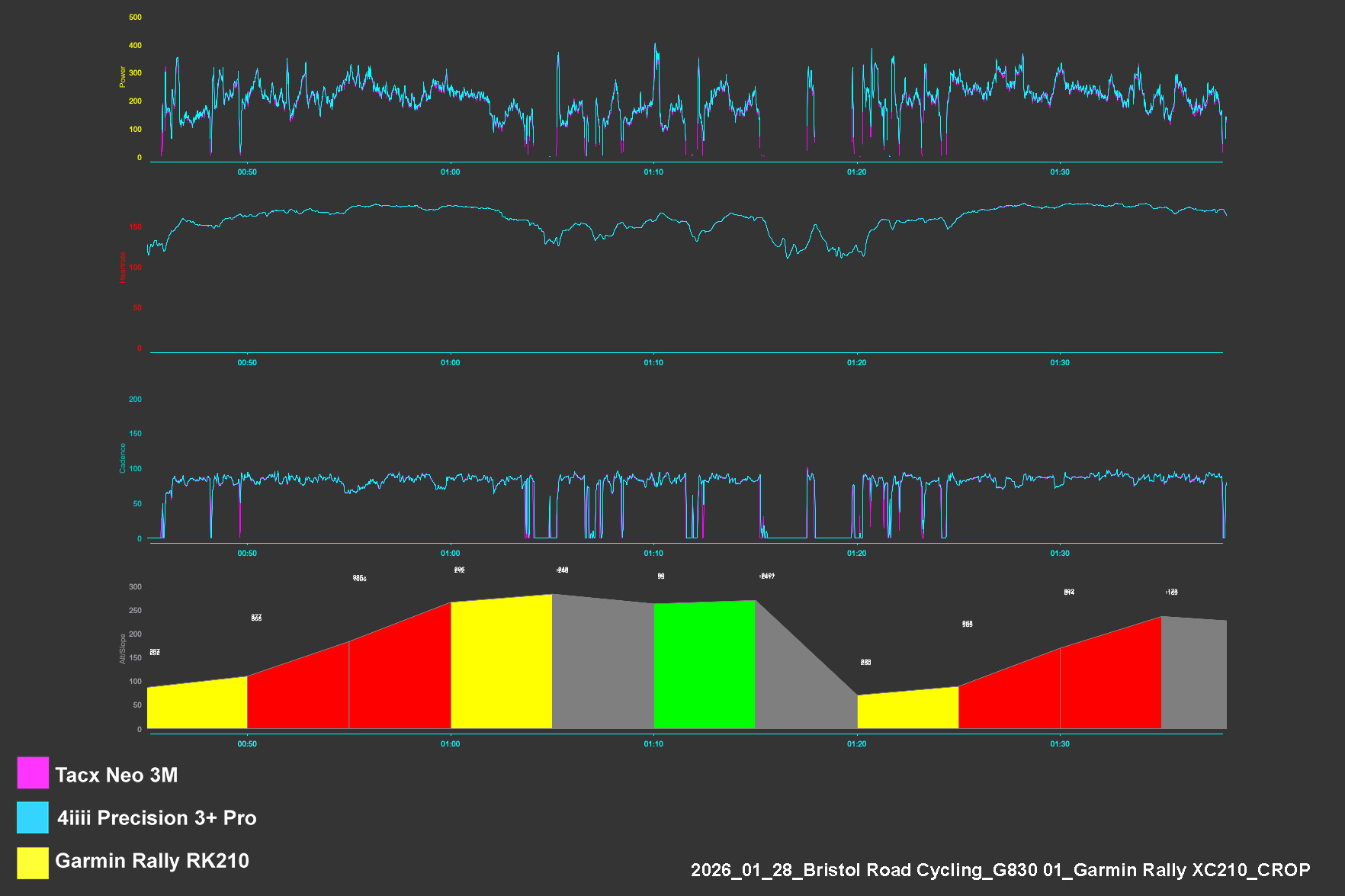
Given my positive experiences with the data produced by Garmin’s Vector 3 and Rally RS200 pedals, I had high hopes for Rally RK210s.
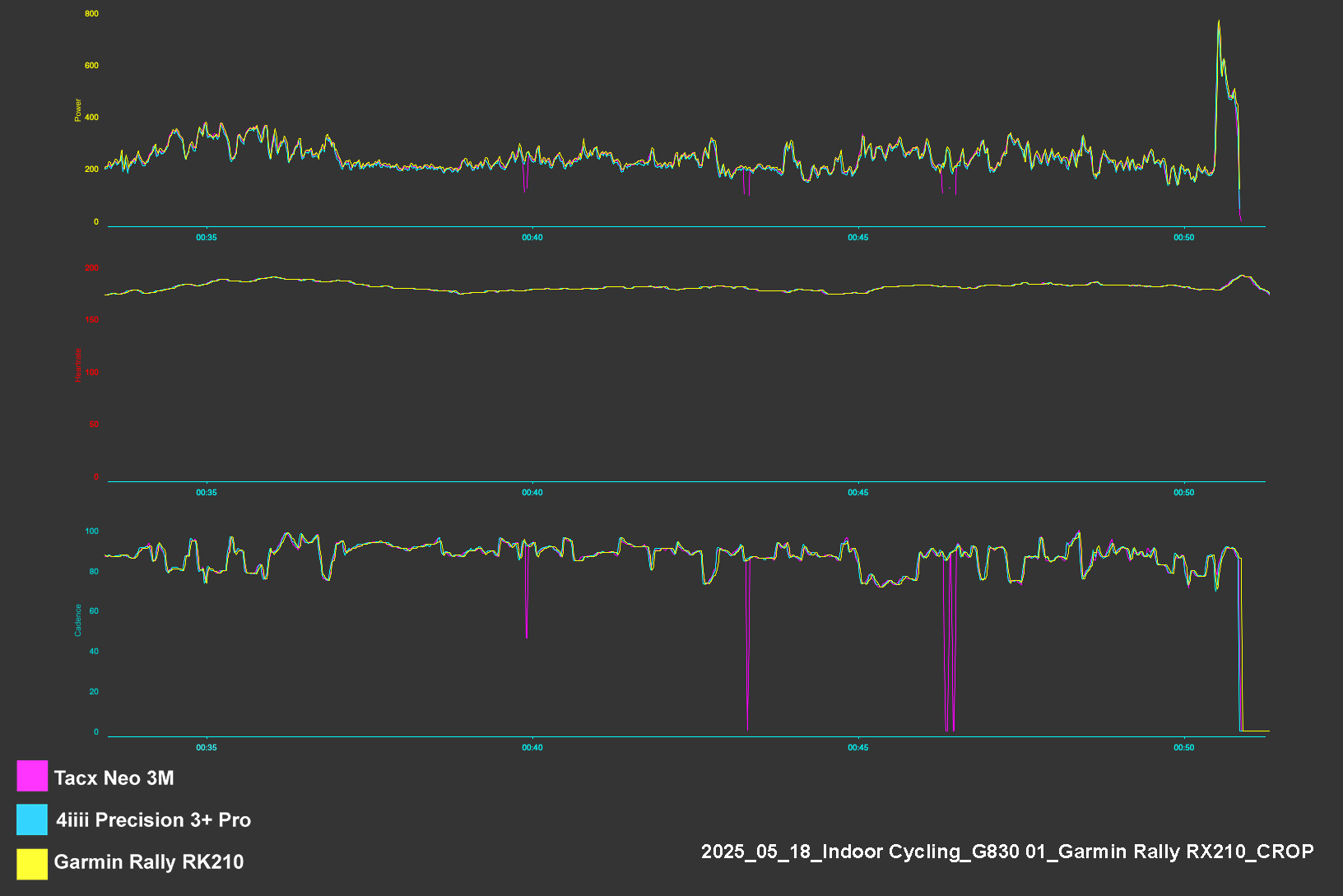
Thankfully, they didn’t disappoint, delivering accurate and consistent data throughout testing, up against benchmarks such as 4iiii’s Precision 3+ Pro crankset and Tacx’s Neo 3M smart trainer.
All things considered, I’d have no trouble recommending the Rally 210-series pedals for training and racing with power.
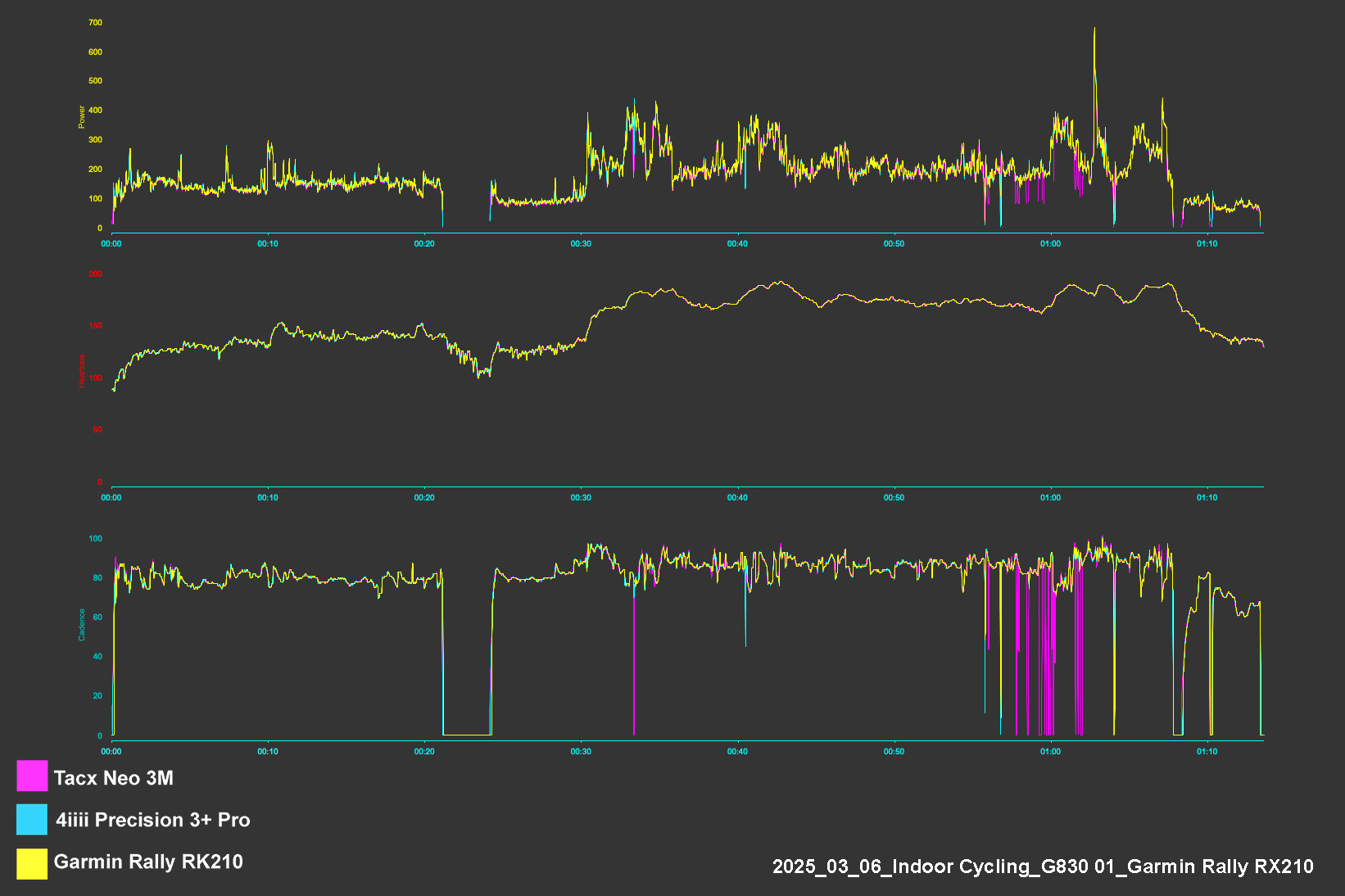
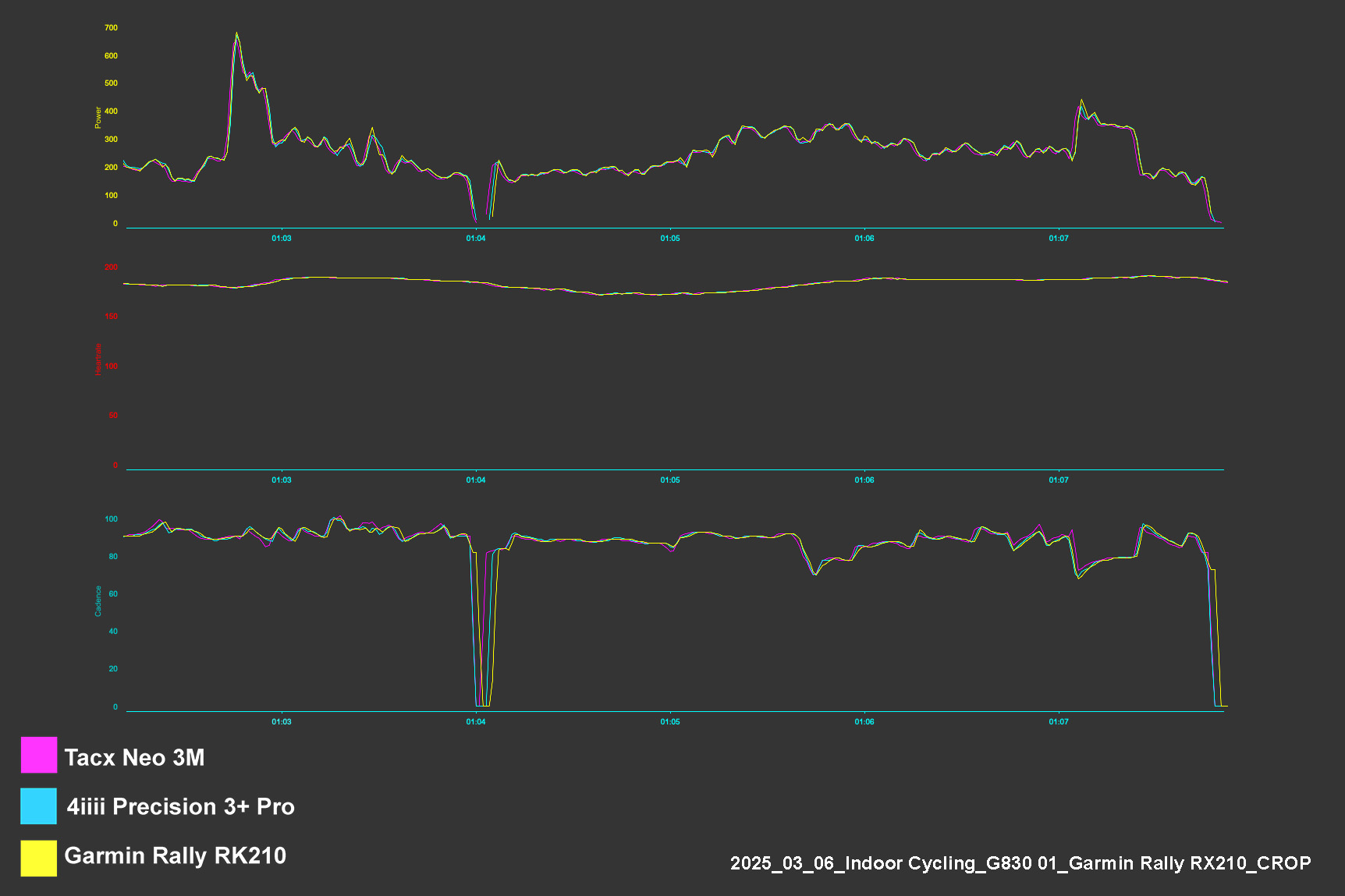
The only accuracy-related aspect I couldn’t test was the new ‘Pedal IQ Smart Calibration’ feature, as this requires an Edge X40-series or X50-series bike computer – my older Edge 830 hasn’t received the required software update (and I suspect one won’t be forthcoming).
Garmin says this feature can detect when a zero-offset calibration is needed (equivalent to pressing tare on a scale), and then prompt you to perform one.
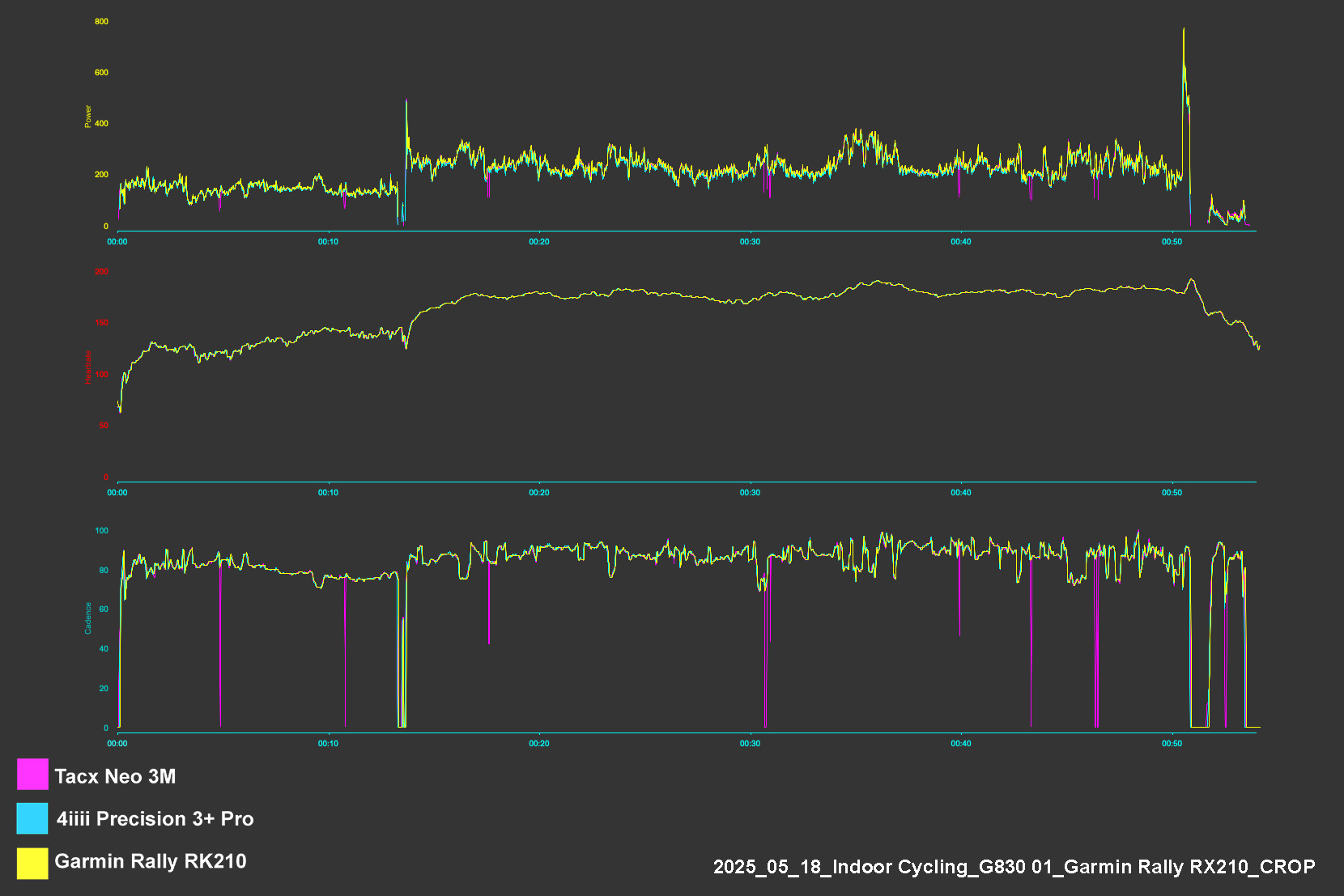
Fortunately, though, the pedals retain their automatic calibration feature from previous models, which triggers when the pedals are awake but idle for 10 seconds.
The only thing to note with that feature is there are limits for how much it will account for big temperature swings, so if you’re taking your bike from inside a warm home to the cold outside, performing a manual zero-offset is recommended.
Garmin Rally RK / XC210 bottom line
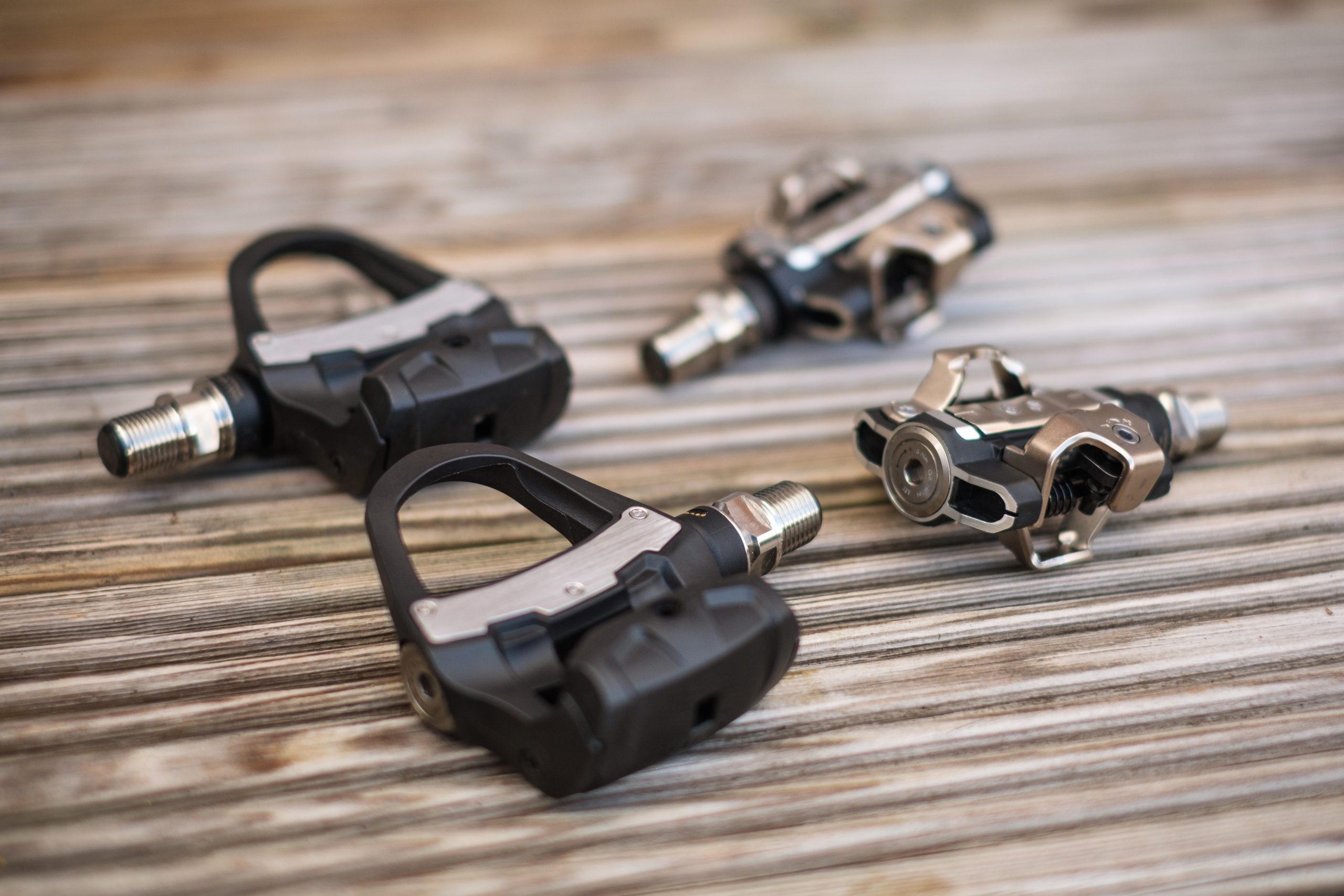
In terms of performance, Garmin has knocked it out of the park with its latest power meter pedals.
They deliver accurate and consistent data, and are easier than ever to use and live with, while they feel as though they’ll stand up to long-term abuse.
Although they're not the lightest option, the differences aren’t ones you’ll notice while riding, and the build quality improvements made to the XC pedal bodies in particular are notable.
The only major sticking point is the price, which is so much higher than Favero’s equivalent pedals – especially if you want ‘conversion kits’ to add a second set of pedal bodies.
That aside, these are easily among the best power meter pedals I’ve tested.
Product
| Brand | Garmin |
| Price | €1099.99, £929.99, $1199.99 |
| Weight | 315g |
Features
| Cleat type | look |
| Power meter type | pedal |
| Connectivity | antPlus |
| Connectivity | ble |
| Connectivity | bluetooth |
| Battery | Rechargeable Li-ion |
| Battery life | 90 hours |
| Claimed accuracy | +/- 1 per cent |
| Water resistance | IPX7 |
SQUIRREL_13883948
