Cross-country is one of the most exciting disciplines within mountain biking. Races are often close, with elbow-to-elbow action right until the line, and the best cross-country mountain bikes combine everything we love about mountain biking – riding fast, uphill and downhill.
Cross-country mountain bike technology has advanced quickly in the last few years. Cross-country bikes are now lighter, faster and more capable than ever, while many cross-country race tracks have become more demanding at the same time.
If you’re thinking about buying a cross-country bike, read on for our pick of the best bikes reviewed by our expert testers.
We’ve also put together a buyer's guide so you can learn everything you need to know about cross-country bikes at the end of this article.
If you’re tempted to start riding competitively, we’ve got a separate beginner's guide to cross-country racing.
This best list was compiled by our staff writer, Nick Clark, who has brought together expertise from across the team while adding his personal experience in the saddle.
The reviews in this buyer's guide were written by Tom Marvin and Robin Weaver.
Editor's note: this list was updated on 9 September 2026, removing older models and adding our high-scoring Lauf Elja XC Ultimate Flight Attendant and Trek Procaliber 9.7 AXS Gen 3 reviews. We have also added information on how we test cross-country bikes.
Best cross-country mountain bikes 2026, as rated by our expert testers
Cannondale Scalpel 1 Lefty
SQUIRREL_TEXT_14033493
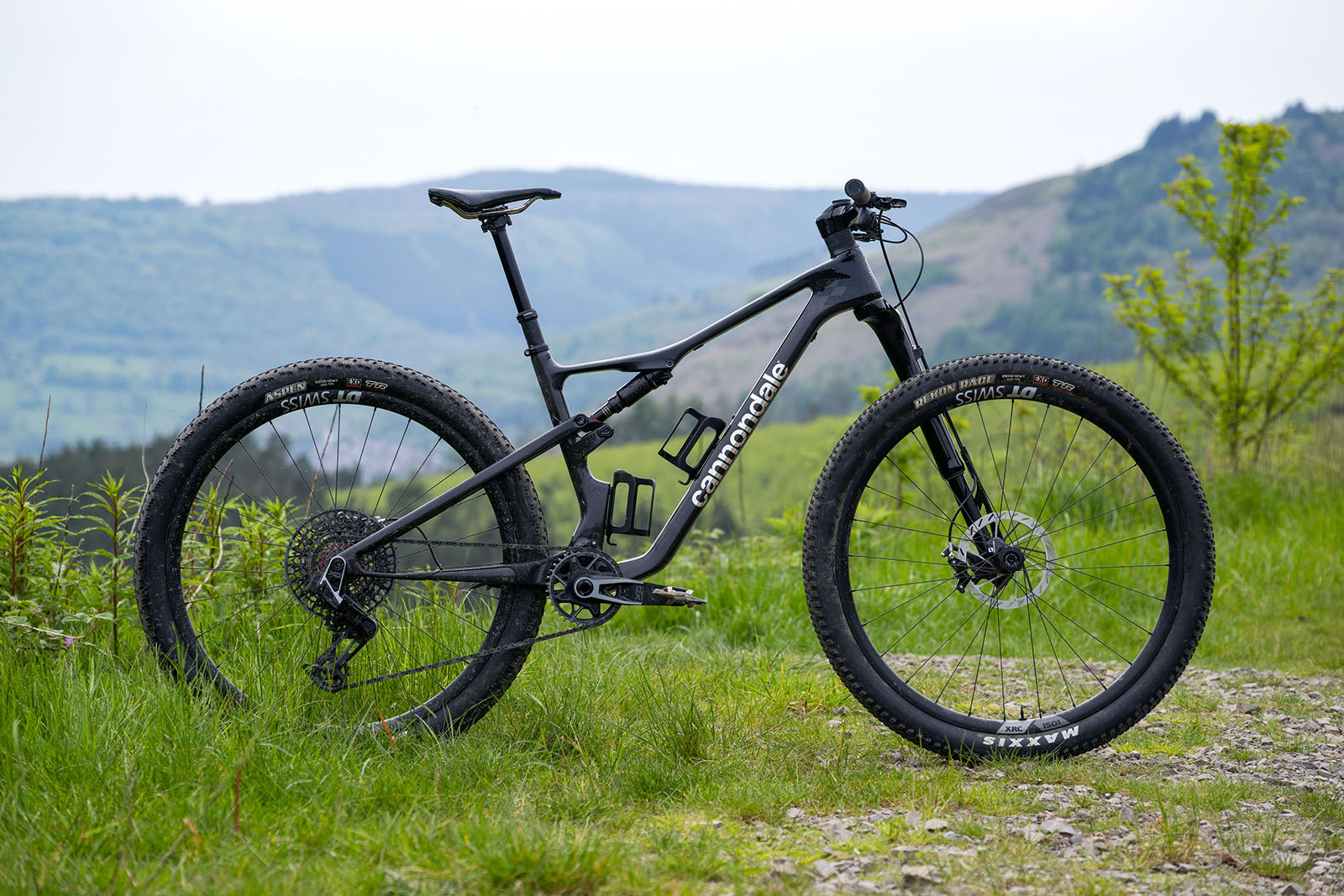
- £8,550 / €9,499 as tested by Tom Marvin
- Pros: Sorted frame shape shines in every situation; great spec list; Lefty is smooth and stiff
- Cons: Carbon rims are quite stiff; Lefty might not be for some
Cannondale's Scalpel 1 Lefty is at the sharp end of cross-country mountain bikes, with the frame offering impressive responsiveness and downhill capability.
We found the spec list to leave little to be desired and got along well with the Lefty fork.
This latest generation of Lefty feels smooth and rigid, and the design is almost immune to mud build-up.
On chunkier terrain, the bike eats up impacts well and, thanks to 120mm of travel, it shines on a variety of trails.
- Read more: Cannondale Scalpel 1 Lefty review
SQUIRREL_14033493
Trek Supercaliber SLR 9.9 XX AXS Gen 2
SQUIRREL_TEXT_14033494
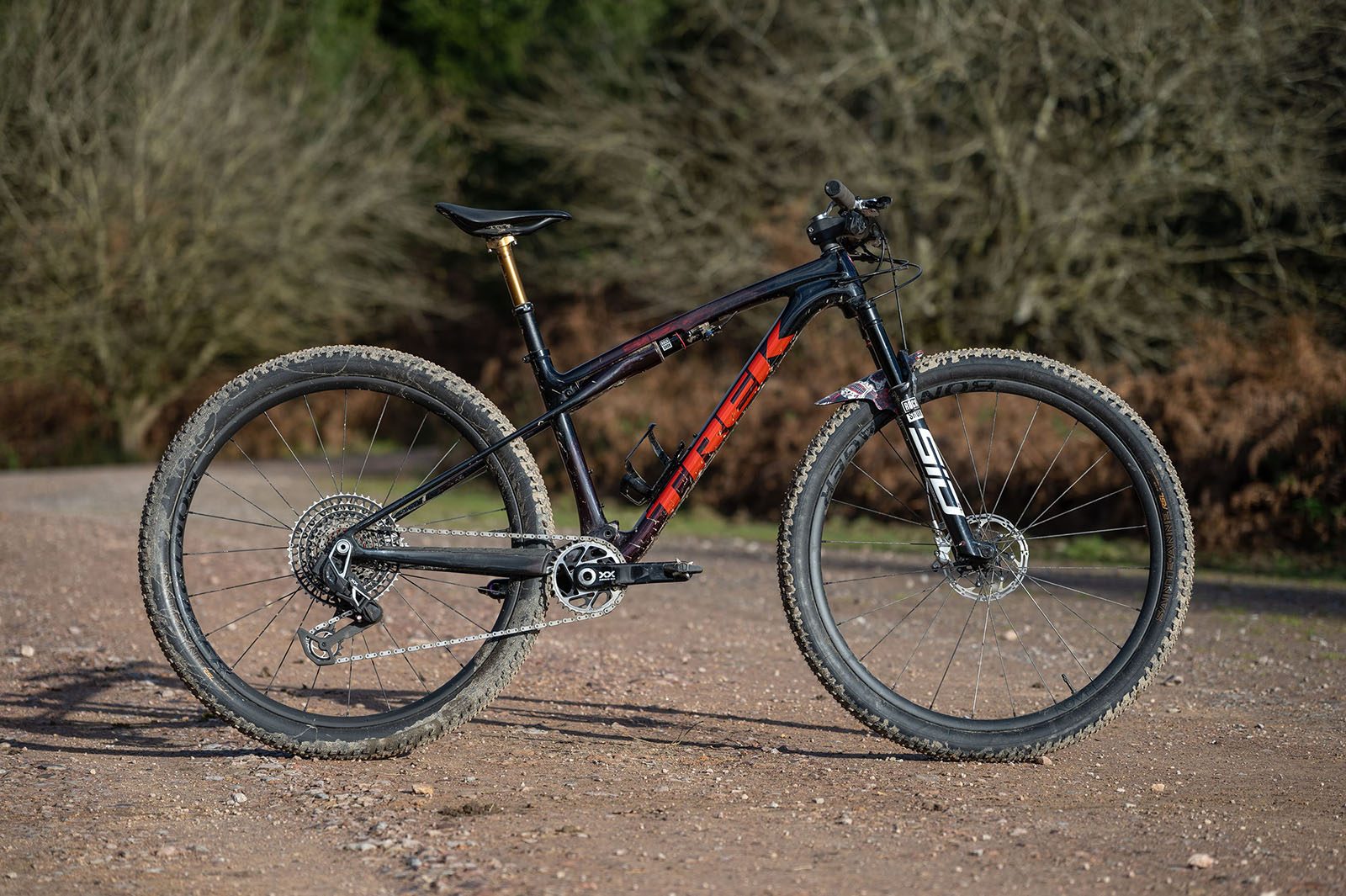
- £10,800 as tested by Robin Weaver
- Pros: Direct feel with capable geometry; direct feel under power; mutes bumps well
- Cons: One-piece bar and stem plus narrow tyres won't be for everyone
The Trek Supercaliber SLR 9.9 XX AXS Gen 2 is a thoroughbred cross-country race bike, delivering razor-sharp handling and a direct feel under power.
With its IsoStrut rear shock partially hidden in the top tube, the Supercaliber is intended to offer the efficiency of a hardtail with the comfort of rear suspension.
Pair this with the updated and more capable geometry and you have a bike that balances efficiency and composure.
If you want a top-spec race bike for more demanding trails, the Supercaliber would be a great choice, but you might want to swap in some wider tyres.
SQUIRREL_14033494
Specialized Epic 8 Pro
SQUIRREL_TEXT_14033495
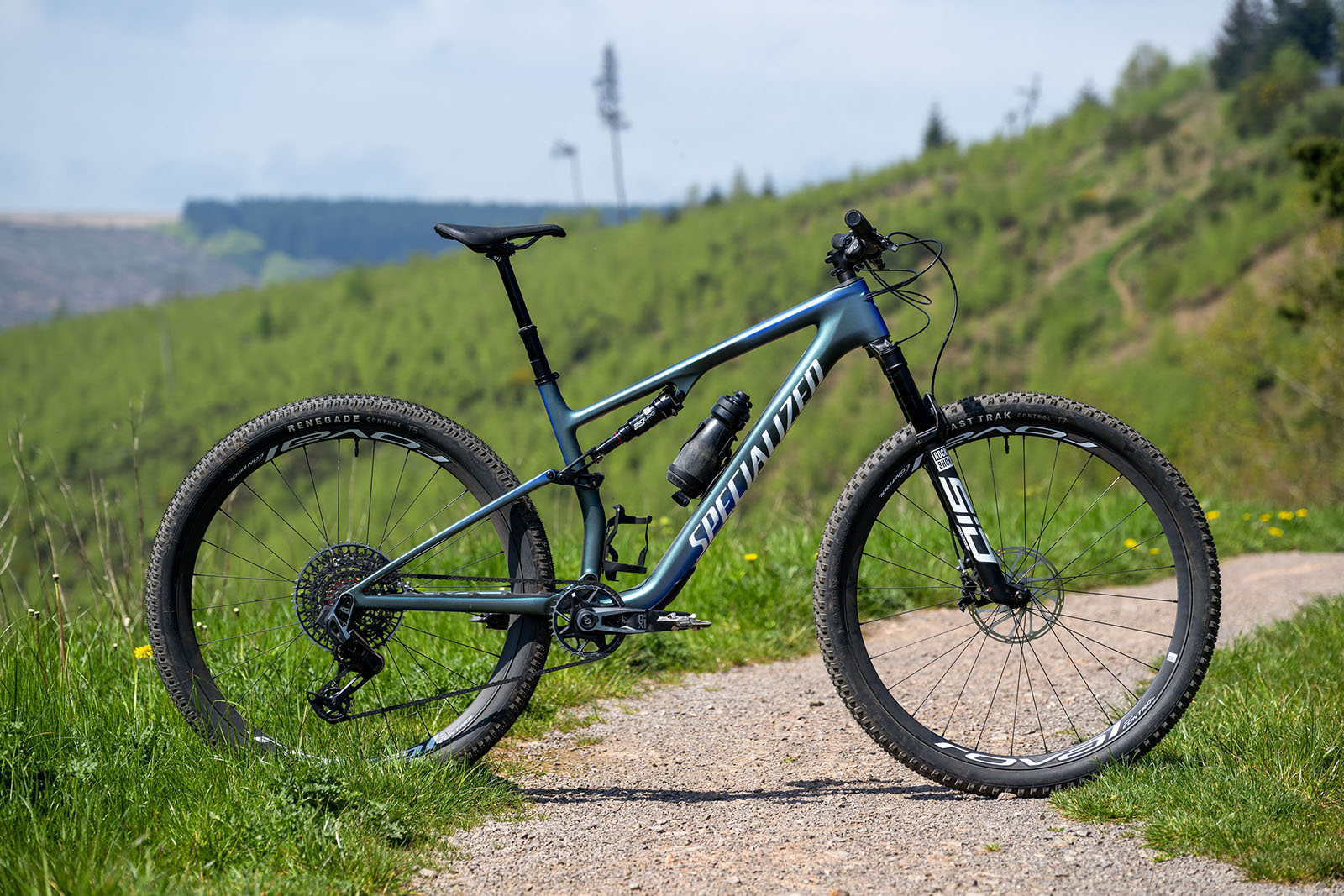
- £8,000 as tested by Tom Marvin
- Pros: Power transfer feels incredibly efficient; handling is trail bike-esque
- Cons: Round tyre profile can be unsettled on some surfaces
The Specialized Epic has been a benchmark for cross-country bikes for a long while, with the latest generation setting the bar even higher.
We were impressed by the bike's ability on almost all trails, and found the handling and suspension feel similar to a trail bike.
The three-mode lock-out performs well, with the middle mode acting as a great intermediate for flat pedalling.
Specialized's Fast Trak front tyre makes for some squirrelly moments, with the round profile making the front of the bike dive when cornering.
- Read more: Specialized Epic 8 Pro review
SQUIRREL_14033495
Lauf Elja XC Ultimate Flight Attendant
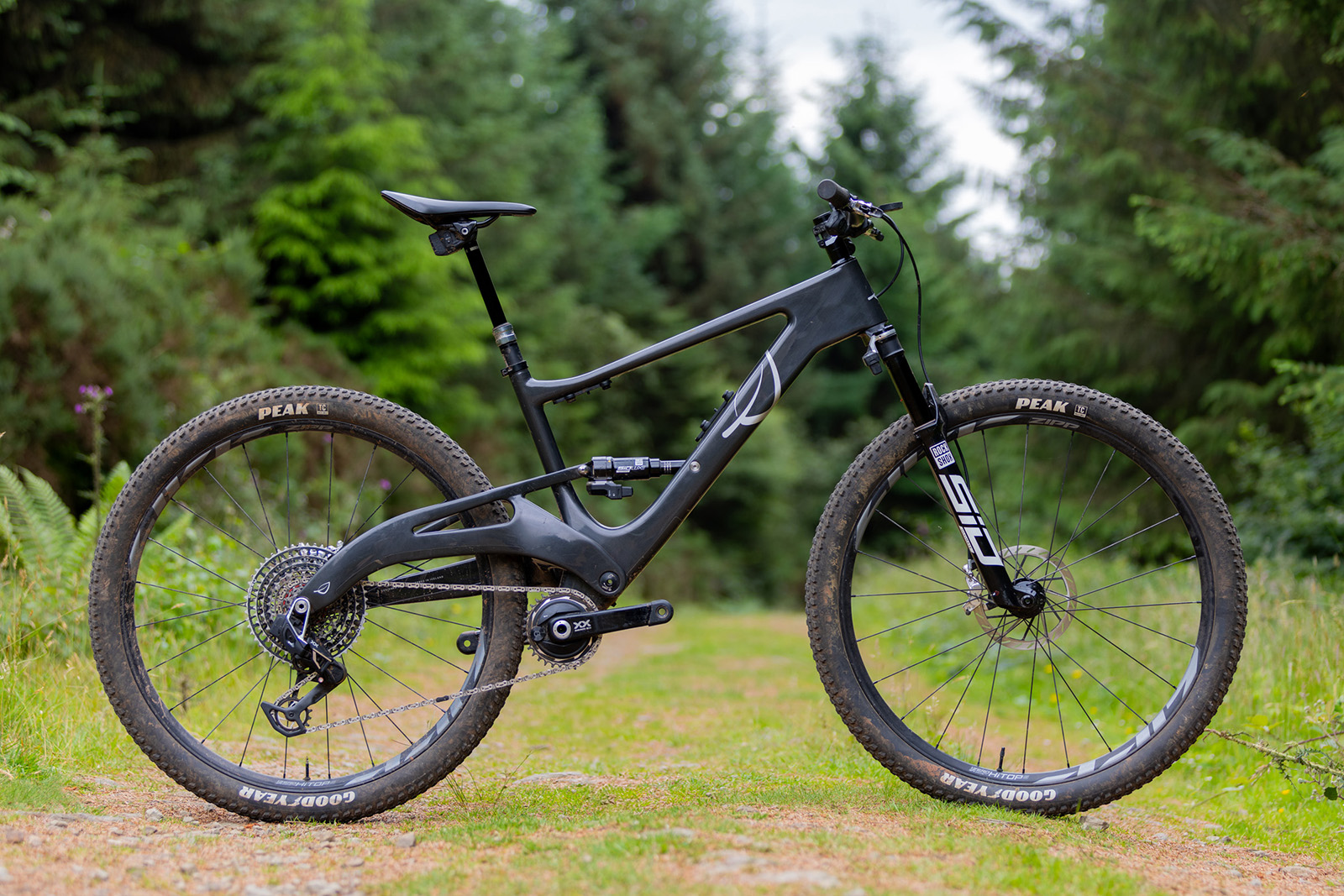
- $8,990 as tested by Tom Marvin
- Pros: Fast on varying terrain; modern geometry; all-day comfort; simple construction should be easy to live with; good value for money
- Cons: Heel and calf rub annoying; occasional shock binding; not the prettiest; limited bottle clearance
The Lauf Elja XC Ultimate Flight Attendant is a fast and distinctive XC race bike with impressive spec for the money.
Its 120mm suspension and modern geometry give it plenty of speed and confidence across varied terrain, while SRAM’s Flight Attendant system keeps the suspension in the right mode with minimal input.
The wide 2.6in Goodyear tyres add impressive grip and comfort, and the bike climbs particularly well on technical terrain.
At $8,990, it also offers good value for a high-end carbon race bike. The main drawbacks are some heel and calf rub, occasional shock binding and divisive looks.
Mondraker F-Podium RR
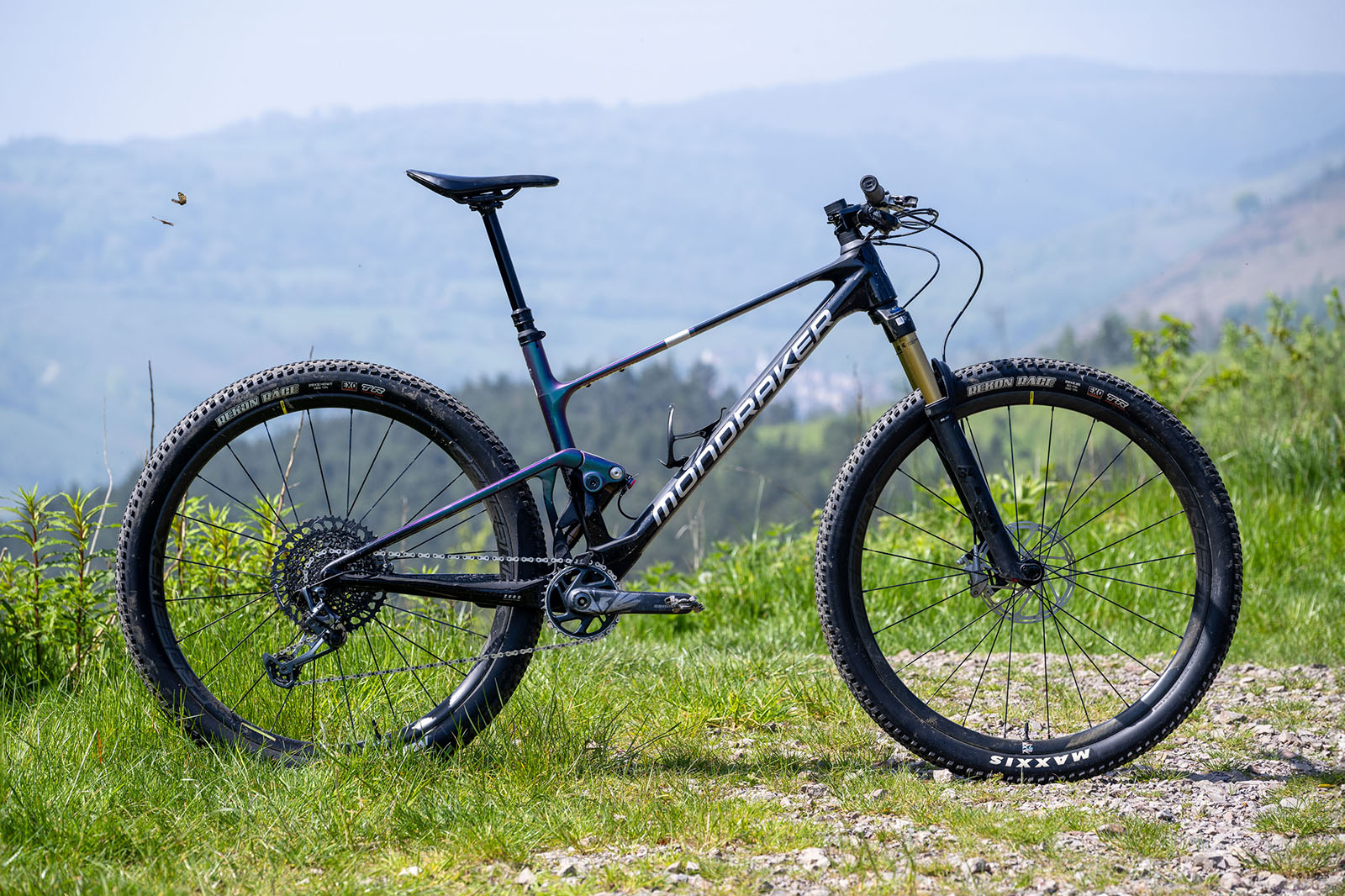
- £7,699 / $7,999 as tested by Tom Marvin
- Pros: Sorted geometry gives confidence on any terrain; makes ease of steep trails
- Cons: Not the smoothest suspension on choppy terrain; shock not the most accessible
We found the F-Podium RR impressive when pointed down steep trails, with the geometry bolstering confidence and making easy work of technical tracks.
On rougher trails, the suspension damper isn't quite as smooth as competitors, offering a rough feeling through the bike – a softer shock tune may combat this.
The bike doesn't come with electronic shifting, which is surprising for its price range, but the rest of the kit leaves little to be desired.
- Read more: Mondraker F-Podium RR review
Specialized S-Works Epic World Cup
SQUIRREL_TEXT_14033497
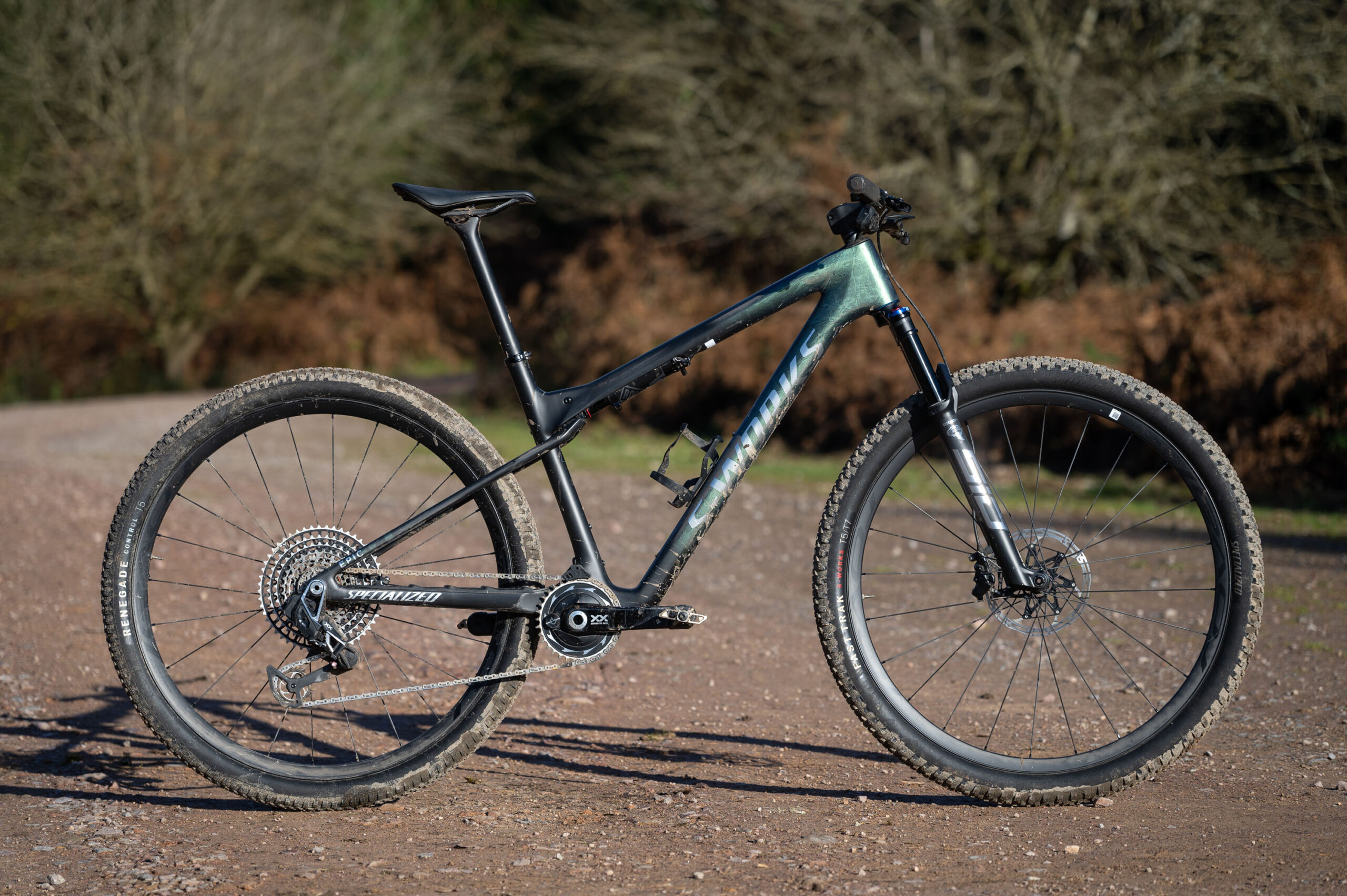
- £12,000 as tested by Tom Marvin
- Pros: Reacts to pedal input like a hardtail; modern geometry
- Cons: Performance comes at the cost of versatility
The Specialized S-Works Epic World Cup is unapologetically XC race-focused.
The bike is an exceptional climber, thanks in part to the tyres and Roval Contact SL wheelset. Pedal bob is virtually eliminated when you run the rear shock in its ‘No Gulp’ setting, making the Epic feel a lot like a hardtail.
The 75mm of rear travel takes the sting out of descents rather than flattering your skills, but with a bit more thought, the bike can certainly compete against 120mm-travel XC race bikes.
This isn’t a hugely versatile bike. The suspension and harsh cockpit will leave you wanting a more forgiving ride when cruising around. But if you’re heading off to a race, this bike will reward your full-gas efforts.
- Read more: Specialized S-Works Epic World Cup review
SQUIRREL_14033497
Trek Procaliber 9.7 AXS Gen 3
SQUIRREL_TEXT_13182210
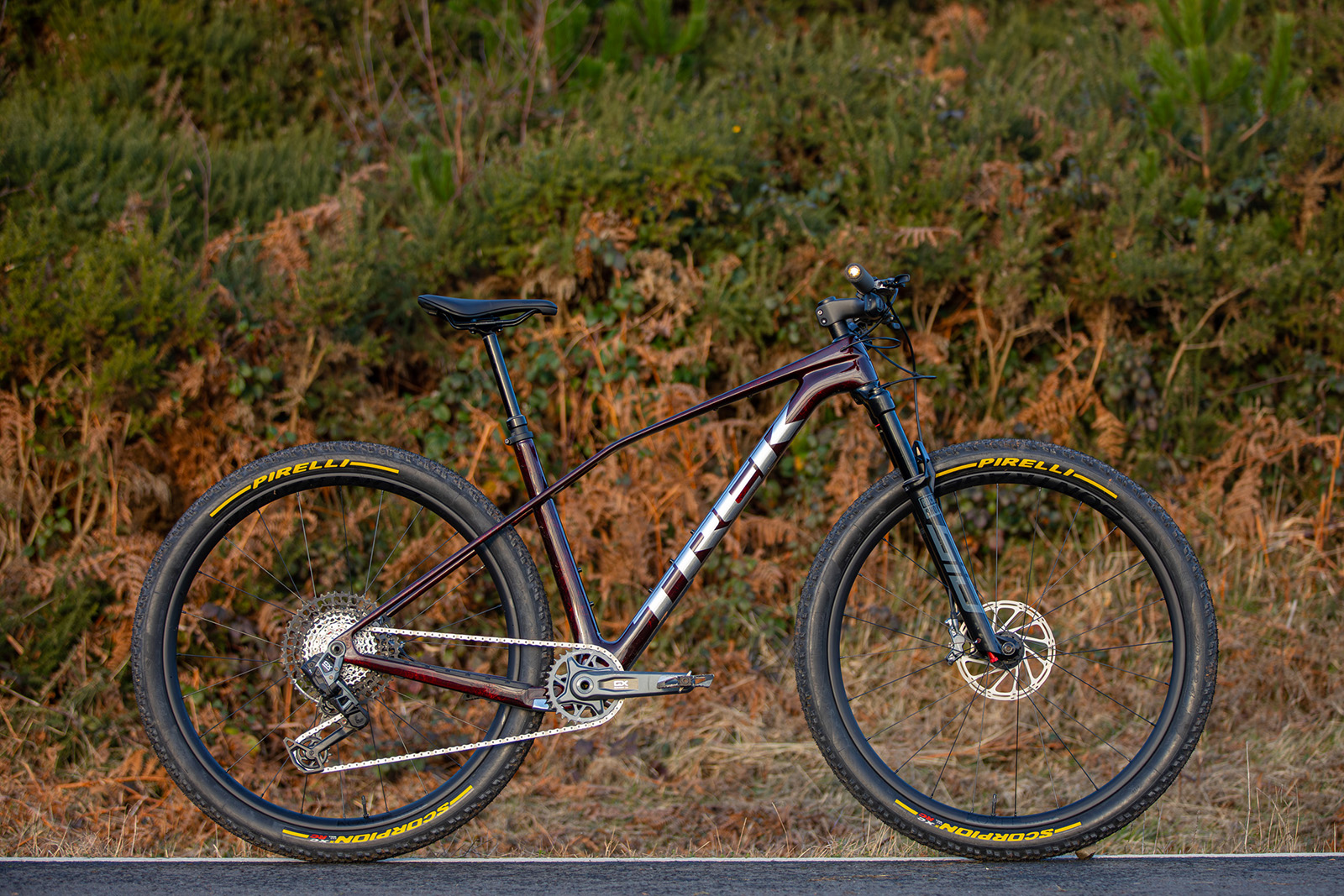
- £4,250 / €4,499 as tested by Tom Marvin
- Pros: Good geometry; calm handling; quick reactions under power; no weak links in the spec list
- Cons: Not the best in the rough
The Trek Procaliber 9.7 AXS Gen 3 is a fast and responsive XC hardtail that has been updated to handle tougher trails.
Its 120mm RockShox SID fork, modern geometry and dropper post give it more confidence when descending, while the stiff rear end delivers plenty of snap for climbing.
The SRAM GX Transmission drivetrain is another highlight, with quick and reliable shifting under power. At 10.8kg, it’s also impressively light for a bike with this level of kit.
The main limitation is comfort – with the rear end, tyres and integrated bar feeling harsh over rough terrain. Still, though, it’s a quick, capable and well-specced XC race bike.
- Read more: Trek Procaliber 9.7 AXS Gen 3 review
SQUIRREL_13182210
Yeti ASR T3
SQUIRREL_TEXT_14033500
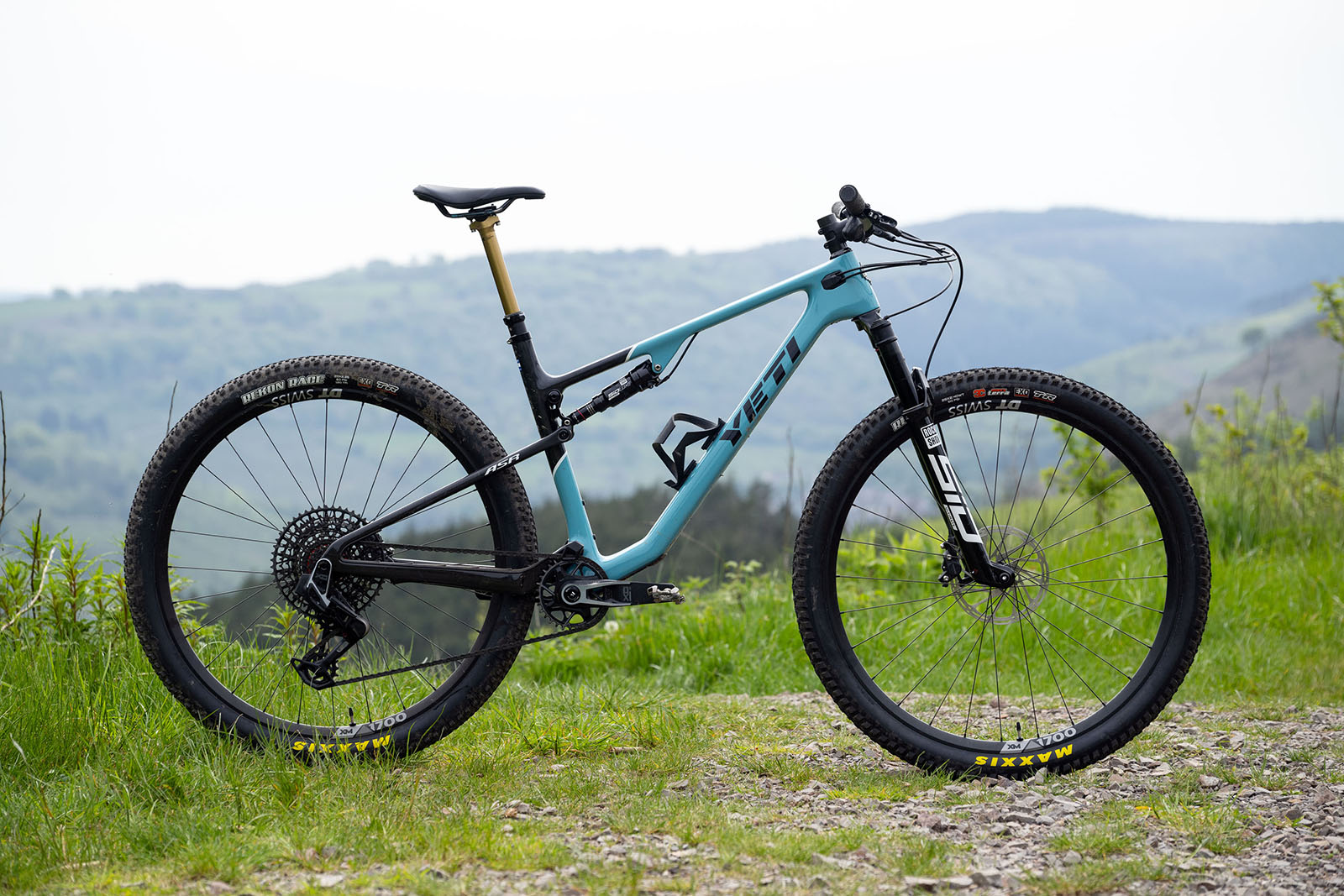
- £8,399 / $8,600 as tested by Tom Marvin
- Pros: Agile handling; carries speed well on rolling terrain; head-turning looks
- Cons: Rear suspension can get overwhelmed on rough trails
Yeti's ASR T3 is the brand's first XC bike in 10 years, and it lives up to the heritage of old.
The bike handles incredibly well, with agile handling and efficient power transfer making it good fun on mellow trails.
It feels very much suited to track racing and once pointed down a black-graded trail, the rear shock is quickly overwhelmed with large hits giving it no time to recover.
- Read more: Yeti ASR T3 review
SQUIRREL_14033500
How we test cross-country mountain bikes
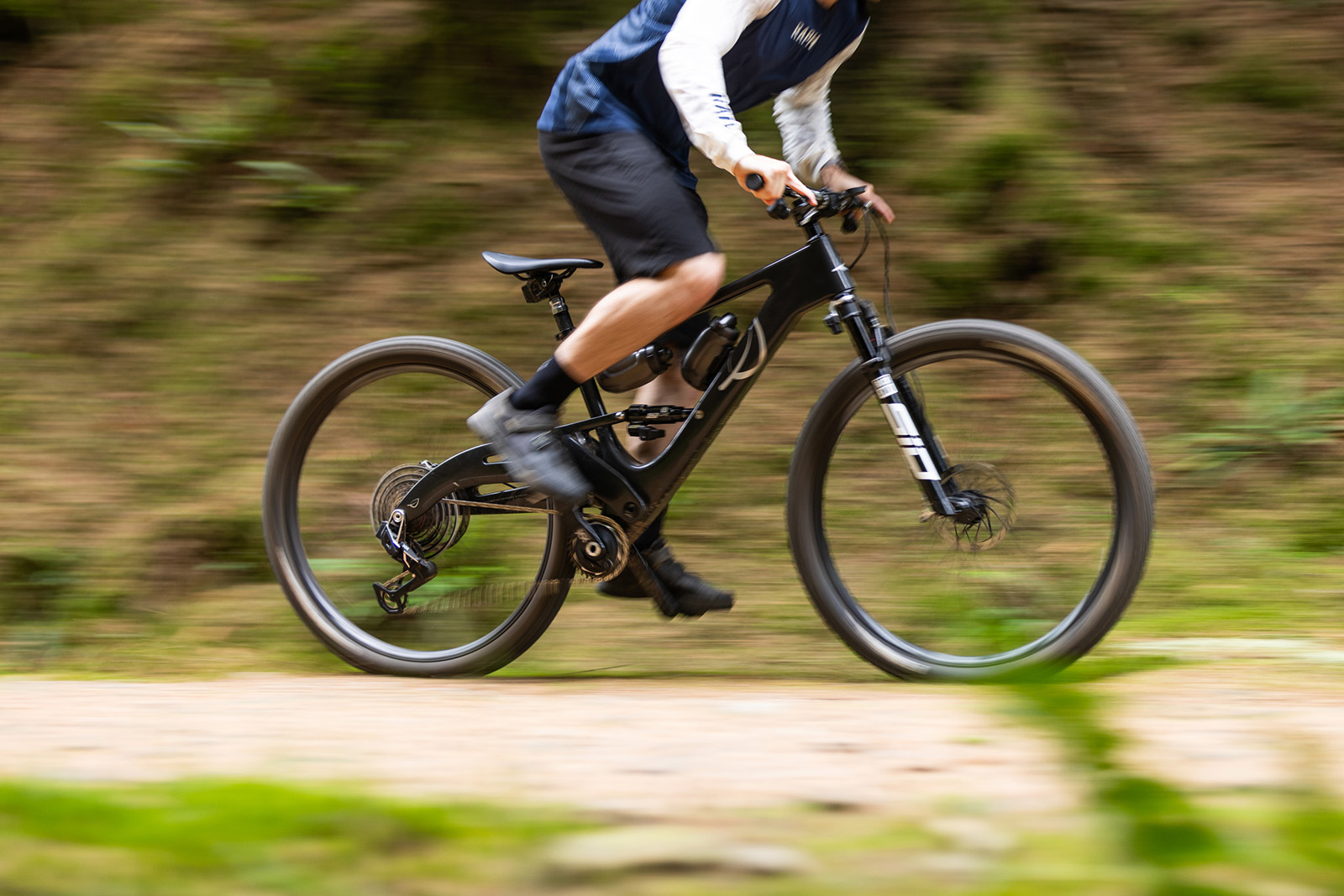
We test cross-country bikes in their natural habitat, taking in flowing, long-distance routes as well as seeing how they perform on the ever more technical features we see on the World Cup stage.
Our testers have tons of experience with cross-country bikes and have competed in cross-country races while testing them, meaning they know how the bikes perform in the heat of battle.
Ultimately, we base our cross-country bike reviews on the following criteria:
- Handling characteristics – their suitability for cross-country riding and whether they fulfil the brand’s claims.
- Specification – and how well the components work. Our in-house workshop manager also performs an initial assessment of each test bike to help filter out any issues and potential design flaws.
- Value versus the competition – for the specification and ride experience, are you getting a good deal for your money compared to the market?
- Subjective reflections – we aim to be as objective as possible, but we also recognise that some things will suit some individuals, while others won’t. We try to capture our honest reflections while providing the information you need to make the best buying decision.
Cross-country mountain bike buyer's guide
What is a cross-country mountain bike?
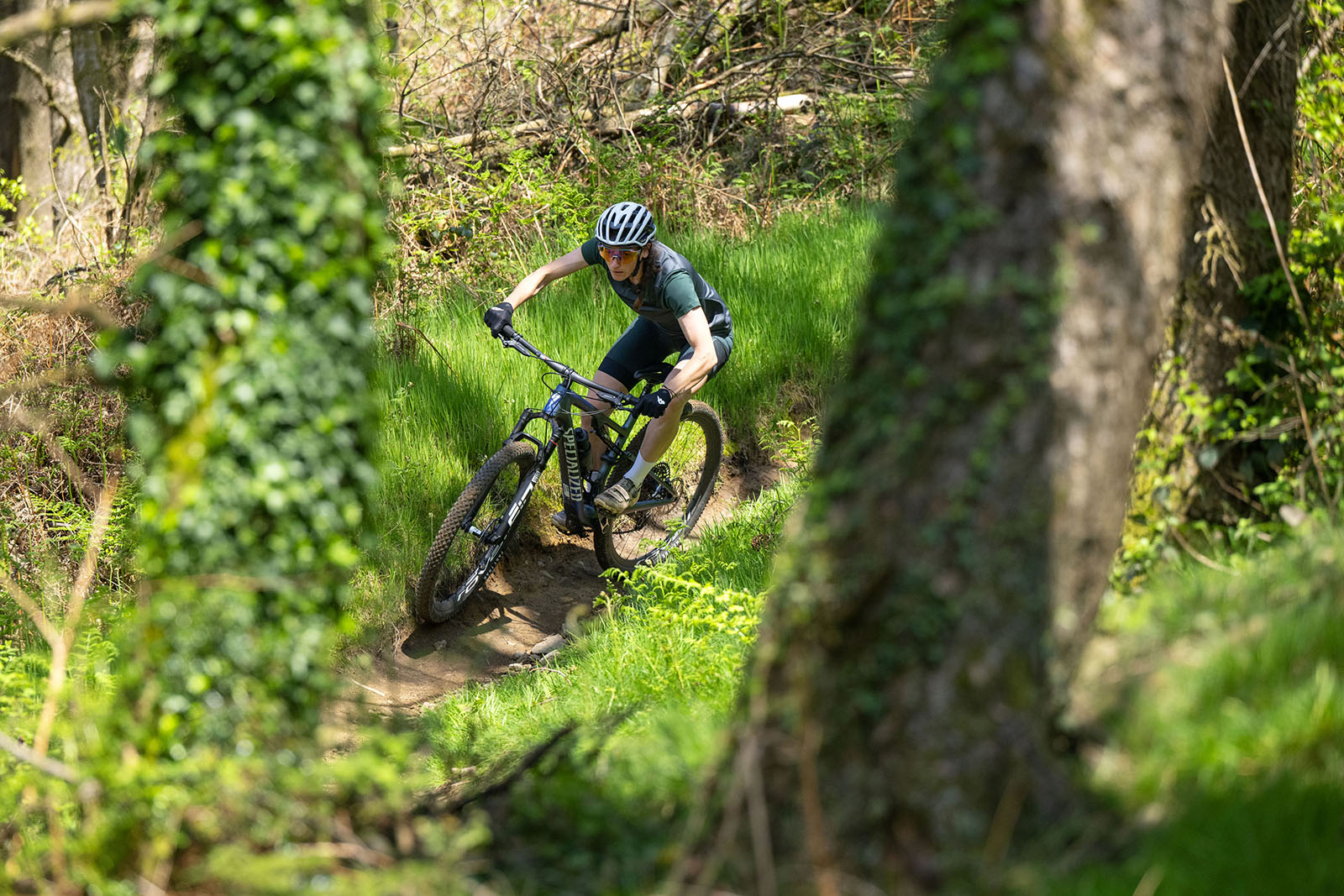
A cross-country mountain bike is designed to cover a variety of off-road terrain as quickly as possible. It needs to be equally capable of climbing and descending, while also being efficient when pedalling on flatter terrain, or picking a line through tight, twisting singletrack.
Cross-country bikes are usually the lightest type of mountain bike you can buy for a given price and are often made from carbon fibre, although more affordable aluminium options are also widely available.
XC bikes have less suspension travel than trail bikes and enduro bikes, so won’t be as adept on very steep, rough and technical trails. That being said, in the right hands – for example, a professional rider – a cross-country bike is surprisingly capable.
While they have shorter travel than trail and enduro bikes, modern-day XC race machines have grown, with the majority of bikes on the World Cup scene featuring 120mm of travel.
While cross-country bikes are designed mainly for racing, they’re equally at home on mellower trails, or a big day out in the hills when you’ll value the all-round capability of an XC bike on varied terrain.
Hardtail vs full-suspension for XC racing
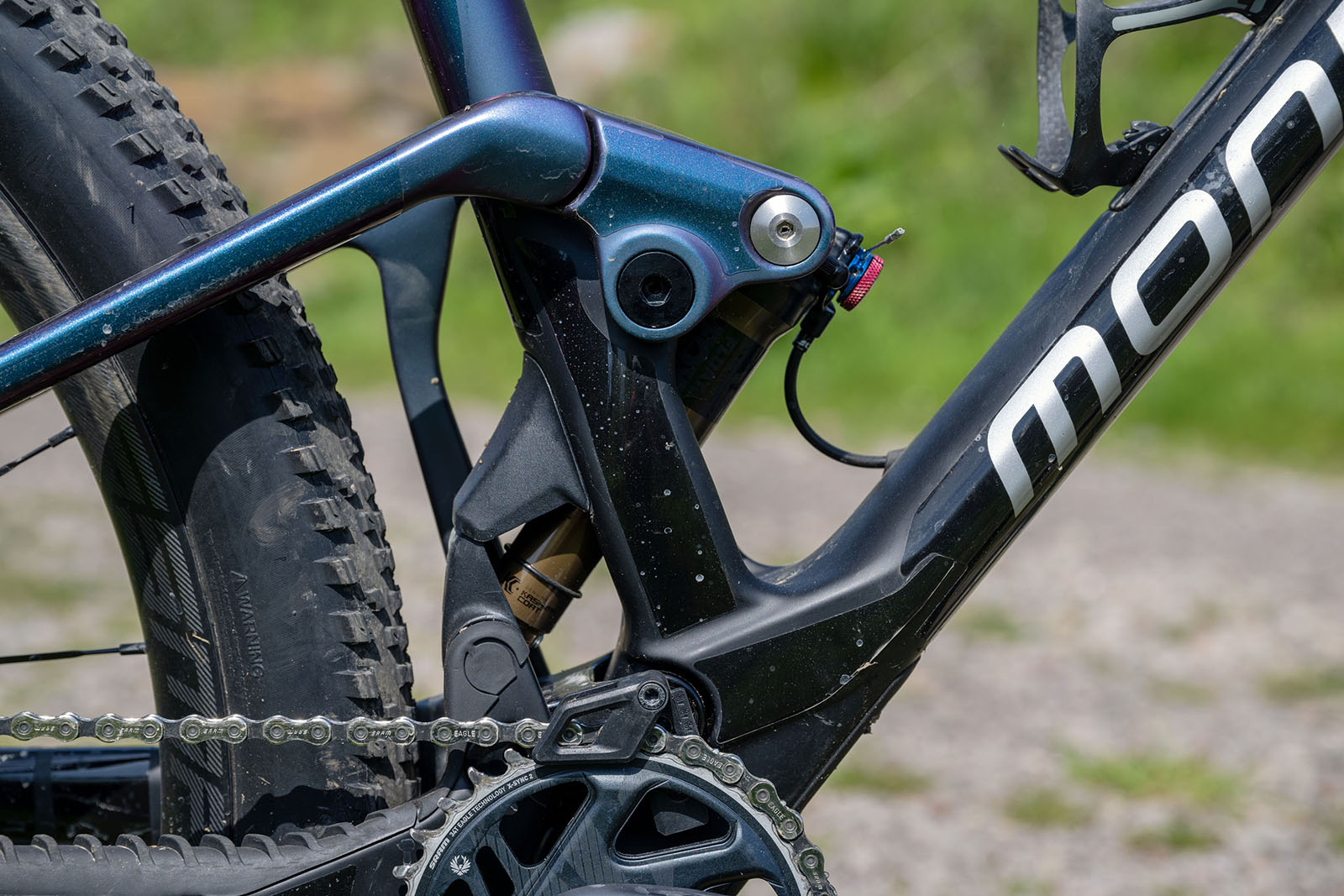
The first decision you need to make when buying a cross-country bike is whether you want a hardtail or full-suspension bike.
A hardtail only has suspension at the front through the fork, while a full-suspension bike has suspension at the front and rear.
There are pros and cons to each for cross-country riding, and this will influence which option will be best for you.
Hardtail bike for XC riding
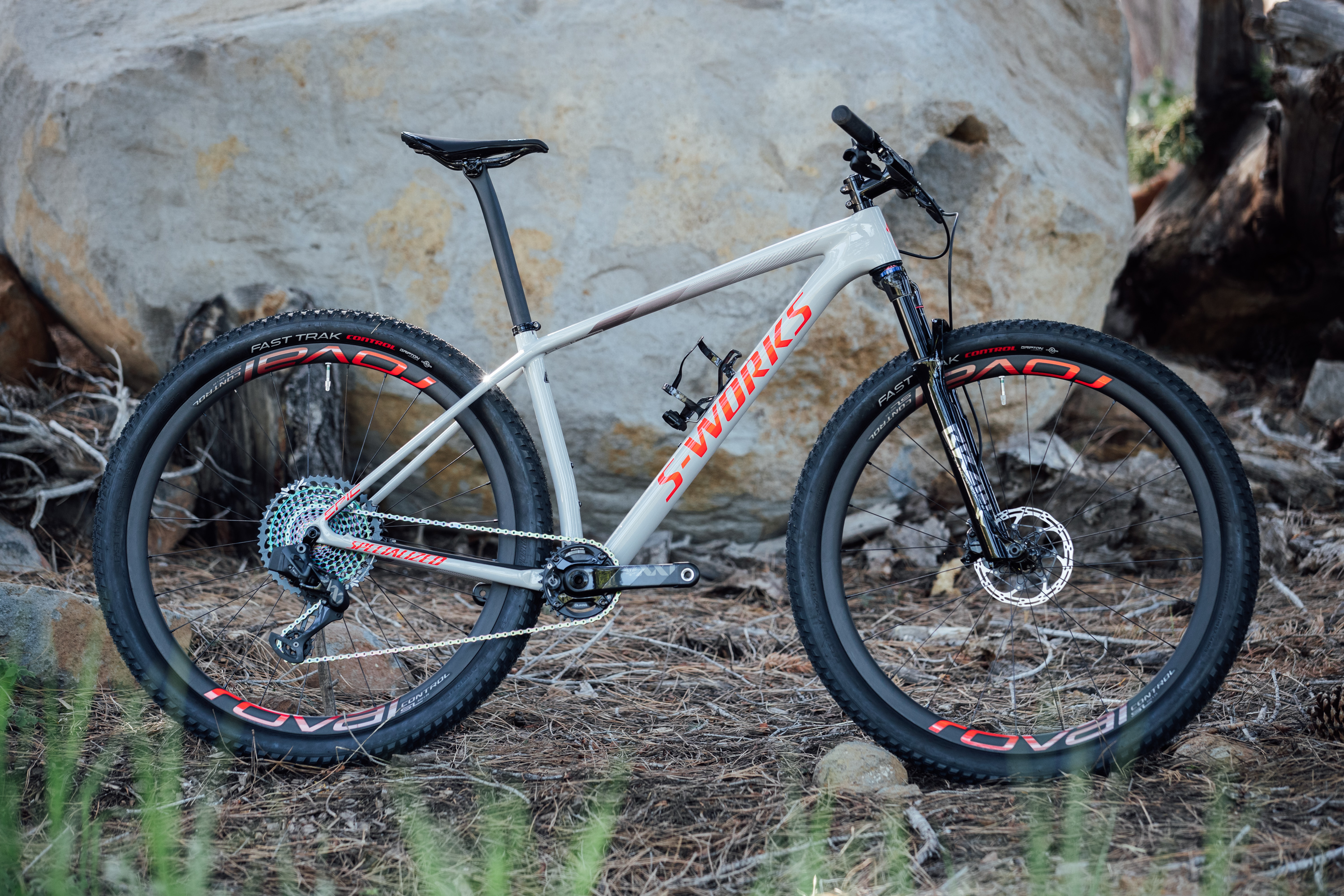
For a given spec, a hardtail will nearly always be lighter than a full-suspension bike. So if you live somewhere hilly, or just prioritise climbing performance above all else, then a hardtail could be a good option.
With suspension only at the front of the bike, a hardtail is simpler in its design, making it easier and cheaper to maintain than a full-suspension bike.
Finally, for the same cost, a hardtail can often come with a better spec than a full-suspension bike, so may require less, if any, upgrading in the future.
Full-suspension bike for XC riding
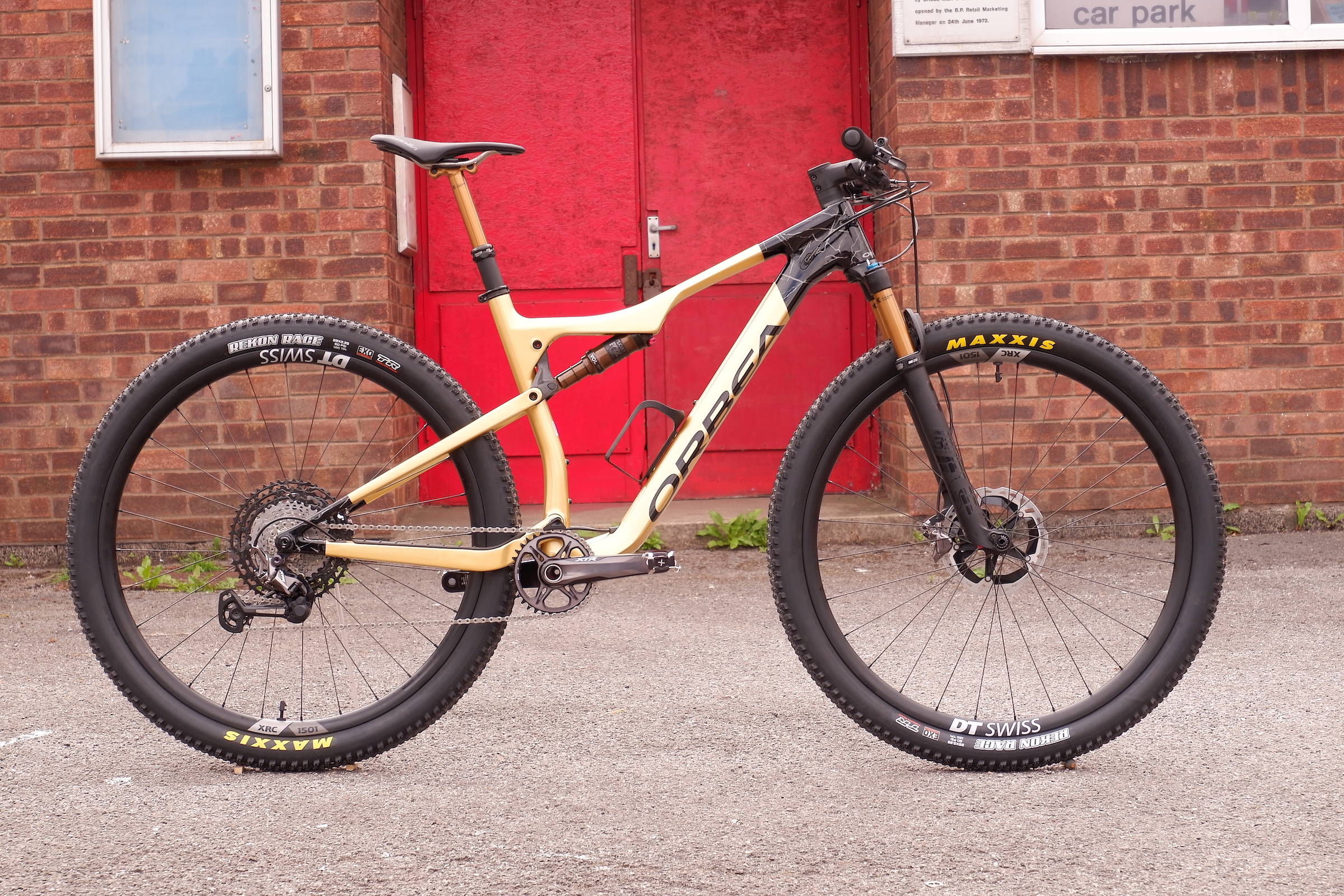
While a hardtail will typically be lighter, more affordable and simpler to maintain than a full-suspension bike, when it comes to descending performance, a full-susser will win every time.
They’re also more comfortable than a hardtail, which is especially important for longer rides or races.
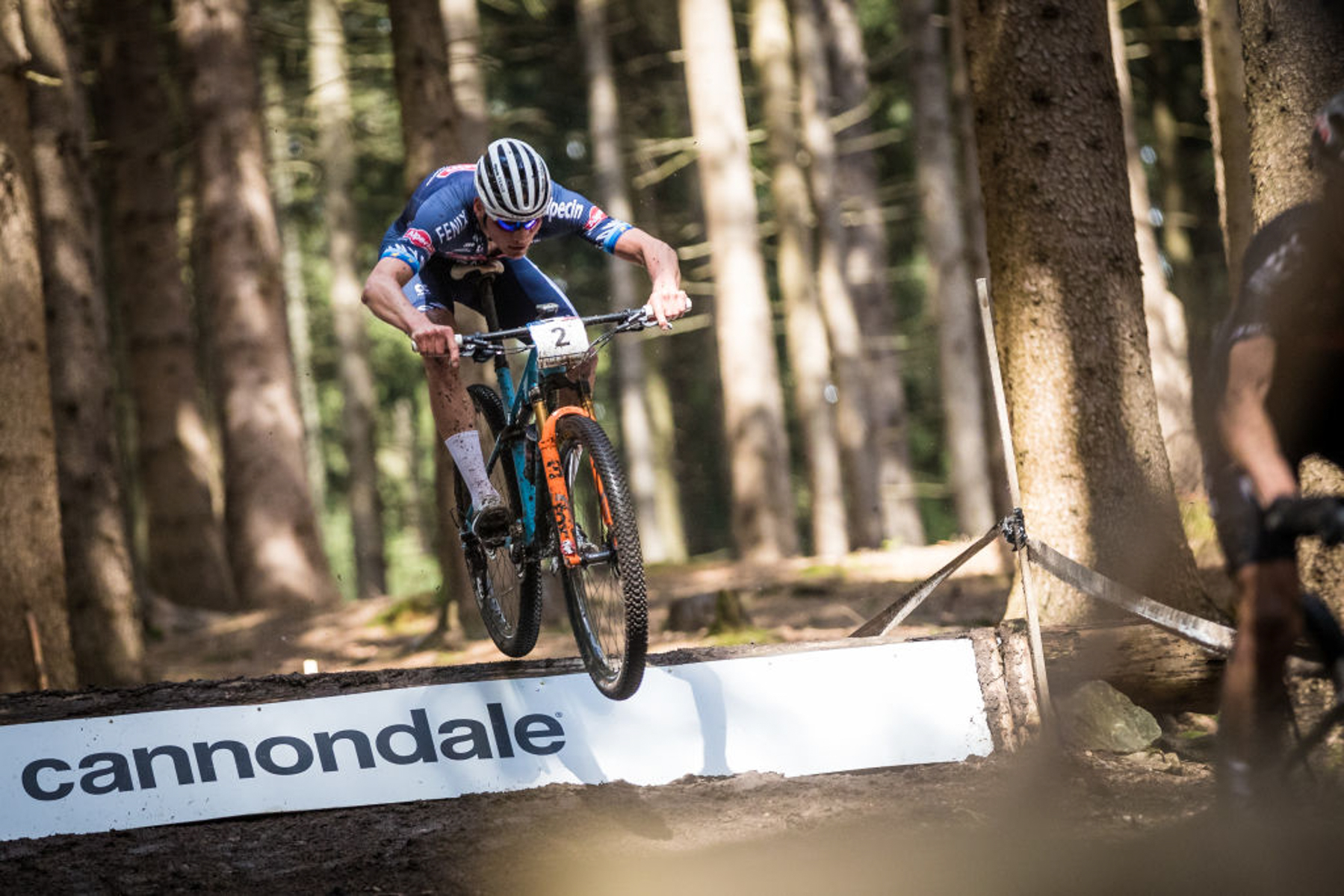
On rough, flat terrain, full-suspension bikes will often enable you to pedal more efficiently because the rear suspension soaks up any bumps in the ground.
As we’ve already mentioned, they will usually be heavier. However, this gap has narrowed over recent years, and at the top end, they may only weigh a kilo or two more than a hardtail.
For many riders, the relatively small weight penalty of a full-suspension bike is worth the benefits of better descending, more comfort and increased pedalling efficiency on rough terrain.
What to look for when buying a cross-country bike
Now you’ve decided between a hardtail and full-suspension bike, here’s what else you need to look out for when buying a cross-country bike.
Geometry
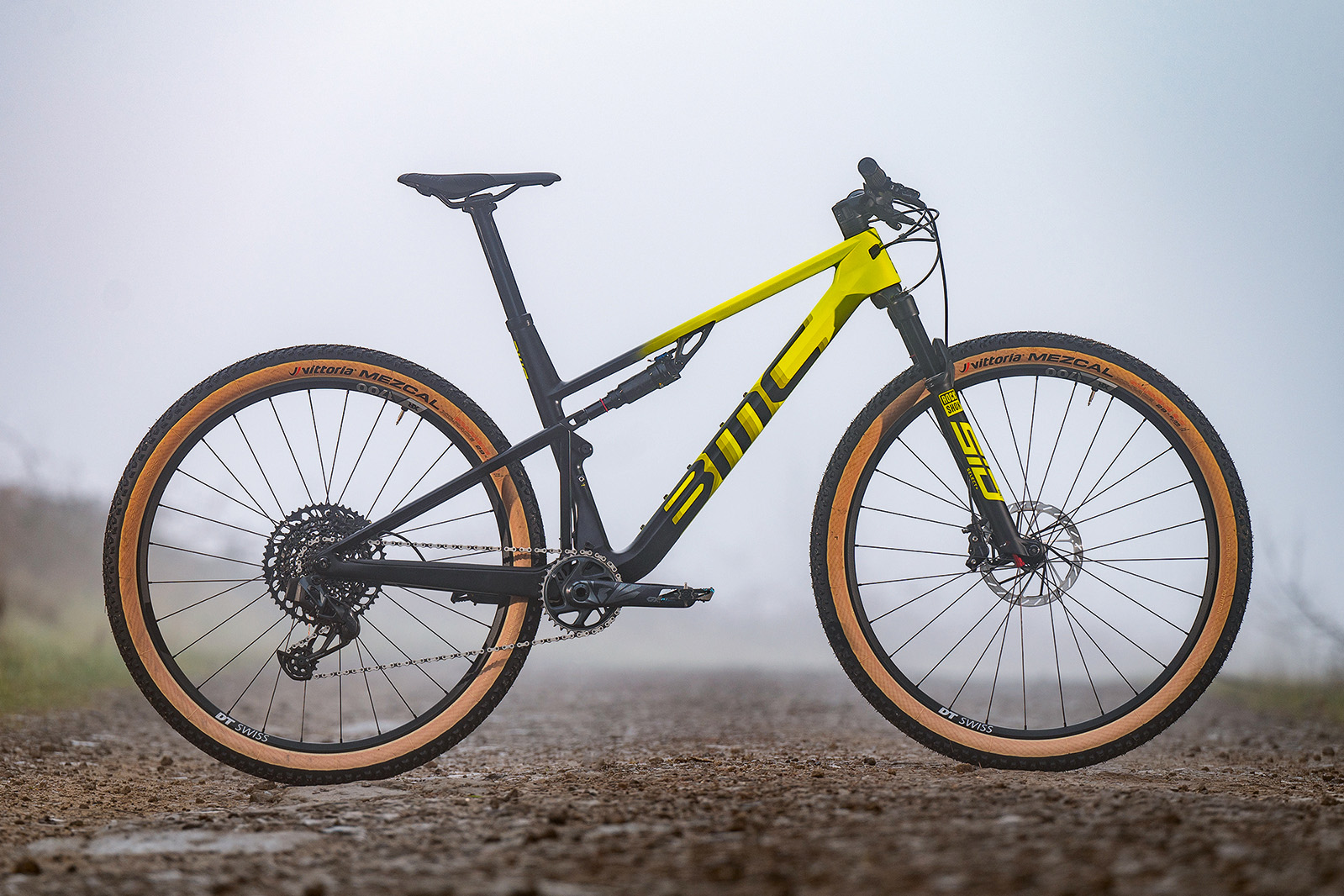
Cross-country bikes have traditionally had ‘steeper’ geometry figures than trail or enduro bikes. The logic was that the ‘quicker’ handling made cross-country bikes better in tight singletrack and elbow-to-elbow racing.
However, modern cross-country racing now takes place on much tougher courses, which are equal parts tricky descents and lung-searing climbs, so geometry has had to keep up with this trend.
Head angles as slack as 67 degrees and reach figures once only seen on trail bikes are not uncommon on modern cross-country bikes.
They will also have steeper seat angles of around 74 to 75 degrees, which puts a rider's hips in a better position over the bottom bracket for pedalling efficiency.
Prime examples of modern cross-country geometry are the Specialized Epic and the BMC Twostroke.
Frame material
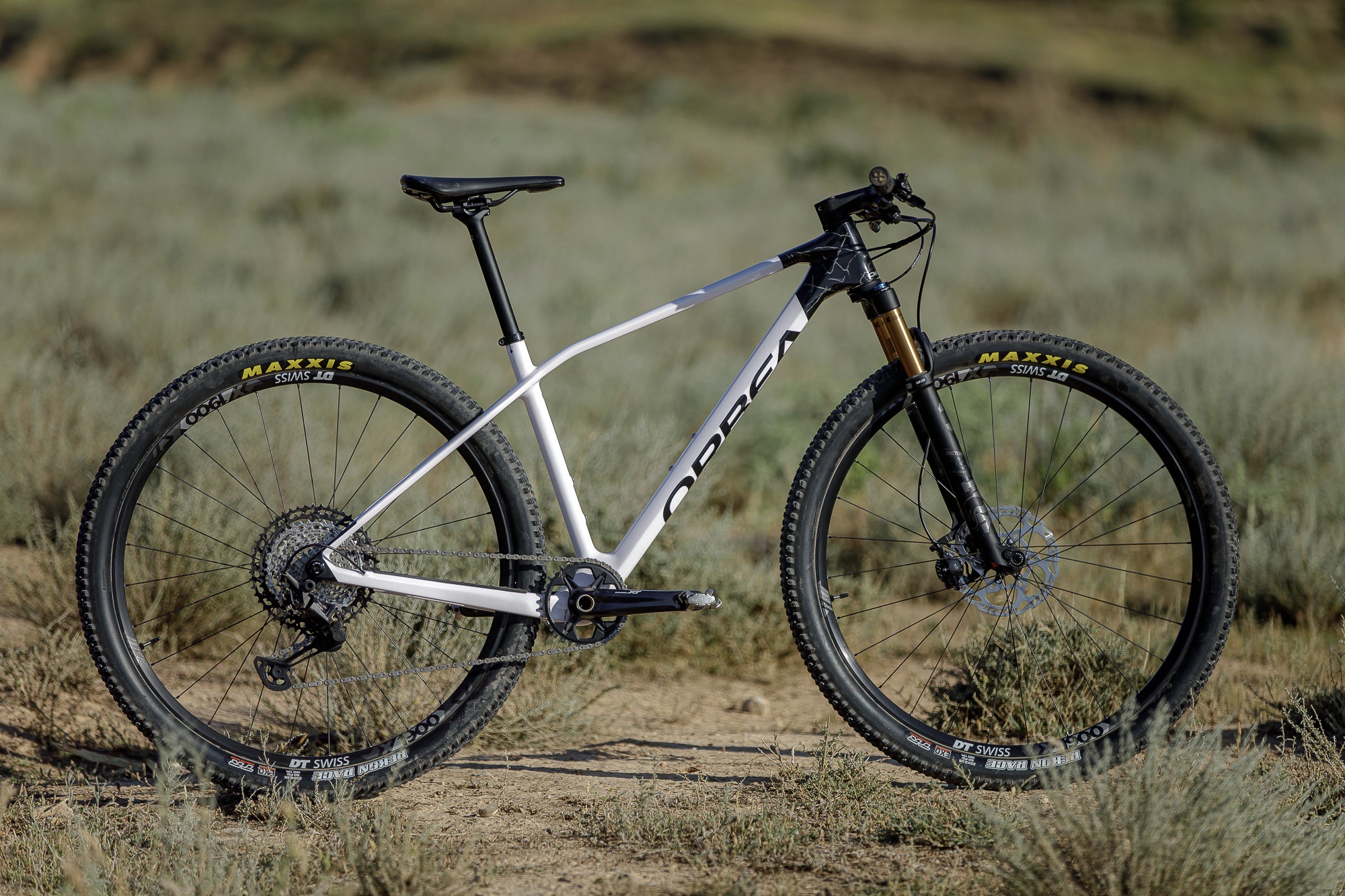
There are two main frame materials to choose from: carbon fibre and aluminium.
When it comes to professional racing, every rider will use carbon fibre; it’s lighter than aluminium and can be designed to be stiffer, so makes perfect sense if all you're worried about is going as fast as possible, with little concern for budget.
The downside of carbon is it’s more expensive than aluminium, and in certain situations, more susceptible to crash damage.
Aluminium is more affordable and better at resisting damage from certain impacts. This makes it ideal if you’re looking to save money or want your bike to be as durable as possible. The latest aluminium frames can be impressively light, too.
Titanium and steel cross-country bikes do exist, but these are in the minority.
How much does a cross-country mountain bike weigh?
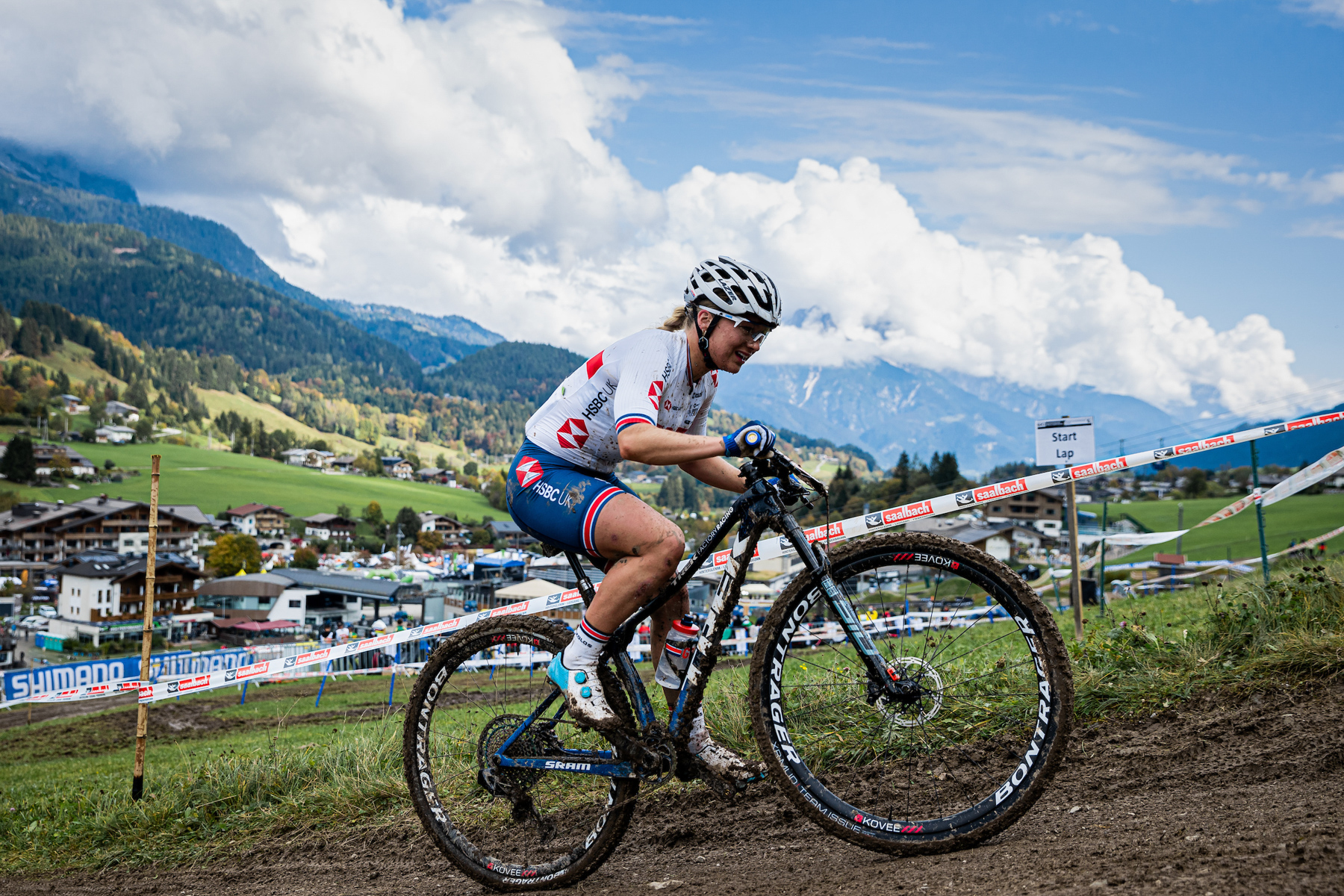
Your power-to-weight ratio is important for success in cross-country, so naturally riders want the lightest equipment possible, while still being able to withstand the demands of hard riding or racing.
You might find a top-spec hardtail weighing in at under 8kg, which is incredibly impressive considering what these bikes are capable of. More affordable models typically weigh anywhere from 9 to 11kg.
When it comes to full-suspension bikes, a top-spec model could come in just under 10kg, with more affordable bikes weighing anywhere from 12 to 14kg.
While overall bike weight is a factor, especially if you’re an elite racer, there are much better and cheaper ways to get faster when you’re starting out – such as training.
So, try not to get too hung up with weight early on. There’ll be plenty of time to start counting those grams and emptying your wallet as you progress gradually through the ranks.
Wheel size
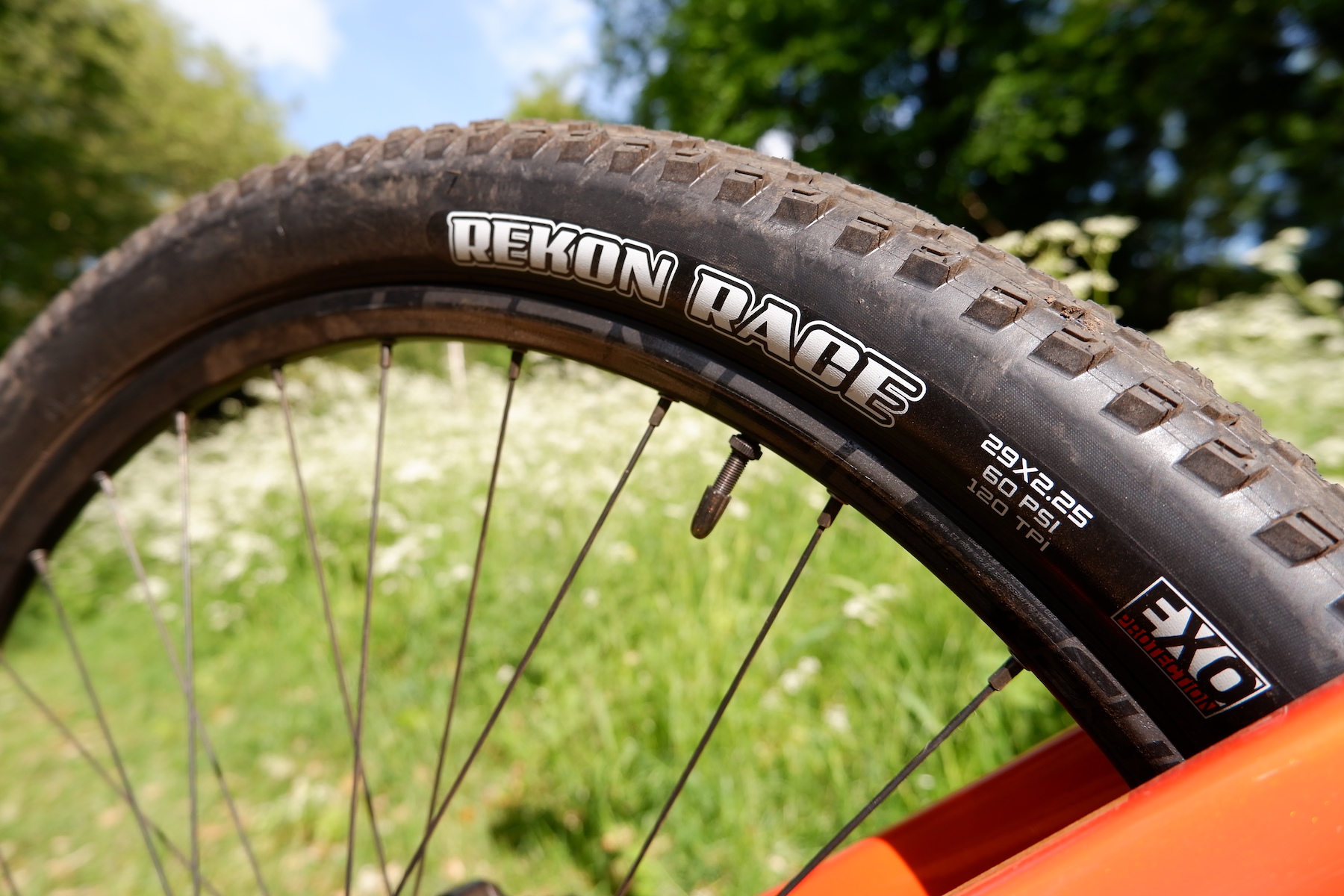
29in wheels have long been used in XC, with the wheel size rolling over obstacles and maintaining momentum better than smaller sizes.
However, 32in wheels appear large on the horizon, with many prototypes already being fielded in professional racing, citing similar claims as when 29in was introduced.
Rider size might be a determiner of the budding wheel size, but for now at least, 29in reigns supreme.
Tyres
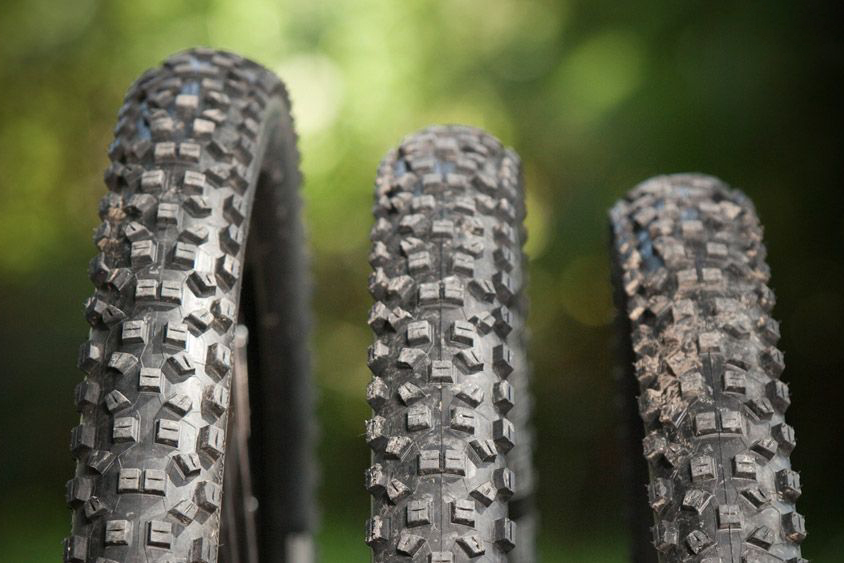
Tyre choice comes down to a balancing act between rolling resistance (speed) and grip, so the best cross-country tyres will usually have smaller tread blocks than trail or enduro tyres.
XC tyres may also have thinner sidewalls to save weight, and in some cases be made out of a slightly harder compound, which can roll faster.
However, remember a harder compound will, in theory, provide less grip, and thinner sidewalls offer less puncture protection. As we said, there’s always a compromise to be made somewhere.
Cross-country tyres were traditionally much narrower than trail or enduro tyres – but, as the sport has changed, the tyre sizes have increased, so you’ll now find cross-country tyres in the 2.2in to 2.4in range.
How much travel do you need?
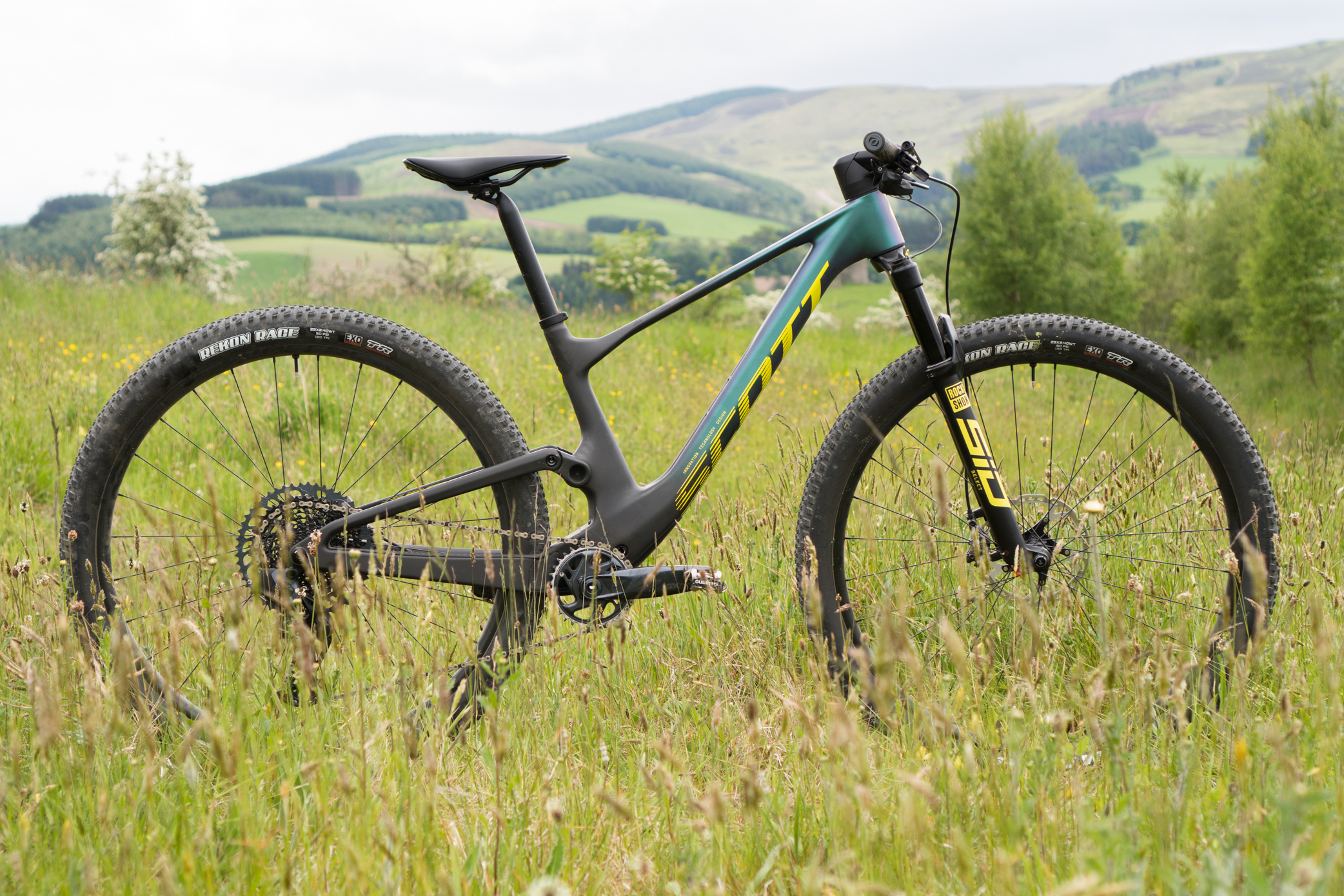
Most modern-day XC bikes will feature 120mm of suspension travel, with their capability uncomparable to bikes even a decade old.
You can find bikes with smaller travel, but the increasingly technical courses set at the World Cup level has seen the bikes grow in travel to adapt.
Gearing
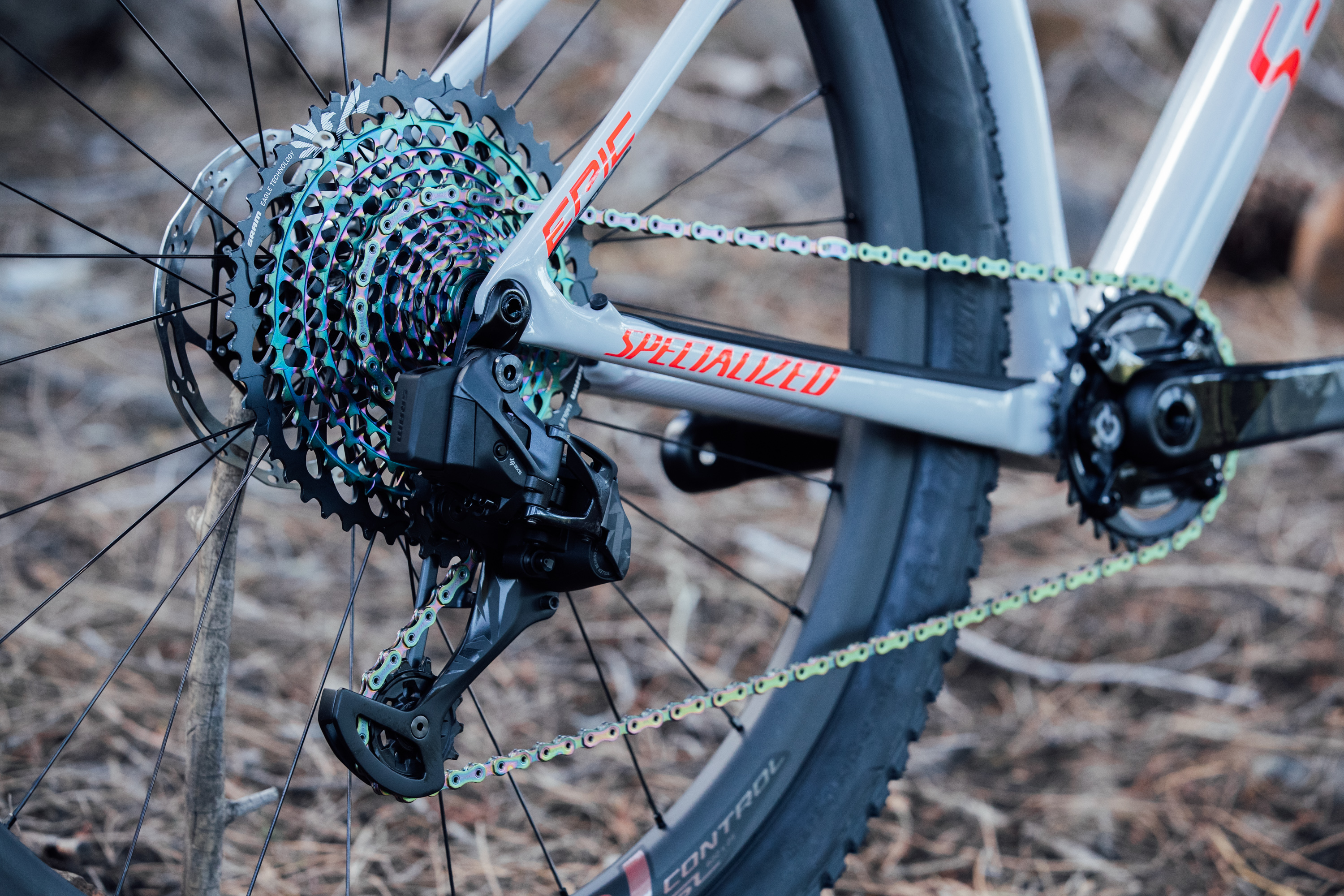
Just like the best trail mountain bikes, cross-country bikes have almost exclusively moved to 1x drivetrains, with Shimano and SRAM mountain bike groupsets dominating the market.
1x drivetrains have one chainring at the front (removing the need for a front derailleur), with a wide-ranging 11- or 12-speed cassette at the back to still provide a big spread of gears.
Stronger professional riders have been known to run up to a 38-tooth chainring at the front. However, at the amateur level most riders will normally go for a 32- or 34-tooth chainring instead.
Cassette sizes usually range from a 10- or 11-tooth sprocket for the hardest gear to a 51- or 52-tooth sprocket for the easiest climbing gear.
This is a pretty big spread and should keep those legs turning up the steepest of climbs.
Brakes
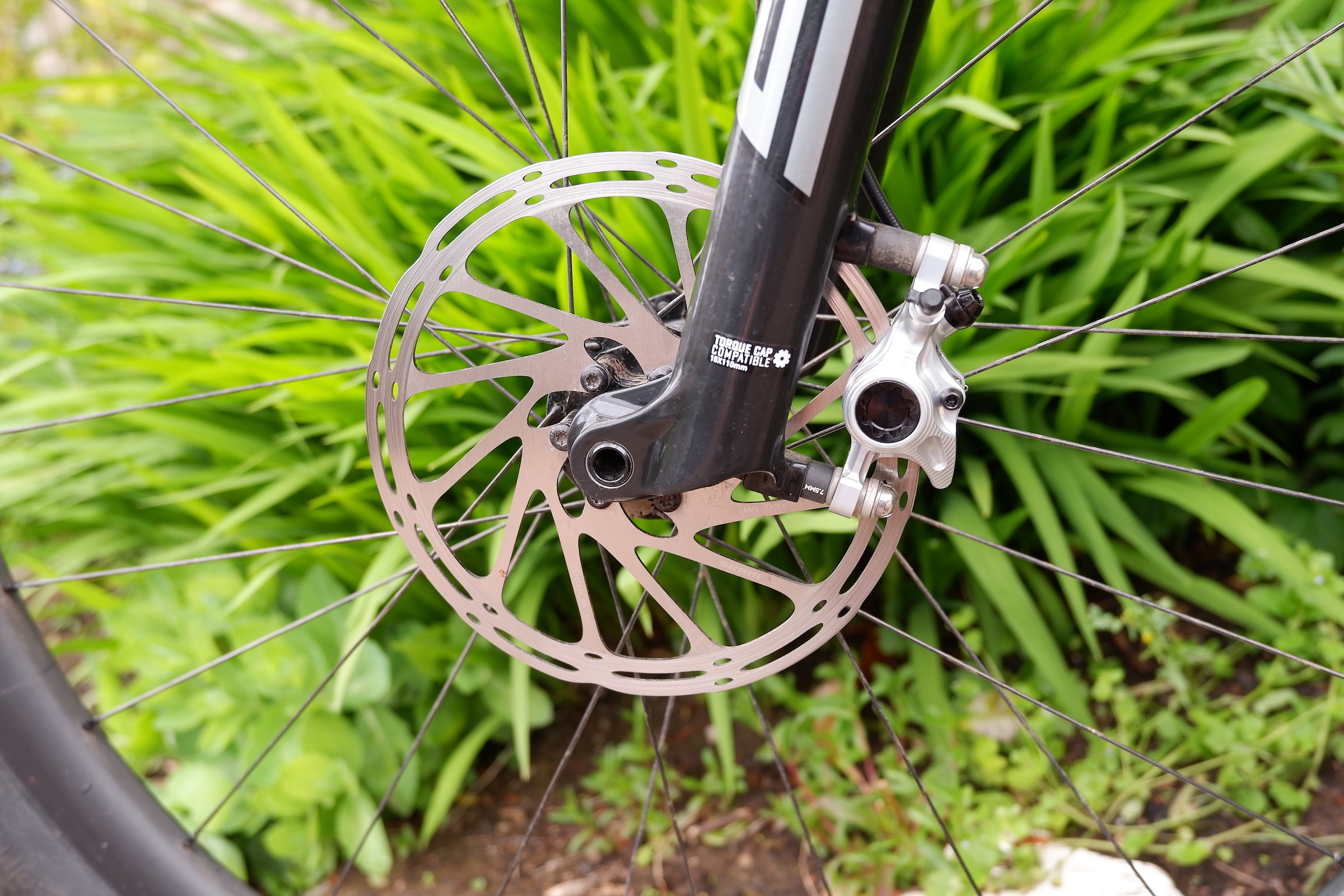
Cross-country bikes will commonly be fitted with lightweight disc brakes. These will have smaller rotors, with most riders opting for 160mm front and rear.
Some particularly powerful riders may pop a 180mm rotor on the front, and the lightest riders may go for a 140mm on the rear, but in general, 160mm is what’s seen most commonly.
XC disc brakes won’t be quite as powerful as the brakes you’ll find on an enduro bike, but they’re more than capable for the job at hand.
On the most affordable bikes, these may be cable-actuated disc brakes, but from the mid-range and up, you’ll find hydraulic mountain bike disc brakes on all cross-country bikes.
Dropper posts
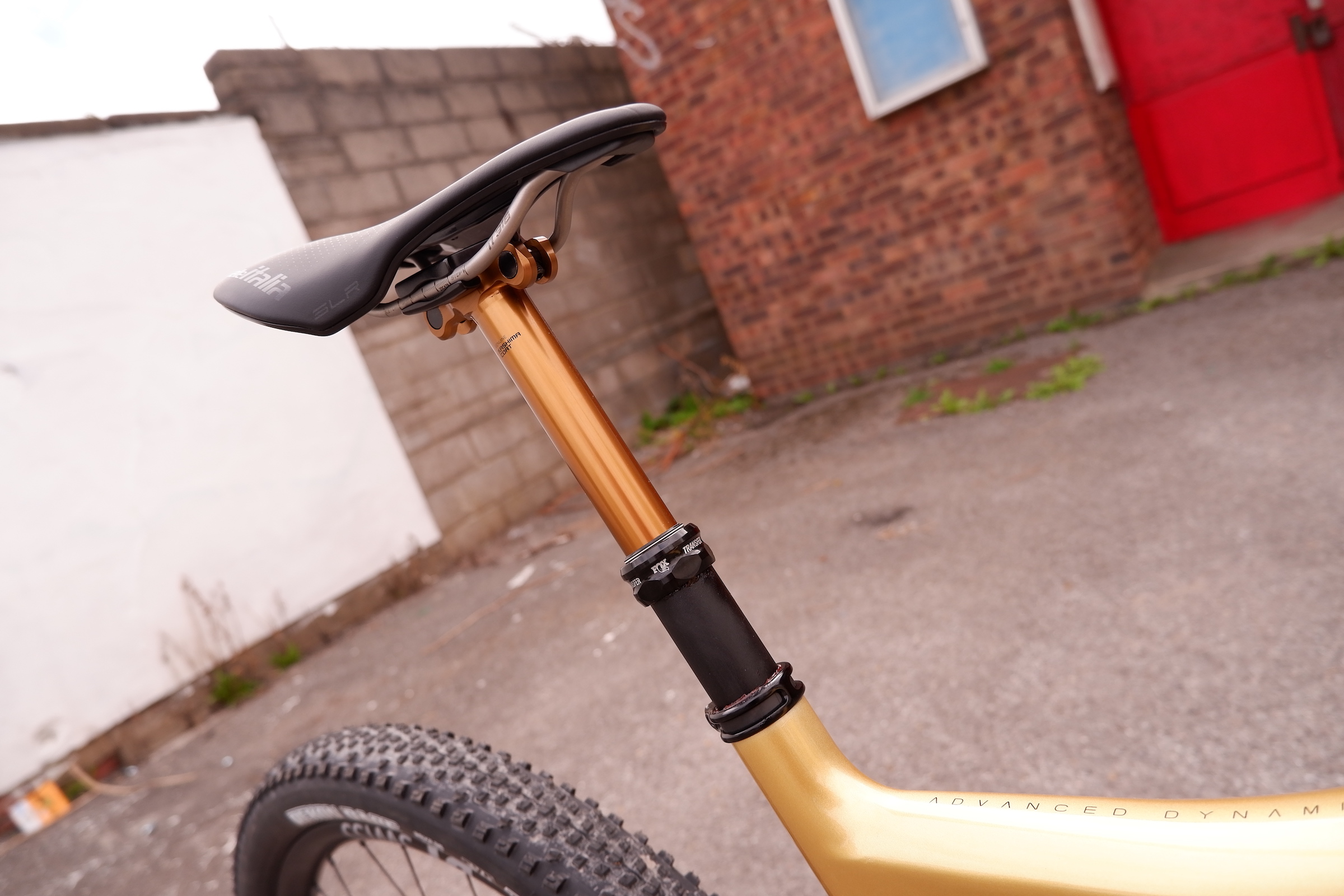
The best dropper posts enable you to lower your saddle height at the touch of a button or lever mounted on your handlebar. This helps with descending because you’re able to move the bike and your weight around more easily.
Droppers were once unheard of in cross-country racing because most riders thought they were too heavy and unreliable. But as the sport and dropper technology has progressed, they’ve become more popular, with many pro riders making the switch.
Dropper posts aren’t necessarily cheap, but if you can afford one, or your bike already comes with one, they can be a great addition for a relatively small weight penalty (around 400 to 500g).
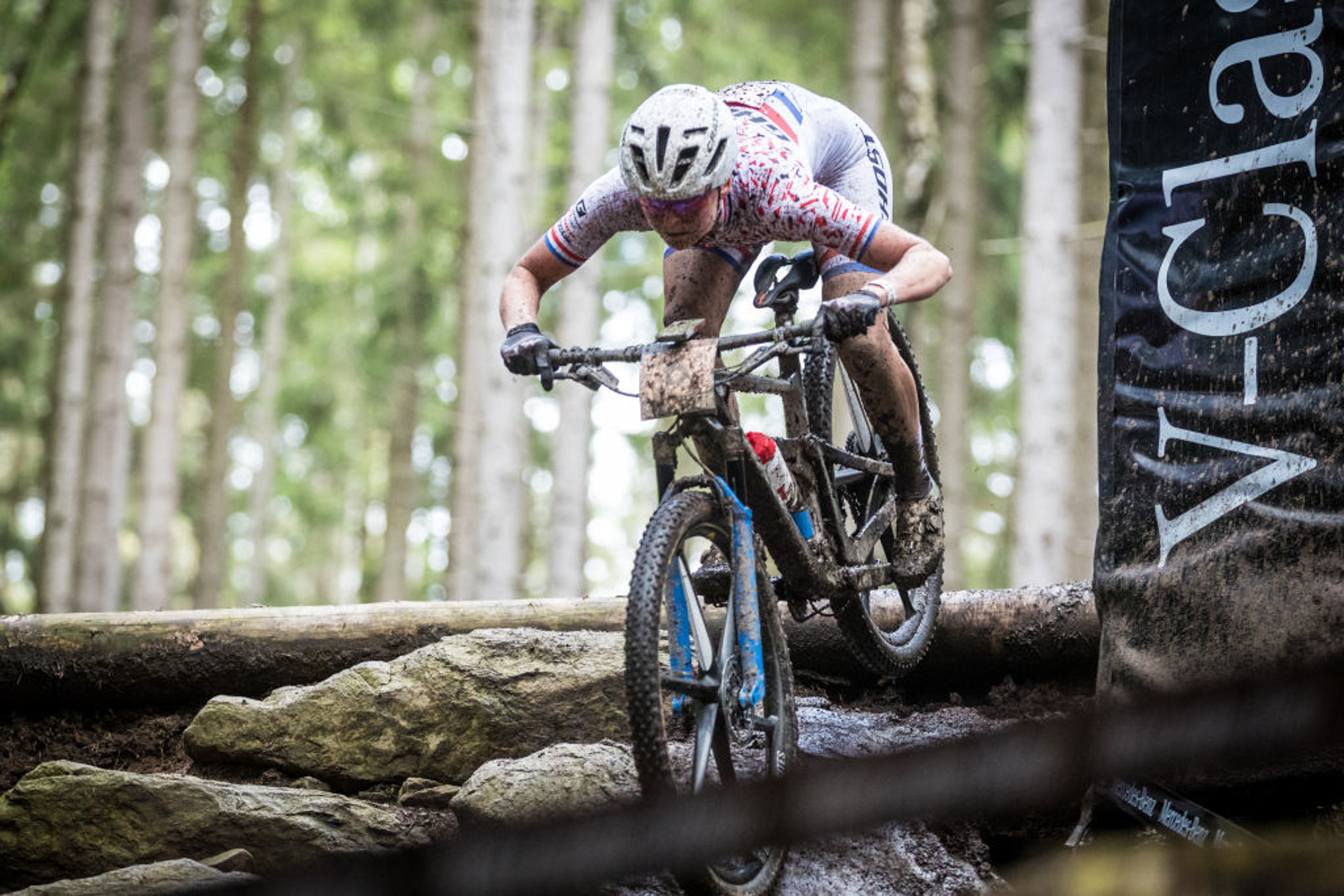
For many riders, adding a dropper post can really increase the descending capability of a bike, which is why it’s one of the smartest mountain bike upgrades you can make.
How much should you spend on a cross-country bike?
You can spend anywhere from £500 all the way up to £10,000 on a cross-country bike. While elite riders may want the best money can buy, most keen amateur racers will usually spend between £2,000 and £5,000 on their XC bike.
That said, more affordable bikes in the £750 to £2,000 range are still excellent options for beginners or riders looking to save money.
As ever, it’s a case of weighing up your priorities when it comes to price, component choice, weight and so on, before taking the plunge.