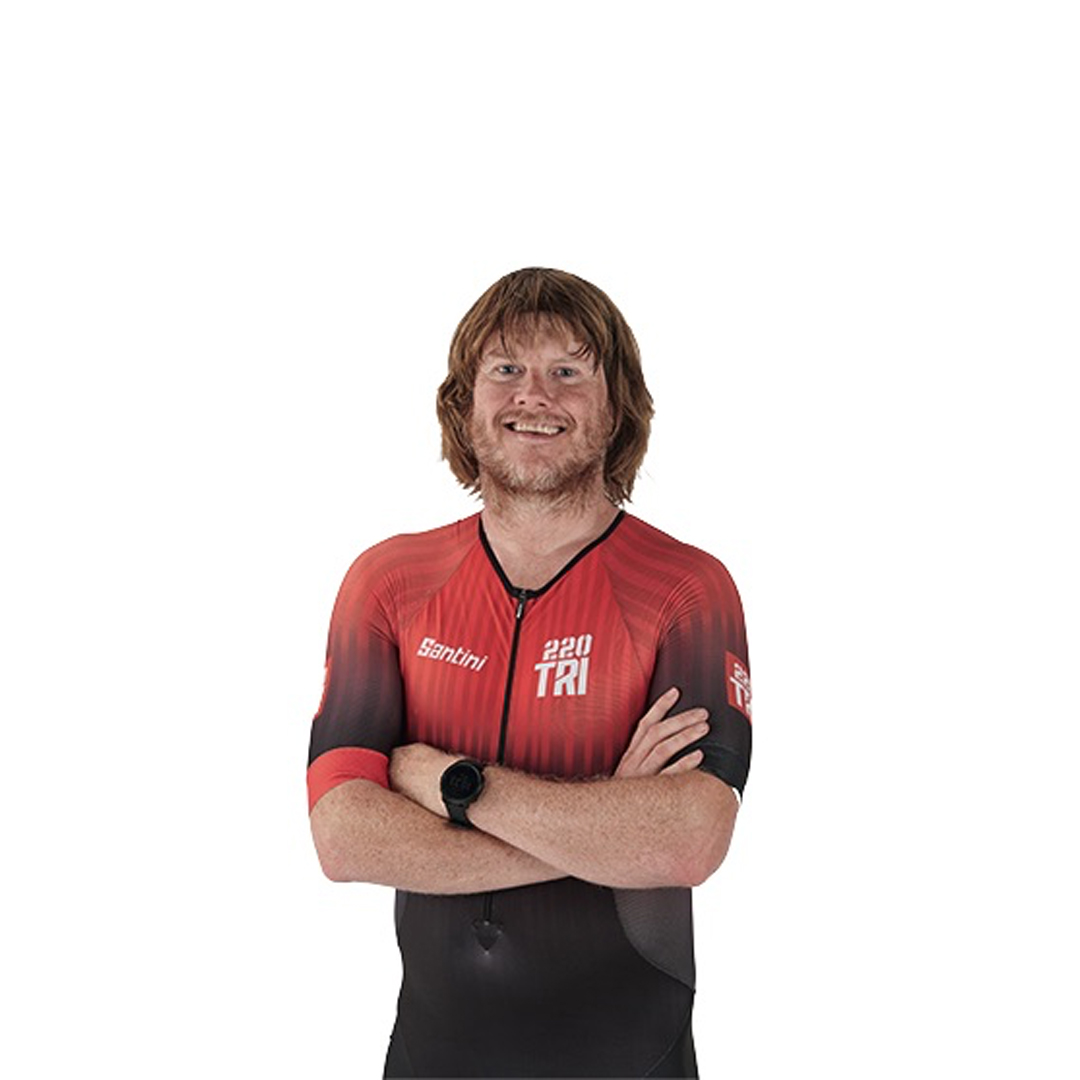
“I have a theory that it’s all smoke and mirrors. UAE Team Emirates-XRG has reportedly been using it for years. Visma-Lease a Bike has a link with Mistral. Ineos has brought Netcompany onboard. But apart from their press releases, we have no idea how they’re using it, which is odd, because people in cycling are a) bad at keeping secrets and b) have something to sell.”
That’s Frank Overton, founder of FasCat Coaching, when I ask him about the professionals’ use of artificial intelligence (AI).
Overton’s ahead of the data-driven curve, with his coaching outfit offering assisted input for the past few years off the back of his proprietary AI work. Overton knows his stuff. And is prophetic, as AI input requests to myriad Tour de France teams fell on deaf ears. Until, that is, the progressive folk at Team Picnic-PostNL allowed us into their artificial world.
Specific training, better results
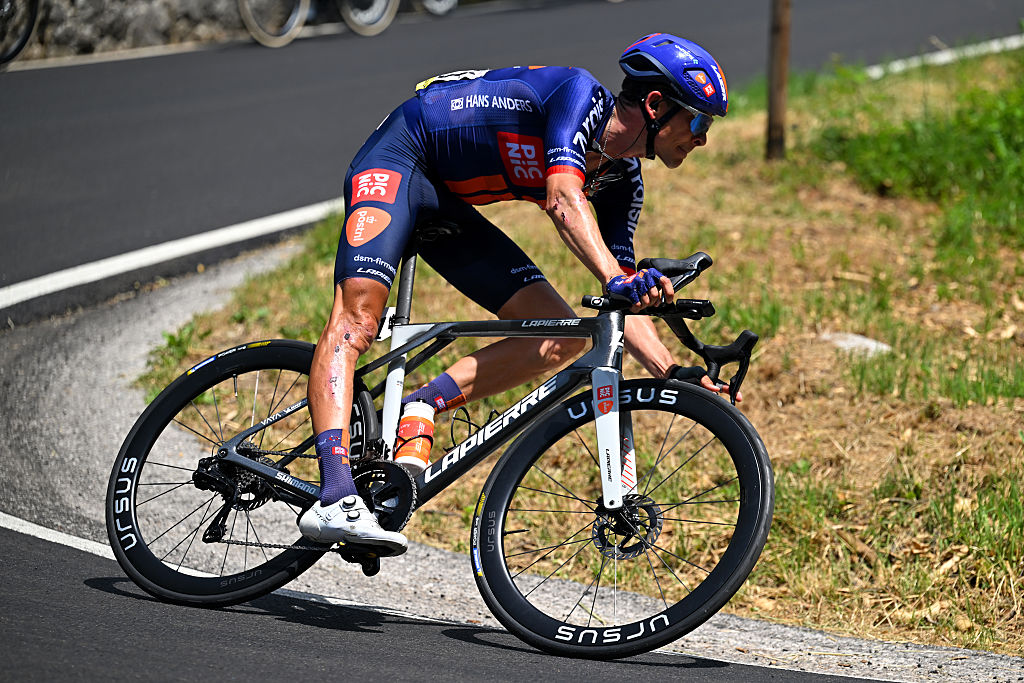
“At Team Picnic PostNL, data analysis and AI play an increasingly important role in optimising both performance and development,” explains Narelle Neumann, the team’s head of science. “Every rider uploads daily training files containing thousands of rows of data, including power output, heart rate, cadence, speed and altitude information. During a season, this results in millions of data points.
“Training files are then processed through analytical models that monitor, for example, the relationship between power output and heart rate over time. These models correct for environmental influences such as temperature and altitude, allowing to better understand changes in fitness and physiological condition. By filtering out external factors, we can identify more reliable trends in performance and recovery.
“In addition, we also collect subjective data via the logbook such as perceived recovery, fitness and RPE [Rate of Perceived Exertion]. The team started systematically collecting and storing this information from 2012, resulting in a highly valuable database. Machine learning and advanced analytics help us extract meaningful insights from this large volume of data, enabling better-informed decision making.”
The Dutch team recently cranked up its appliance of artificial science, announcing a multi-year partnership with Dutch technology firm IG&H. Hopefully we’ll see that collaboration bear fruit, because there are rumours that Picnic could fold without investment.
Ditching TrainingPeaks for Vekta
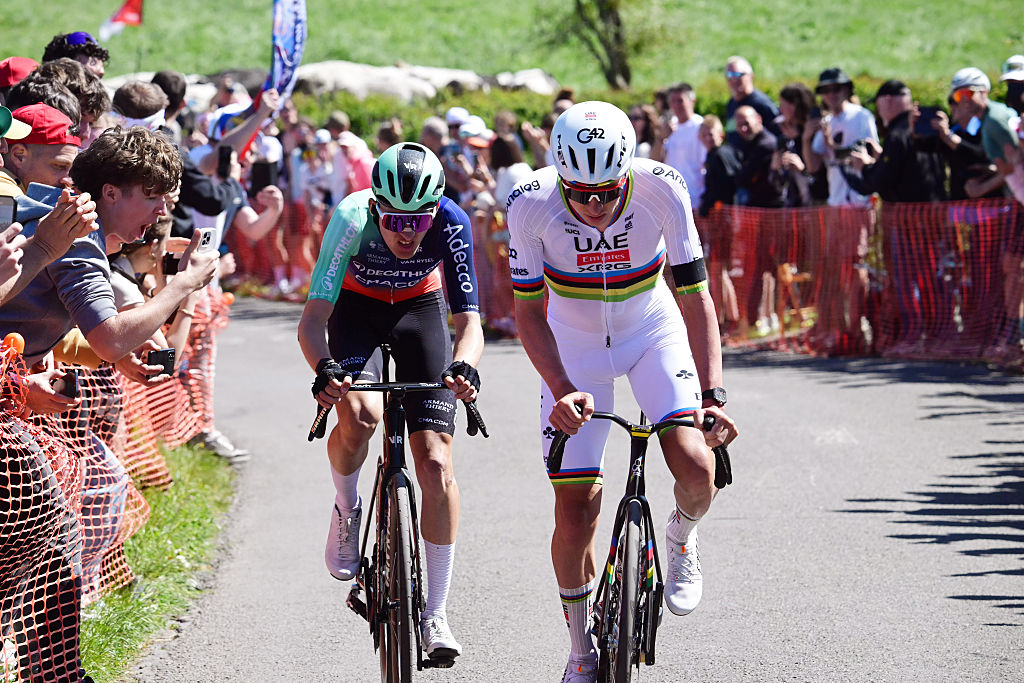
On a sounder fiscal footing are Paul Seixas’ Decathlon CMA CGM Team. Along with Lidl-Trek, TotalEnergies and Jayco-AlUla, they were so convinced that AI coaching platform Vekta could improve their performance that they ditched legacy power brand TrainingPeaks. Why?
“Vekta has multiple uses. Refining training is one of them,” says Vekta co-founder Paul-Antoine Girard. “Let’s use interval workouts as an example because modern-day road cycling is all about intervals! Say today a Lidl-Trek rider rode six 10-minute efforts within a four-hour ride. Immediately, Vekta will compare the results with similar sessions in the past to see how much the rider has (hopefully) improved and whether they need to adapt that interval.”
Vekta identifies the demands of each workout to determine how precisely the session targets the physiological goal, be it endurance, VO2 max or sprint power. That might not sound too different from TrainingPeaks, but one of the significant differences arises from the training model used, as Vekta’s dispensed with functional threshold power (FTP) to hang training zones. Instead, they focus on critical power and ‘W’ prime.
Critical power is the highest power output a rider can sustain indefinitely without accumulating fatigue. ‘W’ is the finite reserve above that threshold; in other words, the anaerobic battery that powers accelerations and sprints.
“In our eyes, it gives a more complete view of performance than FTP,” says Girard. “You can better unpick the physiological [cost of] an effort. How deep the rider went and how deep they can go.”
As an example, Vekta says this detail and AI processing more accurately captures work done. “A mountain stage with repeated short climbs carries a very different physiological cost to a long rolling stage with a final summit finish, even if the average power numbers are similar,” says Girard. “We feel critical power and ‘W’ prime shows this more clearly.”
“Vekta also highlights the durability of a rider,” he adds. “This is clearly a buzzword in cycling at the moment and shows how well they can sustain their performance after many hours of racing.”
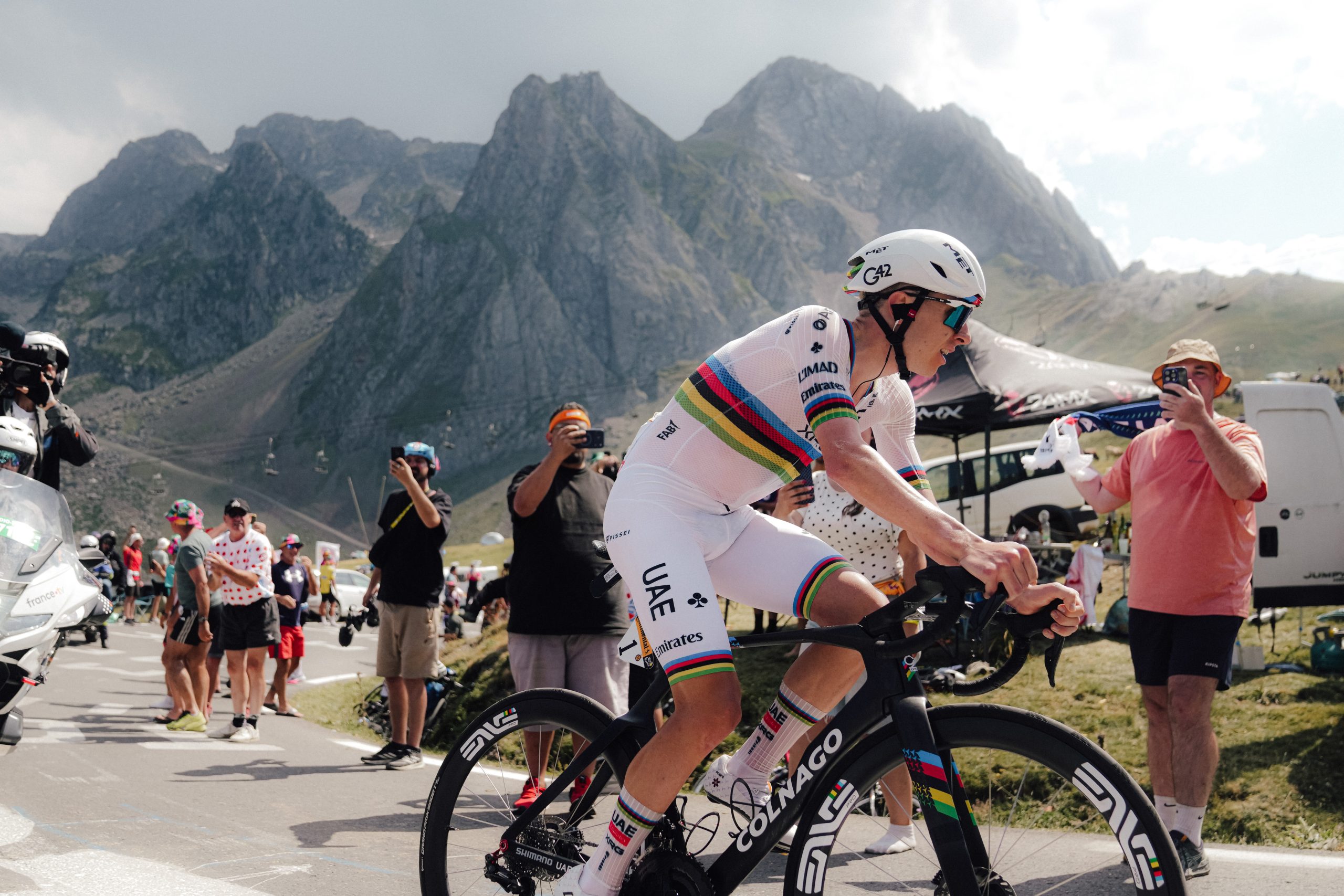
Durability is one of the defining characteristics of elite professional cyclists. Research by coach and sports scientist James Spragg discovered that while under-23 riders can match professionals when fresh, the biggest difference appears after significant fatigue accumulates. Top riders, particularly GrandTour contenders, maintain high power outputs even after thousands of kilojoules of work, demonstrating superior fatigue resistance. How is a multi-faceted process that combines nutrition, functional strength, aerobic endurance work and having the right genetics.
“Vekta allows the user to analyse power files according to different levels of fatigue [from 0 to 50kJ/kg],” says Girard, “plus the current kilojoules expended is displayed before an interval during a workout. It’s all about precise training.”
The AI crystal ball
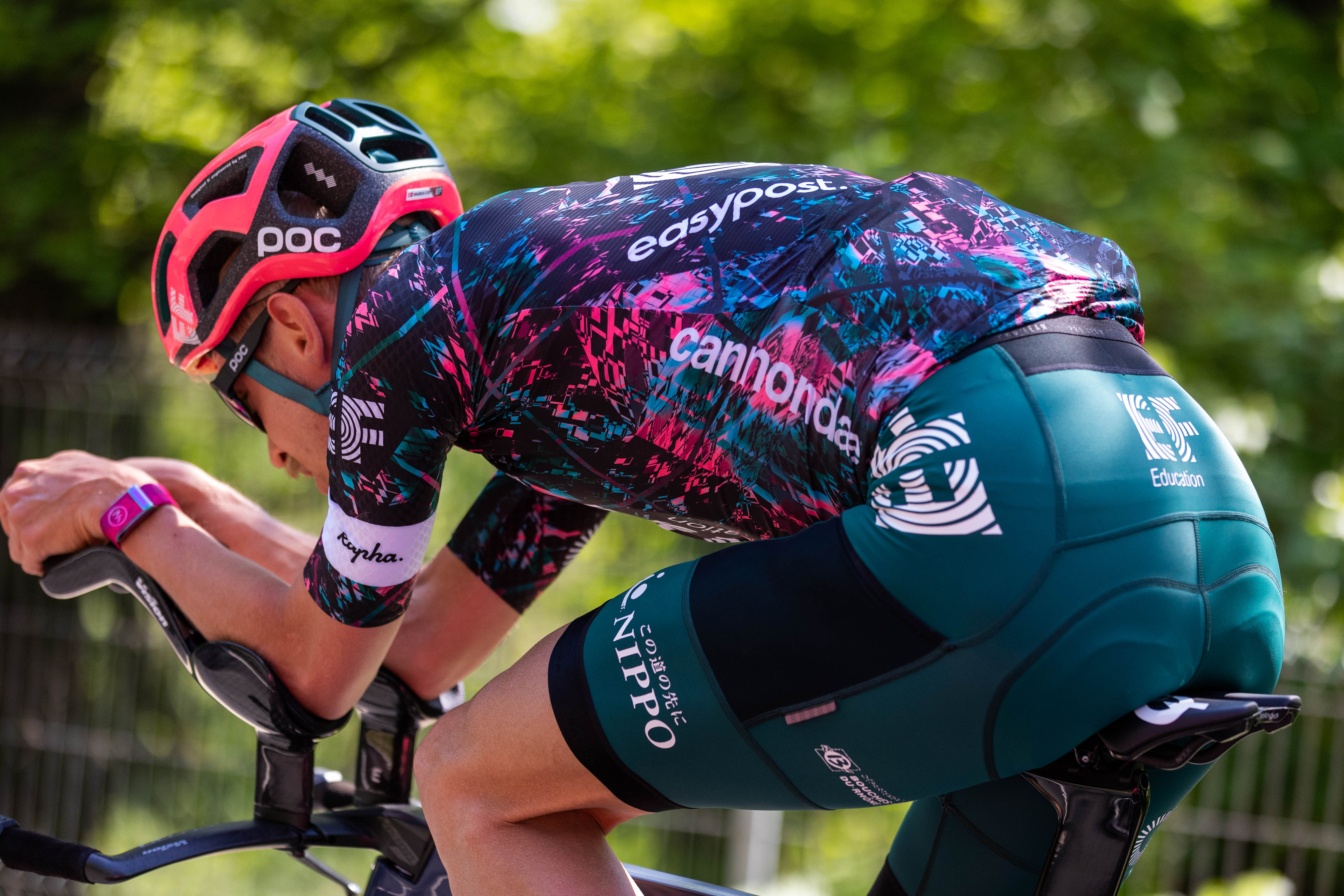
Alongside precise training, Vekta helps predicting performance, adds Girard. “For each of the 21 stages of the Tour de France, the teams will upload the GPX course files. With the individual rider’s power data, you can then see what they’re capable of based on the parcours.”
As an example, if it’s a sprint stage with rolling terrain, Vekta can determine which riders’ strengths it might play to. During the race, it’s also possible to update recovery metrics from tech like Whoop and Oura. That means heart rate variability, sleep and psychology data from answering a wellness questionnaire. All of this goes into the AI engine to give the coach a clear picture of what the rider might be capable of in real time.
Predictive modelling is nothing new, of course, with the likes of Best Bike Split used by many teams, ostensibly to optimise equipment and pacing selection. Best Bike Split tell us they don’t directly use AI for modelling “though we do use some machine learning for data analysis”, plus they’ve recently added an AI workout generator, primarily aimed at recreational riders.
Analysing the Queen Stage

Overton is a keen fan of AI for modelling. Take stage 20 of this year’s Tour de France, which is the Queen Stage and, unless Tadej Pogačar’s long since wrapped up his record-equalling fifth title, will decide the race. It’s 171km from Bourg d’Oisans to the second successive Alpe d’Huez finish, with a brutal parcours that ticks off Croix de Fer, Télégraphe, Galibier, Col de Sarenne on the way. By the time the GC contenders touch the base of Alpe d’Huez, they’ll have roughly 4,500m of climbing in their legs plus 3,032km of racing.
“How would we use AI to analyse the performance and the training that it will take to win? In layers,” says Overton. “Layer one: peak power up Alpe d’Huez.” This, stresses Overton, is the obvious starting point. “What’s each GC contender’s predicted ascent power up the final climb? That comes from modelling each rider’s best 30-to-45-minute power outputs, scaled to W/kg on the day.”
“Layer two: power output under fatigue. This is where layer one falls apart for most of the field. The relevant question isn’t what a rider can hold up Alpe d’Huez fresh. It’s what they can hold after 19 stages of racing and four hard climbs in the same day.”
That’s a durability question: how much power does a rider sustain at threshold and above once they’re 3,000, 3,500, 4,000kJ deep into a stage? Then there’s the recovery factor. For instance, what recovery metrics do they need to hit in weeks one and two to thrive in week three? Some riders barely fade. Others lose 10 to 15% of their threshold. That difference wins and loses Tours.
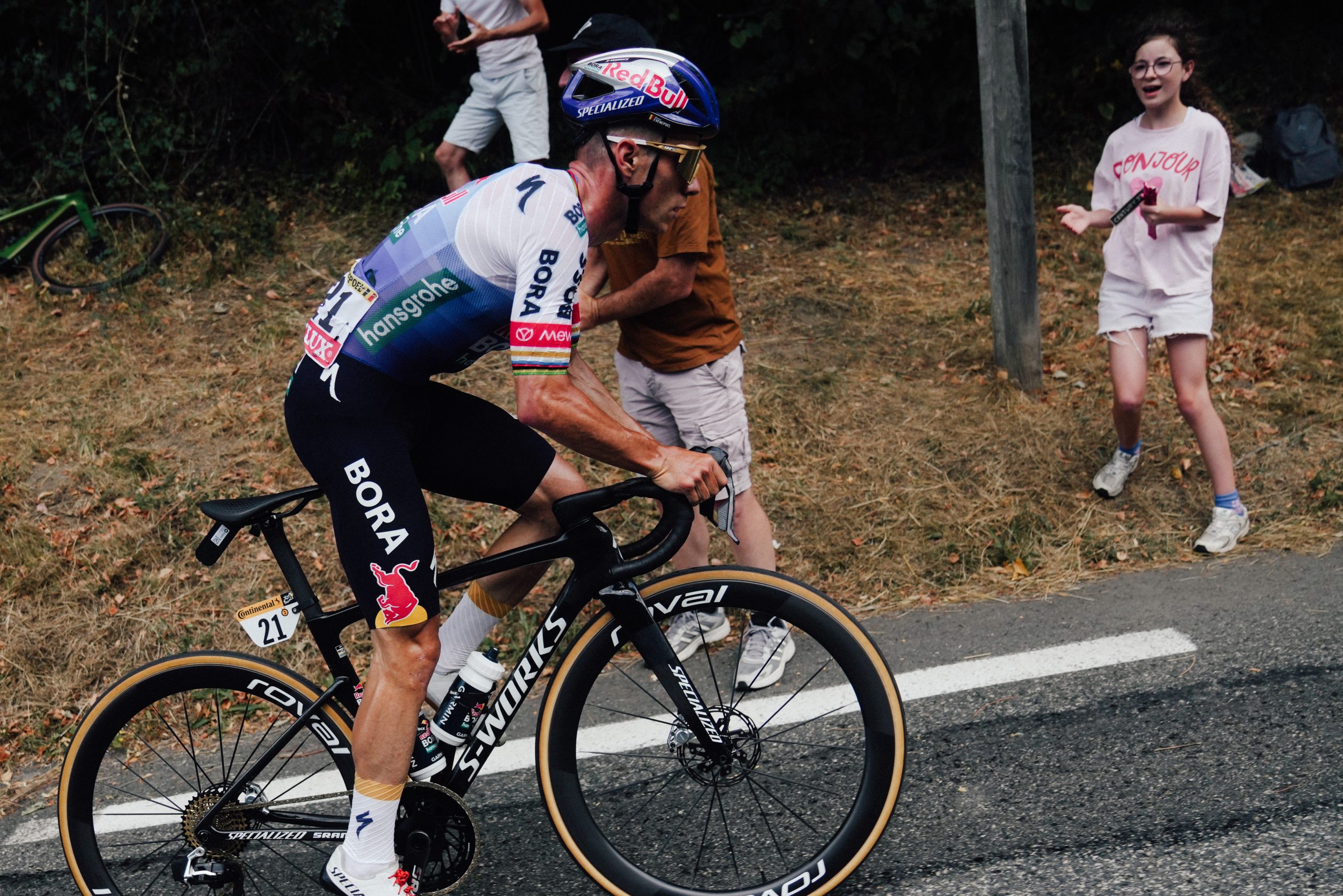
Overton says they can run an historical analysis on each GC contender’s data, particularly their previous Tours de France dataset, and quantify exactly how their power decays as kilojoules accumulate within a stage. That produces a fatigue-adjusted power prediction for the final climb. Not a fresh-leg fantasy.
“Layer three: GC modelling. This is where we combine layers one and two. Given the race situation entering the stage, we can model the power output a contender needs to hold on Alpe d’Huez to (a) close a specific GC time gap or (b) defend a specific GC lead.”
This involves assessing the likely GC dynamics on the four previous climbs, plus the energy costs and the rider’s historical fatigue profile. Feed all that information into the equation and see if the maths says the lead is defensible or the deficit closeable. Whether it’s the former or latter dictates what questions need answering. If in the head, what wattage is required and for how many minutes to maintain that advantage? If chasing, how far from the top does the rider need to attack and hold what wattage? How does this change team tactics? If the model predicts the rider can’t make up a GC deficit, that’s the kind of knowledge a Directeur Sportif and a team’s performance staff want before the stage starts.
“These are exactly the types of questions that properly trained AI models can answer very well and in real time,” adds Overton. “That said, analysing peak power is the easy part. Prescribing the exact training a rider needs to meet those demands 11 months in advance is the secret sauce. The durability work, the fatigue resistance, the balance of training and race volume against a rider’s recovery kinetics. That’s the marginal gain that will unlock the next Tour de France winner.”
To that end, Overton says your AI system is only as good as the information you feed it. “There’s an illusion that the likes of ChatGPT and Claude deliver good training advice. But it’s not trained, meaning it doesn’t answer like a coach or AI using a relevant dataset. It takes information from the general internet, meaning there's no filter. So, information from Reddit, forums… everywhere. There’s no thought leadership.”
Overton says his AI CoachCat app’s the result of his proprietary work that’s involved years of uploading rider training data, his blogs, podcasts and training plans. “For AI, data is rocket fuel. The more you have, the more insight it can provide, the better it is. But it must be the right data.”
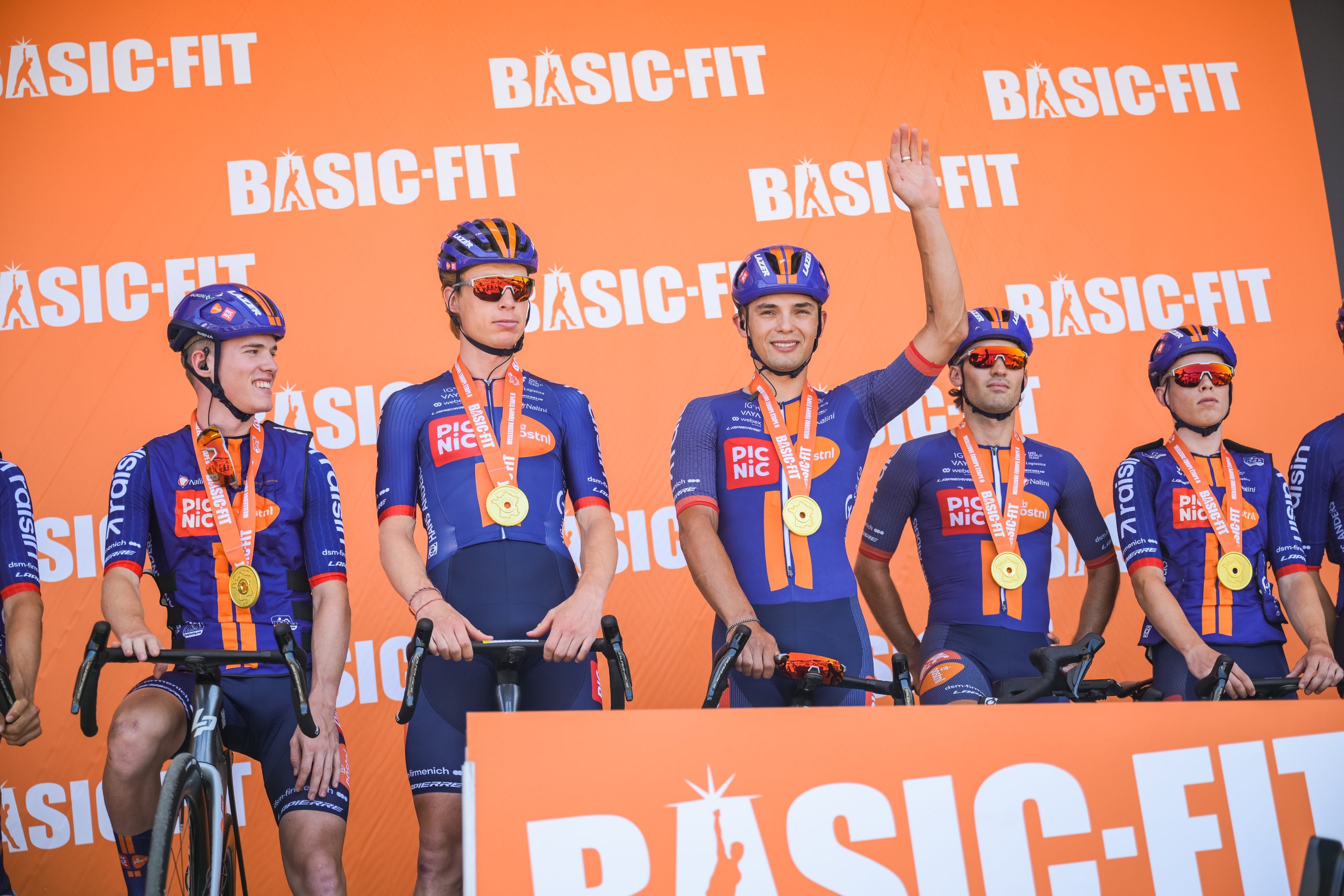
So, you must feed the correct ingredients, or the recipe will be a disaster. Cue the Picnic team working with IG&H to develop an application to support nutrition planning during training and races. “Using data models, the app predicts riders’ energy expenditure during races based on parcours information such as elevation and distance,” says Neumann. “Similar models estimate energy expenditure during training sessions based on workout descriptions. Based on these predictions, the app helps nutritionists and cooks to plan strategies and daily meals, ensuring that energy intake is aligned with the demands of training, racing and recovery.”
It’s a similar idea to that employed by Visma-Lease a Bike for a few years now. Ahead of the Tour de France, the nutrition team analyse the route and make a series of nutritional predictions for each stage based on team line-up and a rider’s physiology. For each stage and the potential role and goal of each rider, the team then predict their power output and intensity of effort, and so could predict energy expenditure and carbohydrate use. With the advent of AI, which also accounts for weather conditions, Visma suggests accuracy of nutrition predictions varies from a moderate 52% to an excellent 82%.
Tech-led scouting
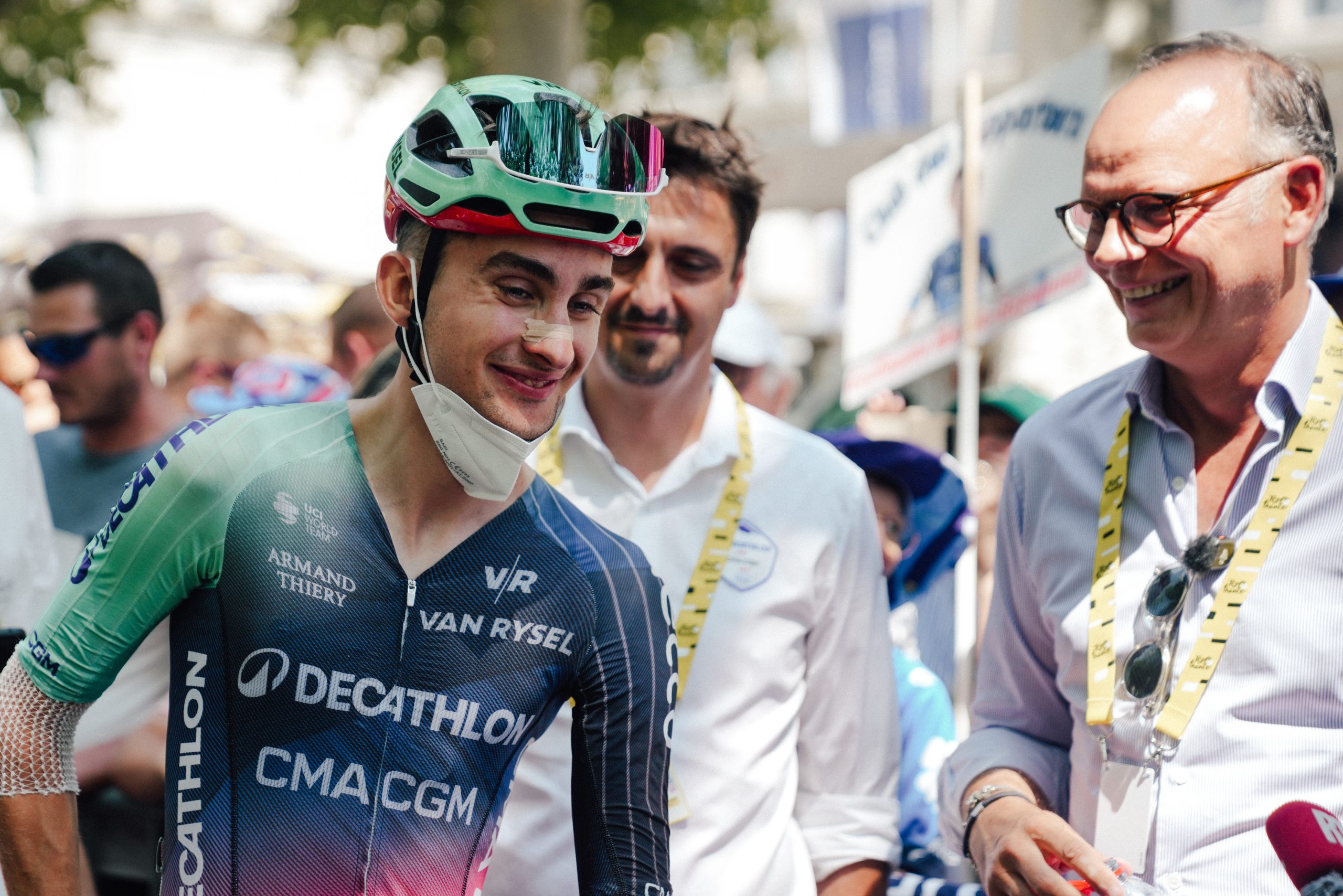
AI isn’t solely about maximising the moment. It possesses great potential in identifying tomorrow’s Paul Seixas or Mads Pedersen. “Later this month, we’re launching an academy with one of the WorldTour teams,” says Girard. “We’ll be using a big data approach to scouting and try to predict how good they could be in two or three years’ time.”
They’re not the only ones looking to refine talent identification through AI. Earlier this year, then Ineos Grenadiers (now Netcompany-Ineos) pronounced they’d partnered with Swansea University to explore how data science and AI could transform talent identification. At the heart of the collaboration is a project to develop ‘digital twins’ – data-driven profiles of riders – using a combination of the team’s internal performance metrics and publicly available race data.
The aim is to build an automated system capable of tracking junior riders and flagging up standout performances, helping the British team to unearth future stars. Swansea’s A-STEM research centre, which has a track record of working with elite sports organisations, including Swansea FC and the Ospreys rugby union outfit, leads the academic side with a dedicated PhD student working directly with the team.
We contacted Swansea and Netcompany for further information but the respective outfits were unable to comment.
These ‘digital twins’ are a growing trend, not only for talent ID but also gear selection. Teams can dispense with rider mannequins in a wind tunnel and instead use a computer-generated twin based on a rider’s body dimensions, riding style, power output, flexibility and aerodynamics. AI can then simulate different helmets, different wheel depths, different riding positions and different weather conditions before the rider ever rolls onto the road.
AI and the Tour de France Femmes

AI also has the potential to transform the Tour de France Femmes specifically, says Girard. “We’re working with [Demi Vollering’s] FDJ United-Suez to better understand how to use AI for women. To understand the impact of the menstrual cycle on things like power output and recovery. It’ll help the riders and their coaches.”
One rider who understands the impact of AI and women-specific feedback is 2024 Olympic road-race champion Kristen Faulkner. The EF Education-Oatly athlete studied computer science at Harvard and utilised her academic background to build her own AI. Spending up to 10 hours coding each day, Faulkner used nine years’ worth of data – around 4,440 hours of training history – to synthesis her biometric data that included heart rate, HRV, sleep, weight, power, temperature, training load, menstrual cycle phases, bloodwork and DEXA scans.
“Every model is trained on my body,” Faulkner penned on her website. “Every finding is specific to my history. And every output is actionable, not just interesting.”
Did it work? “I used this to help me prepare for the Pan Am Championships, where I won three gold medals this year [one on the road, two on the track],” Faulkner says. “Today, I produced my best 20-minute power ever with training help from this app. AI is going to change women’s performance research from the bottom up and I want to be part of it.”
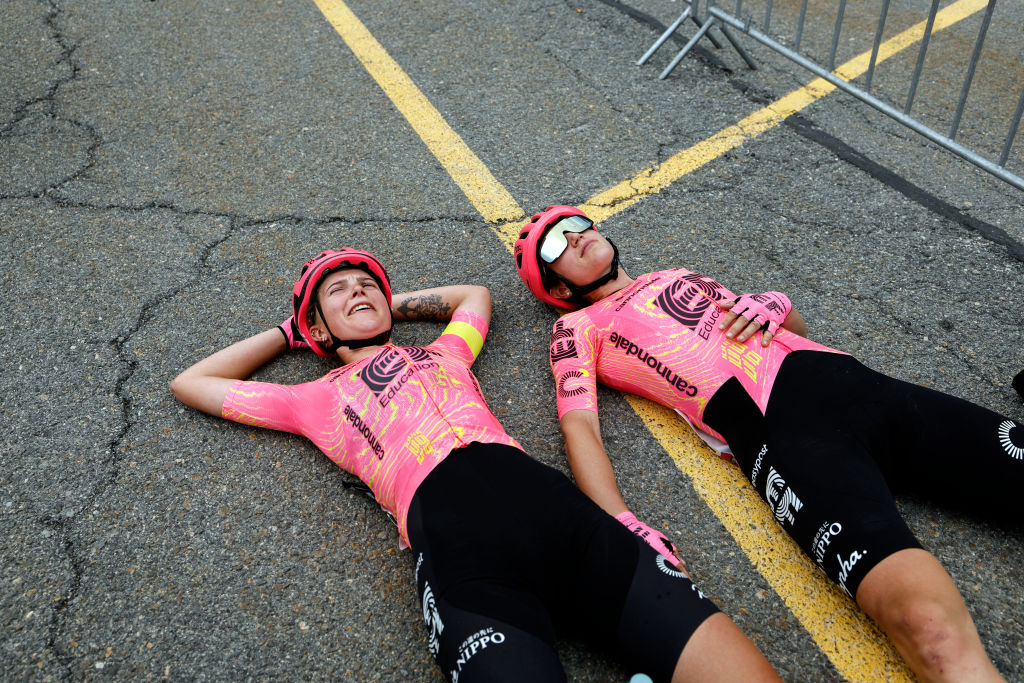
With her focus and diligence to extract the most marginal of gains from every facet of performance, don’t bet against the American regaining her Olympic title in Los Angeles in two years’ time.
All in all, artificial intelligence has the potential to accelerate cycling – a sport for whom data is already king or queen. AI’s ability to rapidly analyse every metric generated is set to make WorldTour coaches’ jobs easier and more effective, by delivering specific training workouts and plans, clearer race predictions and bespoke feeding advice. As Overton signs off, “Sir Dave Brailsford has said AI will help win the Tour within 5 years. I think it’s two (or less). Within 24 months, every World Tour team will have an AI programme. The teams that build them well will win races. Teams that don’t will be dropped.”