
We’re just over a week away from the start of the 2026 Tour de France – the most important bike race of the year.
As we say every year, winning a stage or wearing one of the race’s coveted leader’s jerseys is a career-changing event for many pros.
With this in mind, teams and riders will be putting the finishing touches to their equipment and form, looking to head to the Grand Départ in Barcelona in the best possible position to perform at their best.
Likewise, every brand involved will be honing their marketing campaigns and materials, hoping for a few moments in the spotlight at the sport’s biggest shop window.
In previous years, we’ve seen Tours dominated by talk of aero road bikes, narrow handlebars, wide tyres and short cranks.
But with the march of progress moving steadily on – and the UCI’s infamous rulebook ever-evolving – these are the tech trends we think will dominate the conversation at this year’s race.
The tyre-size arms race will be put on pause
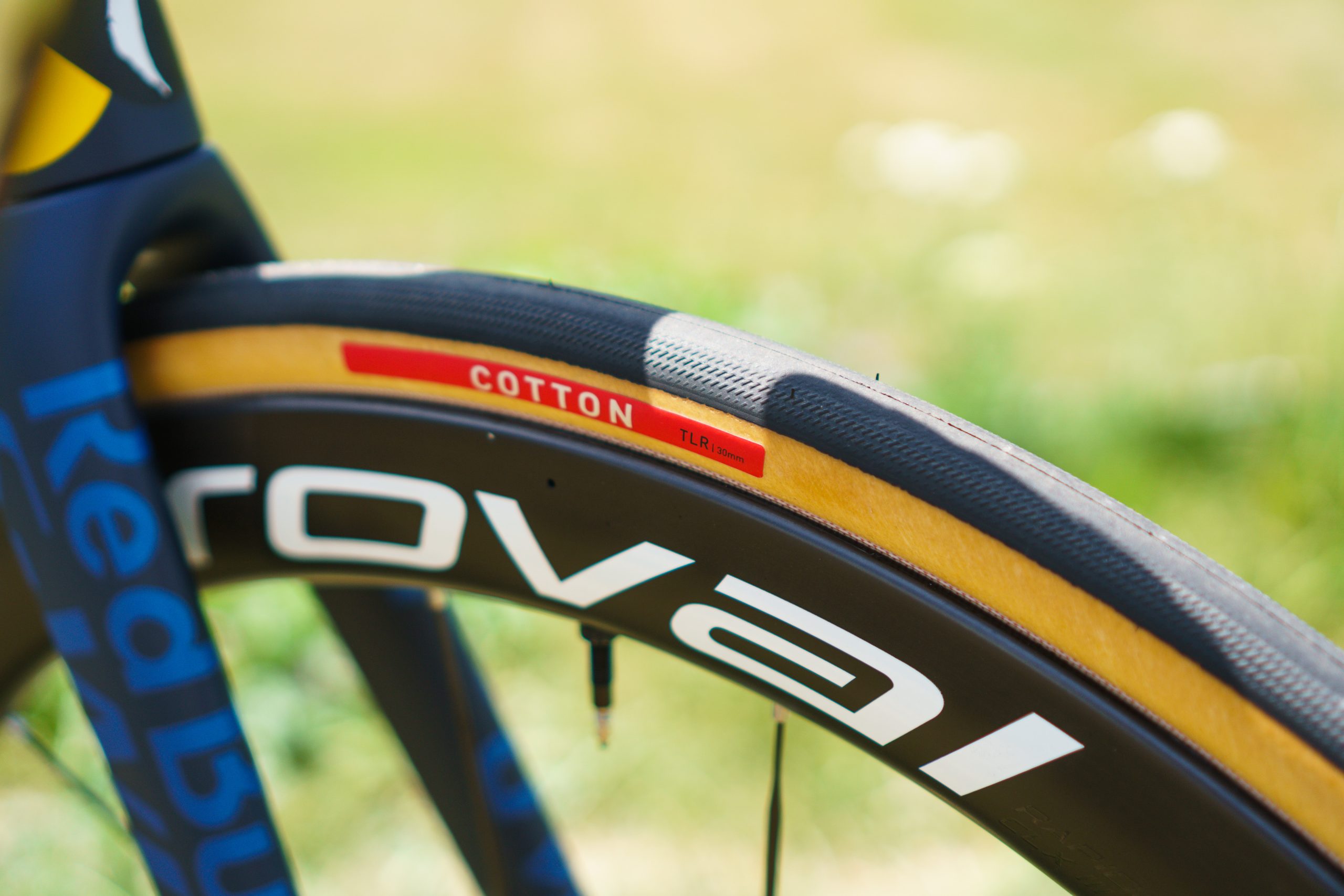
Tyre sizes have grown steadily at pro road races in recent years, with Tadej Pogačar – the defending Tour de France and world champion – stunning the cycling world by using tyres measuring an astonishing 38mm wide at Paris-Roubaix Hauts-de-France earlier this year.
Based on what we saw at the Tour’s traditional warm-up race, the Tour Auvergne-Rhône-Alpes, though, we’re confident riders won’t go to such extreme lengths at this year’s Tour de France.
Instead, we reckon we’ll see most riders opting for 28 or 30mm-wide tyres, likely depending on what rims they’re using.
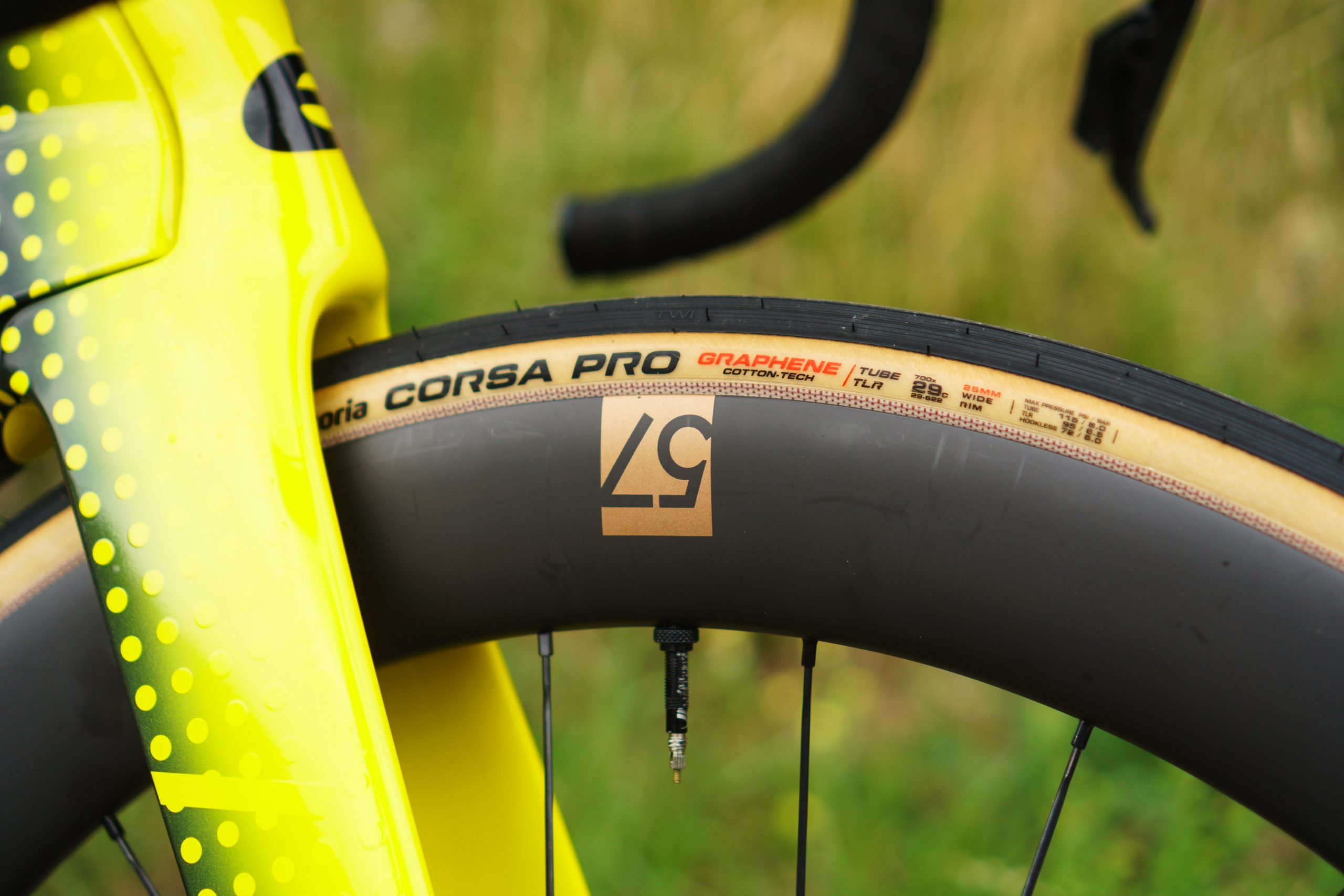
Rather than simply picking a tyre size, most teams are now conscious about selecting something that works best with whatever rims they’re using for a given day of racing.
Riders with wider rims will go for wider tyres and vice versa, as they look for the optimal balance of rolling resistance, aerodynamic efficiency and weight with the kit they have access to.
As always, it’s important to remember that while Tour pros get access to some of the best bikes and equipment in the world, they don’t get a free choice to use whatever they like – for the most part they have to ‘make do’ with whatever their team sponsors offer (break out the small violins, etc).
That might mean running narrower tyres than they’d ideally like if it’s what pairs best with their wheels, for example. In contrast, some riders on wide hookless rims may have to run wider, heavier tyres than they’d want to in order to comply with the minimum widths required by the latest ISO and ETRTO standards.
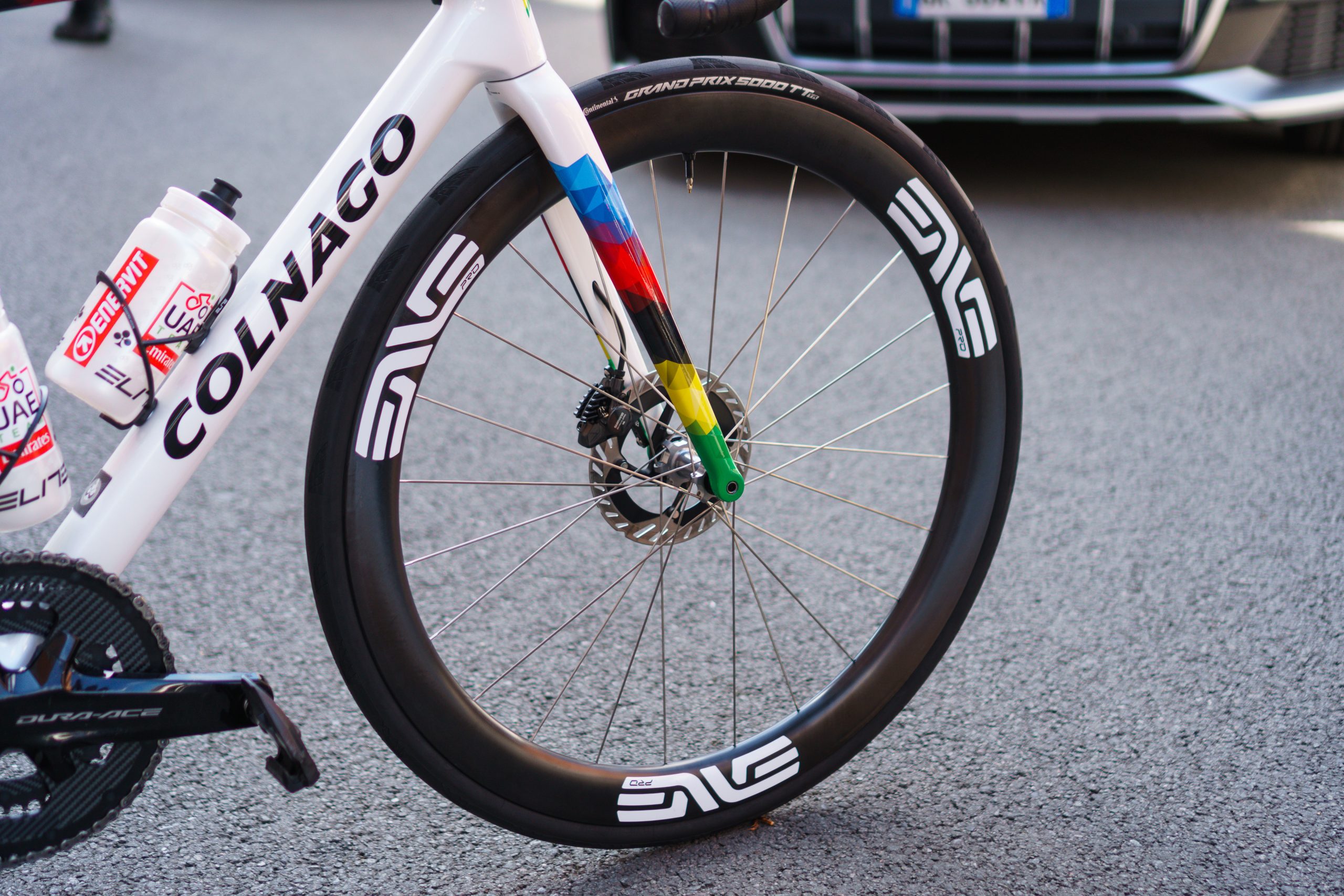
For Pogačar, who goes into this year’s race as the clear favourite for the yellow jersey, we suspect he’ll use ENVE’s SES 4.5 Pro wheels, paired with either 28mm Continental GP5000 TT TR or 30mm Conti Archetype tyres.
The 30mm Archetype rolls a hair faster than the 28mm GP5000 TT TR according to Bicycle Rolling Resistance, but with the latter coming in around 60g lighter per set, we’d put our money on that setup being Pog’s first choice on most days.
Pogačar's key rival, Jonas Vingegaard, meanwhile will likely be on slightly wider 29 and 30mm-wide Vittoria Corsa Pro TLR and Corsa Pro Speed TLR tyres, because Visma-Lease a Bike’s wider Reserve rims dictate the use of tyres 29mm wide or larger.
Buy the Official Tour de France Guide – out now!

The UK’s only official Tour de France Guide is available now – order your copy for delivery in time for this year’s race.
This year's 204-page Official Race Guide includes:
- All the stages, maps, itineraries and profiles from the biggest race in women’s and men’s cycling
- Full breakdown of each race team
- Interviews with the stars of this year’s race
- Official A2 route map posters
- Our exclusive Galibier special magazine
- Exclusive Tour de France beer mats
Buy the 2026 Official Tour de France Guide now!
Most handlebars will measure 400mm wide
At last year’s Tour, the UCI’s controversial minimum handlebar-width regulation had yet to come into effect, giving riders plenty of scope to customise their cockpit setups as they pleased.
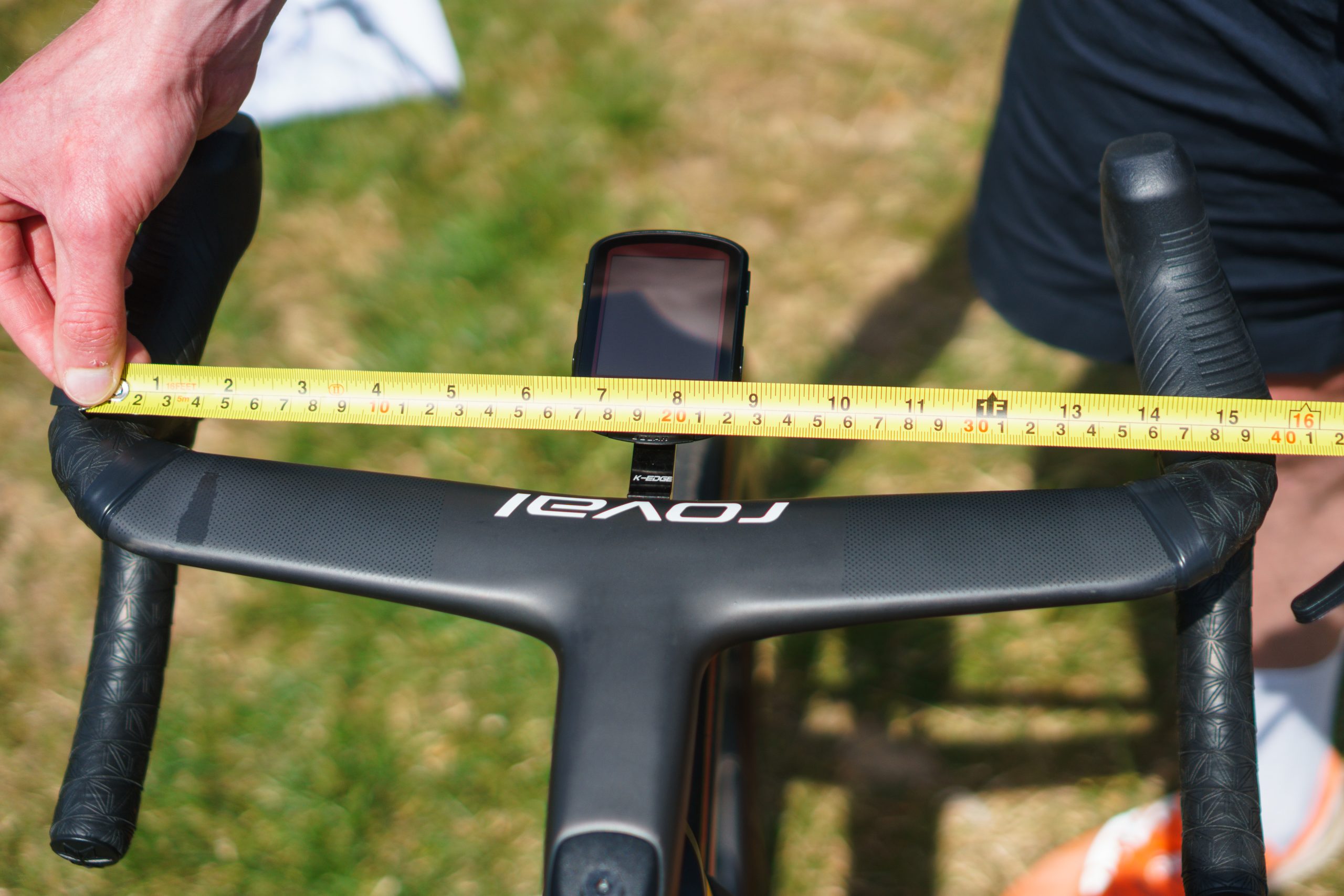
This year, though, with the minimum bar width set at 400mm (measured outside-to-outside at the drops), we reckon almost every rider in the peloton will have simply adopted the exact same setup – a 380mm-wide handlebar that measures 400mm outside-to-outside at the drops.
Both Pogačar and Vingegaard will have had to switch up from the 360mm bars (measured centre-to-centre at the brake hoods) they previously preferred, for example.
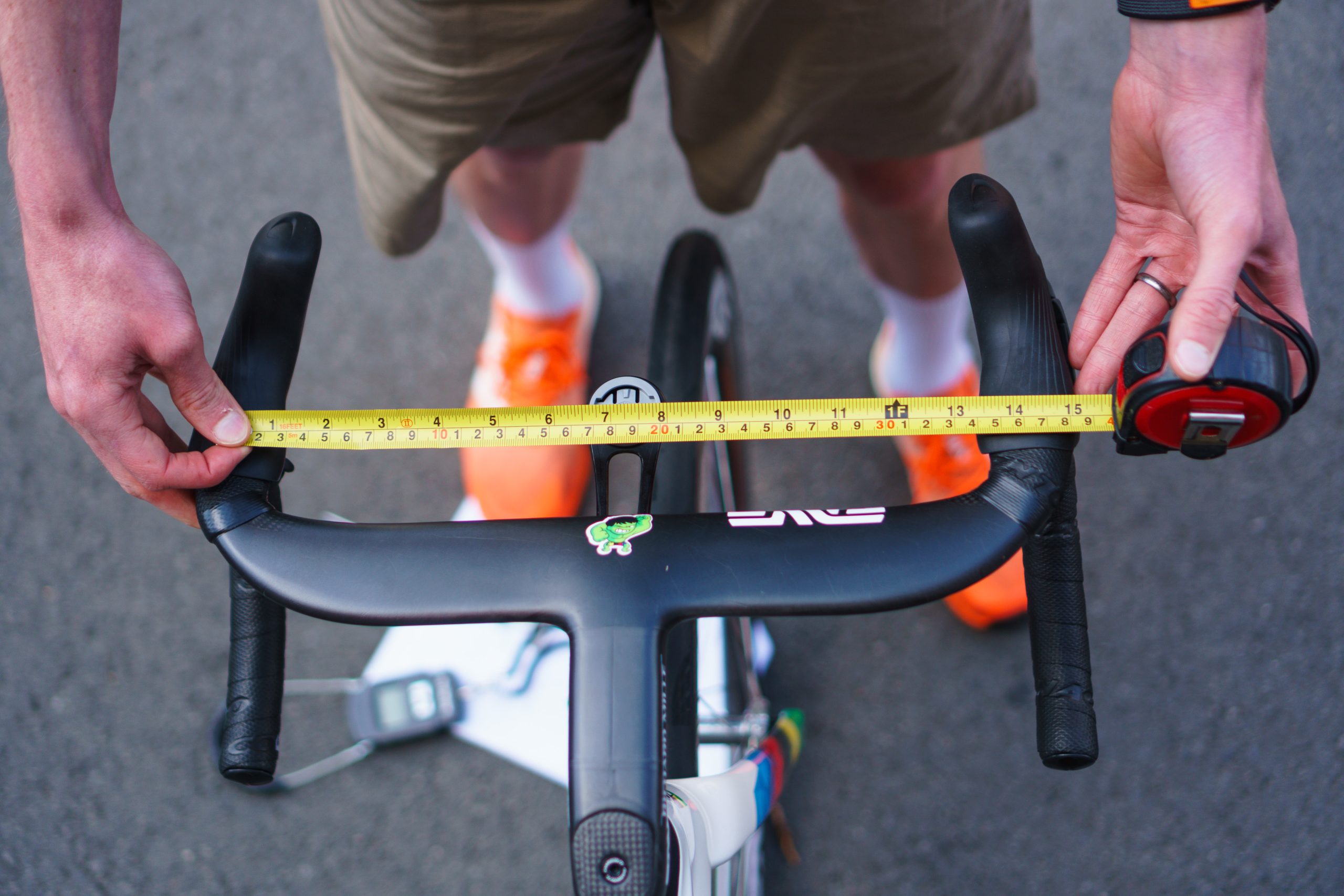
Remco Evenepoel, though, who used a 380mm-wide bar at last year's race – again, measured centre-to-centre at the brake hoods – should sneak through unchanged. His Roval Rapide integrated cockpit ought to measure 400mm wide outside-to-outside due to the fact it has 4 degrees of flare from the hoods to the drops.
One high-profile rider who we can be certain hasn’t been affected is Mathieu van der Poel. The Dutchman has long preferred a relatively wide (by pro standards) 400mm handlebar, perhaps because he’s got broader shoulders than climbers such as Pogačar, Vingegaard, Evenepoel et al.
One area where we may see some divergence among riders is with bar flares and shifter angles, although with the UCI also enforcing a minimum width of 280mm between the tips of the brake hoods, there’s not as much scope for aggressively tilted-in shifters anymore – unless you’re also willing to use wider bars, of course.
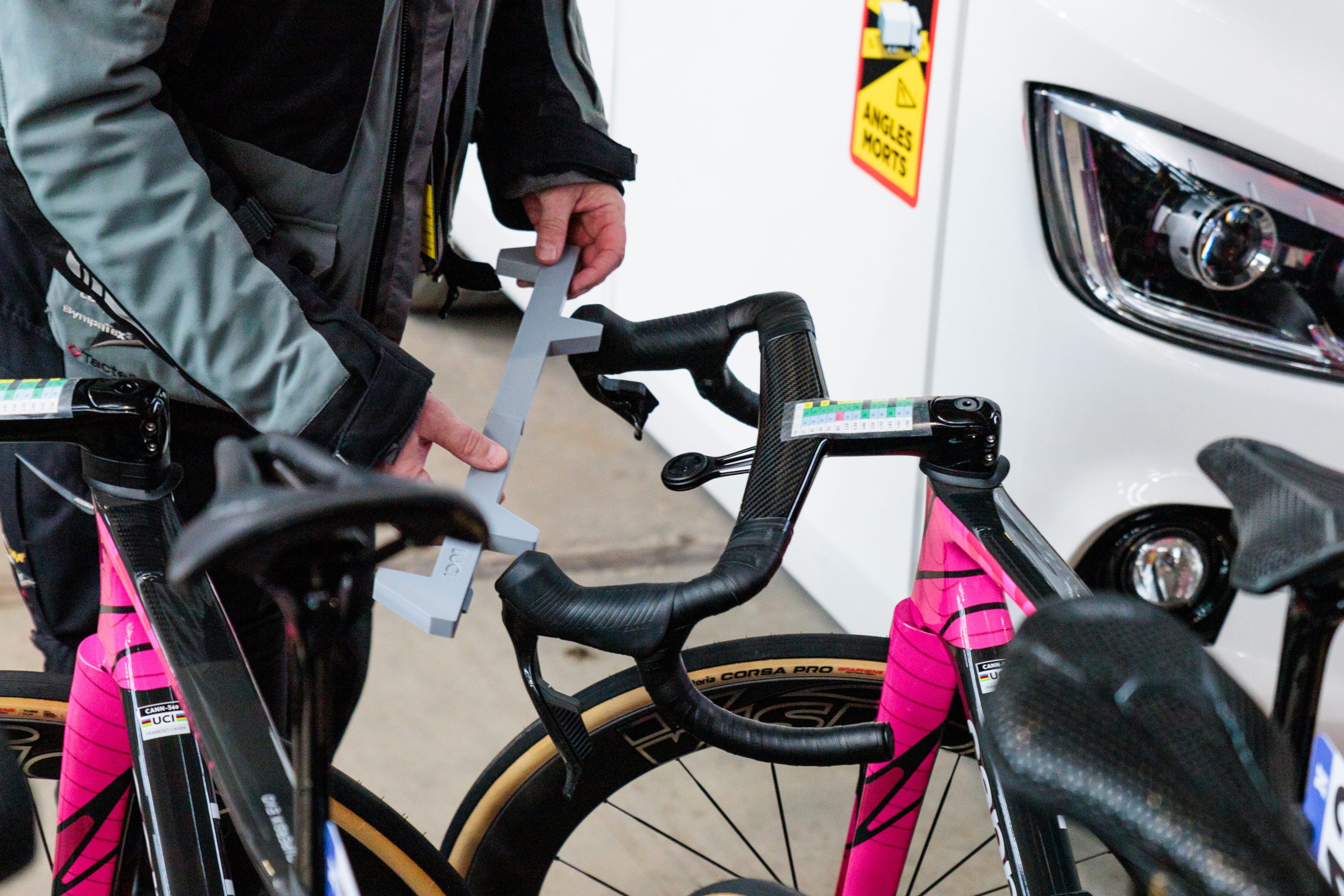
While this was a topic of discussion early on in the season, at races such as the Tour Down Under, it’s fair to say it's garnered less attention as the season has gathered pace.
Perhaps the UCI will eventually introduce rider categorisations to enable riders to use bar widths in proportion to their shoulder width or height, for example – similar to those it has for saddle-to-handlebar reach distance and rider height for time trial bikes.
For now, though, it seems riders have simply resigned themselves to the fact that all they can do is comply with the regulations as they’re written. After all, no one wants to risk a disqualification for a non-compliant bike…
Weight weenie aero bikes will dominate the GC battle
While both Tadej Pogačar and Vingegaard turned up to last year’s Grand Départ in Lille with the choice of both aero and lightweight climbing bikes, they and the other big general classification (GC) favourites stuck almost exclusively to their aero bikes – even on the hardest days in the mountains.
This wasn’t a simple admission that weight is less important than aerodynamic performance at the extreme speeds the Tour is now ridden at, though – teams instead went all out to cut the weight of those aero bikes to an absolute minimum.
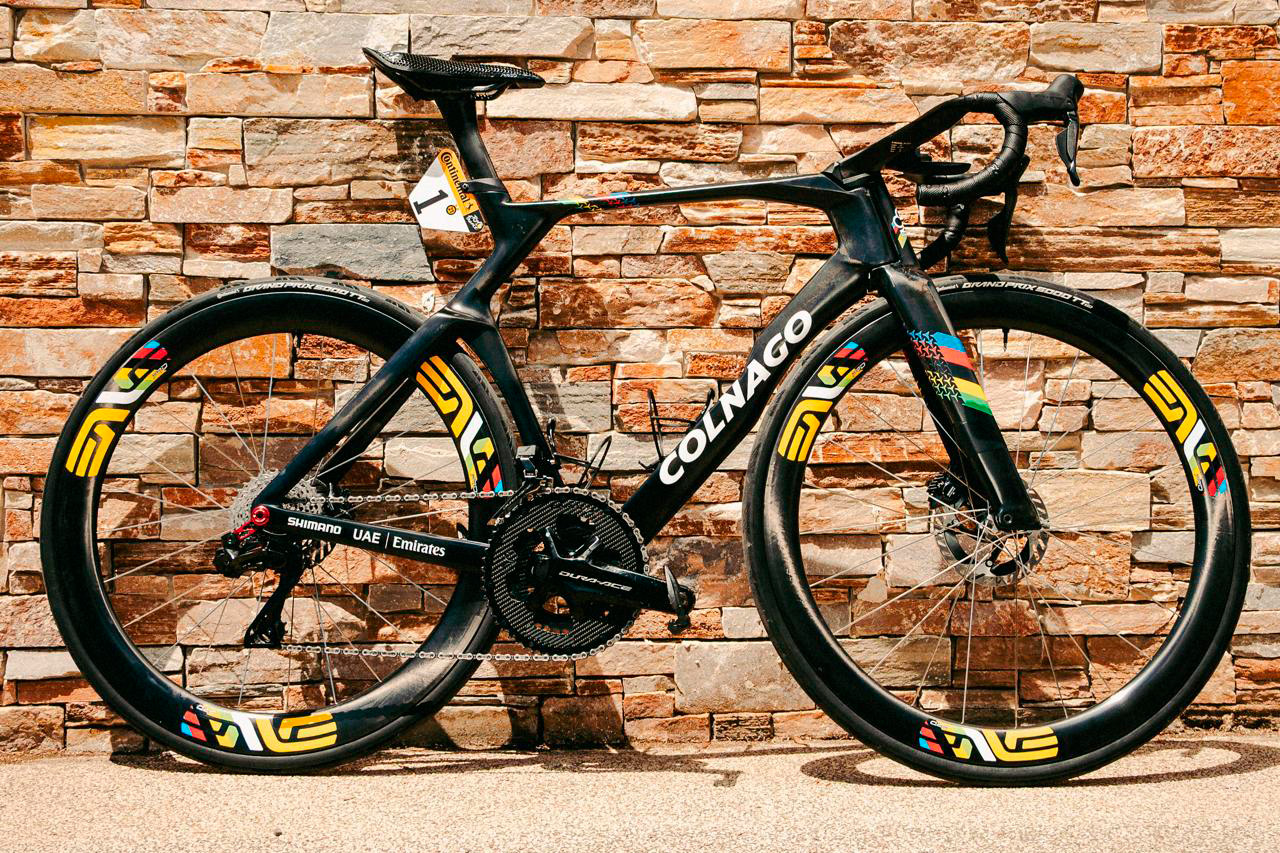
Pogačar had a special-edition, raw carbon Colnago Y1Rs, which is claimed to weigh just over 7kg. The Slovenian debuted it during the mountain time trial at last year’s race, then rode it for many of the remaining stages.
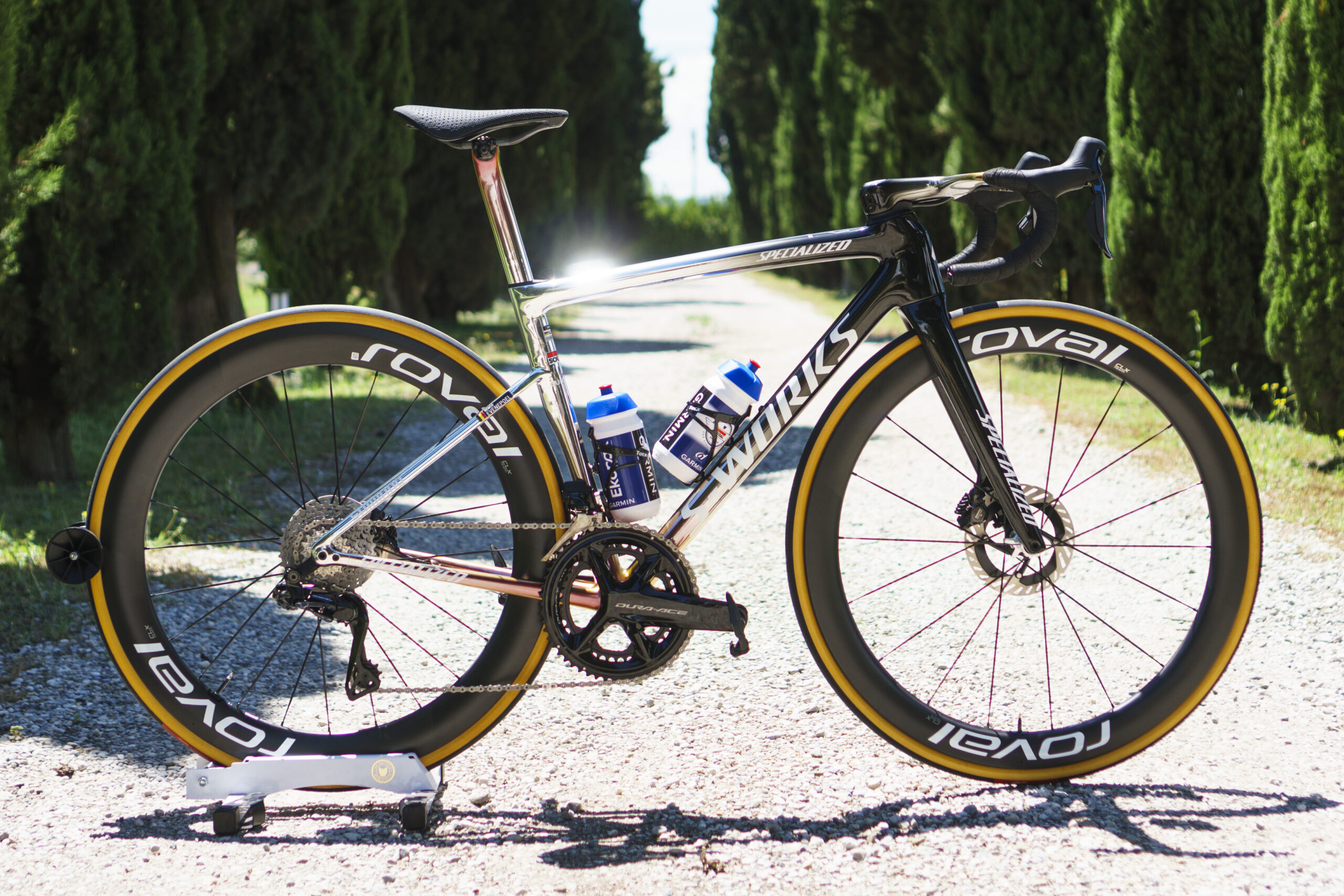
With this in mind, don’t be surprised if his key rivals – Vingegaard, Evenepoel and Paul Seixas – also turn up with stripped-back aero bikes designed to take the challenge to UAE Team Emirates XRG.
Could we see Evenepoel aboard a stripped-back Tarmac SL9, for example? A bike that looks very much as though it could be the brand’s next-generation racer has been making sporadic public appearances at pro races in recent weeks, so we wouldn’t be surprised to see Evenepoel aboard one, even if we don’t get an official launch before or during the Tour.
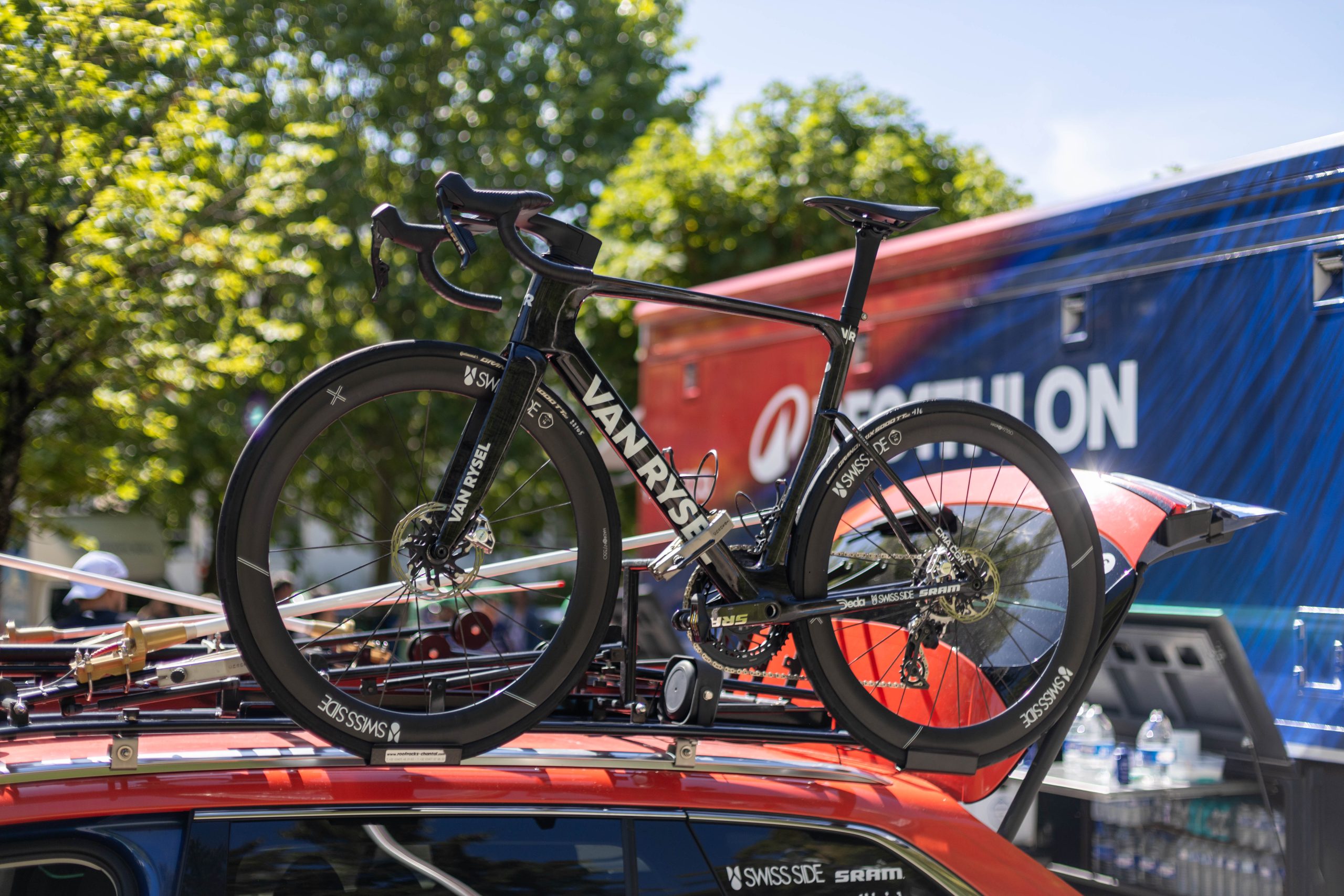
We’ll hopefully get a closer look at the prototype Van Rysel road bike Seixas has been testing, too.
Visma-Lease a Bike’s bike sponsor, Cervélo, also has a rich weight-weenie heritage, so we’ll have our eyes peeled for any special S5 builds.
TT bikes will get some love again
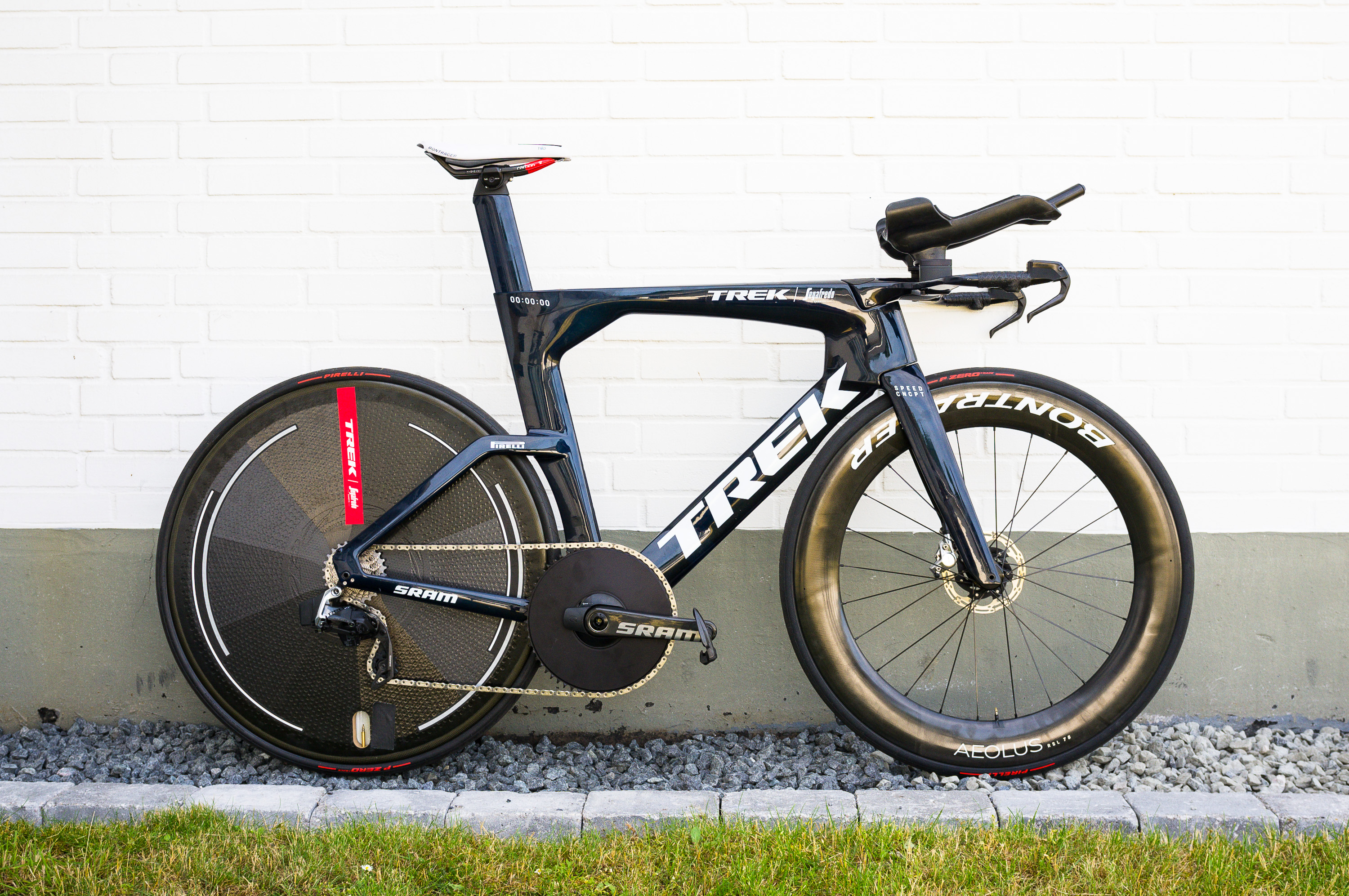
Time trials have fallen somewhat out of fashion at the Tour in recent years – in part because they’ve not been as decisive in the GC battle (at least since Vingegaard demolished the field during stage 16 of the 2023 Tour).
However, with two efforts against the clock at this race – a team time trial on the opening day and an individual one on stage 16 – this specialist discipline, and the bikes used for it, will be back in the spotlight again.
For the uninitiated, time trial bikes differ from standard road bikes in that riders are permitted to use aero extensions – an additional set of handlebars on which riders can rest their forearms – and deeper rims, or even solid disc wheels.
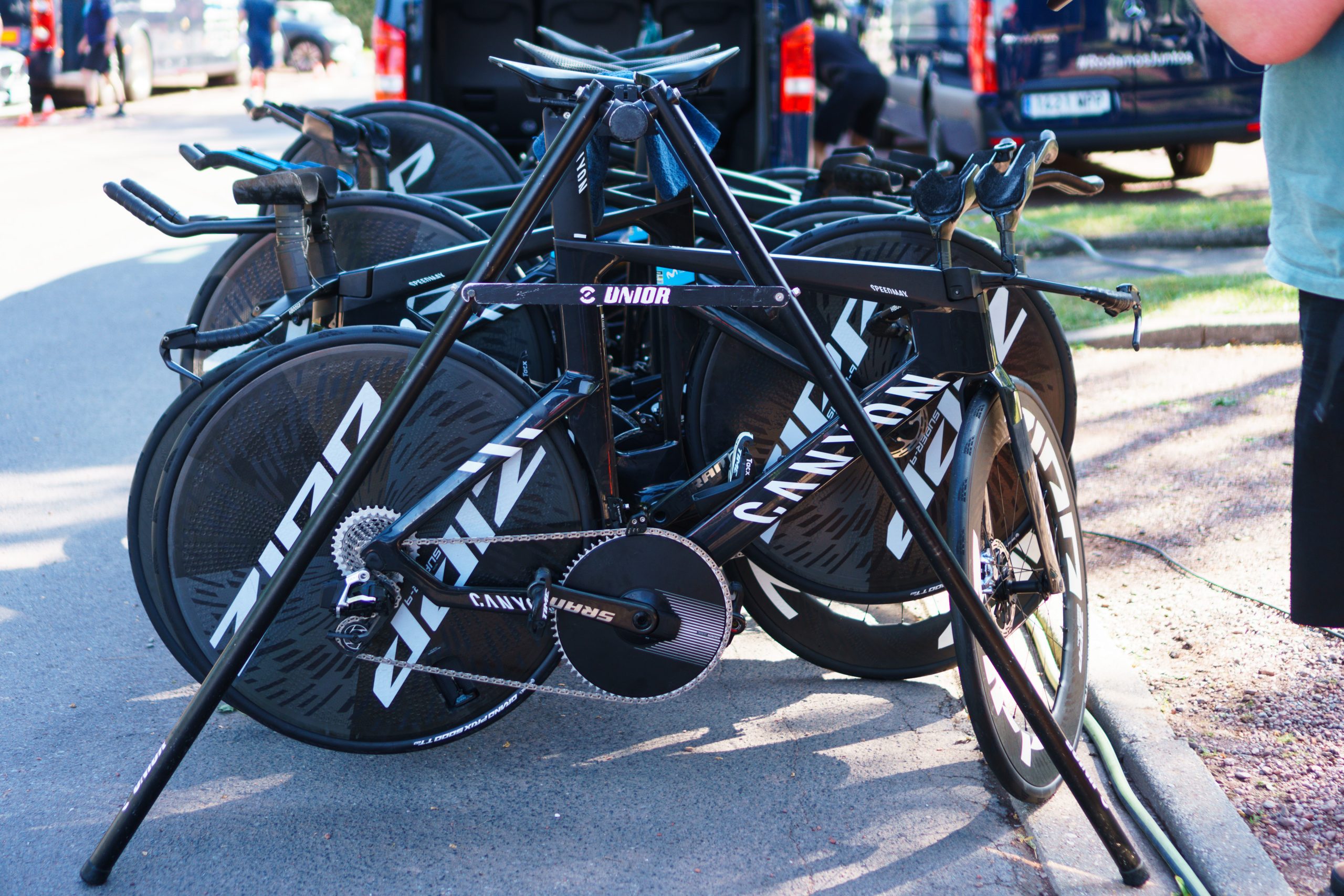
While these things add weight and can compromise handling, it makes them much faster in a straight line.
With fewer everyday riders buying time trial bikes (dedicated triathlon bikes have largely diverged from ‘UCI-legal’ time trial bikes in recent years), not every brand puts enormous resources into developing and updating these rigs – and consequently, they tend to have a longer shelf life.
Specialized’s Shiv TT has been around since 2019, for example, as has the Cervélo P5 (although the latter had a small update in 2024).
Canyon’s Speedmax CFR TT has likewise been around in its current form since 2021.
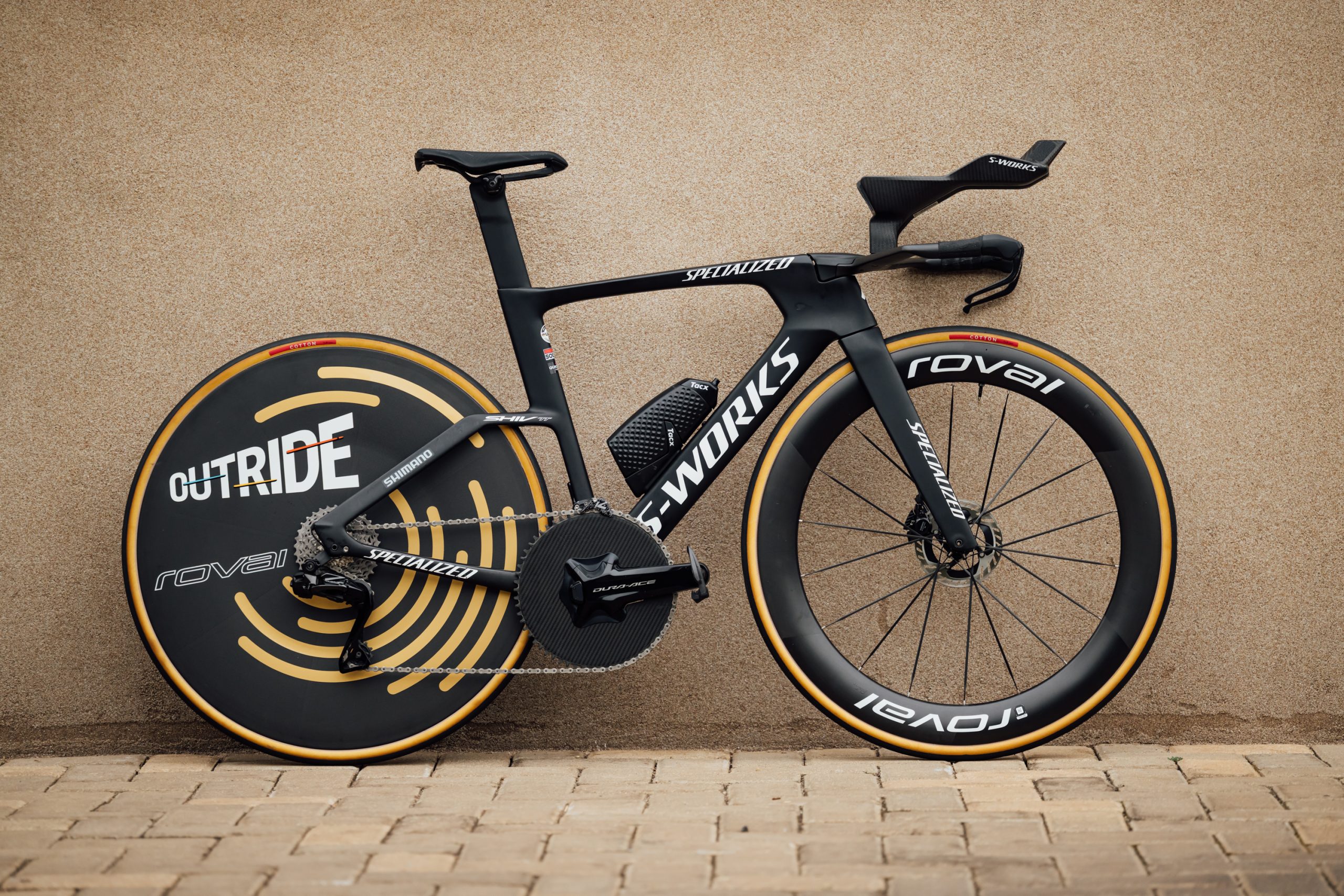
With Evenepoel looking to return to the Tour podium this year, might Specialized be working on a new Shiv? If so, the brand has done well to keep it under wraps so far, but we’ll have our eyes peeled in Barcelona and beyond just in case.
Given Pogačar just got a new TT bike – the Colnago TT2 – we’re the reigning (and three-time) world time trial champion will be pushing for every possible advantage in his favourite discipline.
With the peloton having finally gotten over its long-held aversion to enormous time trial helmets, we can expect to see plenty of those at this year’s race too.
Extreme heat likely to impact the race
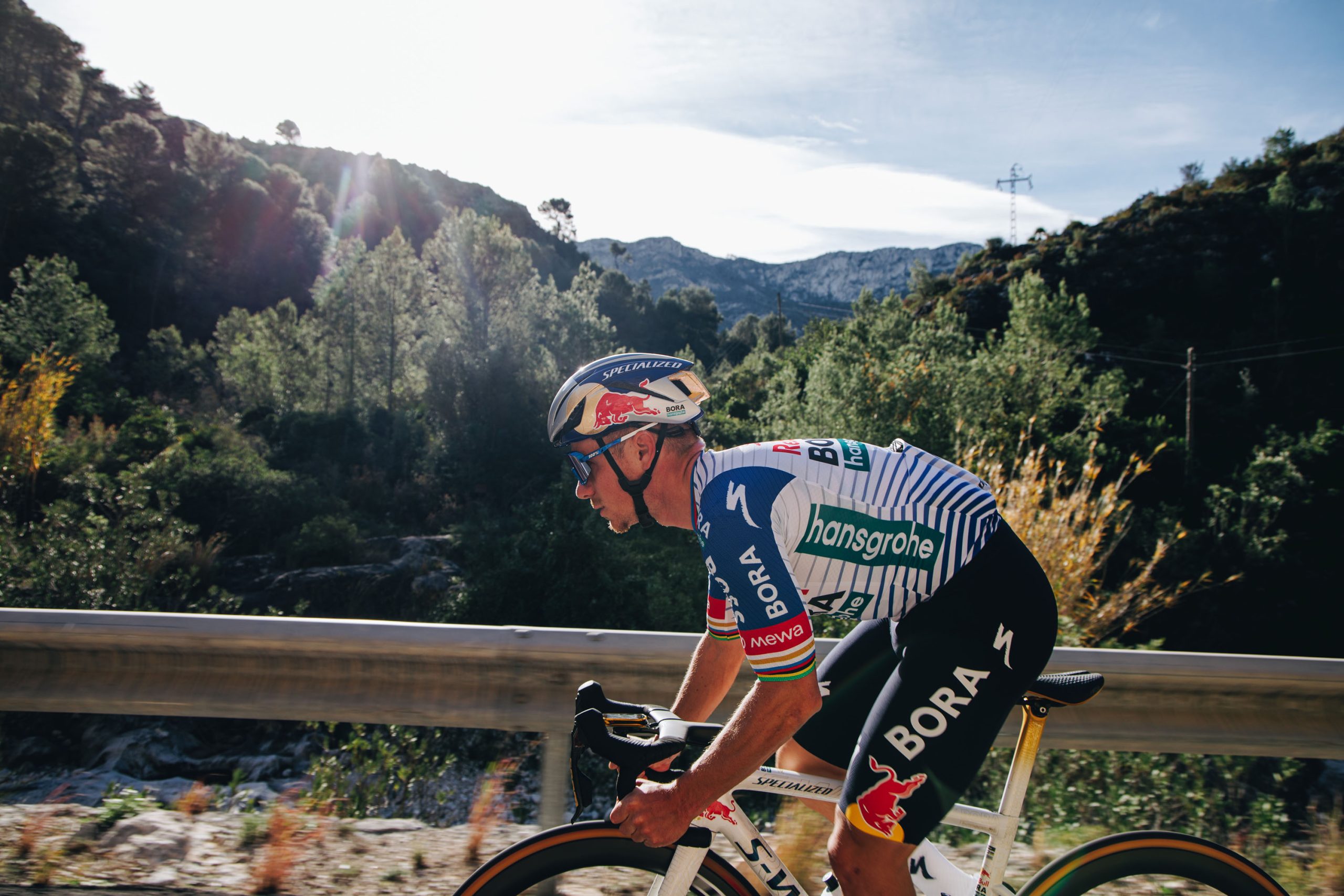
With Europe currently in the grip of one of the worst heatwaves on record, it seems almost certain that extreme temperatures will impact the Tour yet again.
Research published in Scientific Reports earlier this year suggested the likelihood of dangerous weather conditions has steadily increased in recent decades, so it’s no surprise teams, riders and even the sport’s governing body is learning to adapt.
The UCI, for example, has a specific ‘extreme weather protocol’ that takes into account temperature, humidity, wind speed and other factors, to assess the risk level to riders from racing in high temperatures.
Riders have still needed to adapt to these challenging conditions, though, as conditions can get quite extreme before the UCI will step in to neutralise or cancel a race.
Extreme heat used to be a rare area of weakness for Pogačar, for example, but the Slovenian has since worked hard at improving his tolerance in this area.
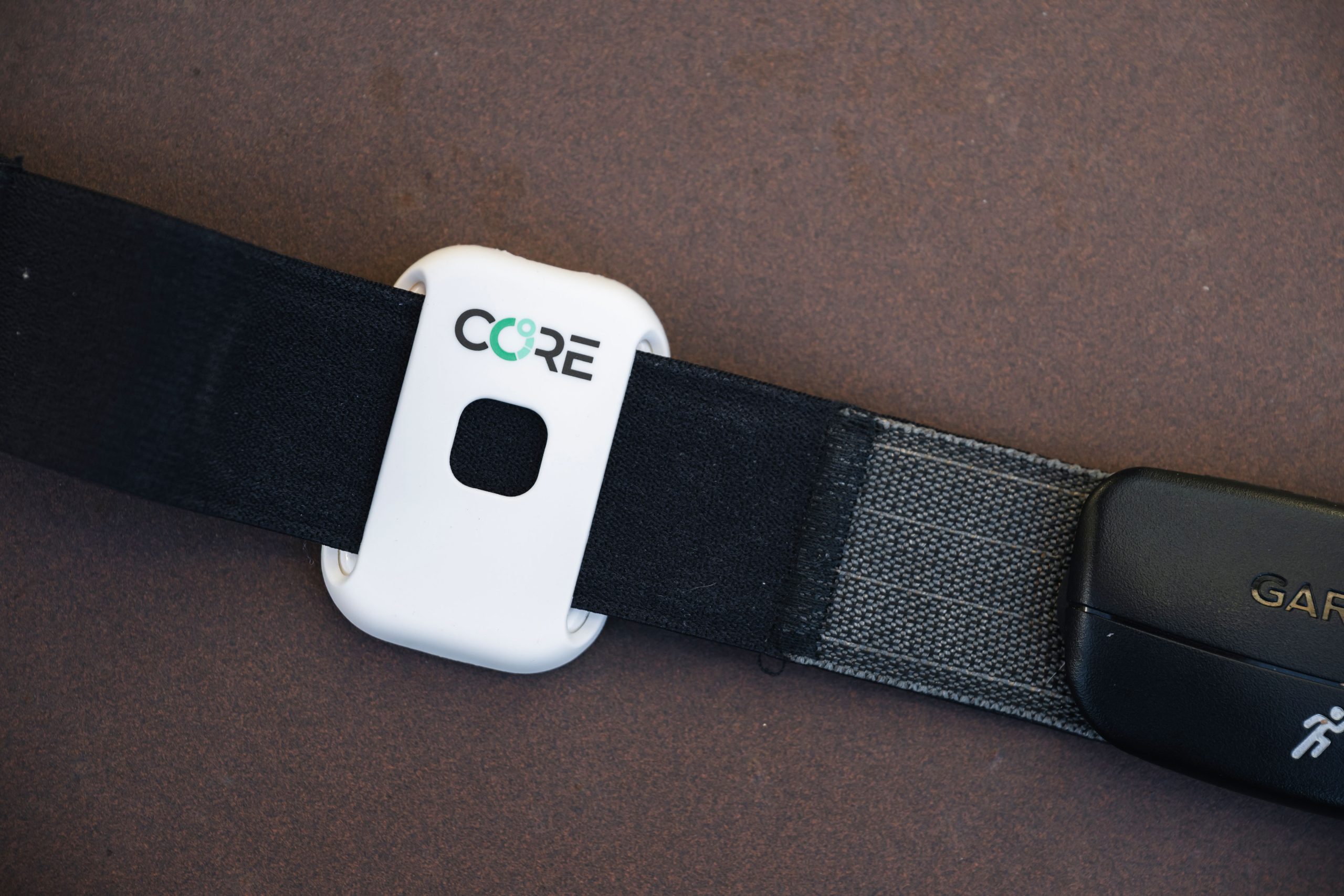
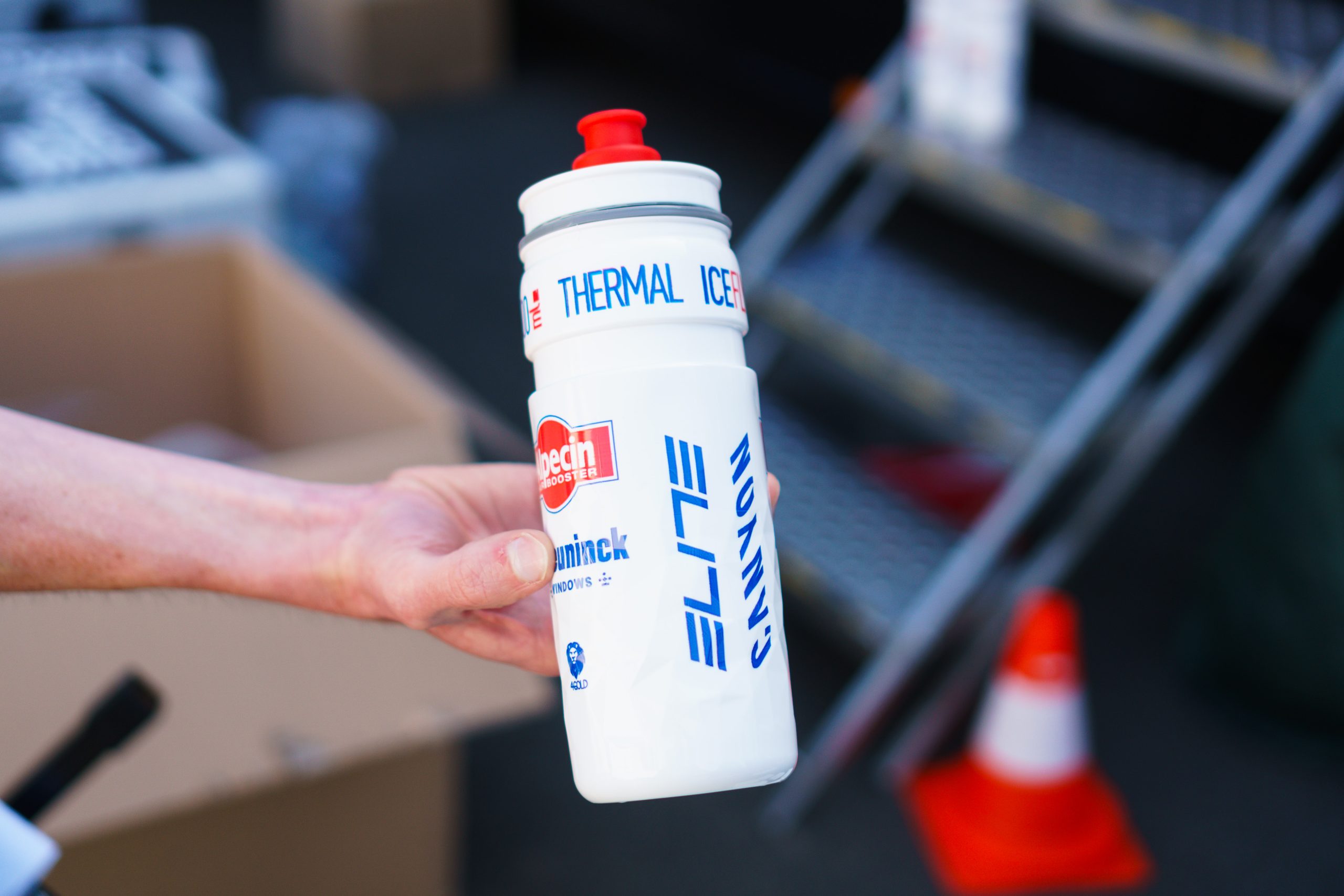
Like many other pros, he’s incorporated specific heat training into his regimen, and typically races with a CORE body heat sensor attached to his heart rate monitor strap. According to Domestique, his team has also put an increased focus on ensuring Pogačar is constantly supplied with fresh bottles during races – both to drink and to pour over himself to stay cool.
Heat management has also become a key focus for aero helmet manufacturers in recent years. Specialized says its new Evade 4 aero helmet maintains its aerodynamic efficiency but improves its cooling by a claimed 2.4 per cent, for example, while ABUS specifically cited climate change as a key consideration behind the design of its GameChanger 2.0.
Cooling ice vests have also become a familiar sight during pre-race warm-ups, as have highly ventilated speed suits that aim to provide maximum breathability on hot days.
There are, of course, also low-tech solutions like tights stuffed with ice cubes or bidons filled with cold drinks that team cars can distribute throughout the race.
It’s clear, though, that with extreme temperatures almost guaranteed at this year’s race and beyond, it’s something teams will have to plan carefully for – both to maximise performance and to protect rider health.


