There was a time when buying a mountain bike was relatively straightforward. You'd look at the geometry, suspension, components and, of course, how it rode.
For electric mountain bikes, however, it seems the conversation has shifted. Increasingly, the first question isn't about the bike itself, but what's powering it.
More often than not, the answer riders want to hear is Avinox.
It's difficult to overstate just how quickly Avinox has established itself as one of the most desirable names in electric mountain biking.
Its motors have received widespread praise for their staggering power, compact dimensions and impressive power-to-weight ratio, with the brand's latest M2S unit pushing performance to frankly ridiculous levels.
After testing Canyon's new Spectral:ON CF 9, I can't help but wonder whether we're becoming a little too obsessed with what's between the cranks, rather than the bike surrounding it.
The Avinox effect
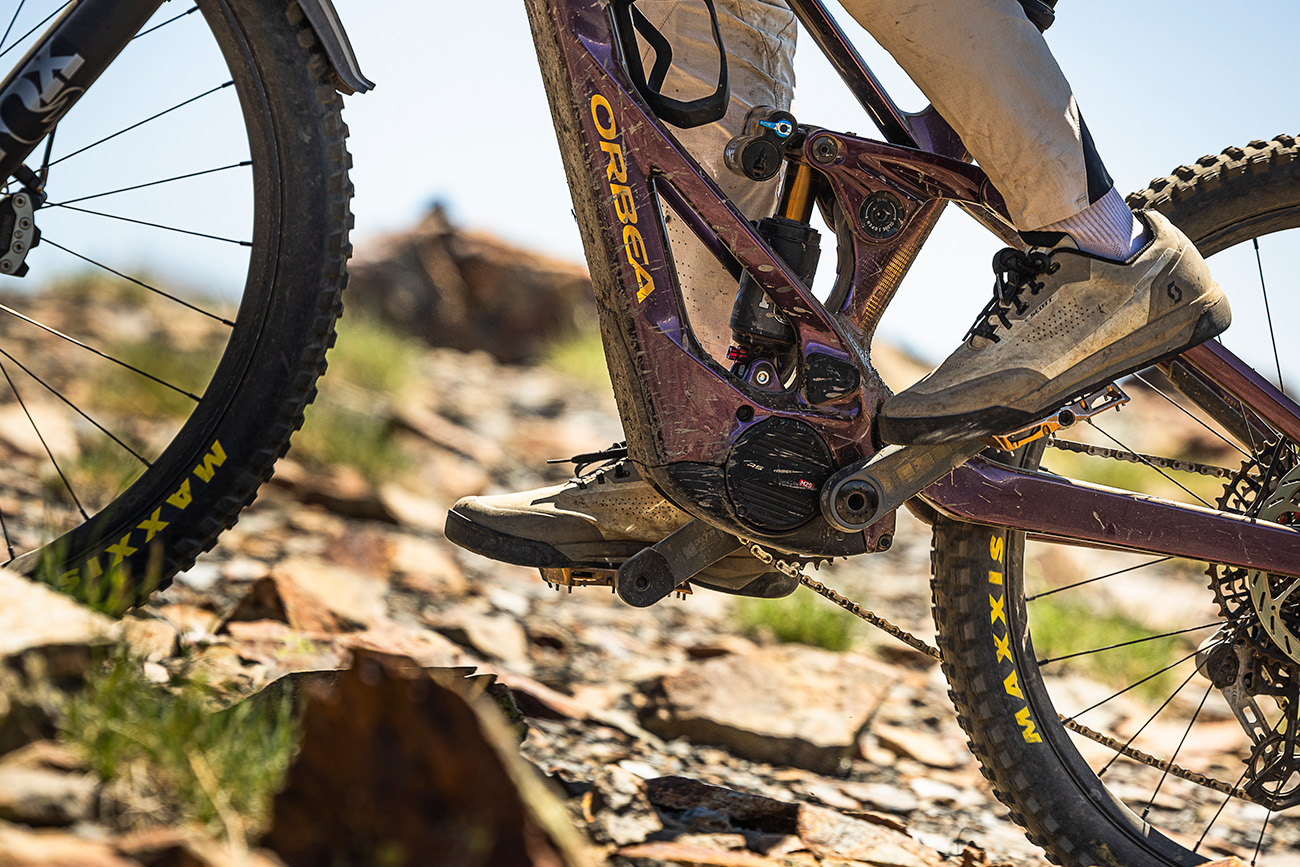
When the original M1 motor arrived, it was initially found only on Amflow's bikes. Now, the list of manufacturers using Avinox reads like a who's who of the mountain bike industry.
Canyon, Orbea, Forbidden, Mondraker, Pivot, Commencal, Whyte, Atherton and plenty of others have joined the party, with Avinox announcing more than 60 industry partners for its second-generation motors.
Some have added Avinox-powered bikes alongside their existing offerings, while others have built entirely new platforms around the system.
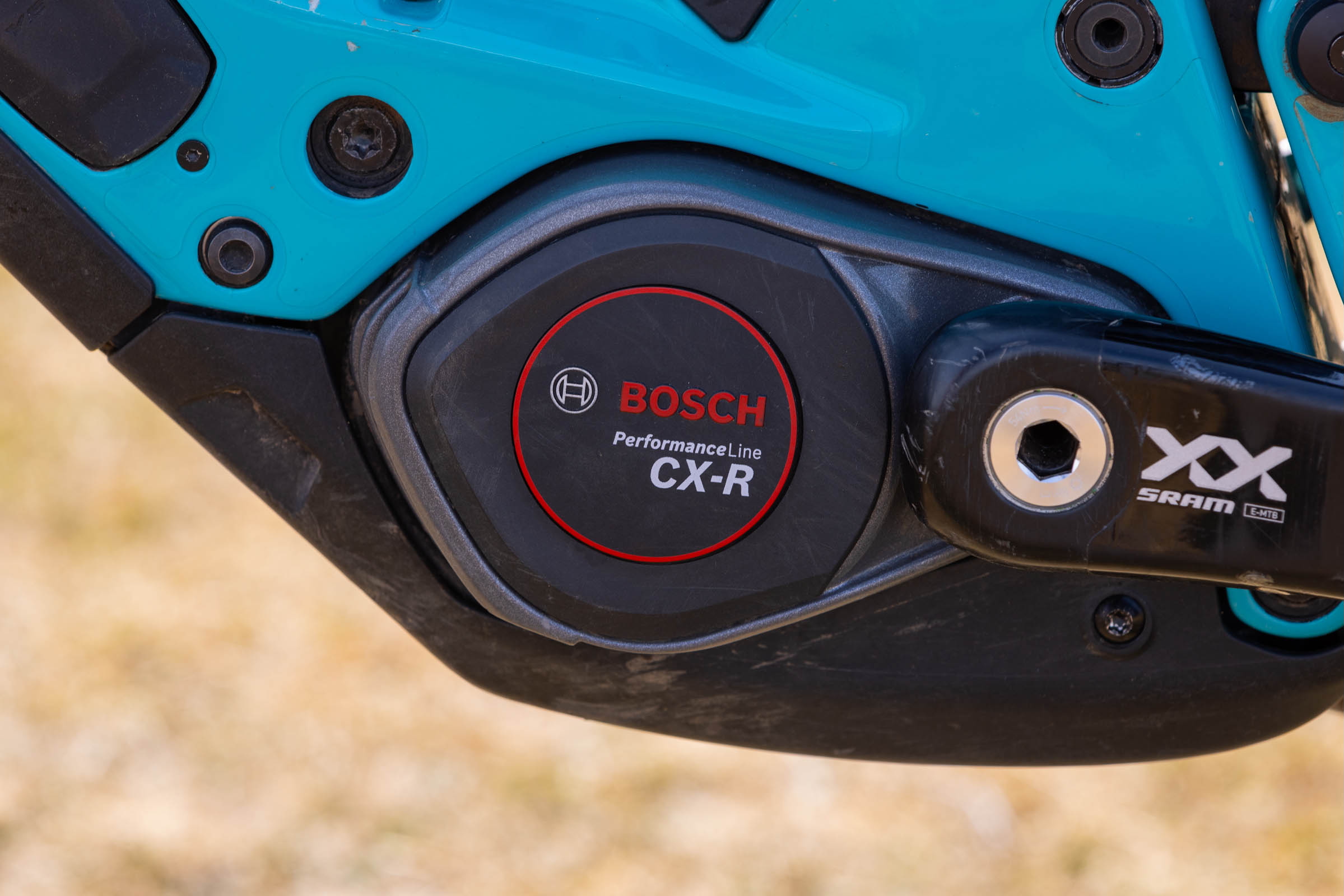
It's a significant shift in the balance of power, with Bosch and Shimano now appearing to be on the back foot.
Rather than manufacturers choosing the ebike motor they believe best suits their bikes, consumers are increasingly influencing those decisions by demanding a particular drive system.
I got an interesting insight into just how much influence Avinox now has when visiting my local bike shop last week.
Speaking to one of the employees, I was told the shop was struggling to shift electric mountain bikes that don't have an Avinox motor.
We're talking about bikes that, in many cases, would have been considered among the best on the market not long ago, but are now seemingly being overlooked because of their motor.
Of course, that's only one bike shop's experience, but I suspect it's a problem others in the industry are having.
And if customers are ruling out otherwise excellent bikes before they've even swung a leg over them, I think we have a problem.
I suspect there are now plenty of riders who won't even consider buying a new electric mountain bike unless it has an Avinox motor.
That's not necessarily unreasonable. When you're spending thousands of pounds, why wouldn't you want the latest and most powerful technology?
But it raises an interesting question: are riders buying an electric mountain bike because it's a great bike, or simply because it has the motor they want?
A motor worth waiting for?
The clearest indication of Avinox's popularity has been the demand for bikes equipped with its motors.
Throughout 2026, we've seen extended delivery times, limited availability and customers placing orders months before they can expect to receive their bikes.
Of course, lengthy delivery times don't necessarily prove extraordinary sales. Supply constraints, production schedules and distribution challenges can all play a part.
Nevertheless, the willingness of some customers to wait months for an Avinox-powered bike, rather than buy an alternative that's already available, speaks volumes about the motor's appeal.
It also demonstrates how influential the drive system has become in purchasing decisions.
Not long ago, riders might have been willing to compromise on a motor to get the frame, geometry or suspension performance they wanted.
Now, I wonder whether the opposite is becoming true.
A great motor doesn't make a great bike
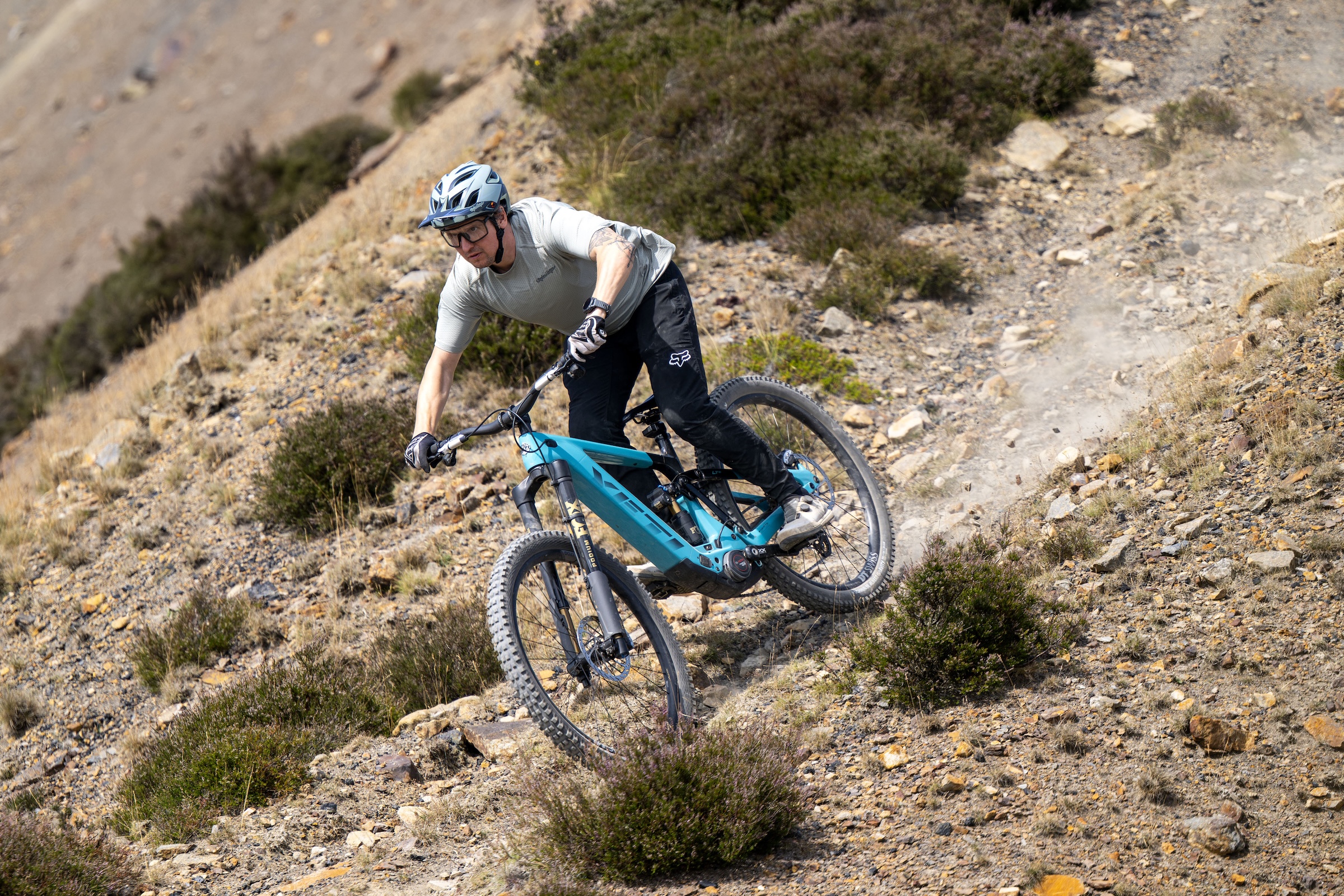
An exceptional motor can't compensate for a poorly performing suspension platform, awkward geometry or uninspiring handling.
It might make the climbs more enjoyable, but it won't suddenly transform a mediocre bike into something brilliant when the trail points downhill.
And I say this as someone who's become a huge fan of Avinox.
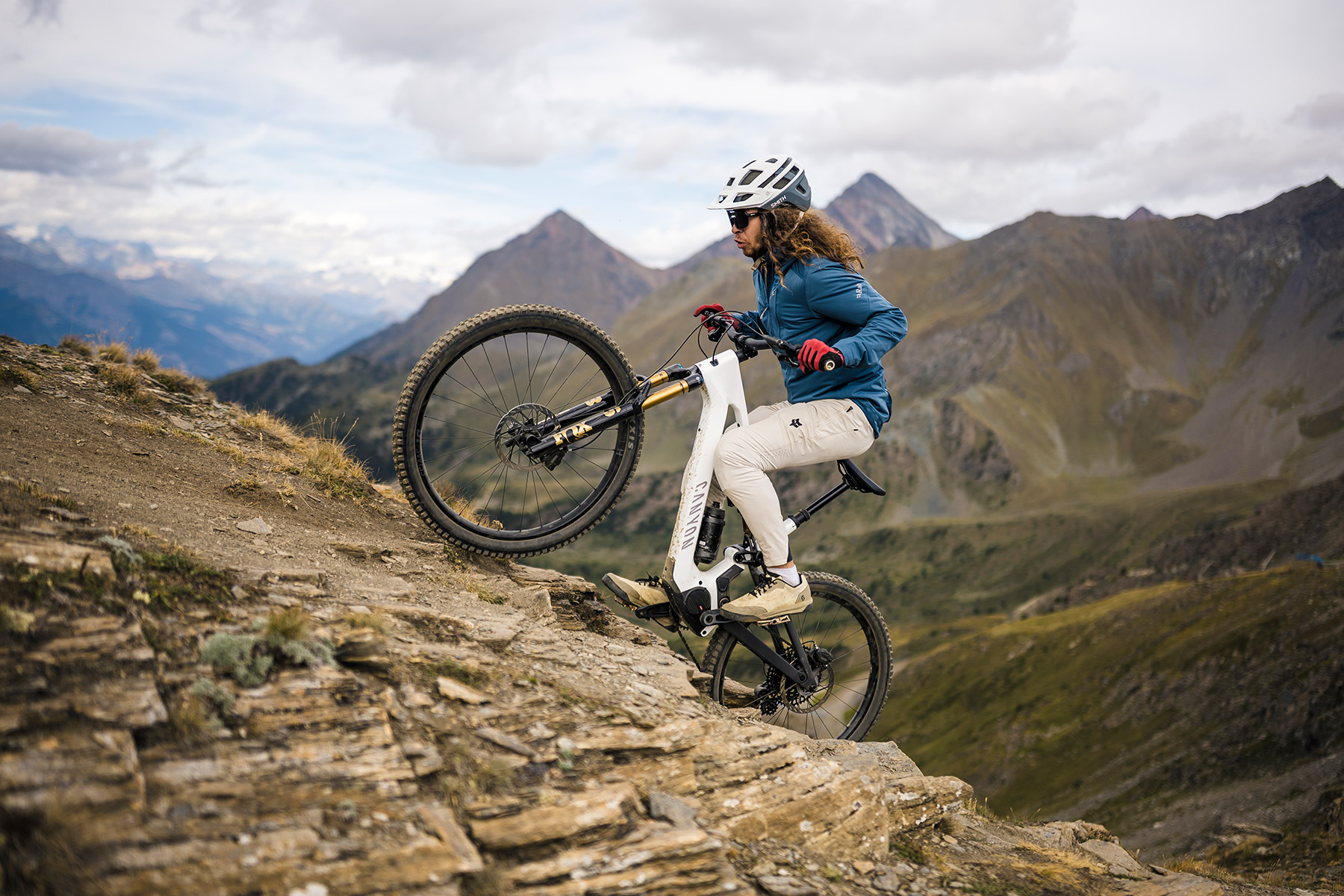
Having recently ridden the new Canyon Spectral:ON CF 9 in Italy's Aosta Valley, I was once again blown away by the performance of the M2S motor.
But, as I discovered, it was the Canyon's playful handling, rather than its enormous power, that really stood out.
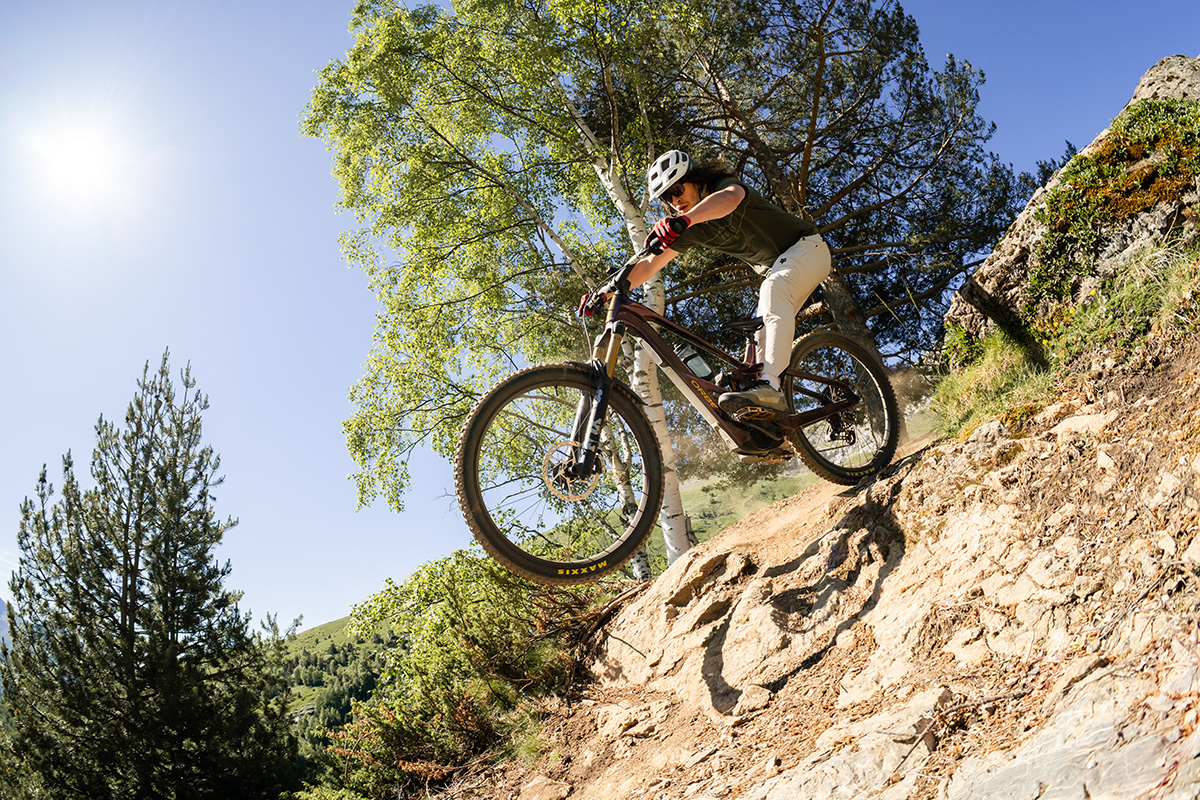
Similarly, when testing the Orbea Wild LT M-LTD RS, I was impressed by its finely tuned Avinox motor, but equally by its suspension and confidence-inspiring handling.
Both bikes demonstrate how good an Avinox-powered eMTB can be when the rest of the package is equally impressive.
In fact, with the enormous power now available from the M2S, I'd argue the characteristics of the bike surrounding the motor are more important than ever.
Putting 1,500W of peak power through a mountain bike is one thing. Making that bike feel composed, predictable and enjoyable across a wide variety of terrain is another entirely.
Two bikes can share the same motor, battery capacity and suspension travel, yet feel completely different to ride.
That's why I find it slightly concerning that the conversation around some new electric mountain bikes seems to begin and end with their motors.
There's far more to a bike than its headline power figure.
Are we overlooking perfectly good bikes?
Bosch, Shimano and other established motor manufacturers haven't suddenly started producing bad products.
Their systems remain more than capable of delivering an enjoyable riding experience, even if they can't always match Avinox's outright power and sensitivity.
Yet I suspect some genuinely excellent electric mountain bikes are being overlooked simply because they don't feature the motor that's grabbing all the headlines.
And judging by what I heard in my local bike shop, that might already be happening.
That's not to say the motor isn't important. Its performance, reliability, battery efficiency and after-sales support are all significant considerations when buying an eMTB.
But we shouldn't confuse having the most powerful motor with having the best bike.
The bike still matters most
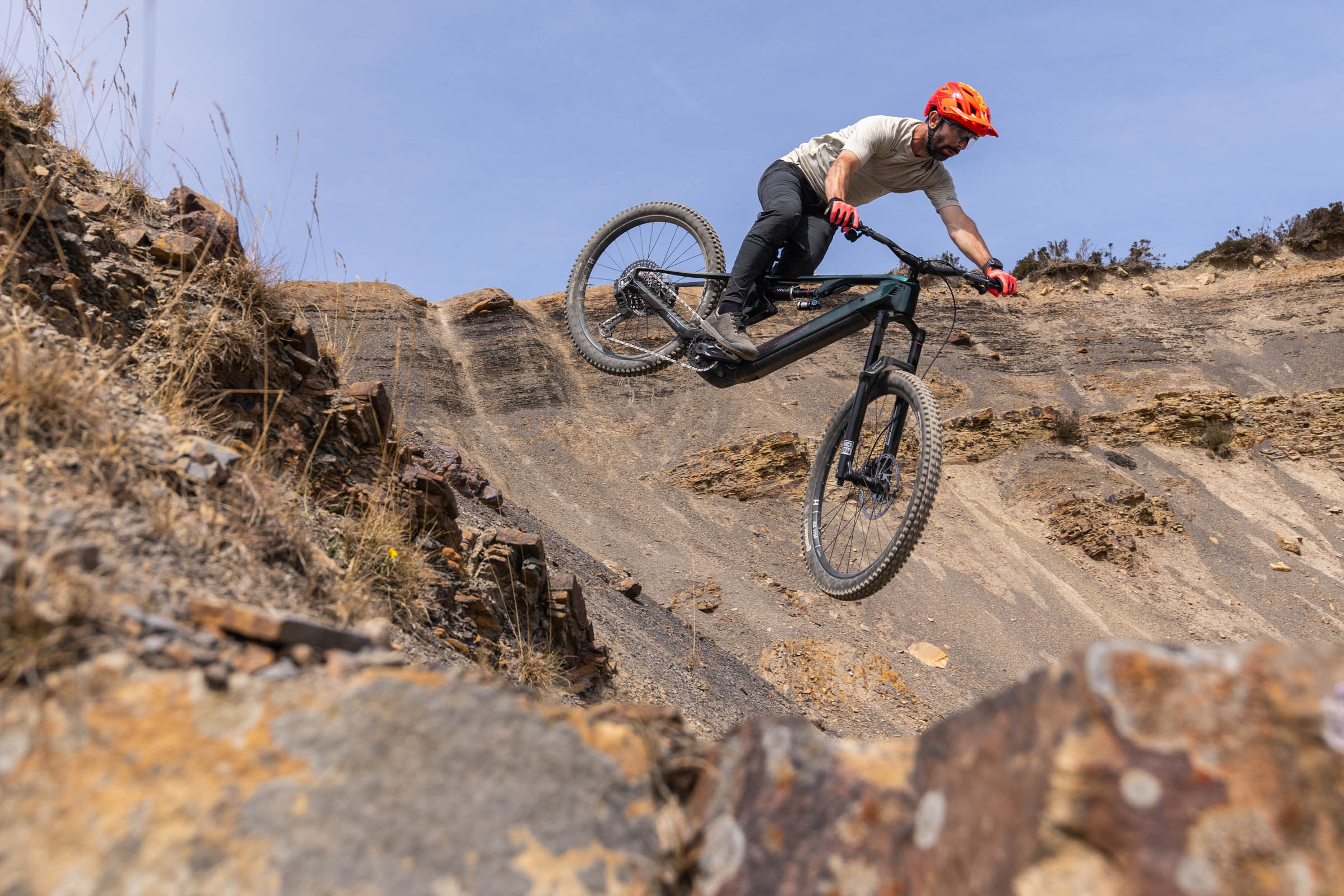
Ultimately, having ridden Avinox-powered bikes on many occasions, I feel the brand deserves much of the adoration it is receiving.
It's pushed the electric mountain bike industry forward at an astonishing pace, forced established manufacturers to respond and given us access to a climbing capability that would have seemed absurd a few years ago.
And with so many manufacturers now using its motors, we're entering an interesting period where the drive system may become less of a differentiating factor.
When dozens of bikes offer essentially the same motor performance, the things that separate the best from the rest will once again come down to the fundamentals.
Geometry, suspension, handling, build quality and, most importantly, how enjoyable the bike is to ride, assume primary importance.
Perhaps that's the irony of Avinox's success. The more widespread its motors get, the more important the bikes they're fitted to should become, much like homologation in motorsport.
So, has the motor become more important than the bike? In the eyes of many buyers, I think it probably has. But that doesn't mean it should be.