SQUIRREL_PLAYLIST_10208837
This autumn, I’ve been testing bike lights sets from almost every major brand, costing under £100 per set.
While every one of these sets will ‘do a job’ and keep you riding legally at night, there are some significant differences to be aware of that create the winners and losers.
Of course, you can read every review we published on BikeRadar to find out which set is best for your needs. However, before you do that, here are five key lessons I learnt during my exhaustive testing that you need to know before parting with your hard-earned cash.
You can also read our guide to the best lights for road cycling and the best lights for mountain biking.
If you just want my crib-sheet notes – the general observations that will help you make the best choice – you’re in the right place.
You’ll find links to all the reviews at the bottom of this article.
Don’t fall for the front-light power trick
It can be very tempting to increase your budget for more lumen power – but my suspicions were confirmed that you might not need as much as you think for comprehensive night-riding duties.
All the light sets I tested cost under £100, but also had to feature at least 500 lumens of power.
For context, we generally recommend a minimum of 600 lumens for riding at night on unlit roads, but much depends on how the lumens are used.
In the latest light designs, there’s a strong argument that 500 is now enough – albeit, some are better than others.
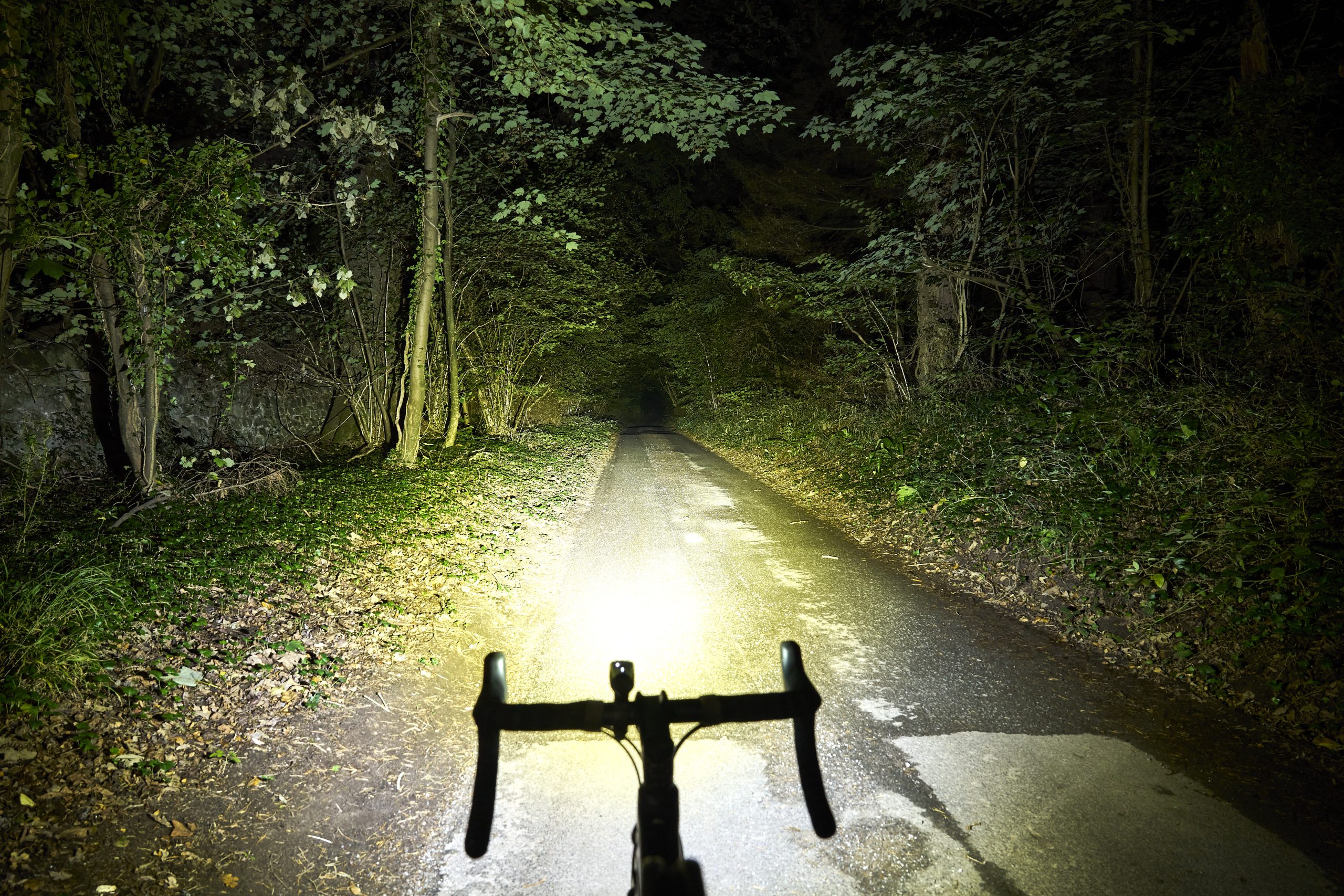
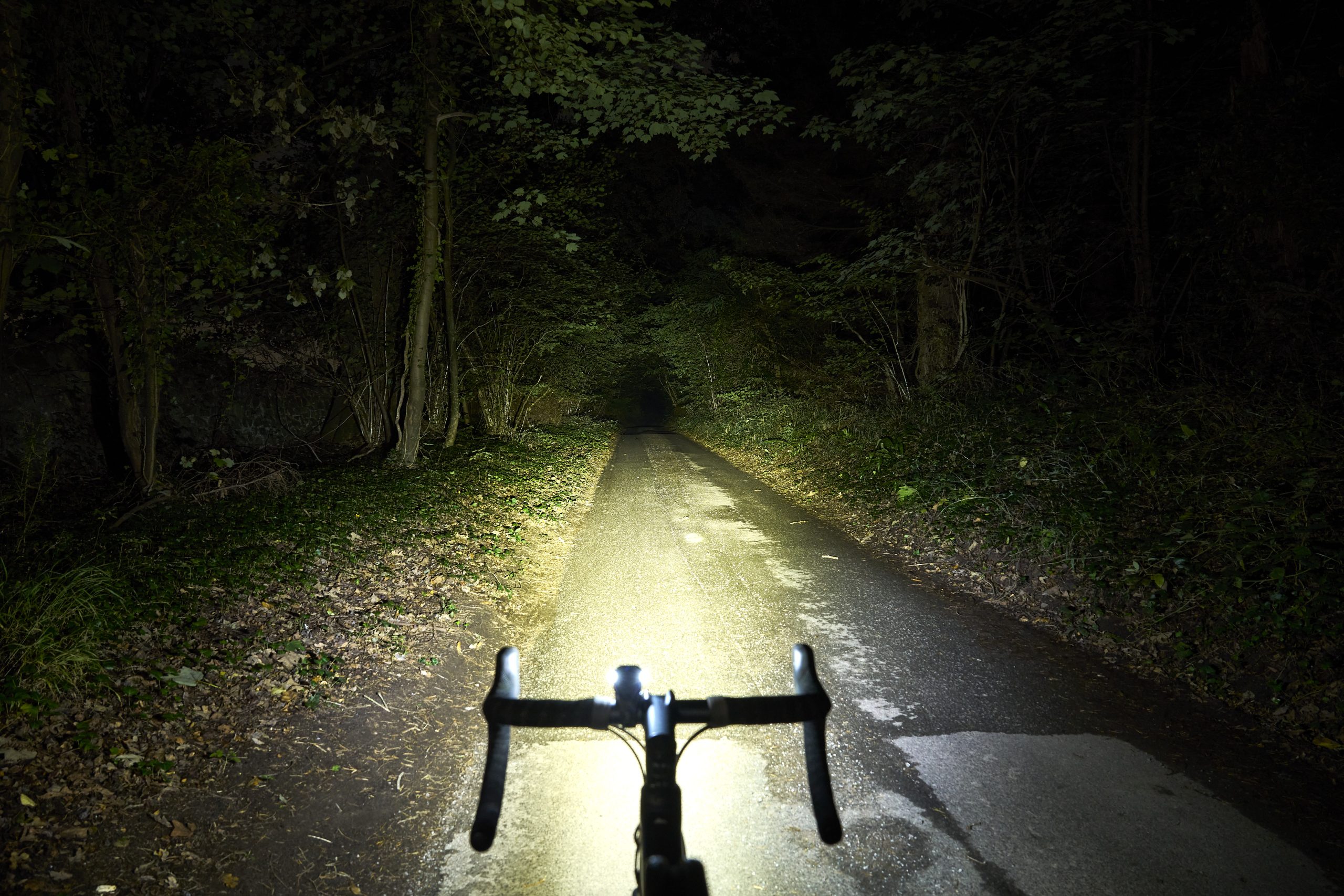
Our test-winning lights set, the Moon Rigel Lite and Helix Lite combo, featured one of the smallest front lights and – on paper – the least powerful output on test at 500 lumens. Yet, it had one of the best beam patterns for road cycling, and was adequate for my 25km/h riding tests given it threw the light down the road far enough.
The downside is the light isn’t being fanned out as widely as rivals such as the Ravemen FR500. That’s an equally powerful front light on paper, but given the light is being distributed differently, the throw isn’t as far, meaning riding at pace at night is trickier.
On sheer power, you might think the Sigma Buster 800, Magicshine Allty 800 or BBB NanoStrike 700i would be brighter. Technically, you’d be correct, and this can lead to a bit more spread without compromising forward throw.
However, the differences between them aren’t so great that it’s noticeable on the road, which is the pertinent point when you consider all other factors in the Moon package.
Easy removal? Yes please
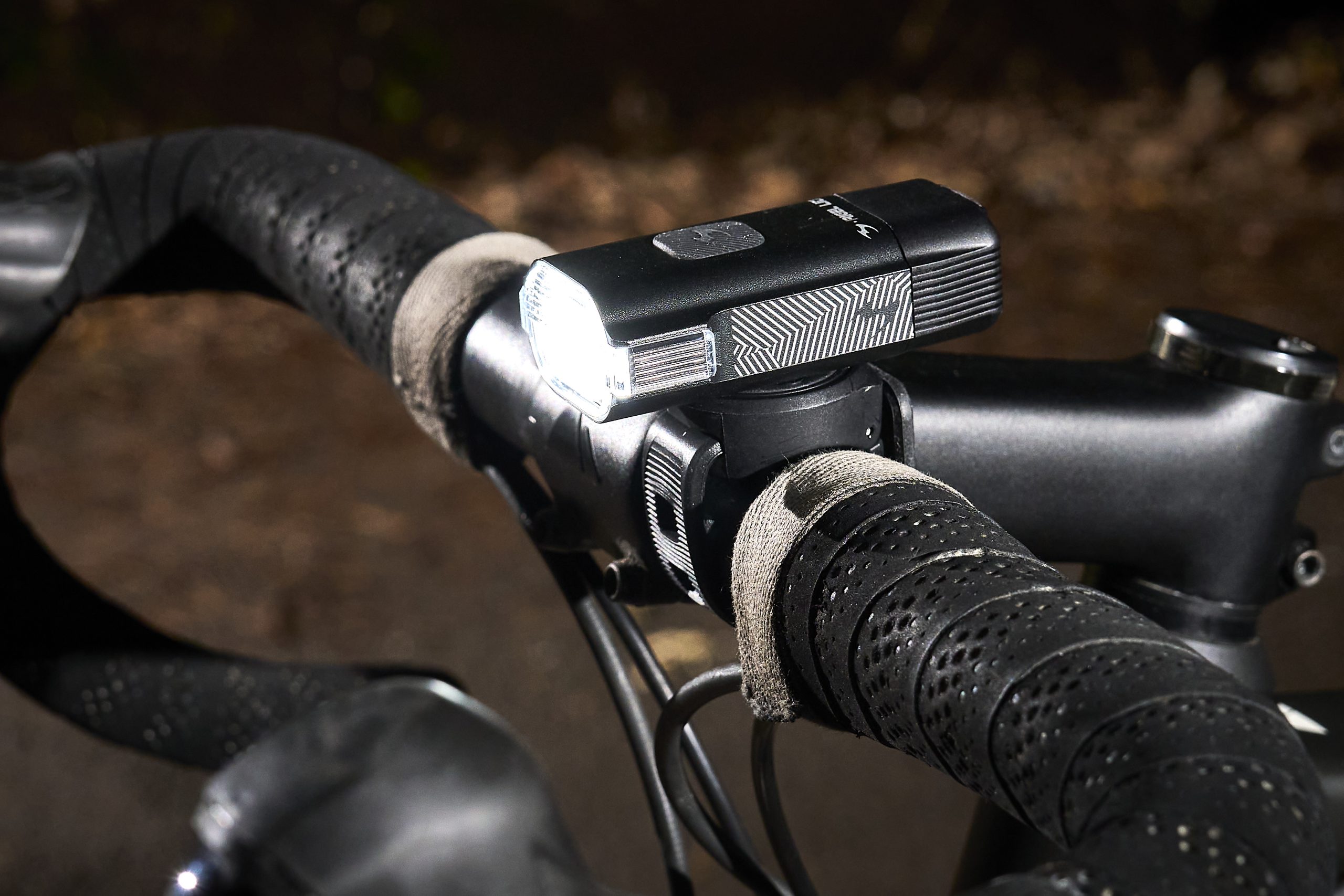
The practicalities of owning a smaller light set are that you will need to charge it more often than a larger light. It’s simple maths – smaller bodies have smaller-capacity batteries, and so won’t last as long at the same output.
This is perhaps the main reason to up your budget and power output – you can run those lights at lower settings, mirroring the brightest settings of smaller lights, but get much more burn time.
However, smaller lights are, by definition, easier to remove and take with you.
Often, they don’t need bulky or slide-and-click interfaces with their brackets, which are often trickier to install and use, with simple quarter-turn mounts enough to hold their relatively low weight in place.
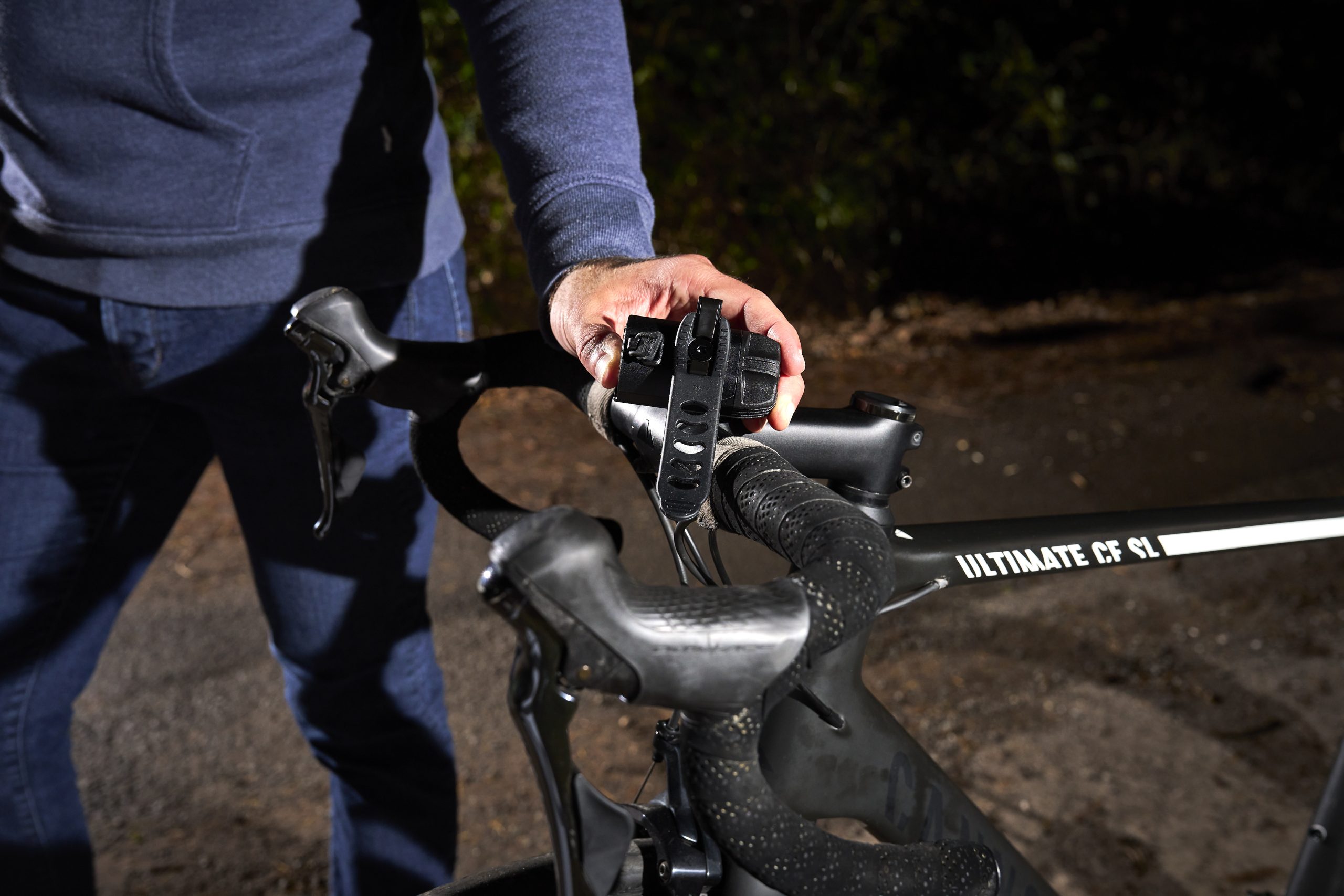
This changes, of course, if you know you’ll be riding off road – the greater shaking and impact forces require an even stronger hold, while these lights need to be more powerful because peripheral spread becomes far more important. This, naturally, increases bulk.
But for the vast majority of road riders – traditional roadies and commuters alike – being able to whip a light on and off for charging easily is a great advantage.
I also approve of Moon and Magicshine’s approaches to this for fans of ‘neat’ under-computer-mount integration. Both supply GoPro adaptors for out-front mounts, and both simply use a quarter-turn interface – so you don’t have to buy a special long cable to charge it in situ to save the pain of unscrewing the light from the GoPro adaptor.
Simple is most effective here.
Don’t expect charge cables – but it’s still nice when you get them
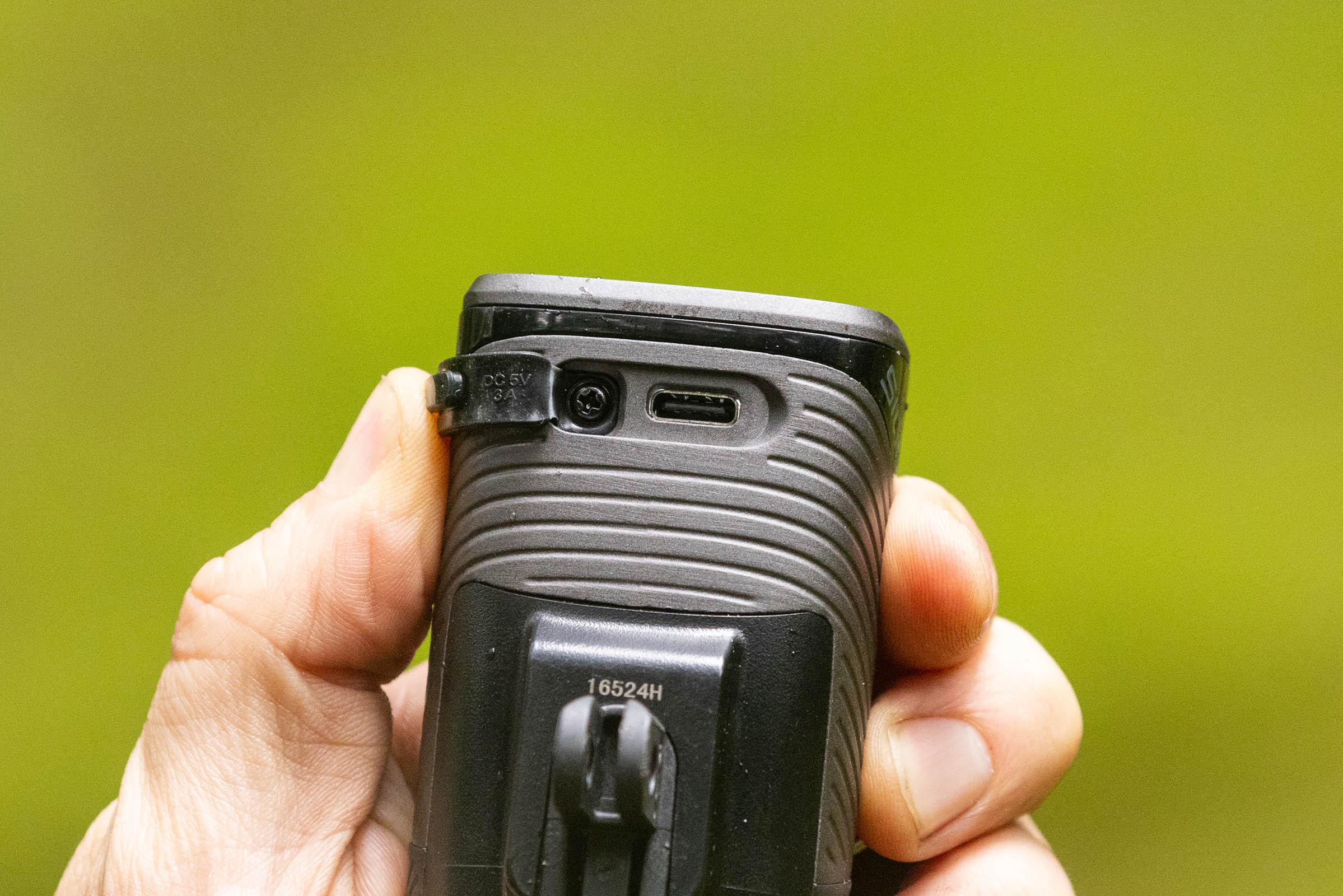
It has been a bugbear of mine for years that brands have stopped supplying charge cables with their lights.
Of course, I can appreciate the desire to reduce plastic waste and many of us already have suitable cables. In the past, that generally meant micro-USB to USB-A cables being supplied, but lights are now mostly charged via USB-C. In fact, only two of the lights I tested deviate from the latest standard.
Of the 10 sets I’ve been hands-on with this autumn, including the recently updated Exposure Trace & TraceR 4 ReAKT, six were supplied with charge cables.
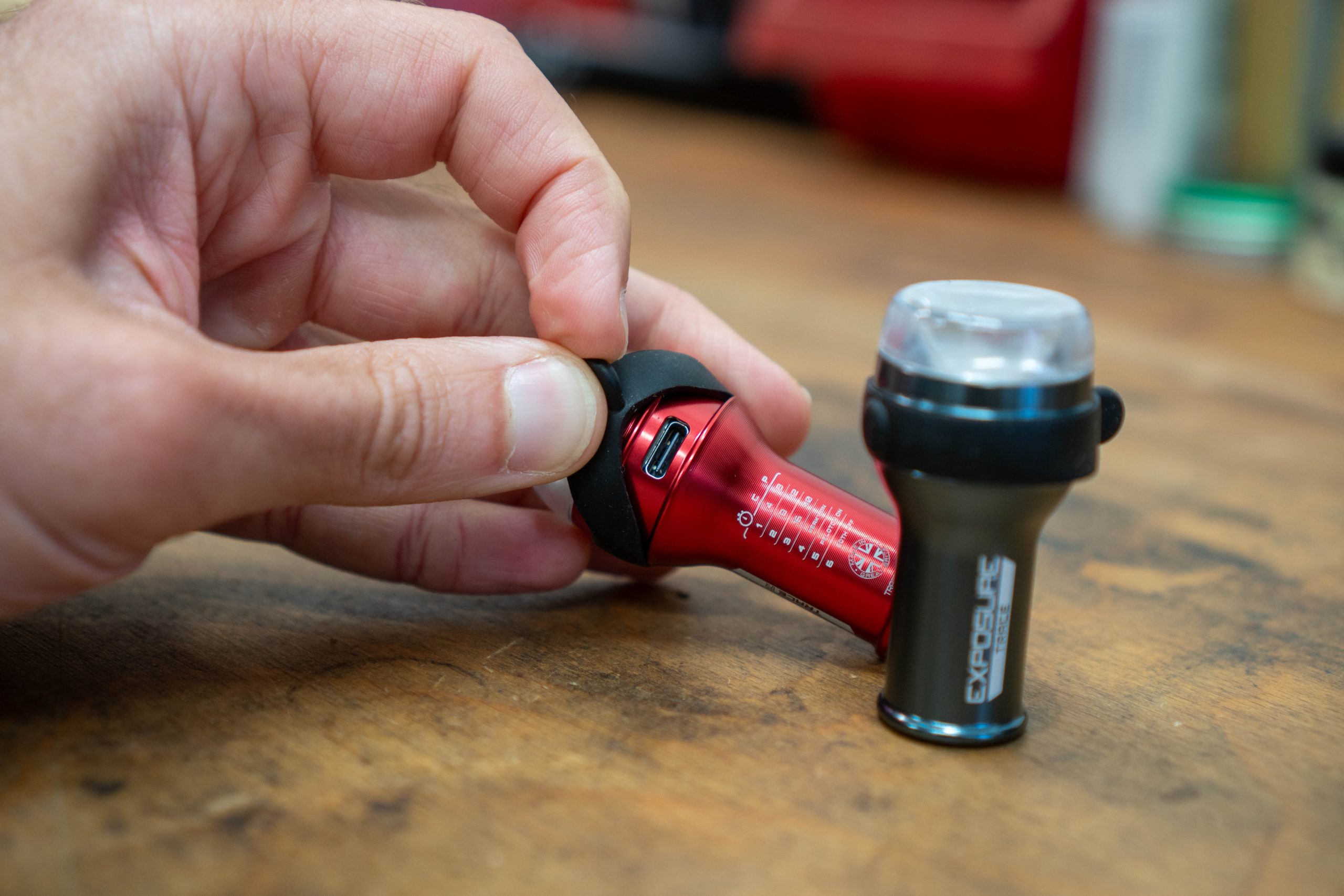
With my own money, I’d gravitate to these – fundamentally, charge cables are useful and inexpensive to produce. In the case of Moon’s easily spottable, yellow-ended cables and Ravemen’s rare dog-legged example, clear thought has gone into their day-to-day usability.
You may not need them, but it feels paltry to me for brands to omit them, even if the reasons given are laudable.
Mounting options are great
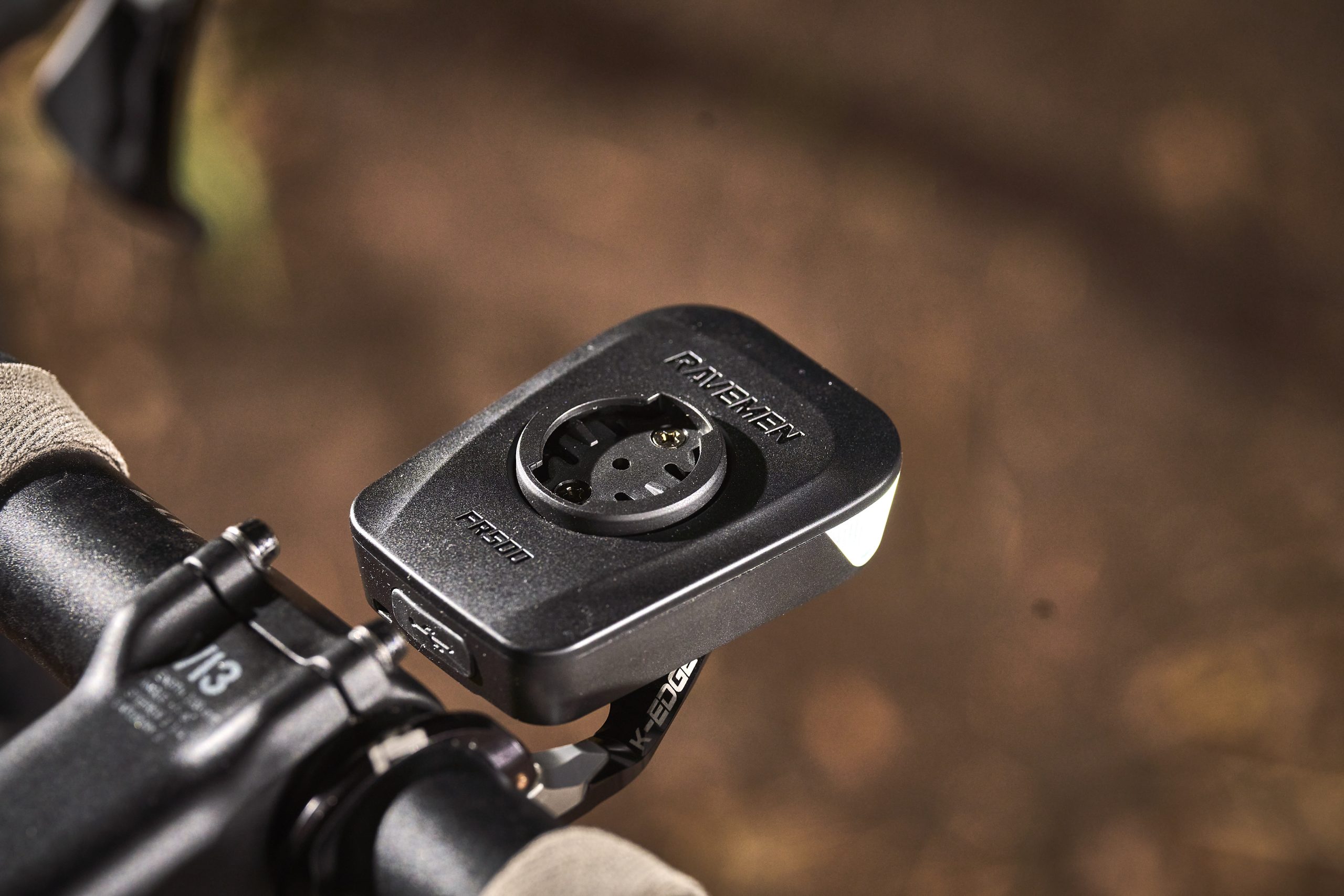
It’s likely that once you’ve decided where your lights are going to be fitted, that’ll be that. At the very least, you may be happy with a simple handlebar mount and strap-mounted rear light.
But, and with credit due, some brands have recognised many people want a setup beyond the norm. For front lights, this amounts to a decision between a handlebar mount and under-computer mount (special note also for Ravemen’s sandwich-style approach), with adaptors supplied.
For rear lights, the options are even wider – you can have a light with a seatpost bracket (you may get a single bracket with differing lengths of strap to help fit aero seatposts), a saddle rail bracket, a backpack clip, and even a seatstay mount – albeit none of our lights came with the latter.
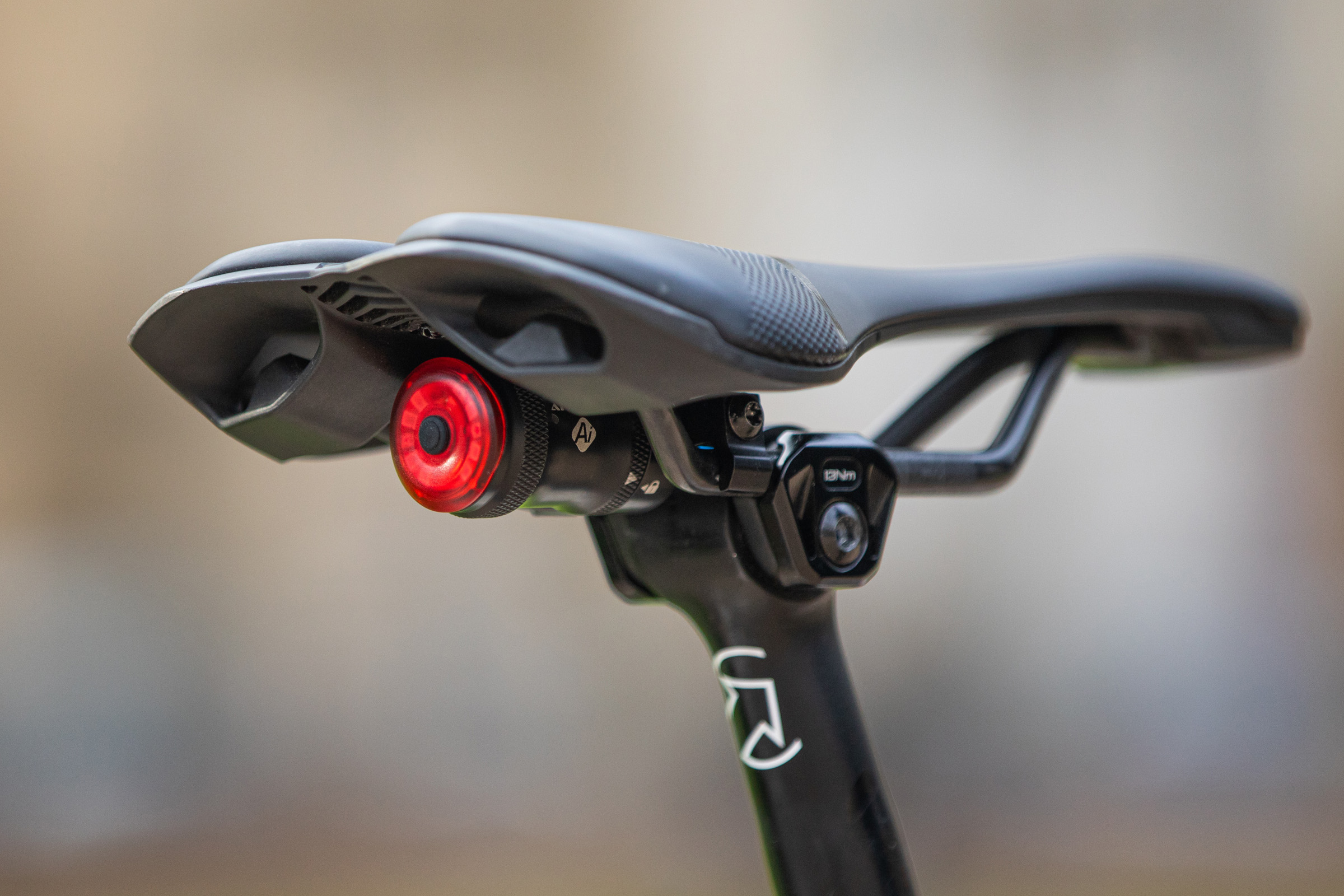
Moon sets the standard here, supplying a raft of mounts for both its lights (even the front light’s lens is reversible should you want to fit it under a computer mount).
However, pay attention – curiously Ravemen doesn’t supply an out-front computer mount for the FR500 front light, which is an oversight given that’s what the device would ideally attach to.
You may have one of course, but not everyone will.
Rear lights shouldn’t be an afterthought
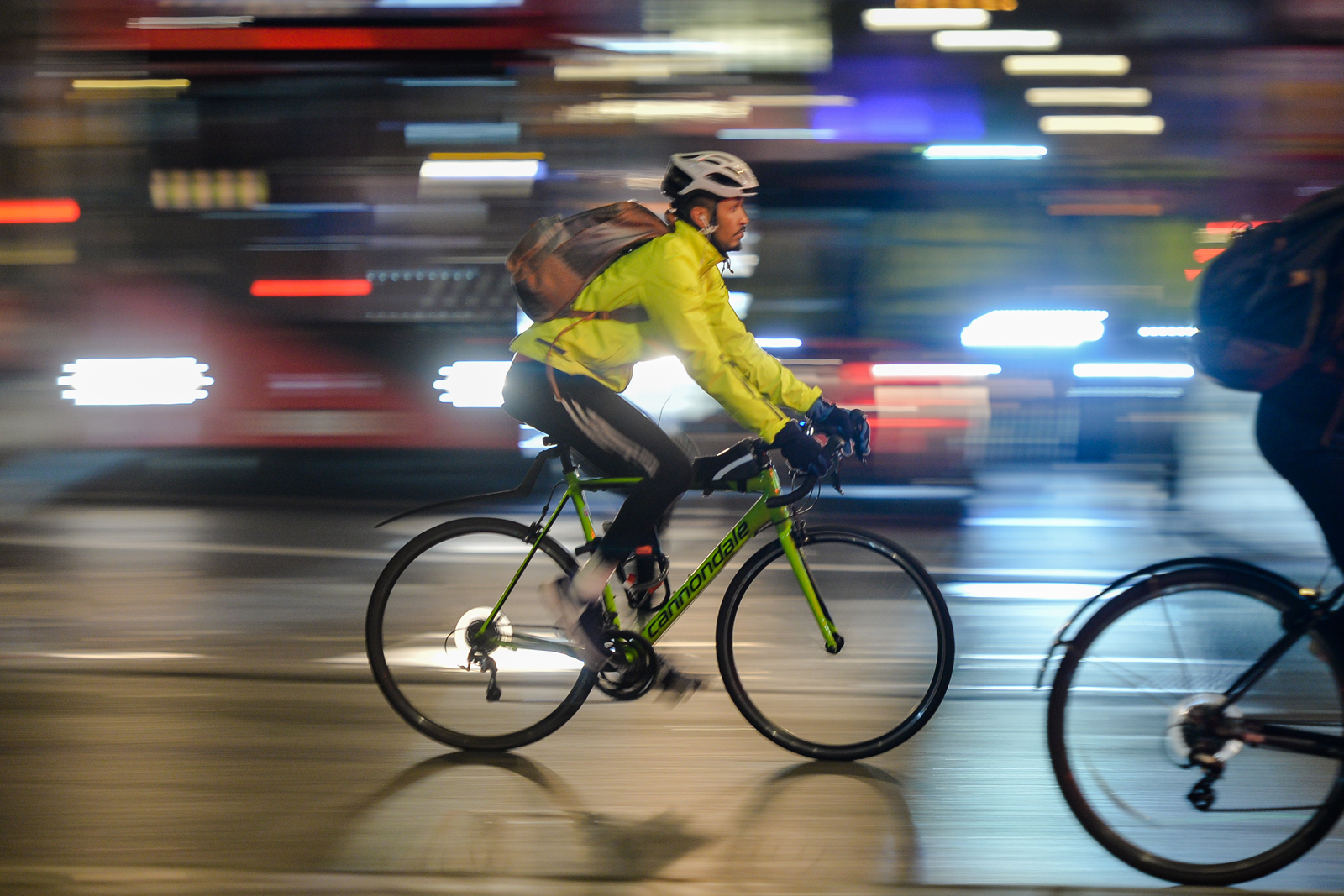
In any lights set, it can be tempting to focus on the power of the front light – after all, that’s what you use to see by and it’s especially important if you’ll be riding without the benefit of street lights.
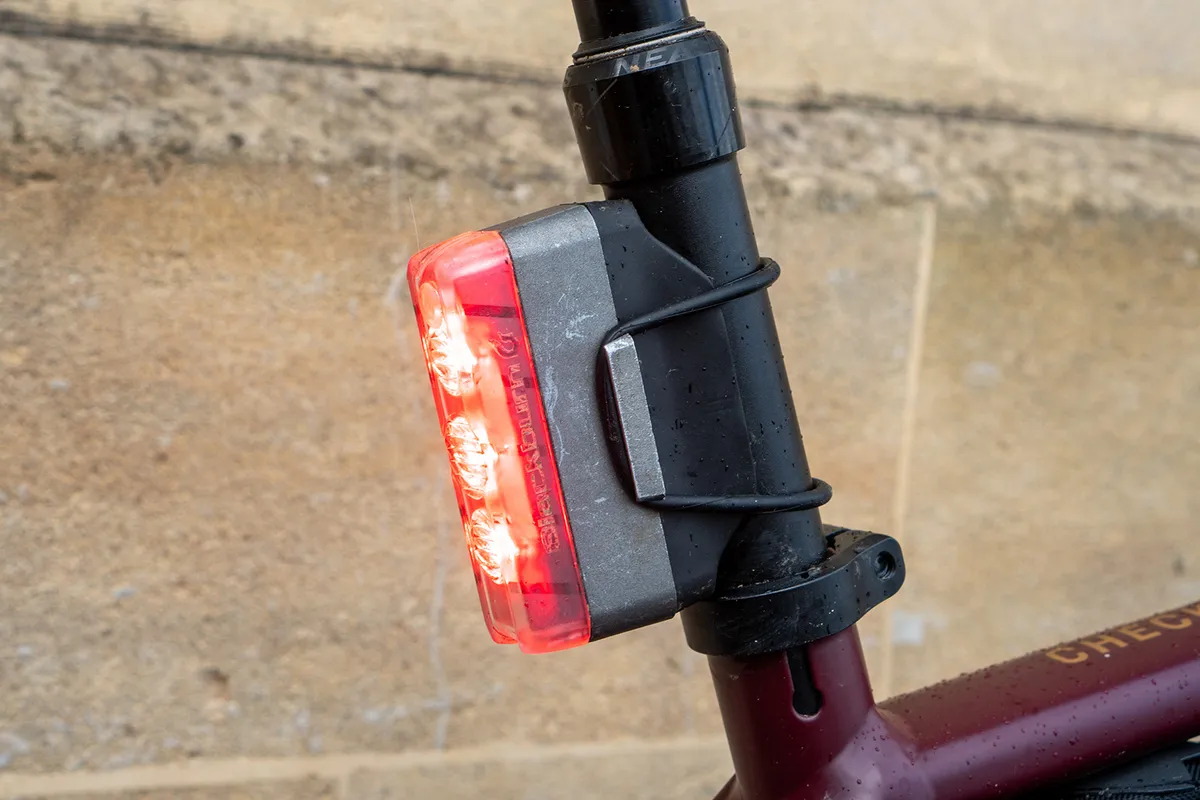
Nevertheless, I maintain that an effective rear light is an even more important inclusion.
The reason for this is simple: I can see what’s ahead and adapt my riding accordingly. If there’s mist, a sudden increase in traffic or it's darker than I expected, I can react.
However, I can’t see what’s going on behind me (short of relying on a not-infallible rearview radar), and so my awareness and capacity to react is limited.
A good-quality rear light that gives me confidence to ride as I need to is incredibly valuable, knowing that if everyone is paying attention as they should be, I should be safe.
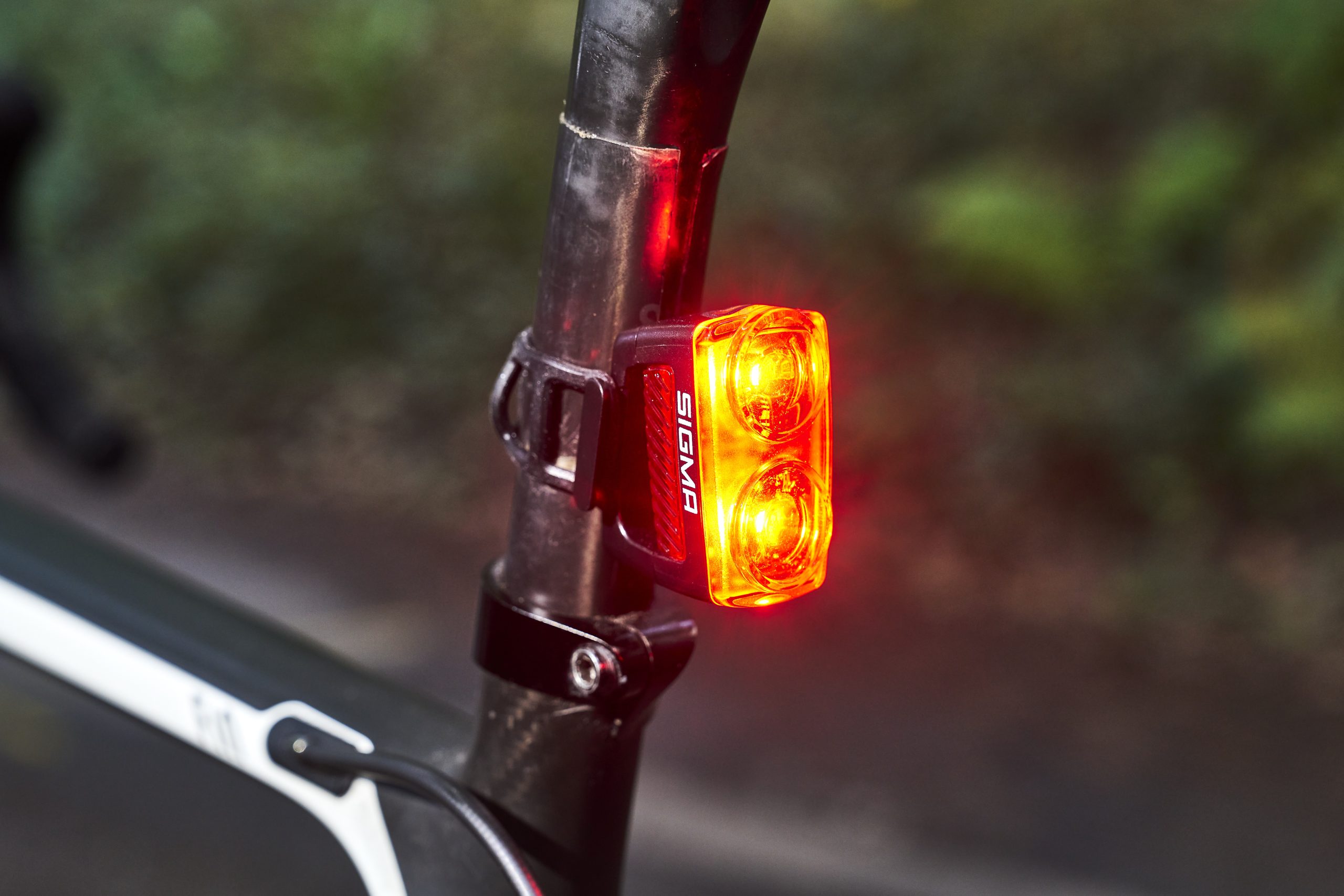
That, sadly, is never a guarantee, and is the fundamental risk we cyclists take riding in any conditions, let alone at night or in the rain.
As a result, while less powerful rear lights can be perfectly adequate in most scenarios, I recommend a minimum of 100 lumens in at least one mode to ensure the light has enough ‘punch’.
Ambient light sensors (seen on the Giant Recon rear light) and reactive rear brake functions (as on the Sigma Buster RL 150) can be nice to have – in fact, even without these features, both of those rear lights are powerful enough.
How we tested bike lights sets
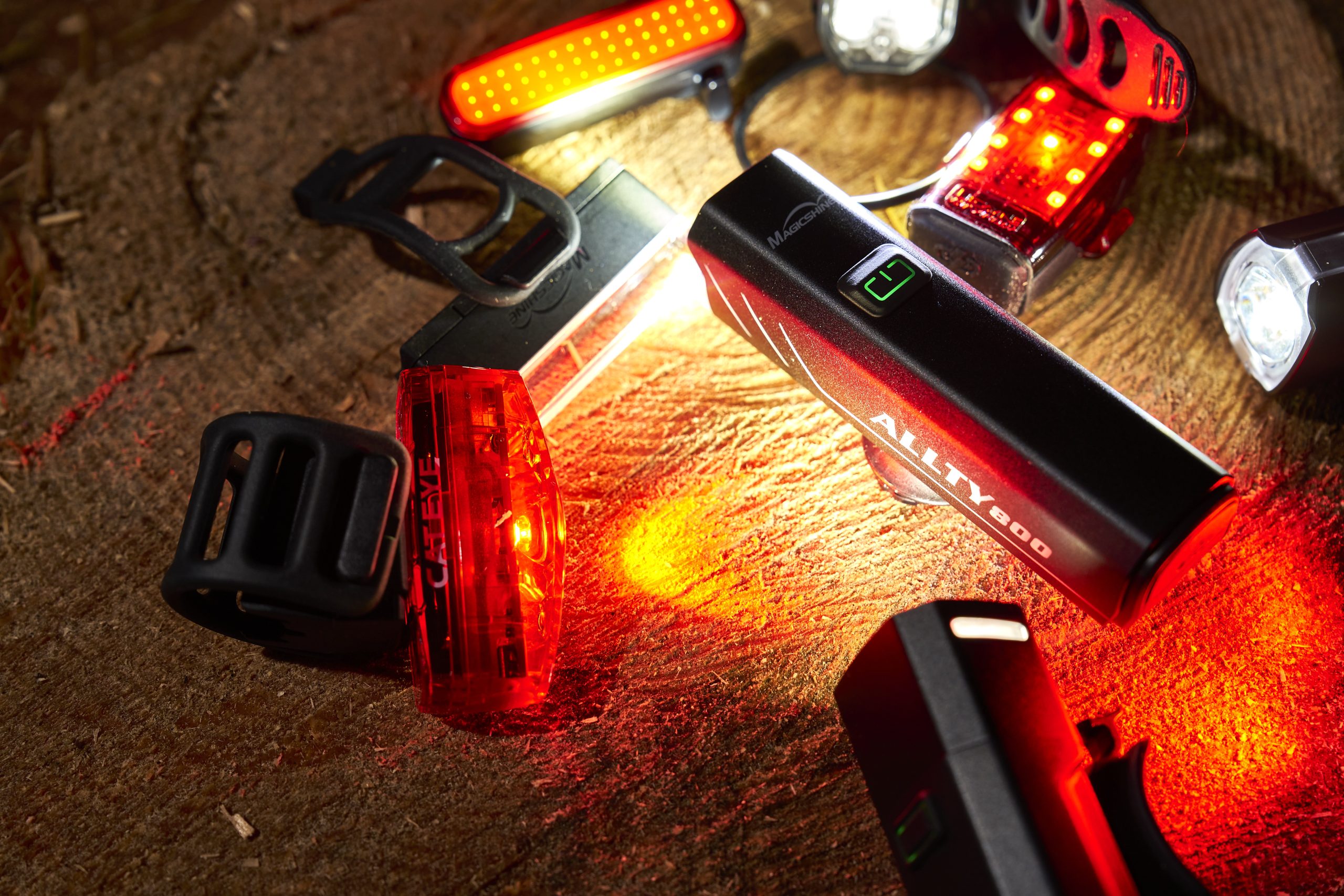
I tested these bike light sets using two local test loops over the course of nearly two months – one largely street-lit, criss-crossing through a local urban area, and another almost exclusively un-lit on country back lanes. Both were ridden at night (meaning some late starts and early mornings), while I also used each light set for local rides during the day.
I also ran a battery burn-down test – discharging the lights from empty on their most powerful setting. This gives a good indication of the minimum battery life you can expect and flags when power-save modes kick in.
In my experience of testing over 100 lights, there’s usually a small discrepancy in burn times from one unit of the same light to the next, so my figures are intended as indications, rather than guarantees.
All front lights featured at least a 500-lumen maximum output and each set costs under £100.
Light sets tested
SQUIRREL_PLAYLIST_10208837