There was a time when I thought I might not swing a leg over a cross-country bike again. That was down to how twitchy and nervous they felt with geometry that mirrored that of a road bike, tyres that rolled fast but didn’t do much else and, more often than not, had no rear suspension.
Then came the change. The XC race tracks being used at World Cup level got more technical and the bikes got better in a bid to handle them. Full-suspension bikes became the norm, as did dropper seatposts and wider, grippier tyres. And things just progressed from there.
The latest swathe of XC bikes are, quite simply, incredible. They handle more like trail bikes, but feel as fast and efficient as their conservative predecessors.
Having just wrapped up a head-to-head test where I pitted the latest Specialized S-Works Epic 9 against the Orbea Oiz M-LTD, it got me looking back at the change we’ve seen in XC bikes over the last decade and how far things have come on the trail.
The great gravel divide
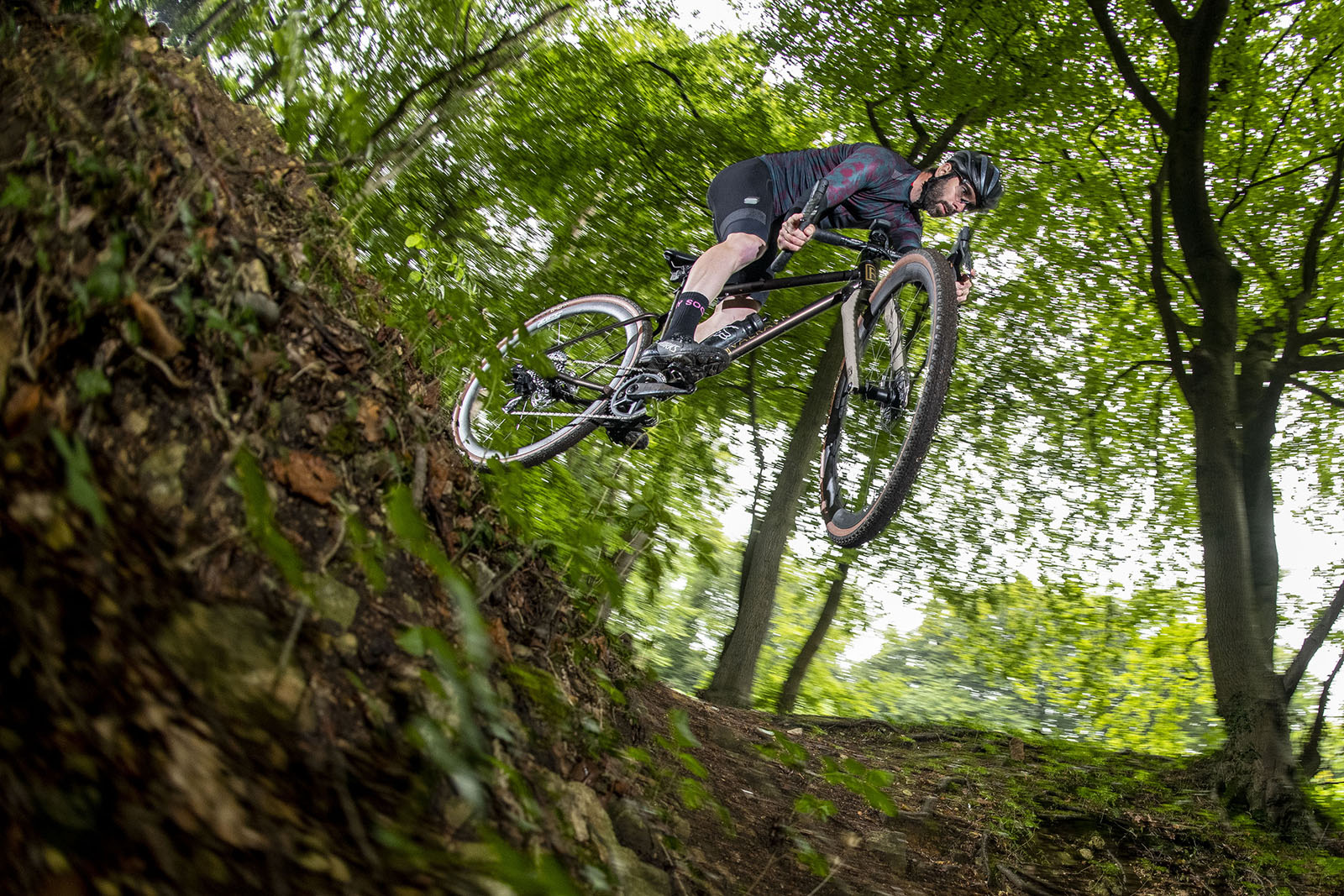
The new generation of XC bikes broaden the divide between what will and won’t work for gravel riding.
This may sound like a strange point, but I’ve had many people ask me about using a cross-country bike for double duty, covering gravel miles as well as hacking about a trail centre. This latest crop of bikes proves the overlap there once was has shrunk, with XC bikes becoming more specialist.
While it’s true that lightweight hardtails with a suspension fork, or even a sub-100mm travel full-suspension mountain bike, might still cut it in the gravel world, these new bikes have shifted further away from the XC bikes of old and sit far closer to modern trail bikes.
You won’t see bikes such as the Canyon Exceed or Merida’s Big.Nine lining up on a World Cup start line. While they’ll work for gravel riding, they won’t handle the rigours of XC racing now.
The Specialized S-Works Epic 9 proves this incredibly well, thanks to how capable it is. It’s still efficient when it comes to climbing, but would you want to take it on a 100km gravel ride? Probably not. It’s just not as light, stiff or efficient when you get it onto tarmac traverses, and offers loads of extra features that’d be a waste of time on gravel.
Of course, arguably the best bike for gravel riding is a gravel bike, but for those wanting something that’ll do a bit more, don’t be fooled by the ‘XC’ intentions of the latest bikes, because the meaning has changed in recent years.
Fast everywhere
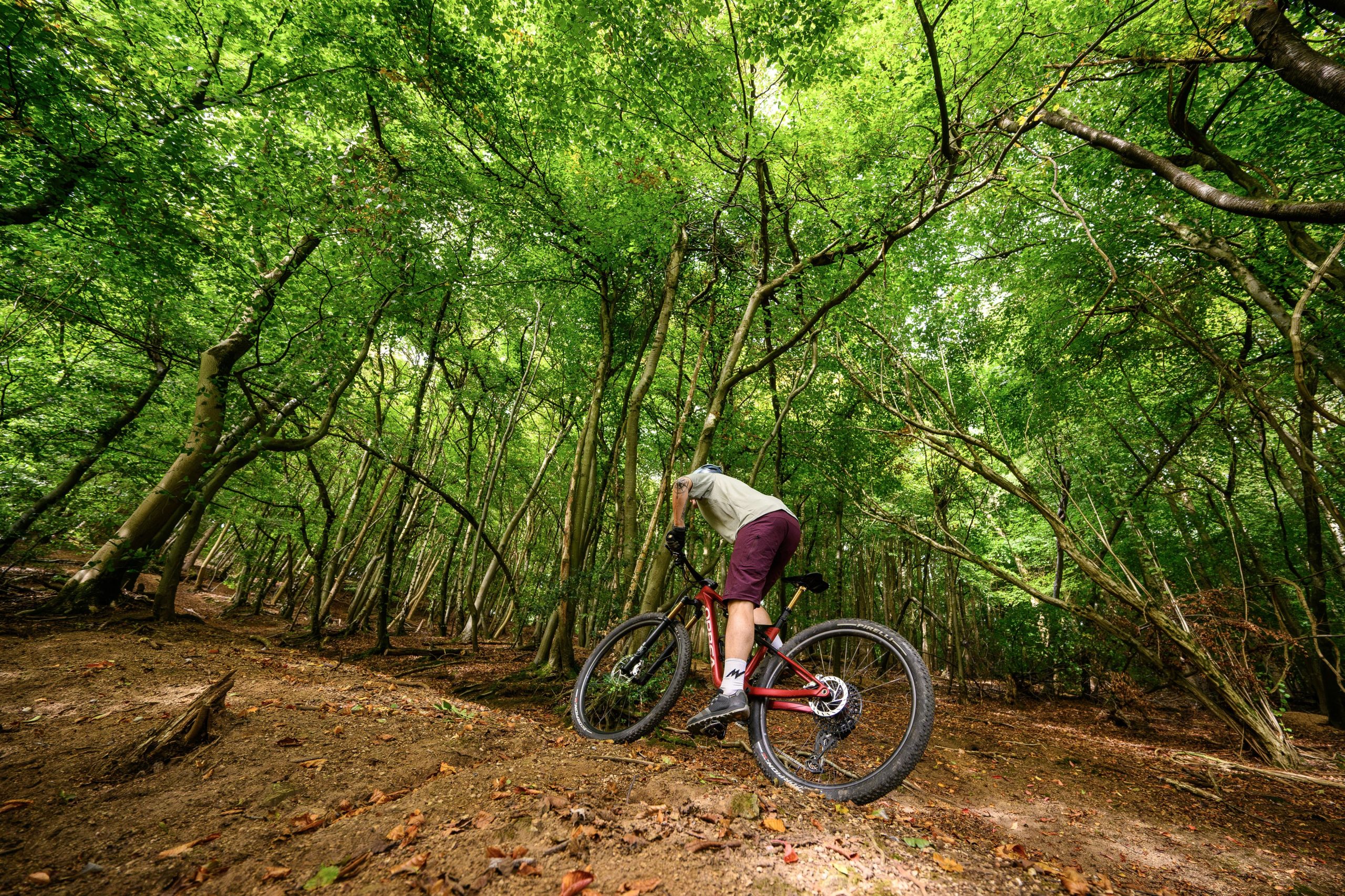
Cross-country bikes have always felt fast, especially uphill. But piloting them back down often required a lot of skill and nerves of steel, providing you wanted to descend quickly, that is. That’s all changed.
Although full-suspension bikes became the norm a good few years ago in World Cup XC racing, the earliest bikes were still terrifying to ride downhill.
Stems were long, bars were narrow and their head angles were so steep, contacting even a fist-sized rock with your front wheel felt as though it could flip you over the bar.
Sure, point them uphill and they were lithe, sprightly rocket ships, eager to crest the ugliest of climbs without wasting watts. But as soon as gravity took over, everything from the geometry to the tyres felt as if it was out to get you.
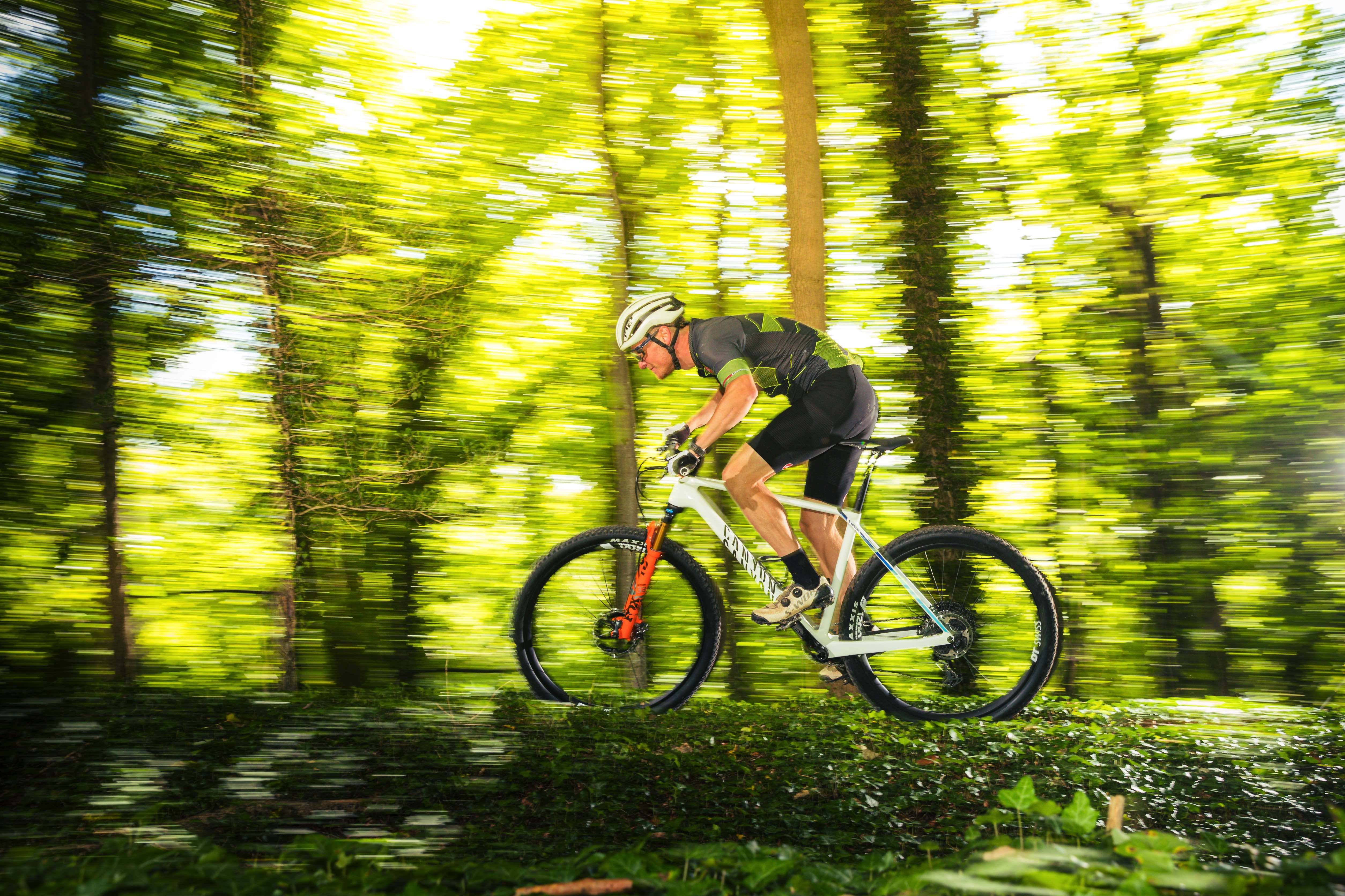
The Epic 9 and Oiz are proof we’re not at a point where we can have our cake and eat it. These bikes are brutally fast uphill (providing the rider has the legs for it), but don’t feel precarious when coming back down.
With head angles and reach figures similar to those on trail bikes a few years back, there’s more stability on offer, and far calmer handling. There’s also more suspension travel on tap (up to 120mm), stiffer forks, too, and much better, wider tyres. This all adds up to comfort, confidence and speed on the descends.
What’s more, though, is that all these gravity-focused changes don’t seem to impact uphill capability massively.
They may be packing some extra grams over their lightweight predecessors, but I’d wager that any time lost on the climb would be more than made up just about everywhere else on the trail.
And, of course, we can’t ignore the shift in tech. Systems such as RockShox Flight Attendant, which automatically control the suspension’s compression settings, help ensure you’re always in the right setting at the right time.
So, even if you have a pillowy soft bike to descend on, put power through the pedals and this system will ensure the bike is as efficient as it can be, firming up the suspension and maximising your output. Clever stuff.
The death of downcountry?
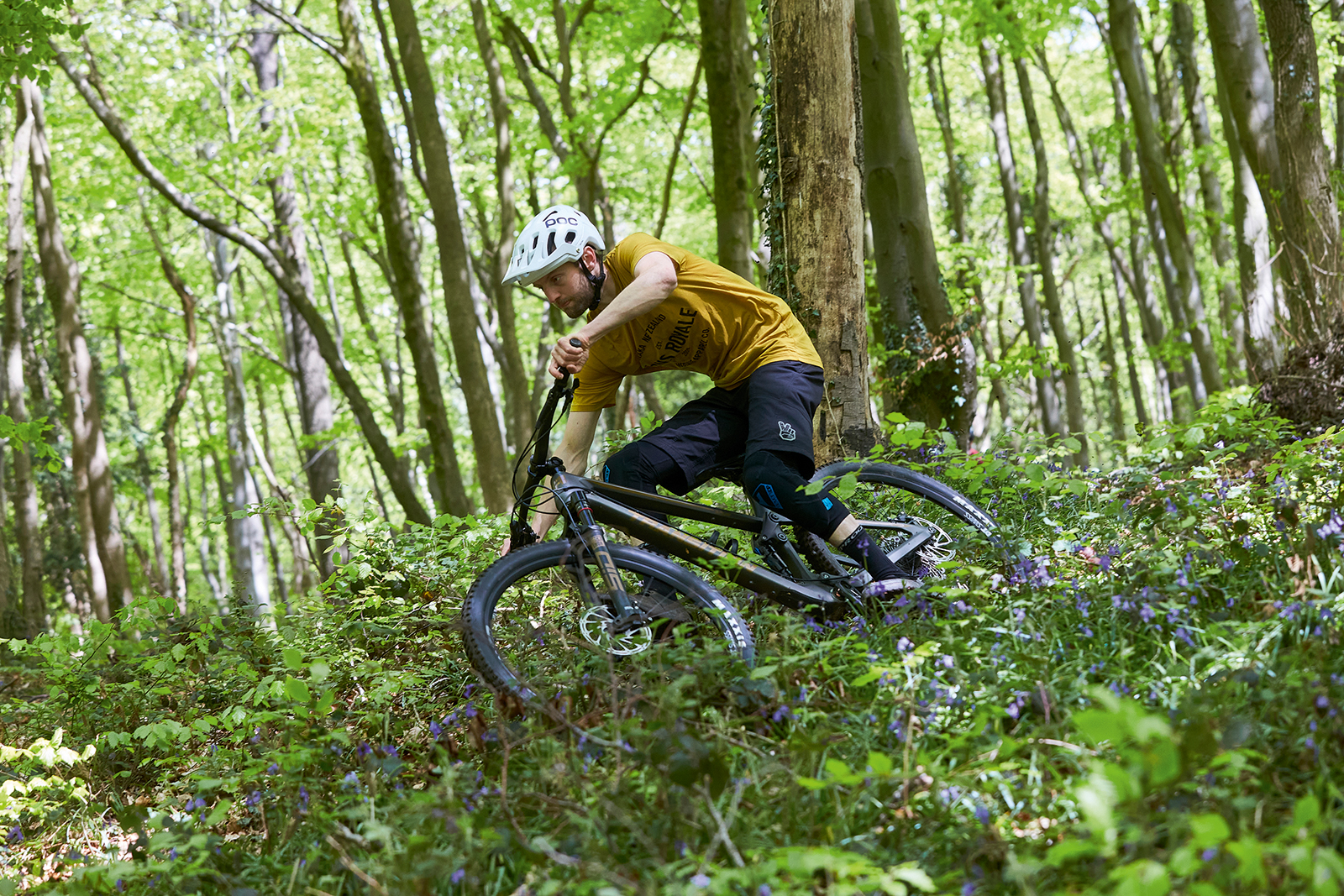
When bike designers got tired of lapping twitchy XC race bikes, they often tweaked them, boosting fork travel and brake rotor size, and chucking on stickier tyres, all in a bid to make the bikes more fun to ride.
These jacked-up XC rigs soon became noticed and gathered demand. Before we knew it, 'downcountry' (where downhill meets cross-country – thanks Mike Levy, former Pinkbike editor) was born. Slowly, the category expanded, delivering bikes designed in their own right, rather than adapted, such as the Transition Spur.
Now, though, with XC bikes being so good, is there any need for downcountry bikes? My recent test of the Santa Cruz Tallboy and Forbidden Reya proved how capable bikes with 120 to 130mm of travel can be. These bikes can’t touch the likes of the Epic 9 or Oiz when it comes to efficiency, but are certainly better descenders.
But what if I swapped the tyres on the Epic 9 and switched the bar out for something with a little more rise? Well, I’m not sure it’d tread on the Tallboy’s toes on the descents, but it’d have a good go at it.
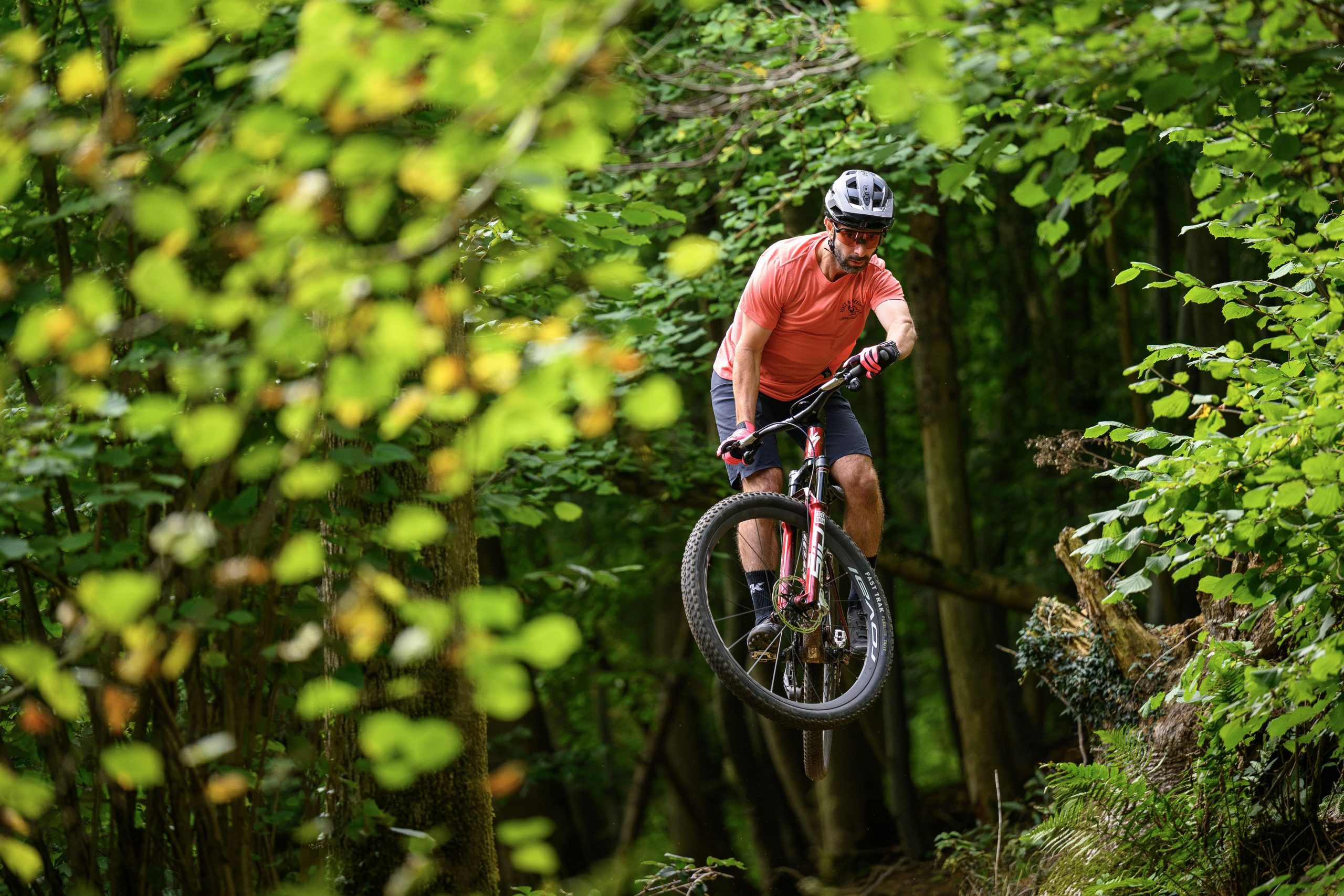
While I think there’s still room for those shorter-travel trail bikes such as the Reya, I don’t think we’ll be seeing that many brands juicing up their XC bikes. Why? Simply because they’re so good now, there’s very little need.
It’s been amazing to witness how far the sport of cross-country has come since I started riding in the 90s. The bikes are now so capable, fast and efficient just about everywhere, they’re a dream to ride.
Could the switch to 32in wheels improve things even more? Who knows, but let’s hope whatever happens, they remain as fun to ride as they are right now.