At first glance, men’s and women’s Tour de France bikes look almost identical – and, in many ways, they are. Both groups of riders race on the same WorldTour-level machines, built to identical UCI regulations, using the same framesets, groupsets and wheels.
The days of fundamentally different women’s bikes with gender-specific geometry, at the top level, are largely over. But there are differences, and those even inform the bikes riders choose for some stages.
Women are, on average, smaller than men, and their bikes are specced to suit. That typically means riders will use smaller frames, narrower bars and shorter cranks. But that’s no different from the build customisation seen in the men’s peloton.
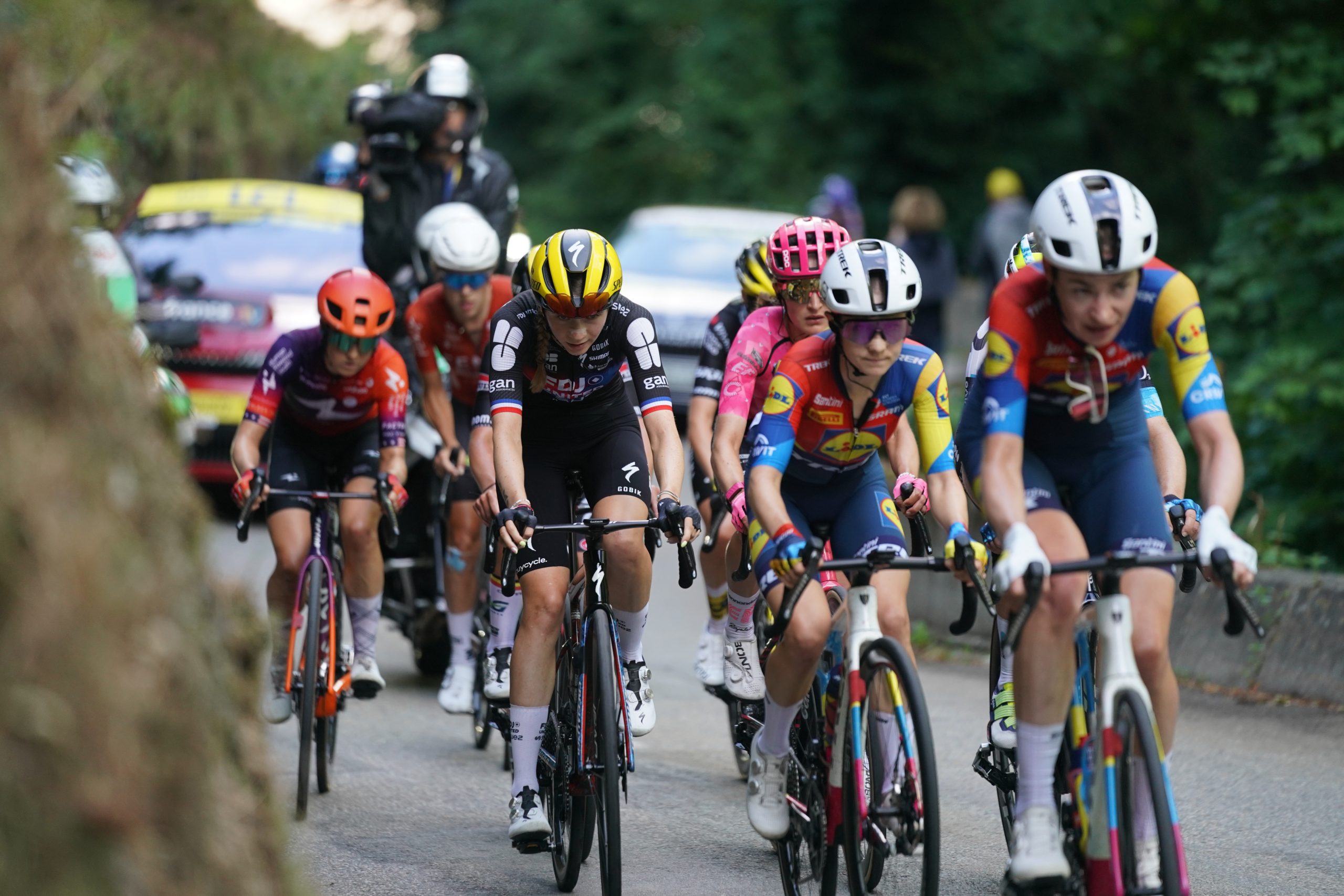
Bike setup is individual and shaped by a rider’s proportions rather than their gender. In fact, as Specialized’s head of human performance, Todd Carver explained to BikeRadar in 2024, variation within genders is often greater than between them.
For example, within the Women’s Lidl-Trek squad, 181cm-tall (5ft 11in) Riejanne Markus’ bike setup will be vastly different from that of her 151cm (4ft 11in) teammate Gaia Realini. The spread in rider size is why cockpit dimensions vary – and why attempts to standardise them have proven controversial.
In 2025, the UCI proposed new rules introducing a minimum 400mm handlebar width, as part of a push to control speeds and improve safety. Smaller riders from both pelotons would have been affected, particularly those already using narrower bars to match their shoulder width.
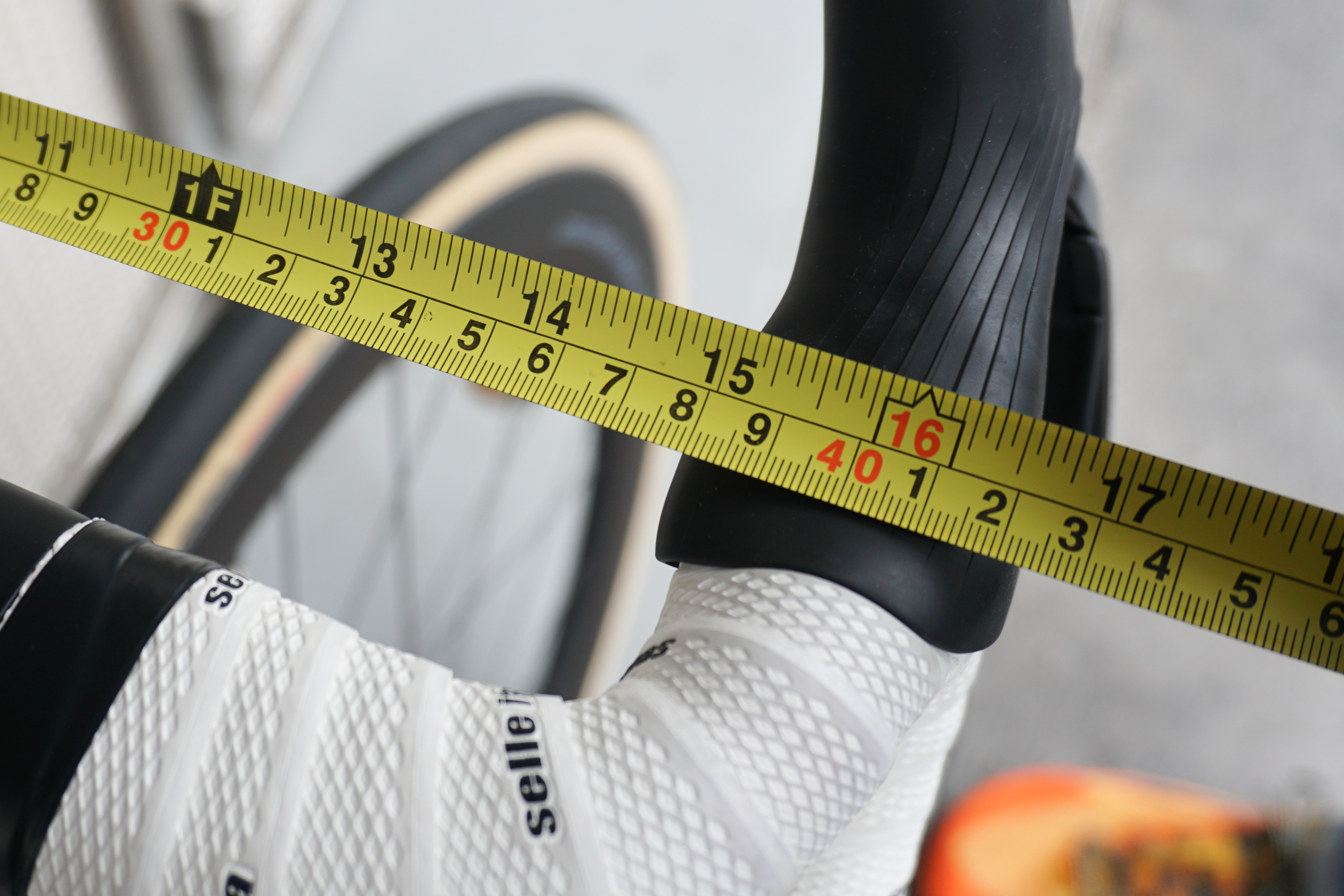
Bike fitters were quick to criticise the move. James Thomas, of Bicycle Richmond, described it as showing “blatant disregard for almost all female cyclists”, noting most women he works with require bars narrower than 38cm. The UCI was later forced into a U-turn, but it left open the possibility of revisiting the rules in future.
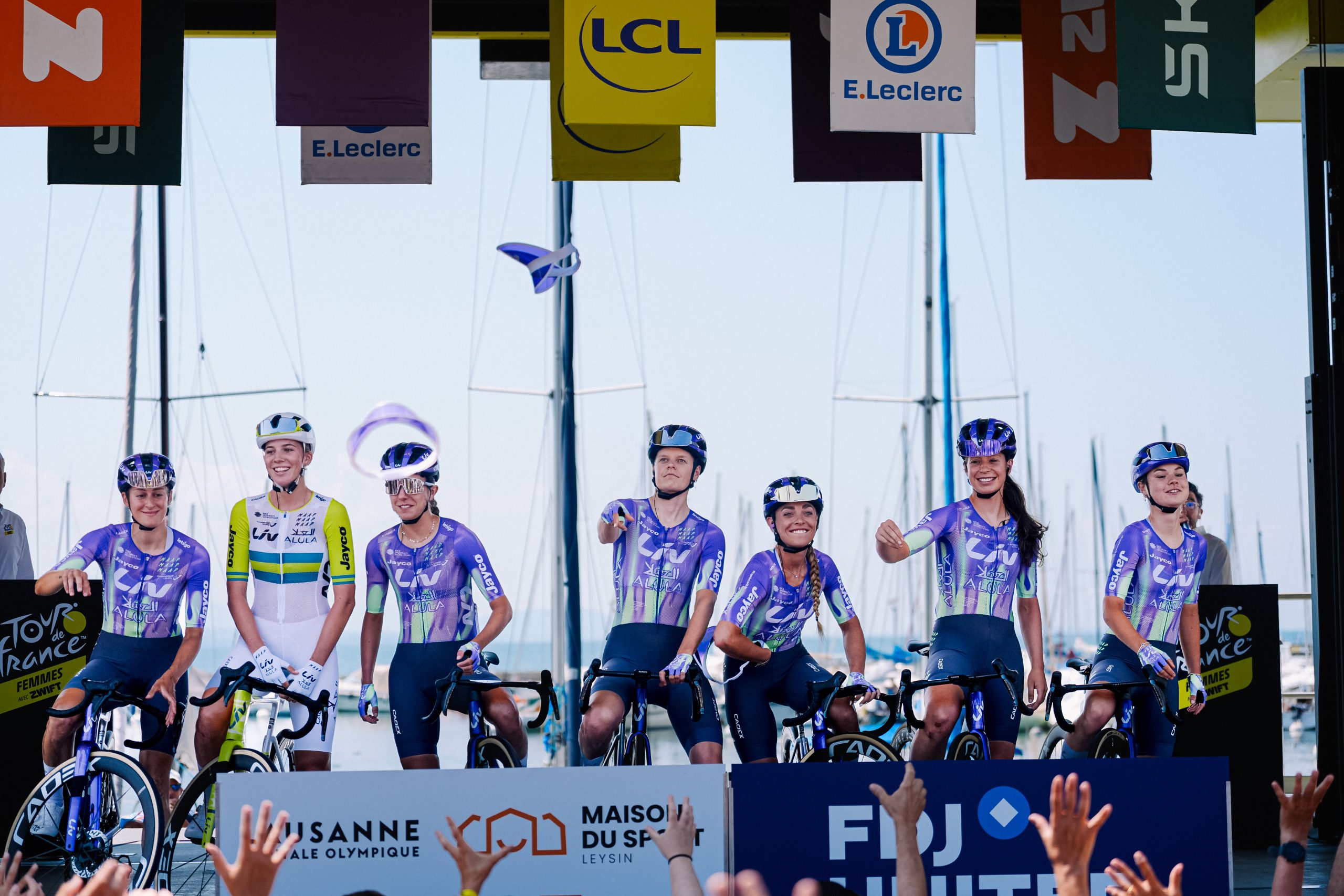
An exception to the ‘same bike for both genders’ rule is Liv Cycling, Giant Bicycles’ sister brand, which continues to design frames specifically for women. These are raced at the Tour de France Femmes by Liv AlUla Jayco.
Liv builds its bikes using fit data collected from female riders, rather than adapting unisex designs. That generally results in geometry with shorter reach and lower standover heights.
Where aero bikes almost exclusively rule the roost in the men’s peloton, you are generally more likely to see women on climbing-specific bikes at the Tour during hilly stages. Writing for BikeRadar, Ashleigh Moolman-Pasio noted that because female riders are lighter on average than men, pursuing a low system weight can play a more significant role in mountainous terrain.
In practice, that can mean favouring lighter bikes over aero setups on mountainous stages. However, this is not unique to women’s racing – smaller male riders and climbing specialists may make similar choices depending on the stage and their physiology.
More on the Tour de France Femmes
- Tour de France Femmes: 8 key questions answered, from race favourites to must-watch stages
- Tour de France Femmes bikes 2026: who’s riding what?
- How much does a Tour de France Femmes bike cost?
- SpongeBob SquarePants heads to the Tour de France Femmes aboard Factor One road bikes
- Padded bras cause controversy at Tour de France Femmes ahead of stage four time trial