
No garment in professional sport emits a power like the yellow jersey, or le maillot jaune, of the Tour de France. Since 1919, it’s been awarded daily to the rider leading the race and as the ultimate prize to the winner of the general classification come the race’s denouement.
Highly prized by those chasing it, those who do earn it can be both inspired by it and end up in thrall to it, like the Lord of the Rings’ eponymous treasure.
Julian Alaphilippe in 2019, for example, was empowered by it, wearing yellow for 11 stages in a row and coming close to an unlikely overall win in Paris. The stage 13 time trial in Pau was a prime example of how much of a driving force the jersey can be, powering a decent if hitherto unspectacular time triallist to victory over rivals, such as 2018 winner Geraint Thomas, with far greater pedigree in the discipline.
On the contrary, in 2011 Thomas Voeckler, says Cyrille Guimard in Peter Cossins’ 2019 book The Yellow Jersey, “rode tactically in the opposite way to how he should”, and ended up losing the jersey prematurely.
Whether a rider captures yellow early and wears it all the way to the finish (no single rider has worn it for the entire race), wears it for one day, or anything in between, the yellow jersey will have a profound effect on their career.
Read more on the Tour de France
- Stage 11 was the fastest in the race’s history – with a remarkable average speed of 50.9kph
- How much does a Tour de France bike weigh in 2026? We put 7 pro bikes on the scales to find out
- The Tour de France has lost some of its magic – and that could spell trouble for cycling’s future
Commanding respect – but at a cost
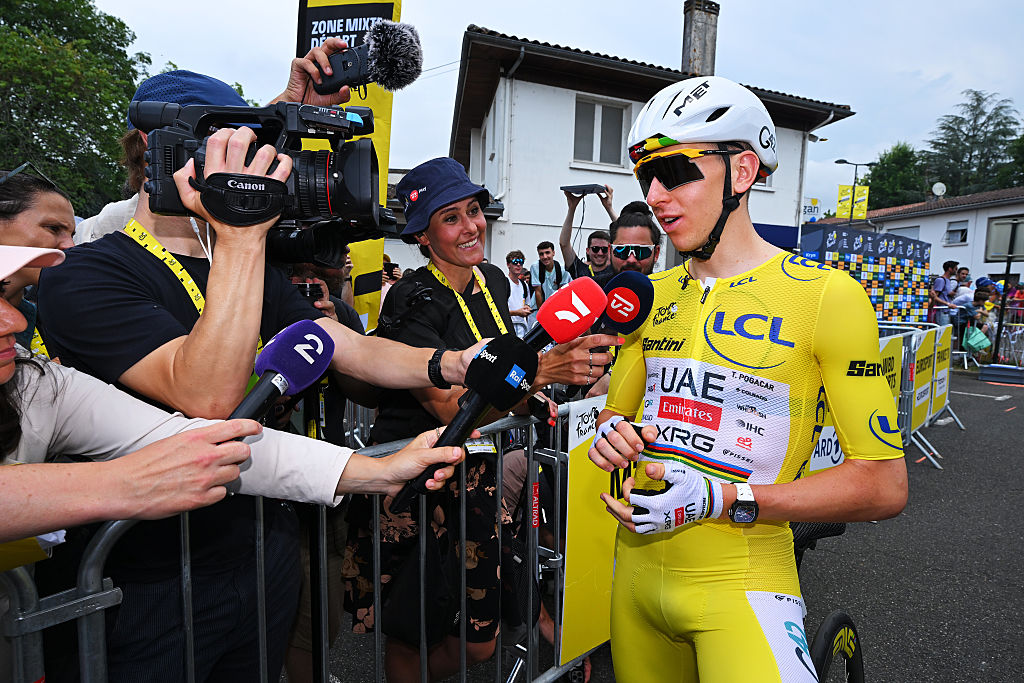
In terms of in-race perks, the yellow jersey takes pride on place on the start line ahead of each stage – alongside the other jersey wearers – and commands the respect of the peloton. Rivals teams and riders often give the yellow jersey a little more breathing room in the bunch – but, when it really matters and the race is on, any yellow-induced etiquette is thrown out of the window, of course. Every rider is there to win.
“You have more respect because they give more room to you, especially around the team, but when it’s a fight for position then nobody cares,” Thor Hushovd told Cycling Weekly. Hushovd won ten individual Tour stages (and two team time trials), topped the point classification twice, and wore the yellow jersey in three editions of the race: 2004, 2006 and 2011. He's now the general manager of the Uno-X Mobility team.
However, the jersey also brings added stress and inconvenience, including extra media commitments, anti-doping requirements, and the knowledge that there is a target on your back. After all, it’s the jersey that holds the power, not the rider.
Who has worn the yellow jersey the most?
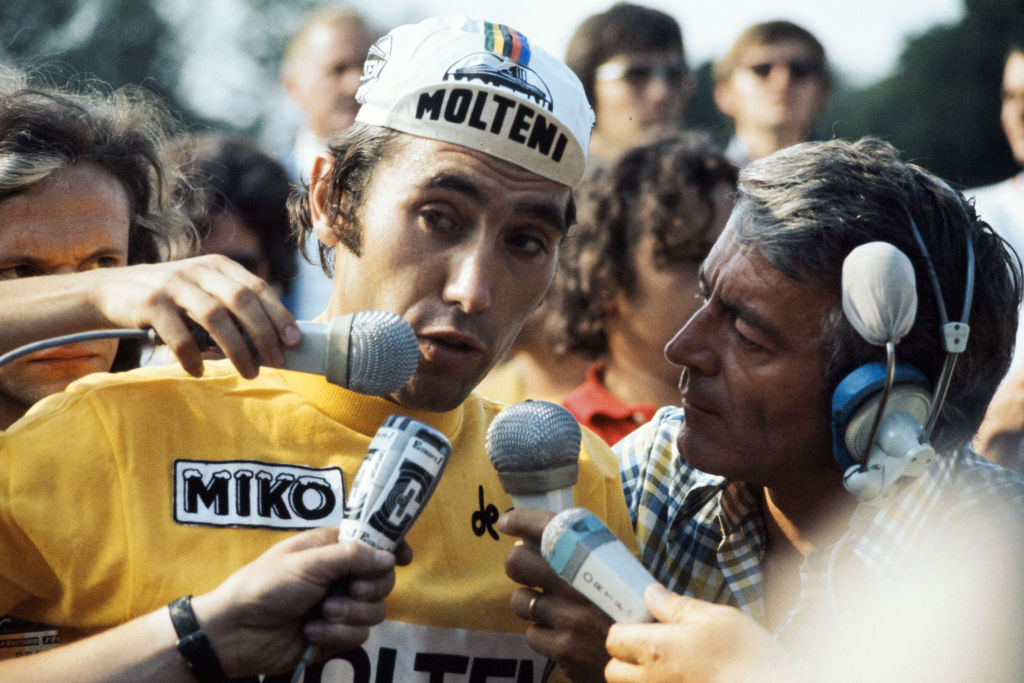
- Eddy Merckx – 96 days in yellow
- Bernard Hinalt – 75
- Tadej Pogačar – 61
Currently, more than 300 riders in the Tour’s 123-year history have worn it for at least one day, with Torstein Træen (of Hushovd's Uno-X Mobility squad) the latest rider to earn the honour for the first time.
As you might expect, Eddy Merckx has worn the yellow jersey the most – on 96 occasions. Another five-time Tour de France winner, Bernard Hinault, is second, having worn yellow for 75 stages and Tadej Pogačar now lies third, with 61 days in yellow at the time of writing.
Fabian Cancellara holds the record for the most yellow jersey days without winning the race overall – 29 – which puts him 13th on the all-time list, level with Jonas Vingegaard.
Cancellara, a well-known patron, or leader, of the peloton, didn’t need the jersey to hold outsized influence, but for most others, it exudes a presence that isn’t afforded elsewhere.