Scott’s new Spark DC 10 shows the Swiss brand is doubling down on lightweight trail bikes for 2027 – and if this is the future, it’s a bright one.
A couple of years ago, you couldn’t move for the new breed of downcountry bikes, longer-travel rigs spawned from the latest generation of go-fast cross-country race bikes.
Almost every XC bike seemed to have a DC sibling, which gave brands the opportunity to increase their line-up and offer a wider range of bike models from a single set of frame moulds, as they fitted longer forks, chunkier tyres and boosted rear-wheel travel via shock or linkage trickery.
However, the trend seems to have cooled in the past year or two.
XC-specific bikes have got so good that there’s less need to boost travel to gain performance in a lightweight package, and many riders seem to be picking either long-travel bikes or 120mm race rigs.
The downcountry trend that was so buoyant a couple of years ago has been in the doldrums of late.
Scott is bucking that trend, though, with the 138mm-travel, £8,199 / $9,999.99 Spark DC, and I’m here for it.
What you need to know about the Scott Spark DC 10
- New suspension layout places shock horizontally in the frame to tweak frame feel and suspension performance, and reduce weight
- Trail-bike suspension figures with a downcountry-bike feel
- Fast and furious on the trail with just enough travel to get away with dodgy line choices here and there
Starter's orders
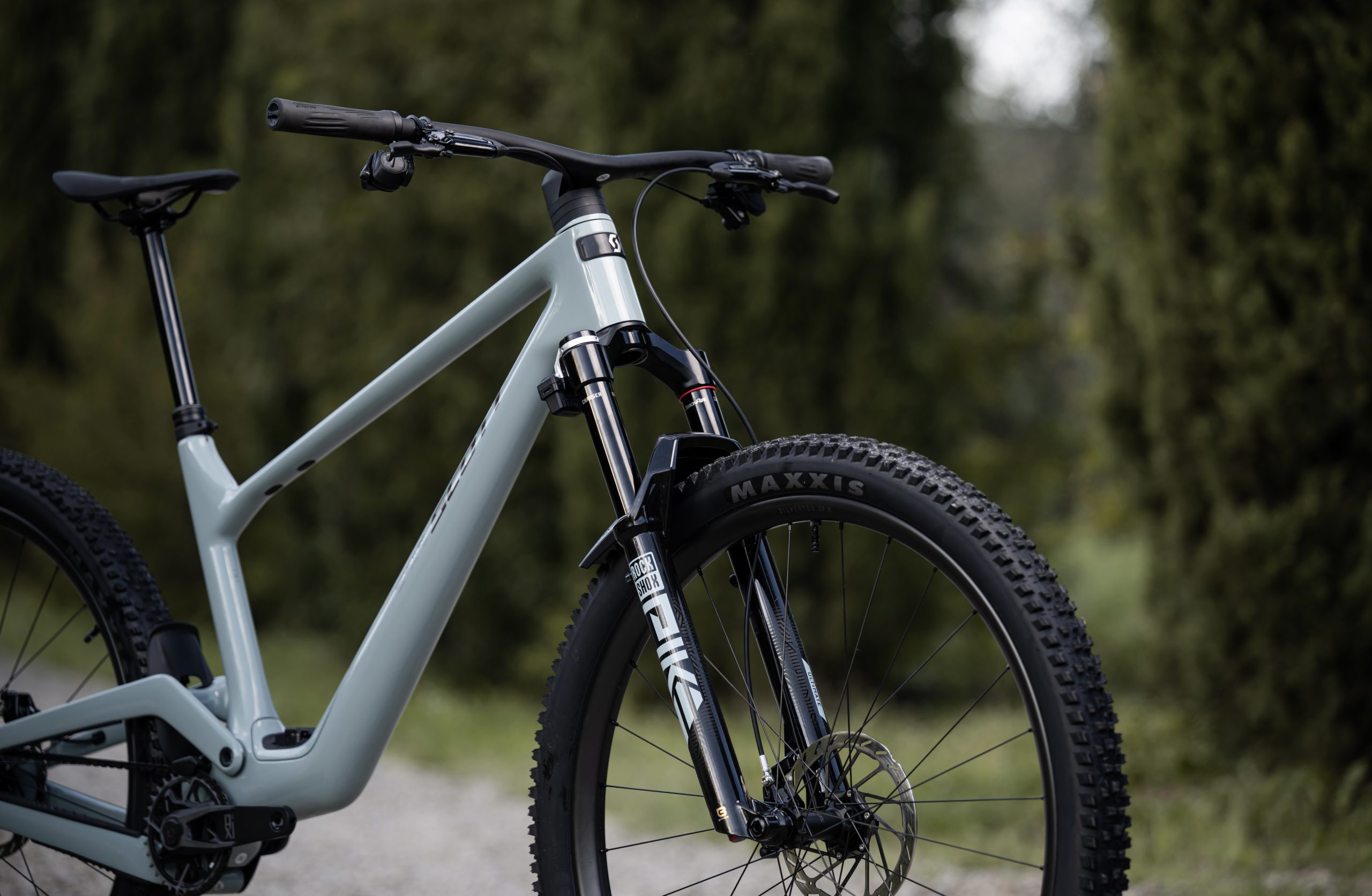
If you look at the travel figures of the all-carbon Spark DC range in isolation, you might be fooled into thinking this is a solid mid-travel trail bike. However, that would be missing the point and overall feel of the bike.
Because, while it has 138mm of rear travel, its ride is closely aligned to its ‘downcountry’ moniker. It feels more like a bike with 120mm of rear-wheel travel than some mid-travel hooligan.
That’s not to do the Spark DC a disservice, because this bike absolutely rips and is a hell of a lot of fun.
On the trail, the Spark DC has a ridiculous turn of speed, snappy handling and plenty of all-day ride capability, just with a sprinkling of extra travel to get you out of trouble when things inevitably get rowdy.
It is, as such, a worthy sibling of the recently released Spark RC – a bike that felt like a real challenger to the likes of the Specialized Epic 9 and Orbea Oiz.

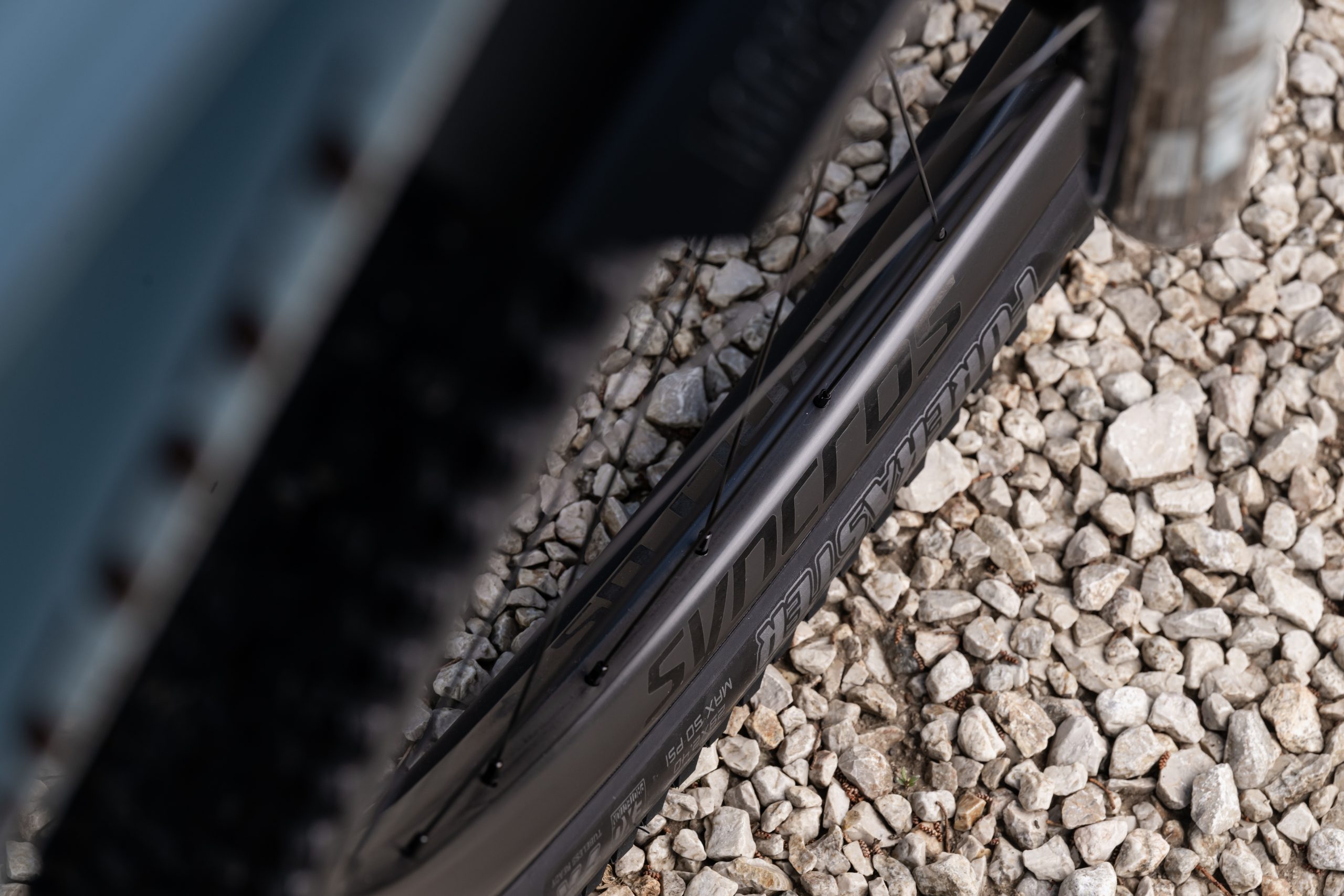
With its Forekaster tyres from Maxxis wrapped around carbon Syncros rims, the Spark DC blends hardpack speed and acceleration with a respectable level of grip on softer surfaces, giving both traction on loose climbs when you’re putting more watts through the pedals and confidence when hitting the descents.
With its DNA based in XC, it’s no surprise the Spark DC is a quick-handling bike that’s easy to shimmy through successive turns. Lightning-fast reactions and accurate steering help give the bike a grin-inducing ride quality.
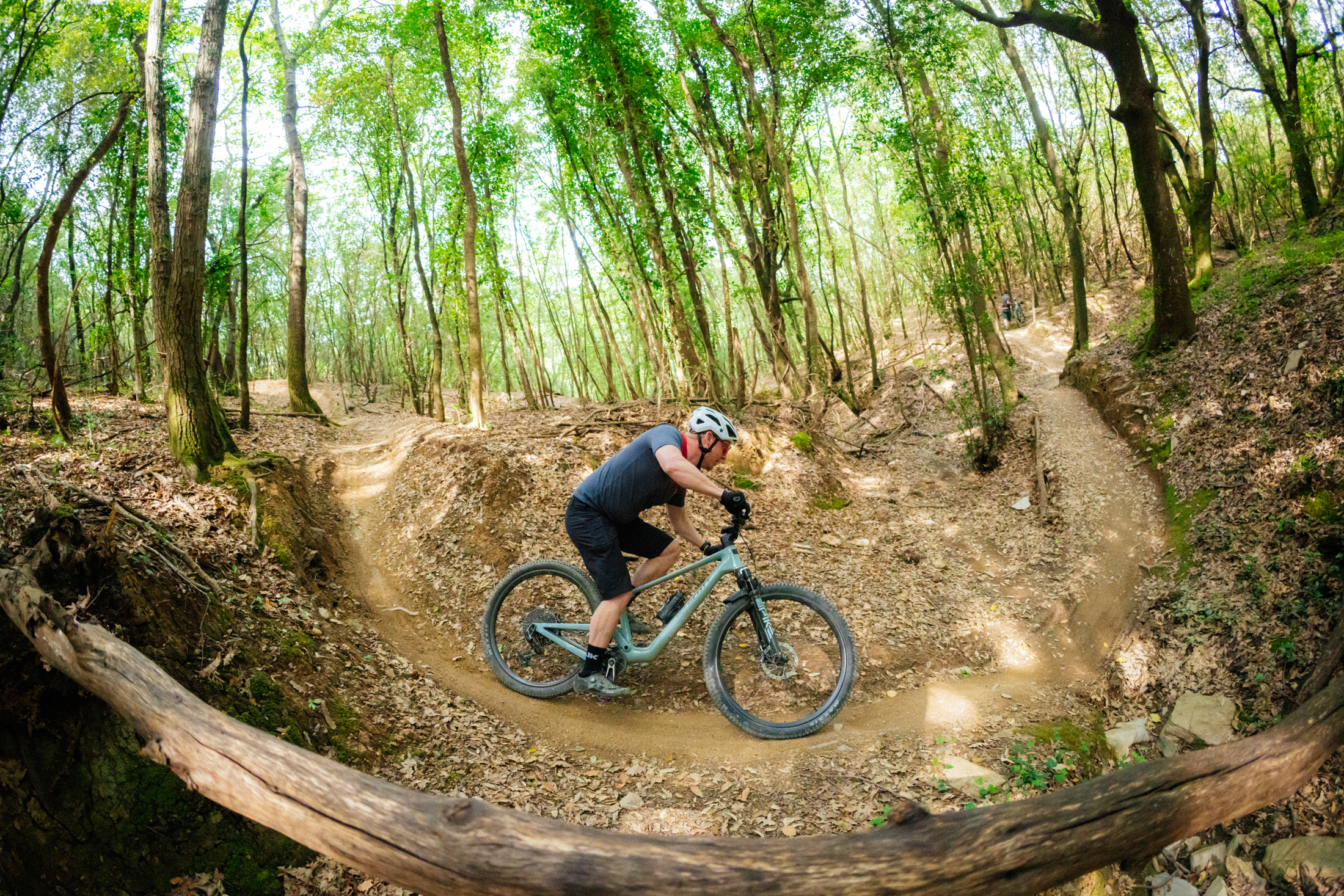
However, that’s not at the expense of some degree of stability at speed, with the generous 490mm reach (large) and 440mm chainstays offering balance and stability.
There’s adjustable geometry on offer, via swappable headset cups, with the Slack version 0.5 degrees slacker than the standard, neutral setting, while there’s a Steep alternative that's 0.5 degrees steeper.
In the neutral setting I rode the bike in, the 65-degree head angle, 490mm reach (Large) and 440mm chainstays work together nicely.
Suspension set for speed
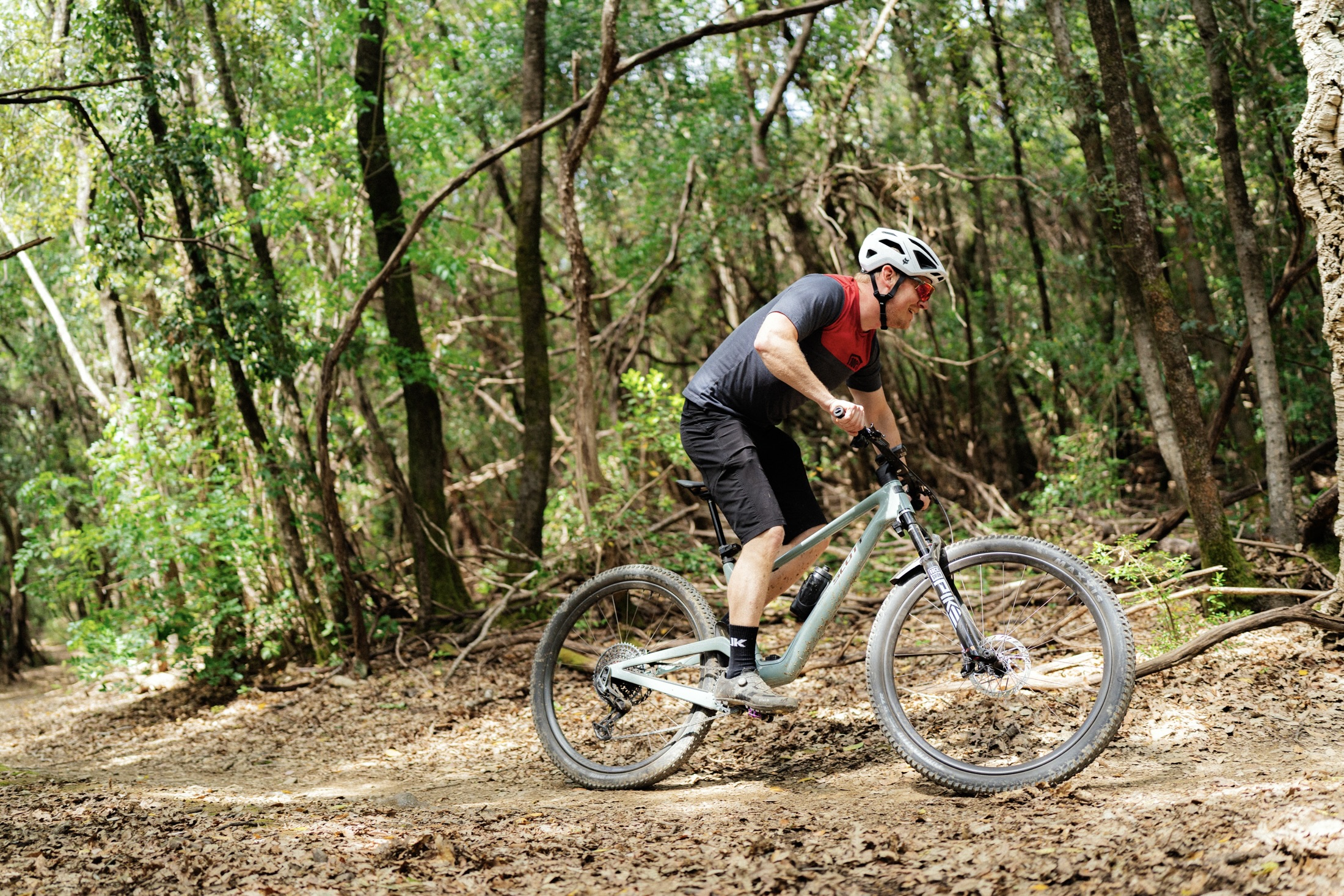
Scott has furnished this second-tier Spark DC model with a SRAM Flight Attendant package, using the Pike Ultimate fork and SIDLuxe Ultimate shock.
From the factory, it’s set up to not go into the 'Lock’ suspension position on climbs (although you can adjust this in the comprehensive SRAM AXS app), but I never felt the DC was aching for a solid rear end, even on tarmac drags.
This is thanks to decent levels of anti-squat that keep the suspension nicely isolated from pedal inputs when riding uphill – until you really mash on the pedals.
Although initially set up with 30% sag, viewed via the integrated sag indicator, as one generally might with a more trail-focused bike – I found increasing shock pressures to around 25% sag improved the feel of the bike both uphill and down.
On the climbs, the bike felt more solid under power and noticeably suffered from fewer pedal strikes when navigating tight, technical ascents.

At my original lower shock pressures, on descents the suspension had felt a touch too wallowy for my taste, certainly considering the downcountry focus of the bike.
It felt a little vague, and almost as if the frame was flexing too much under me.
However, adding extra pressure to the SIDLuxe shock and dropping the sag by 5% really perked the bike up.
Instantly, there was more urgency and improved accuracy in the corners. Rather than the bike feeling as if it was collapsing in its middle, it stayed composed, enabling me to drive the tyres into the ground and hold its speed.
I was still able to access all the travel with 25% sag, and while the mid-stroke felt a little firmer, it was definitely a trade-off I was willing to make, especially when the tracks got chunkier, and I felt better supported into the deeper portions of its 138mm travel.

On the biggest impacts the Spark DC is likely to take, there’s a little bit of squirm as the chassis copes with the forces fed through it, and you can feel the shock ramping up strongly towards the end of its travel.
However, again, given the design brief and associated other characteristics the Spark DC displays, I feel this is acceptable.
As you'd expect, though, the 140mm-travel Pike at the front shrugs pretty much everything off without complaint. The Charger 3.1 damper deals well with bumps large and small, while the chassis has ample stoutness.
Scott Spark DC 10 key stats
- 138mm rear travel, 140mm fork travel
- HMF carbon fibre
- New linkage with hidden shock
- Compatible with wide range of shocks
- RockShox Flight Attendant suspension system
Everything has been considered – the Spark DC’s chassis is sorted
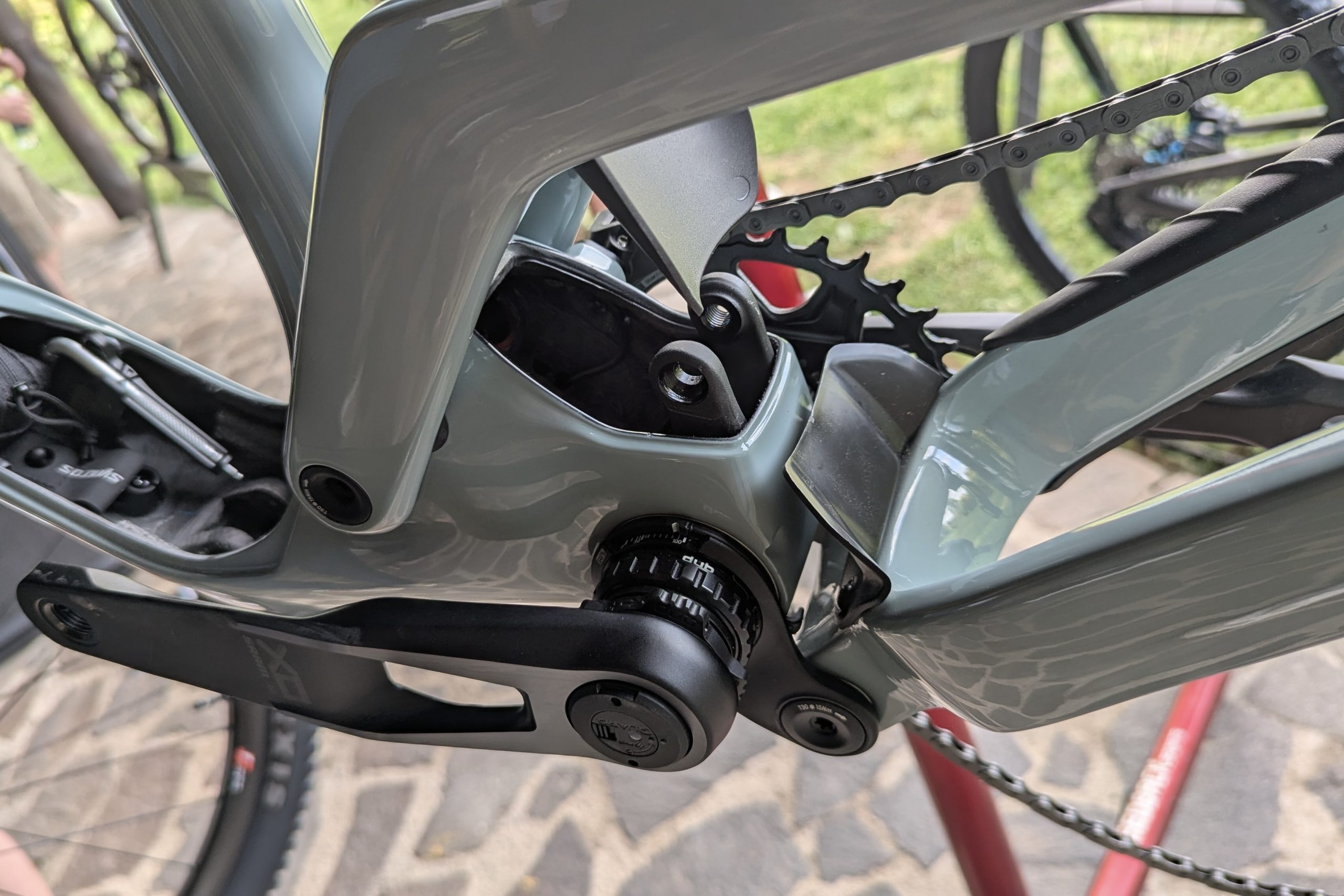
Although the silhouette of the Spark DC is familiar from the previous version of the Spark, with its shock hidden in the frame, the linkage architecture is significantly different, with the shock sitting lower in the frame, and horizontal rather than vertical.
A linkage that rotates concentric to the bottom bracket now actuates the shock.
This has been done to lower the bike’s centre of mass and reduce weight overall, as well as tweak the suspension’s kinematics to tune the ride characteristics Scott wanted.
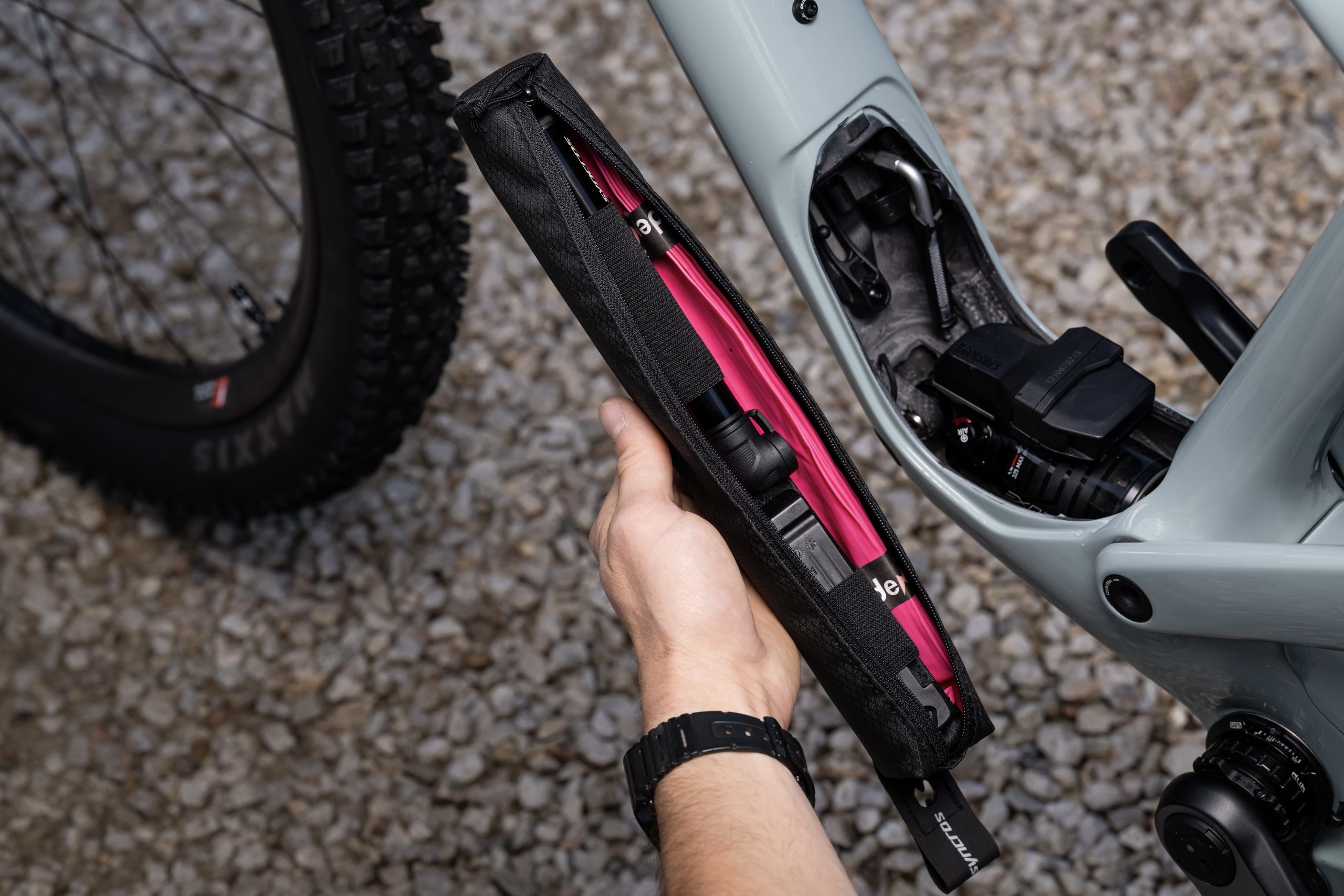
The shock is accessed via a pair of magnetic doors that can be popped off to alter settings. There’s also room within the belly of the bike to run a wide range of 210x50mm shocks from any of the major manufacturers.
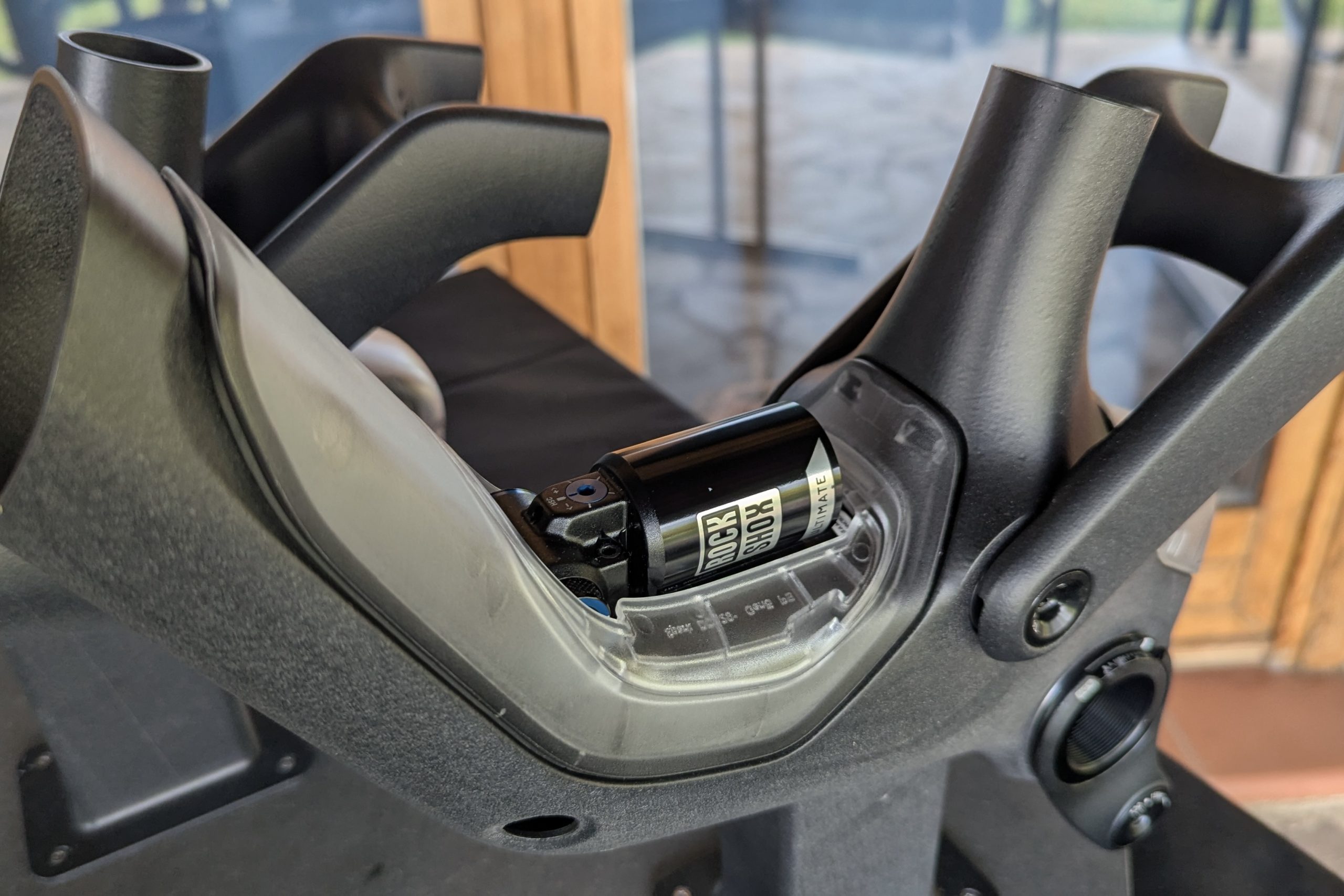
A 'Save The Day' kit is also housed under the main door.
Cable routing has been a hot topic, and while my test bike had headset-routed cables, via Syncros’ OCT (Octopus Cable-Routing Technology) system, the head tube badge can be replaced with a port into which cables can be routed, to avoid running them through your headset bearing – smart.
What’s bolted to the bike?
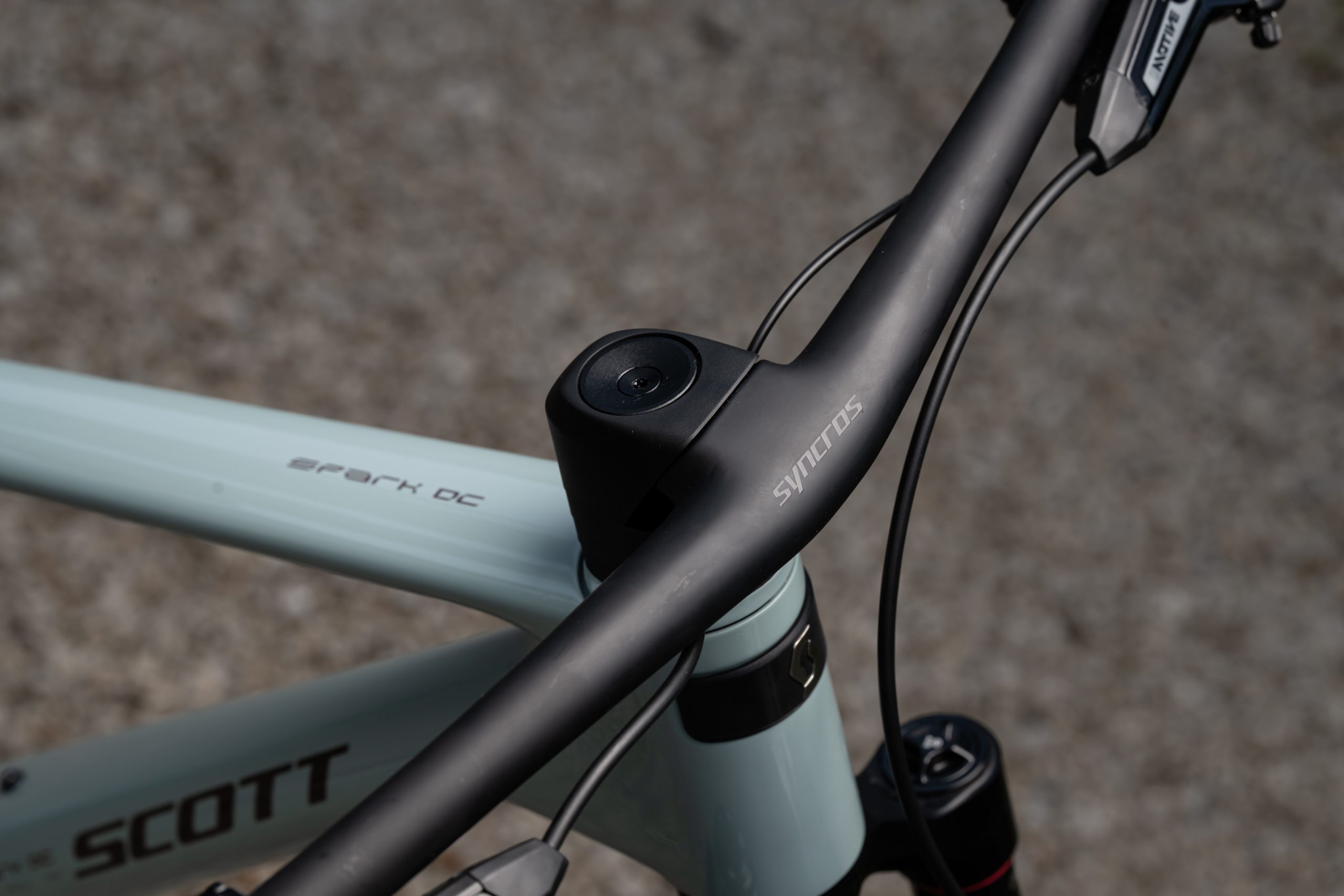
When it comes to the components, the Spark DC 10’s spec list offers up little to complain about. The integrated Syncros carbon bar/stem has a good shape, and unlike many others I’ve ridden, isn’t overly harsh and uncomfortable – even if it's not possible to tweak bar roll.
However, I found the plastic stem spacers creaked after a day of rallying through the dust.
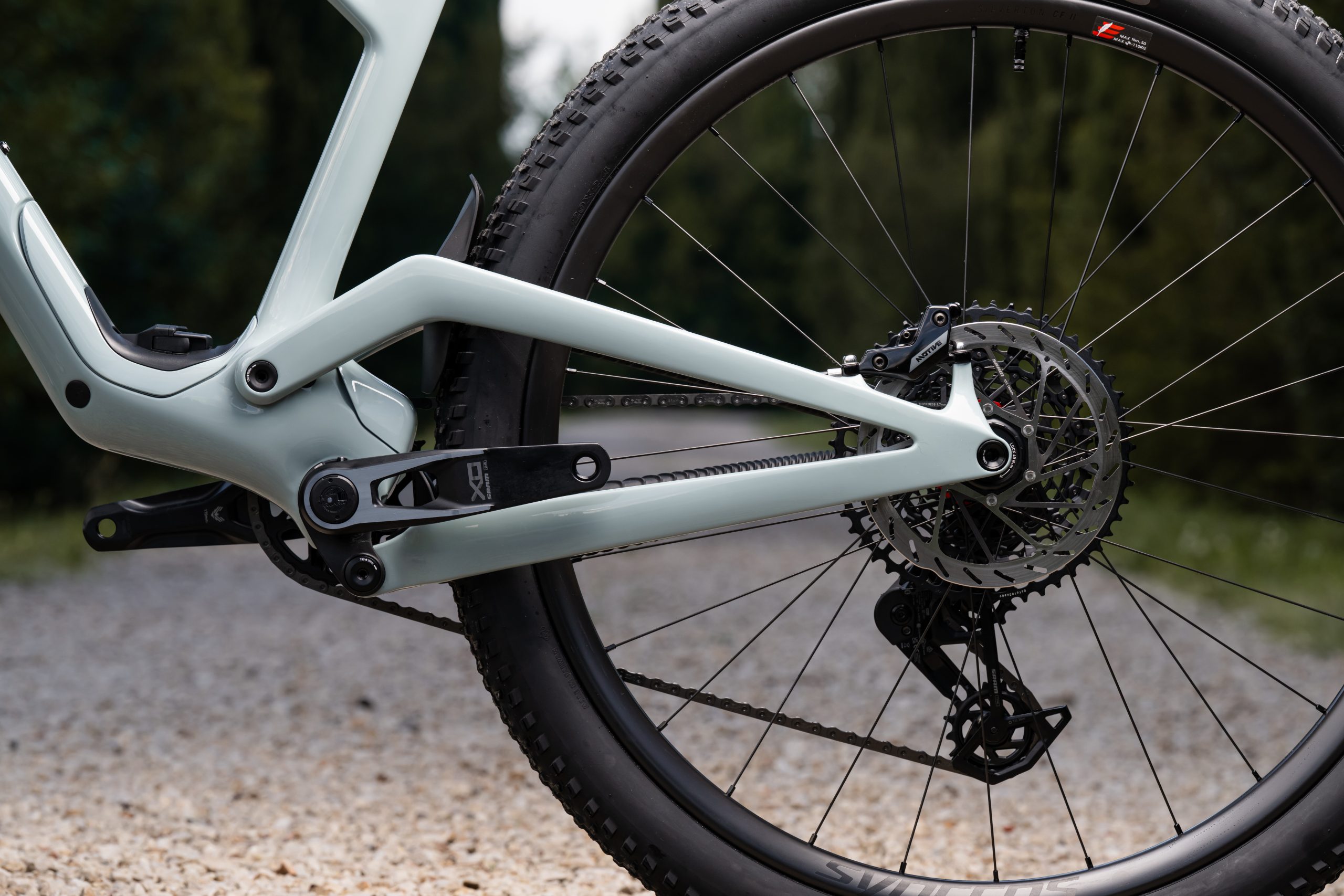
SRAM’s X0 Transmission, Motive brakes, RockShox suspension and Flight Attendant talk to each other nicely, and do an exceptional job.
The Hammerhead Karoo computer fitted to the test bike integrates impeccably here – I’d say it’s the icing on top of the Flight Attendant cake. It has a decent screen and usable data, it's easily navigable and packed full of tuning features to ensure all the SRAM kit works as you wish. It’s a shame it’s not included with the bike.
How I tested the new Spark DC 10
I rode the Spark DC for a day and a half during the bike’s launch in Italy, on hard-baked, ridiculously fast trails that I’d ridden during numerous trips to the area over the past few years.
I rode the bike back-to-back with the Spark RC to get a feel for the different travel numbers and specs on offer. However, as with any first-ride review from a launch, the bike was not tested back-to-back against its rivals.
Scott Spark DC 10 range details
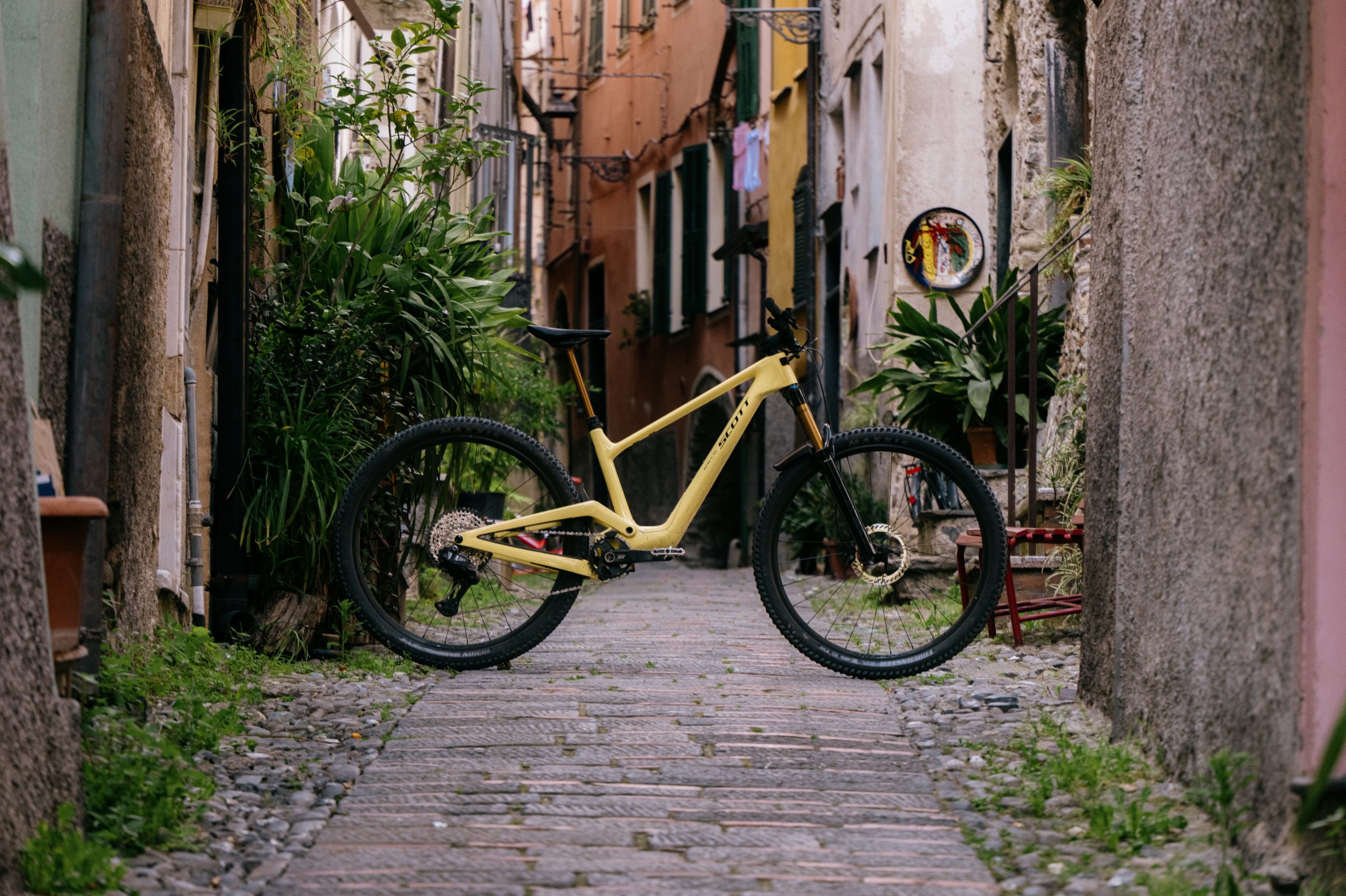
There are five Spark DC models.
The top-end Spark DC Factory (£11,299 / $12,999.99 / €11,499) has a SRAM XX/XX SL drivetrain, slightly fancier carbon wheels from Syncros and a smattering of CeramicSpeed bearings. It also features Scott's HMX-level carbon.
The DC 20 (£5,499 / $7,299.99 / €5,599) sits below the DC 10 I've ridden, and shares the HMF-level carbon frame. Fox supplies the suspension (a Factory 36 SL and Float shock), while Shimano’s Di2 Deore and XT components give the bike drive. Alloy wheels feature here.
This model and those below don't feature electronic suspension, but do get Scott’s bar-mounted 3-position suspension control, giving Lockout, Traction and Descend modes.
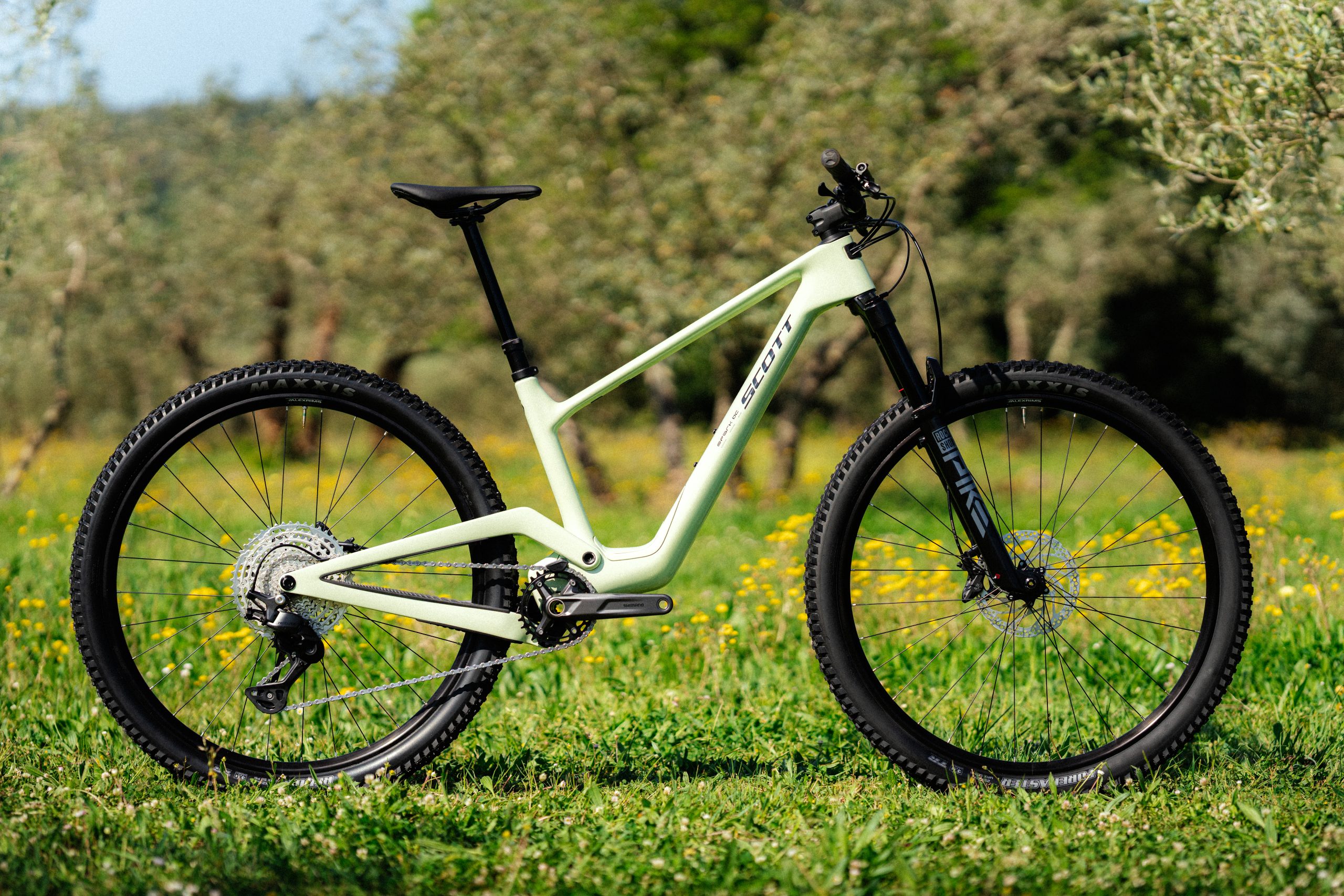
The DC 30 (£4,499 / $5,399.99 / €4,599) is back on RockShox suspension, with a Pike Select fork, and a blend of S1000 and Eagle 70 Transmission kit.
Finally, the DC 40 (£3,499 / $4,399.99 / €3,599) has the most basic RockShox Pike and Deluxe shock, and a Shimano Deore groupset.
Scott Spark DC 10 initial verdict
The Spark DC 10 is, without doubt, an incredibly fast bike. It successfully mixes XC race-bike speed and agility with on-trail manners that enable you to push the bike comfortably towards warp speed.
It's not a bike built for the chunkiest terrain, but if you want to cover long distances, rail corners and get a little lively when the going is tough, the Spark DC 10 should be on your shopping list.