The Ursus Arya G is one of the most interesting wheelsets I've tested in recent years, largely because its standout feature isn't something you'll immediately notice by looking at it.
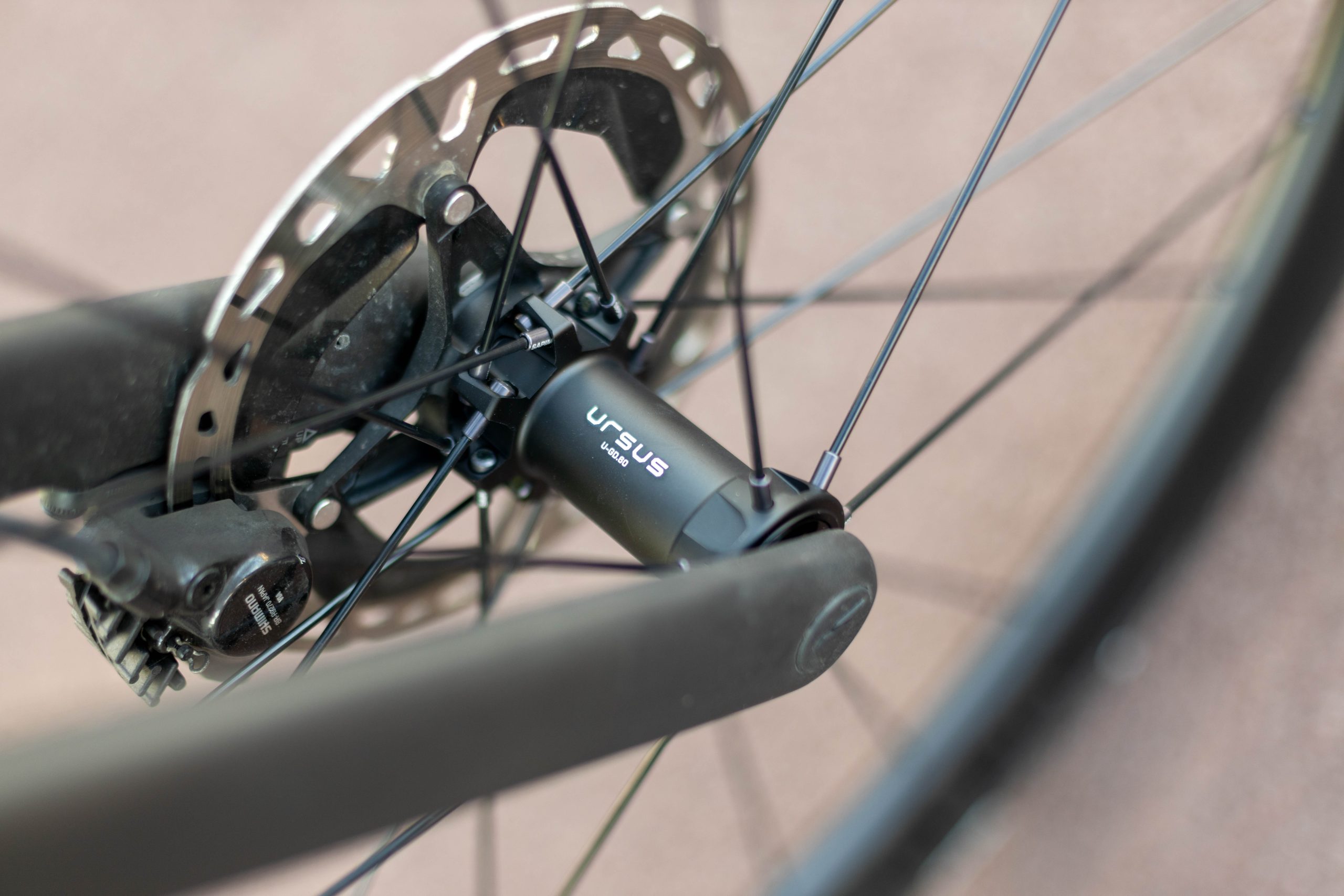
Its Sapim RC-1 PBO spokes are made from 16,000 para-phenylene benzobisoxazole (PBO) fibres, rather than carbon, and they give the Arya G a sense of composure and a smooth ride quality that's as good as anything I've ever experienced from a high-performance wheelset.
They're not bladed for aerodynamic gain, so on smooth, fast roads there's arguably some speed being left on the table. But the trade-off is a remarkably insulated ride, with the spokes doing an excellent job of taking the sting out of road buzz and larger shocks.
However, the Arya G isn’t a cheap wheelset given its £2,500 / €2,500 asking price, and it can be argued that much of the gain in ride smoothness could easily be achieved simply by running wider tyres.
- Read more: Ursus Arya G first look
Ursus Arya G need to know
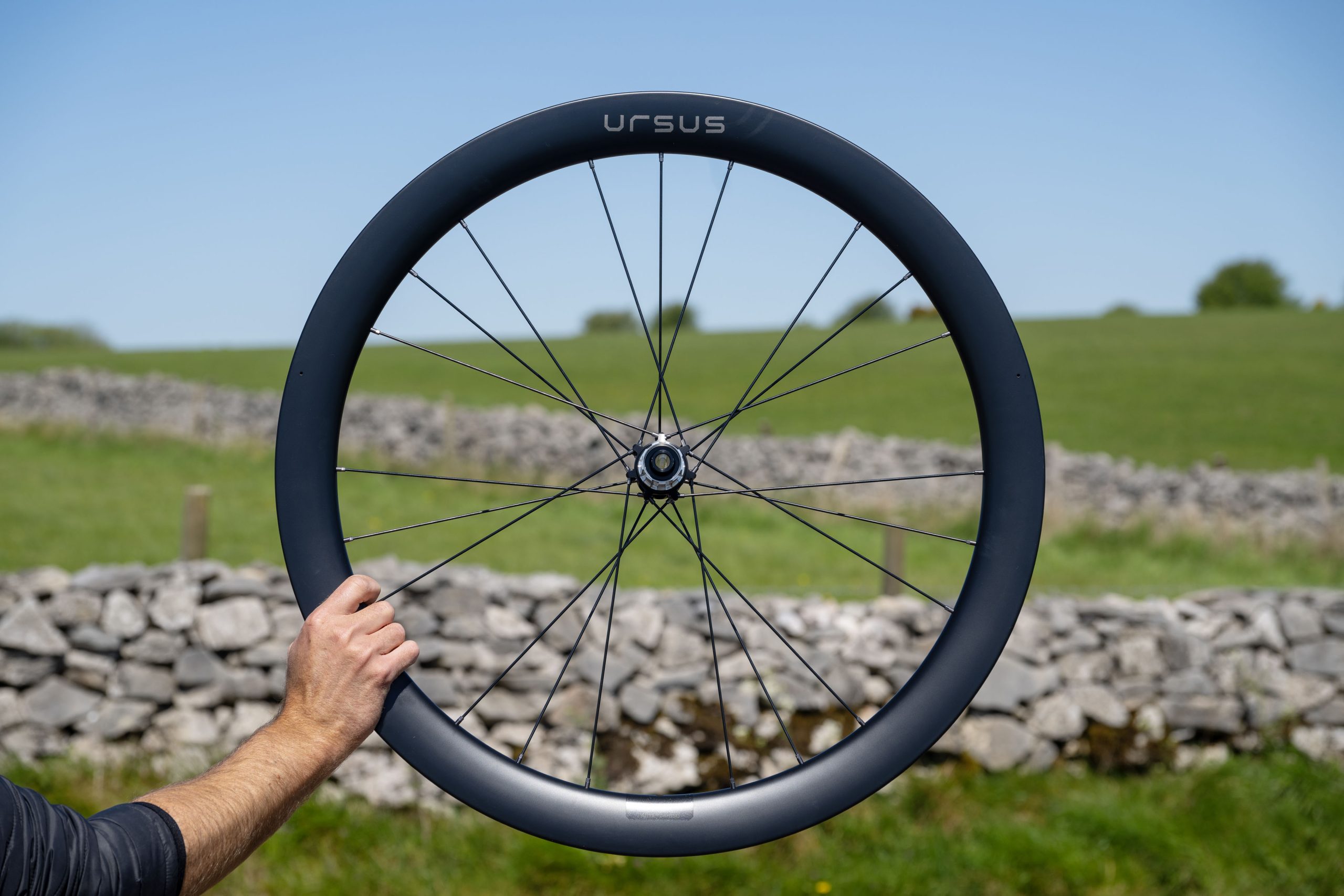
- 50mm-deep carbon rims with a 25mm internal rim width
- Sapim RC-1 PBO spokes claimed to improve comfort
- 21 spokes front and rear, with a 2:1 lacing pattern
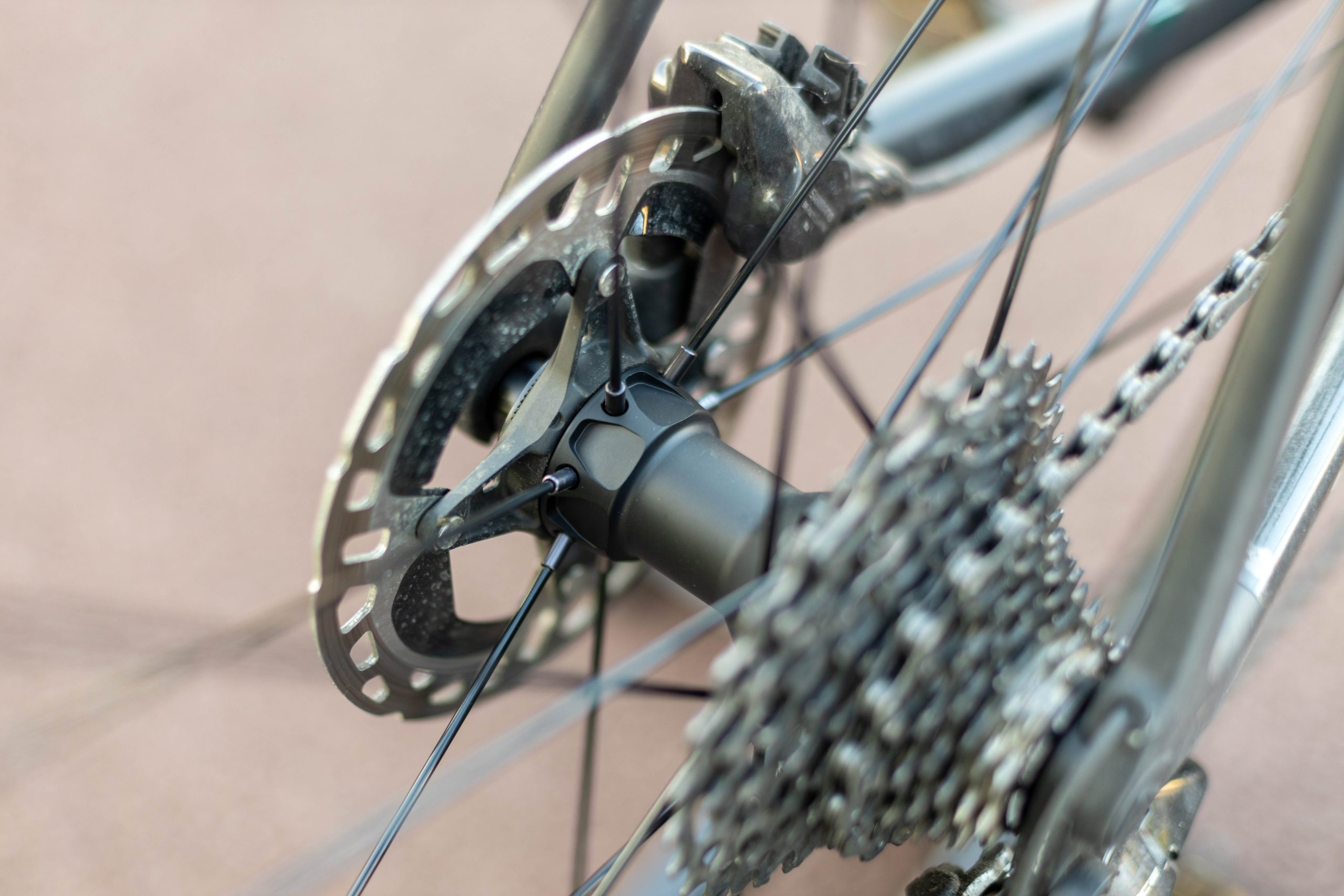
- Three-pawl freehub design
- Weighs 1,355g including tubeless rim tape
- Designed for road and gravel use; has been raced at Paris-Roubaix
- Tested with 28mm Continental Grand Prix 5000 S TR and 32mm Hutchinson Blackbird All-Season TLR tyres
- Costs £2,500 / €2,500; US prices subject to import taxes
Ursus Arya G performance
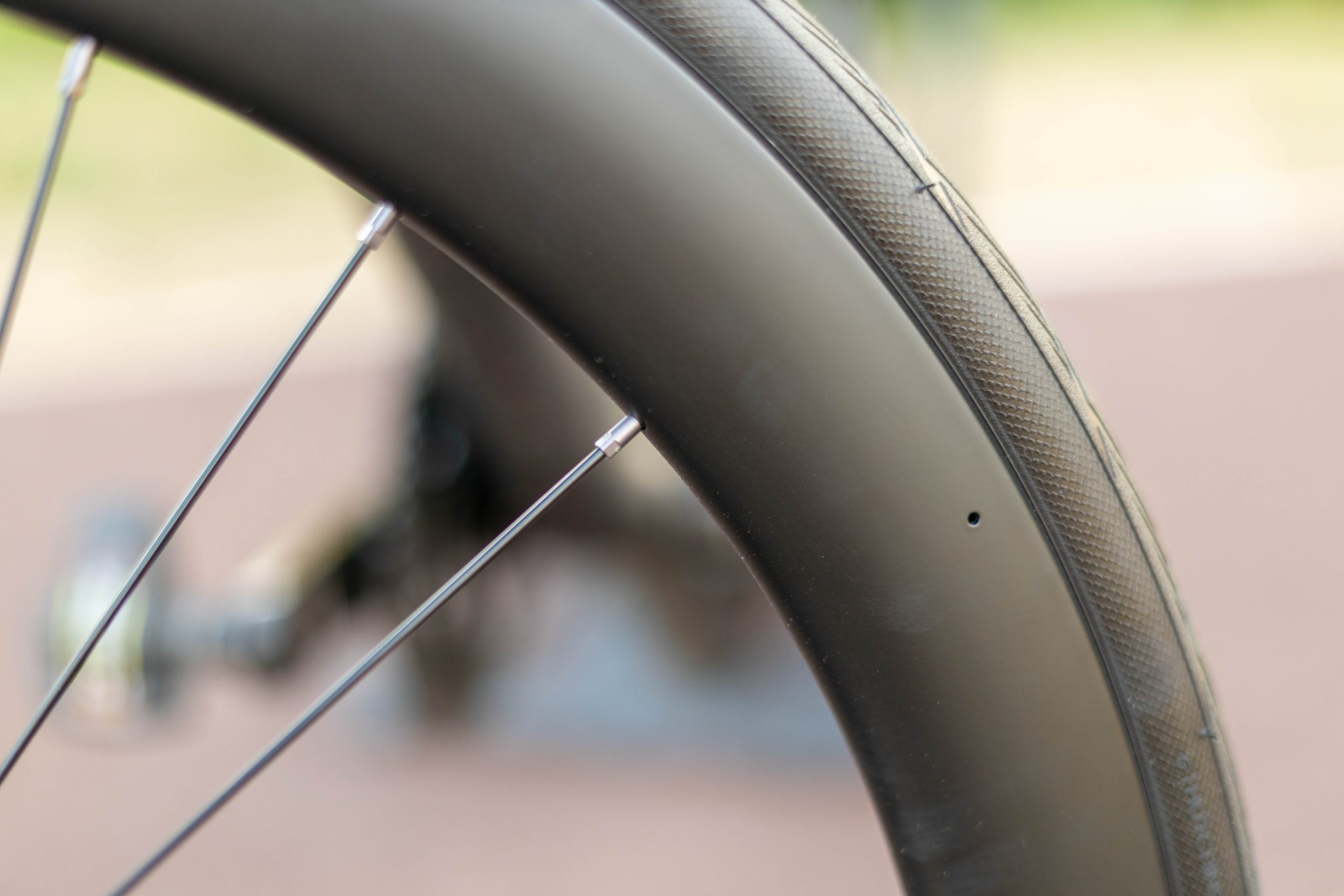
The Arya G's ride quality makes it stand out from the dozens of wheelsets I’ve reviewed.
I initially tested the wheels with 28c Continental Grand Prix 5000 S TR tyres, which gave me a useful baseline for judging what the PBO spokes were doing.
The wheels have a sense of composure that's apparent immediately. Small imperfections are muted, while bigger impacts feel less abrupt than I'd expect from a 50mm-deep performance wheel with a 28c tyre fitted.
There's a great feeling of insulation from those annoying bumps and creases, without the wheels feeling dull or unresponsive.
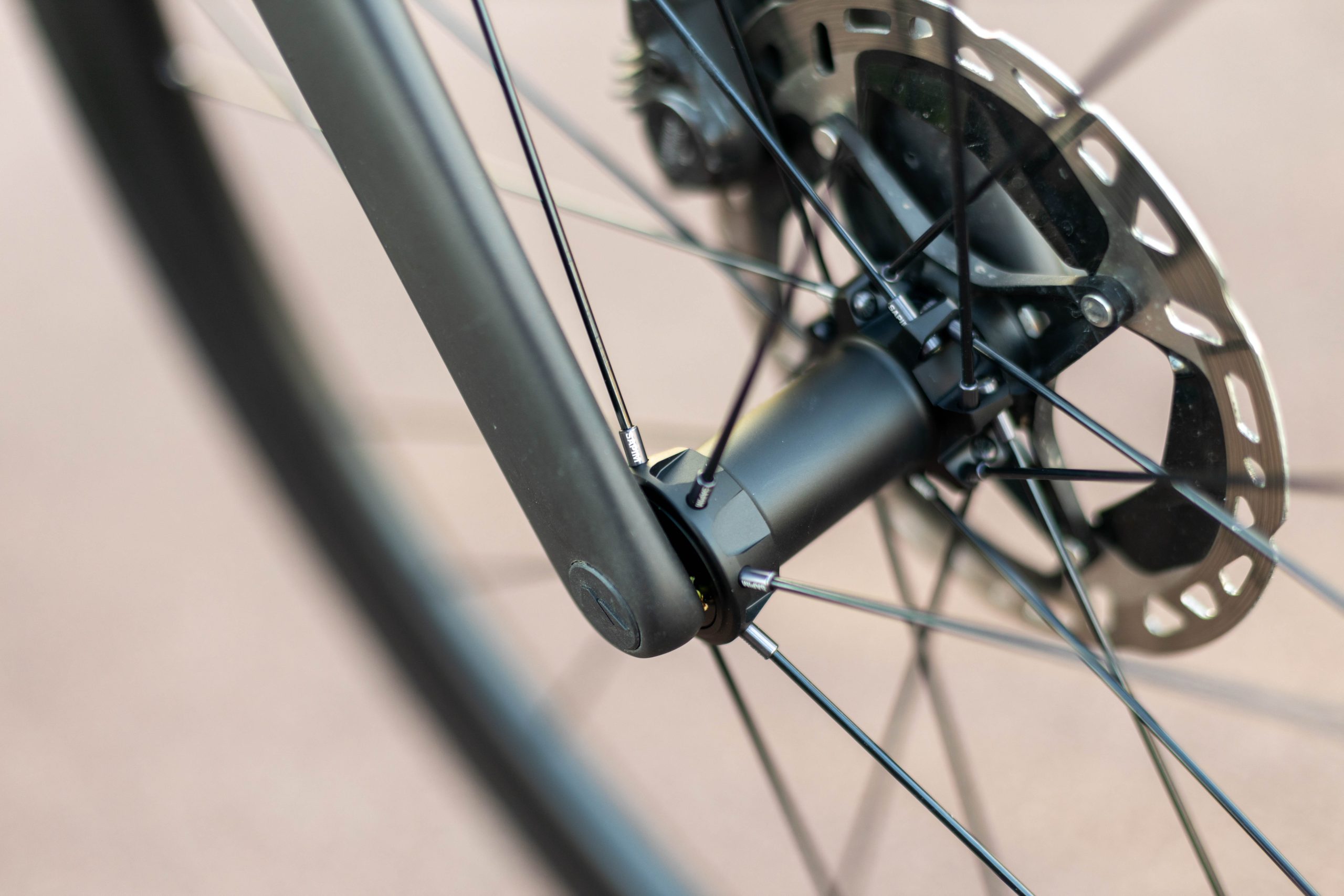
That was particularly noticeable when I transferred the wheels between bikes. My Canyon Ultimate CFR felt smoother with the Arya G wheels than it had with its Hunt 50 Carbon Disc wheels. The Cube Litening Aero C:68X I’ve tested recently and found firm-feeling, gained a similar sense of refinement compared to its supplied Newmen Streem S.60/66 wheels.
The latter is an interesting comparison because the Newmen wheels use carbon spokes and are very fast-feeling, responsive wheels. The Arya Gs don't have the same whip-crack sensation under acceleration, but they offer a noticeably more composed ride without a tangible compromise in sustained speed.
At 1,355g including tubeless rim tape, they're certainly light enough to feel lively and reactive. There's no sense that you're dragging around a noticeable penalty.
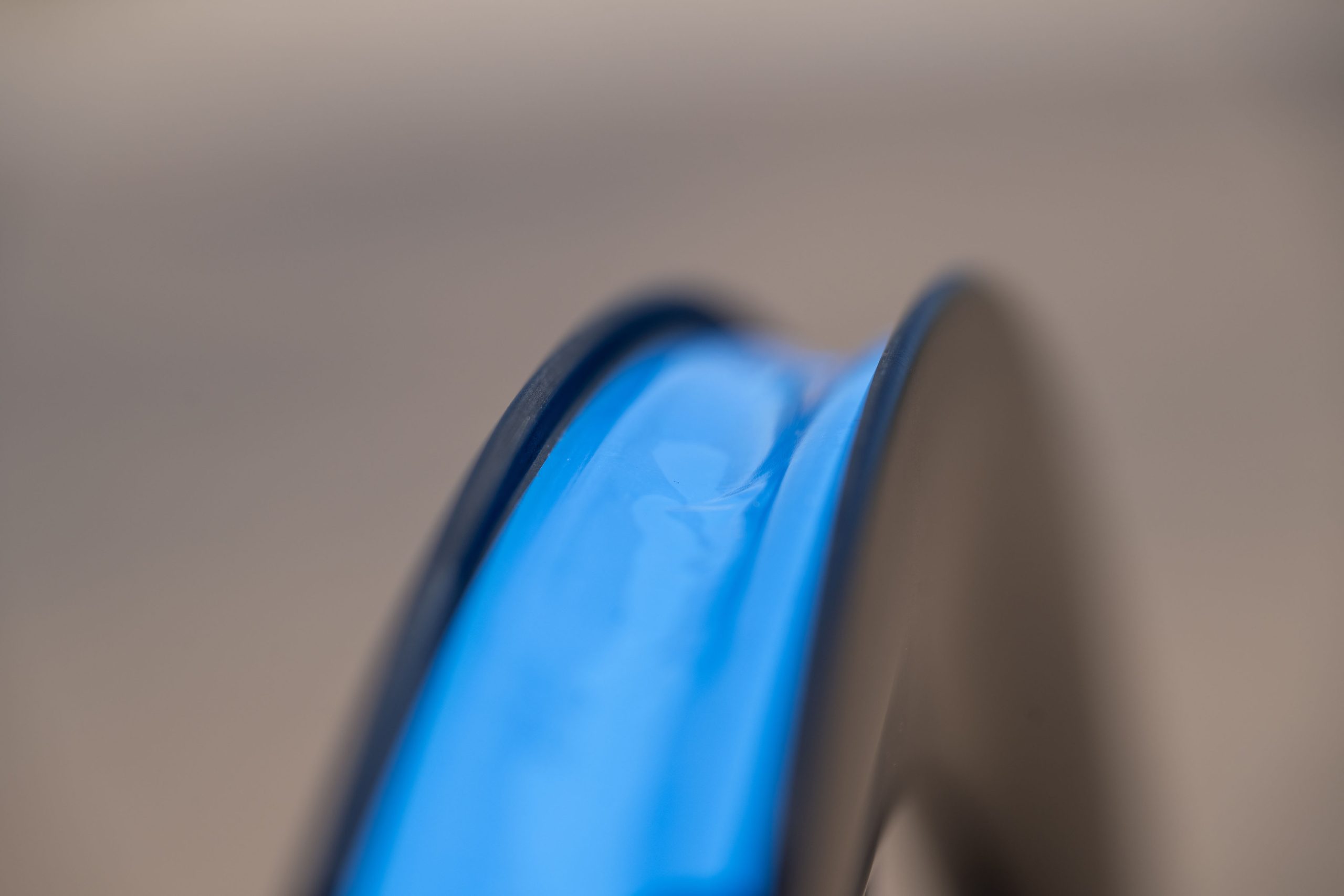
That said, the stiffness feels a level below the raciest road wheels I've used. Ursus claims the PBO spoke material can deliver "similar" levels of stiffness to carbon. Maybe it can, but that's not quite how the Arya G feels tuned to me.
The Newmen Streem wheels, for example, deliver a more immediate sense of acceleration when you stamp on the pedals. ENVE's SES 4.5s (which also have a 25mm internal width) do a similar thing and feel exceptionally refined despite their 1,538g weight – indicating weight isn’t everything – but they cost a chunk more at £3,350 / $2,850 / €3,250.
The key point is, though, for the vast majority of riders, more compliance versus stiffness to the exclusion of all else is probably a more efficient way to go overall – and, dare I say it, more enjoyable.
Wider is better – but herein lies a problem
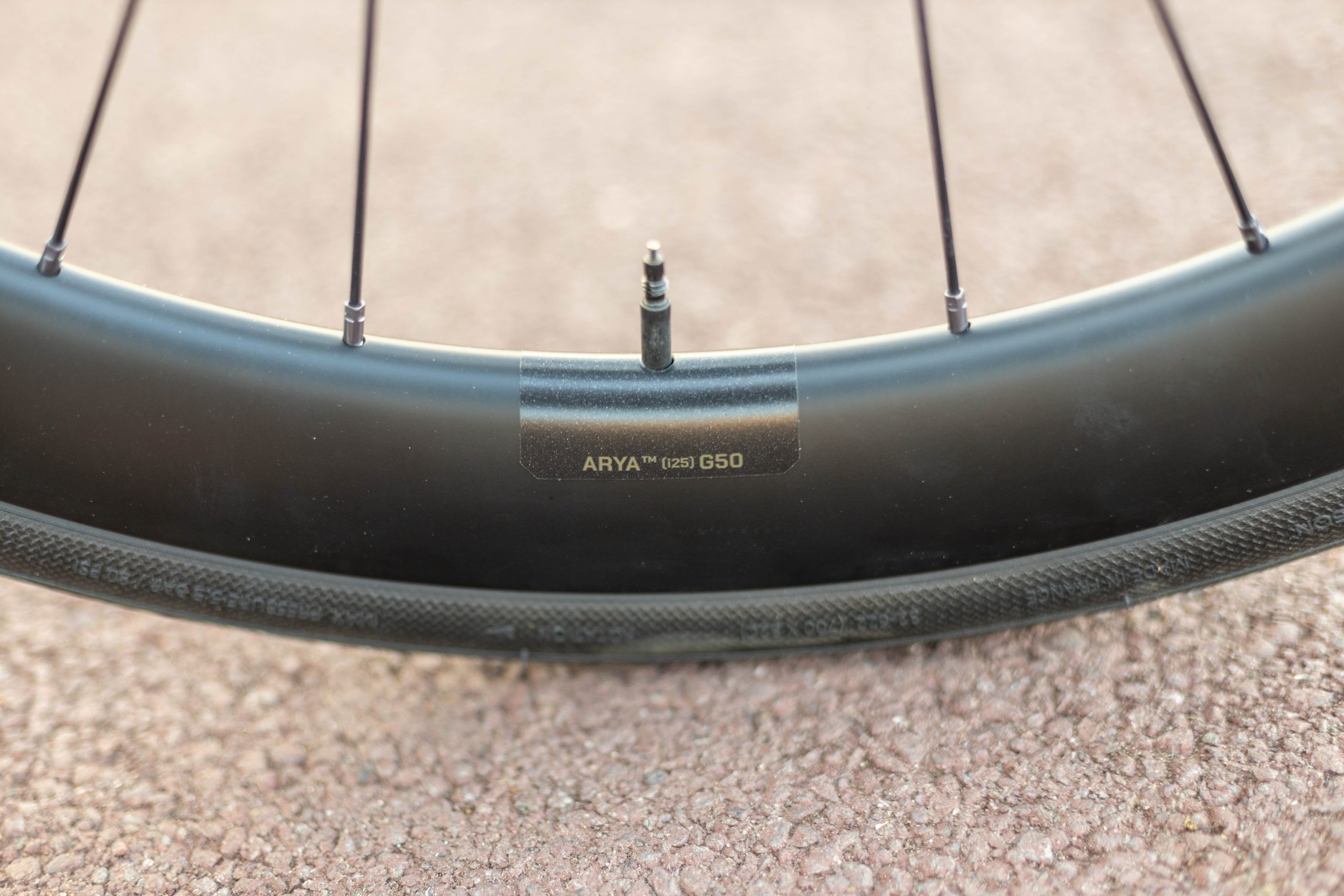
The sense of insulation increased naturally when I switched to 32c Hutchinson Blackbird All-Season TLR tyres for a portion of testing.
That's hardly a surprise: wider tyres at appropriate pressures bring their own considerable benefits in comfort and grip, with real-world improvements for rolling resistance.
At this point, the experience became more isolating than I’d want for a hard timed effort – overkill for compliance, perhaps, despite the Hutchinson’s quite supple qualities.
However, this raises the logical question that, if you can have similar benefits from running wider tyres, why do you need an expensive wheelset with special spokes to do practically the same thing?
I’ve had the wheels since my first look article in May 2026 and I’m still struggling to justify why, unless you want ride-smoothing comfort above all else.
The 'G' in the wheelset’s name indicates it’s suitable for gravel use, although this is arguably a less progressive interpretation of gravel-wheel design than the latest very wide efforts from Zipp, ENVE and Newmen.
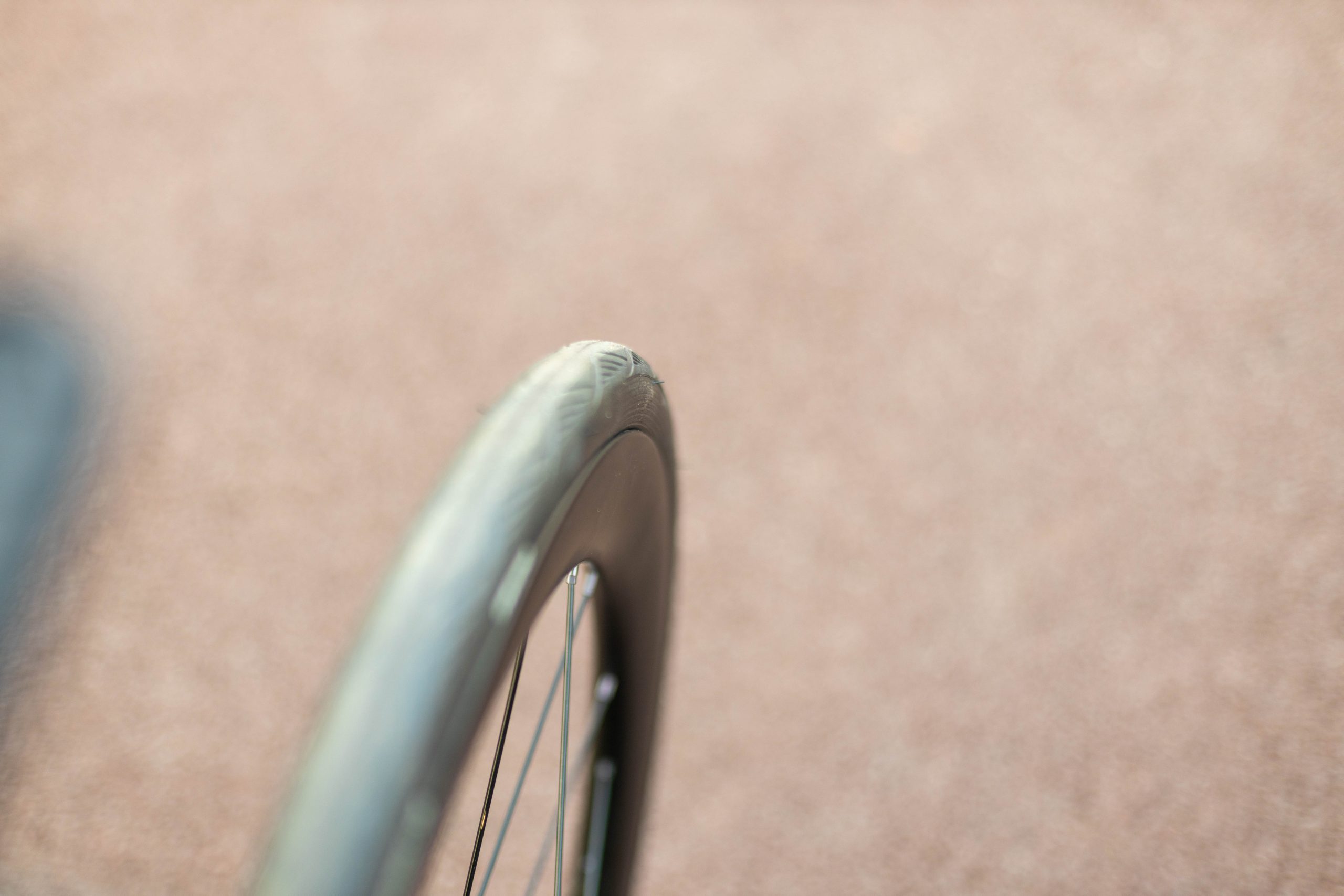
The 25mm internal rim width is hardly narrow by road standards, but the Arya G isn't attempting to be a pseudo-MTB wheel with a massive rim. It’s also hooked by the ETRTO’s standards (but Ursus describes it as a mini-hook).
On light gravel roads in my local area, I had no complaints about its sure-footedness or compliance. The wheels retain their composure over loose surfaces and the additional cushioning from the PBO spokes is arguably even more useful here than it is on tarmac.
I wouldn't be in a rush to launch the Arya Gs off lips in the manner I've seen my colleague Warren Rossiter do on a gravel bike, but that's an extreme use case. For typical gravel riding, these wheels feel entirely at home.
I can easily see them working as a three-season performance wheelset for riders with deeper pockets, with a lighter or more aerodynamic 'summer best' wheelset reserved for the best weather.
Ironically, we've had very dry, hot weather this summer in the UK and are now in a drought, so I haven't had much opportunity to get the Arya Gs filthy and properly ‘mistreat’ them. Within the time I've had with them, though, I've had no issues with dust ingress into the seals, which bodes well given there’s been plenty of the stuff around.
At £2,500 / €2,500 – and with the additional complication of import rates for US buyers – it’s an expensive wheelset (ignoring ultra-premium options with an element of all-road capability such as the ENVE SES 4.5).
There are cheaper ways to get a similarly impressive ride if you share my sentiment that much of the performance benefit can be had by running wider tyres.
A Hunt 40 Limitless Gravel Aero wheelset with carbon spokes and a wider rim costs £2,449 / $3,199, but the same wheelset with standard steel spokes is £1,479 / $1,849. Zipp's more progressive 303 XPLR SW wheelset costs £1,650 / $2,200 / €1,800, while the Reynolds ATR range covers a price range from $1,449.99 / €1,608 to $2,299.99 / €2,550 depending on specification.
There are dozens of other options from other brands besides.
That makes it difficult to argue the Arya G is good value – even if the PBO spokes offer performance gains, I’m not convinced they fix a problem that wasn’t already addressable through tyre choice.
How I tested the Ursus Arya G wheelset
I've used the Ursus Arya G wheels on a Canyon Ultimate CFR and a Cube Litening Aero C:68X over a hot and dry three-month period in the UK. I also tackled some light gravel on my all-road oriented Fairlight Strael 3.0. I used 28c Continental Grand Prox 5000 S TR and 32c Hutchinson Blackbird All-Season tyres for the main portion of my testing.
Ursus Arya G bottom line
Despite this, the Ursus Arya G is a fascinating wheelset because it challenges the assumption that carbon spokes are ‘the answer’ when you're looking for a high-performance wheelset.
The Sapim RC-1 PBO spokes don't deliver quite the same stiffness and reactivity as wheelsets I’ve tried with carbon spokes, at least here, assuming other things are broadly equal, but they offer an exceptional sense of composure and insulation from the road. This is an experience many will enjoy.
At £2,500 / €2,500, the Arya G is undoubtedly expensive, though – there are plenty of wheelsets with conventional spokes that will offer great outright speed for less money, and there's a reasonable argument that fitting wider tyres to a cheaper wheelset could deliver similar gains.