Road bike tyre widths have been steadily ballooning for the past few years, with narrow 23mm tyres a thing of the past. Tyre manufacturers are now releasing road tyres measuring 30mm as a matter of course, with options to buy tyres sold in widths of 40mm and beyond.
I'm a mountain biker and pro mechanic, and although I was aware road tyres were getting wider, I wasn't sure why. I'm seeing wider and wider rubber coming into the BikeRadar workshop daily, and wanted to get a handle on exactly why this is happening, why now specifically, and what the pay-off is for riders.
I spoke to BikeRadar’s road aficionado Warren Rossiter and Nathan Schickel from Zipp wheels to explain why road bike tyres are growing, and why their width might not increase any further.
To find out how road tyres measure up in the real world, I also measured the tyres on a selection of road bikes in the BikeRadar workshop.
Wider tyres offer advantages
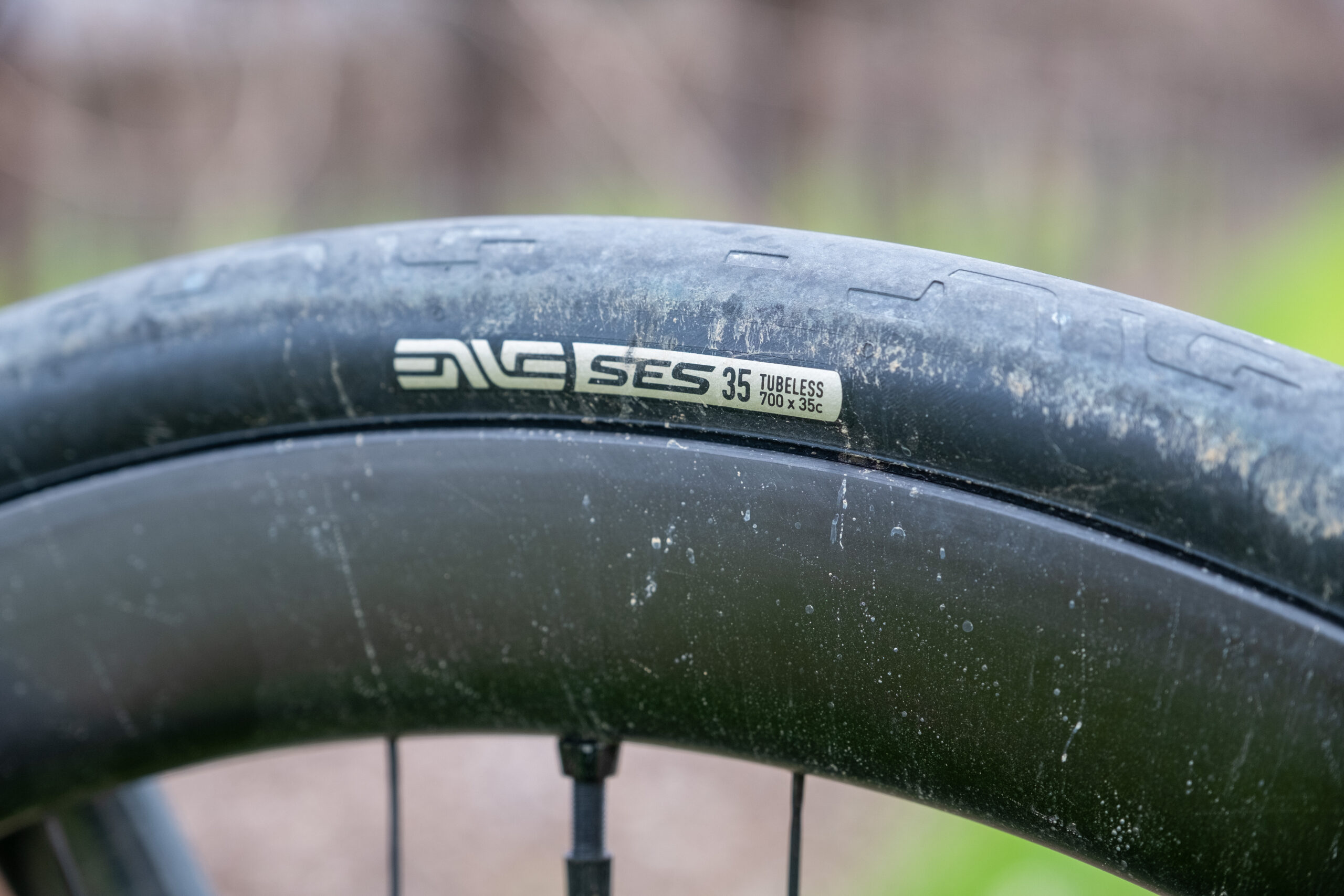
“Wider tyres offer reduced rolling resistance, which is an obsession amongst roadies,” explains Warren, BikeRadar's senior technical editor. A wider tyre has a shorter, wider contact patch than a narrower tyre, as it is squished onto the road.
Schickel states: "Everyone is starting to realise that to a point wider tyres are not a detriment, they’re a help."
Zipp's product manager explains that one reason for the increase in tyre width was the introduction of disc brakes.
When using disc brakes, rim profiles can be aero-optimised more effectively because there's no need for a flat braking surface anymore.
This means the aero penalty suffered from running wider tyres (because of their increased frontal area) can be reduced, and is now outweighed by the reduction in rolling resistance offered by a wider tyre.
Schickel says wider tyres are now more efficient overall, taking into account both aero and rolling resistance, saving you watts on the road.
In almost every instance (except super-smooth new tarmac), wider tyres roll more efficiently, he adds.
“It doesn’t have to be actually bumpy,” Schickel says. “Even a standard everyday road that’s been through a couple of winter cycles has small undulations, which can slow down a bike with a narrower, higher-pressure tyre.”
The worse the road surface, the bigger the rolling-efficiency gains offered by a wider tyre.
However, as well as increased efficiency, wider tyres offer increased grip and improved comfort. This is because they have a larger volume, enabling you to run lower pressures without increasing your fear of pinch punctures.
Warren explains that wider rims are a trend that corresponds with larger tyres. “Rims have become wider for aero reasons, so old-school narrow tyres are a poor fit,” he says.
Information on Schwalbe’s website explains rolling resistance rises at close to a linear rate as riding speed increases, whereas air resistance rises exponentially the faster you go.
Hutchinson states that independent testing data backs up the notion that wider tyres not only offer more grip and comfort, but, thanks to decreased rolling resistance, are faster. The tyre brand says reduced fatigue far outweighs any aerodynamic penalty from the increased width.
How wide are road tyres now?
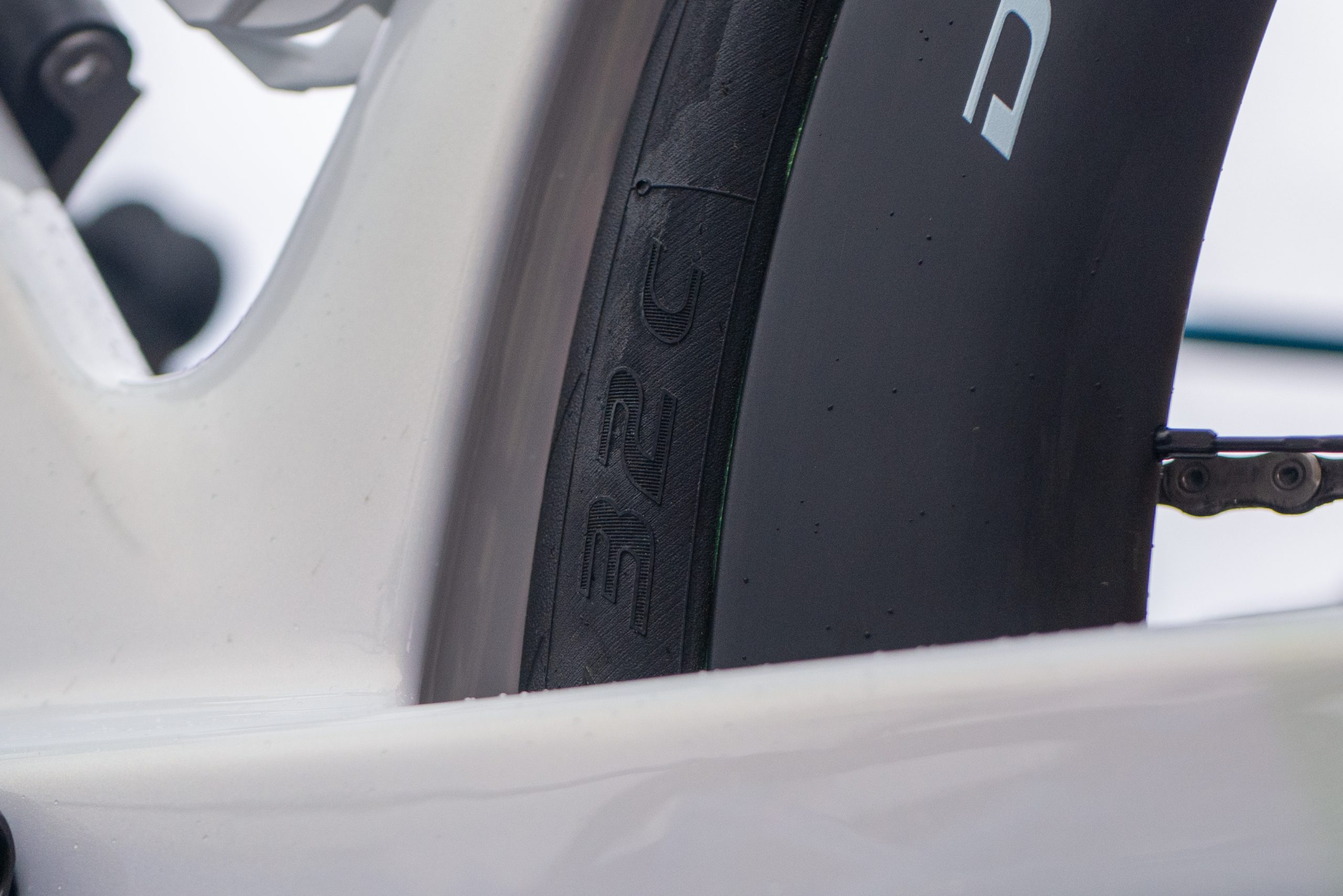
“The demand for narrower tyres amongst professional racers is over,” says Warren. “For pro riders, the sweet spot seems to be becoming 30mm [30c], although tyre brands are offering road tyres in sizes up to 40c. The downside is the increase in weight.”
On production bikes, wider tyres are becoming more common, although Warren points to a dichotomy here.
“What you tend to find is that product managers trying to put together light bikes go for a 28c [such as the Cervélo Soloist and Winspace M6], but for endurance road bikes, where comfort is more important, it’s more likely to have 32c tyres [such as the Ribble Ultra-Road].”
How accurate are tyre measurements?
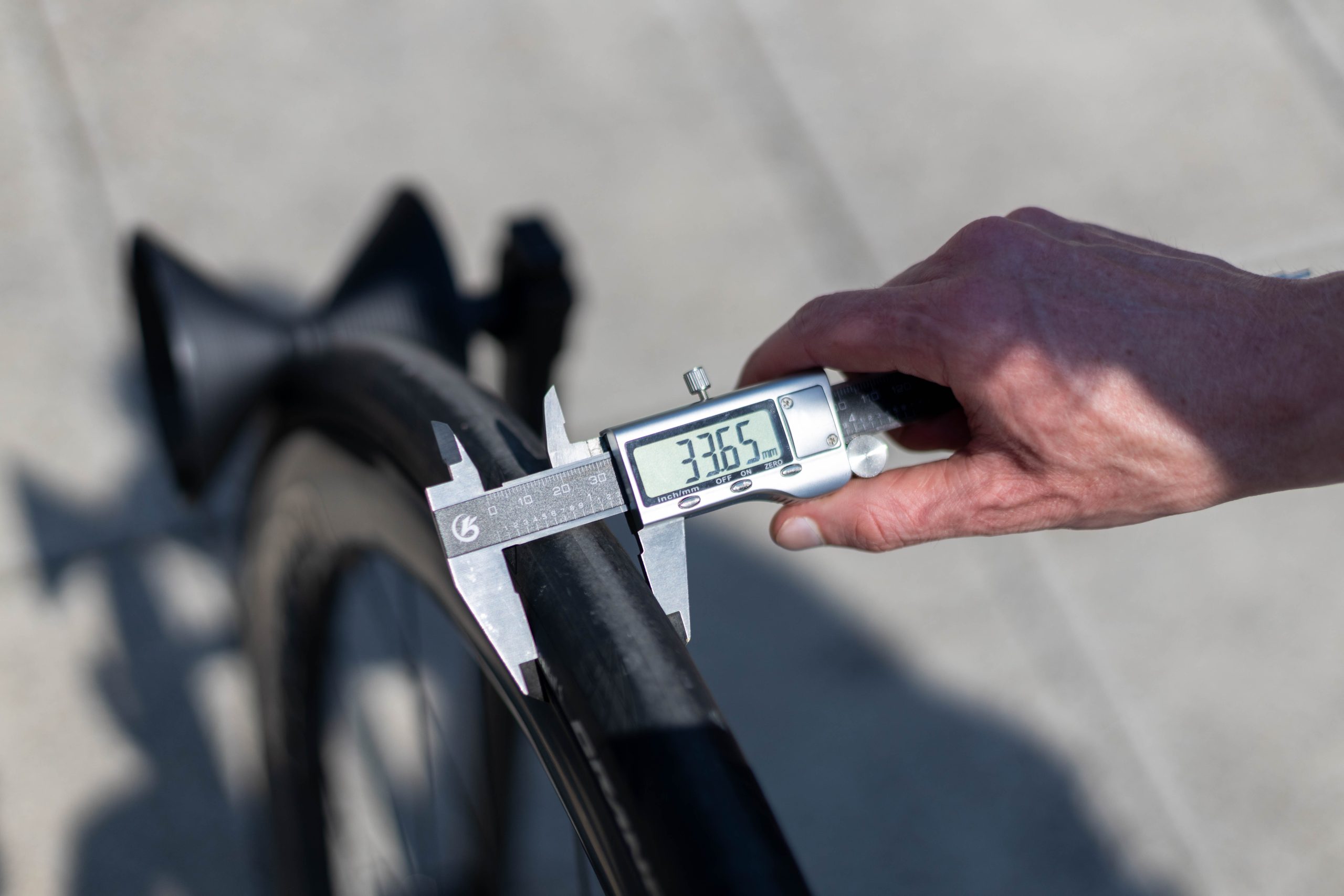
To see how tyre sizes are shaping up in the BikeRadar workshop, I measured six models that have passed through our doors in 2026.
| Bike | Nominal tyre size | Measured tyre size |
| Cannondale CAAD14 | 28c | 29mm |
| Ribble Ultra-Road | 32c | 32mm |
| Winspace M6 | 28c | 29.5mm |
| Eddy Merckx 525R | 30c | 32.3mm |
| Cervélo Soloist | 29c | 32mm |
| Merida Reacto 10k | 28c | 29.3mm |
Measuring up bikes in our workshop, it's interesting to see the difference in tyre width between road bikes that at first glance may look similar.
Cannondale’s CAAD14 is a £2,995 / $2,499 alloy road bike with Vittoria Zaffiro 28c tyres. A decade ago, a similar bike would have had narrower tyres.
As Warren explains: “Bikes like these chase a low headline weight for the spec sheet, but larger tyres may yield better performance on the road.”
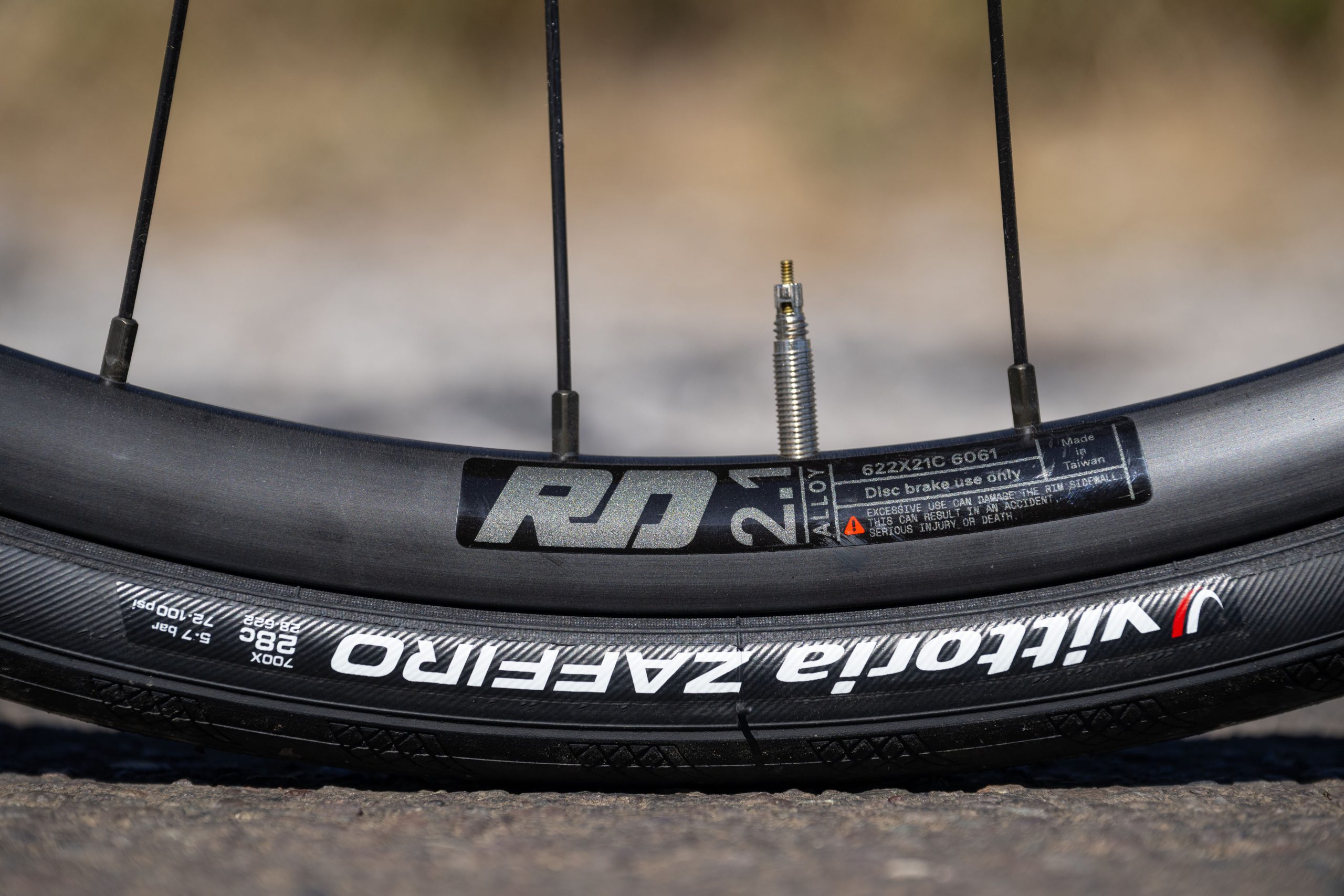
When measured, the Cannondale’s tyres came out at a slightly wider-than-stated 29mm on the supplied Cannondale RD2.1 rim.
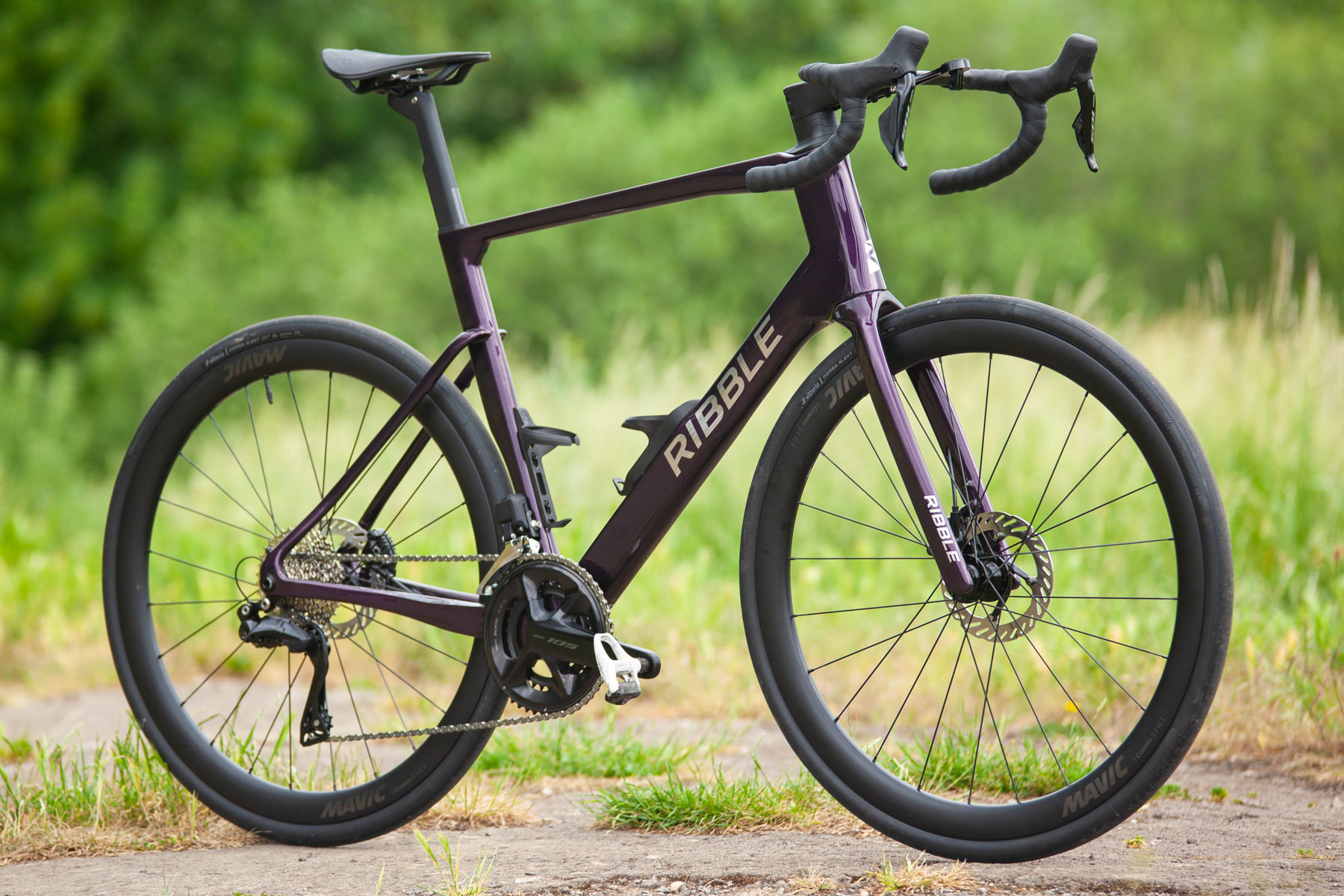
Ribble’s Ultra-Road is an aero-style road bike, but designed to offer more comfort than other bikes in the same bracket. Its 32c Vittoria N.EXT tyres measure up as stated at 32mm on its Mavic Cosmic S 42 wheels.
Winspace’s M6 is a high-spec carbon aero road bike that costs £3,500 / $3,900. It's supplied with Continental Grand Prix 28c tyres, which come up wider at 29.5mm on the supplied Unaas Hard H500 aero carbon rims.
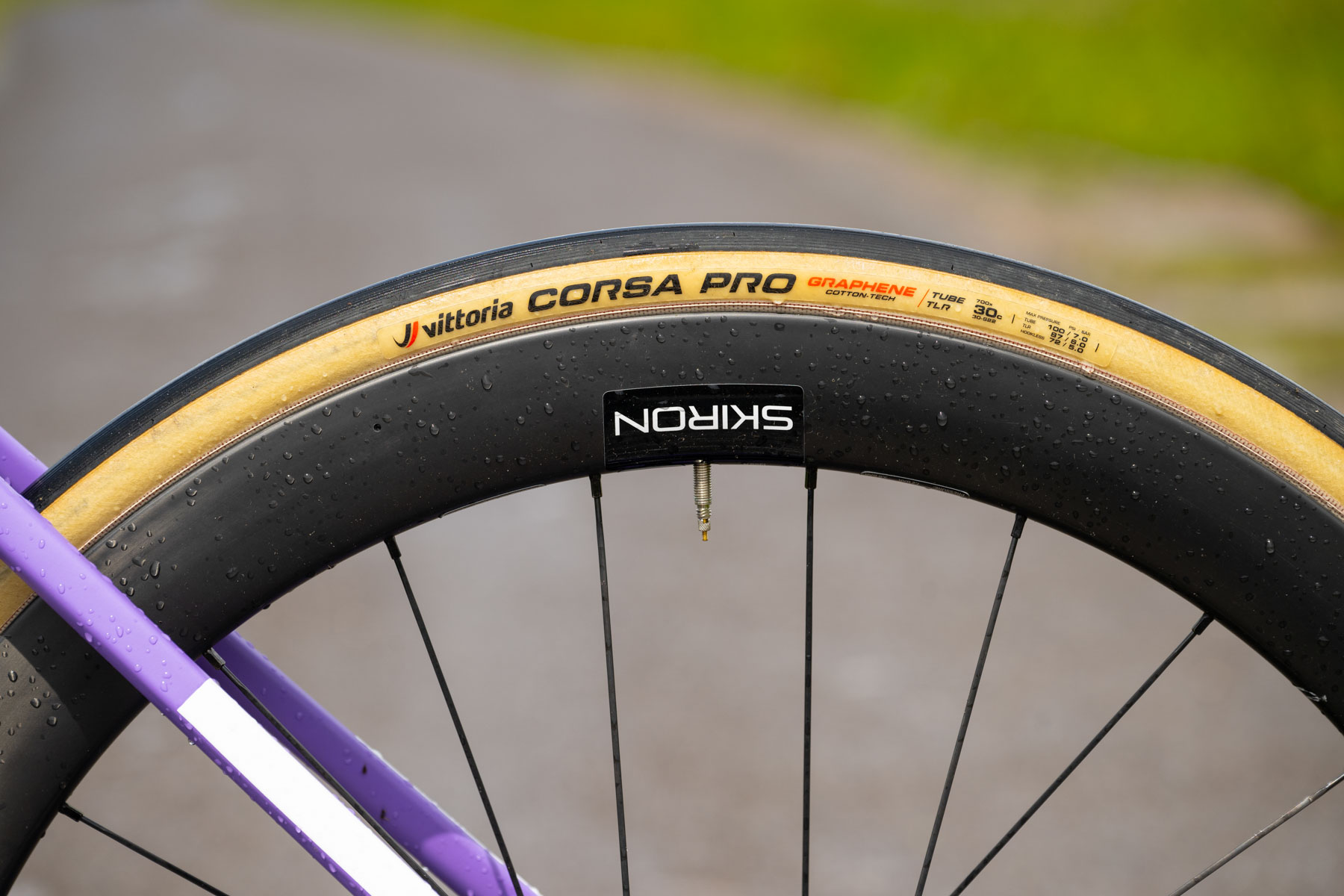
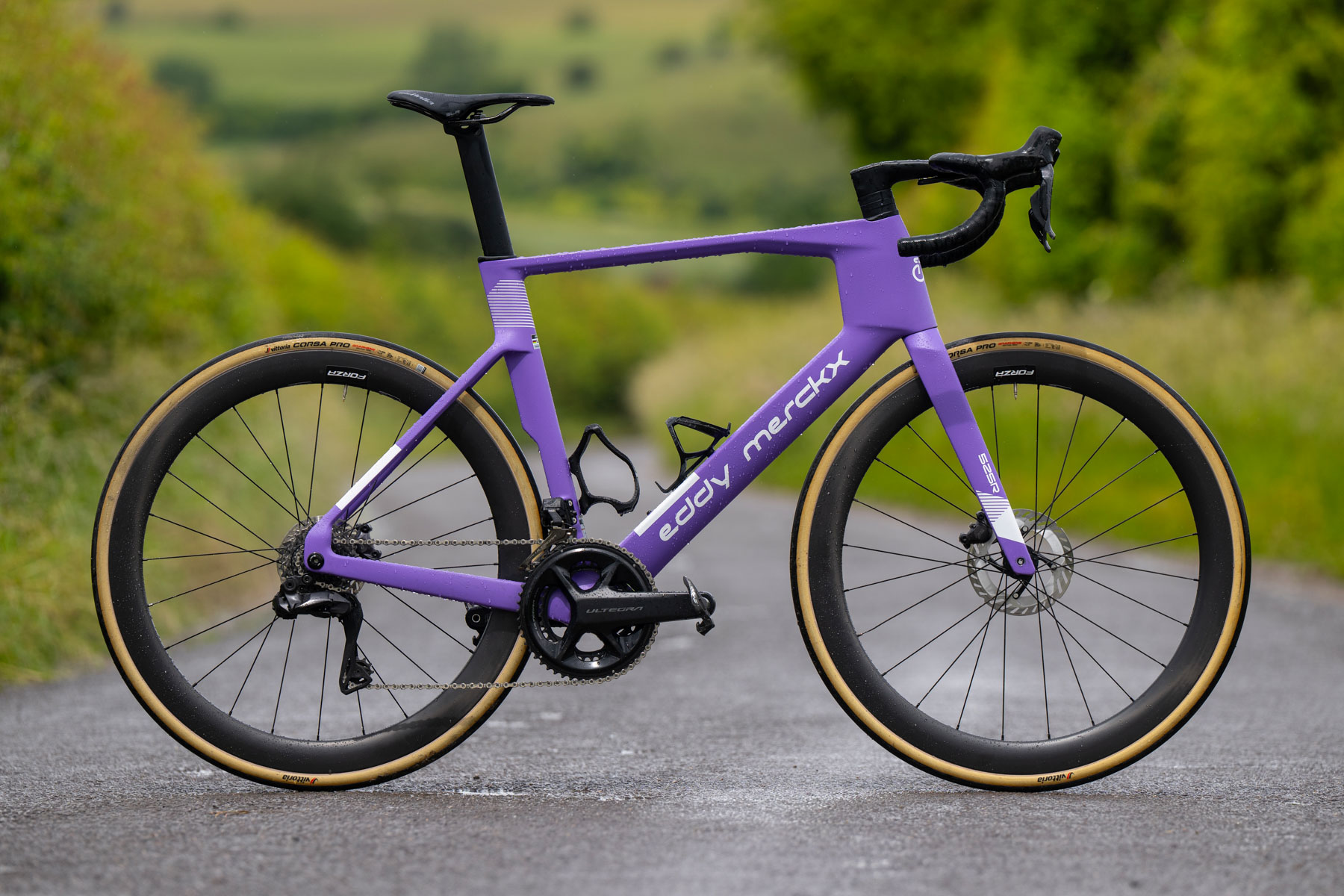
Warren describes the Eddy Merckx 525R as “the best aero road bike I’ve ever ridden”. It costs €6,999 and comes with Vittoria Corsa Pro 30c tyres, which measure a much wider 32.3mm on the Forza Skiron wheels.
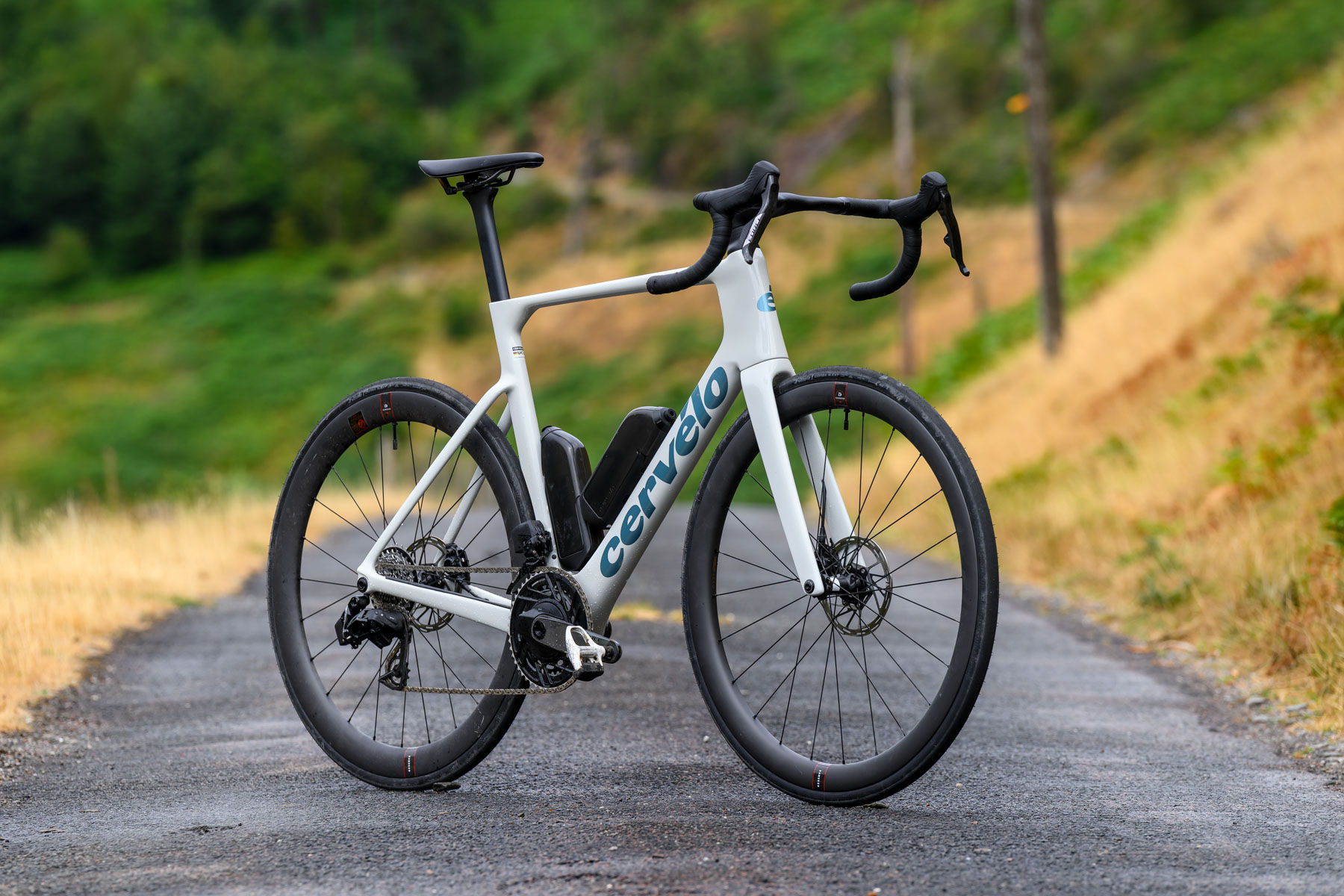
The latest Cervélo Soloist is a light, fast race bike, which retails for £7,000 / $8,500 and comes with Vittoria N.EXT 29c tyres that measure 32mm on Reserve 42 wheels.
Finally, the latest Merida Reacto 10k is designed with speed and efficiency in mind and costs £9,500. For the latest generation, Merida has boosted maximum tyre clearance from 28mm to 32mm and it's supplied with Continental Grand Prix 5000 S TR 28c tyres. These measure up at 29.3mm on the Reynolds Black Label 60 wheels.
Measuring up
Rim width has a significant impact on the measured width of your tyre in the real world. The best example of this is seen by the Vittoria N.EXT 32c measuring 32mm on a Mavic Cosmic S 42 wheel, which has a 21mm internal rim width.
Why, then, does the 'narrower' 29c Vittoria N.EXT measure up at the same 32mm width on a Reserve 42 wheelset, in the case of the Cervélo Soloist? The Reserve wheel has a much wider 25.4mm internal width, helping to balloon the rubber out to its 32mm measured size when inflated.
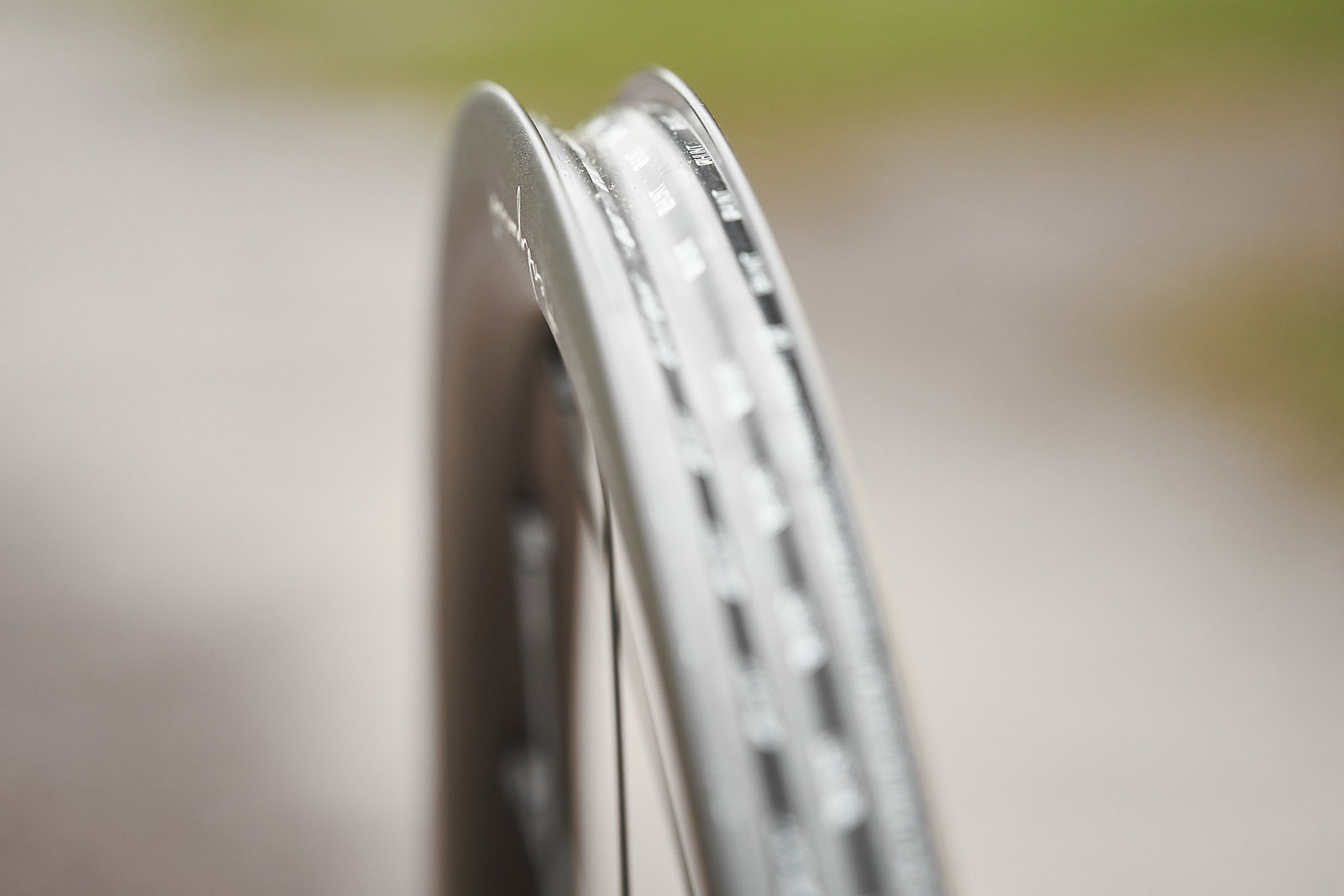
Apart from the Ribble Ultra-Road, all the bikes sampled had tyres that measured wider than the figure stated on the sidewall.
So, in conclusion, wider tyres offer the opportunity to reduce rolling resistance, increase traction and improve comfort. However, wider tyres cause increased air resistance (if chasing marginal aero gains) and weigh more, particularly when looking at the widest sizes available.
As Warren puts it: “Simply trying to find the balance of air resistance, rolling resistance, and weight is the golden ticket.”