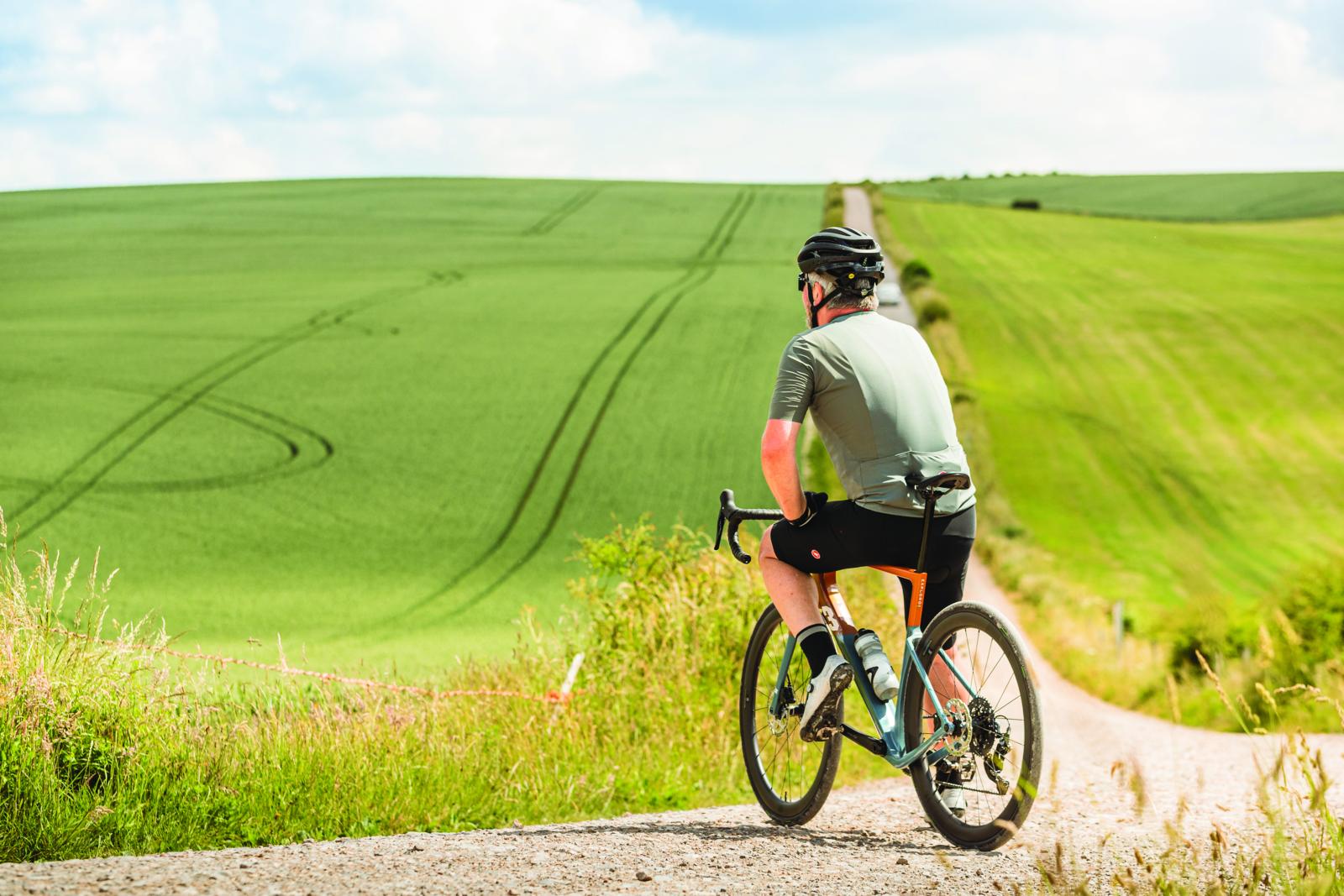
A general theme from the last decade has been highly specialised bike designs. On the road, we had aero race bikes that were initially only concerned with wind-cheating abilities, and forgot weight and handling nuances in favour of straight-line speed.
Now we have bikes such as the flighty, fantastic Giant Propel. It’s as aero as the design has ever been, but the latest generation is as light as a specialist climbing bike. It also has the geometry, and therefore handling, of the sublime Giant TCR.
However, the real star is our Race Bike of the Year winner, the Merckx 525R. This takes the aero-bike template but smashes the old adage of race bikes having to be long and low.
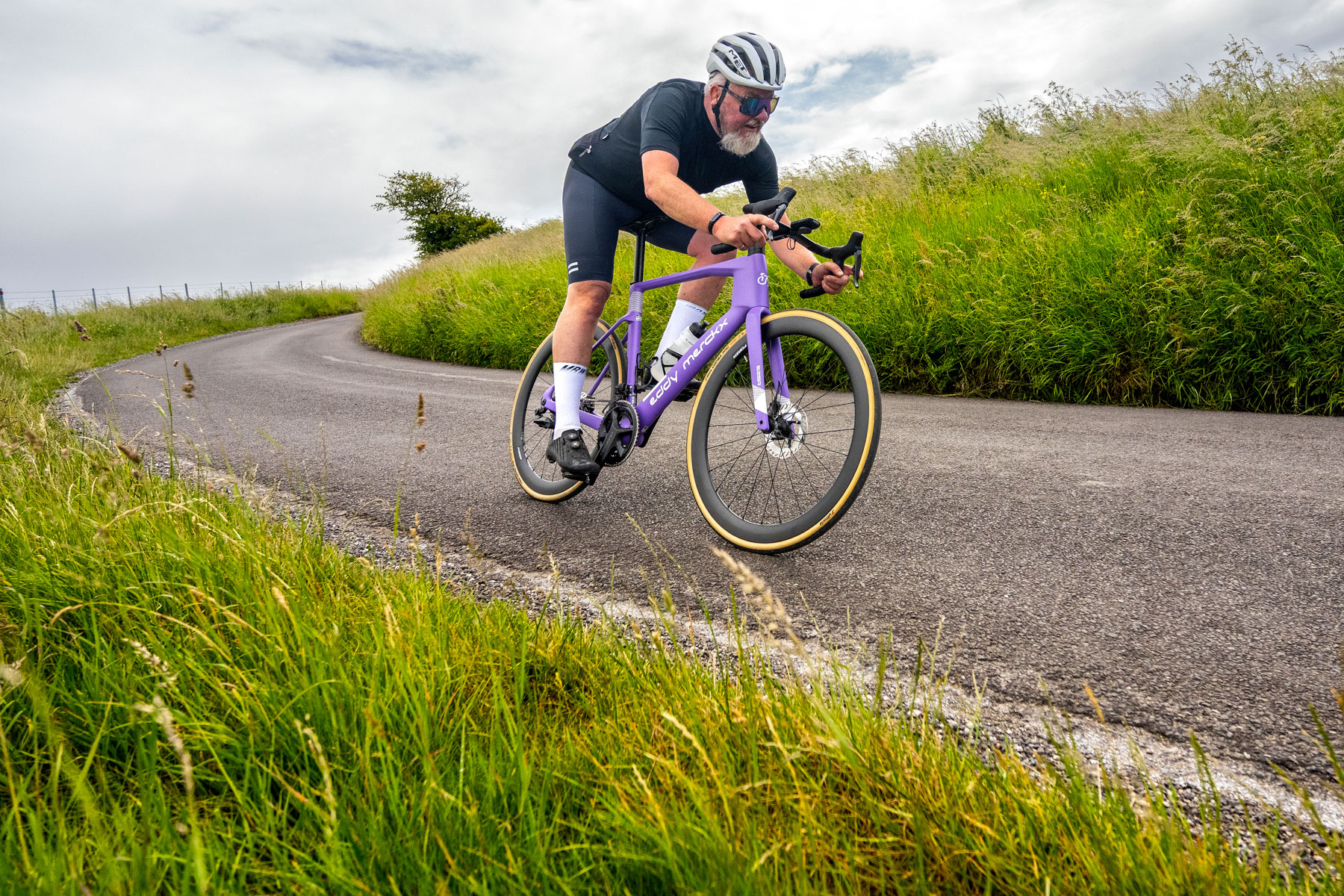
The reorientation of the geometry on the 525R keeps an aggressive position. However, by adjusting the saddle position through the steepened seat tube angle, it enables a more comfortable and efficient ride position while still being very, very fast.
It’s one of those simple solutions we all wished we’d thought of. Rest assured, I think this progressive approach to road race geometry will become highly influential.
We’ve already seen Factor take a similar route with the aero One. I think this change in geometry could be as seismic for race bike design as the compact frame geometry of the original TCR.
Gravel bikes are even more impressive
Recent changes to the best gravel bikes have been even more impressive. In the last 10 years, they’ve achieved the kind of development that it took road bikes more than half a century to even get close to.
This year, the category has been dominated by a new raft of aggressive gravel race bikes. This has been driven by the popularity of the gravel racing scene. I can see why – where else in cycling could you turn up at the start line of an event to ride alongside the very best professionals in the world?
It’s an approach that’s worked for marathon running forever, and long may it continue in the gravel scene. Keeping it accessible is what will keep gravel fresh, and popular.
The first raft of gravel race bikes were uncompromising. They were either a mixed bag of aero road bikes with slightly bigger tyre clearances, or just recategorised cyclocross bikes.
Neither were optimal for their purpose, both required huge levels of concentration and no small amount of skill to navigate over trickier terrain. Yes, they were fast in a straight line on princess gravel, but then so is the modern road bike. If you don’t believe me, just watch Strade Bianche or Paris-Roubaix.
What I wanted from a gravel bike was something capable of getting far off the beaten track. Now that’s what we have.
Last year’s Gravel Bike of the Year, the Parlee Taos, showed what could be done when you unleashed the shackles of drop-bar dogma. The Taos and the other finalist, the Mondraker Arid RR, combined the best of gravel. They were lightweight, versatile and delivered a smooth ride. With the attitude of a mountain bike – singletrack-slaying sharpness, confidence-inspiring handling – these were real go-anywhere bikes.
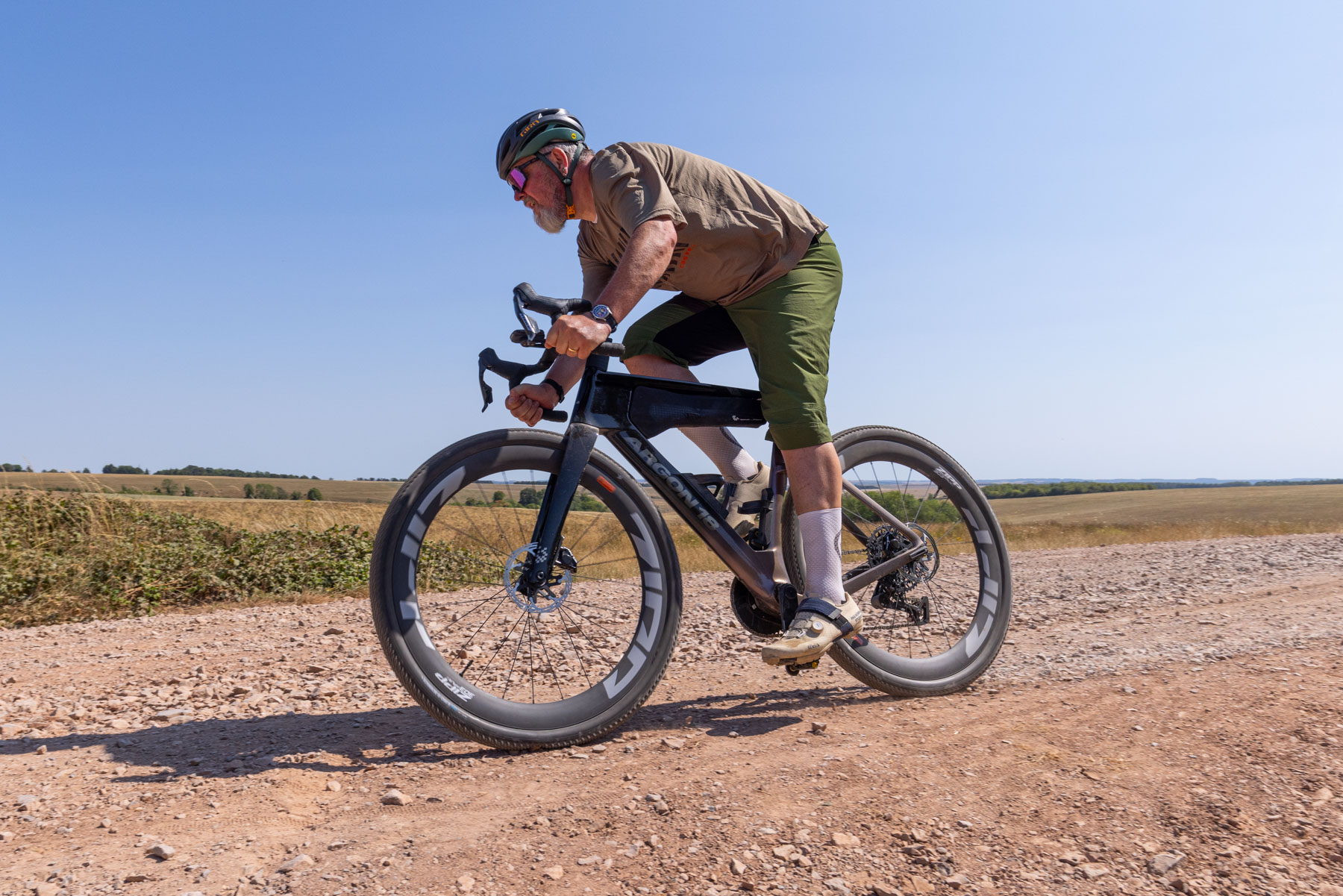
Now, in 2026, gravel race bikes are back and better than ever. On the aero-gravel front, we’ve seen the Argon 18 Anti Matter, which takes the approach of the Dark Matter and adds the aerodynamic knowledge of the Nitrogen Pro.
Or there’s Giant’s approach. The new Revolt Advanced SL takes the template of the already brilliant Revolt Advanced, and adds a new more aggressive geometry and buckets of speed. It’s also as light as a road bike, but much more comfortable in the rough than any of the early gravel race bikes.
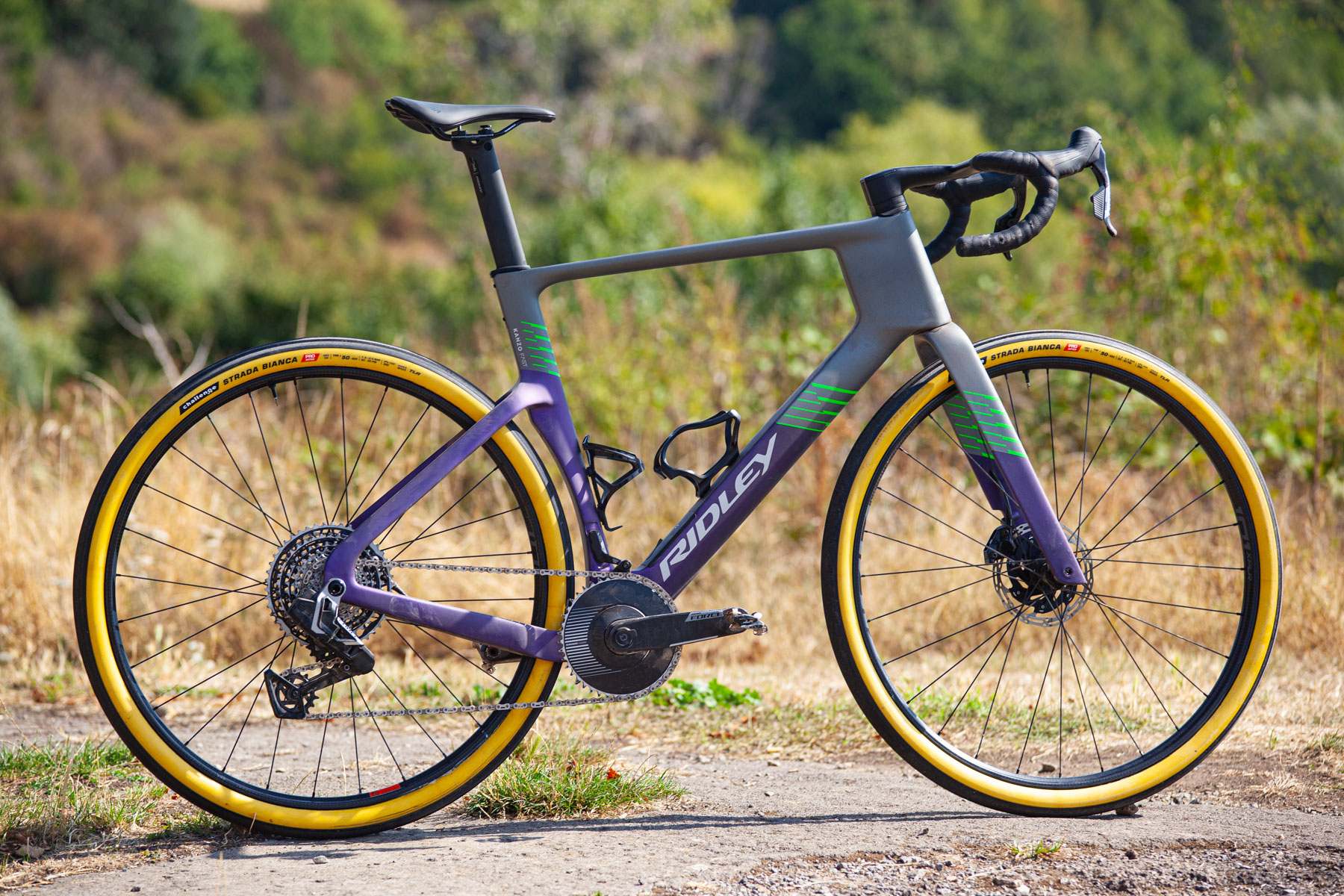
Finally, we have our 2026 Gravel Bike of the Year winner, Ridley’s Kanzo Fast 2.0. I tried the Kanzo in its prototype form and it changed my mind about aero gravel bikes. It had all the aero of those first-generation bikes, but none of the drawbacks. It brought handling finesse and rough-terrain stability into the mix. When the full production model arrived, I was even more impressed.
The Kanzo was designed by the same team and developed at the same in- house wind tunnel as the Noah Fast 3.0, which was piloted by Søren Wærenskjold to the fastest-ever Tour de France stage.
When a bike has this much aero integrated into it, the last thing I’d expect would be class-leading tyre clearances (58mm), clever integrated down-tube storage – and even provision for mudguards.
There’s a nod to the progressive geometry used on the Merckx, too, so the Kanzo is aggressive yet accommodating.
It’s as fast as its rivals on smoother gravel, but take it to the rough stuff and it’s just as impressive. It can handle the tight and technical woodland singletrack I love, yet keep pace with road bikes on tarmac.
It’s a bike that can do it all, but doesn’t feel compromised at all. In fact, I’ve been experimenting with the Kanzo and a set of Challenge’s new 50mm-wide slick Strada Bianca tyres, and this Belgian beauty could well be all the bike I’d ever need on-road or off.