I’m not a betting man – and I’d certainly never recommend it for you – so I point this out purely for illustration: as of Friday 3 July, the odds on Tadej Pogačar winning the 2026 Tour de France were 3/10. That means for every £10 you bet on that outcome, you get back £3 profit. Don’t quit your job just yet.
That’s an astonishingly meagre sum for a competition that involves 184 riders, 3,333 kilometres and 21 days of action in which the slightest touch of wheels can be curtains for a rider’s hopes.
It’s the sort of price you might get in a two-horse FA Cup tie between the Premier League champions and non-league minnows, not a crowded field where injury, illness and misfortune can strike at any point across a near month of action.
The Slovenian maestro, then, is not just the big favourite to win what would be a record-equalling fifth yellow jersey, but a favourite so overwhelming that one might ask the question: why’s this thing even worth tuning in for? Here are five reasons why it absolutely is…
This champion is different
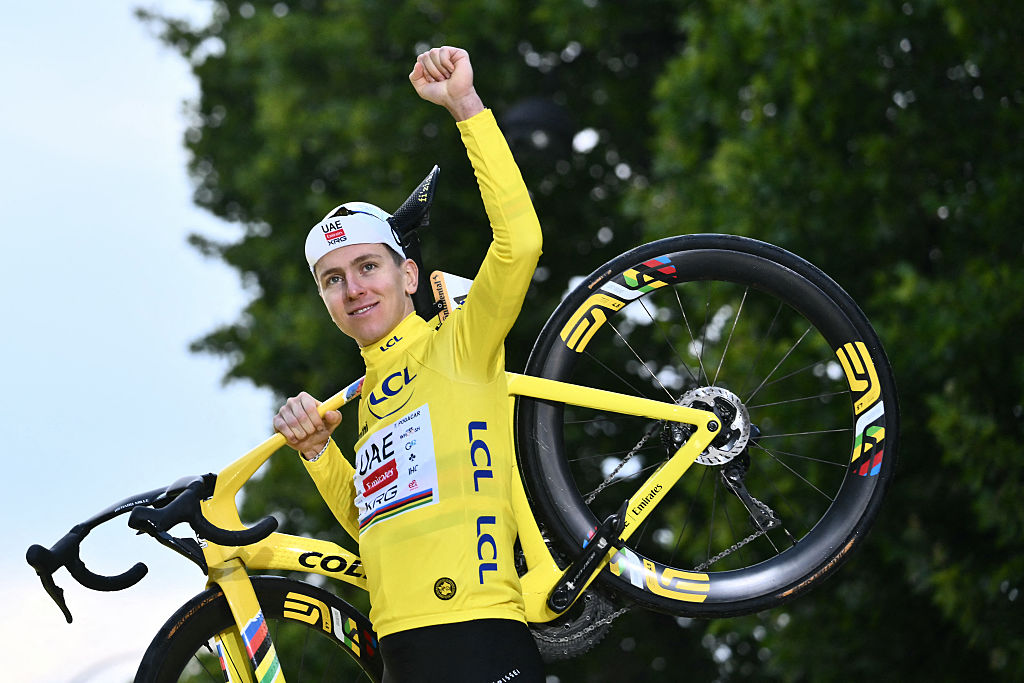
The Tour de France has enjoyed – and endured – numerous dynasties throughout its history. For every otherworldly talent such as Eddy Merckx, with a need and capacity for the spectacular, there have been many more who were – while great enough to dominate their rivals consistently – needed to do it in a more attritional way.
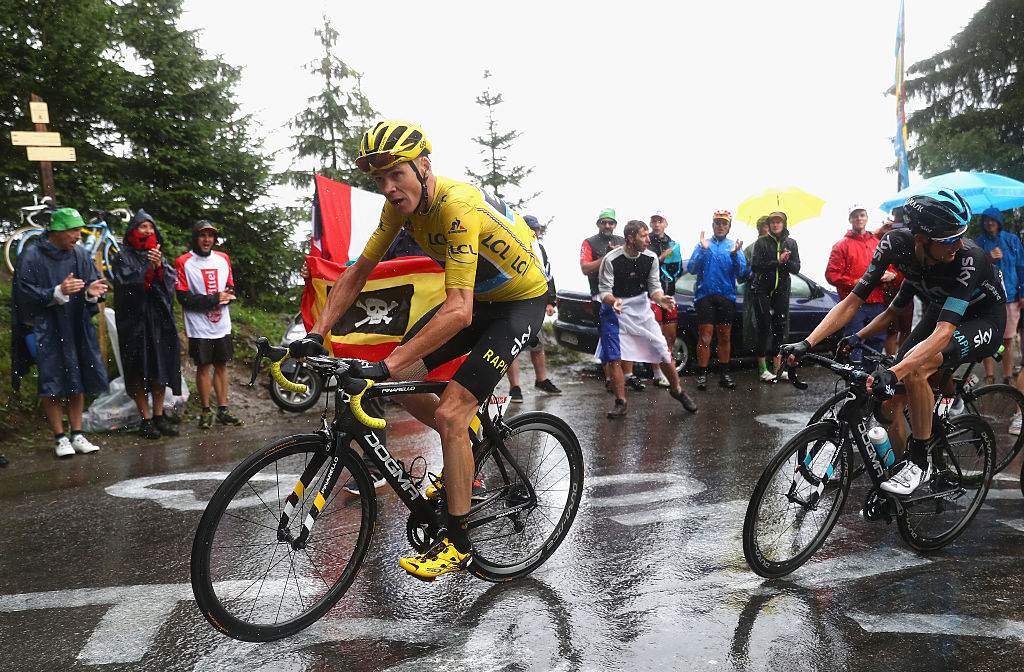
There have been numerous periods when Tours were held in a vice-like grip by a leader and the collective might of his team – think Miguel Induráin (1991-1995), Lance Armstrong (1999-2005) and Chris Froome (2013, 2015-2017). The yellow jersey fight was a non-contest in many of these years. Overbearing tactics – getting a big lead early and defending to Paris – are a hallmark of the least enthralling races.
Pogačar does things differently. Yes, a big lead is often chalked up in an early mountain stage, but he’s often keen to add to it on the next stage, then the next. He sees it as part of his job to captivate his audience and is happy to oblige.
Only in the final week of last year’s race did he look as if he was shutting up shop, but that was linked to a knee injury. And even with that, he lit up the final stage in Paris, ever the showman.
It’s always Christmas Eve at the start of the Tour de France
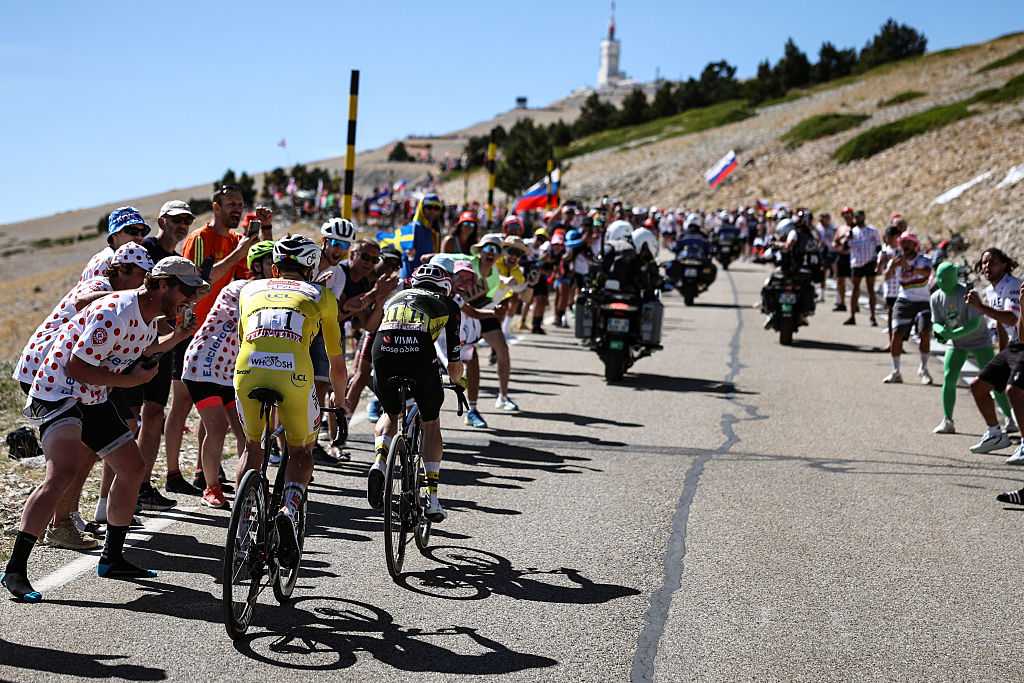
There’s a mournful feel to the Monday after a Tour de France has finished. I’ve been following the race for several decades and no matter what has happened in it, I’ve still carried this thing through my life for over three weeks, and tuned into nightly highlights, and for it to vanish suddenly can knock me off kilter.
Still, on the bright side, a mere 342 days or thereabouts remain until we get to do it all over again, and those high summer days immediately before the race rolls out for stage 1 have a Christmas Eve feel.
That applies whether you’re at home, swatting up on race guides and media, and luxuriating in the hype, or – and I can’t recommend this highly enough – on the ground at the Grand Depart, wherever it may be in Europe, breathing it all in.
So much of the consumption of modern sport involves not the actual watching of the games or races but everything that goes on in between and the electric atmosphere in a Tour de France host town or city on the eve of the start is the ultimate example.
Anything can happen, at any point
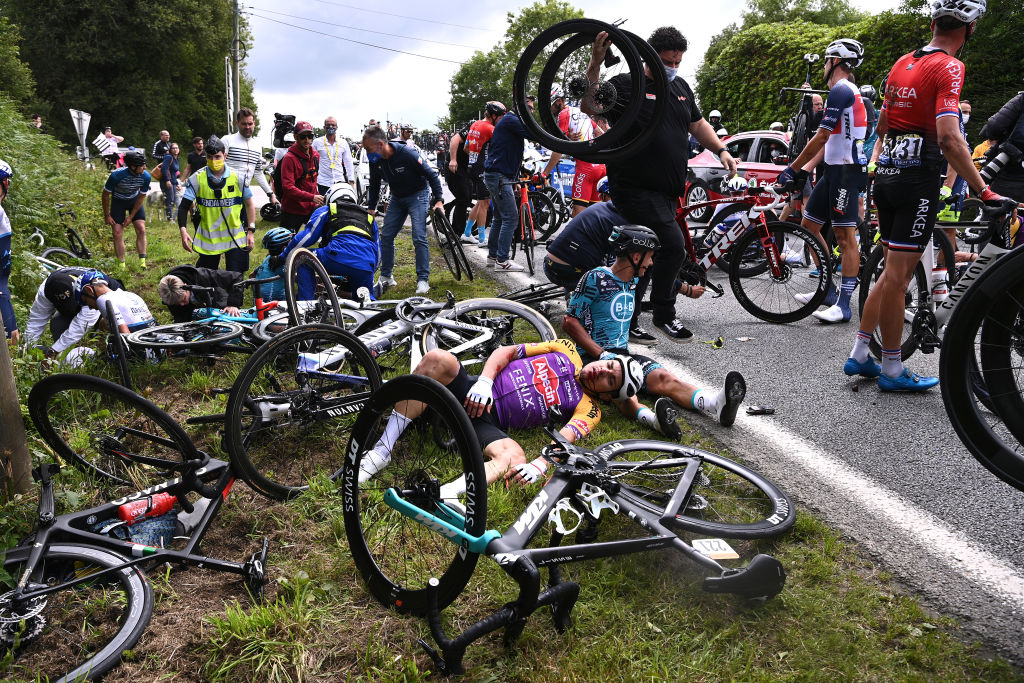
No matter how fancied a favourite is on the stage 1 start line, they’ve still got to do the business across the three weeks.
There’s much that can unseat a dominant champion such as Pogačar. A billowing crosswind on a previously benign stage can leave them alone and exposed; a mistimed mechanical close to the line can see minutes quickly haemorrhaged through no fault of their own; and a badly timed corner on a perilous Alpine descent can put not only their race in jeopardy but their health, too.
Seasoned Tour watchers will recognise what a charmed life the best rider in the race leads. Rarely out of position, sick or injured, and always with a teammate in tow. But this isn’t luck. This is superiority that they carve out themselves. Pogačar has it in spades right now. It might not abandon him this year, but when it goes, it can go quickly.
Get a first glimpse of a future champion
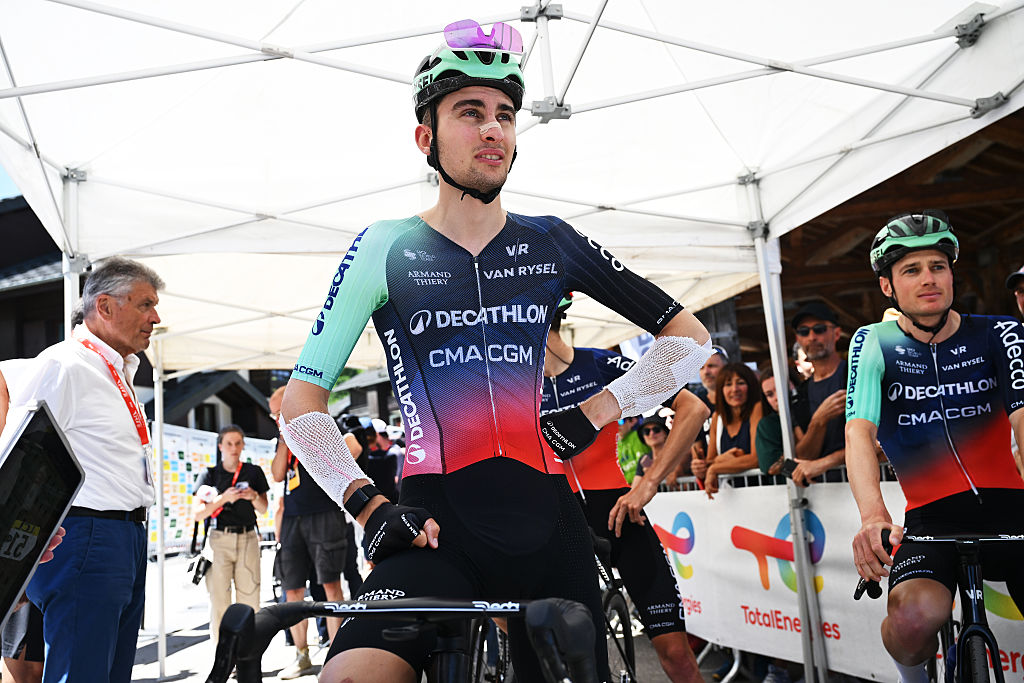
It’s exceedingly rare that a young rider comes from nowhere to win the Tour de France. It’s the biggest stage in the world for a reason and, typically, incremental steps along the way are needed to reach its pinnacle.
Pogačar himself was one such outlier when he won at 21 in 2020, certainly for more casual viewers – particularly with the nature of that truncated pandemic season, which kept the Slovenian hidden from view.
It's one battle after another
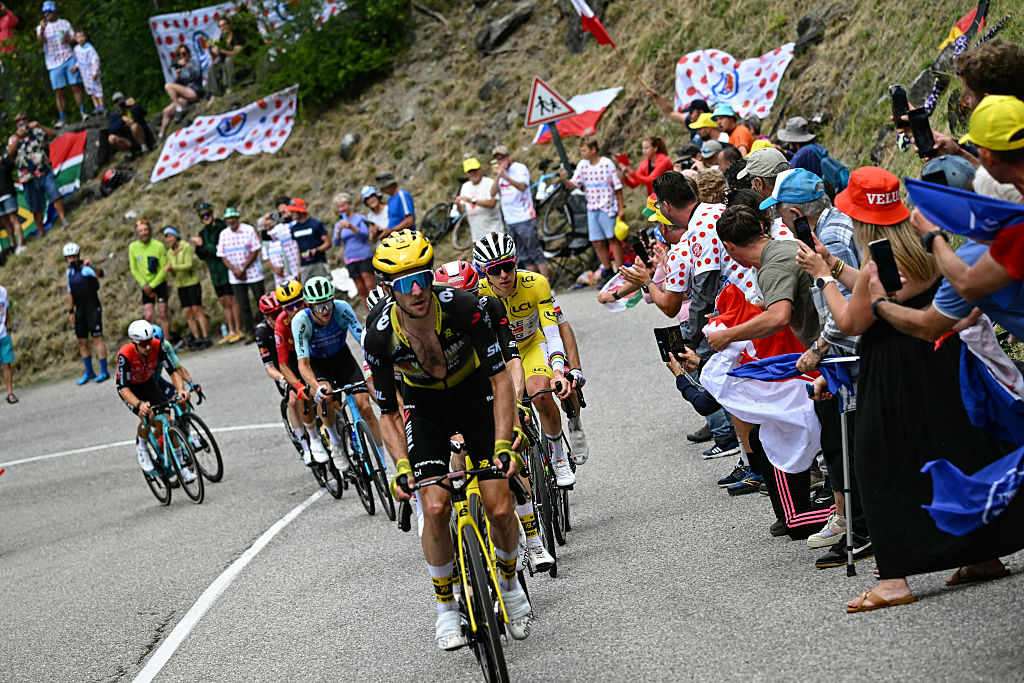
Of course, we all want to see a GC battle that goes down to the wire. That’s how organisers design the route, building momentum slowly for hopefully a crescendo finale. Above anything else, the yellow jersey winner is what is remembered of a race decades from now.
We tune-in for the times it goes the distance, but for the years that it doesn’t, the richness of the Tour de France means there are always storylines to follow. The 21 stages provide 21 opportunities for most riders in this race to win what may turn out to be the biggest thing they ever win in their careers.
So what if Pogačar has an unassailable 12-minute lead after stage 18? Stage 19 could be the finest day of their career and the stakes couldn’t be higher.
More on the 2026 Tour de France
- We weighed Tadej Pogačar’s 2026 Tour de France bike – and it’s heavier than you might think
- Jonas Vingegaard’s Cervélo S5 for the 2026 Tour de France is bang on the UCI’s 6.8kg weight limit
- Spotted! Remco Evenepoel will ride this prototype Specialized Shiv time trial bike at the Tour de France
- Can the Tour de France ever be Pogačar-proof? The race organisers face a near-impossible task
- From a rare team time trial to a brutal Alpe d’Huez finale: 8 questions answered about the 2026 Tour de France route
- Live Tour de France coverage to be broadcast on S4C and BBC iPlayer