Giant was a little late to the aero road bike party when it launched the original Propel back in 2013, but in many ways that bike was typical of its time.
The Propel saw notable success under Marcel Kittel in bunch finishes at the Tour de France, with the big German sprinter racking up eight stage wins between the 2013 and 2014 editions on Giant's aero bike.
Each new generation of the Propel has seen Giant claim improved aero efficiency. Rather than refining the Propel’s aerodynamics bike-only in the wind tunnel, from the outset it has been using a pedalling mannequin based on a former pro to increase realism, reproducibility and data accuracy.
Giant is one of the few companies still to use a seatmast rather than a separate seatpost on its top-spec, race-grade frames, denoted Advanced SL, across both the Propel and the lightweight TCR.
It’s a feature that has persisted through the Propel’s lifetime, including on the latest model launched this month, which as well as being faster than ever is also the lightest aero road bike on the market.
2014 Giant Propel

We spotted Giant’s first aero bike, the Propel, at the 2012 Eurobike show. At that time, it had already gone through 88 design iterations and Giant was claiming it to be “the world’s fastest aero road bike”.
The 2014 model year Propel was officially launched ahead of the 2013 Tour Down Under. While truncated aerofoils were already in play on the Scott Foil and Trek Madone, the Propel had teardrop-shaped tube cross-sections harking back to the original aero road bike, the Cervélo Soloist. There was, however, truncation to the lower down tube to shield the water bottles.

Rim brakes were the order of the day, with external cables. Giant fitted mini-V brakes developed with TRP, with the front brake caliper placed behind the fork crown to improve aero performance. It didn’t follow the then-current trend of placing the rear brake under the bottom bracket.
Giant did include a one-piece aero cockpit on top-spec bikes, a feature that wasn’t to return to the Propel until the latest fourth generation. The stem clamp had external bolts, though, rather than any streamlining.

We weighed Mark Renshaw’s Propel at the 2013 Tour Down Under, complete with a power meter and pedals as well as some sponsor-specific components. It came in at 7.59kg, while when we reviewed the bike it hit 7kg.
Oh, and the premium-spec SL 0 was priced at $10,000, which when inflation-adjusted is more than the $13,500 price of the latest top-spec bike.
2019 Giant Propel
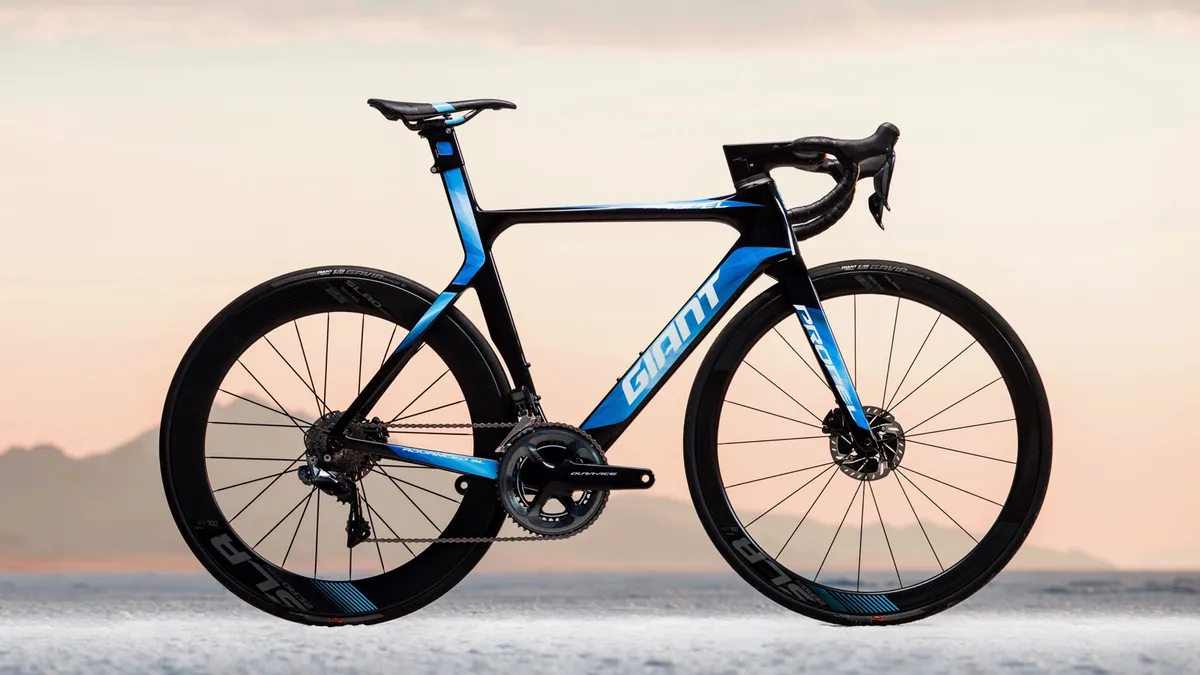
The 2019 Propel saw the bike equipped with disc brakes for the first time. Giant also claimed top-tier stiffness-to-weight, and aerodynamics that were improved by 10 watts and in line with its then-peers including the Specialized Venge Vias.
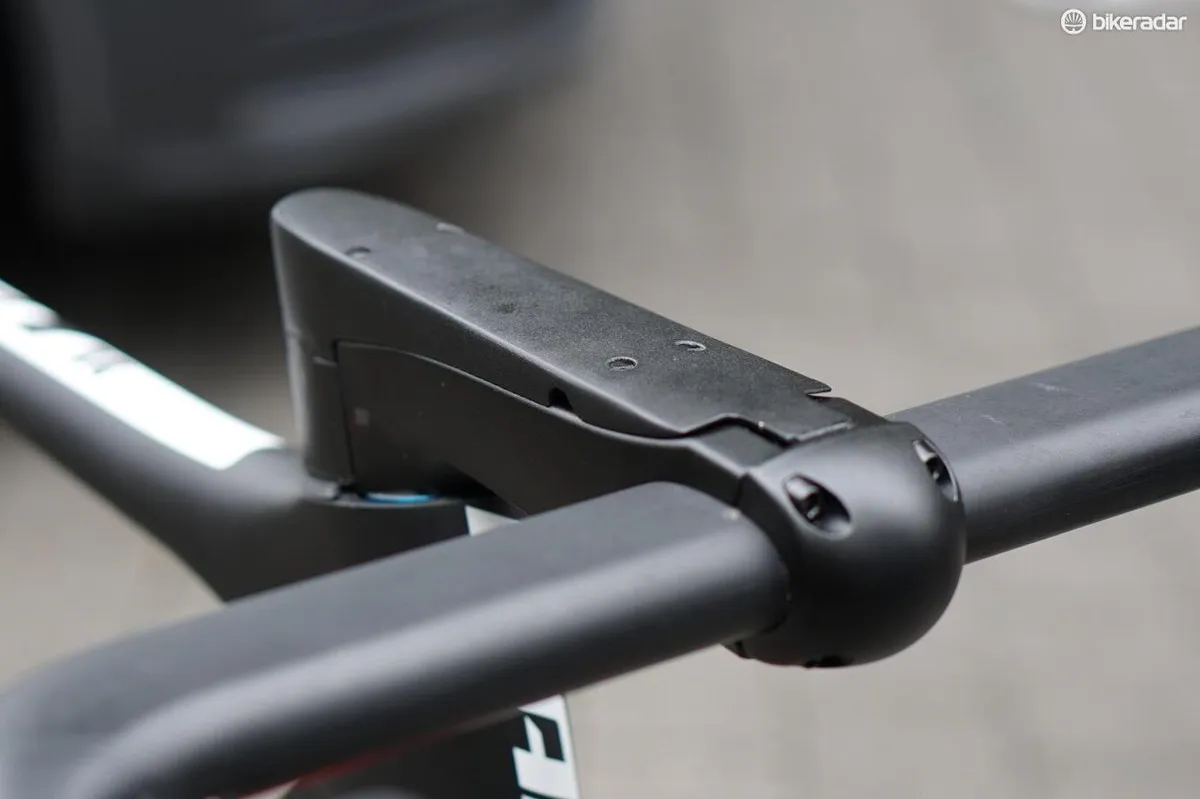
Cables were hidden under a cover atop the stem, which adopted a new sharp tail and more aero looks, although it was separate from the aero bar.
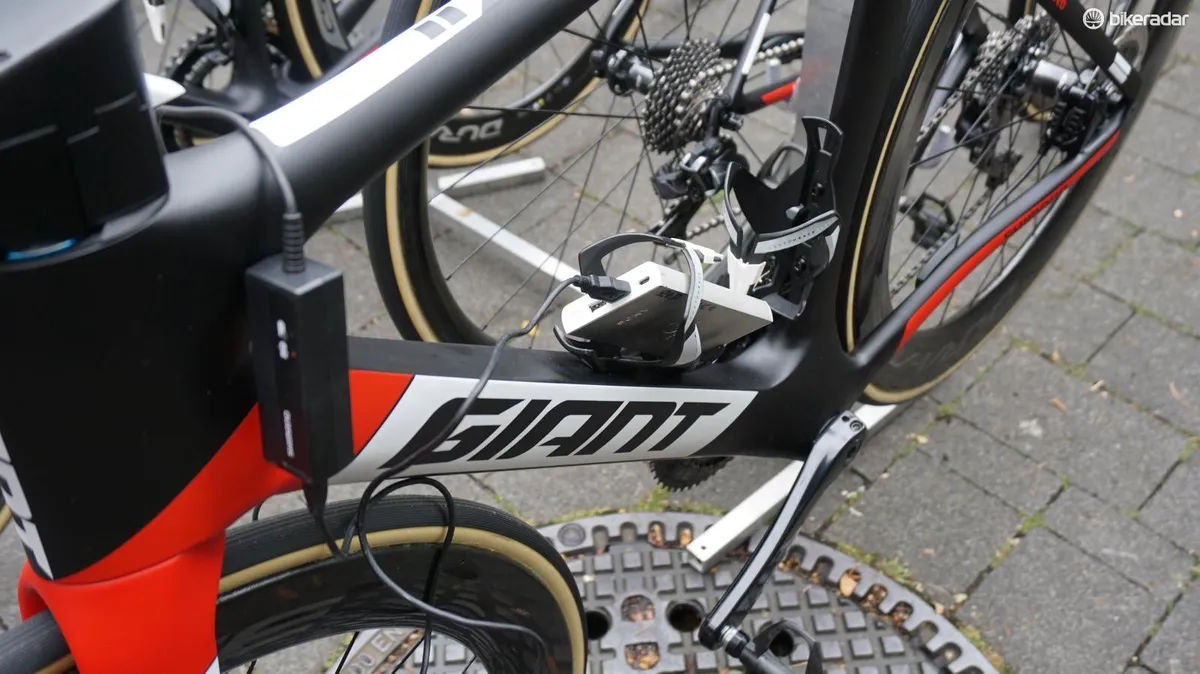
Although one-piece bar/stems have largely taken over on premium bikes, at the time Giant claimed the bulbous front to the stem worked to improve airflow, much as the Speed Sniffer head tube does on the current Specialized Tarmac SL8.
The top-spec bikes were equipped with 42mm front and 65mm rear Giant wheels with 25mm tyres and weighed around 7.4kg.
2023 Giant Propel
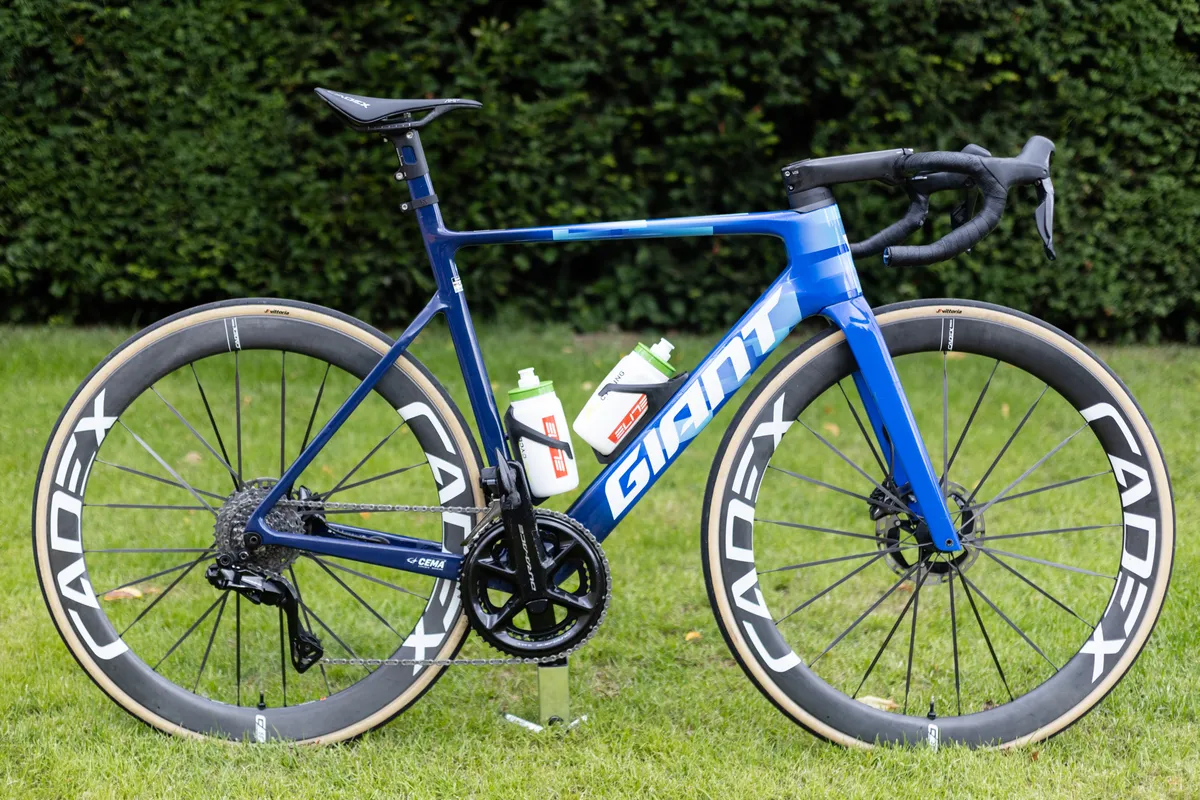
Giant took the Propel in a different direction with the 2023 model, first spotted at the 2022 Tour de France, where it took two stage wins.
Giant’s rationale for the redesign was that “just making a frameset ultra-stiff doesn’t necessarily make it faster”, and that “compliance and control also play a role”.
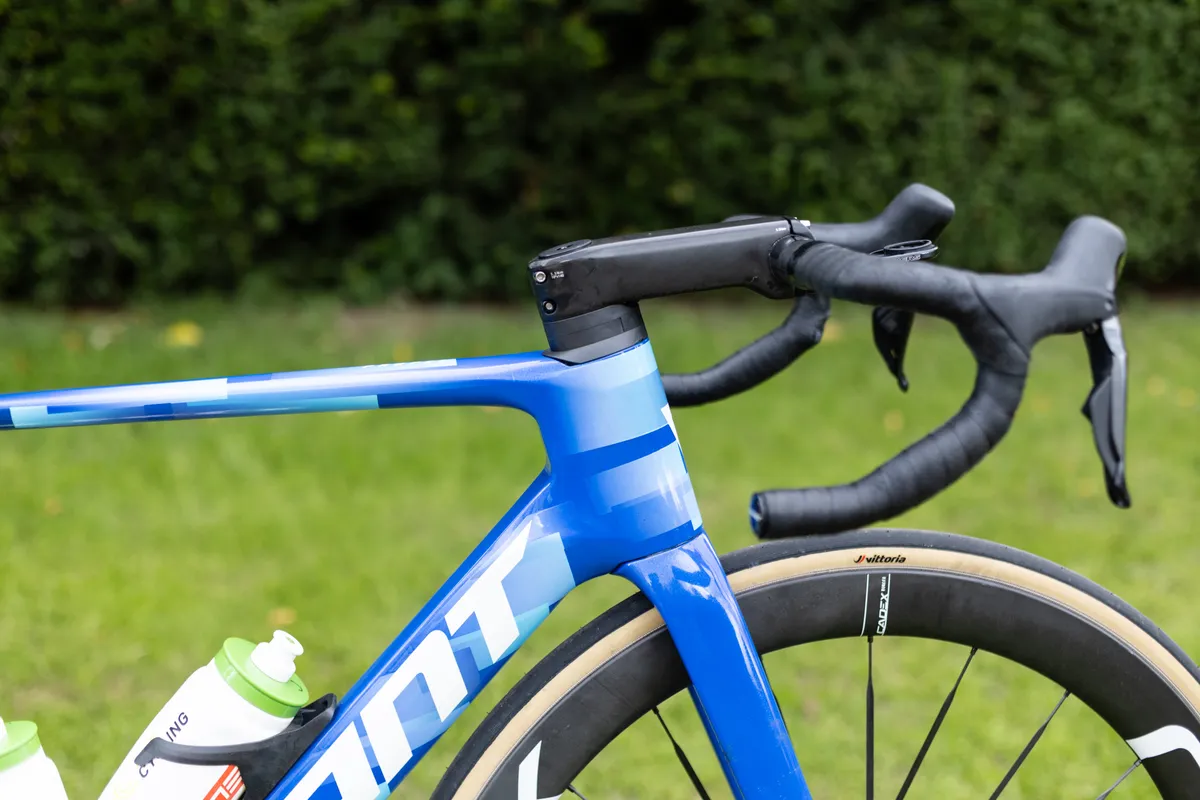
Gone were the chunky, aggressive aero looks, in favour of a much skinnier profile that, as you would expect, Giant claimed was lighter and more compliant. We weighed our size-ML review bike at 6.91kg – impressive for a disc-brake aero bike.
In addition, the new bike was claimed to be 9.2% stiffer and 2.6% more aero, despite the slimmed-down looks. The bike retained a separate bar and stem, although cable integration was simplified so the cockpit was easier to adjust.
That skinnier rear end was claimed to offer an 85% increase in compliance, while a tyre clearance increase to 30mm offered the opportunity to add extra ride comfort, even if the bike was sold with 25mm tyres.
2026 Giant Propel

The latest update to the Propel looks, on the surface, to make minor changes to Giant’s winning formula, with similar tube shapes although a greater drop to the seatstays.

It is, however, claimed to be 355g lighter than the 2023 Propel thanks to its one-piece front triangle, reducing the claimed weight for the top-spec bike to 6.5kg. That makes it the lightest aero bike on the market.
It’s also faster by 18.4 watts, thanks largely to a reduced frontal area and a swap to a one-piece cockpit, as well as the latest Cadex Max 50 wheels fitted to premium-spec bikes.

There’s the inevitable increased tyre clearance, now 32mm, although Giant fits 28mm tyres. Giant claims increased frame compliance too, another addition to ride comfort.