Upgrading your road bike is one way to unlock extra speed and better handling or simply inject some more personality into your build.
In fact, the promise of improved performance underpins virtually every product release we cover at BikeRadar. But while upgrades can help you get more out of your cycling, you don’t need all of them to enjoy your time on the bike.
With that in mind, we’ve rounded up 12 less-than-essential upgrades you can live without.
1. Flagship components

The latest halo products seen on professional bikes represent the pinnacle of bike tech.
There may be weight savings and increased café stop clout for splashing out on top-of-the-range components, but there’s often little beyond marginal performance gains for most riders.
The pro-level tech often trickles down to cheaper components, too. Shimano’s Ultegra groupset has always been a good example of this, featuring the same technology as range-topping Dura-Ace but weighing a bit more.
2. Ceramic bearings
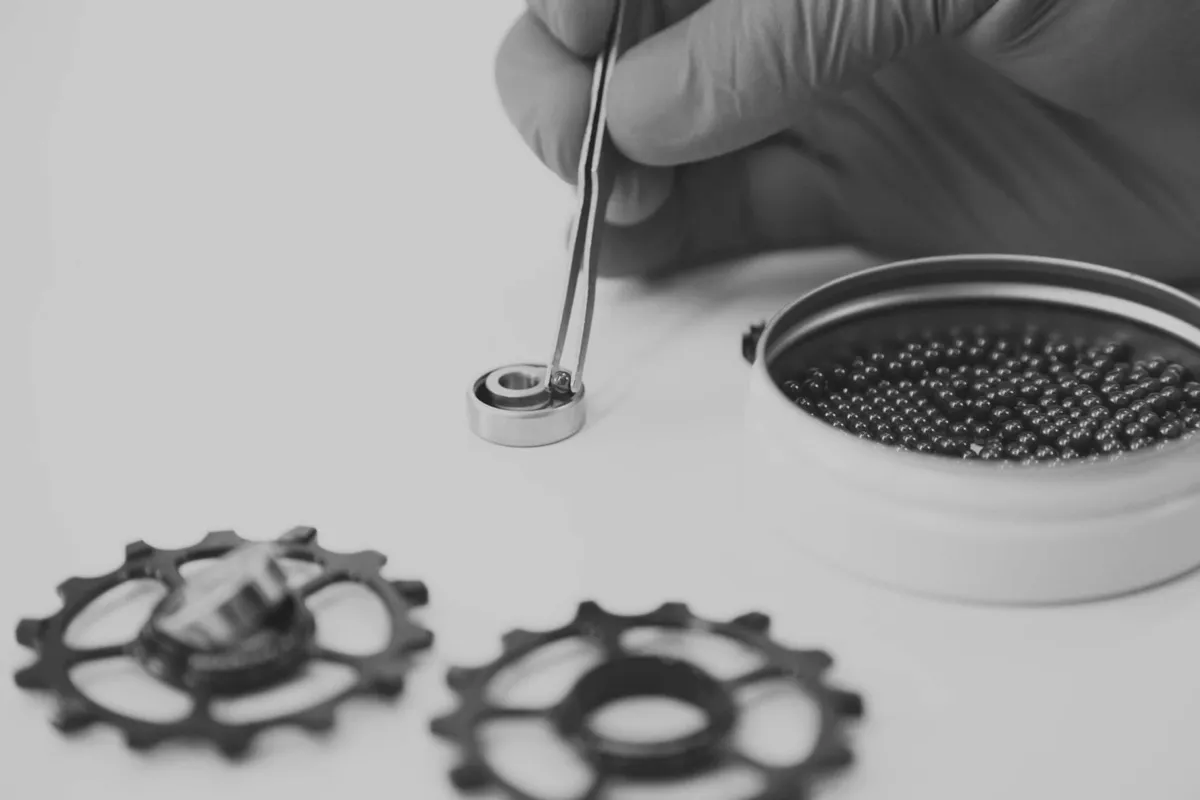
Ceramic bearings are often seen on the most expensive road bike wheels. They offer less rolling resistance than their steel counterparts, but the gains are so small you'll hardly notice them.
Cheap ceramic bearings can be worse than steel bearings, and because they tend to use a lighter, ‘racier’ grease, you’ll need to spend more time maintaining them. In short, these bearings could mean more work for little reward.
3. Skinsuits and speedsuits
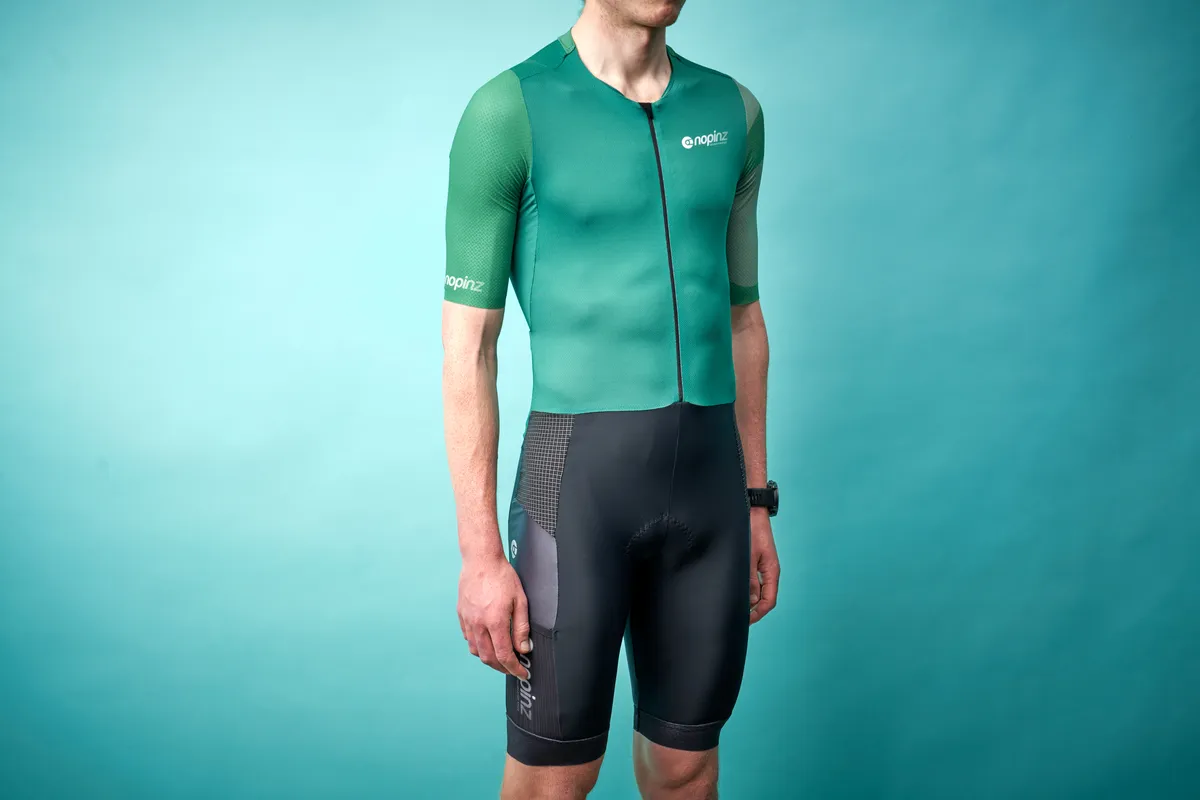
If you’re racing or competing in time trials, wearing a skinsuit can offer a huge advantage.
These once-piece suits enable the air to flow around you with less drag, reducing the force required to cut through the air.
But skinsuits are optimised to reduce drag at the high speeds of racing, so more relaxed riders may not feel the same benefit.
4. Aero socks

Like skinsuits, aero socks can make you more slippery through the air.
Unfortunately, the gains are usually minimal and the socks often fall down after losing their grip around the cuff. That's not very aero at all.
5. Expensive cycling shoes with stiff soles
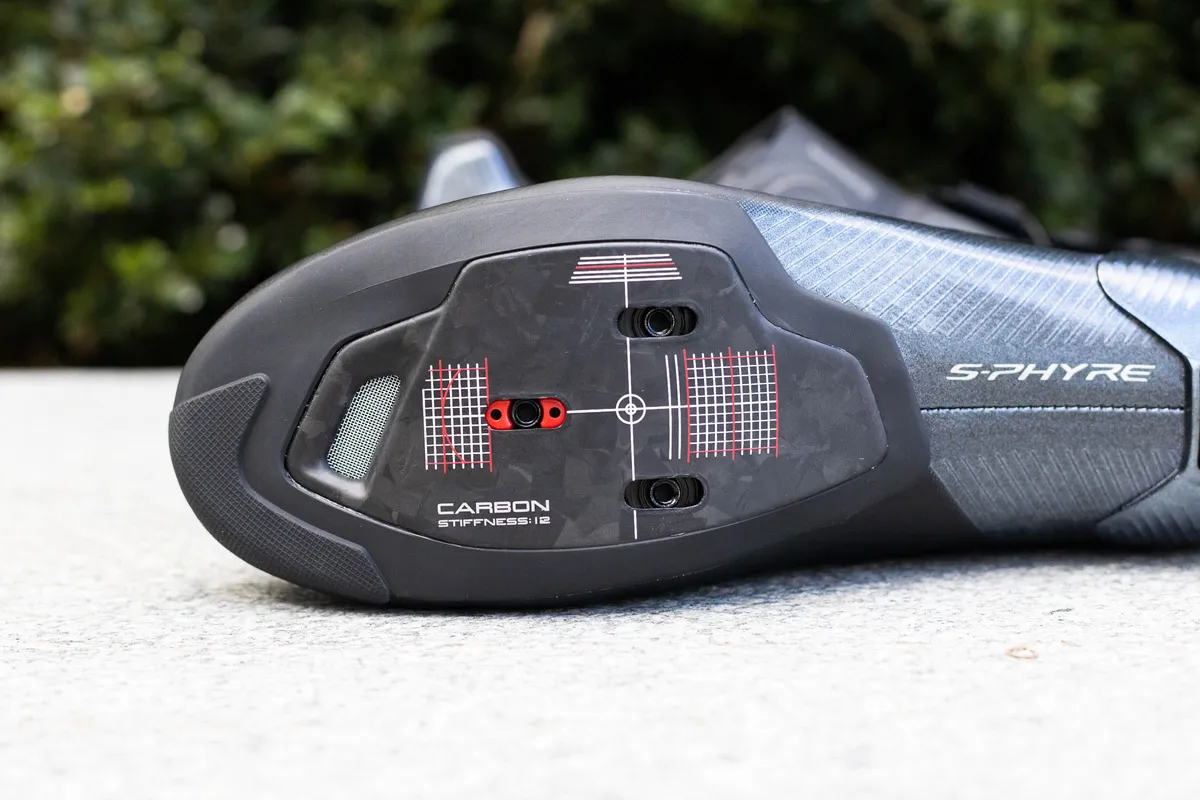
Studies have shown that stiff cycling shoes don’t increase power transfer, but the theory still seems very much baked into the cycling consciousness.
It’s better to look instead for comfortable shoes with good support because these will help avoid foot pain on longer rides.
You might find the most comfortable cycling shoes for you have stiff soles, but don’t assume they’re making you faster.
6. Ultra-lightweight parts

While having a bike under or near the UCI weight limit can make you feel like a rocket in the hills, ultra-light parts are probably not making the difference you think.
Reducing the weight of your bike by swapping out your standard aluminium handlebar for a carbon fibre one will likely only shave seconds off the summit of a climb, which is important when leading the peloton at a grand tour, but less so on a weekend club ride.
These kinds of components often require more maintenance than more robust alternatives and can sometimes fail earlier in their lives.
7. Cycling-specific nutrition
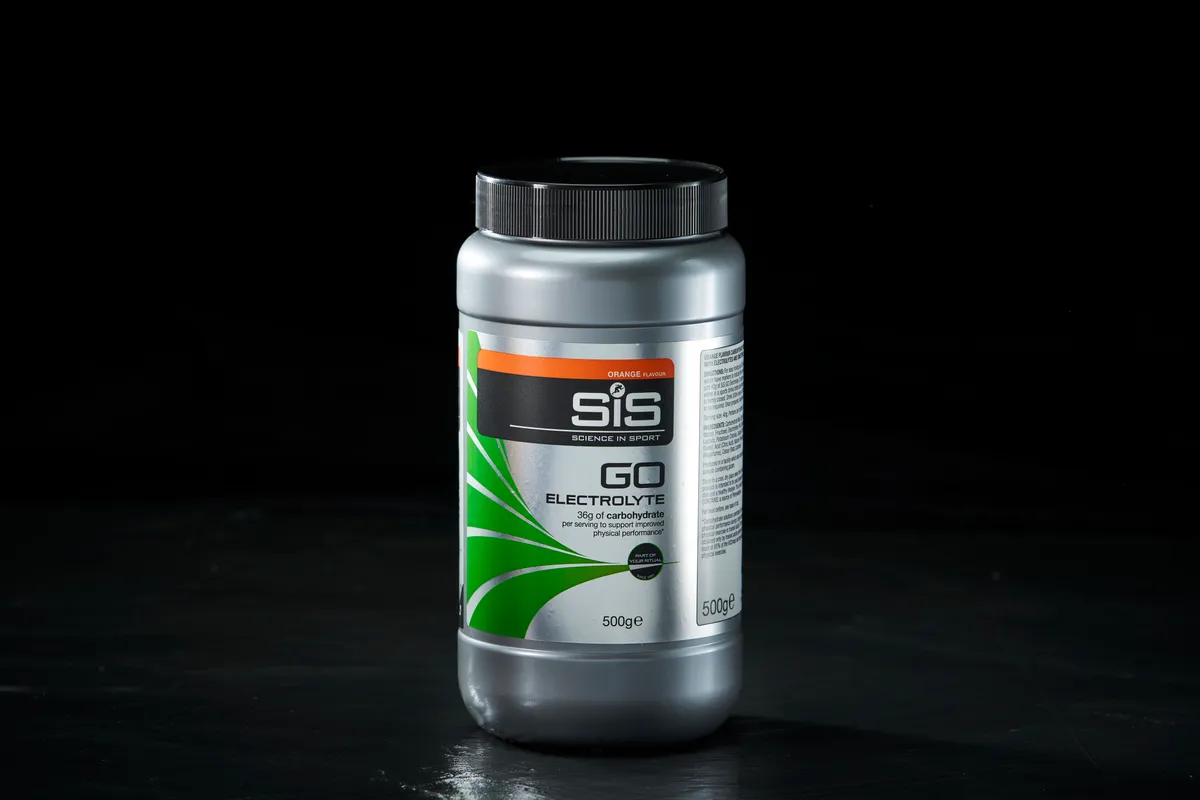
Powders, gels, gummies and tablets line the pantry of many cyclists, but this kind of specialist nutrition isn’t always necessary for delivering good performance when out on the bike.
High-carb foods can be just as effective, as well as easy to carry with you on a ride. Cereal bars, jam sandwiches, bananas and malt loaf are a few examples of substitutes you can make. You can even make your own energy bars and energy drinks at home.
8. 3D-printed saddles

3D-printed saddles promise increased comfort over all the road bike saddles that have gone before them, but our experience suggests they don’t make the difference you’d expect.
Shape is the most important part of saddle choice, and finding one that’s right for you will improve your cycling comfort, regardless of whether it’s 3D printed or not.
9. Electronic shifting

There isn’t a single gear cable in sight on the WorldTour, but that doesn’t mean mechanical shifting has been completely overshadowed.
While electronic groupsets offer more precise and self-trimming shifting, mechanical groupsets will still change gears incredibly quickly.
With no complicated motors, mechanical groupsets can also be lighter than their electronic counterparts. There’s the convenience of never having to charge a battery too.
10. Expensive pedals
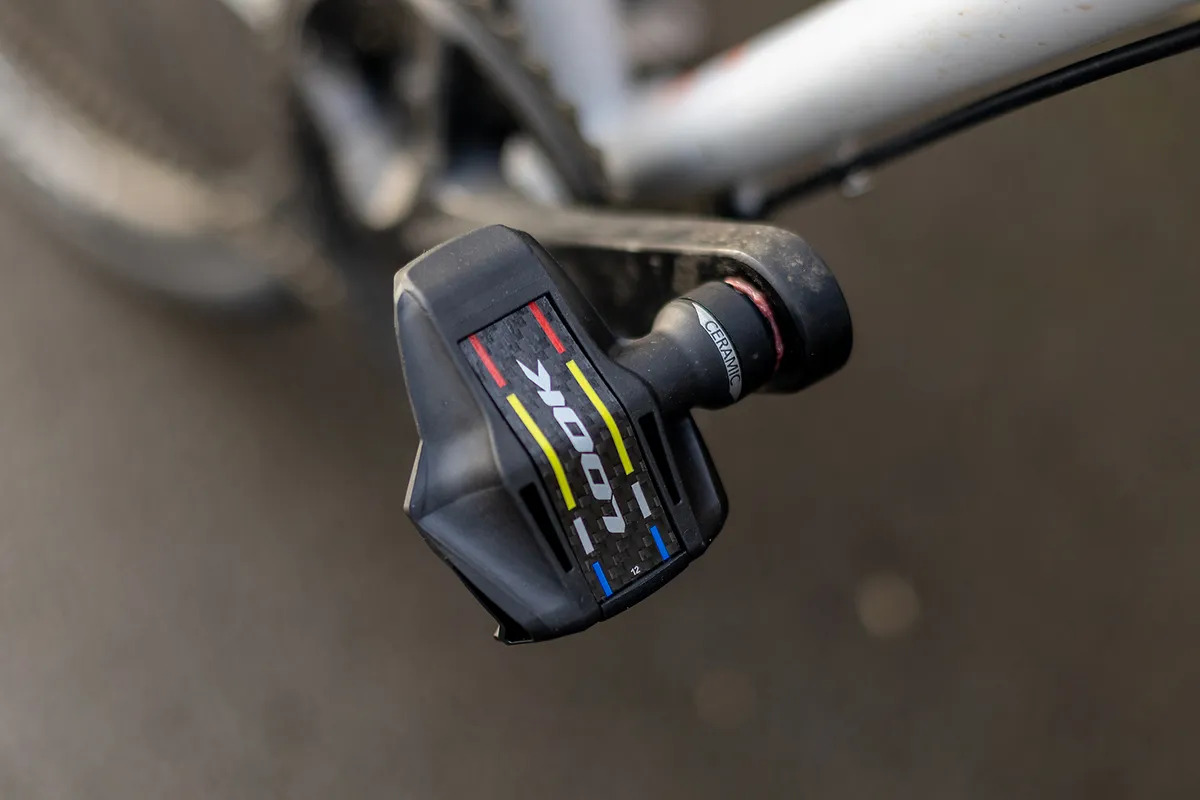
Expensive pedals are often lighter and feature high-quality bearings than cheaper options, but it’s unlikely you’ll notice such differences over cheaper alternatives.
After all, you’ll still be getting the same retention mechanism, which is the most important thing.
11. Electric mini-pumps

Electric bike pumps act as miniature compressors at the roadside to inflate your tyres after a puncture.
While they take some of the strain out of the process, they often take a similar amount of time as a regular mini-pump and require you to keep them charged.
12. An aero bike

Unless you're racing or have ambitions of shaving time off your course record, an aero bike might be overkill.
While these bikes enable you to reach blistering speeds on flat roads, they are incredibly specialised and with that come some drawbacks for everyday riding.
Large, aero tubing makes aero bikes heavier and they can feel slightly sluggish in the hills compared to an all-rounder road bike.
These tube shapes often lead to a less damped ride feel. This can make tarmac feel like a washboard and potholes like craters.
Their geometry is also very race-orientated, which is no problem if you are used to it, but it can cause more relaxed riders to develop aches and pains as they practise contorting into a race position.
Editor's note: this article was first published in August 2024, and updated in June 2026.