SQUIRREL_14032824
Specialized describes the Levo 4 EVO as an electric all-mountain bike, but its 170mm of rear-wheel travel, downhill rear tyre and 220mm disc brake rotors place it firmly at the gravity-focused end of that category.
This Pro build pairs a FACT 11m carbon frame with a RockShox ZEB Ultimate fork, Vivid Ultimate shock, SRAM X0 Transmission and carbon Traverse HD wheels. Specialized’s own 3.1 motor produces 105Nm of torque and 810W peak power, drawing energy from an 840Wh battery.
I tested the Atherton S.170E.2 as part of our annual Bike of the Year test, which focused on the latest and greatest hard-hitting electric mountain bikes for 2026.
There are few obvious shortcomings on paper. On the trail, it’s stable, controlled and comfortable, but its unusual proportions contribute to awkward handling that makes it harder to ride accurately than its premium spec sheet suggests.
Three key things you need to know
- The motor is powerful but easy to control, matching its assistance closely to your pedal input
- A rear-biased climbing position requires deliberate forward weight shifts on steep, technical trails
- It’s calm and supportive through fast, rough terrain, but needs firm, early inputs to corner accurately
The full Bike of the Year 2026 shortlist
- Amflow PX Carbon Pro – £8,999 / $10,199 / €9,999
- Atherton S.170E.2 – £7,999 / $N/A / €7,599.05 (before applicable local taxes)
- Marin Alpine Trail EXR – £6,899 / $8,999 / €7,999
- Merida Lithos 8000 – £8,500 / €8,899
- Specialized Levo 4 Evo Pro – £9,699 / $10,499 / €10,999
- Yeti LTe T4 – £12,999 / $14,900 / €14,500
Powerful without being pushy
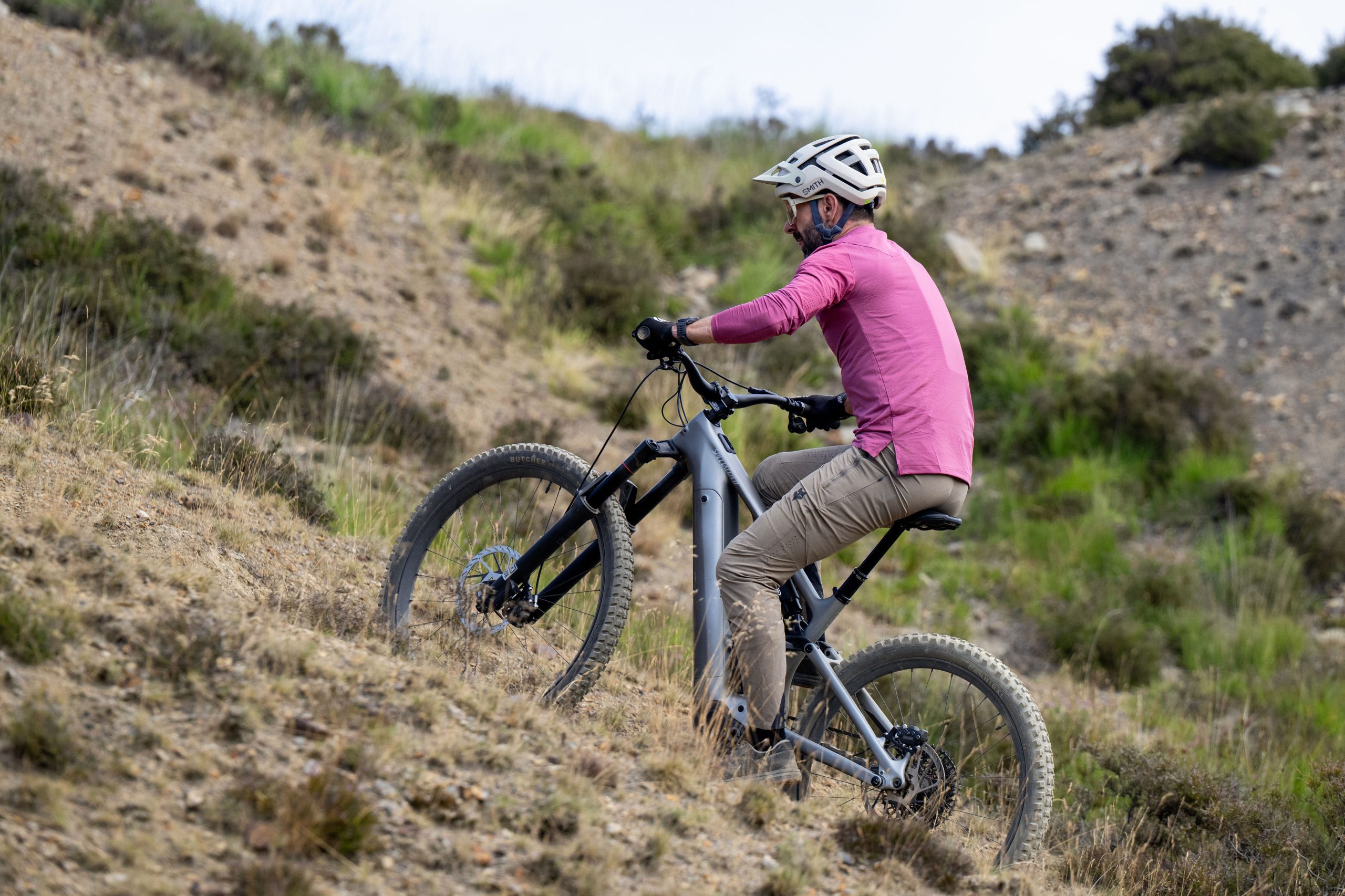
The 3.1 motor doesn’t chase the biggest numbers, but its power delivery is smooth, predictable and easy to control. Assistance builds progressively with pedal pressure, giving you a clear connection between effort and acceleration.
A resting foot does not wake the bike unexpectedly, so balancing, repositioning the cranks and restarting on steep trails and awkward sections feels calmer than on Bosch-equipped bikes.
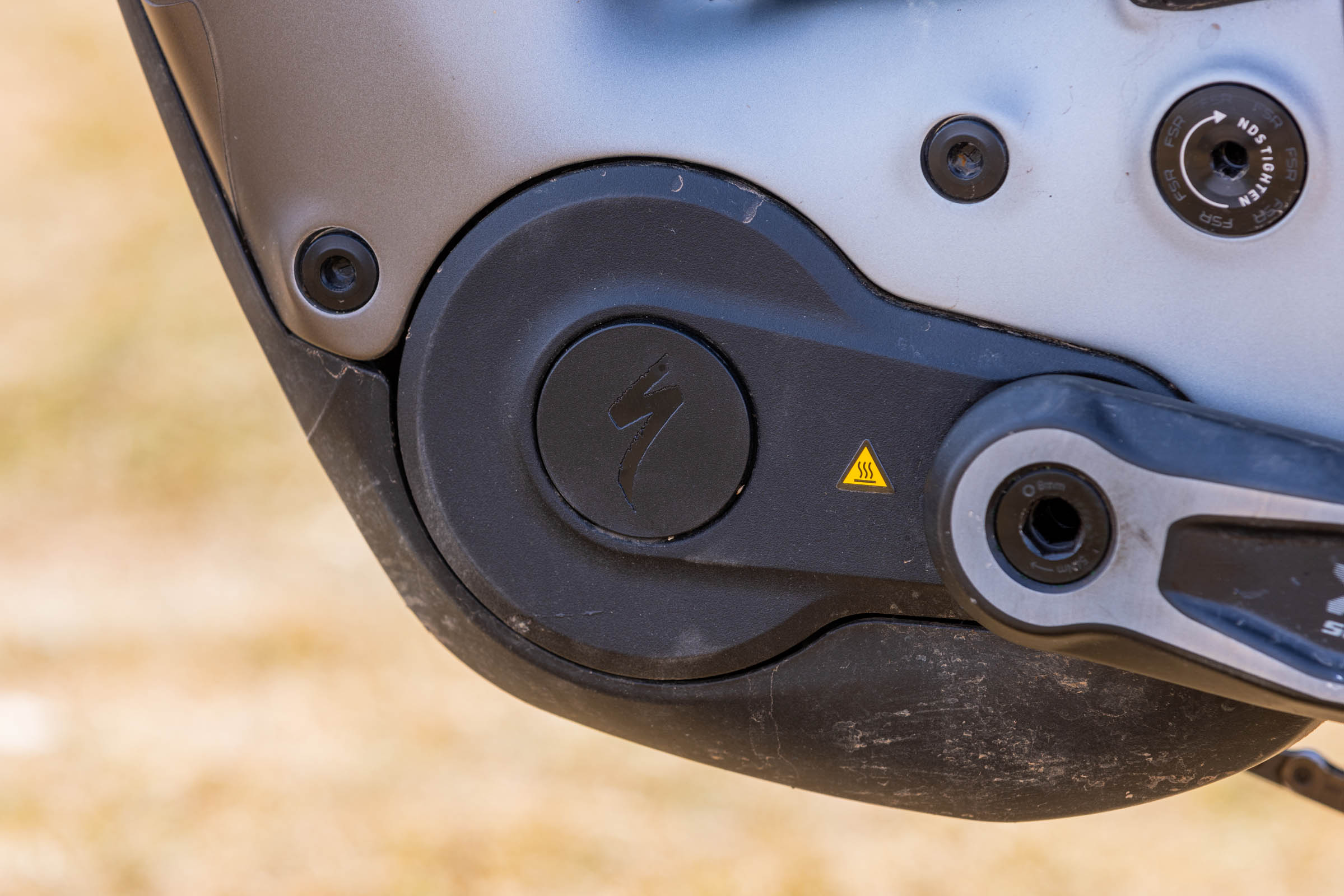
Its 105Nm of torque and 810W peak power provide ample support for severe gradients, technical climbs and access roads. The headline figures are lower than those of the Avinox-equipped bikes, but the Levo rarely feels short of assistance and delivers useful power across a broad cadence range. I'd even say it outperforms the Bosch CX motor on the climbs.
The MasterMind display is clear, while the app enables motor tuning, ride recording and security functions. In the full-power ‘Turbo’ mode range test, the Levo covered 26.3km and accumulated 1,720m of elevation – one of the strongest results in our Bike of the Year test, although its 840Wh battery is also the largest.
Comfortable climbing, but mind the proportions
The Specialized creates a comfortable but distinctly rear-biased seated climbing position. Although the S3 has a short 445mm reach, its 602mm effective top tube means the cockpit doesn’t feel cramped with the dropper fully extended.
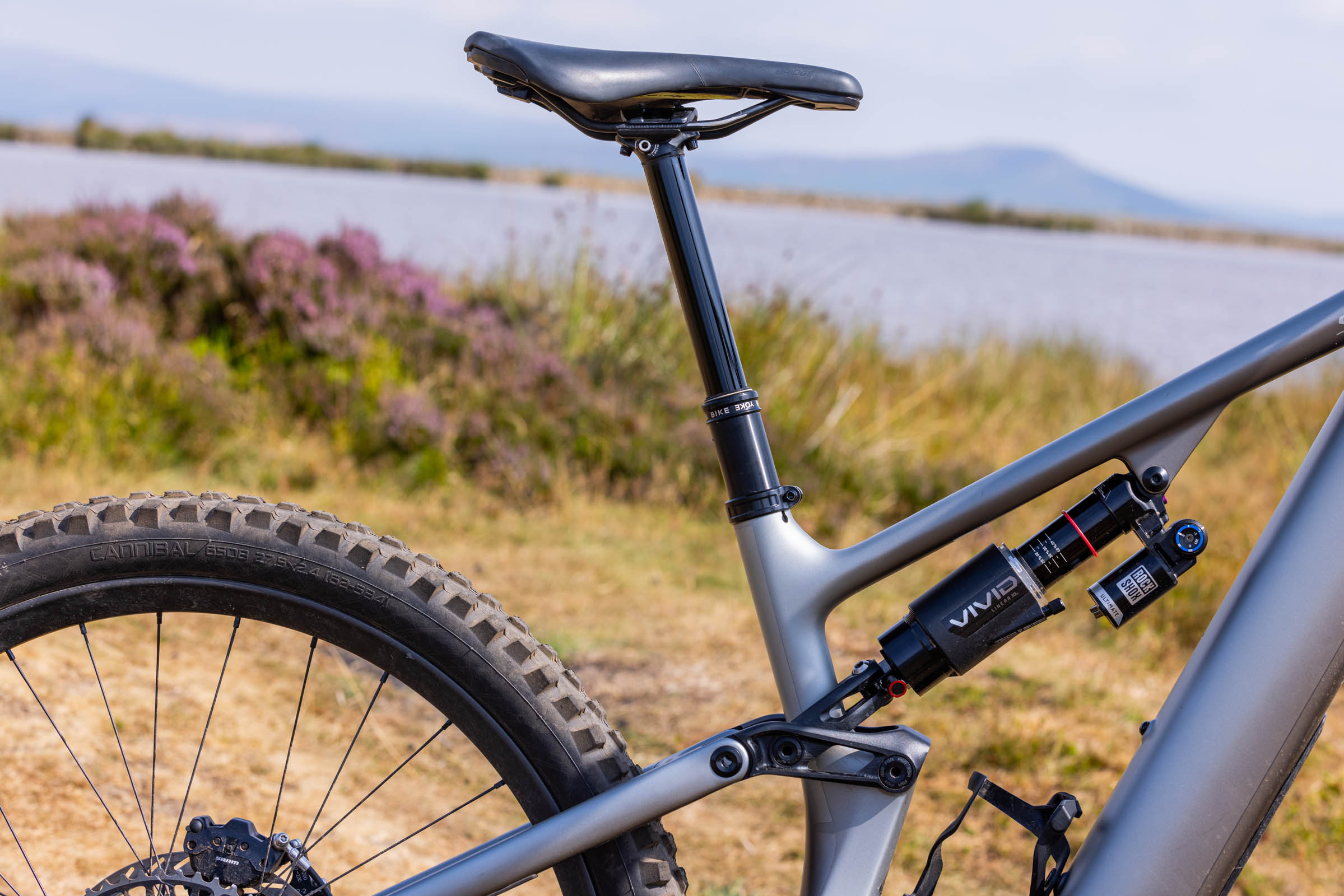
That combination is largely down to the kinked seat tube. As the saddle rises, it moves further behind the bottom bracket, feeling more laid back than the quoted 76-degree effective seat tube angle suggests.
The roomy posture works well on steady climbs, but causes problems when the terrain becomes steeper or more technical. Significant forward weight shifts were required to maintain pressure through the front tyre. Moving my chest towards the handlebar helped prevent the wheel lifting or wandering, but required more body movement than on the Amflow, Merida or Yeti I tested.
I used the long 447mm chainstay setting. Once I loaded the front tyre, the longer rear centre helped keep it connected to the trail and it tracked reasonably accurately.
The rear end finds useful traction without wallowing, but manages to round off steps and roots while retaining enough support to keep the bike moving under sustained motor load.
Pedal strikes weren’t a significant issue, thanks partly to the 155mm cranks. At 23.62kg, the Levo sits in the middle of full-power ebike weights, but it has noticeable heft when changing line, lifting a wheel or recovering after losing momentum.
On smoother fire roads, those shortcomings fade. The cockpit places little strain through the hands or lower back, the suspension remains controlled and the motor delivers support without demanding attention.
Planted, supportive and secure
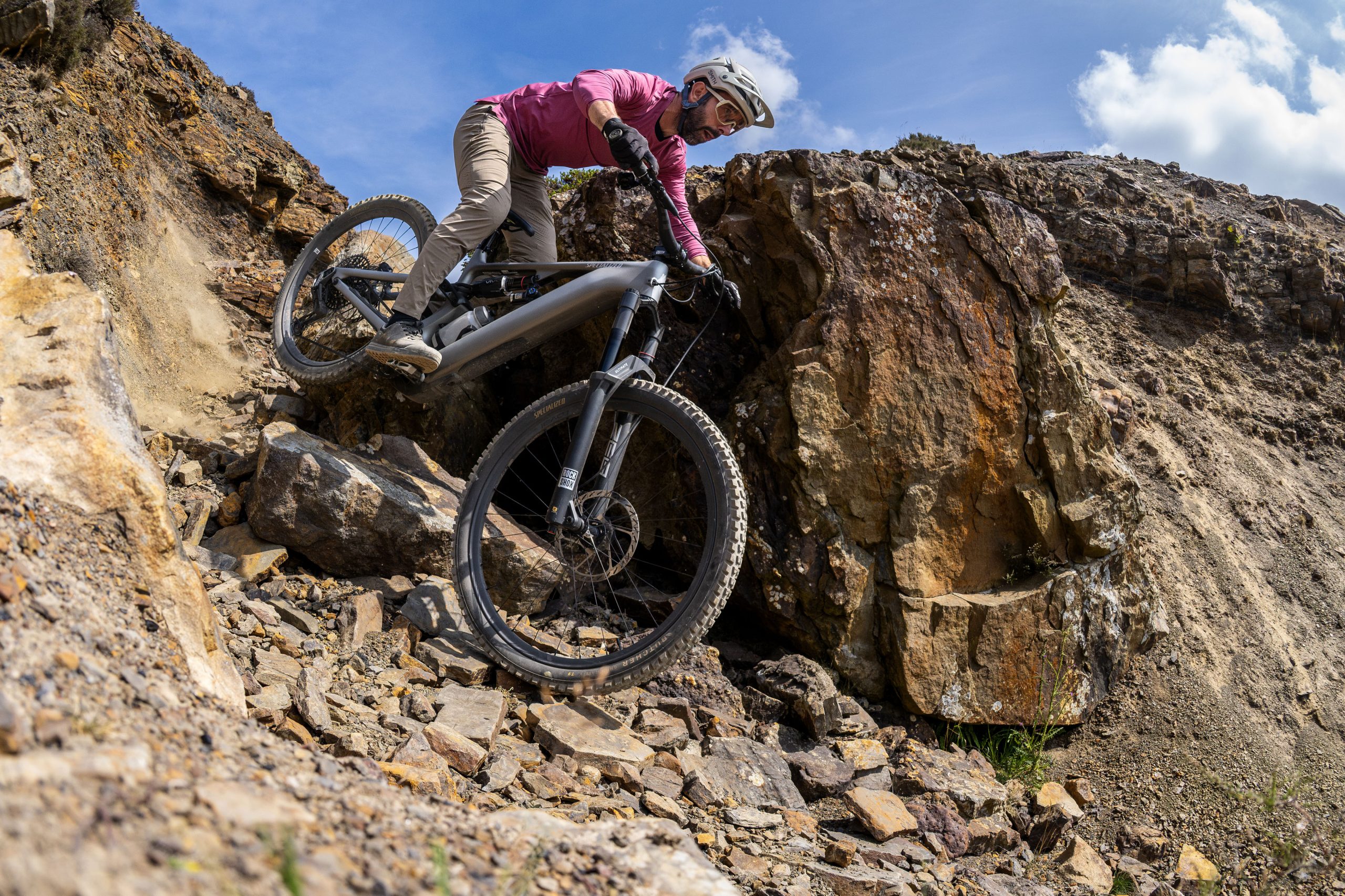
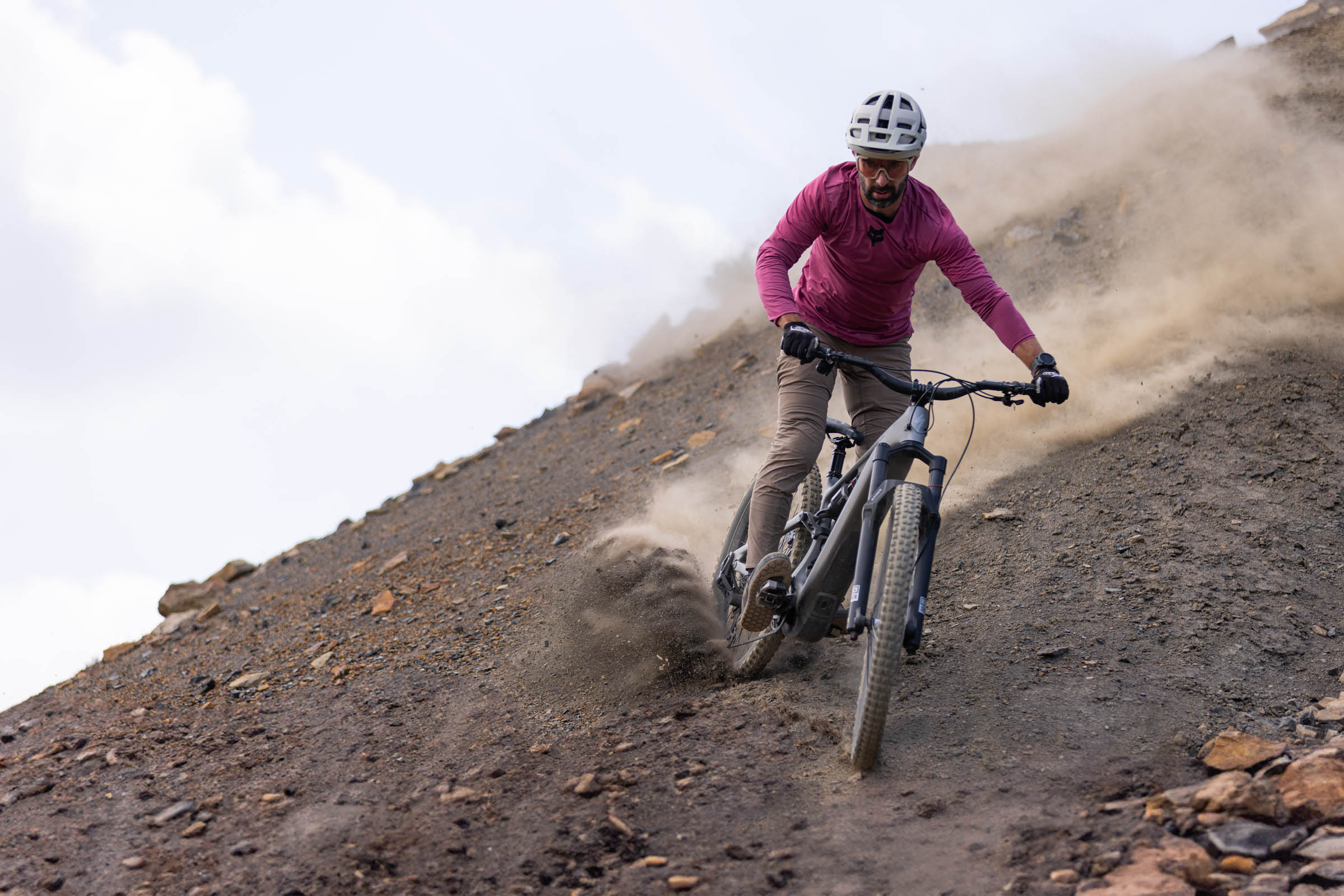
Point the Levo downhill and its weight, travel and damping create a reassuringly composed ride feel. It stays calm in a straight line, holds speed confidently and rarely gets knocked far offline by repeated roots, rocks or braking bumps.
Its tall front end, helped with its 50mm-rise handlebar, creates a secure position on steep trails, while hard braking doesn’t cause the chassis to collapse into the fork or skip across rough ground.
The suspension has a firm, controlled feel. It deals with small chatter well enough, but doesn’t track the ground with a supple, glued-down feel over repeated roots and braking bumps.
As the impacts increase and speeds rise, that firmer character starts to make more sense. Strong mid-stroke support keeps the chassis composed through berms and compressions, while the travel builds progressively enough to handle bigger hits without blowing through the stroke.
The ZEB Ultimate and Vivid Ultimate feel well matched, with enough adjustment to refine support and balance.
Cornering takes commitment
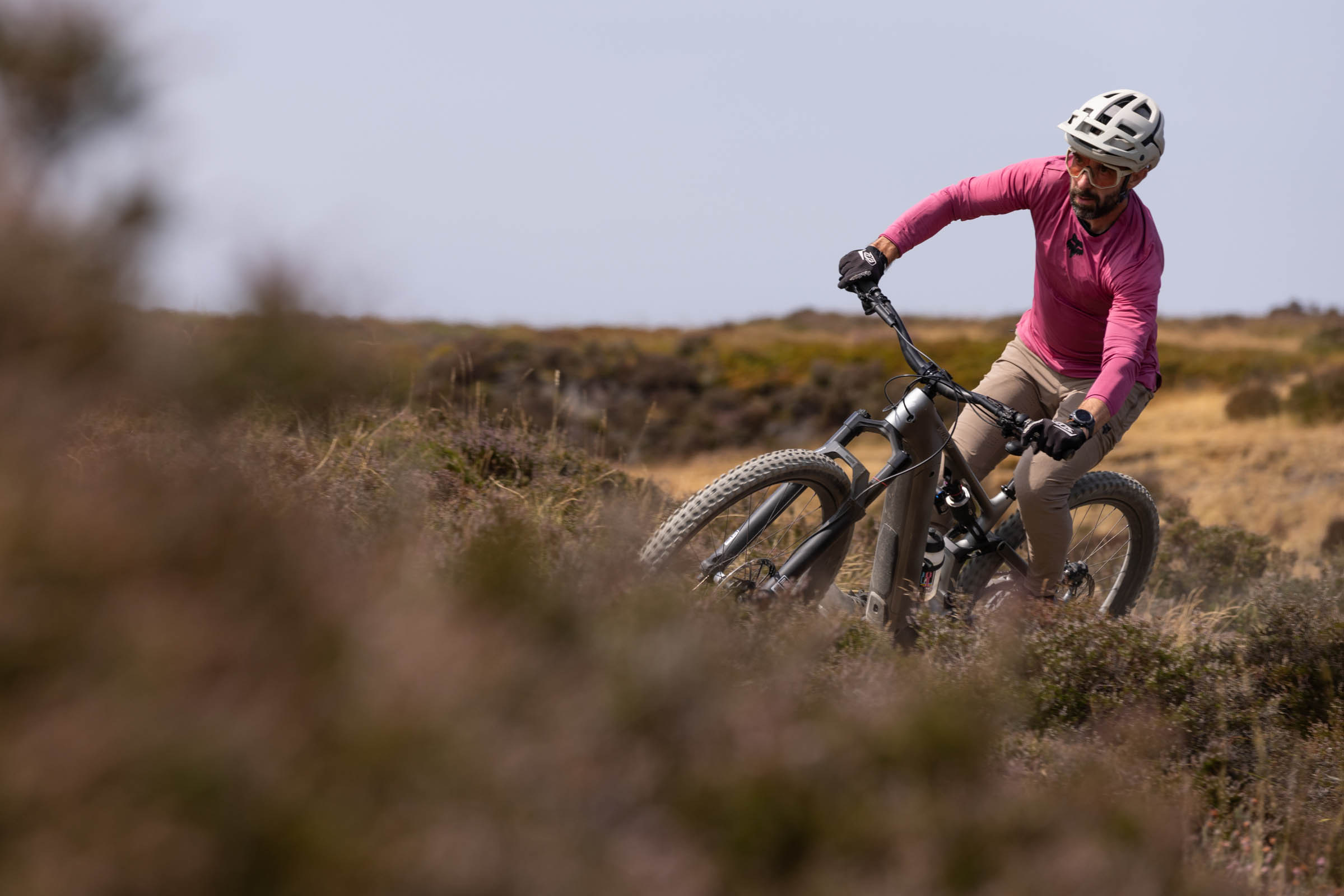
The Specialized’s biggest weakness appears when the trail demands more than straight-line composure. I understeered more often on this bike than on any other in our Bike of the Year test. The front wheel could feel vague entering corners, and it took time to establish how firmly I needed to load the tyre before the bike would commit.
The proportions help explain the reluctance. A compact 445mm reach and 63.6-degree head tube angle give the Specialized a short 785mm front centre.
That, plus the 633mm stack and 50mm-rise bar, delivers a tall front end that sits close to the rider. That made weight distribution between the wheels more awkward and the front tyre difficult to load.
Lowering the cockpit created some space and helped with getting weight over the bar when entering corners, but reduced confidence on steep tracks, leaving a narrow setup window between adequate front-tyre pressure and the security of a high bar.
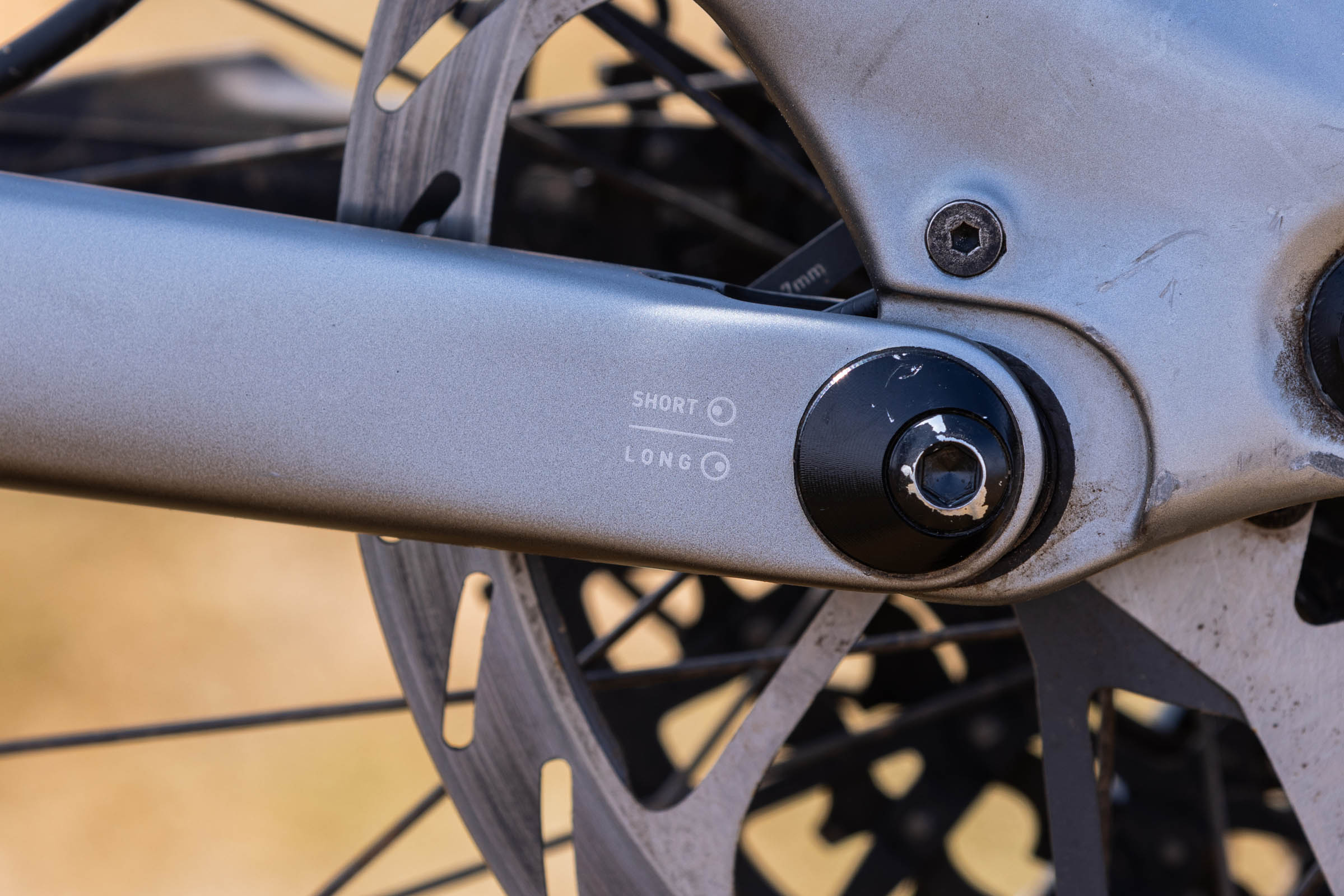
The relatively long 447mm rear end contributes cornering stability and climbing control, but simultaneously makes front-wheel lifts or sudden line changes more physical.
Corner initiation requires deliberate movement: prepare early, push firmly through the front tyre and commit. Ride passively or attempt a late correction and the Levo can run wide.
This isn’t a long-bike problem. At 1,232mm, its wheelbase is the shortest on test. The issue is how that length is distributed between the axles, combined with the tall cockpit, weight and firm suspension.
There’s enough support to pump through compressions, but the Levo EVO never feels especially lively – think damped rather than poppy. The effort needed to initiate turns also accumulates over repeated descents, making it a more tiring bike to ride hard, exacerbated by the firmer suspension feel.
Serious components for serious terrain
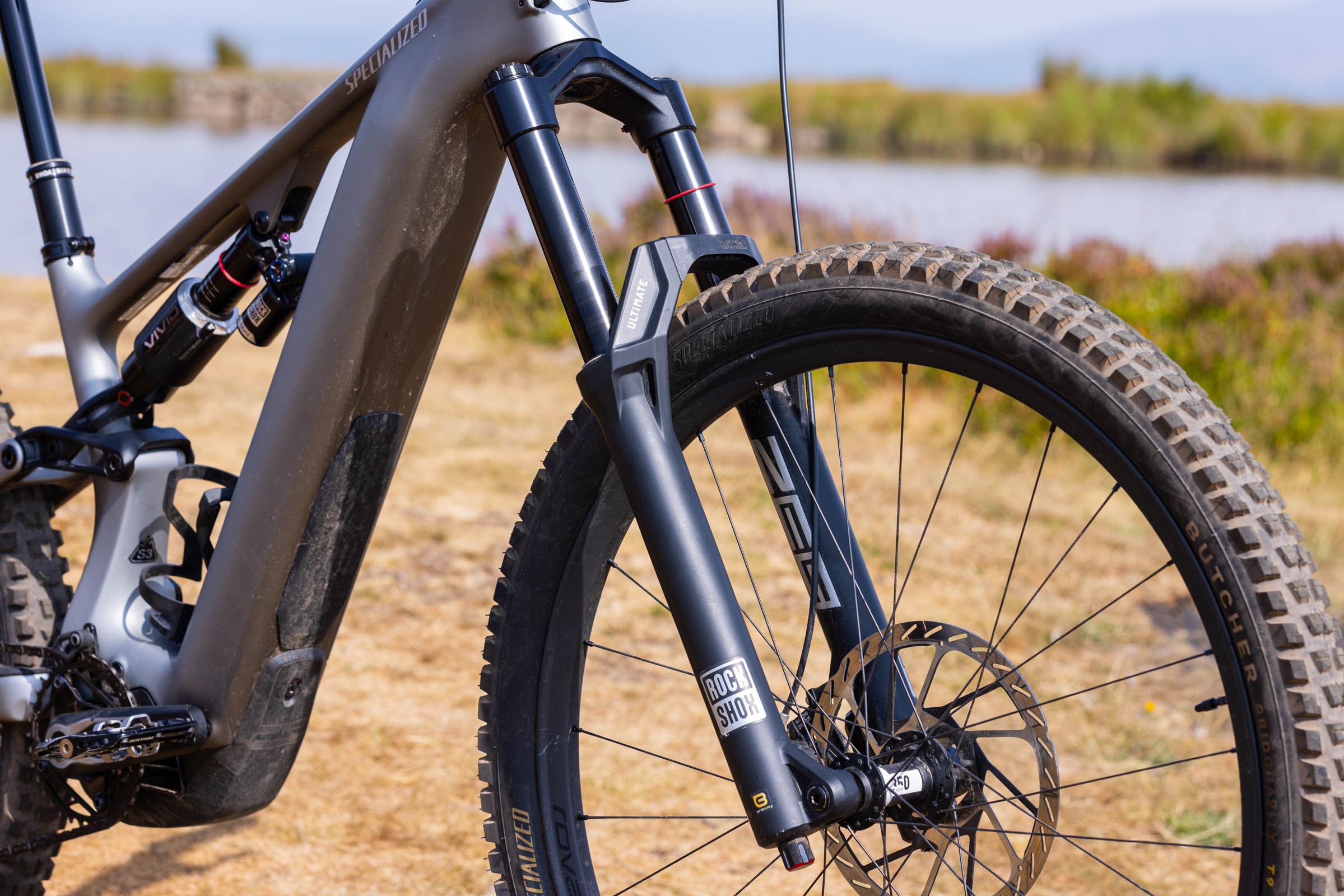
The Butcher and Cannibal tyres use Specialized’s Gravity casing and soft T9 compound, providing appropriate support, protection and grip. The Roval Traverse HD carbon wheels feel accurate without adding unnecessary harshness, while SRAM’s X0 AXS Eagle Transmission shifts cleanly under power.
SRAM’s Maven Silver brakes and 220mm rotors provide all the stopping force this bike needs, although the bite point varied enough to undermine their otherwise impressive power. A thorough bleed would remedy this, though.
Modular batteries and meaningful adjustment
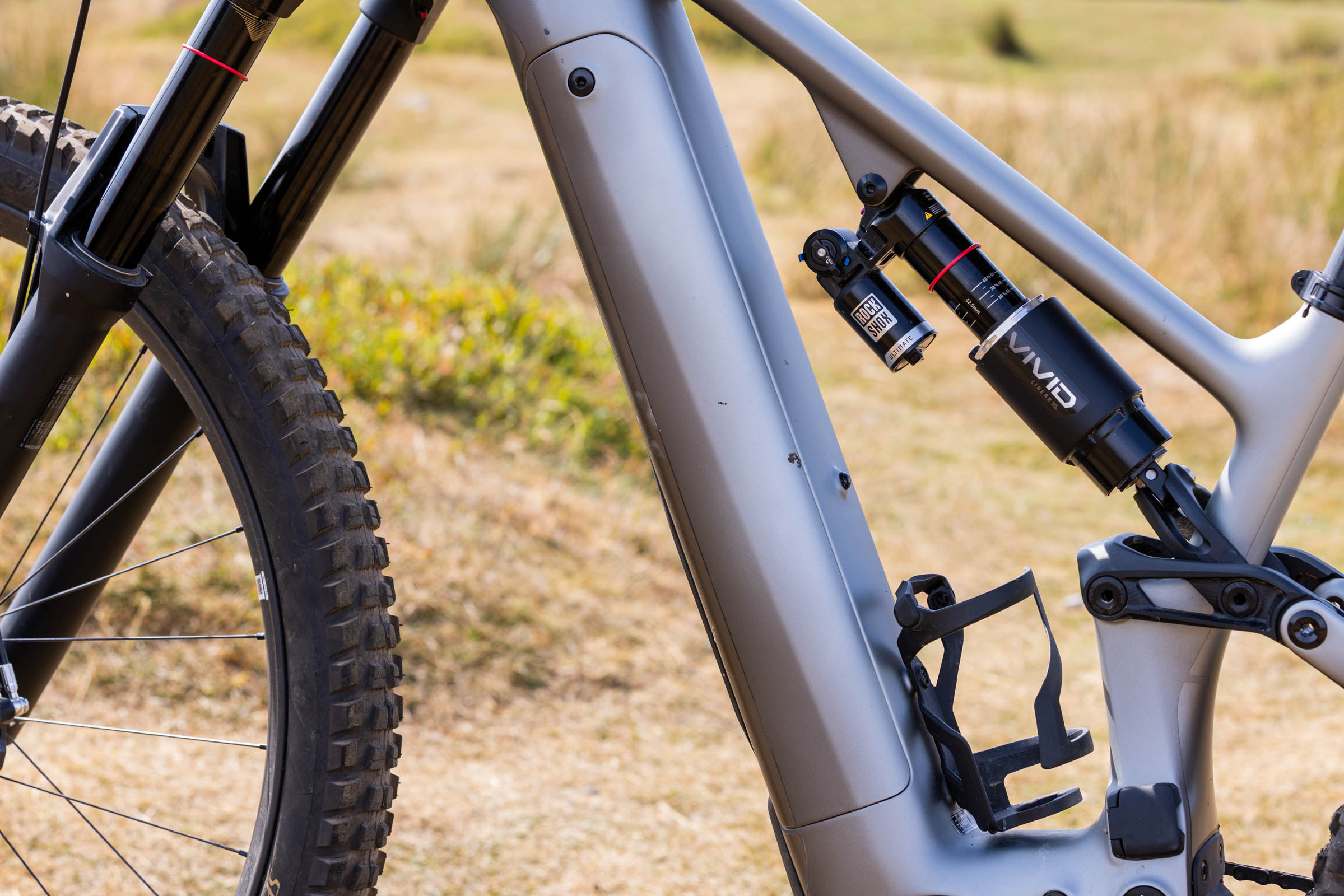
The FACT 11m carbon frame provides 170mm of rear-wheel travel, and adjustable head tube angle and chainstay settings. Its mixed-wheel configuration uses a 29in front and 27.5in rear wheel.
Specialized’s S-Sizing enables riders to choose according to handling preference, although the jump from the S3’s 445mm reach to the S4’s 470mm is significant.
Another issue I had with the Specialized is the kinked seat tube. I wished I could drop the seatpost lower in the frame to create more space for moving the bike around, but doing this interfered with the dropper's actuator – a problem that feels as though it has been left behind on most other frames.
Excellent equipment, difficult value
The Pro build leaves little to upgrade – its Ultimate-level suspension is highly adjustable, X0 AXS Eagle Transmission is robust, the carbon wheels use proven DT Swiss 350 hubs and the BikeYoke Revive Max dropper is excellent.
The modular battery system accepts a lighter 600Wh unit or a 280Wh range extender, which will be a very useful added extra for some.
At £9,699, the Pro has a flagship price tag while preserving the same chassis traits as the £6,799 Comp, which shares the frame, motor and 840Wh battery. The Pro’s premium suspension, drivetrain, carbon wheels and finishing kit are desirable, but they don’t fundamentally alter the handling traits that hold this bike back.
How I tested | Bike of the Year 2026
I rode all six bikes back to back across the same mix of technical climbs, trail-centre loops, steep natural descents, rough braking-bump sections and larger bike-park features. To compare motor response, climbing traction, geometry, suspension support, braking control and handling as fairly as possible, I repeated key trails, adjusting setup between runs where required.
Each bike also completed the same maximum-assistance range test, while the three finalists were timed on the Forest of Dean’s FOD Thursday downhill and ridden by a second tester to cross-check my conclusions.
Also tested
- Merida Lithos 8000
- Amflow PX Carbon Pro
- Marin Alpine Trail E XR
- Yeti LTe T4
- Atherton S.170E.2
Specialized Levo EVO Pro bottom line
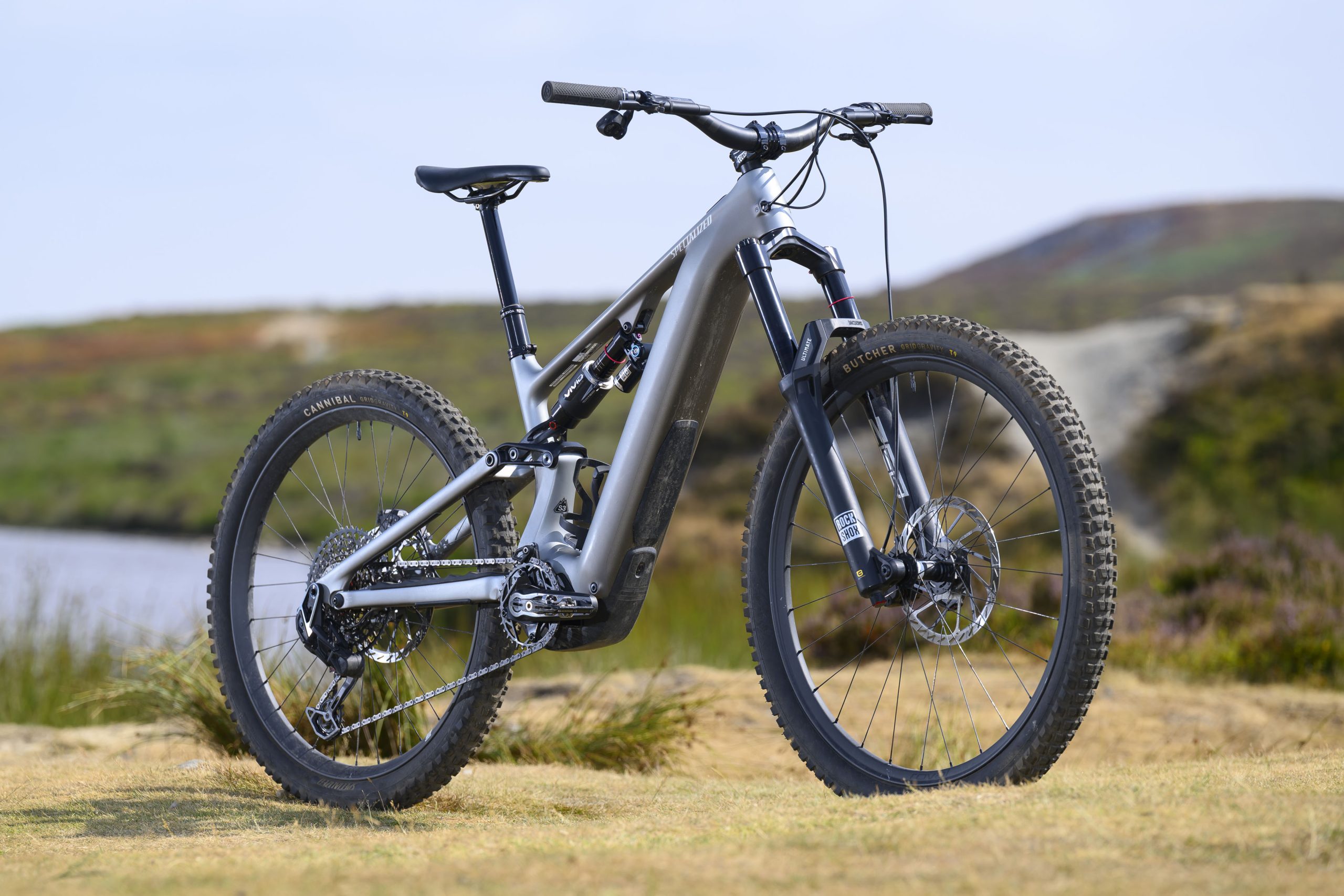
The Levo 4 EVO Pro brings a refined motor, useful range and serious impact control, but never converts those strengths into equally intuitive handling.
Fast, direct sections suit the Levo’s stable, supportive chassis. In linked turns, or when you need to change line late, the front end feels less precise and takes more effort to keep on track.
Despite its shorter wheelbase, the way its length is distributed between the wheels, combined with the relatively tall front end, makes the Levo EVO less intuitive than its rivals through corners.
Its tendency to understeer and the effort required to change direction prevent it from matching the intuitive descending performance of the best eMTBs.
It delivers the capability, range and premium equipment promised by Specialized, but at £9,699, it needs to be easier to trust and less demanding to ride accurately.
Product
| Brand | Specialized |
| Price | €10999.00, £9699.00, $10499.00 |
| Weight | 23.62kg |
Features
| Fork | RockShox Zeb Ultimate |
| Stem | Deity 42mm |
| Chain | X0 Eagle Transmission |
| Frame | FACT 11m carbon, 170mm travel |
| Motor | Specialized 3.1 |
| Tyres | Specialized Butcher Grid Gravity T9 29x2.4in; Cannibal Grid Gravity T9 27.5x2.4in |
| Brakes | SRAM Maven Silver, 220mm rotors |
| Cranks | SRAM X0 alloy, 155mm, 34t |
| Saddle | Specialized Bridge Expert with MIMIC |
| Wheels | Roval Traverse HD carbon, DT Swiss 350 hubs |
| Shifter | SRAM AXS Pod |
| Cassette | SRAM XS-1295 10-52t |
| Seatpost | BikeYoke Revive Max 3.0 |
| Grips/tape | Deity Lockjaw |
| Handlebar | Deity Speedway carbon, 810mm |
| Rear shock | RockShox Vivid Ultimate Air |
| Available sizes | S2, S3, S4, S5, S6 |
| Rear derailleur | SRAM X0 Eagle Transmission |
| Front derailleur | SRAM X0 Eagle Transmission |
SQUIRREL_14032824