Gravel bikes have matured rapidly over the past few years, and nowhere is that more apparent than the contenders for 2026 Gravel Bike of the Year.
While the category continues to cater for everything from bikepacking adventures to racing, this year's launches show a growing consensus around what makes a truly capable modern gravel bike.
In particular, gravel race bikes have come of age. Rather than simply adapting cyclocross bikes or endurance road platforms, manufacturers are now designing purpose-built machines that are faster by being more stable and more versatile than ever .
Here's a look at the trends defining the category in 2026, and the bikes competing for the Bike of the Year title.
The trends shaping 2026's gravel bikes
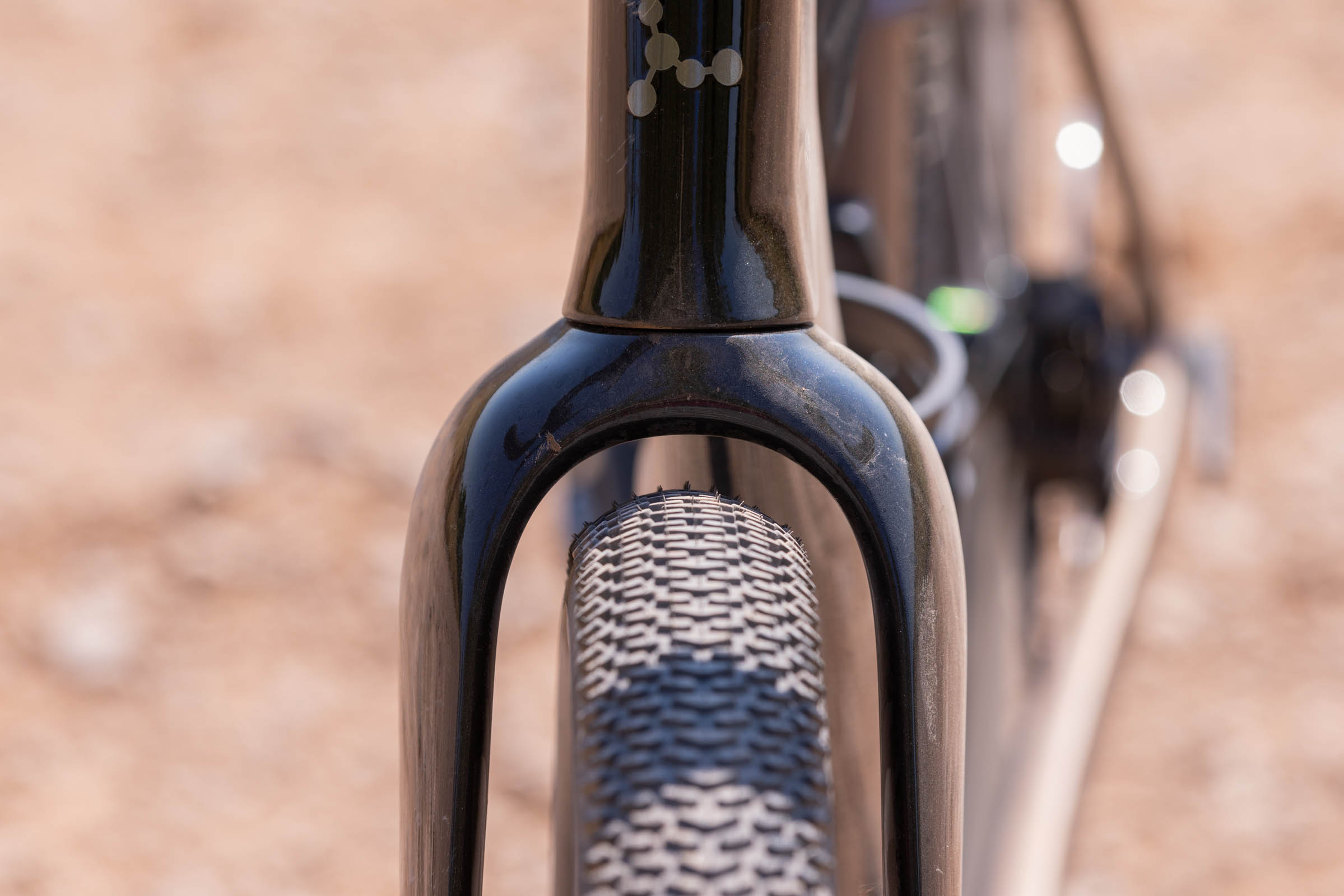
If one trend defines this year's gravel bikes, it's bigger tyres.
Tyre clearances that would have seemed excessive a few years ago have become increasingly common, particularly among bikes with racing intentions. Brands have recognised that wider tyres don't simply improve comfort – they also deliver greater grip, lower rolling resistance over rough terrain and more confidence when speeds increase on technical courses.
As gravel racing has evolved, so has the understanding of what makes a gravel bike fast. Rather than using road bikes as the starting point, and an aggressive geometry to match, manufacturers are increasingly prioritising stability, enabling riders to maintain higher average speeds over rough terrain because the bike is easier to control.
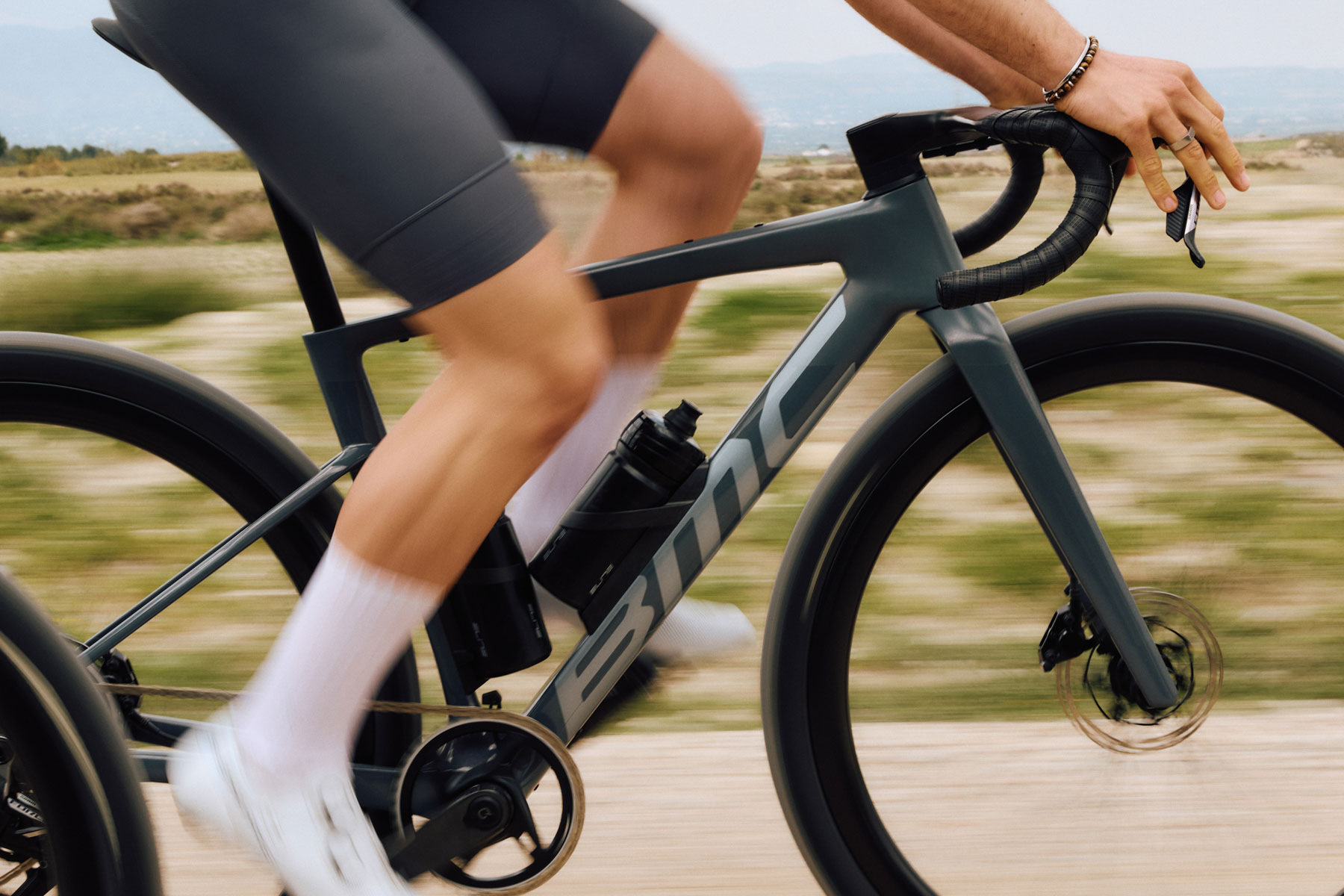
Longer front centres, carefully balanced steering geometry and increased tyre clearance combine to produce bikes that feel calmer over challenging terrain without sacrificing responsiveness on smoother roads. Ultimately, confidence translates into speed.
Aerodynamics also continues to influence the category, albeit in a more measured way than on the road. Integrated cockpits, cleaner frame profiles and thoughtful storage solutions are becoming increasingly common, particularly on race-focused machines where marginal gains are thought to add up over long events.
And it would be remiss to ignore the growing spectre of 32in wheels. We’ve already dabbled in the tech and like what we see with the excellently named Singular Pterodactyl, but there’s no denying the new size will exclusively favour taller riders, and its future in UCI-approved events is unclear.
BikeRadar Gravel Bike of the Year 2026 contenders
BMC Kaius
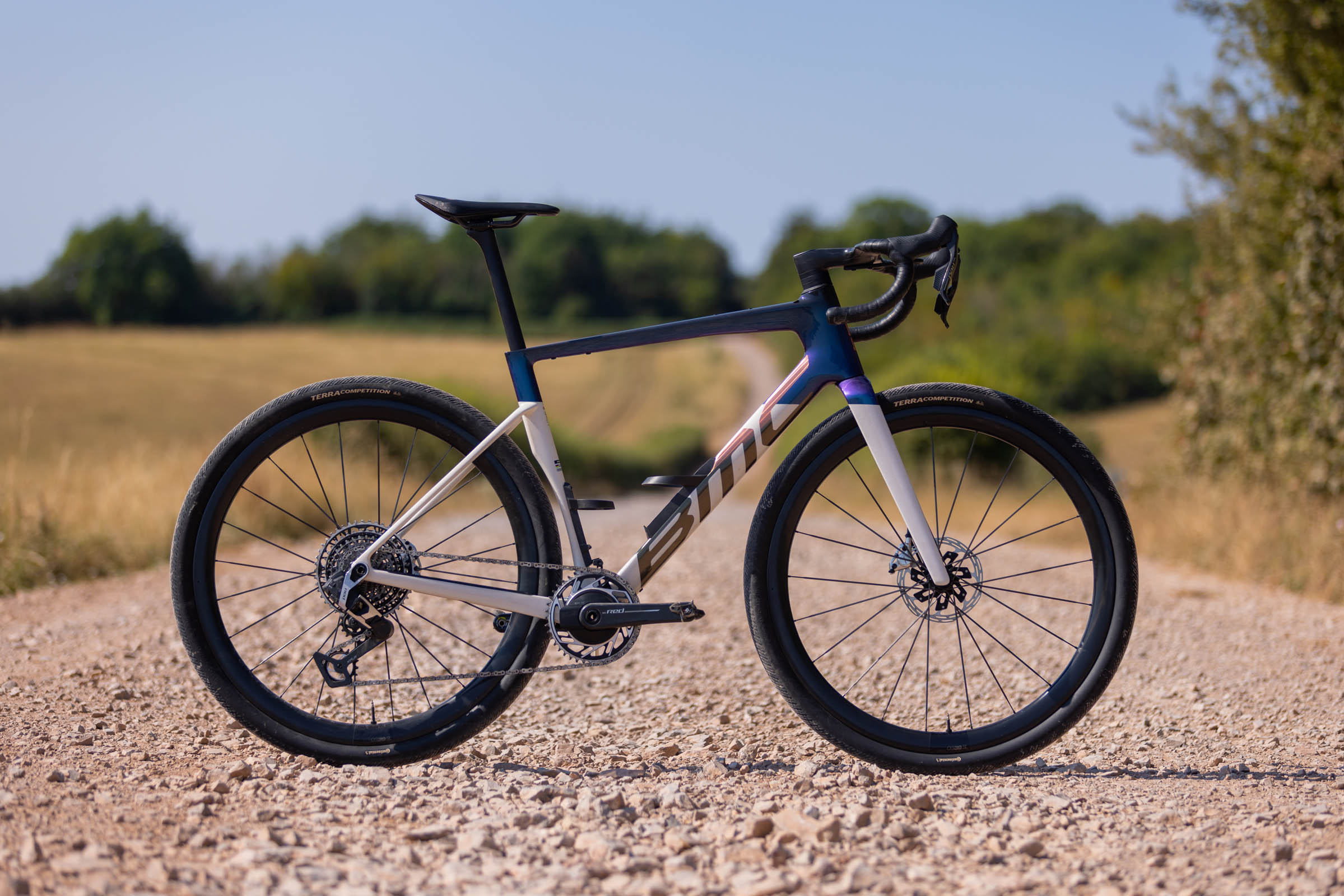
The previous BMC Kaius was one of the benchmark gravel race bikes, delivering impressive speed and handling required for demanding off-road events. That said, it was uncompromisingly stiff, which gave it a nervous quality when dealing with technical terrain.
The updated bike comes with a refined geometry that addresses the weakness of the old bike. How many weaknesses remain?
Argon 18 Dark Matter
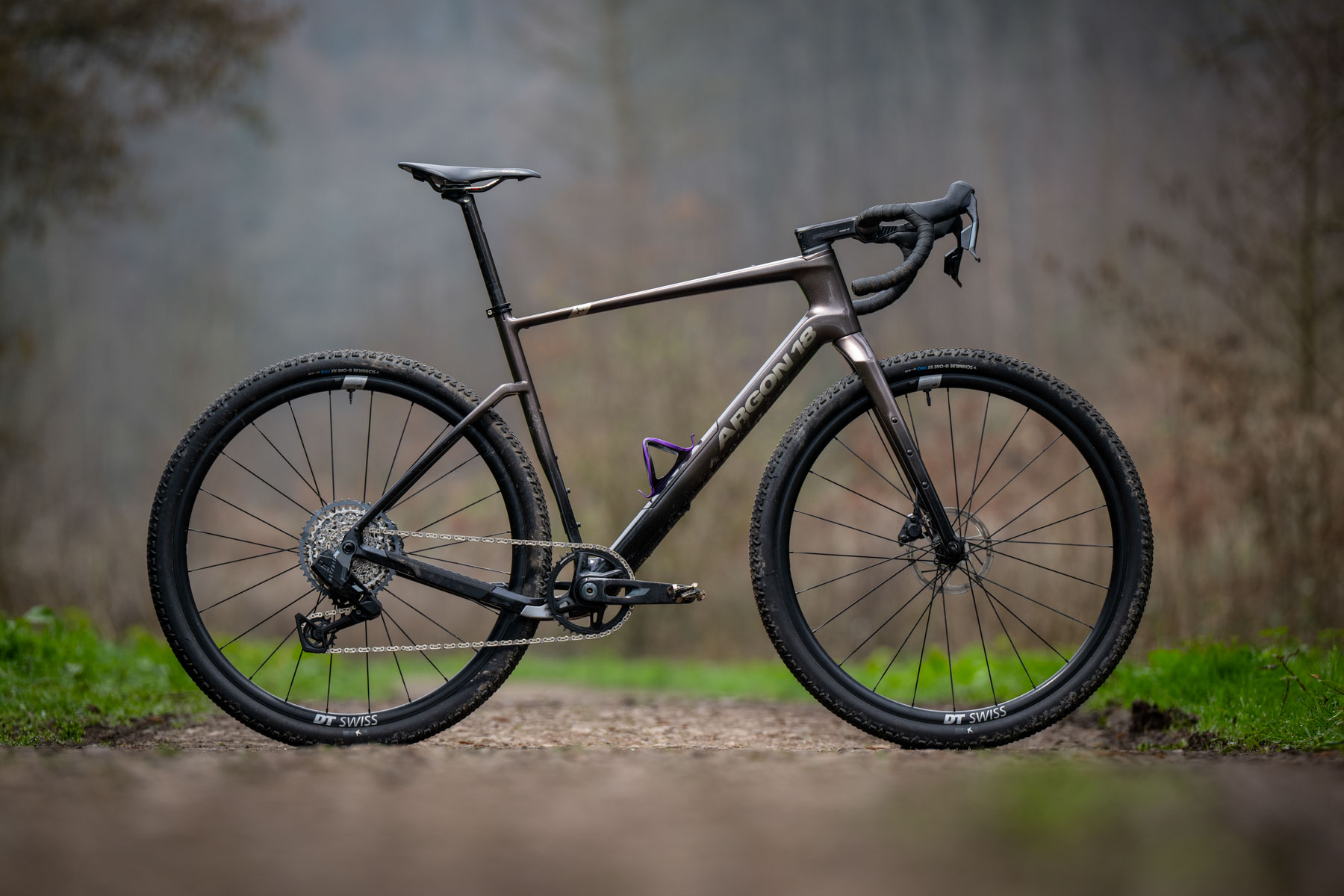
The Argon 18 Dark Matter has evolved into a highly capable performance gravel bike, balancing confident handling with the responsiveness expected from a premium carbon bike.
It too has had the geometry overhaul and tyre clearance improvements that mark the main developments across the gravel bike category. Can it take the crown?
Giant Revolt Advanced SL
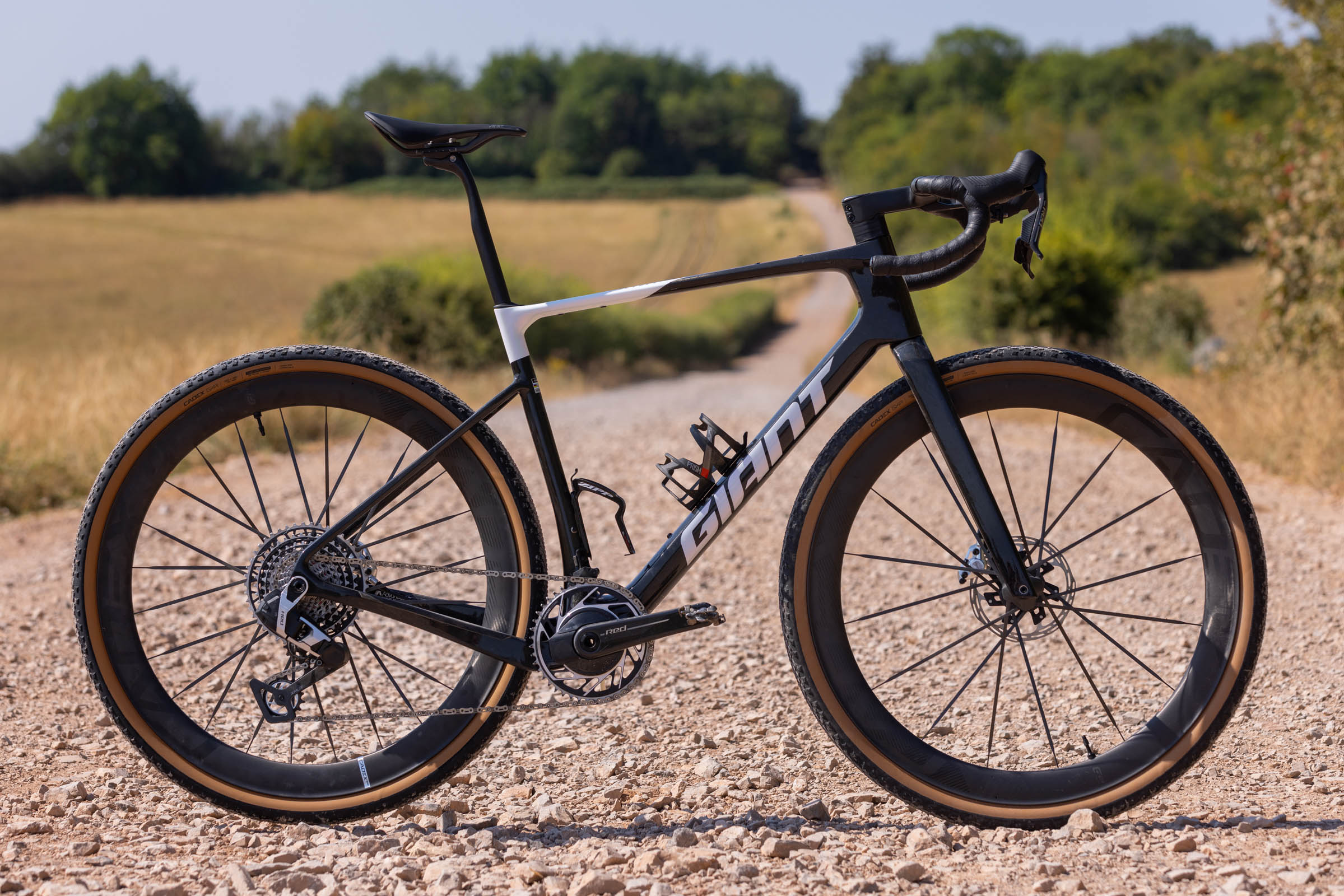
The Giant Revolt Advanced SL continues to offer one of the broadest skillsets in the category, combining race-worthy efficiency with the comfort and practicality required for long-distance gravel riding. Versatility is the name of the game with the Revolt, and it’s an enduringly popular bike.
Reputationally, it’s one of the bikes to beat, but the new model will need to raise its game once again against a competitive field.
Singular Pterodactyl
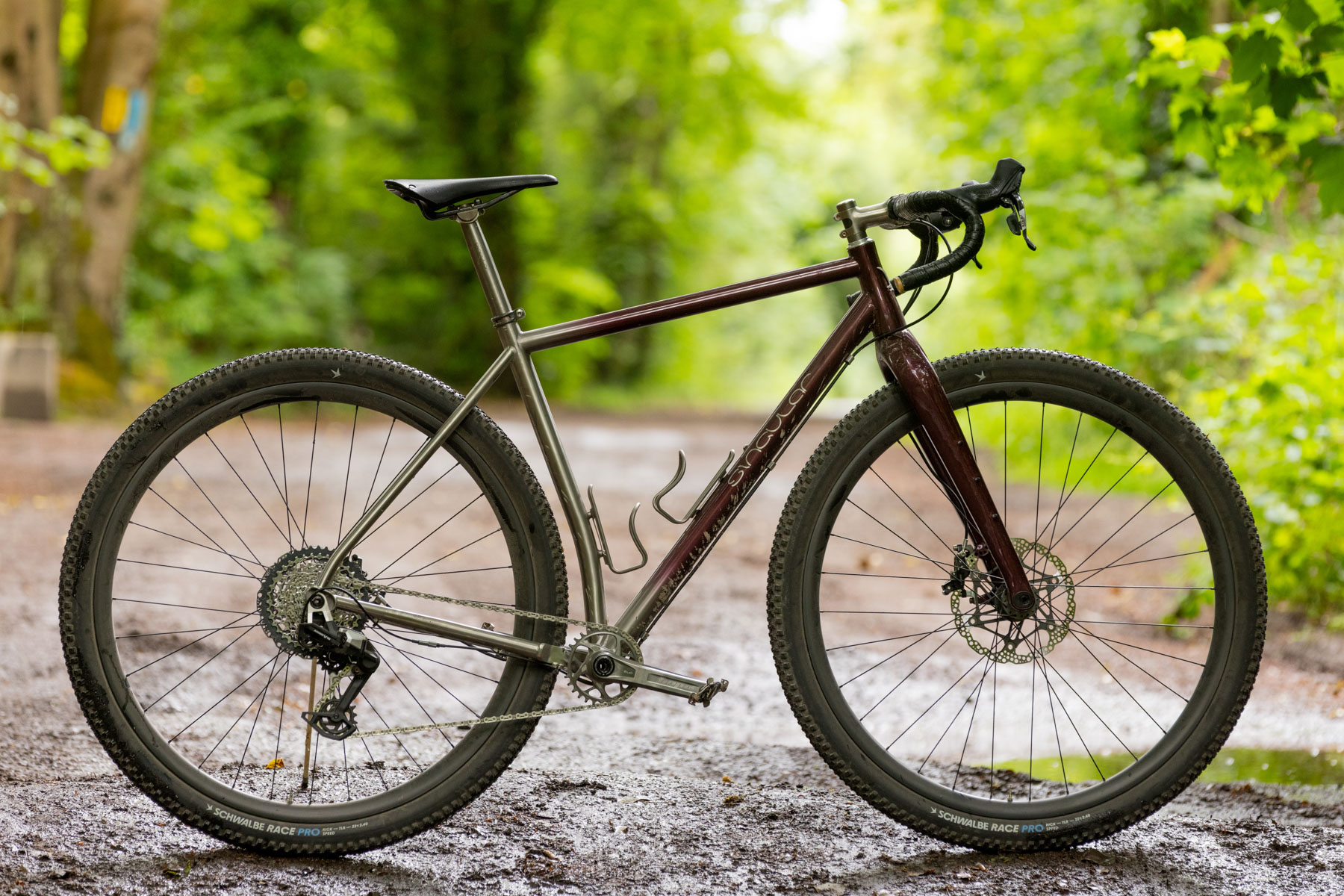
Singular’s Pterodactyl has earned a spot in our shortlist for its impressively well-thought-out design, incorporating the hot new thing in gravel bikes: 32in wheels.
The Pterodactyl is one of the first bikes, and the first production bike we’ve tested, to capitalise on the innate properties of larger wheels rolling over rough terrain, with handling compensated for via a ‘corrected’ geometry.
Sometimes, being the first to the punch means others can counterpunch and learn lessons from your opening gambit – but this punch was undoubtedly a strong one.
Trek Checkpoint ALR 5 Gen 3
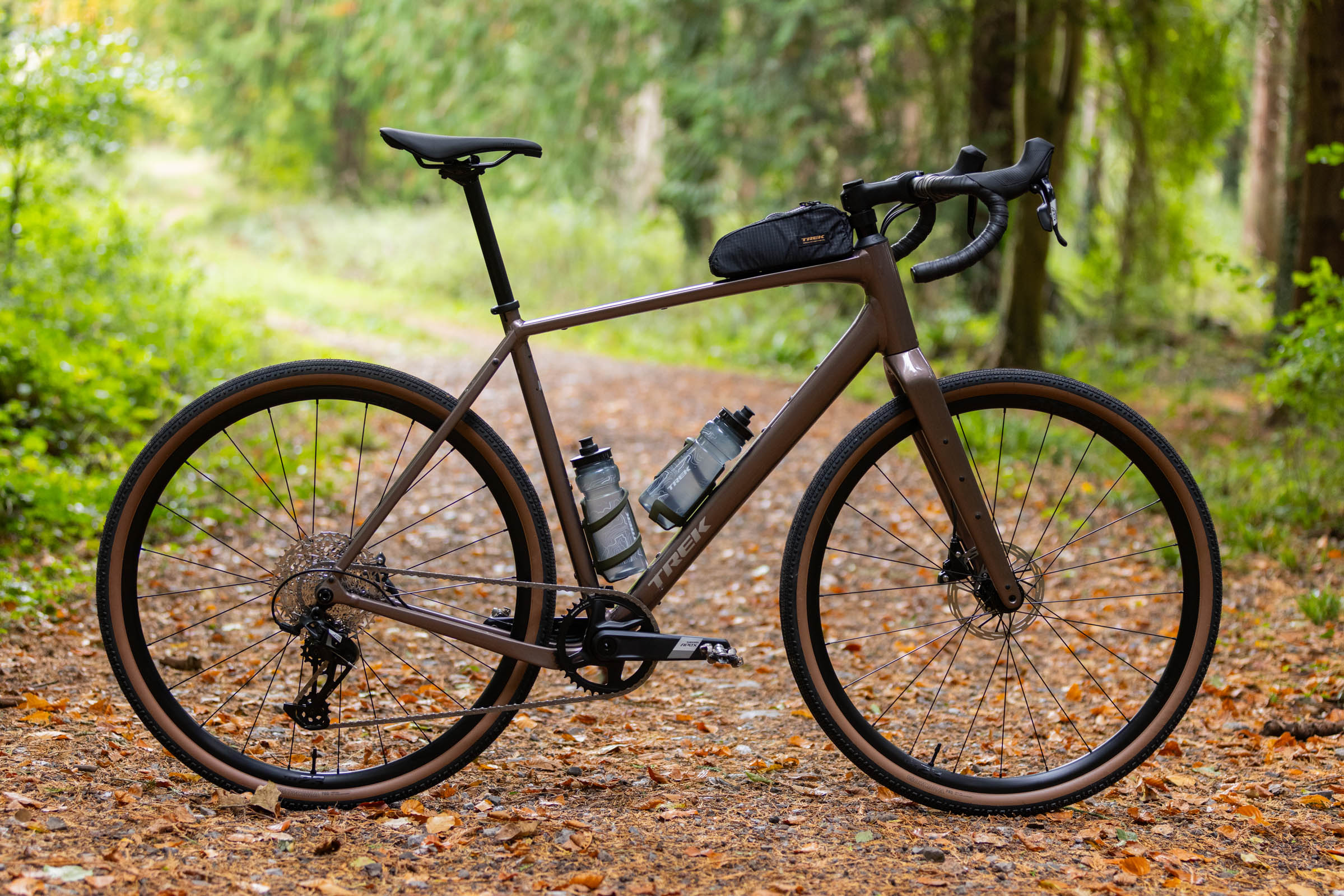
Testing on the latest Trek Checkpoint ALR took place at the back end of last year (after Bike of the Year 2025), but it has remained lodged firmly in our minds.
Warren concluded he couldn’t think of a better sub-£2,000 gravel bike at the time of writing, thanks to its versatility and performance clearly derived from the more expensive carbon Checkpoint bikes.
Argon 18 Anti Matter
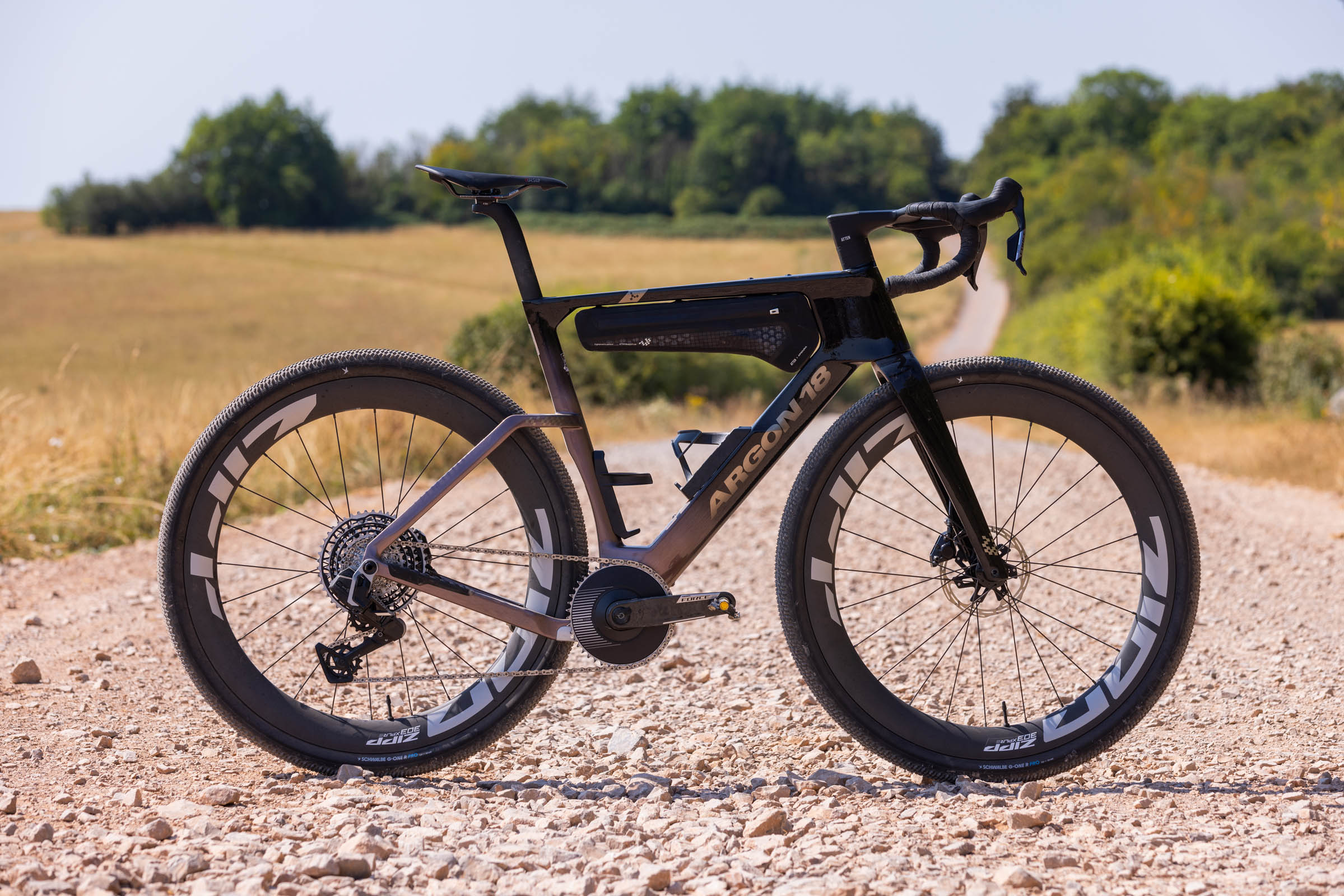
The Argon 18 Anti Matter, like the Dark Matter also shortlisted, stood out in testing for its progressive design, pairing a distinctly off-road-friendly geometry with progressively wide tyre clearances.
It’s a race bike, but one that keeps fun at the heart of its design. Warren also liked that it delivered practically as much fun and speed, but for less money than its testmates.
Orbea Terra M21e Team
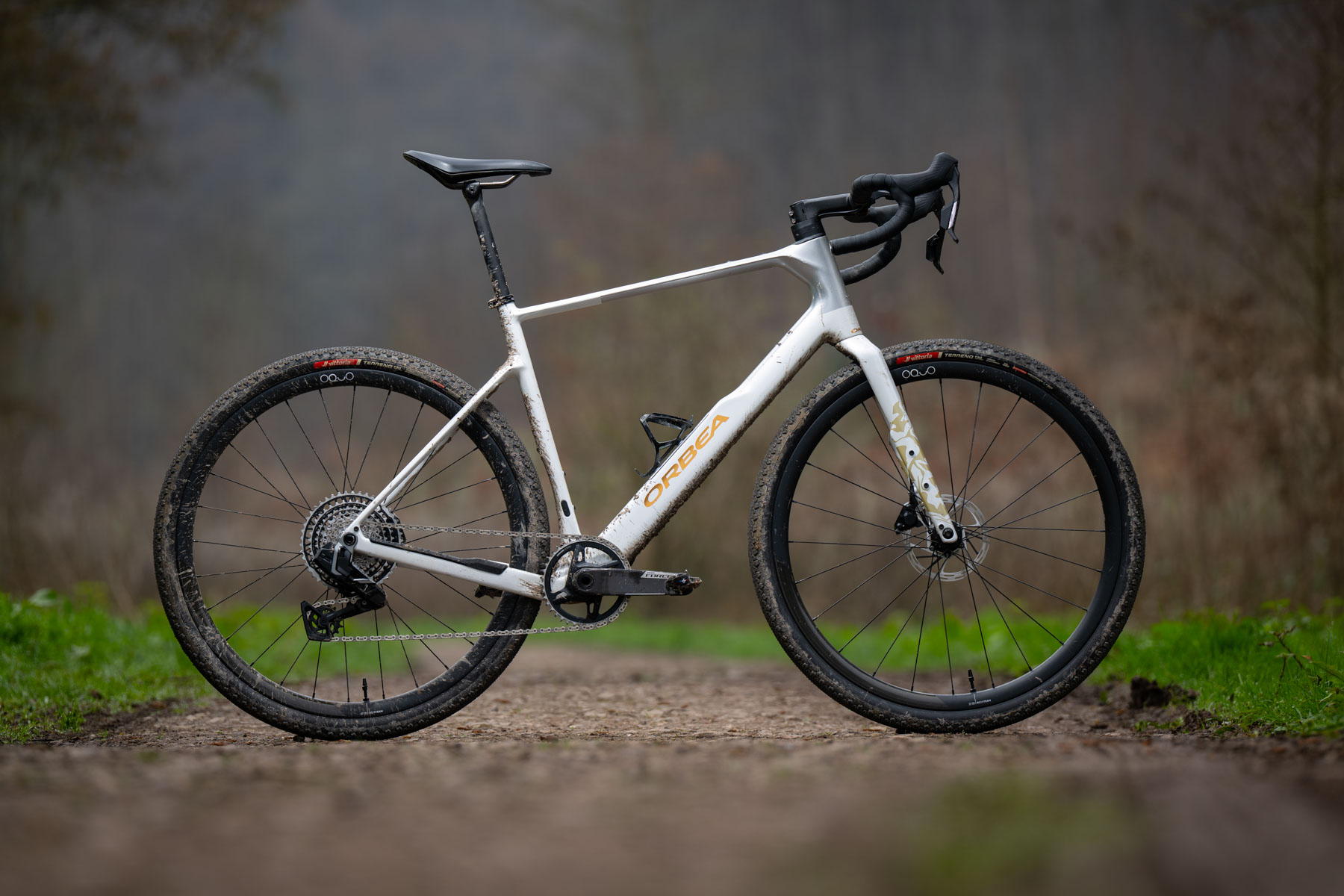
The other bike to impress enough in the same test as the Anti Matter to warrant Bike of the Year shortlisting was the Orbea Terra M21e Team, with versatility high on the pros list.
While Warren found the handling a bit of a handful on tougher terrain, part of this is down to the stock tyres, which proved out-matched for the challenging test conditions in the early part of the year. Happily, Orbea runs its MyO customisation programme, enabling you to change these for the difference in price, alongside delivering other fit and spec choices.
Special mentions
Sadly, not all new bikes can be tested in time for Bike of the Year – reasons include test bike availability, editorial prioritisation of the most interesting bikes (driven in part by the evidence of your clicks), resource constraints, plus other logistical hurdles.
That said, you can rest assured that we have made our best efforts to call in and test all the bikes listed. Despite not making our deadline for inclusion, we still feel the below bikes are worthy of mention.
Once tested, these bikes will be eligible for next year’s Bike of the Year edition.
Van Rysel RCR-G
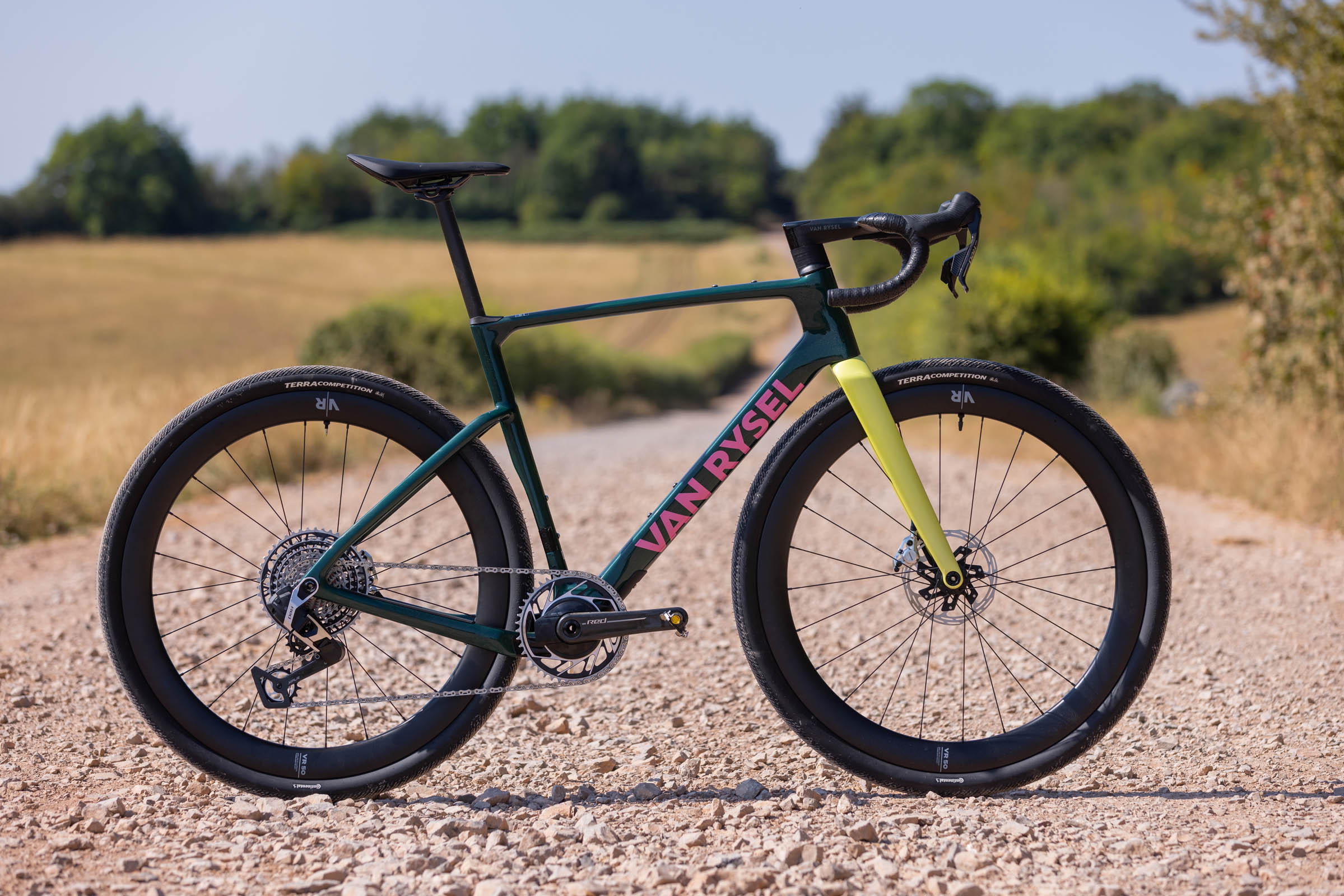
Van Rysel has quickly established itself as a serious performance brand, and the new RCR-G reflects an uncompromising approach to modern gravel racing.
Its race-focused design combines a claimed 885g frame (in a size medium) and 480g fork, a smattering of aero optimisation, and racy 50mm tyre clearances. The complete bike we’ll be testing shortly after our Bike of the Year deadline weighs in at an impressive 8.28kg in a size large with a SRAM Red AXS XPLR groupset.
In typical Van Rysel style its priced well at £6,500 / $10999 / €6,599.
Specialized Crux
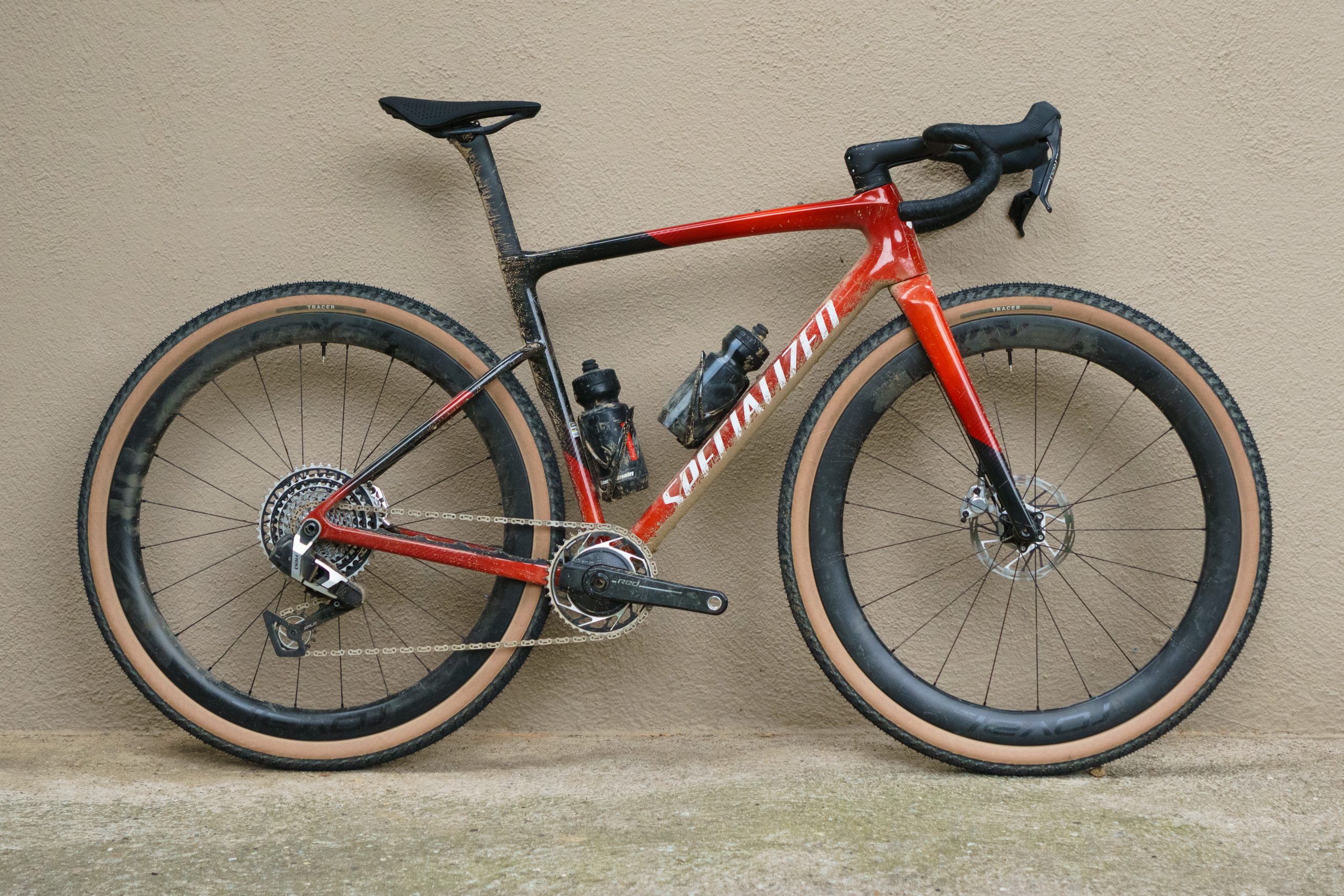
The Crux has also been updated to address its ‘derived-from-cyclocross’ DNA that’s largely outdated in 2026. It’s still one of the lightest and most versatile gravel race bikes available on paper, though, with Specialized aiming to maintain the lively ride characteristics that made the previous bike so popular.
Our first ride review was carried out on unfamiliar terrain, but Simon von Bromley concluded that “while Specialized can often be accused of hyperbole, it’s fair to say it has nailed it with the Crux 5 – at least on first impressions”.
We’re looking forward to testing the latest Crux on home roads and trails soon.
Factor Sarana
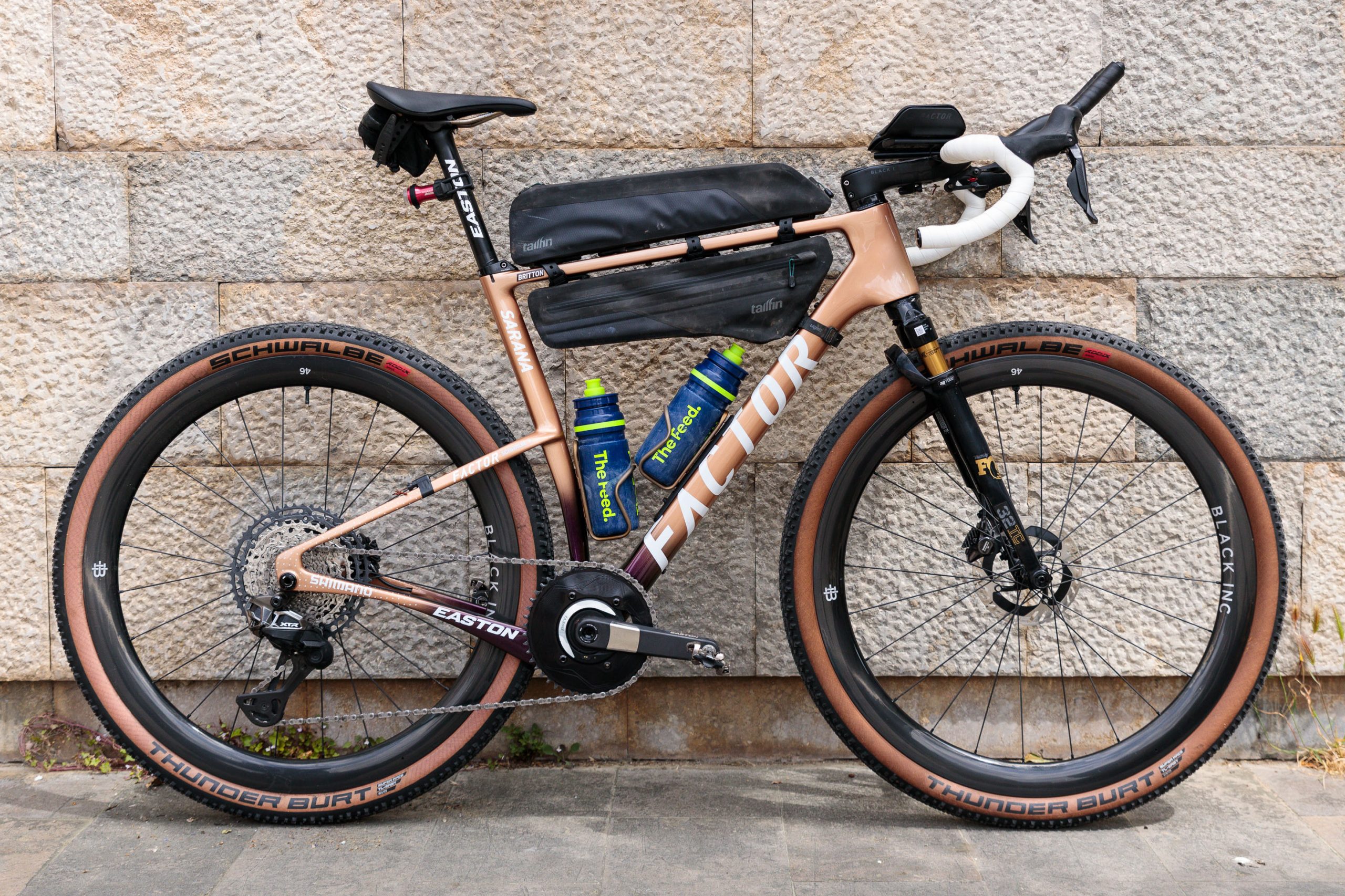
Factor's new Sarana represents the brand's latest interpretation of the high-performance gravel race bike.
As expected from Factor, there's a strong emphasis on efficiency, integration and outright speed, backed up by geometry designed for today's increasingly technical race courses. 2025 Unbound XL winner Rob Britton was riding the latest bike at the Traka 560 this year, complete with suspension fork, while the brand also teased a One-imitating prototype gravel race bike at the same event.
Felt Breed
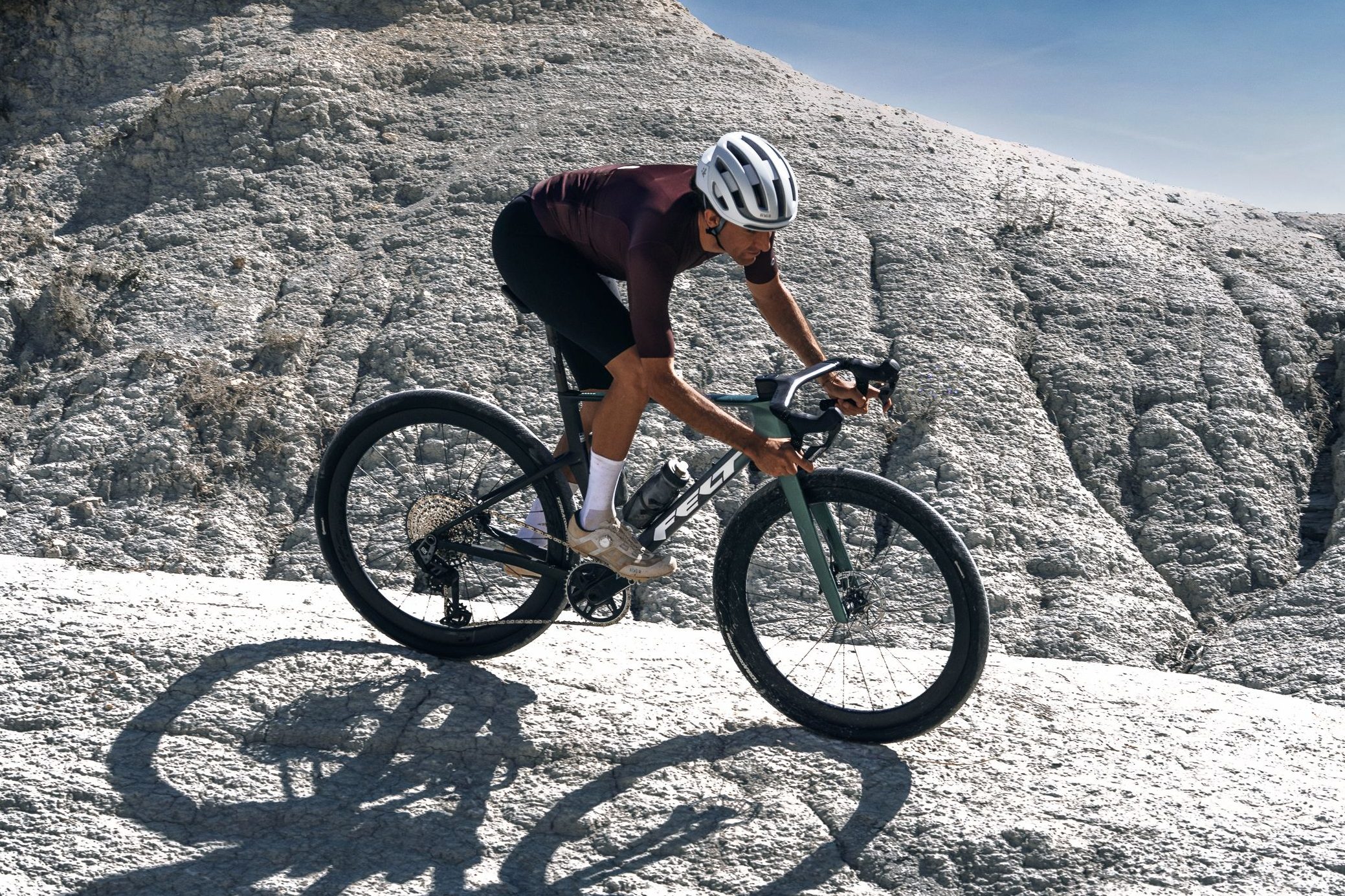
The latest Felt Breed made headlines because it's been inspired by its Nexar race bike aerodynamics, while still being light enough to get close to the UCI’s 6.8kg weight limit (unloaded, of course).
Despite this, it can still accommodate a 54mm front and 52mm rear tyre, while the geometry is suspension-adjusted offering a great deal of setup freedom.
How is a bike considered for Bike of the Year (and why isn’t a particular bike included in the main shortlist)?
Bike of the Year is made possible by the testing we’ve done throughout the year, with our picks coming from the bank of experience we’ve built up from riding those bikes.
In order for a bike to be considered for inclusion, we need to have performed either a full or first-ride review on home roads for familiarity, to enable true comparative testing with fewer ride-affecting variables such as road quality or gravel type.
Bikes given a first-ride review at a launch event are ineligible until a test can be carried out on our known test routes.
Our shortlist and special mention bikes are chosen by our expert testing team, led by our Bike of the Year testing veteran and lead tester, Warren Rossiter.