We're on the countdown to Bike of the Year 2026 and, having introduced this year's test yesterday, it's time to announce the shortlist for the Race Bike of the Year category.
It’s been a year of keen development for race road bike tech. Aerodynamics remain a major development battleground, but they're no longer the sole focus. Comfort, fit and handling are playing increasingly important roles, with brands recognising the fastest bike on paper isn't always the fastest for the rider.
The result is a Bike of the Year category that's more competitive than it's been for years.
We’ve been testing the latest bikes all year (you can read some of the reviews on BikeRadar right now), enabling us to take a snapshot of the current trends and identify the key leaders. The race bikes we've tested since last year's Bike of the Year form the longlist for the 2026 category. Any bikes that missed our deadline will be considered for next year's test.
We'll be crowning our 2026 Race Bike of the Year on Thursday 27 August, alongside our Gravel Bike of the Year and Endurance Road Bike of the Year winners. We'll also crown an overall winner to take the top prize.
Refined geometries, more tyre clearance and improved value
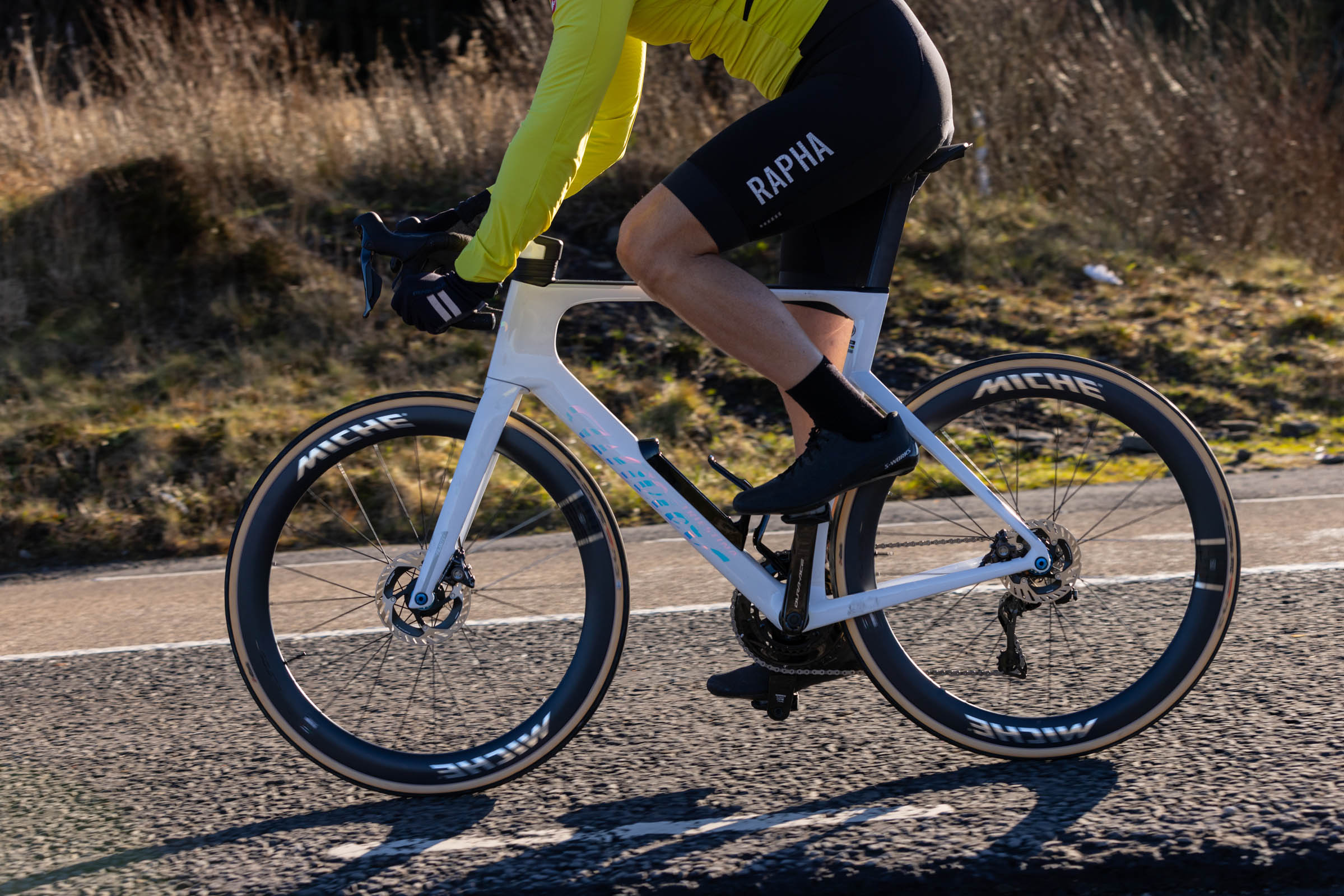
If there was one defining trend over the past decade, it was brands’ relentless pursuit of aerodynamic efficiency, with aero becoming established as the dominant factor for speed for pro riders and amateurs alike. That's partly still true in 2026, but it's no longer that simple.
The clearest example is the new Factor One, a bike developed almost entirely around aerodynamic optimisation. It maximises the UCI’s regulations with radical tube profiles, sporting a heavily refined front end with a bayonet fork reminiscent of both of last year’s finalists (the Colnago Y1Rs and eventual winner, the Cervélo S5).
At the same time, brands have recognised that pure race-bike geometry doesn't suit every rider, nor is the most aggressive position necessarily the fastest. Several of this year's launches, including the Factor One, have introduced more progressive riding positions.
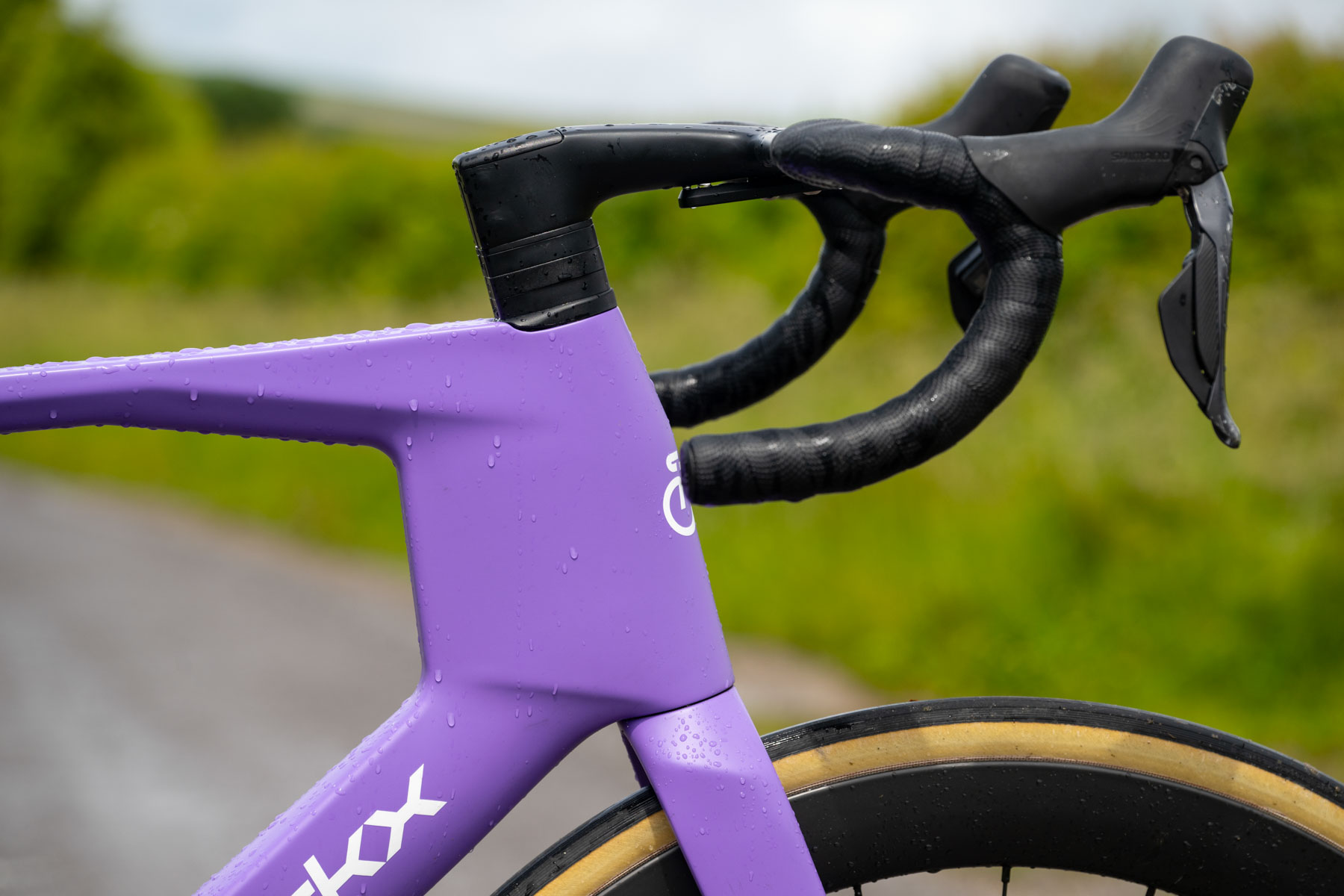
The Eddy Merckx 525 R adopts a noticeably more approachable geometry than many traditional race bikes, while the Canyon Endurace CFR takes an altogether different approach, blurring the line between endurance and race categories – essentially adding endurance bike tyre clearance to a race bike layout.
Tied to geometry, fit has become another key area of development. Rather than expecting riders to adapt to an aggressive position, brands are increasingly building more adjustability into their bikes.
The Look 795 Blade RS 3, as one example, introduces a whopping 350 fit configurations. It's a welcome shift that should make it easier for riders to achieve an efficient position that works for them.
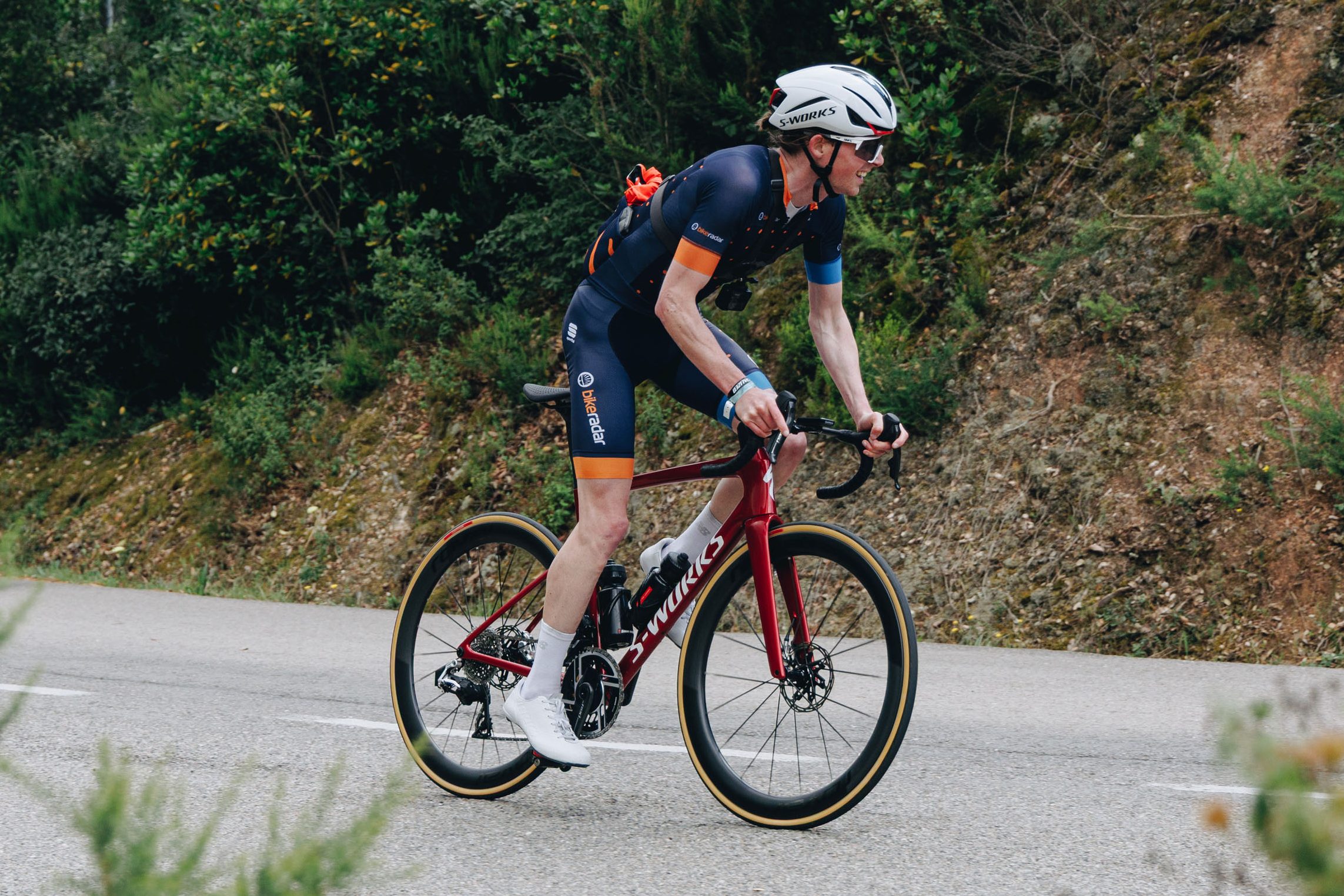
Perhaps the most encouraging development is the emergence of stronger value propositions. Premium superbikes continue to command premium prices, but bikes such as the Rose Shave FFX have emerged this year, demonstrating that genuine race performance doesn't necessarily require a five-figure budget. The Cube Litening Aero C:68X is another great example, but launched after our deadline for this year’s edition.
Alongside these remain the established benchmarks. The Specialized Tarmac SL9, Cannondale SuperSix Evo and Giant Propel continue to set exceptionally high standards, while proven bikes such as the Merida Reacto and Cervélo Soloist ensure this year's competition is deeper than ever.
BikeRadar Race Bike of the Year 2026 contenders
Merida Reacto
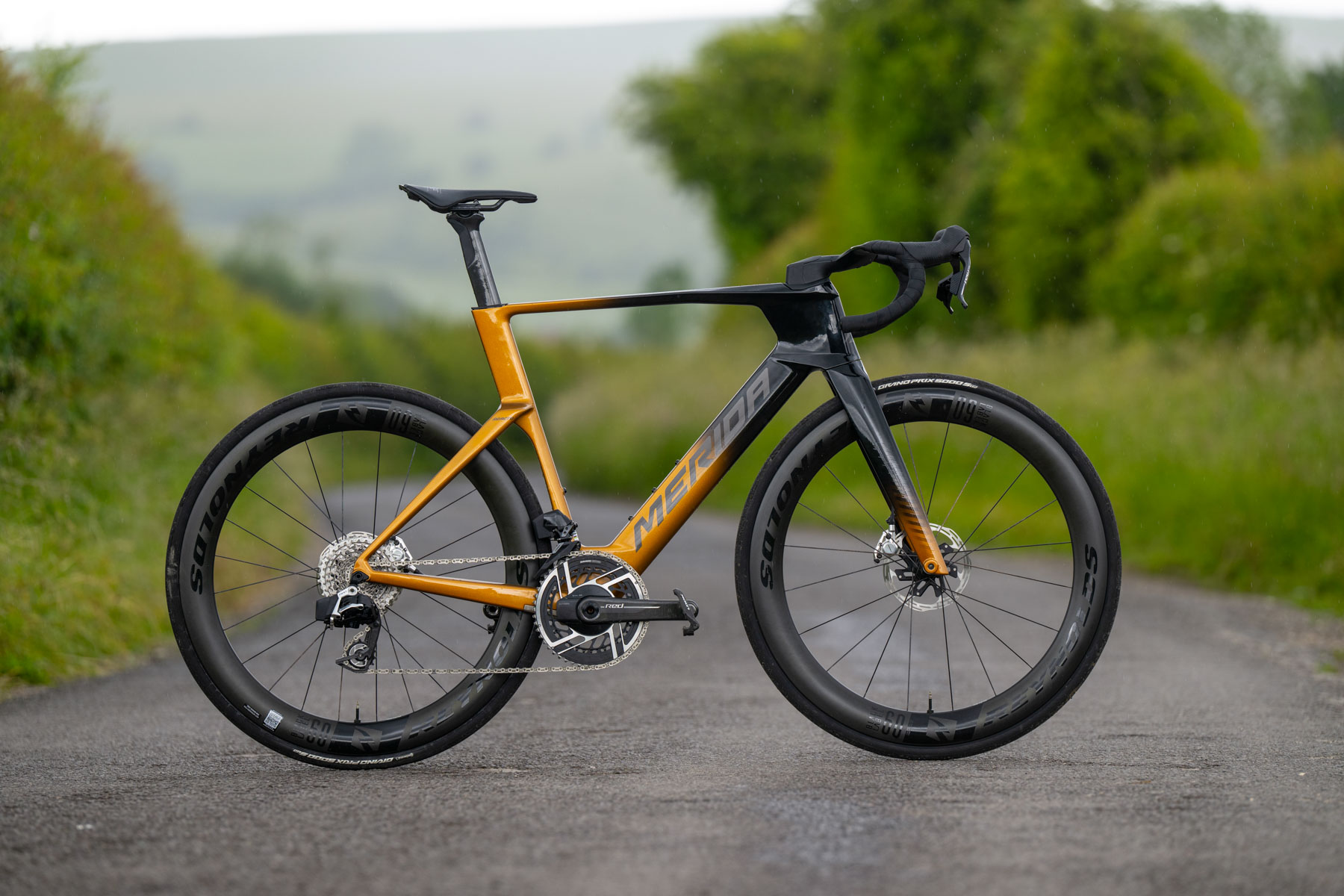
Merida's latest Reacto remains one of the most complete aero race bikes on the market, and made headlines when it snuck under the 200W aero resistance barrier in TOUR magazine’s renowned wind-tunnel test.
It blends slippery aerodynamics with a surprisingly refined ride quality and has consistently impressed when we’ve tested its predecessors.
As is often the case with Merida, it's smart value, too.
Cervélo Soloist
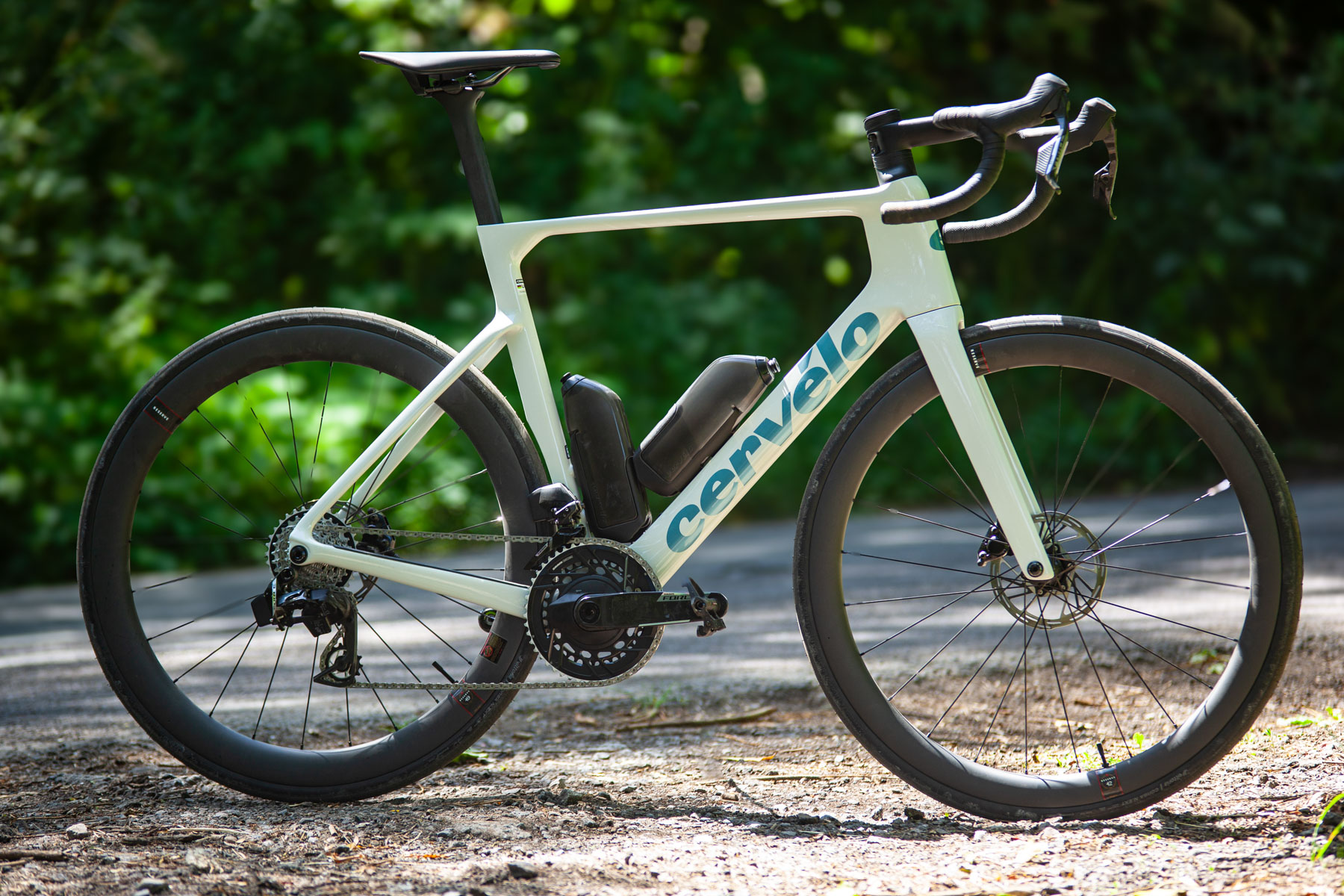
The Cervélo Soloist occupies an interesting middle ground between racing superbikes and more accessible performance machines.
Its blend of speed, practicality and comparatively sensible pricing (for a Cervélo) continues to make it an appealing option for those who want a premium-brand bike for less money.
Giant Propel
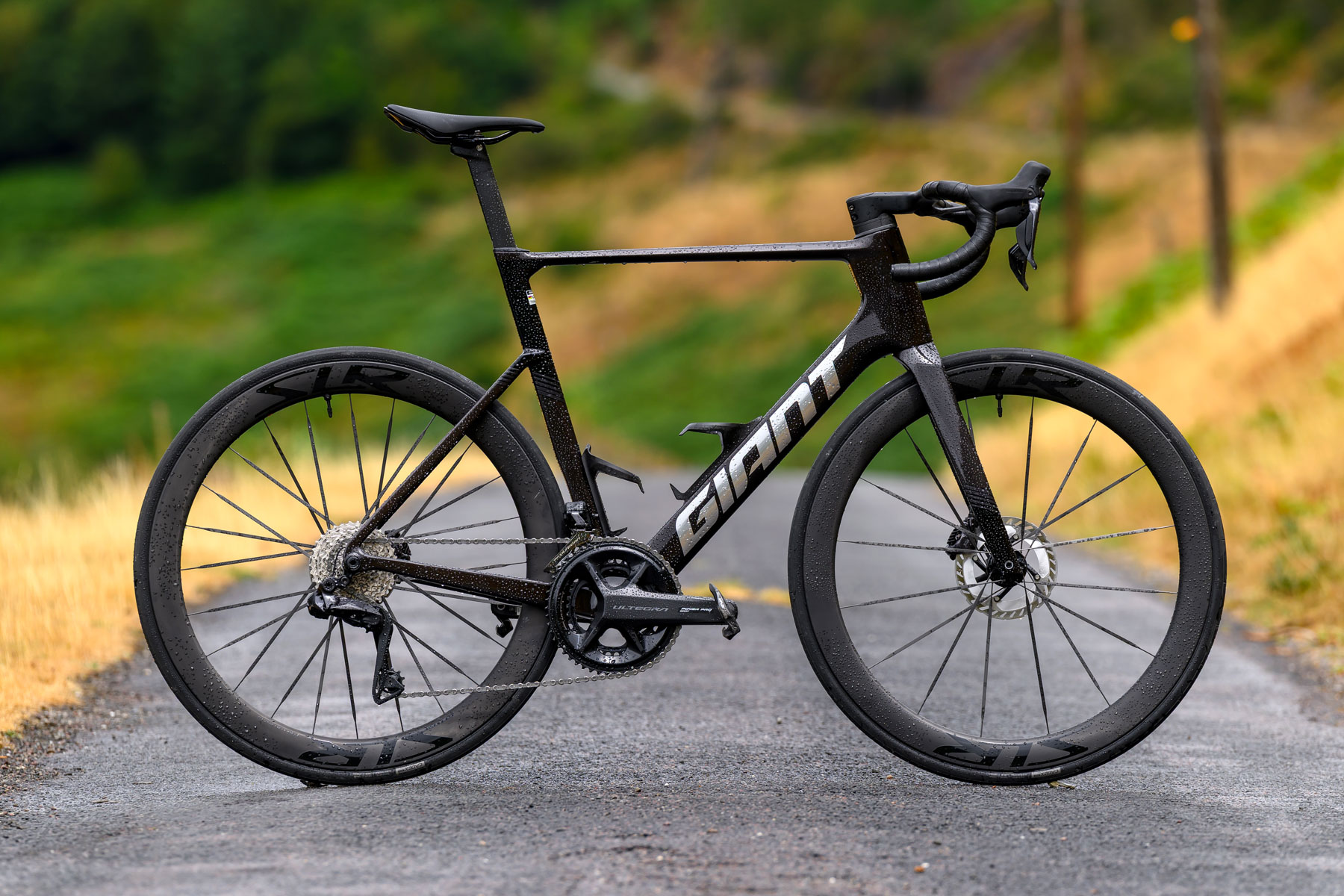
The Giant Propel remains one of the most accomplished aero race bikes available and has proven itself at the highest level of professional racing. Its combination of outright speed and composed handling has made it a longstanding favourite.
Its historical capabilities are well-regarded, but our testing of the latest iteration will reveal whether it’s top dog in 2026.
Rose Shave FFX
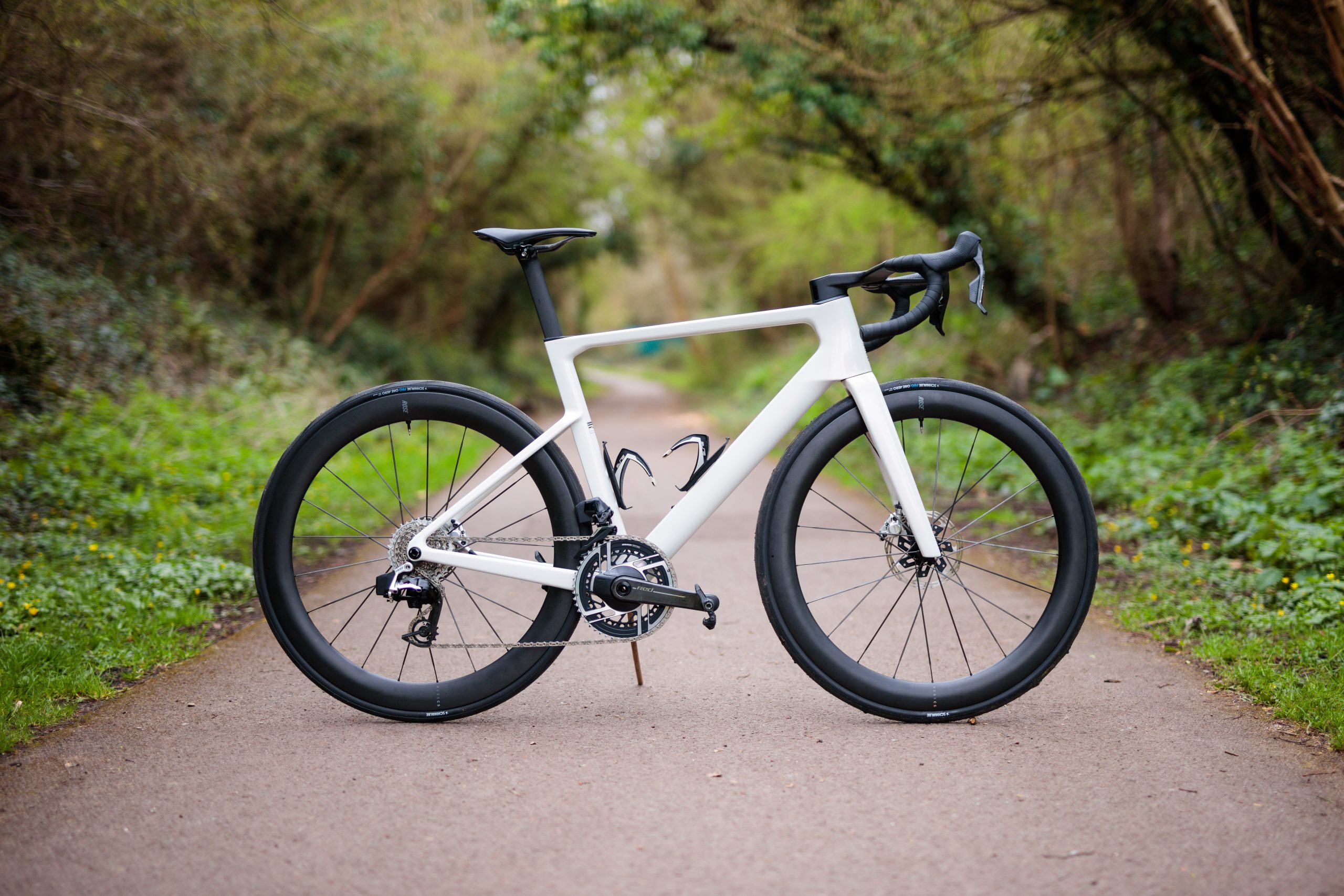
Rose has made one of the strongest value statements in this year's category with the Shave FFX. It delivers genuine race performance and spec at a far more attainable cost.
In our initial review, we felt the Shave FFX performed exactly as a race bike should – even if its ride is on the firm side (a historically forgivable attribute in a race bike, if ever there was one). However, is that enough in 2026?
Eddy Merckx 525R
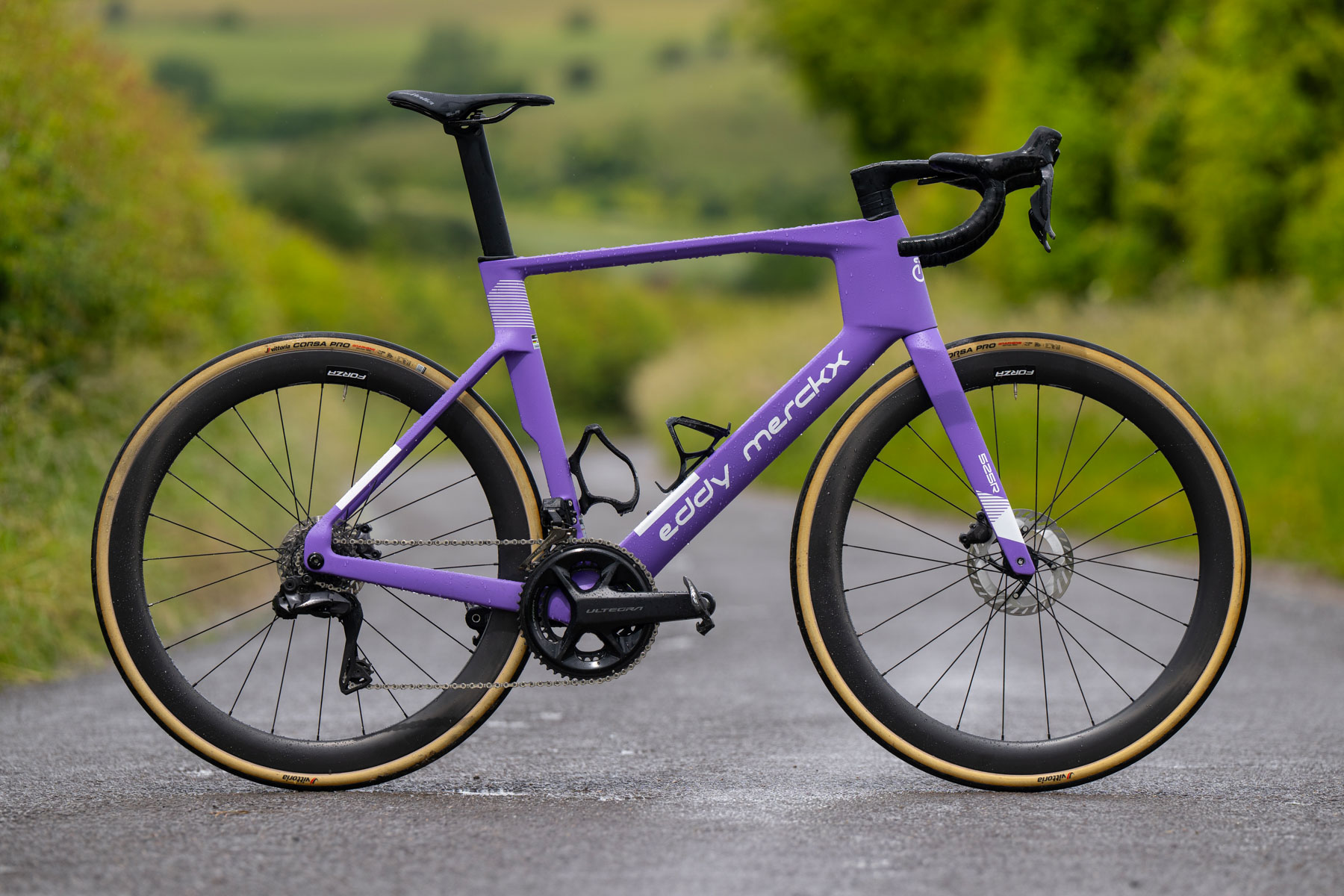
The Eddy Merckx 525R reflects a growing industry shift towards race bikes that prioritise rider fit alongside outright speed. A more accommodating geometry for everyday riders will also broaden its appeal considerably.
Warren Rossiter described it as the best race bike he had ever ridden at the time of publication – but can it take the coveted Bike of the Year crown once all our testing is complete?
Cannondale SuperSix Evo
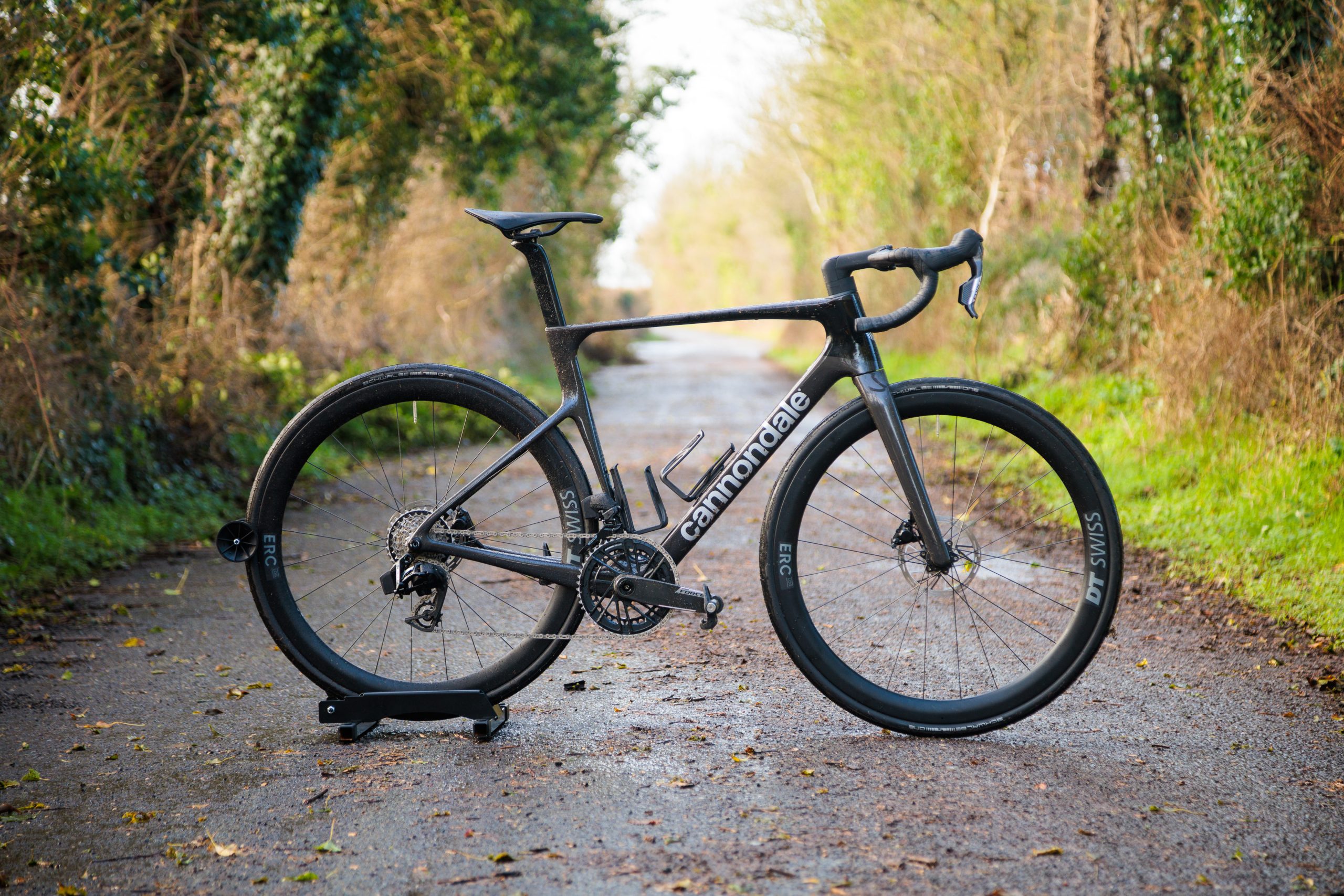
Cannondale's SuperSix Evo continues to exemplify the modern all-round race bike. Light, fast and exceptionally well balanced, it remains one of the easiest race bikes to recommend (if value for money isn’t your primary concern).
A first-ride review is already live on BikeRadar, and it has earned its place on the shortlist given it remains such a prodigiously fast bike to ride. The question is whether newer rivals have managed to move the category forward more.
Factor Monza
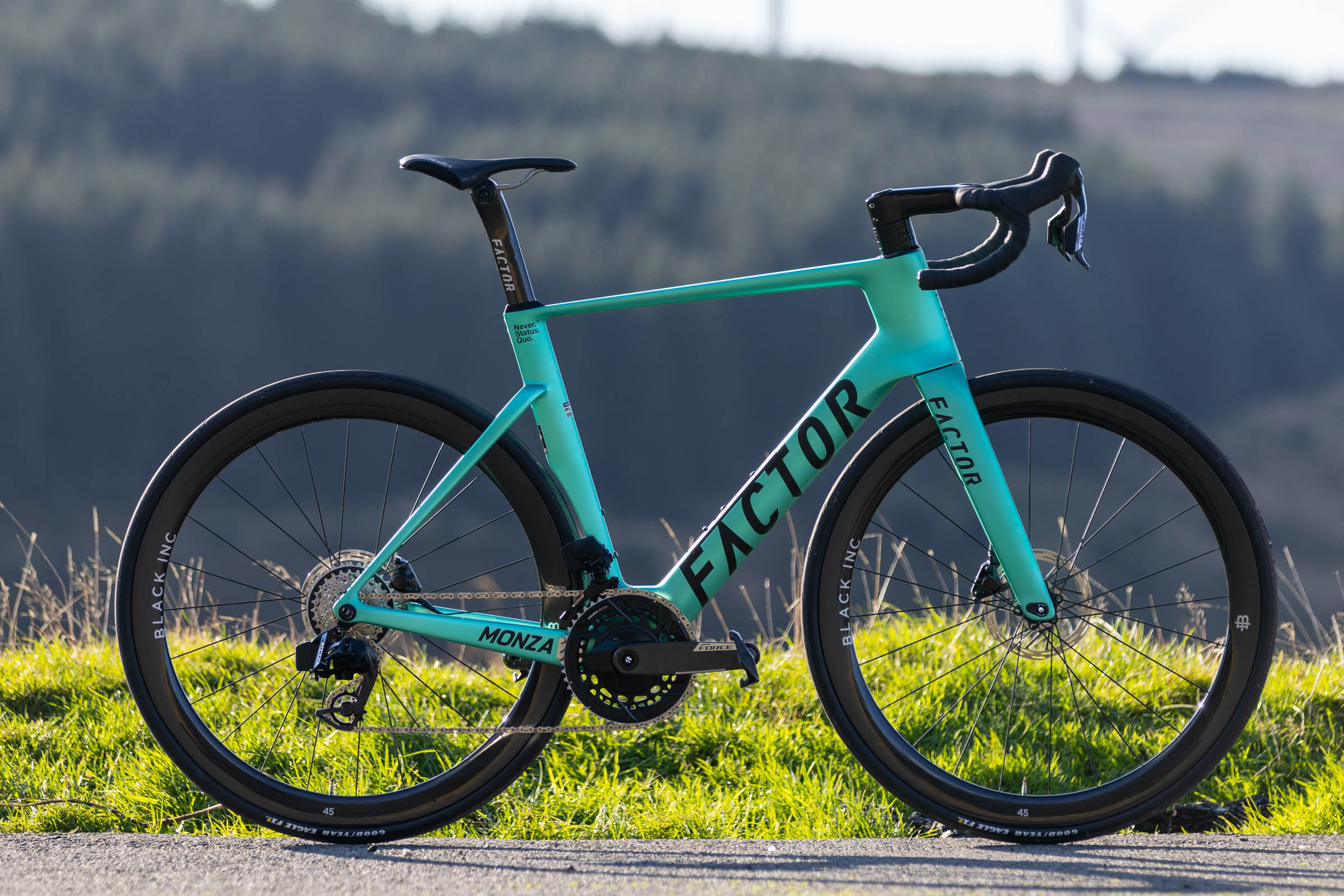
The Factor Monza might not have been Factor’s most notable launch this year – that honour surely goes to the striking One (see below under ‘special mentions’) – but the Monza impressed with its more democratic approach to a race bike.
We also liked that it included down tube storage – a practical and rare feature to find on race bikes despite the growing popularity of in-built storage on gravel and endurance machines.
Wilier Filante SLR ID2
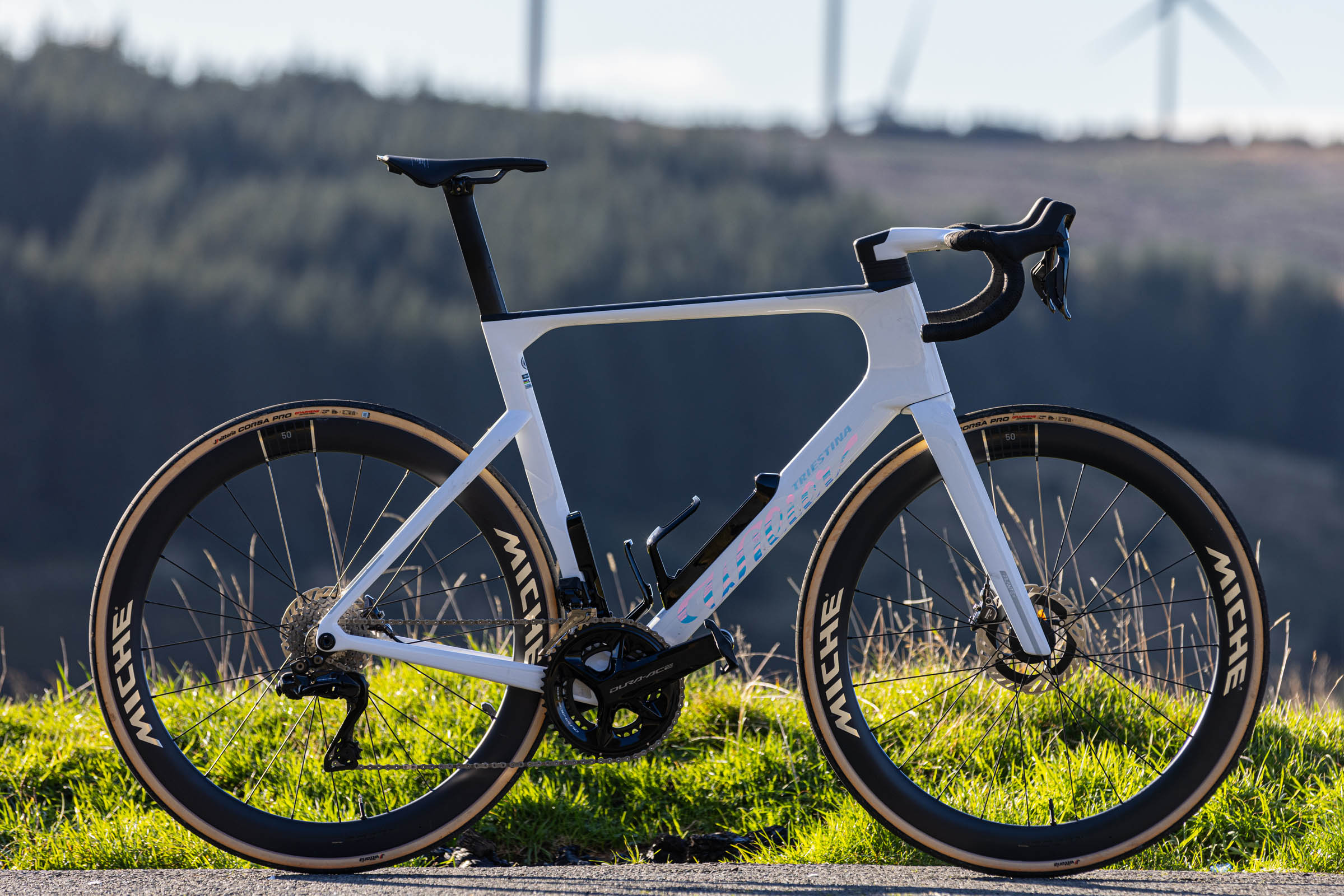
If BOTY was a beauty contest, the Wilier Filante SLR ID2 would have the race category sewn up.
That said, there’s far more to this bike than that – it was incredibly fast to ride when tested, and handled exactly as many would want from an aero-leaning all-round race bike.
One could argue it takes the best features of contemporary race bikes and blends them into a single package. A Goldilocks bike, perhaps.
Special mentions
Sadly, not all new bikes can be tested in time for Bike of the Year – reasons include test bike availability, our editorial prioritisation of the most interesting bikes and other logistical hurdles.
That said, you can rest assured that we have made our best efforts to call in and test all the bikes listed. Despite not making our deadline for inclusion, we still feel the below bikes are worthy of mention.
Once tested, these bikes will be eligible for next year’s Bike of the Year edition.
Factor One
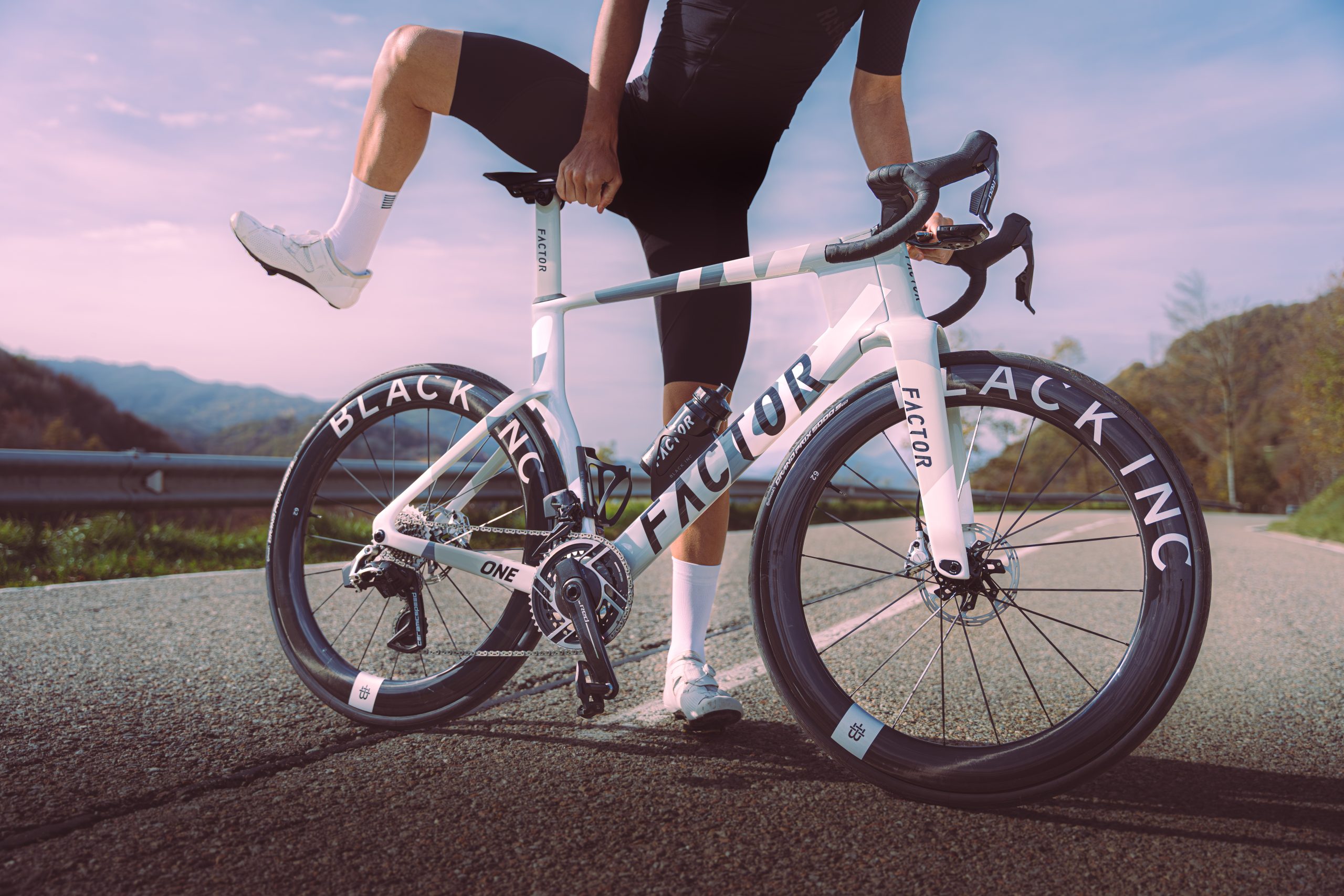
Few launches have generated as much discussion as the Factor One. It represents one of the boldest aerodynamic designs we've seen in recent years and aims to push aero efficiency to an entirely new level.
Despite being as aggressive-looking as they come, it features a progressive geometry with a tall front end – a sign Factor has been hard at work to understand where gains can be made in the rider-bike system, rather than just on the bike itself.
Specialized S-Works Tarmac SL9
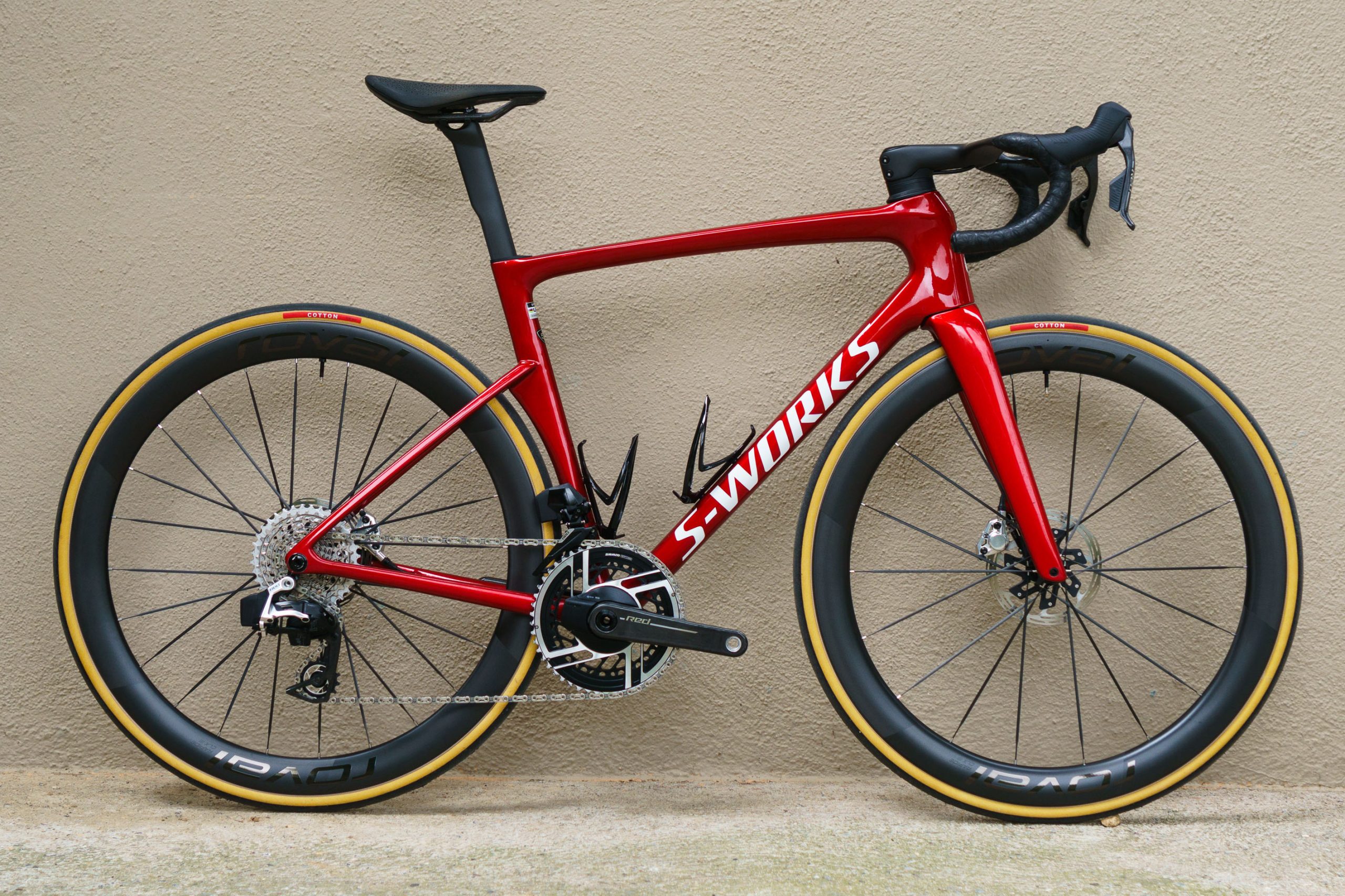
With predecessors that defined the modern all-round race bike, balancing low weight, aerodynamic performance and exceptional handling, the new S-Works Tarmac SL9 was a shoo-in for inclusion.
It comes with lofty claims – Specialized argues it remains the fastest race bike in the world – while we know it remains popular with you, our audience.
Canyon Endurace CFR
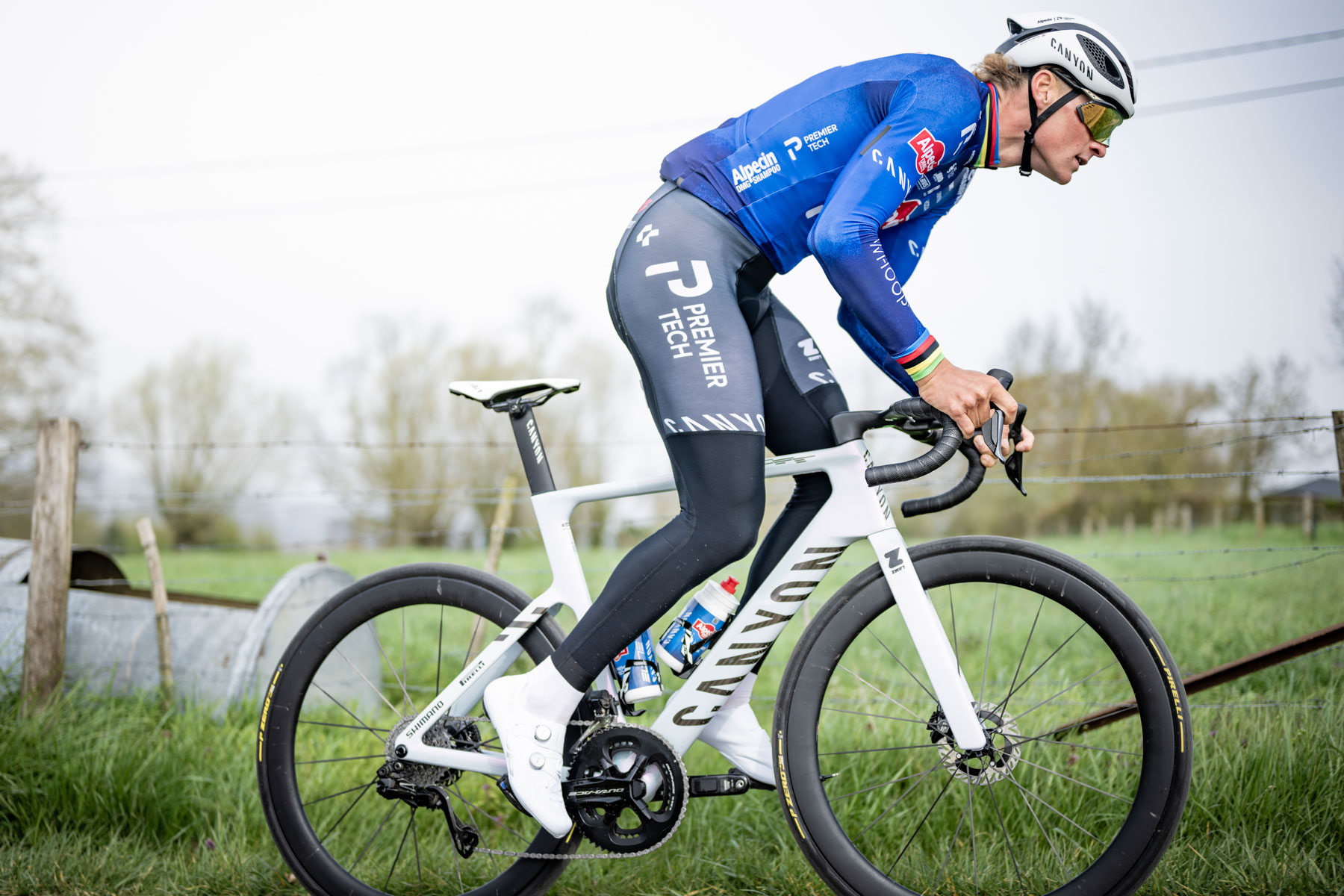
Canyon's Endurace CFR challenges traditional category boundaries by delivering race-bike levels of performance from a platform that's said to be easier to live with over long distances, thanks to its wider tyre clearances.
Despite the name, this is a race bike at heart, sharing practically the same geometry as the brand’s Aeroad model. For its Endurace SLX sibling, see our endurance bike category.
Look 795 Blade RS 3
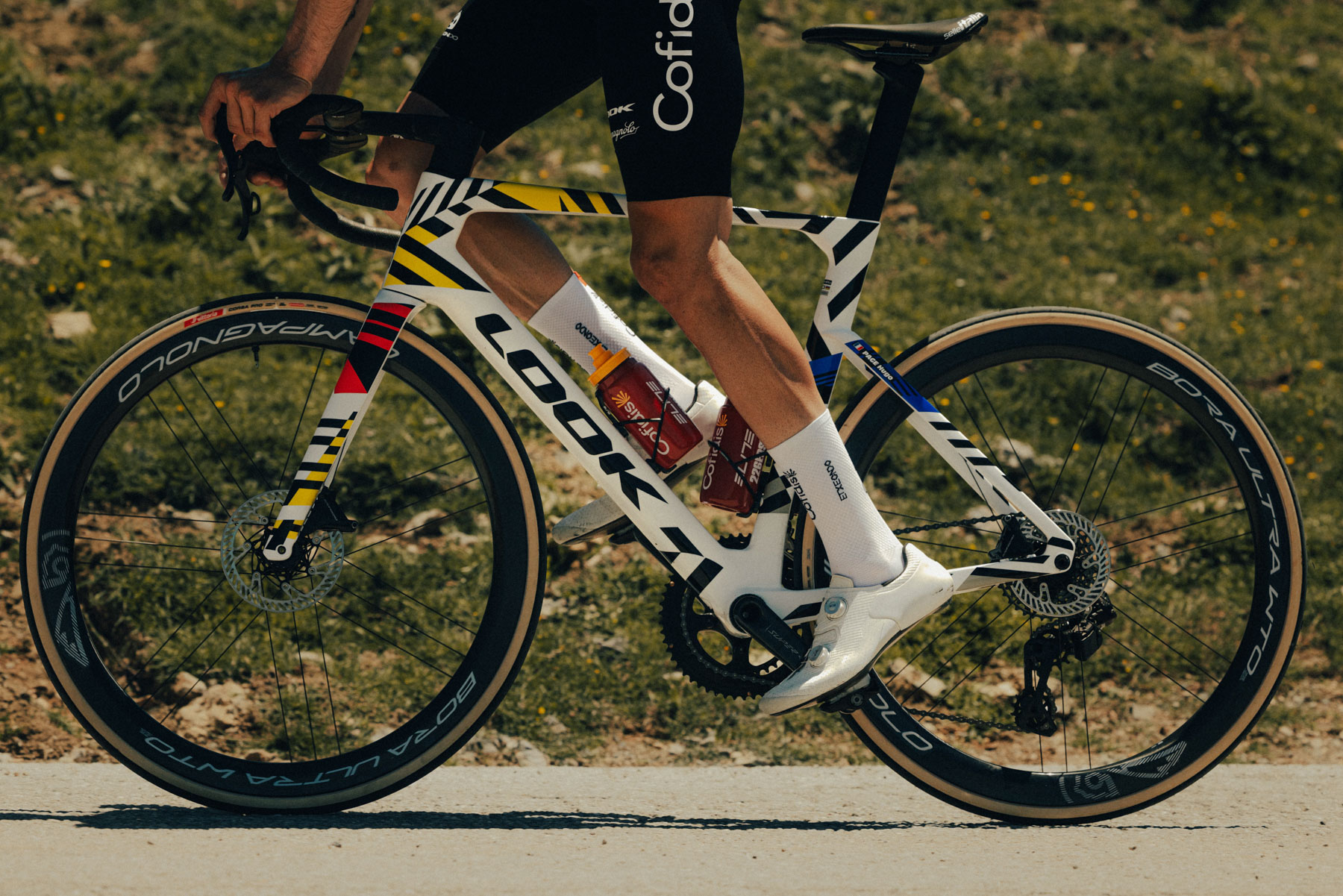
Look's latest 795 Blade RS 3 combines the brand's racing heritage with a much greater emphasis on rider fit and cockpit adjustability than previous generations.
In fact, it could be the most adjustable race bike in the world with more than 350 fit options – time will tell if the storied French marque has got everything else right too.
Cube Litening Aero C:68X
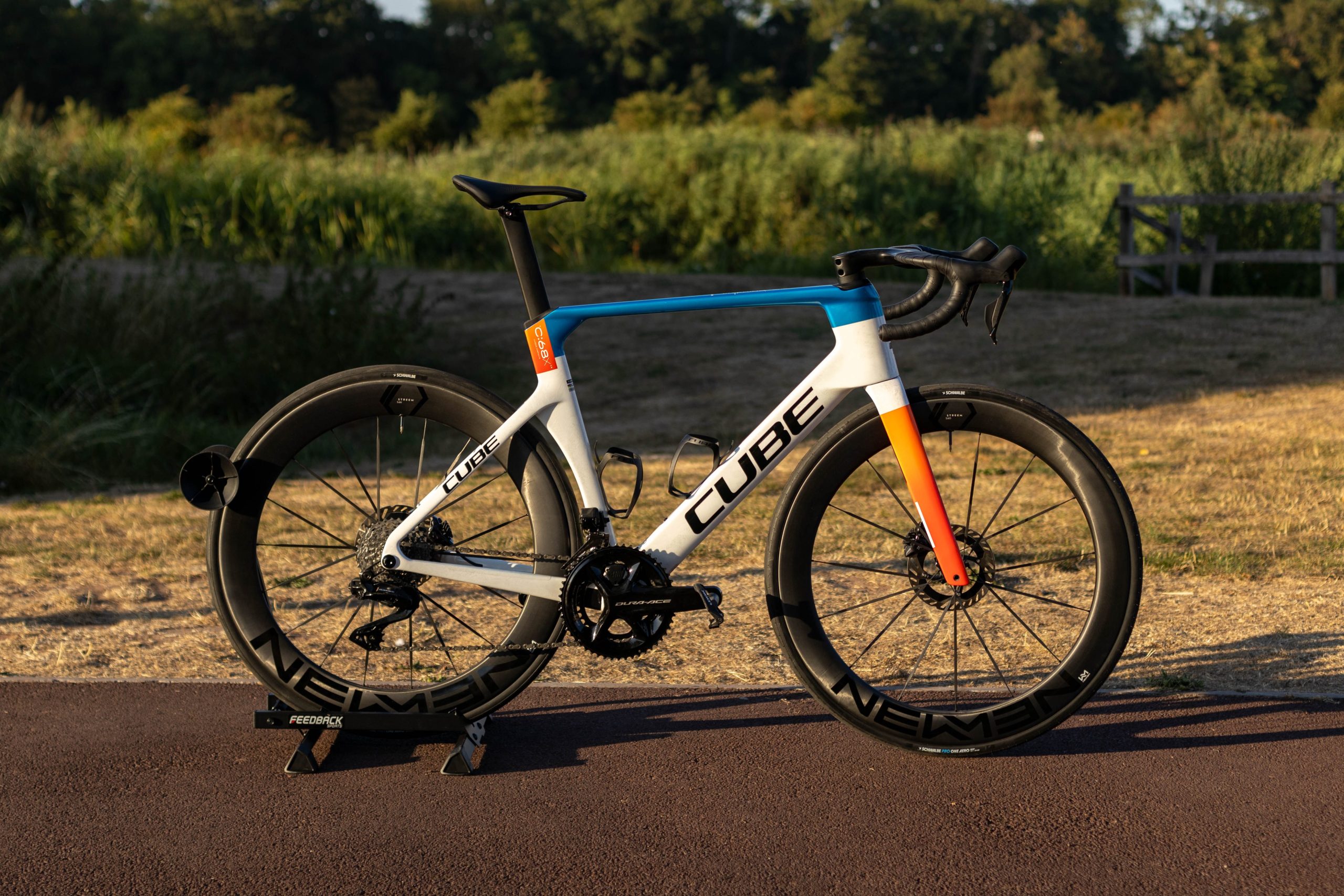
The new Cube Litening Aero C:68X arrived for testing too late for inclusion in this year’s race bike category, but it could well be a contender for an award in 2027.
While ticking all the major boxes for a modern race bike, the pro-spec SLT and SLX models cost £7,499 / €7,299, which is remarkable value for a bike we saw raced at the 2026 Tour de France.
Shimano Ultegra Di2 and SRAM Force AXS-specced models cost £4,999 / €4,999 with the same pro-spec frameset, making this one of the smartest race bike buys as we go to press.
How is a bike considered for Bike of the Year? And why isn’t a particular bike included in the main shortlist?
Bike of the Year is made possible by the testing we’ve done throughout the year, with our picks coming from the bank of experience we’ve built up from riding those bikes.
In order for a bike to be considered for inclusion, we need to have performed either a full or first-ride review on home roads for familiarity, to enable true comparative testing with fewer ride-affecting variables such as road quality or gravel type.
Bikes given a first-ride review at a launch event are ineligible until a test can be carried out on our known test routes. That's why the Tarmac SL9 misses out, despite our best efforts.
As much as we'd like to test every bike out there, Bike of the Year is focussed on the machines we've been able to evaluate and give a verdict on since last year's test. That means some bikes miss out, including bikes we've requested but brands haven't been able to send us, or that can only arrive after our testing deadline.
Our shortlist bikes are then chosen by our expert testing team, led by Bike of the Year veteran and lead tester, Warren Rossiter, ahead of a final three being selected and tested back-to-back to find the category winner.