The early Tour de France editions were ultra-endurance epics, with race founder and organiser Henri Desgrange gradually ramping up the total distance to 5,745km by 1926, and the 20th edition’s 17 stages averaging a whopping 338km.
If that wasn’t hard enough, riders were tackling the lumpy and often unpaved gravel terrain on heavy steel bikes with minimal gearing, wooden rims and no mechanical support.
The intervening century has seen a raft of changes at the race, nowhere more so than with the bikes. While the diamond-shaped, two-wheeled silhouette remains, every aspect of the modern race bike is unrecognisable from its predecessors.
From frame materials to finishing kit, here’s how Tour de France bikes have evolved in the 123 years since the inaugural edition in 1903.
1. Frames
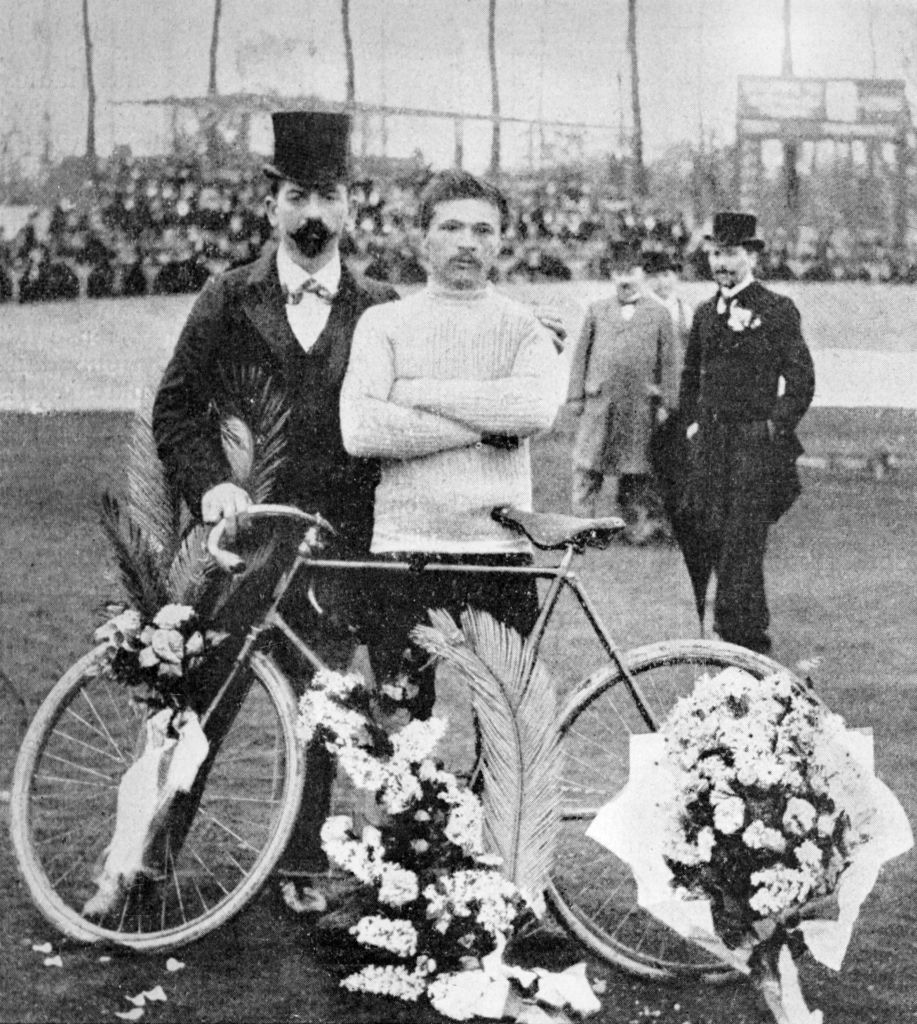
The first bikes were roadster-style, featuring a diamond-shaped steel frame that originated from the end of the 19th century, and geometry to aid stability on rough terrain.
Improved roads after World War Two resulted in a more racy geometry, but steel continued to dominate (with a blip in 1989 when Greg LeMond won aboard a carbon fibre frame) until 1995, when Miguel Induráin’s victory ushered in the era of aluminium.
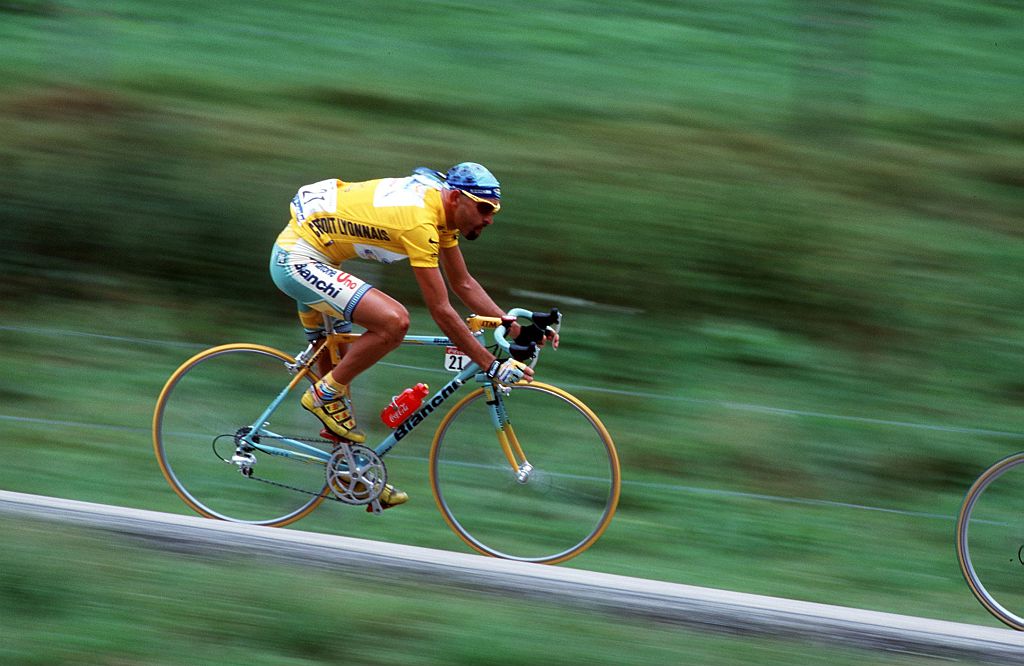
Alloy’s place at the top of the podium was brief, though – Marco Pantani’s 1998 win being its fourth and final victory.
All but one edition of the Tour since then has been won aboard a bike with a full-carbon construction. The exception? Óscar Pereiro’s 2006 retrospective victory – the Spaniard’s Pinarello featured a magnesium alloy main frame (albeit this was paired with a carbon rear triangle).
2. Aerodynamics
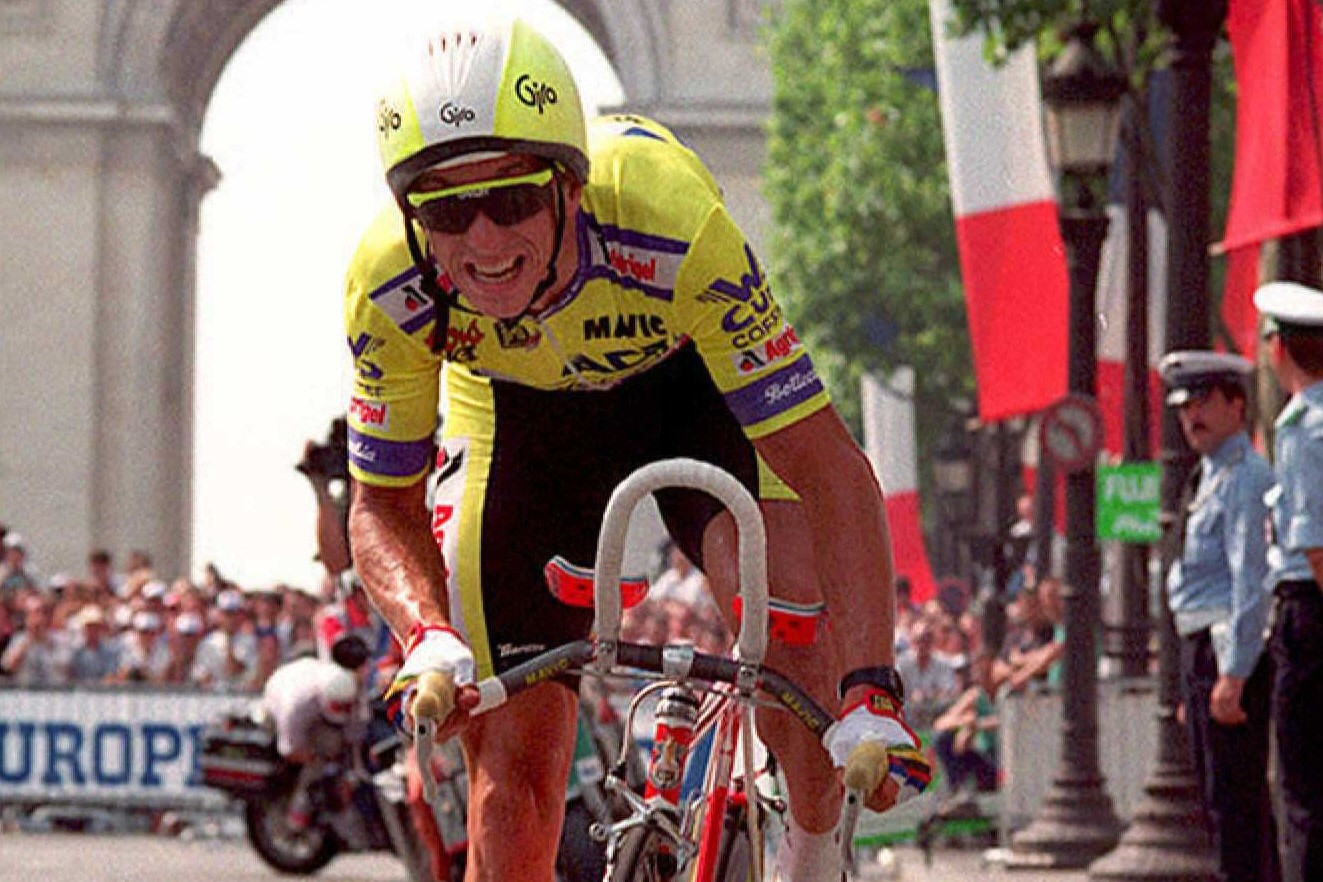
Aerodynamics weren’t a big consideration until 1989, when Greg LeMond adopted clip-on tri-bars, an aero helmet and a rear disc wheel in the race’s time-trial stages to help him edge out Laurent Fignon by only eight seconds in the closest-ever general classification battle.
Although development continued apace in the 90s, a change to rules on bikes and equipment by the UCI in 2000 put a stop to wind-cheating designs such as Chris Boardman’s iconic Lotus TT bike.
This didn’t curtail the growing importance of aerodynamics in bike and component design – Team CSC’s Cervélo Soloist from 2003 was the first road bike to feature NACA (National Advisory Committee for Aeronautics) derived tube profiles.
In the past two decades, the aero influence has become all-consuming, and can be seen in everything from componentry to kit choice as teams look to eke out every advantage they can.
3. Weight
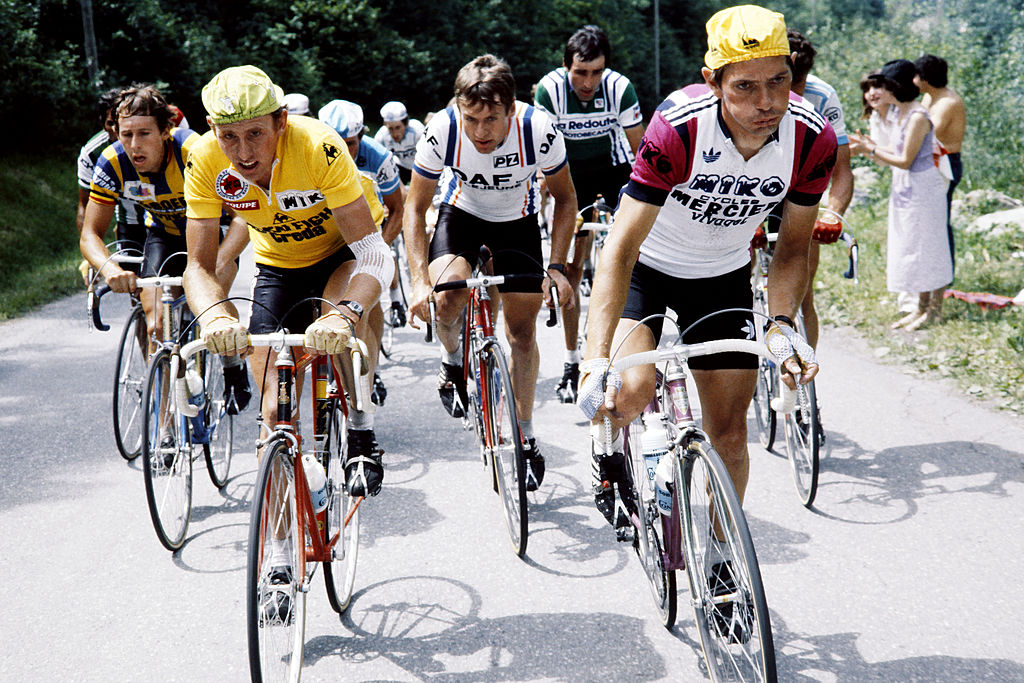
Maurice Garin’s inaugural Tour-winning bike is thought to have weighed 16 to 18kg – a bombproof build that could withstand the course’s cobbles and craters.
By 1937, weight started to reduce with the introduction of aluminium (rather than wooden) rims, while a gradual refinement in the steel used for the frames meant that by 1980, Joop Zoetemelk’s Raleigh Team Professional tipped the scales at roughly 10kg.
Weight continued to plummet with the introduction of aluminium and carbon fibre – to the point where the UCI applied a 6.8kg minimum limit from 2000.
Modern bikes still routinely hit that limit despite deeper frame and rim profiles. But what the scales say isn’t of most importance – particularly on flat or rolling stages, where a heavier (albeit only 8kg) aero bike’s wind-slicing benefits can outweigh those of a climbing bike.
4. Wheels and tyres
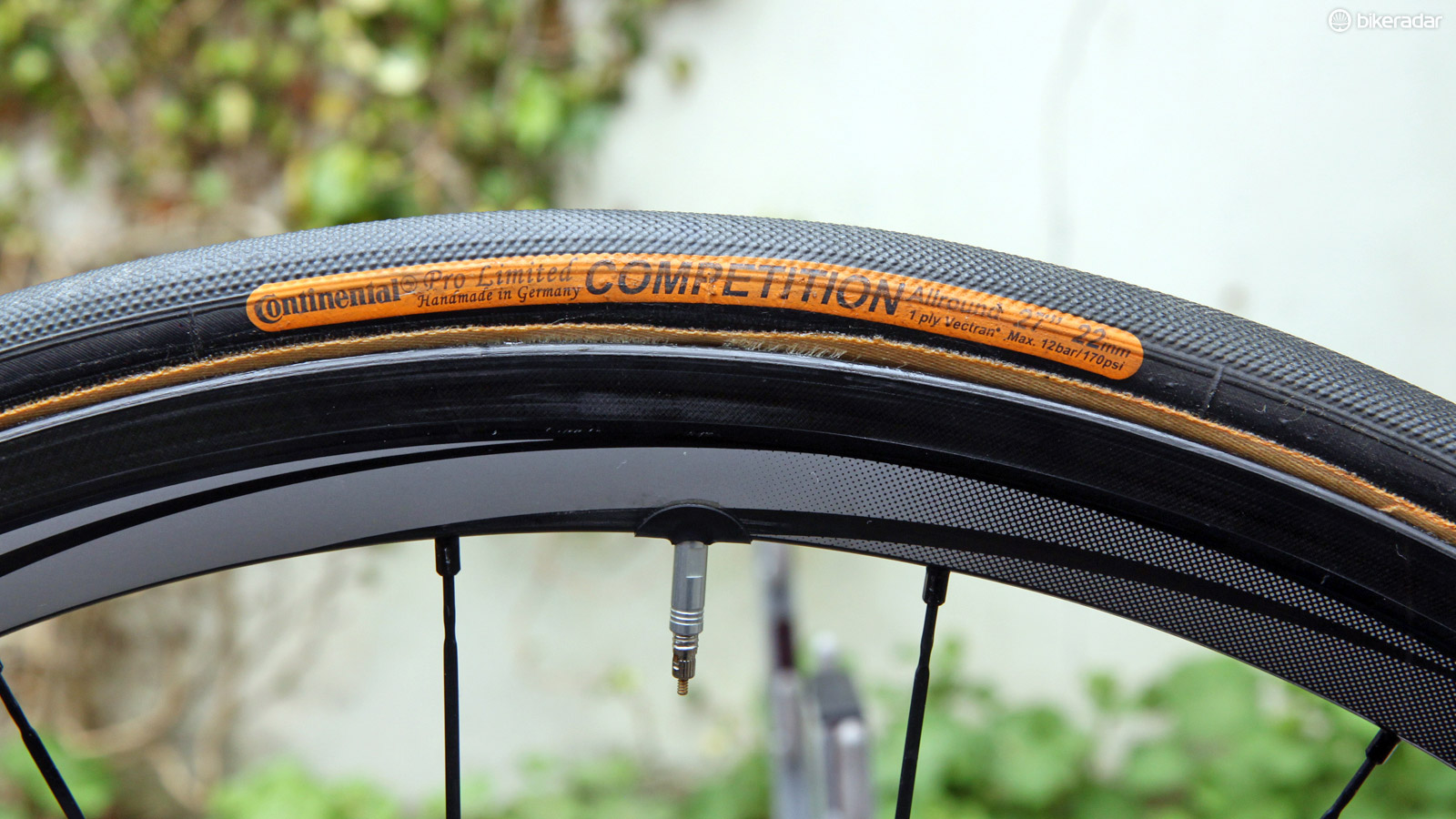
The Tour was ridden and won using wooden rims for the first 30 years. Mavic’s 750g alloy alternatives spelled wood’s downfall in 1934 during Antonin Magne’s win, but the Frenchman had to paint his rims to look wooden to avoid trouble with the UCI. Tubular tyres would have been glued to these rims and riders had to carry their own spares.
Alloy’s dominance lasted until the 90s, when carbon rims started appearing outside of time trials, with Jan Ullrich riding a set of Lightweight wheels with carbon spokes to victory in 1997. Carbon has been the go-to since, but gone are the days of super-deep designs, with depths limited to 65mm as of 2026.
Tubular tyres hung on a bit longer than alloy rims and are still used occasionally, but a tubeless setup is now the norm.
5. Gears
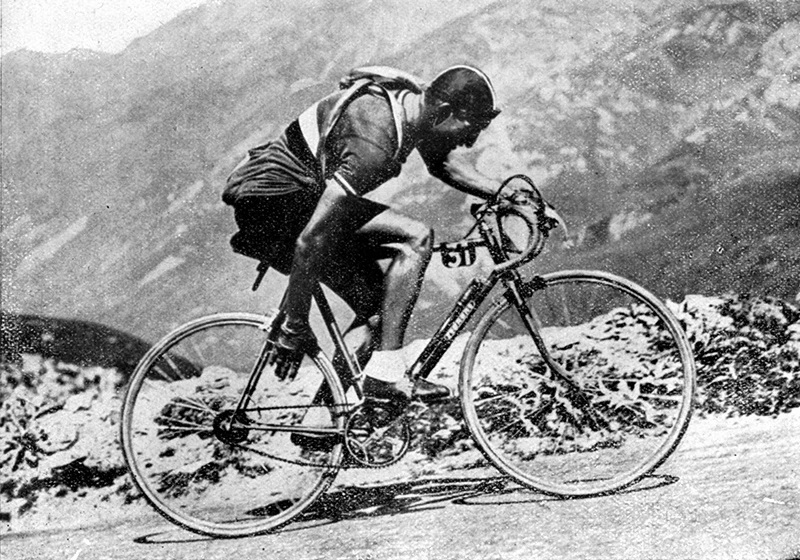
Maurice Garin won the first 2,428km Tour with a fixed gear. While a two-gear freewheel was introduced a few years later, shifting between the two required riders to remove the rear wheel and flip it around to get a different gear ratio.
It wasn’t until 1937 that rear derailleurs were allowed in the Tour. A decade later, a front derailleur doubled the gear ratios on offer. Campagnolo’s introduction of mechanical shifting in the early 50s would become the standard until electronic shifting’s inception with Shimano’s Di2 in 2009.
Today’s race bikes run 12-speed or 13-speed cassettes and two chainrings as standard, but sometimes they’ll be set up with a single chainring for flatter stages.
6. Brakes
With the first Tour ridden fixed, Garin’s bike is believed to have had no brakes, while others of the time had a rod brake for the front wheel that pushed a damper against the tyre.
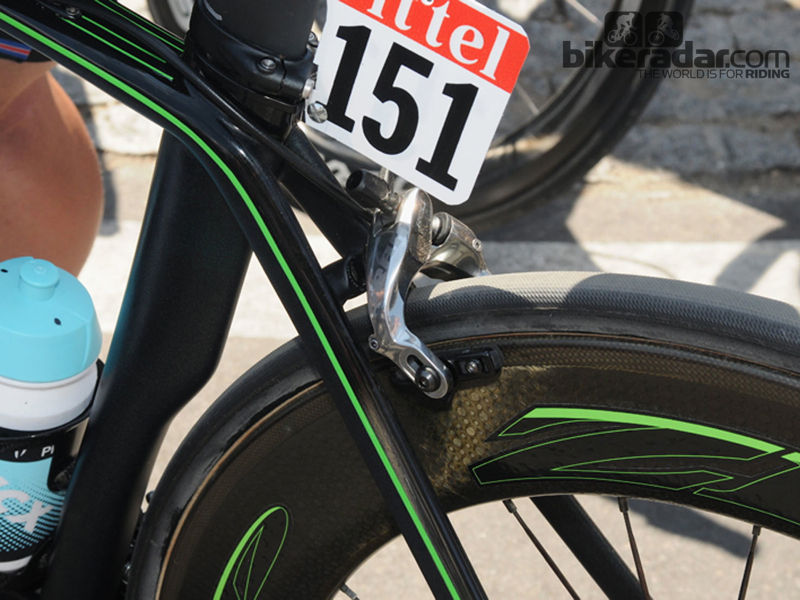
The switch to aluminium rims in 1937 coincided with the move to side-pull rim brakes, where a brake block would grip the rim wall. While the caliper would change in design, rim brakes remained the mainstream choice well into the 2010s, despite hydraulic disc brakes’ dominance in mountain biking.
The UCI finally allowed disc brakes in road cycling in 2018 after successful trials in previous seasons, but it wasn’t until Tadej Pogačar’s second yellow jersey in 2021 that a disc-brake bike won the Tour – and even then, the Slovenian switched to rim brakes for the weight benefits on certain mountain stages.
Disc brakes are now the default choice.
7. Components
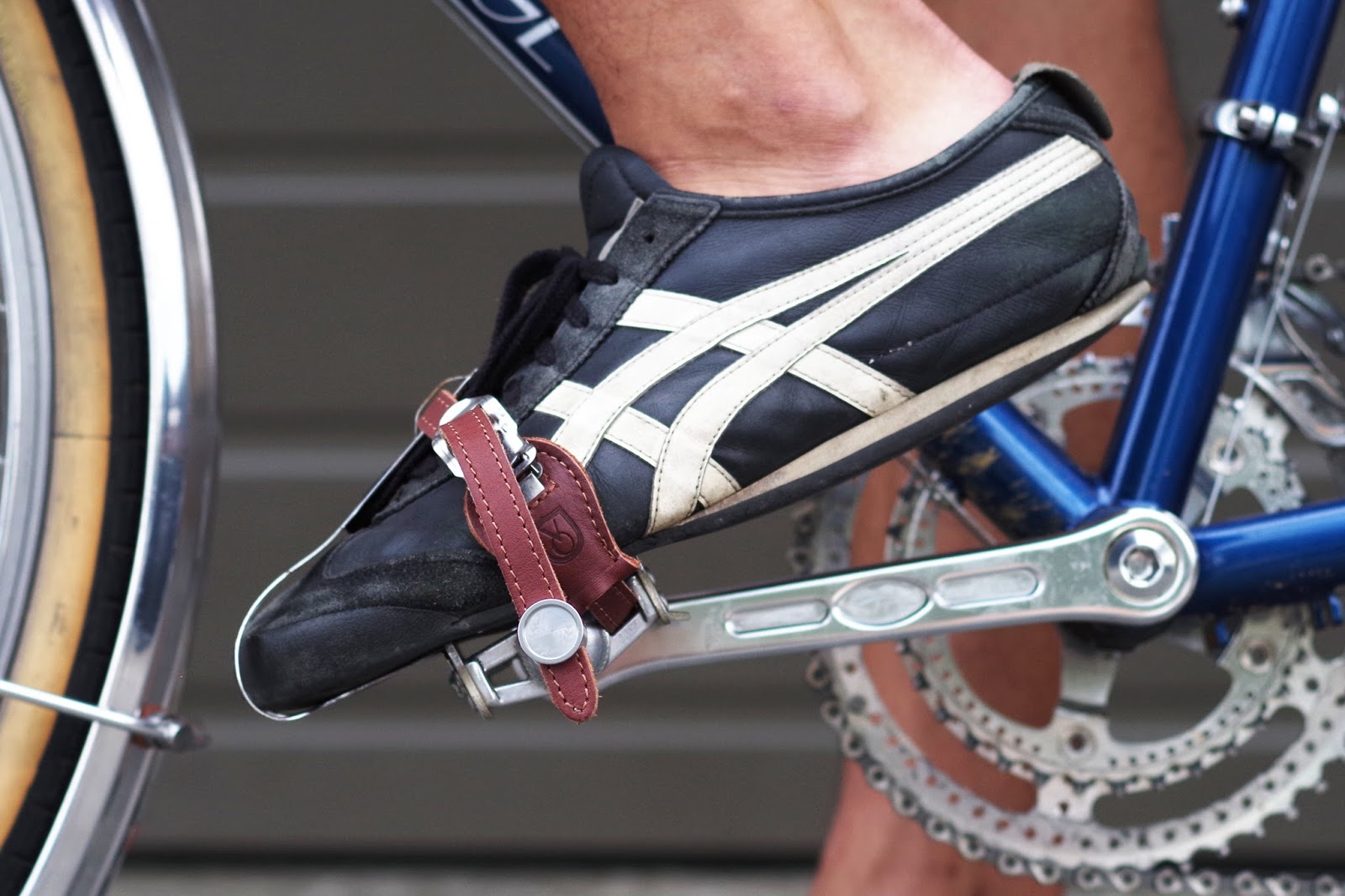
The first Tour would have been won using flat pedals, but toe clips became standardised after their 1911 introduction.
This rather primitive method of foot retention remained until 1984 and the launch of Look’s first clipless pedal – a design that mimicked ski-binding technology to lock the foot in place – although the likes of Sean Kelly used the traditional tech into the 90s.
Elsewhere, leather saddles remained well into the 1970s, when plastic-based designs with foam padding reduced weight and improved weather resistance. Today’s riders sit atop seats with carbon rails and bases, while the padding is often 3D printed to suit their posterior’s needs.
Finally, handlebars have evolved from two-piece designs to all-in-one integrated solutions that combine the stem and bar for an aero advantage. Materials have shifted from steel to aluminium and now carbon.
8. Spares
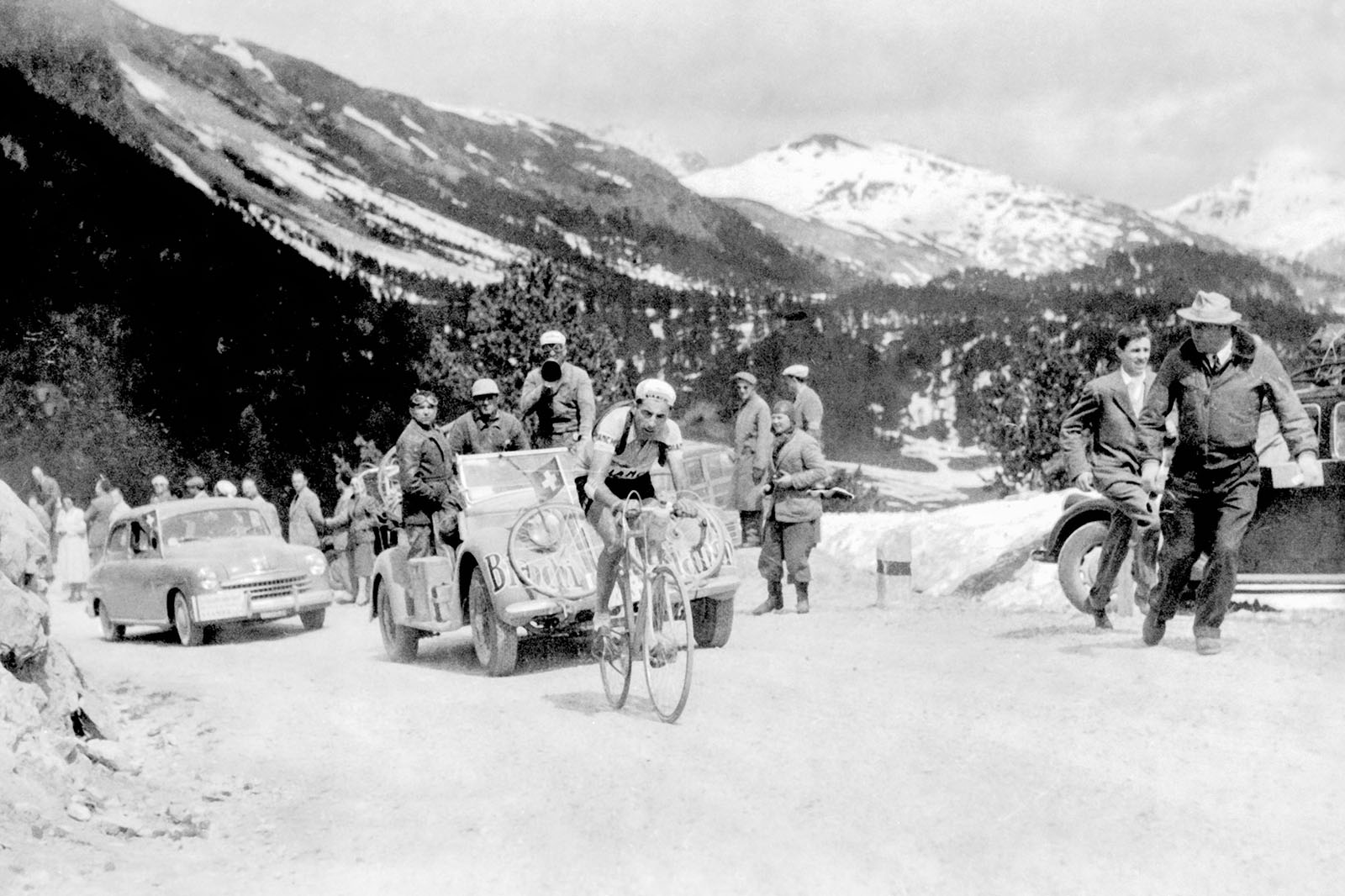
For the Tour’s first 20 years, riders had to be completely self-sufficient and carry spares such as tyres on their person – any form of mechanical assistance was punished with time penalties. This changed in 1923 when riders were allowed help from a team, while team cars were introduced in 1937.
However, the assistance riders could receive didn’t extend to fluids or nutrition until 1968. Prior to that, they were limited to four bottles (two on the bike, two at feeding stations) – hence the iconic images of teams plundering cafes and bars for drinks (soft and alcoholic) well into the 60s.
The change in rules saw the rise of the sticky bottle – when a rider holds onto a bidon they’re being handed from a team car to get a boost in speed.
More on the 2026 Tour de France
- The most influential Tour de France tech, ranked
- UCI changes Tour de France rules in light of extreme heat
- The Tour de France has lost some of its magic – and that could spell trouble for cycling’s future
- Forget VO2 max – a Tour de France cyclist's defining quality is their frightening capacity to suffer
- Who is Isaac del Toro? 4 things you need to know about the Mexican who could be a future Tour de France winner
- A Tour de France breakaway only has a 2% chance of winning, so why join one?
- Every team bike at the 2026 Tour de France