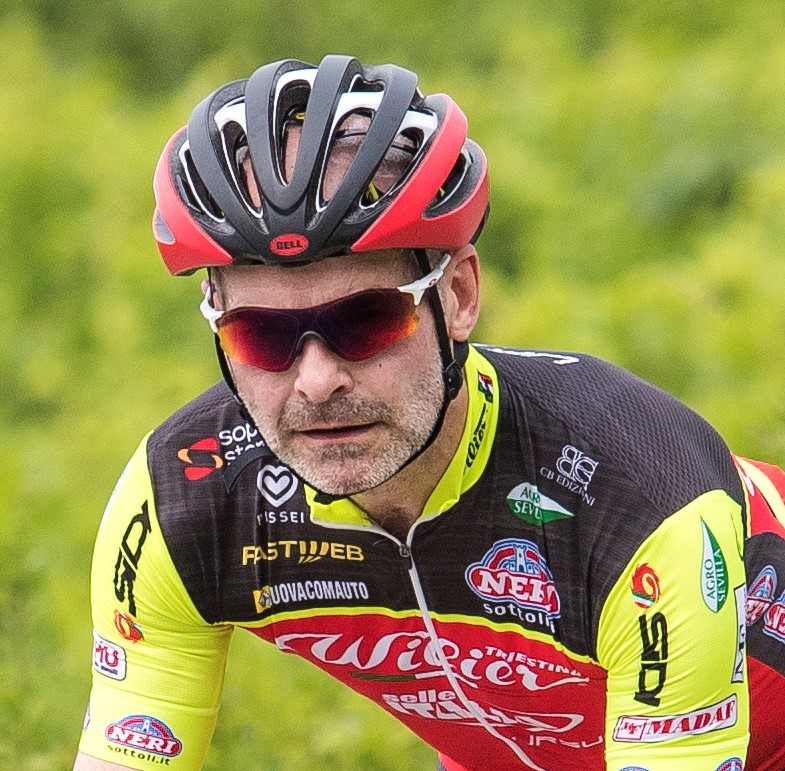
There’s a big attraction to looking more pro on your bike. Although wearing team replica kit (even more so a race leader’s jersey) may be frowned upon, there’s an allure to a pro-looking bike.
Formula 1 race car tech is never going to be accessible to a road motorist, and it’s probably not legal. But pro-level bicycle tech is within reach of many non-sponsored riders, even if it often requires deep pockets.
There’s a long list of tech that has trickled down from the Tour de France to enthusiast road riders over the years – and if it hadn't, we’d all still be riding steel bikes with massive saddles and rim brakes. Here’s our pick of the pro tech that’s found its way to enthusiast-level bikes, ranked roughly by its significance to modern bike design.
9. Narrow bars
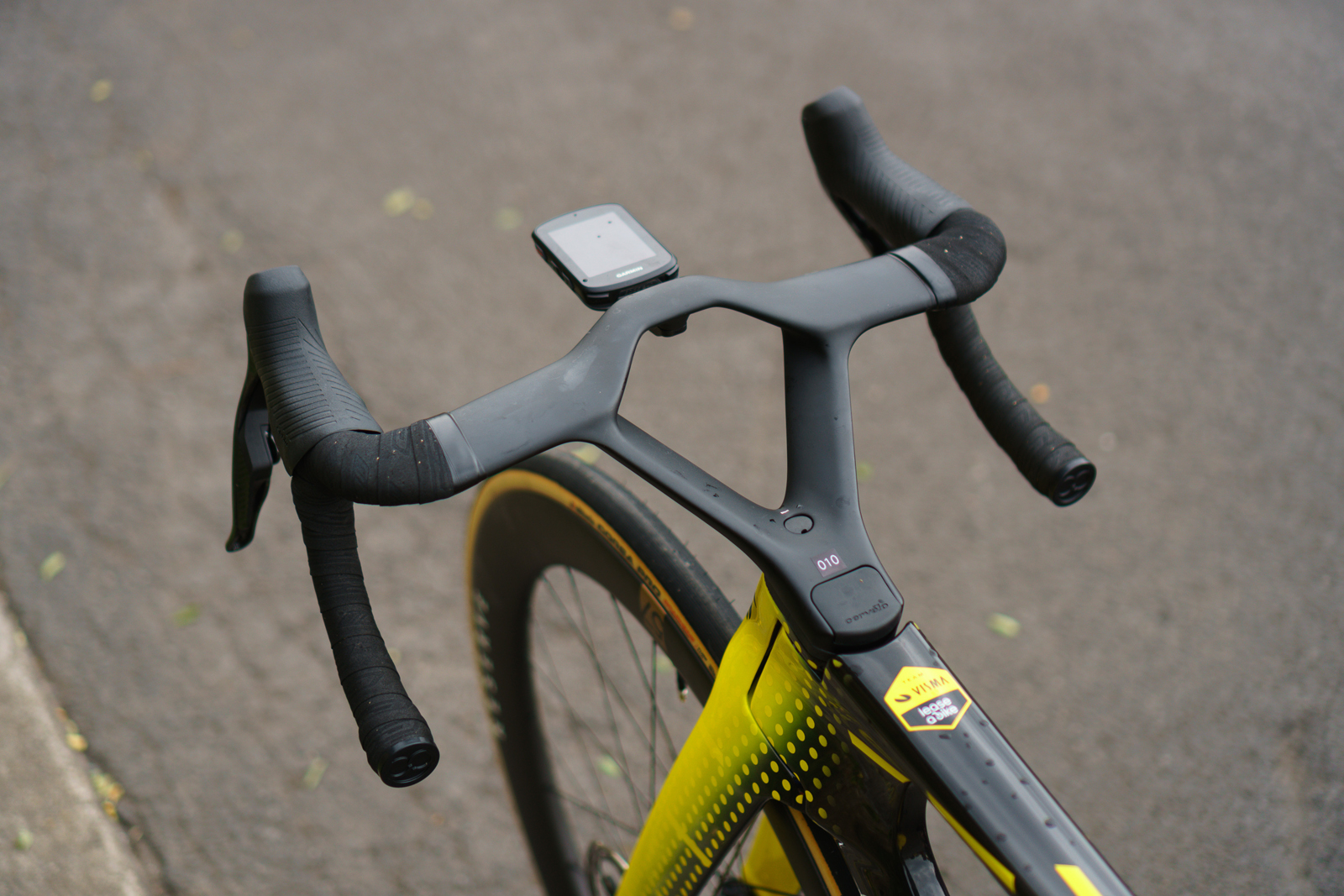
We’ll start with a recent one. While much of the Tour tech to make it onto bikes for mere mortals is now a few decades old, the trend of fitting narrower bars to pro bikes has accelerated over the last few years.
Narrow bars offer a more tucked position that’s potentially more aerodynamic. Modern handlebars often have a significant flare that places the hands even closer together when resting on the hoods. Narrower bars became such a trend among pro riders that the UCI set a minimum permitted width of 280mm between the hoods.
These narrow and flared bars have made it onto bikes sold to consumers. While a 420mm width might have been typical for non-flared bars on mid-sized bikes a few years ago, an M, ML or L-sized Trek Madone SLR’s bar/stem, for example, is 390mm wide between the levers and Canyon’s adjustable-width Pace bar can be set up as narrow as 370mm (or even narrower with the flared Race drops).
While the UCI regulations restricted handlebar width in competition in 2026, many brands offer customisation for narrower-than-race-legal sizes too.
8. Compact geometry
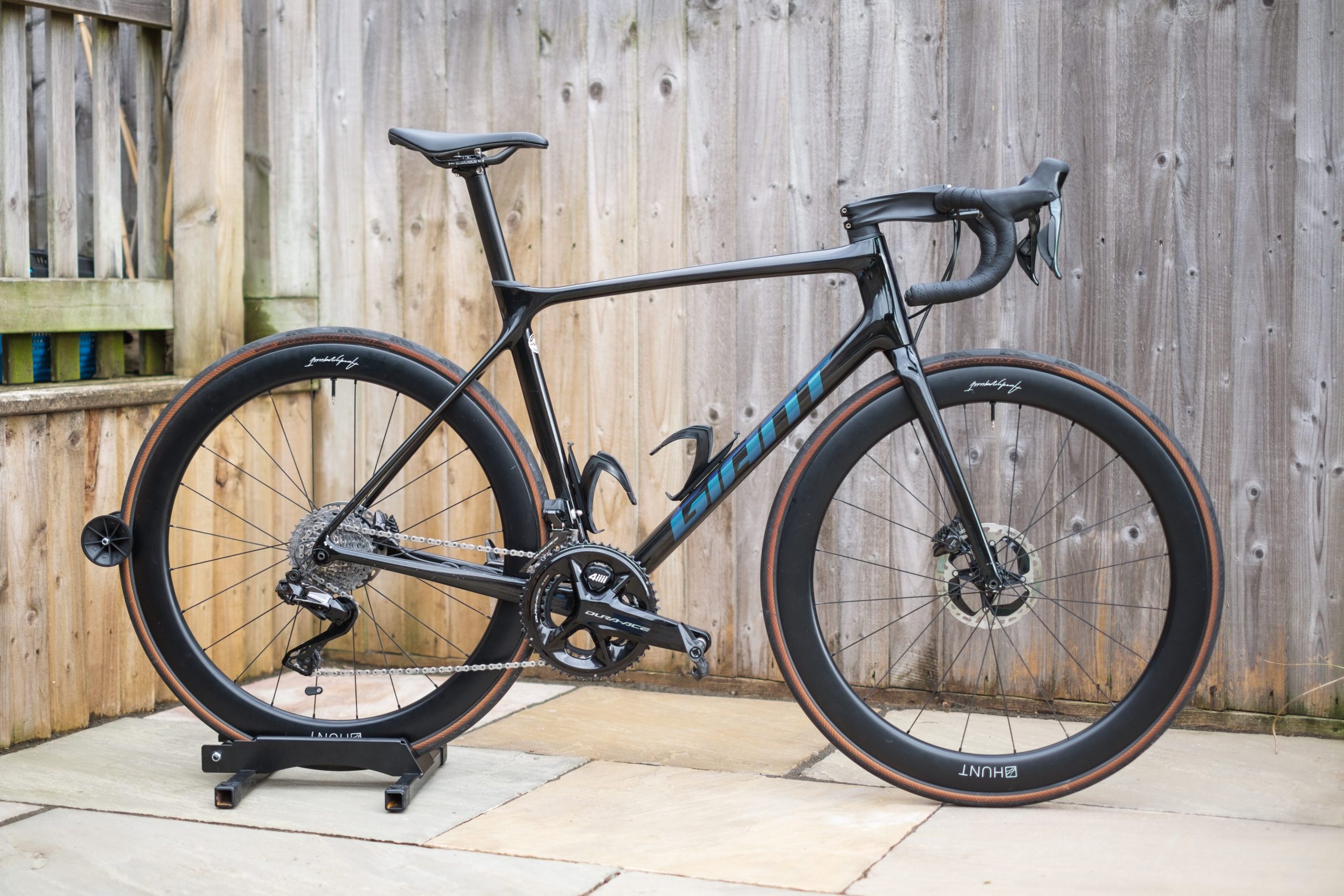
From Starley’s invention of the Rover safety bicycle in the 1880s, the frame had a common look, with a horizontal top tube and a short length of exposed seatpost. That changed with the launch of the Giant TCR in 1997.
Standing for Total Compact Road, the frame’s sloping top tube had a number of advantages. The shorter seat tube and seatstays required less material, so the frame was lighter. It was stiffer too, while the longer seatpost added compliance through the saddle. Fewer frame sizes could fit more riders, lowering production costs.
The TCR made its Tour debut with the Spanish ONCE team in 1998 and its compact geometry was adopted by other bike manufacturers in short order.
7. Front-end integration
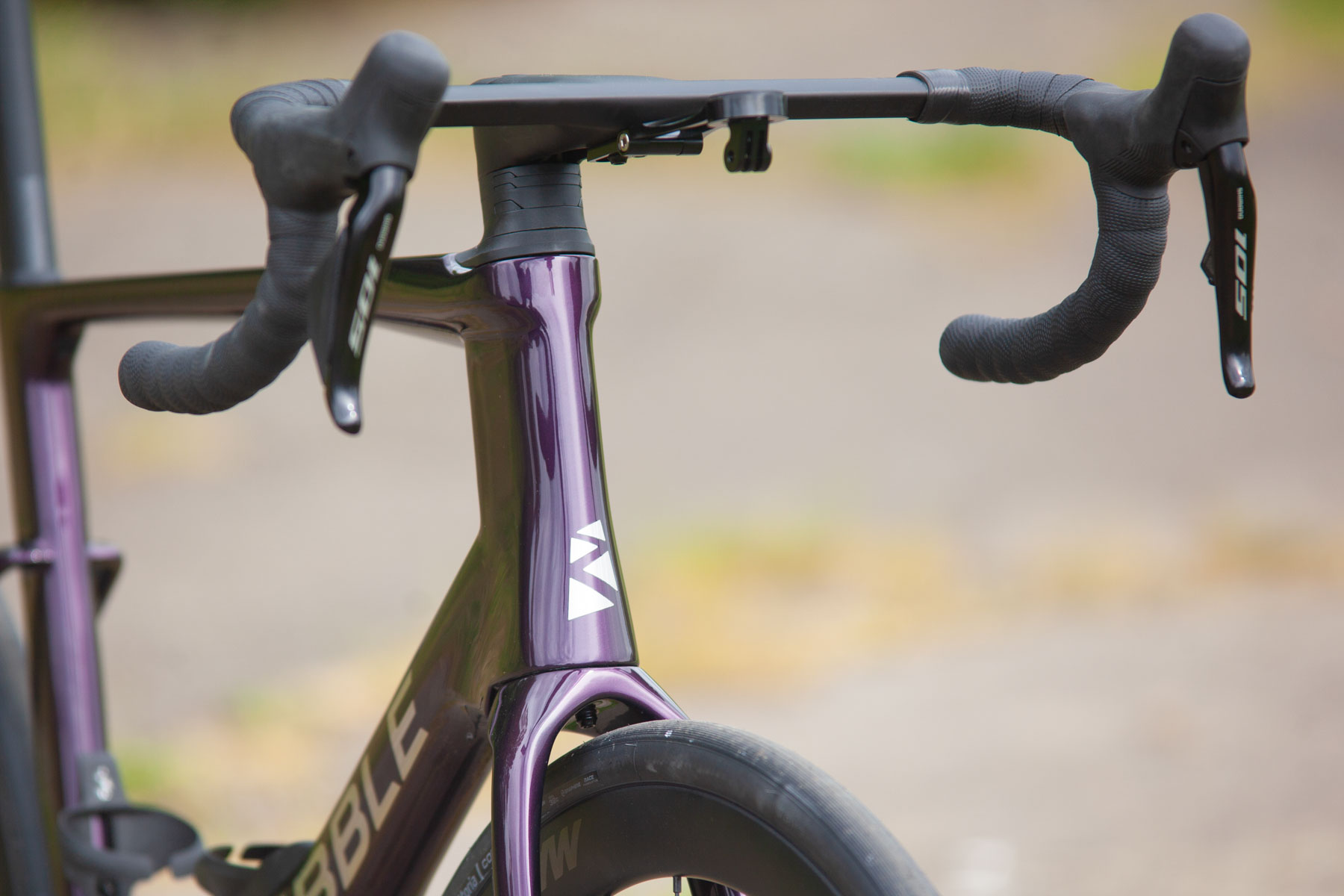
Not so long ago, front ends on pro-level road bikes were a jumble of criss-crossing cables. But in the quest for aerodynamics, brands now conceal them.
Launched in 2011, Specialized’s original Venge had external cables, but by the time the Venge ViAS (ridden by Mark Cavendish and Peter Sagan) arrived in 2015, the cables had been hidden in the frame. The Trek Madone ridden by Fabian Cancellara added integration that same year.
Now, you’ll hardly see a cable anywhere on a performance road bike, with brake hoses buried in the handlebar, stem and frame.
Wireless shifting is also now common on all modern electronic groupsets. It’s a design feature that was the preserve of pro-level bikes a few years ago, but has trickled down to mid-tier modern bikes. It’s often accompanied by one-piece bar/stems, enhancing the clean lines. These, too, are no longer the preserve of top-tier specs.
6. Carbon frames
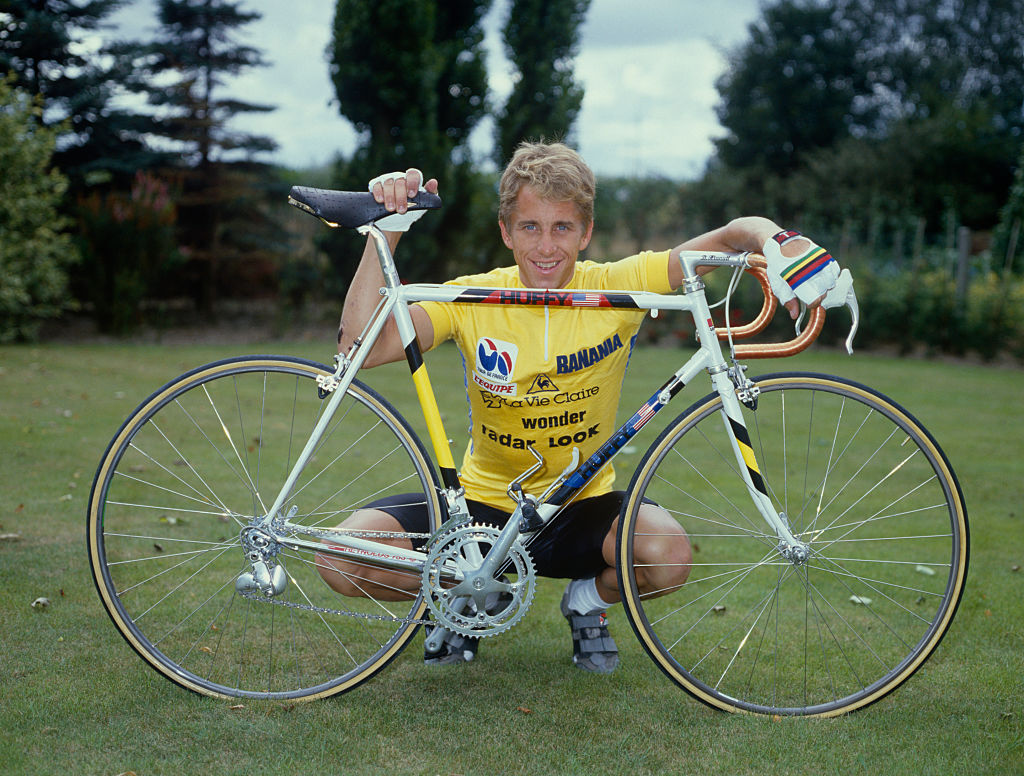
Although steel is still real, titanium is a high-end option and aluminium bike frames dominate cheaper bike design, carbon fibre is the go-to material for performance road bikes. Most modern carbon frames use a monocoque assembly, saving weight and improving rigidity, rather than lugged construction, which was the norm with steel frames.
Carbon has trickled down from the pro ranks, where the material first claimed victory in the 1986 Tour de France, with Bernard Hinault and Greg LeMond riding Look’s KG86 frames and LeMond winning the race.
While the KG86 was lugged, Kestrel can probably stake a claim to making the first monocoque carbon bike frame, with the Kestrel 4000 also launched in 1986. But it was never raced at the Tour.
5. Power meters
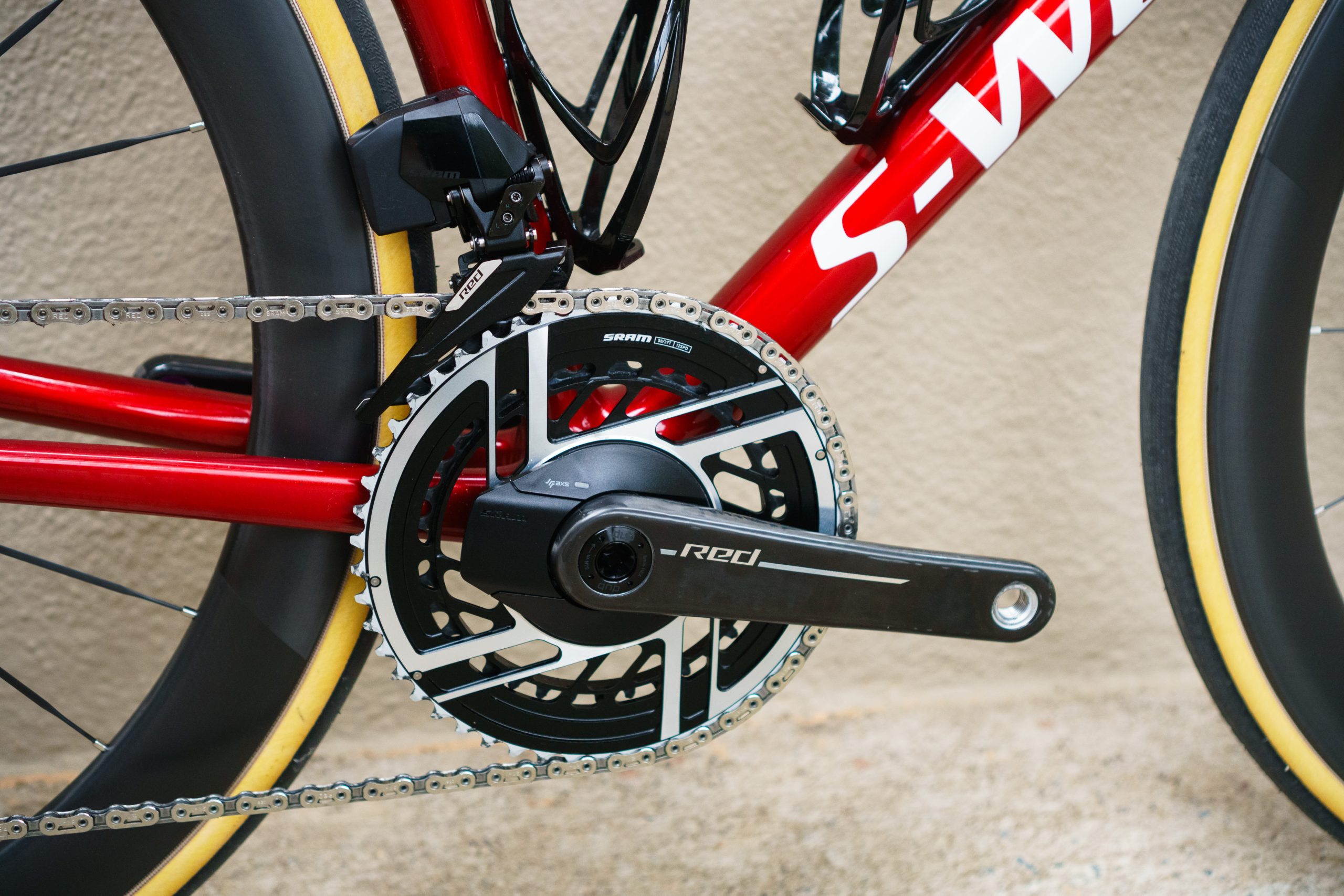
SRM patented the first power meter for bicycles in 1986 and over the following years, it became an essential tool for pro cyclists to measure their performance and the effort they were exerting during a stage, as well as their training status.
LeMond was an early adopter, and won the Tour de France in 1986, 1989 and 1990, but every pro now rides with a power meter.
The price of a power meter has decreased steadily, so that it’s now within reach of the amateur rider who wishes to train with power. In fact, many of the best road bikes now come fitted with a power meter as part of the spec. Otherwise, there are a wide range of power meter options available aftermarket.
4. Clipless pedals
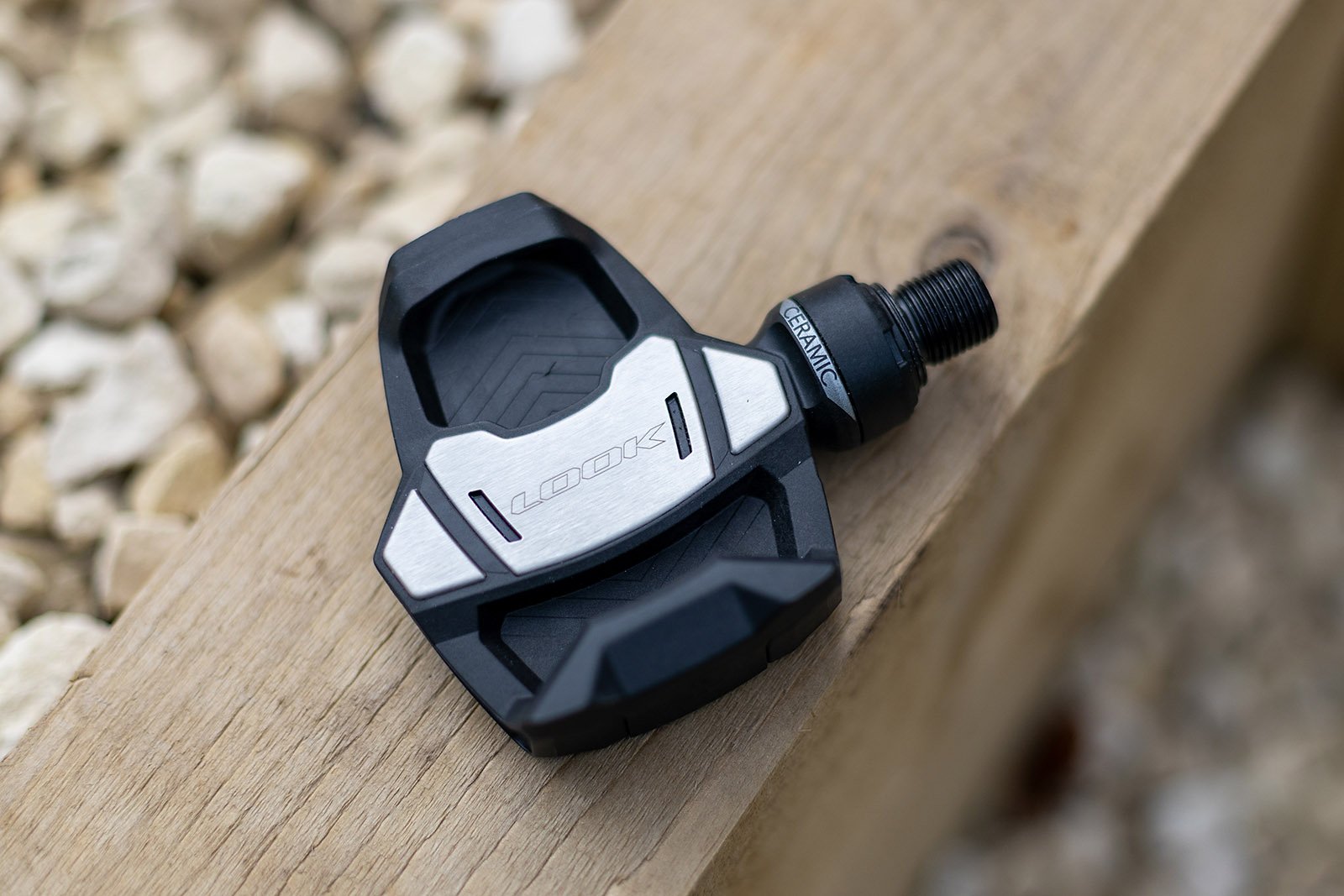
Historically, pro cyclists used toe clips and leather straps to attach their shoes to their pedals and increase pedalling efficiency. That changed in 1984, when Look ported its ski-binding technology to bike pedals.
The original Look PP65 pedal was a bit chunkier, but otherwise isn’t that different from modern clipless pedals, with a sprung rear retainer holding down a cleat on the shoe’s sole and keeping it locked in place.
In 1985, Hinault won the Tour using the PP65 pedals. Clipless tech then spread rapidly through the pro ranks, even if some riders were still using toe clips and straps into the 1990s.
Although modern bikes are often still sold with low-priced pedals with toe clips, clipping in to clipless pedals – and falling over – is now a rite of passage for cyclists of all abilities.
3. Electronic groupsets
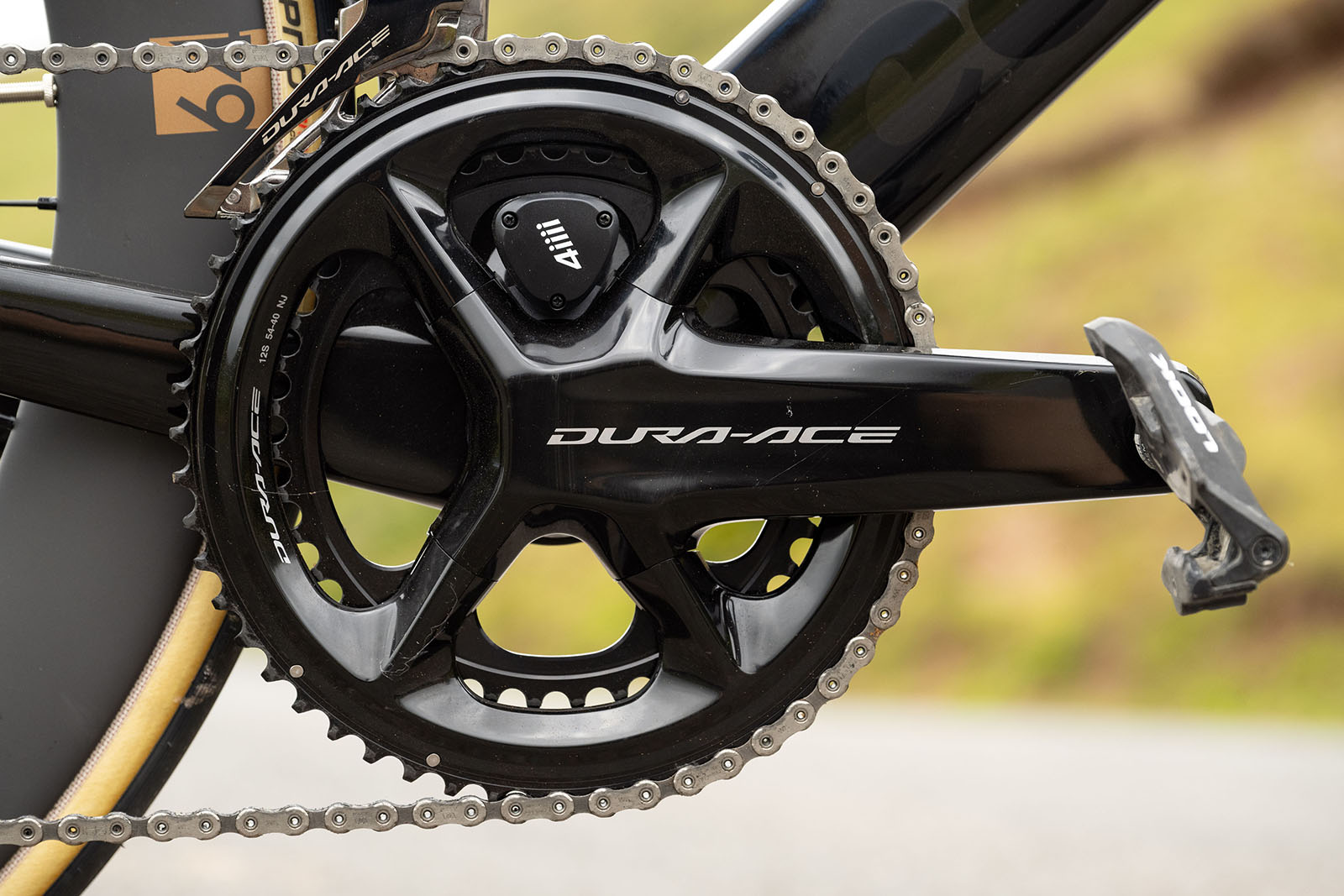
Shimano introduced electronic shifting in mid-2009, when it launched 10-speed Dura-Ace Di2 7970 alongside a mechanical option.
The electronic groupset was quickly taken up by pro teams, despite weighing more than the mechanical version. Teams including the newly formed Team Sky and the Basque Euskatel-Euskadi used Dura-Ace Di2 at the 2010 Tour de France.
Every pro team now uses electronic groupsets, either from Shimano, SRAM or Campagnolo, and the number of speeds has increased to 12 or 13. Benefits include faster and more precise shifting, configurability and the option to add satellite shifters to multiple positions on the handlebar.
Electronic shifting is making its way down the groupset hierarchies, with three electronic tiers sold by Shimano, four by SRAM and now two by Campagnolo. It may still be more expensive than mechanical shifting, but electronic shifting is becoming an essential on mid-spec consumer bikes, not only pro-level bikes.
2. Carbon wheels
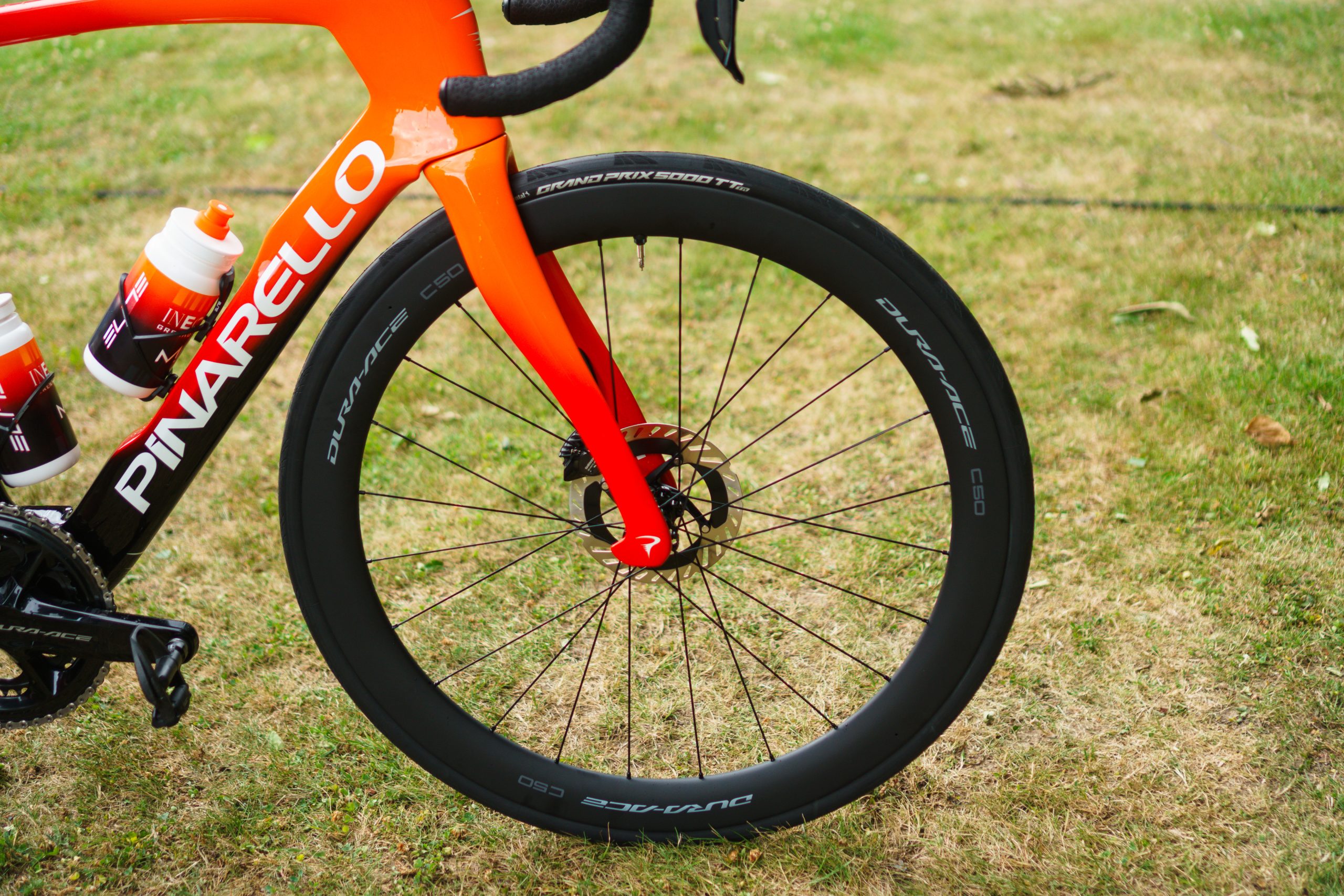
Carbon wheels took off with the pros in the 1990s, with Lightweight and Zipp pioneers; by 1997 Jan Ullrich had won the Tour de France on Lightweight’s wheels. The attraction was (the clue’s in the name) their low weight as much as their aerodynamics, although they were still considered too fragile for use on cobbles.
They were, and in many cases still are, very expensive though, so the take-up of carbon wheels among privateer road cyclists was limited. They also had a reputation for twitchy handling in windy conditions.
Carbon wheels have steadily been democratised though, with lower-priced designs and new manufacturers making them more affordable. Rim profiles have been refined to improve crosswind stability over the pointed rims that were used in the past. It’s another piece of formerly pro-level tech that has trickled down to lower-priced bikes, offering pro looks and aerodynamic performance on a budget.
1. Aero bikes
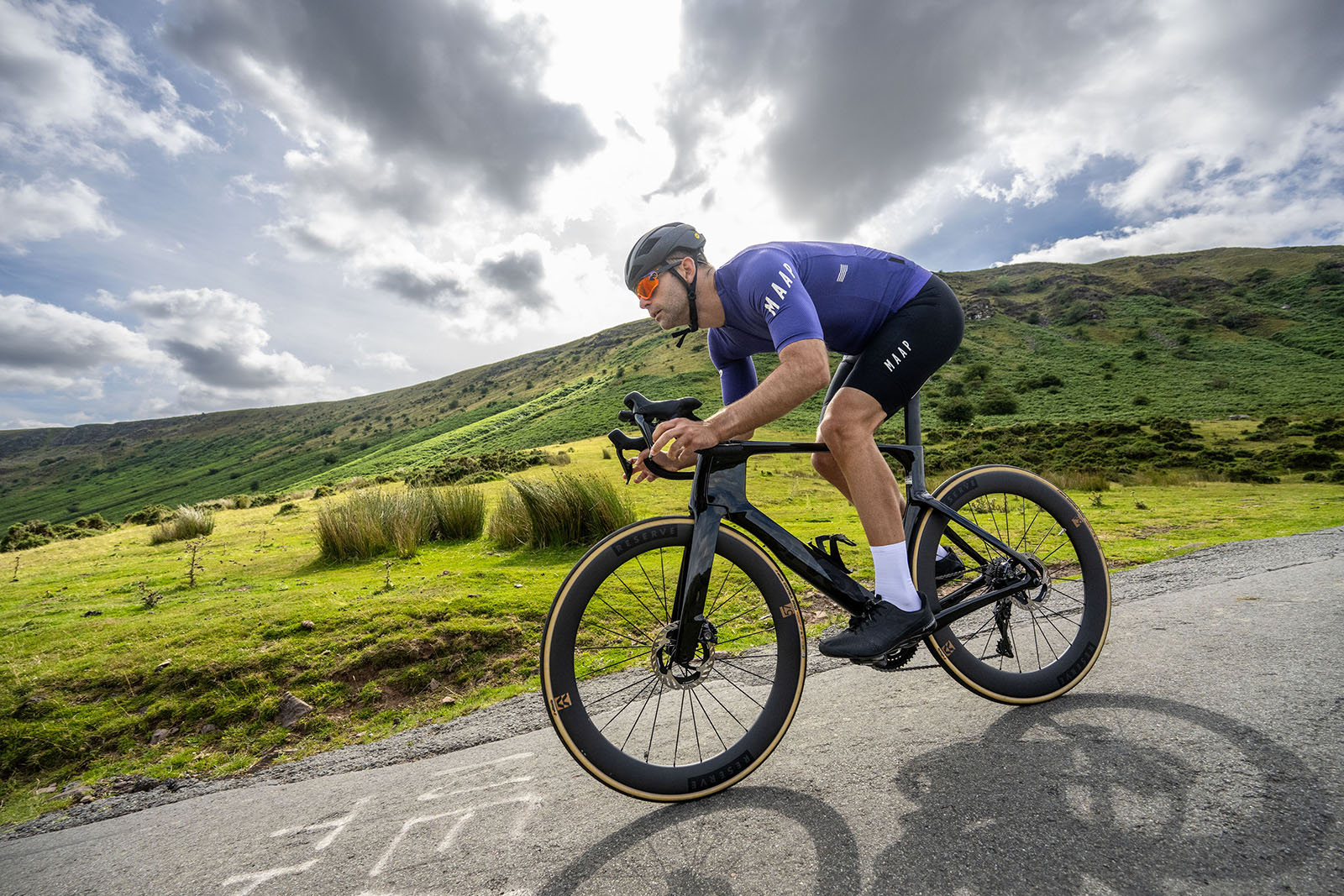
Cervélo was born out of a project to study bicycle aerodynamics. It was already well-established in triathlon before Cervélo's aero road bikes made their appearance in the pro peloton, with the CSC team in 2003. That year, CSC won three stages of the Tour de France, as well as the team classification, and by 2008, Carlos Sastre had won the Tour overall on a Cervélo.
Now, no major brand launches a road bike without testing its aerodynamic chops in the wind tunnel. Specialized, for example, claims the Tarmac SL9 saves 28 seconds over a 100km Grand Tour-style stage compared to the SL8.
Aerodynamics are essential for pros and amateurs alike, and many brands sell both an aero bike and a lightweight bike that’s had the aero treatment. Even the venerable Giant TCR has aero features in its current, 10th generation, that are claimed to make it more than 4W faster than its predecessor.
So what’s next?
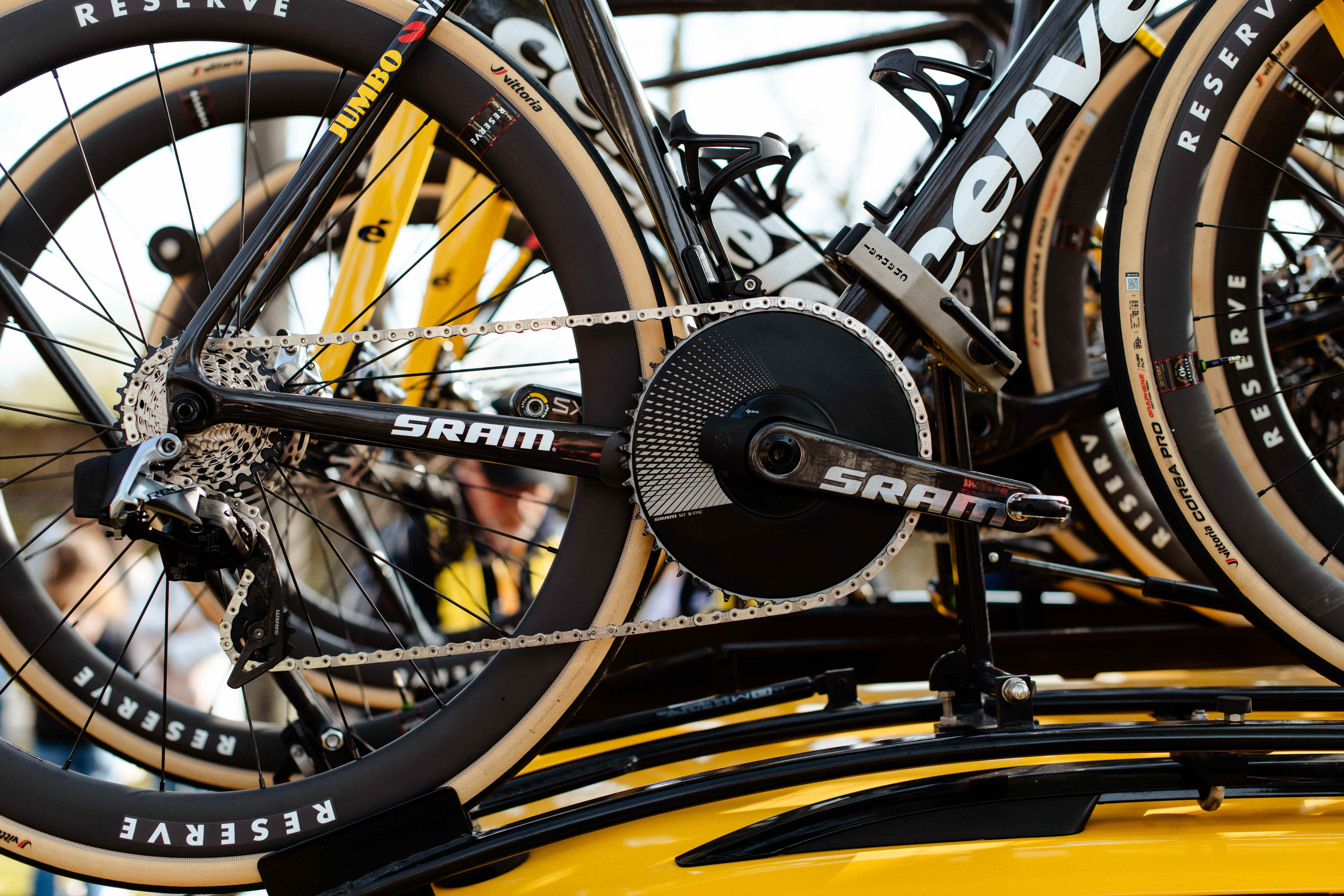
Shorter cranks – pros are decreasing their crank length, with Tadej Pogačar riding 165mm cranks and Jonas Vingegaard going as short as 150mm. In contrast, a mid-sized bike is usually sold with 172.5mm-long cranks.
That’s changing, though. Cervélo, for example, fits 170mm cranks to its mid-sized S5s, while Canyon and Trek fit 165mm-long cranks to their Endurace and Madone SLR bikes. You can expect shorter cranks to progressively take over among those not riding the Tour de France as manufacturers refresh their line-ups.
Single chainrings are also becoming more popular. Vingegaard often rides with one on flatter Tour stages, and with modern Tour-level groupsets offering 12 or 13 speeds, there are enough ratios available without needing a smaller chainring. Several brands now sell 1x versions of their road bikes, including Cannondale, Trek and Cervélo.
Finally, expect to see modified geometry. A few years ago, a classic Tour de France bike would have its seatpost set high and its long stem slammed – pro-level frame geometry was long and low. The tendency now is for race bikes to be more upright. Modern frame geometry also tends to place the rider more forward over the pedals to open the hip angle.
More on the 2026 Tour de France
- UCI changes Tour de France rules in light of extreme heat
- The Tour de France has lost some of its magic – and that could spell trouble for cycling’s future
- Forget VO2 max – a Tour de France cyclist's defining quality is their frightening capacity to suffer
- Who is Isaac del Toro? 4 things you need to know about the Mexican who could be a future Tour de France winner
- A Tour de France breakaway only has a 2% chance of winning, so why join one?
- Every team bike at the 2026 Tour de France