Pros are always weight weenies, even if they’re consistently told by the engineers who spend countless hours pouring over their bikes’ designs that aero trumps low weight on all but the toughest climbs.
With the Tour de France delivering the toughest climbs in abundance, it’s not surprising that pros (or, rather, mechanics) go to great lengths to reduce the weight of their bikes.
We’ve spotted nine ways in which pros are cutting weight from their bikes, from swapping to lighter wheels and tyres to riding raw carbon bikes to dispense with paint that’s simply too heavy for a big climbing day.
More Tour de France tech
- Tour de France bikes: who’s riding what?
- The most influential Tour de France tech, ranked
- How much does a Tour de France bike weigh in 2026? We put 7 pro bikes on the scales to find out
Lighter wheels
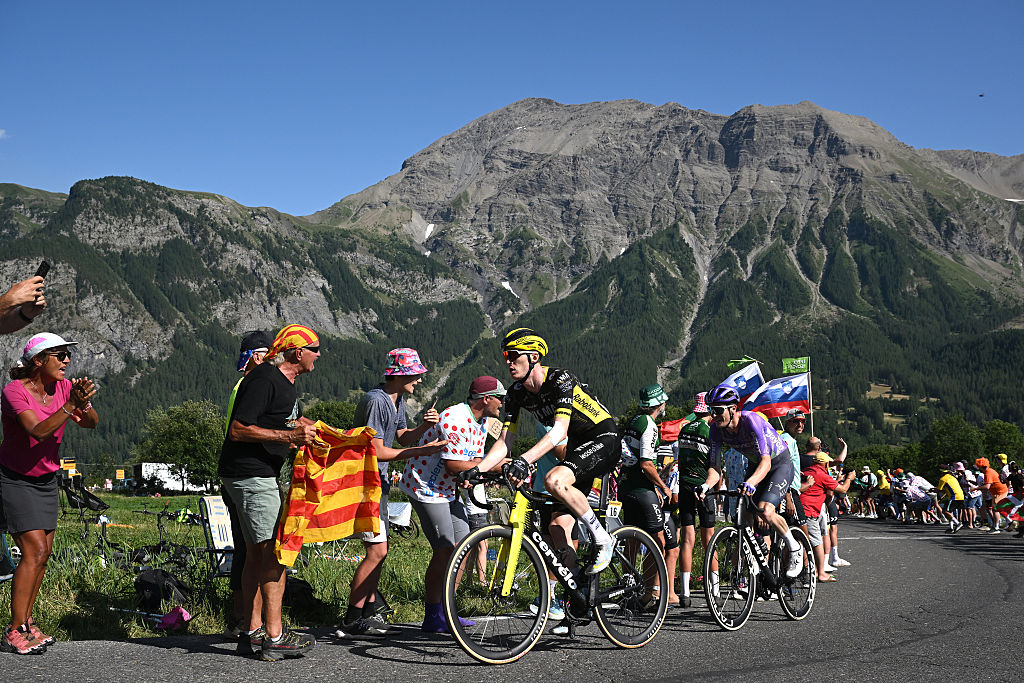
While deep-section wheels are typically used on less hilly stages, a shallower wheel is often chosen once the Tour hits the serious mountain stages.
Visma-Lease a Bike’s Reserve wheels come in a 34|37 SL TA version on Tune hubs, with a claimed 1,140g weight, versus the aero 57|64 SL TA at 1,470g, a saving of 330g.
Enve’s shallowest SES 2.3 wheelset has a 1,248g weight, versus the SES 4.5 Pro at 1,295g. It’s only 50g, but Pogačar and the UAE Team Emirates-XRG team may take it.
Time trial tyres
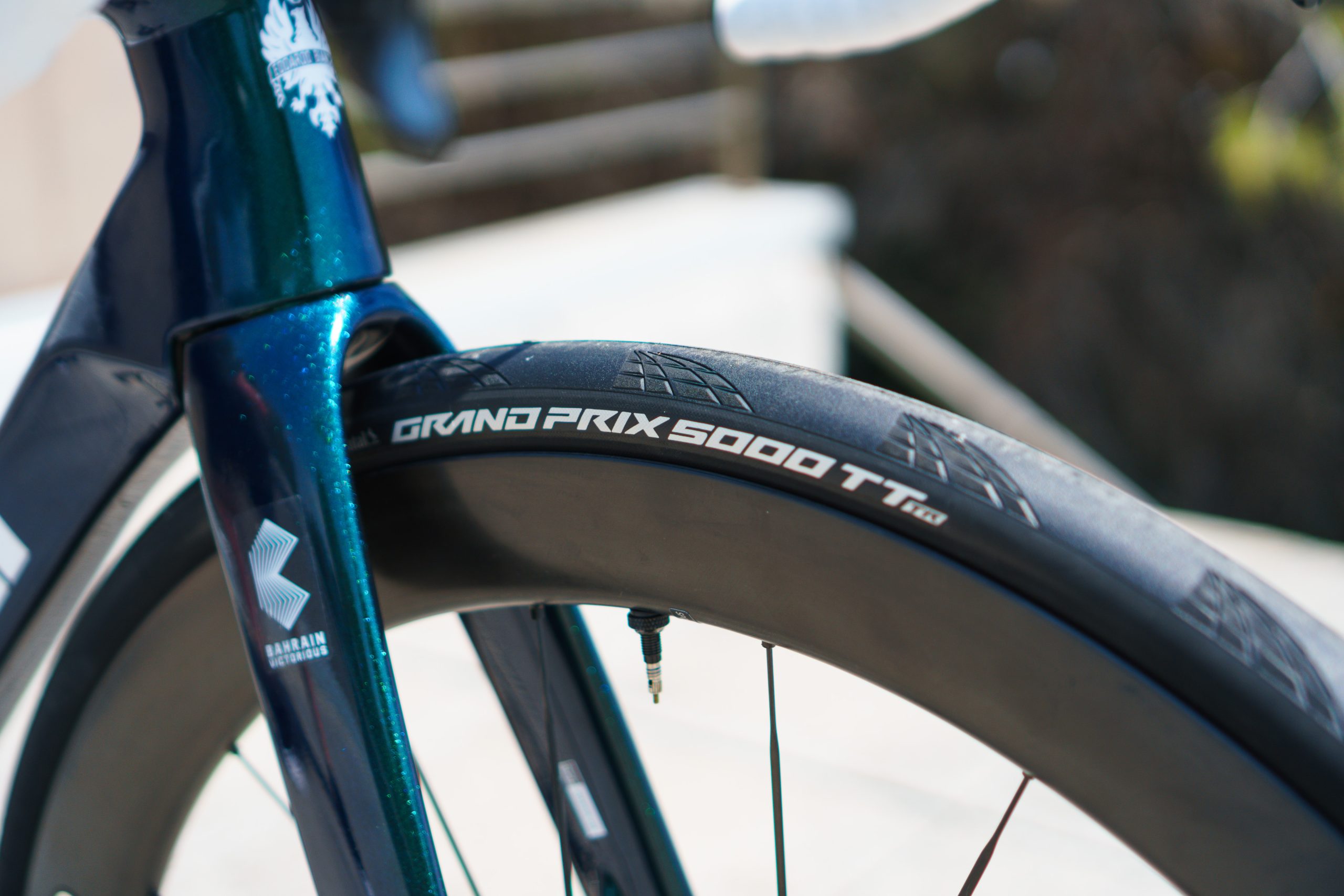
There’s more weight and inertia to be saved by using time trial tyres, rather than standard road tyres. It’s a swap that pros often make for the whole Tour, not just the mountain stages.
A 28c Continental Grand Prix 5000 TT TR tyre weighs a claimed 245g versus the S TR at 280g, so a pair are 70g lighter. The lighter casing and tread are claimed by Conti to reduce rolling resistance as well.
They do make the tyres more fragile though, so there’s a greater risk of a flat, particularly on mountain roads, which may be less well maintained. That said, their surfaces are usually in tip-top condition for the Tour. They’ll wear more quickly too, but that’s not likely to be a concern to the pros.
Lightweight paint jobs or no paint
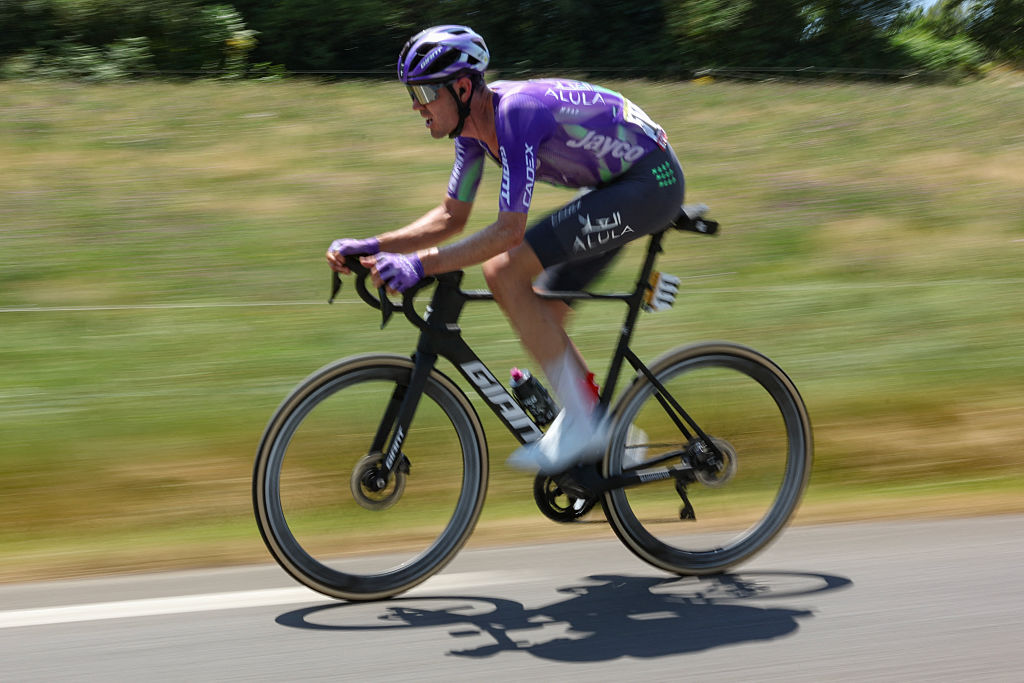
Reduced paint should save a few grams from the bike weight. It’s why you’ll often see black bikes chosen by pros who expect to be in contention in the mountains.
Look says that swapping from the Iconic Prism colour scheme to the black 795 Blade RS 3 will save Cofidis riders 80g.
Pogačar swapped from a white Colnago Y1Rs to a black one for the stage 15 uphill time trial and the stage 16 finish on Mont Ventoux at the 2025 Tour and Colnago now sells a Dark Series Y1Rs devoid of paint that mimics Pogačar‘s bike.
Skinny bottle cages
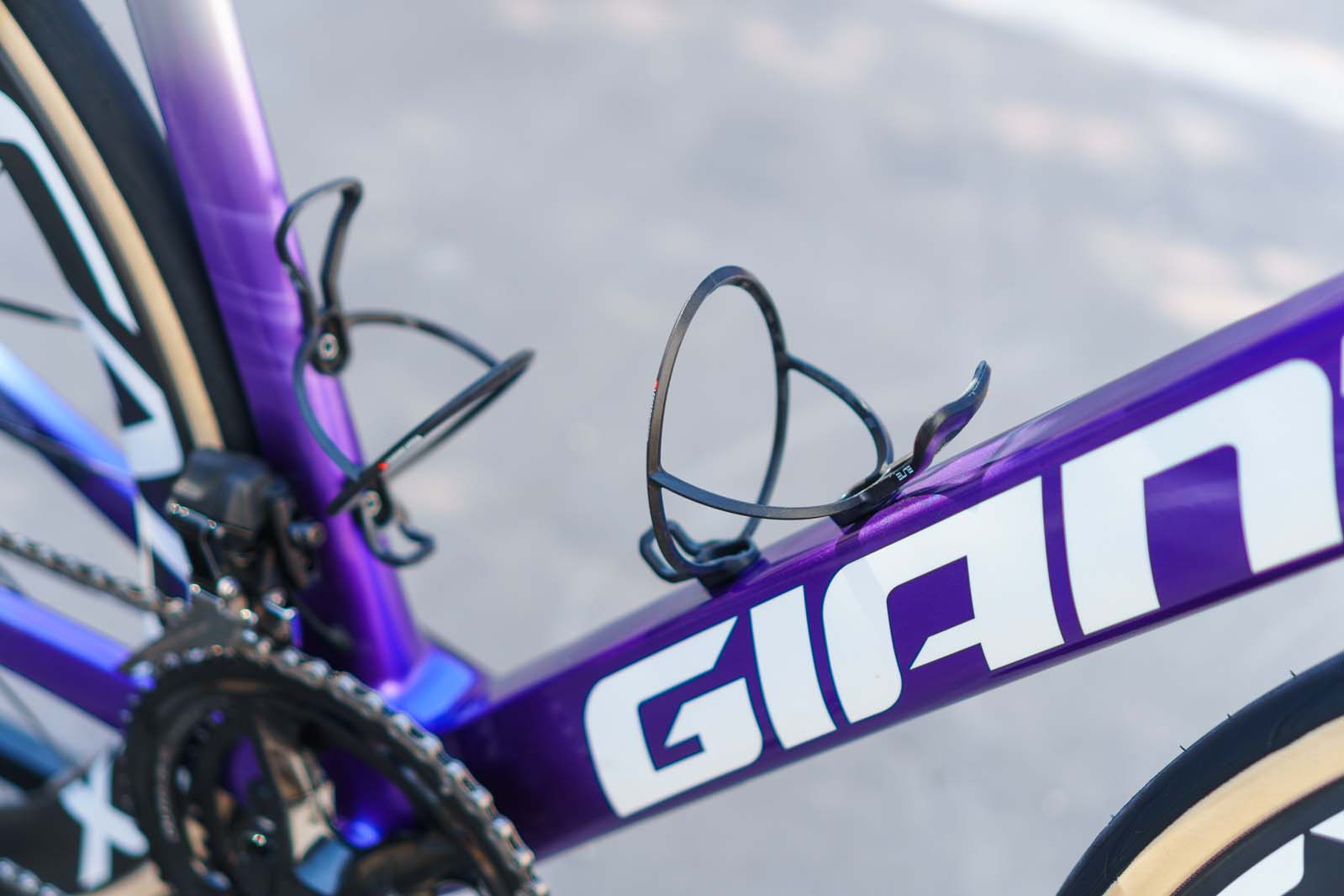
Another example of lightweight parts being chosen instead of aero is bottle cages. While aero bottle cages are often designed to improve a bike’s aerodynamics, that doesn’t mean that they won’t be swapped for something lighter.
Several Tour de France bikes are normally sold with aero bottle cages, including the BMC Teammachine, Wilier Filante SLR ID2 and Trek Madone.
The Giant Propel too has its own aero bottle cages, but when we checked Luke Plapp’s Propel Advanced SL ahead of the Tour’s start, the aero cages had been swapped out for a pair of 13g apiece Elite Leggero Carbon cages. Giant quotes a 36g weight for a Propel aero cage, so Plapp is saving 46g.
Exotic parts
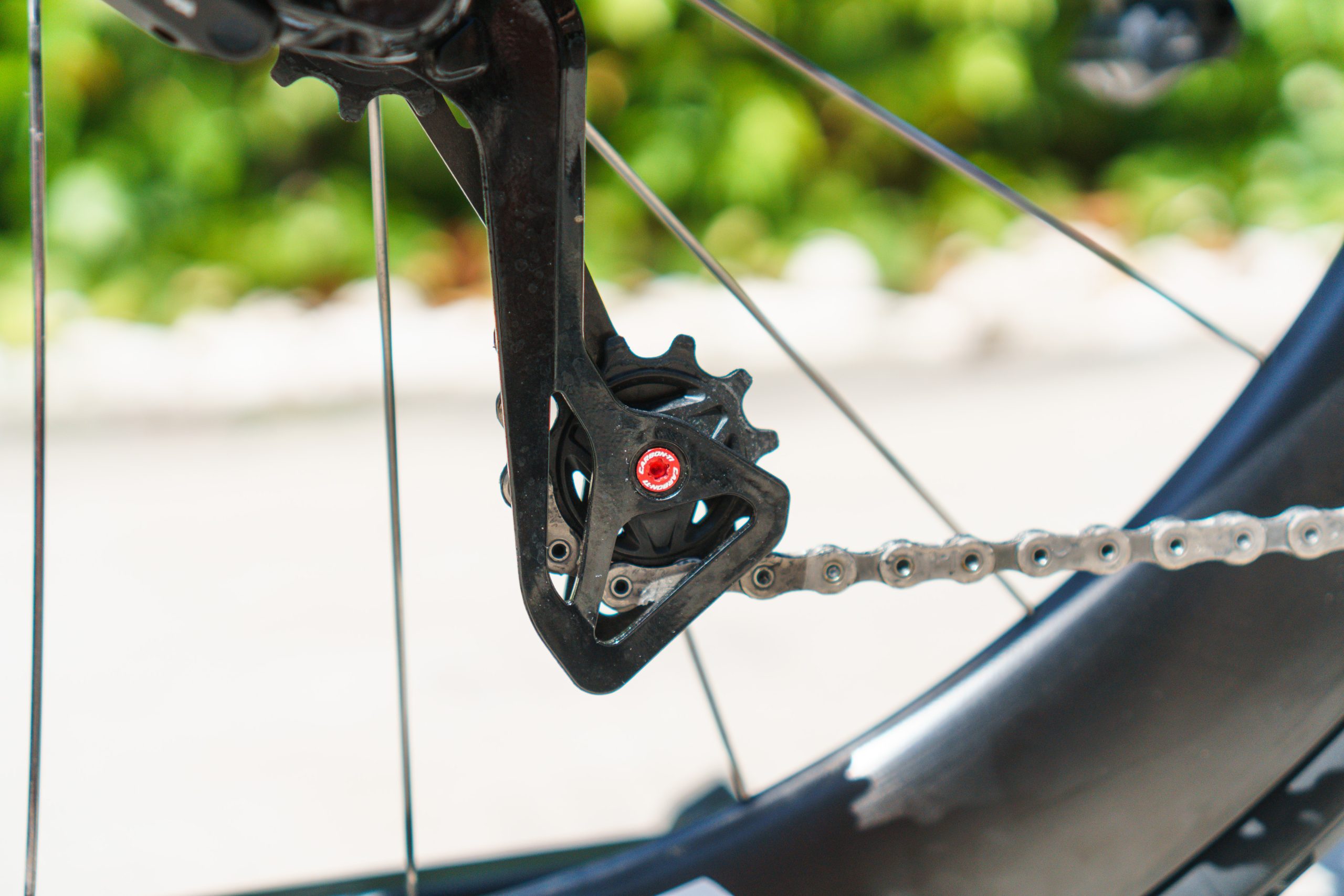
Run-of-the-mill parts may be swapped out for lower weight components from specialist brands. UAE Team Emirates-XRG does this more than anyone, with its Dura-Ace groupsets fitted with carbon chainrings from Carbon-Ti, which also supplies lightweight thru-axles and even the bolts for water bottle cages and derailleur jockey wheels.
We spotted a Darimo seatpost on Pogačar‘s Colnago TT1 time trial bike at the 2025 Tour and the brand is a popular choice with other pros for lightweight swap-out parts.
3D-printed parts
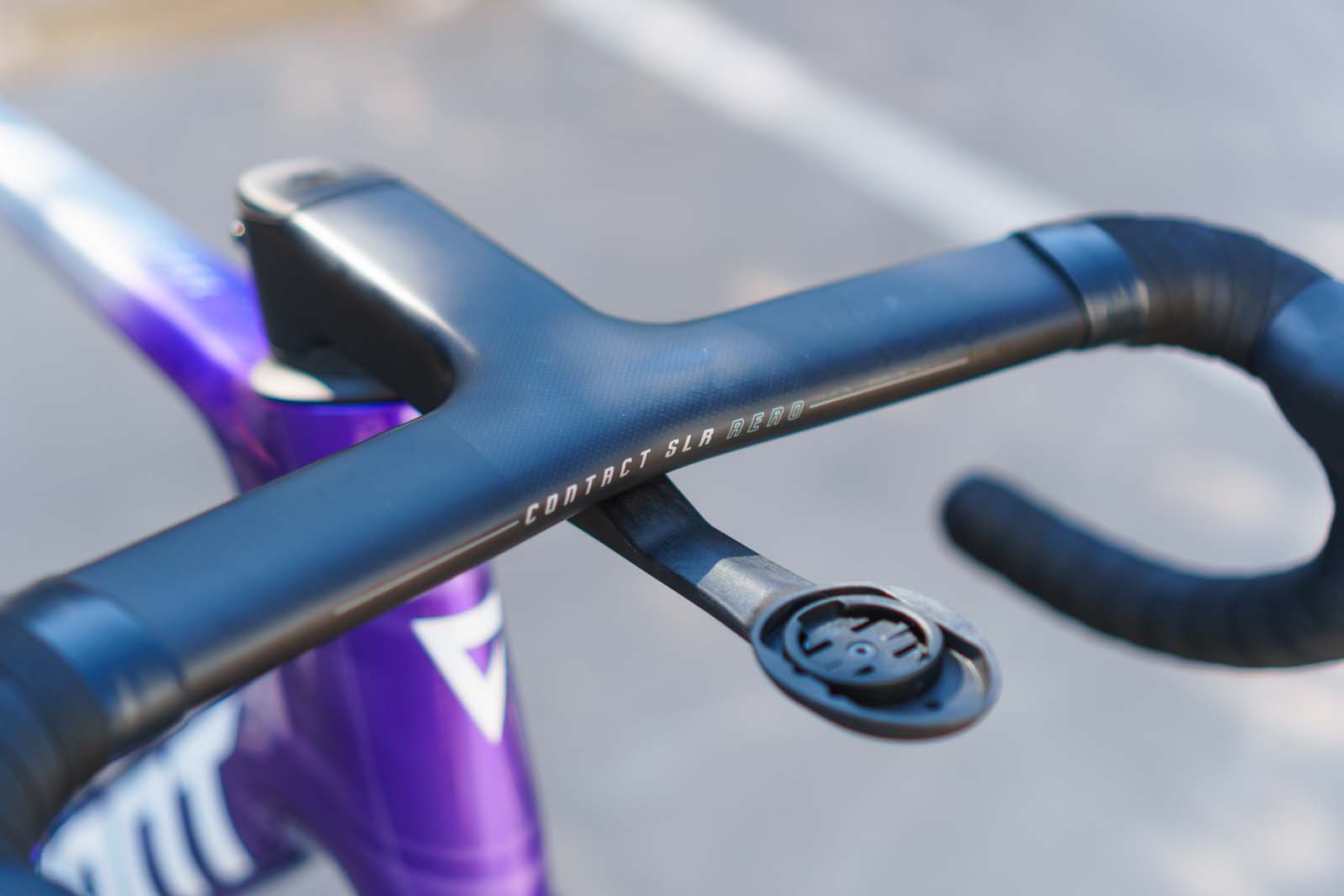
Pros often have 3D-printed parts on their bikes in place of stock components. We’ve spotted 3D-printed composite computer mounts on pros’ bikes, as well as more than one 3D-printed titanium saddle clamp. These seem to be particularly popular on time trial bikes, but spill over into road bikes too.
Ditching a bottle for the final climb
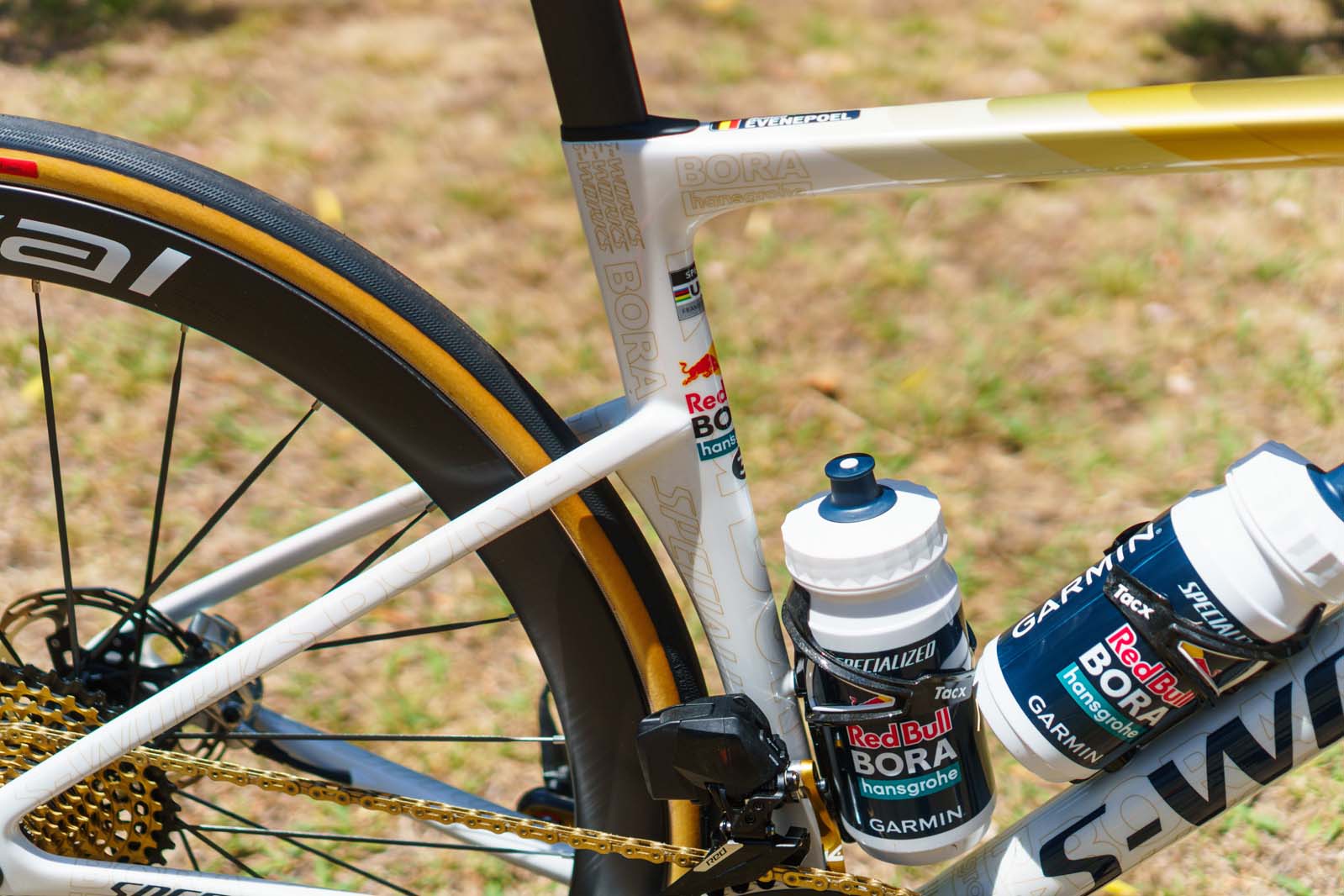
While pros go through prodigious numbers of water bottles, they often just pour the contents over their heads and discard the bottle without mounting it on their bike. It’s not that the bottles are heavy – Elite designed the pro-popular Fly to weigh just 50g – but the contents of a full bottle adds 500g to the bike weight.
It’s so common for pros to ditch their seat tube bottle on a climb that Specialized designed the Tarmac SL9’s aerodynamics around this behaviour, adding a 'Win Fin' behind the seat tube.
Using smaller frames with long stems
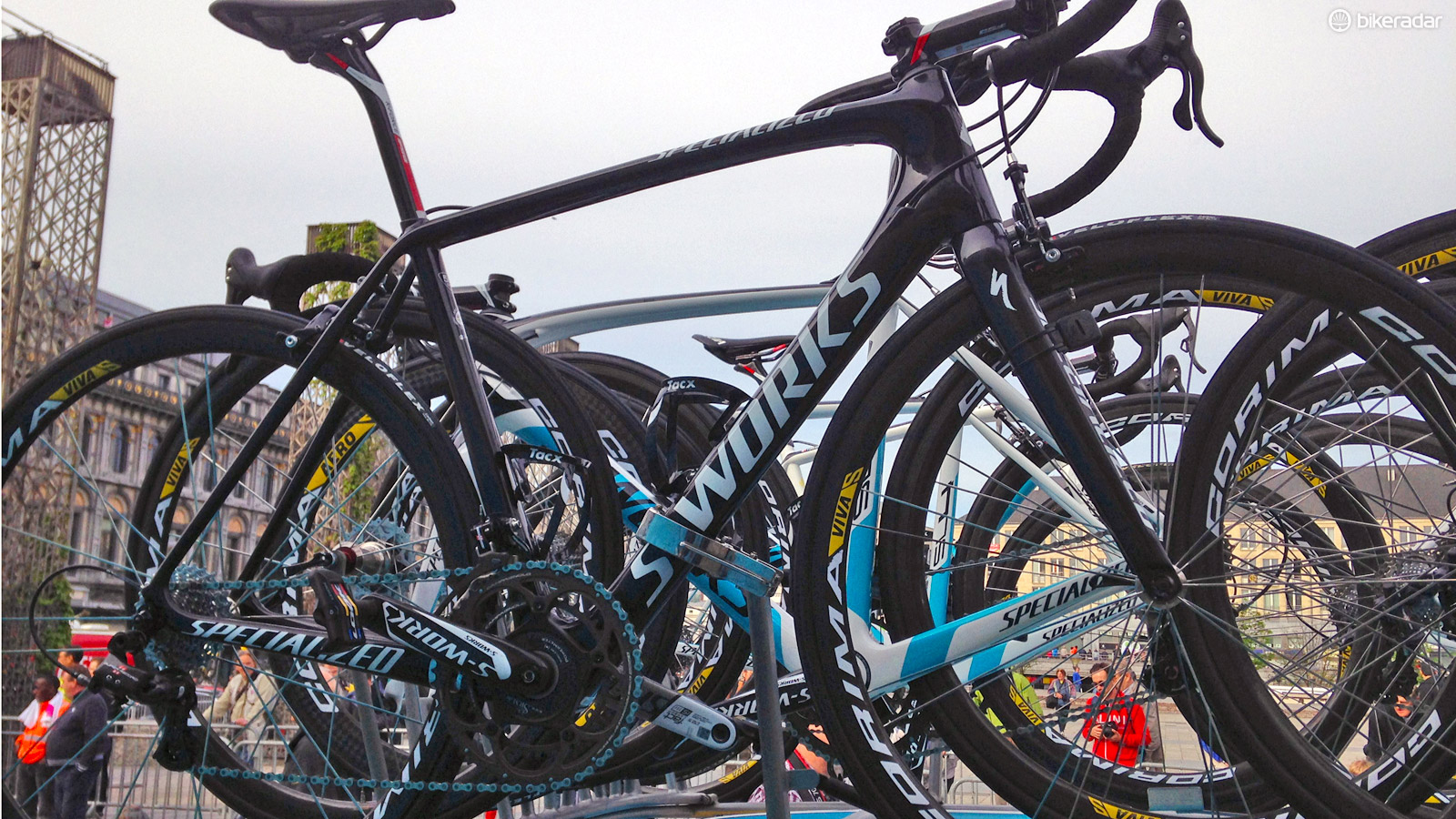
It’s not so common now, but in the past pros would size down their bike frame and add an extra long seatpost and stem to bring their bike back to the dimensions that fit them. The smaller frame size is lighter and the swap puts the rider in the classic head-down pro riding position.
Swapping to lightweight bikes
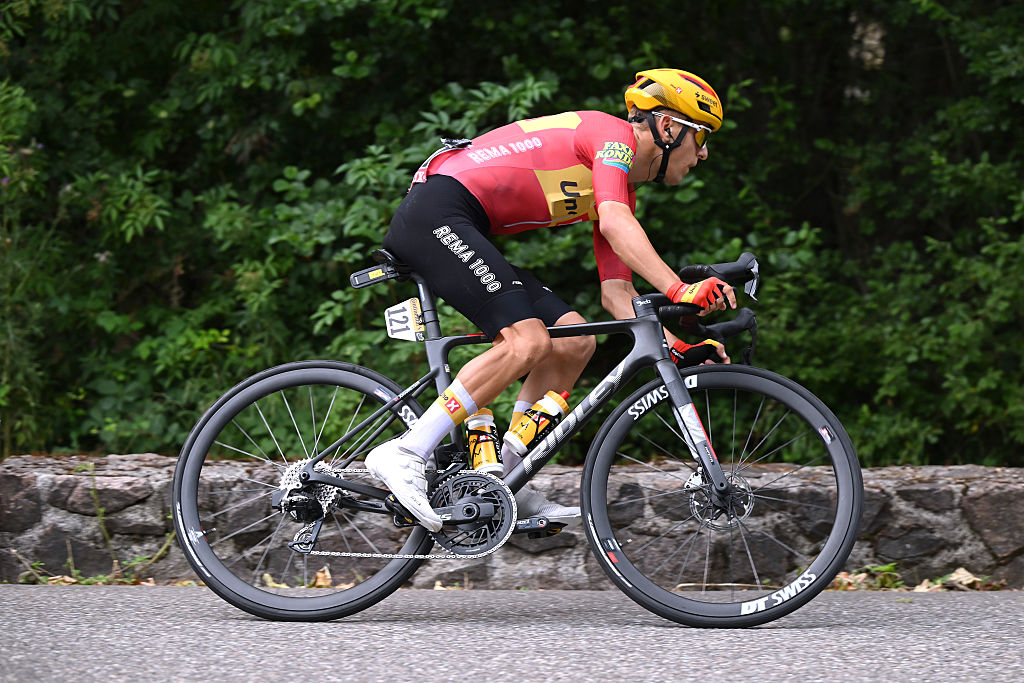
Finally, pros may switch from their sponsor’s aero bike to a lightweight bike for hilly stages. Uno-X team leader Tobias Johannessen, for example, has switched between the Ridley Noah Fast aero bike and an unreleased 6.9kg Ridley lightweight bike at the Tour.
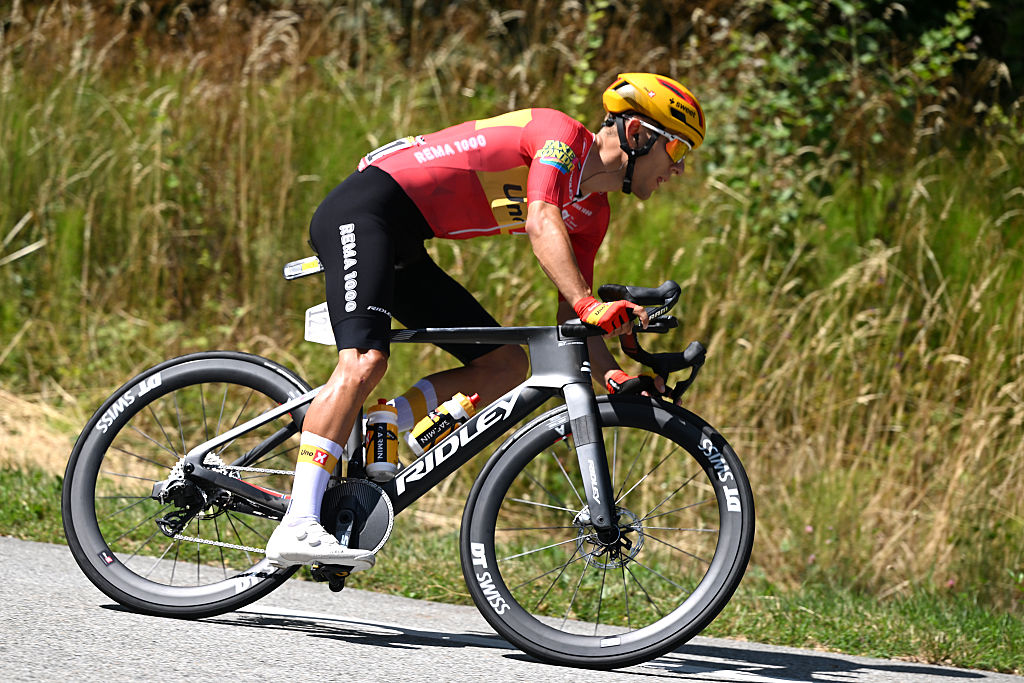
He’s gone over to the dark side too on some stages, riding an unpainted Noah Fast rather than the bike in full red team colour warpaint. We weighed his Noah Fast at the 2025 Tour at 8.3kg, so there's potentially a chunk of weight to be saved.